Day Trip From Kyoto To Hiroshima And Miyajima
Hiroshima and Miyajima sit far to the west of Kyoto, but a direct shinkansen line and a well-reviewed guided bus tour make the pairing possible in a single, very long day.
Short answer
Yes, but it is a full-day commitment. The direct shinkansen from Kyoto Station reaches Hiroshima without a transfer, and a guided bus tour from $115 per person covers both Hiroshima and Miyajima in about 8 hours, rated 4.7 from 1,239 reviews.
Kyoto drew a record 62.79 million visitors in 2025, according to the city's own tourism survey released in June 2026, and a growing share of them treat the old capital as a base for the whole Kansai and Chugoku region. Hiroshima is the most ambitious target on that map. The Peace Memorial Park and the floating torii of Miyajima are two of western Japan's most recognisable sights, and both sit on a direct rail line west of Kyoto Station, which is what makes the question worth asking at all.
The honest framing matters here. This is not a relaxed day. It is a dawn start, a long rail leg, two emotionally and physically demanding sites, and a late return. It works, thousands of travellers do it every month, and this guide sets out what the verified record supports: how the transport fits together, what a guided tour actually covers, what the day costs, and which easier day trips from Kyoto you might choose instead if the schedule looks punishing. For the wider picture of the city itself, start with things to do in Kyoto and work outward.
Is Hiroshima And Miyajima Possible In One Day From Kyoto?
Yes, Hiroshima and Miyajima are both possible in one day from Kyoto, but only as a tightly scheduled, early-start trip. The direct shinkansen from Kyoto Station reaches Hiroshima with no transfer, and the popular guided bus tour covers both the Peace Memorial area and Miyajima in about 8 hours, priced from $115 per person and rated 4.7 from 1,239 traveller reviews.
The arithmetic of the day is the whole story. Kyoto to Hiroshima is the longest single rail hop of any standard day trip from the city, and Miyajima adds a further leg out of Hiroshima itself, plus a crossing to the island. Two major destinations, one day, one very early alarm. The people who enjoy this trip are the ones who accept that framing up front rather than discovering it at Kyoto Station at seven in the morning.
There are two workable shapes for the day. The first is independent: you buy your own rail tickets, plan your own sequence through the Peace Memorial Park and the island, and keep your own clock. The second is guided: a bus tour product departs from Kyoto or Osaka, includes the shinkansen ticket, and runs the whole sequence on a fixed schedule. Both are legitimate choices, and this guide compares them honestly further down.
What neither shape can do is stretch the day. Miyajima's shrine and the Peace Park both deserve unhurried time, and a one-day visit gives each of them a compressed window. Travellers who want depth, particularly at the Peace Memorial Museum, generally do better with an overnight in Hiroshima. If one day is what you have, the plan below makes it work.
How Do You Get From Kyoto To Hiroshima?
You take the direct shinkansen west from Kyoto Station, which reaches Hiroshima with no transfer required; the exact fare is on the operator's own fare table and should be checked there before you budget. The alternative is the guided bus tour, which includes the shinkansen ticket in its from-$115 price and removes the booking task entirely.
The rail option is the backbone of the independent day trip. Kyoto Station is the departure point, the line runs west through Osaka and Himeji territory, and Hiroshima is a major terminal stop, so there is no changing trains with a day bag. The fare and exact journey time are published by the rail operator, and because this site only prints figures it has verified from the operator's own pages, the number to plan with is the one on the operator's fare table when you book. Budget generously: this is the single largest transport cost of any Kyoto day trip.
One warning carried over from the verified record: the Japan Rail Pass is not valid on the fastest trains on this line, a limitation that catches a lot of first-time visitors. If your pass restricts you to slower services, the day-trip arithmetic changes, because every extra half hour on the rail leg is a half hour taken from Miyajima or the Peace Park. Check your pass conditions against the timetable before committing to the independent plan.
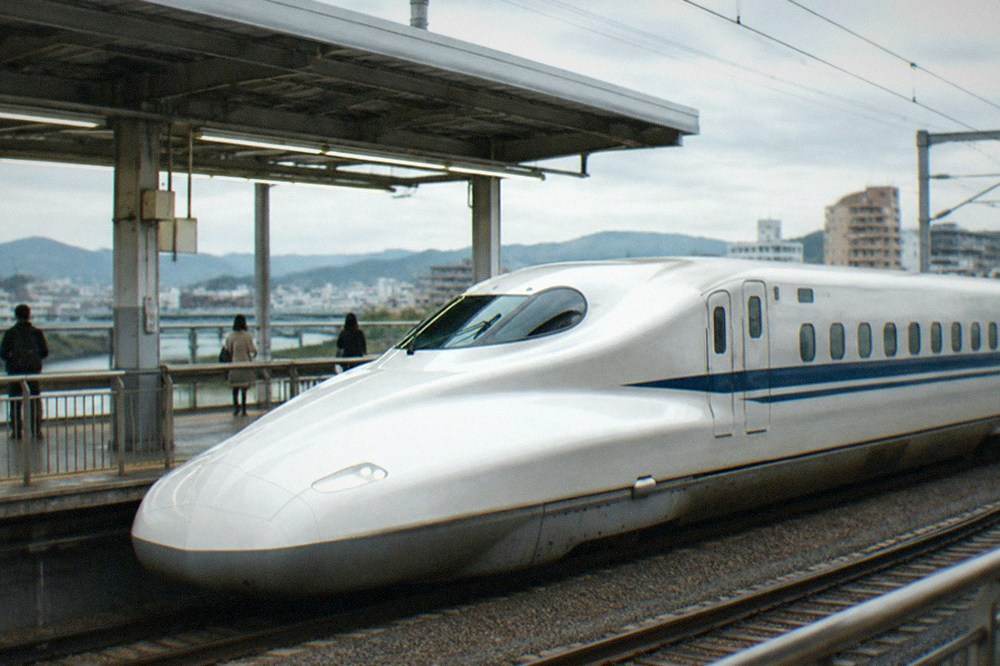
The guided option bundles the rail leg into the product. The Hiroshima and Miyajima bus tour departs from Kyoto or Osaka, includes the shinkansen ticket, and is priced from $115 per person with a 4.7 rating from 1,239 reviews over about 8 hours. For a first visit, and especially for travellers who do not want to navigate Japanese ticketing before sunrise, that bundle is the stronger choice. You can read the full breakdown on the Hiroshima and Miyajima bus tour page.
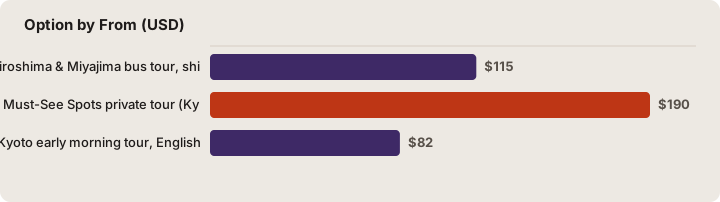
Here is how the three most relevant bookable options compare on the numbers this site has verified from the operator listings:
| Option | From | Rating | Duration |
|---|---|---|---|
| Hiroshima & Miyajima bus tour, shinkansen included | $115 per person | 4.7 from 1,239 reviews | 8 hours |
| 10 Must-See Spots private tour (Kyoto itself) | $190 per person | 5 from 1,373 reviews | 8 hours |
| Kyoto early morning tour, English guide | $82 per person | 4.9 from 1,998 reviews | 5 to 6 hours |
The second and third rows are there for a reason: if the Hiroshima schedule looks like too much, a full day inside Kyoto with a private guide, or an early-morning highlights walk, delivers more depth per yen than a six-hour round trip on a train. The comparison is the real decision, not a footnote to it.
What Does The Hiroshima And Miyajima Bus Tour Actually Include?
The tour includes the shinkansen ticket between Kyoto or Osaka and Hiroshima, the bus transport on the ground, guided visits covering the Peace Memorial area and Miyajima, and runs about 8 hours end to end, from $115 per person, rated 4.7 from 1,239 reviews. What it does not include is everything you eat, and any personal spending on the island.
The product is built around the exact problem this page describes: the distance. By putting the rail leg, the Miyajima crossing and the ground transport into one booking, it converts a five-decision morning into a single checkout. The schedule is fixed, which is both its strength and its limit. You will not linger, but you will also not stand on a Hiroshima platform working out a ferry timetable with a paper map.
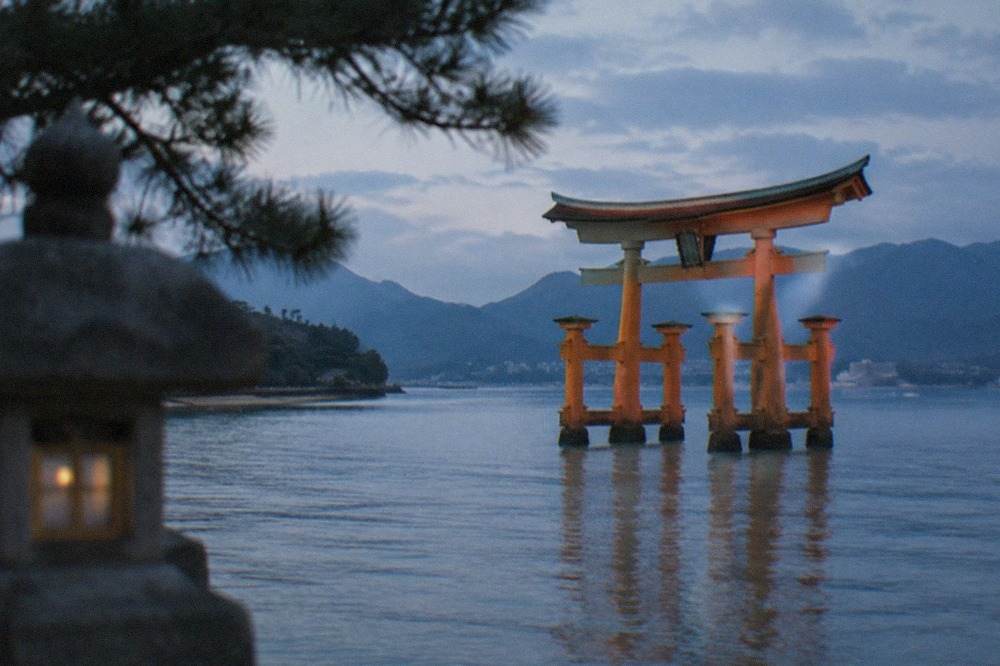
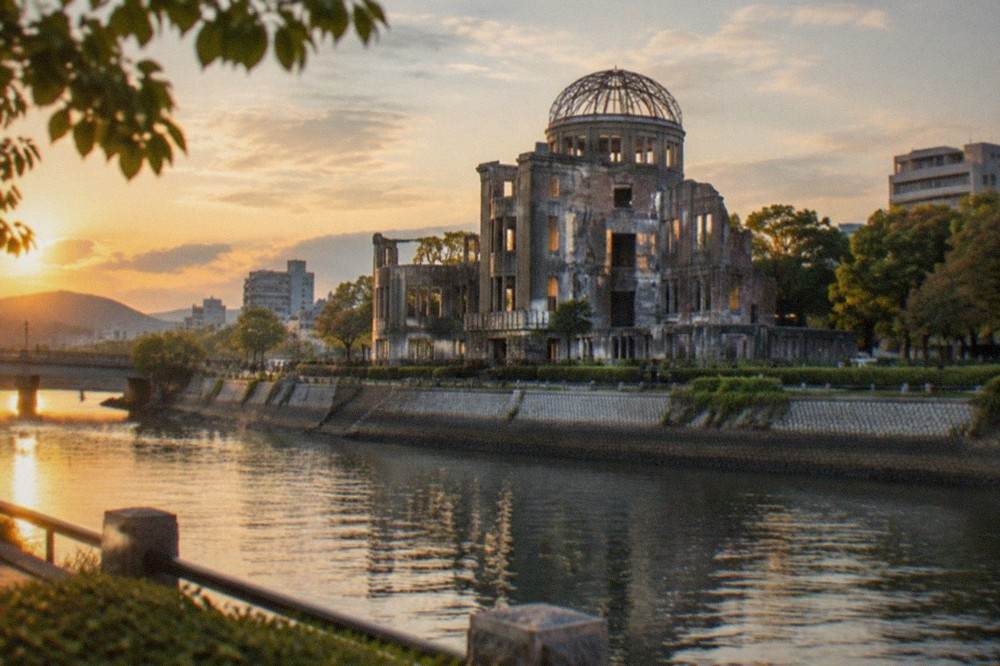
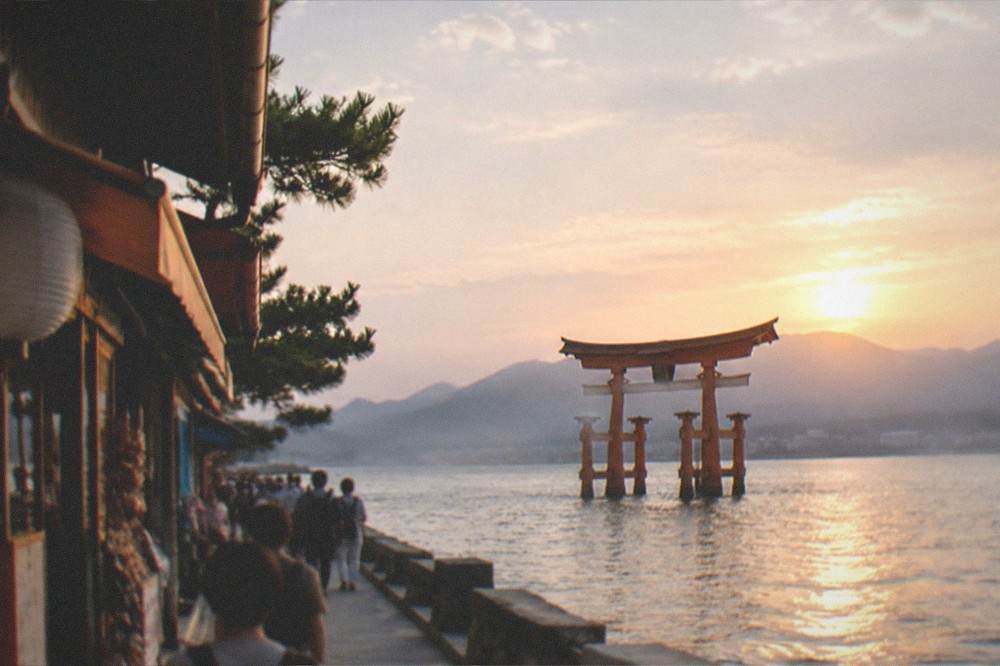
The Peace Memorial portion covers the park and the A-Bomb Dome, the building that survived the atomic bombing that destroyed the city around it and now stands as the memorial's centrepiece. The Miyajima portion covers the island's shrine and its famous torii, which appears to float on the water at high tide. Guides on the product handle the context and the history, which matters at the Peace Memorial in particular, where the material is heavy and the interpretation is the point.
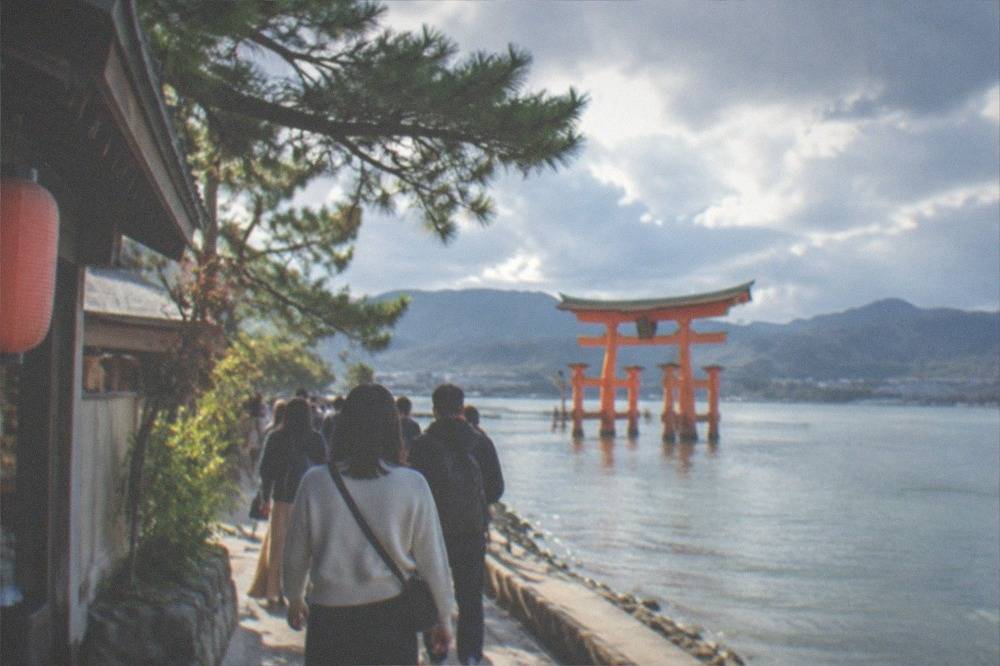
For the practical details, the operator's live listing carries the current departure points, the meeting instructions and the cancellation terms, and it is the authoritative source for anything that changes between this page being written and your travel date. The tour also has its own page on this site with the full review breakdown: Hiroshima and Miyajima bus tour, or Check availability for the live listing.
One thing worth saying plainly: a guided day is not a lesser day at these two sites. The Peace Memorial rewards context, and Miyajima rewards someone who knows which way to walk when the ferry lands. Independent travellers can and do manage both, but the guided version buys certainty at the exact points where the independent day is most likely to slip.
How Much Does A Kyoto To Hiroshima Day Trip Cost?
The guided version starts at $115 per person with the shinkansen ticket included, so its floor is fixed and published. The independent version costs your rail fare both ways, the Miyajima crossing, food and drink through a very long day, and any admission charges, which together will exceed the tour price for most travellers once the rail fare alone is counted.
The honest budget line is this: the rail fare is the dominant cost, and because this site has not verified the operator's current fare figure for this specific line, the number to plan with is the one printed on the operator's fare table at booking time. Everything else is secondary. Food on a day like this is grab-and-go between sites, and Miyajima is famous for its grilled oysters and momiji-shaped sweets sold along the approach, prices that vary by stall and are worth checking on the day. The rest of the planning pages sit on Kyoto Travel Guide.
A planning-range budget for the independent day, with the caveat that the rail fare is the one line you must price yourself:
| Cost line | Planning range | Notes |
|---|---|---|
| Shinkansen, Kyoto to Hiroshima return | check the operator's fare table | the dominant cost of the independent day |
| Miyajima crossing | check the ferry operator's posted fare | short hop from the mainland terminal |
| Food through the day | roughly 2,000 to 5,000 yen per person | street food on Miyajima plus a Hiroshima lunch stop |
| Guided tour alternative | from $115 per person | rail ticket included, meals extra |
The comparison is not as lopsided as it first looks. The tour's from-price includes the rail leg, which is the single biggest line in the independent column, so for many travellers the guided day is both cheaper and simpler than the sum of its parts. Where the independent day wins is flexibility: you set the pace at the Peace Memorial, and you can give Miyajima the late afternoon the tour schedule may not allow.
If you are building a whole-trip budget rather than a single-day one, the Kyoto trip cost guide breaks down the full ledger, including the accommodation tax change that took effect on 1 March 2026 and still catches out guides quoting the old tiers.
What Is The Best Itinerary For One Day In Hiroshima And Miyajima?
The strongest one-day sequence from Kyoto is: earliest practical shinkansen west, Peace Memorial Park and the A-Bomb Dome first while your attention is freshest, a midday food stop in Hiroshima, then the crossing to Miyajima for the shrine and the torii in the afternoon light, and a late-evening train back to Kyoto Station. The order matters more than the clock.
The reasoning behind that order is simple. The Peace Memorial demands focus, and focus is a morning resource. Miyajima, by contrast, is a sensory pleasure: the approach street, the shrine at the water's edge, the view back toward the mainland. That is a better fit for a tired afternoon than the museum is. Reversing the sequence, which some independent travellers do to chase tide times around the torii, works only if you accept doing the memorial material at the end of a very long day.
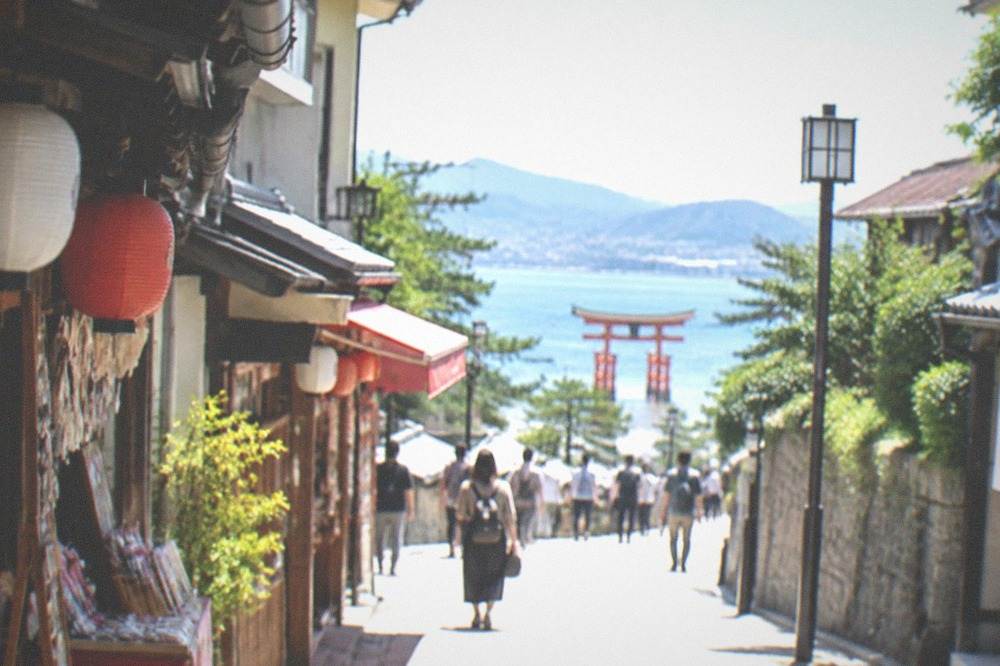
What this site will not do is print a minute-by-minute timetable. The verified fact pack holds no walking or transit times for Hiroshima or Miyajima, and an itinerary built on invented minutes is exactly the kind of planning failure that strands a reader at a ferry terminal at dusk. The sequence above is sound; the clock you attach to it must come from the operator's timetables on the day you travel, and from the tour's fixed schedule if you take the guided version.
The shape of the day, in the order that works:
| Stage of the day | What happens | Why this order |
|---|---|---|
| Pre-dawn, Kyoto Station | earliest direct shinkansen west | the day is won or lost at the departure |
| Morning, Hiroshima | Peace Memorial Park and the A-Bomb Dome | the material needs a fresh mind |
| Midday, Hiroshima | food stop, the city's famous style of layered savoury pancakes among the options | a real break between the two halves |
| Afternoon, Miyajima | crossing, the approach street, Itsukushima Shrine and the torii | the sensory half suits tired legs |
| Evening, back to Kyoto | late shinkansen east | plan the last train before you plan anything else |
One structural note for the return: confirm your last eastbound departure before you leave Kyoto in the morning. A day trip that ends in an unplanned Hiroshima hotel night is the single most common way this itinerary fails, and it fails silently, because everything up to that point has gone perfectly.
Is A Guided Tour Or Independent Travel Better For This Trip?
For a first visit on a strict one-day clock, the guided tour is the stronger option, because the fixed schedule, the included rail ticket and the ferry logistics remove the three points where an independent day most often slips. Independent travel wins if you want to control your time at the Peace Memorial, or if tide times around the torii dictate your afternoon.
The honest trade is time against certainty. The guided day is a machine: it starts on time, it moves on time, and it gets you back to Kyoto the same night. The independent day is a plan you own, which means you also own its failure modes, the missed connection, the underestimated walk, the ferry queue you did not budget for. Both are defensible; they suit different travellers.
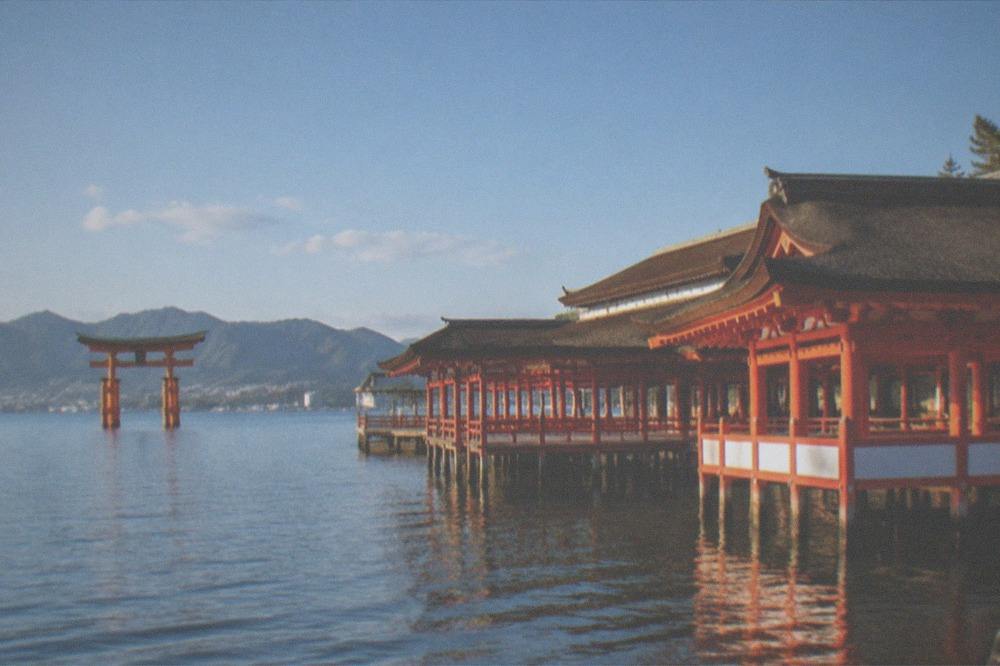
A side-by-side of the two shapes of the day:
| Factor | Guided bus tour | Independent |
|---|---|---|
| Rail booking | included in the price | you buy it, at the operator's fare |
| Schedule | fixed, about 8 hours | yours to build and to break |
| Time at the Peace Memorial | set by the tour | unlimited, at the cost of Miyajima time |
| Miyajima timing | set by the tour | adjustable to the tide |
| Risk of missing the last train | very low | real, and entirely yours |
| Best for | first visit, tight schedule | repeat visitors, tide chasers, slow travellers |
There is a middle path worth naming: do Kyoto itself deeply instead. A private guide running a 10 must-see spots one-day private tour covers more of the old capital in one day than most visitors manage in three, and an early start with an English-speaking guide on the Kyoto early morning tour reaches the famous sites before the midday crowds build. Neither replaces Hiroshima, but both are better uses of a day if the westbound schedule feels wrong for you.
What Other Day Trips From Kyoto Are Easier Than Hiroshima?
Nara, Uji, Osaka and Kobe are all closer, cheaper and less schedule-critical than Hiroshima, with the JR Miyakoji Rapid reaching Nara in about 45 minutes for 720 yen one way and the JR Nara Line reaching Uji for 240 yen, so if the Hiroshima day looks punishing, the alternatives deliver a full day out for a fraction of the rail cost.
The full menu of options is on the day trips from Kyoto guide, but the headline comparison is worth printing here, because it reframes the decision. Hiroshima is the far end of the spectrum. Everything else is nearer.
| Day trip from Kyoto | Transit basis | Character |
|---|---|---|
| Nara | JR Miyakoji Rapid, about 45 minutes, 720 yen one way | temple park, the 2026 deer census counted 1,687 animals |
| Uji | JR Nara Line, 240 yen one way | matcha, Byodo-in, riverside calm |
| Himeji | on the same westbound line as Hiroshima | Japan's most famous castle, a natural stop if you go west |
| Osaka | short hop | city energy, food, nightlife |
| Miyama thatched village | further afield, bus territory | rural thatched-roof hamlet |
| Hiroshima and Miyajima | the longest standard day trip | the heavyweight option this page covers |
The Nara deer figure is worth a pause: the 2026 census, counted over two July mornings, recorded 1,687 deer, up 222 on the previous year, and the herd is the reason the park feels the way it does. The Nara day trip guide covers the etiquette and the transport in full, and the Uji guide does the same for the matcha capital. If you are heading west regardless, Himeji Castle sits on the same rail corridor and pairs naturally with a Hiroshima plan spread over two days.
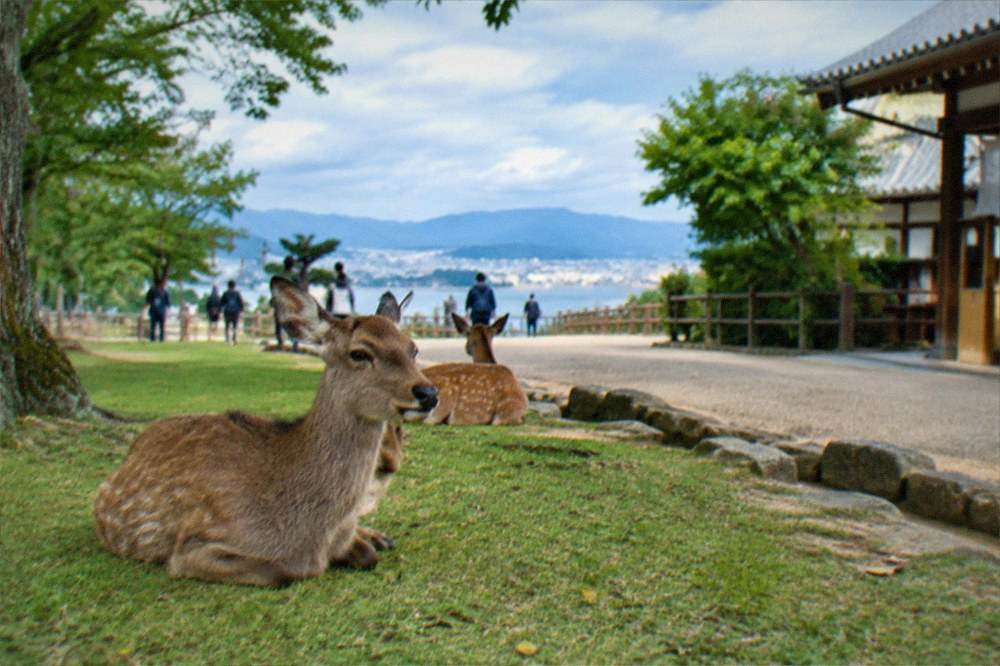
The pattern in the table is the real advice. Hiroshima rewards travellers with a specific reason to be there: the memorial, the history, the island shrine. Travellers without that specific pull usually have a better day in Nara or Uji, at a quarter of the transport cost and with none of the clock pressure. The decision is not which trip is objectively better, it is which one matches why you came to Japan.
Whichever way you lean, the early-morning option deserves a look before you decide. The Kyoto early morning tour with an English-speaking guide runs 5 to 6 hours from $82 per person, rated 4.9 from 1,998 reviews, and it shows what a Kyoto day feels like when the schedule pressure is removed entirely. It is the calm counterweight to everything this page has described.
Common Questions About A Kyoto To Hiroshima Day Trip
Is Hiroshima And Miyajima Possible In One Day From Kyoto?
Yes. The direct shinkansen links Kyoto Station and Hiroshima with no transfer, and a guided bus tour from $115 per person covers both the Peace Memorial area and Miyajima in about 8 hours, rated 4.7 from 1,239 reviews. It is a long, early-start day, and it trades depth for coverage.
How long is the train from Kyoto to Hiroshima?
The shinkansen runs direct with no transfer, and the exact journey time and fare are on the rail operator's own timetable and fare table, which is where this site directs you to check before booking. It is the longest single rail leg of any standard day trip from Kyoto, which is why the day is built around an early start.
Is the guided bus tour worth it compared to going independently?
For a first visit on a one-day clock, usually yes. The from-$115 price includes the shinkansen ticket, which is the largest single cost of the independent day, and the fixed schedule removes the missed-connection risk that most often breaks an independent plan. Independent travel wins if you want unlimited time at the Peace Memorial or need to time the Miyajima visit around the tide.
What should I see first in Hiroshima, the Peace Memorial or Miyajima?
The Peace Memorial first. It demands focus, and focus is a morning resource. Miyajima, with its approach street and the shrine at the water's edge, suits tired afternoon legs far better than the memorial material does. The guided tour follows this order for the same reason.
What if a Hiroshima day trip is too much?
Nara and Uji are the standard alternatives: the JR Miyakoji Rapid reaches Nara in about 45 minutes for 720 yen one way, and the JR Nara Line reaches Uji for 240 yen. Both deliver a complete day out at a fraction of the cost and schedule pressure, and the day trips from Kyoto guide lists the full menu.
The short version of this whole page: the trip is possible, the guided tour makes it straightforward, and the only real mistake is underestimating the distance. Confirm your last return train before you leave Kyoto, plan the rail fare from the operator's own table, and give the Peace Memorial the morning it deserves.