Things To Do In Kyoto
Kyoto drew a record 62.79 million visitors in 2025, and the city's own survey release from June 2026 confirms it. This guide lays out what to actually do on a first visit, priced from the temples' own fee notices and the transport bureau's own fare pages.
Short answer
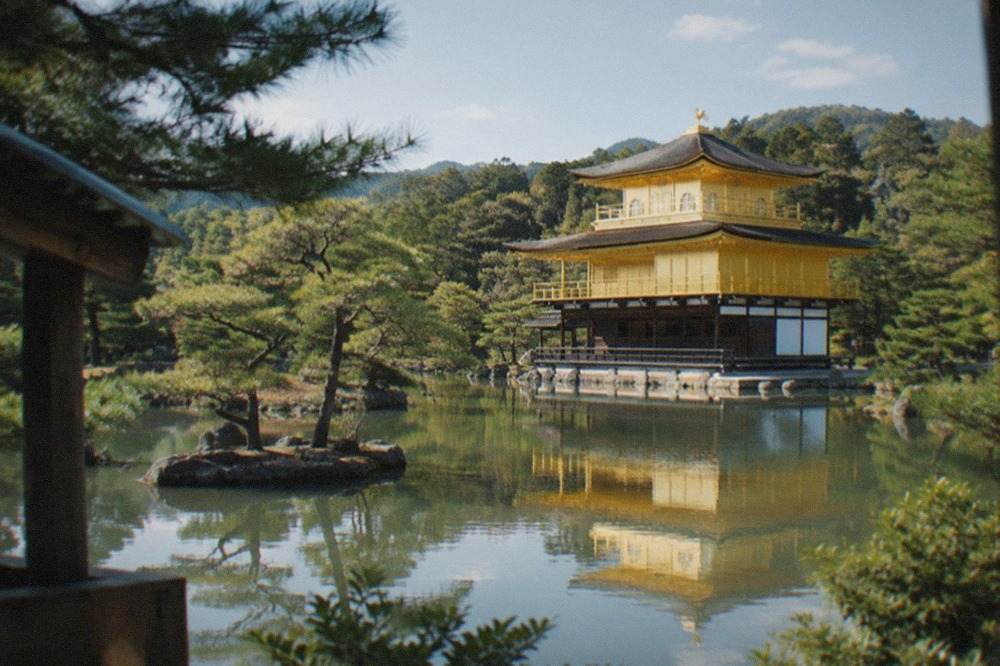
For a first visit, the core of Kyoto is Fushimi Inari's free hill paths, Kinkaku-ji at 500 yen, Kiyomizu-dera and the Higashiyama lanes, the Arashiyama bamboo grove, and one evening walk through Gion. Two temples changed their fees in 2026, the bus-only pass is gone, and the city's accommodation tax rose on 1 March 2026, so plan from current numbers, not a 2024 guide.
Things To Do In Kyoto
Kyoto drew a record 62.79 million visitors in 2025, and the city's own June 2026 survey release breaks that into 50.11 million Japanese travellers and 12.68 million foreign visitors, with tourism spending of 2.0474 trillion yen. Those are the numbers that shape a first visit: the headline temples are busy because they are genuinely worth the fee, and the city has spent 2025 and 2026 responding with express buses, a live crowd forecast and dispersal campaigns. This page lays out the shortlist, with every price taken from the venue's own notice or the transport bureau's own fare page, including the two fees that changed in 2026 and the tax change most older guides still miss.
What Are The Best Things To Do In Kyoto For A First Visit?
The five essentials are Fushimi Inari's free torii paths, Kinkaku-ji at 500 yen, Kiyomizu-dera and the Higashiyama slopes, the Arashiyama bamboo grove with the Sagano Romantic Train at 880 yen one way, and an evening walk through Gion. Around those, Sanjusangen-do's 1,001 Kannon statues, Nijo-jo Castle and a Nara or Kurama day trip fill out a first stay of three or more days.
The order matters less than the timing. Kiyomizu-dera opens at 6:00, the temple's own FAQ confirms, while Nijo-jo Castle stops admitting at 16:00 and closes at 17:00, so the castle belongs early or midday and the temple walks suit the morning. Fushimi Inari's paths have no closing time at all, the shrine publishes only desk and prayer hours, which makes it the one headline site that works before breakfast and after dinner alike.
A first visit also needs a base. The where to stay in Kyoto guide maps the districts against this shortlist, and the first-time visitors itinerary sequences these stops day by day. If you are splitting time between cities, the Kyoto vs Tokyo comparison covers how many days each deserves.
Free Things To Do In Kyoto: Fushimi Inari and the Paths That Never Close
Fushimi Inari Taisha charges nothing, and the shrine's own FAQ counts about 10,000 torii of all sizes across the whole mountain, not just the famous tunnel. The shrine dates its founding to 711, when, by its own account, Irogu no Hatanokimi enshrined the deities on Inariyama on an imperial order from Empress Genmei. It is the head shrine of about 30,000 Inari shrines nationwide.
The shrine hedges its own history with "is said to be", and that is the honest way to read 711: a tradition recorded in an ancient text, not a construction date. What is verifiable on the shrine's own pages is the scale. The English history page counts 2011 as the 1300th anniversary, and the about page's "some thirty thousand" shrines is the figure to quote, never an exact count.
The mountain itself, Inariyama, stands 233 m, the shrine gives the figure on its own pages, and the full circuit of paths takes in quieter sub-shrines above the tourist tunnel. Because the paths never close, the practical move is to come outside the middle of the day; the shrine links to the Kyoto Tourism Comfort forecast and its own approach cameras, so you can check the crowd level before setting out. Our Fushimi Inari guide covers the circuit in detail, and the shrine also sits inside the Kyoto shrines round-up.
Things To Do In Kyoto At The Golden Temples: Fees, Hours and the 2026 Changes
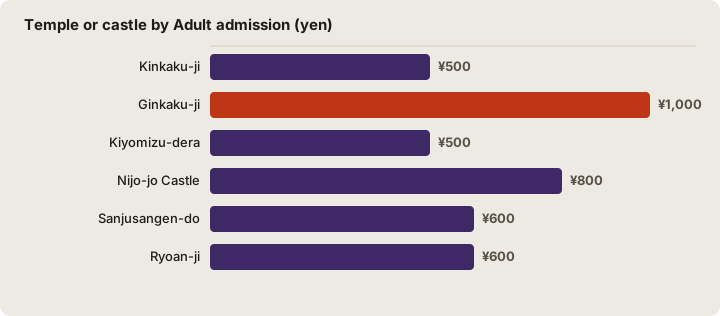
Kinkaku-ji charges 500 yen, Ginkaku-ji now charges 1,000 yen after doubling its fee on 1 April 2026, and Kiyomizu-dera is listed at 500 yen. Nijo-jo Castle is 800 yen, or 1,300 yen with the Ninomaru-goten Palace. Two of these changed recently, so any fee copied from a 2024 guide is wrong for at least one temple.
The Ginkaku-ji change is the one most guides missed. The temple's own notice, dated January 2026, raised the adult fee from 500 to 1,000 yen and the child fee from 300 to 500, the first revision in 32 years. At the new price, Ginkaku-ji costs twice Kinkaku-ji, and for a first visit on a budget, Kinkaku-ji is the better use of the fee. Tofuku-ji also revises its fees on 1 November 2026: the Tsutenkyo bridge and Kaisando stay at 600 yen but rise to 1,000 yen during the autumn foliage period, and a new 1,000 yen combined ticket appears.
| Temple or castle | Adult admission | Hours to plan around | Source of the figure |
|---|---|---|---|
| Kinkaku-ji | 500 yen | 9:00-17:00 year-round | the temple's own access page |
| Ginkaku-ji | 1,000 yen (was 500, from 1 Apr 2026) | summer 8:30-17:00, winter 9:00-16:30 | the temple's own fee notice |
| Kiyomizu-dera | 500 yen | opens 6:00, closing varies by season | the temple's FAQ and access page |
| Nijo-jo Castle | 800 yen, 1,300 yen with palace | admission 8:45-16:00, closes 17:00 | the castle's own fee page |
| Sanjusangen-do | 600 yen | 8:30-17:00 summer, 9:00-16:00 from 16 Nov | the temple's own visit page |
| Ryoan-ji | 600 yen | 8:00-17:00 summer, 8:30-16:30 winter | the temple's own page |
The closing windows are where first-visit plans fail. Nijo-jo Castle stops admitting at 16:00, Ginkaku-ji closes at 16:30 in winter, Sanjusangen-do closes its reception at 16:00 from 16 November, and Nanzen-ji at 16:30 in winter. A January plan that has you arriving at a temple at 16:30 is simply wrong. Kiyomizu-dera runs night viewings on specific dates, 27 March to 5 April and 21 to 30 November in 2026, with last entry at 21:00.
Sanjusangen-do deserves the stop its neighbours get. The temple itself states the hall holds 1,001 Kannon statues, and its formal name is Rengeo-in. The temple does not print the "find your own face among the statues" tradition on its own site, so treat that line as a widely repeated story rather than temple doctrine. The full temple-by-temple detail, including the Tofuku-ji revision, is in our Kyoto temples guide.
If you would rather not sequence the temple runs yourself, the Perfect 1-Day Bus Tour covers Fushimi Inari, Kinkaku-ji and the bamboo grove in a single 8 to 9 hour day, from $102 per person with a 4.9 rating across 17,054 reviews. Check availability
Things To Do In Kyoto East: Higashiyama Lanes and the Gion Walks
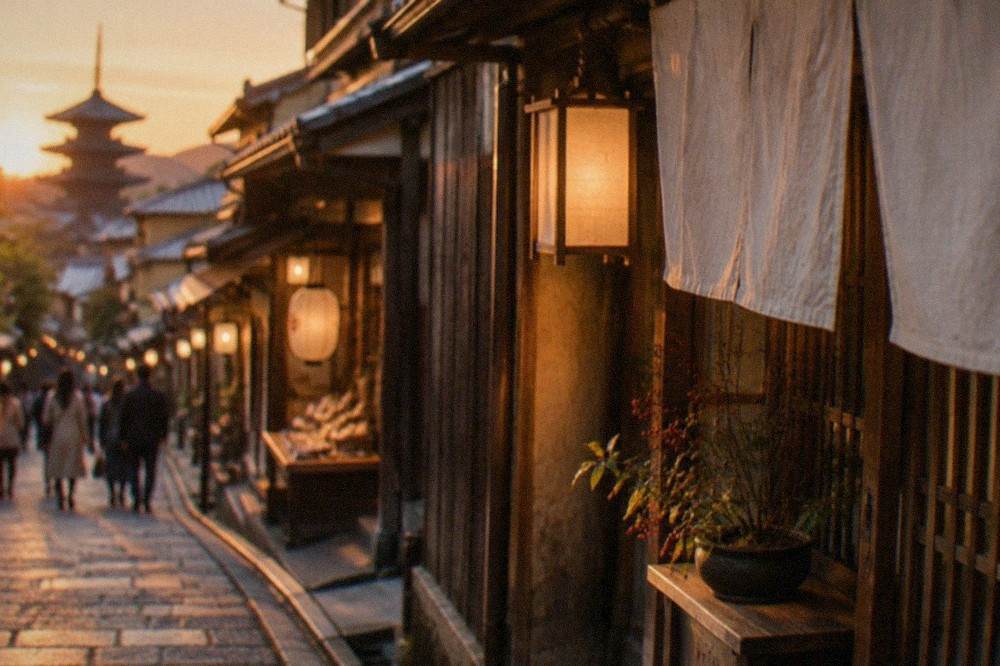
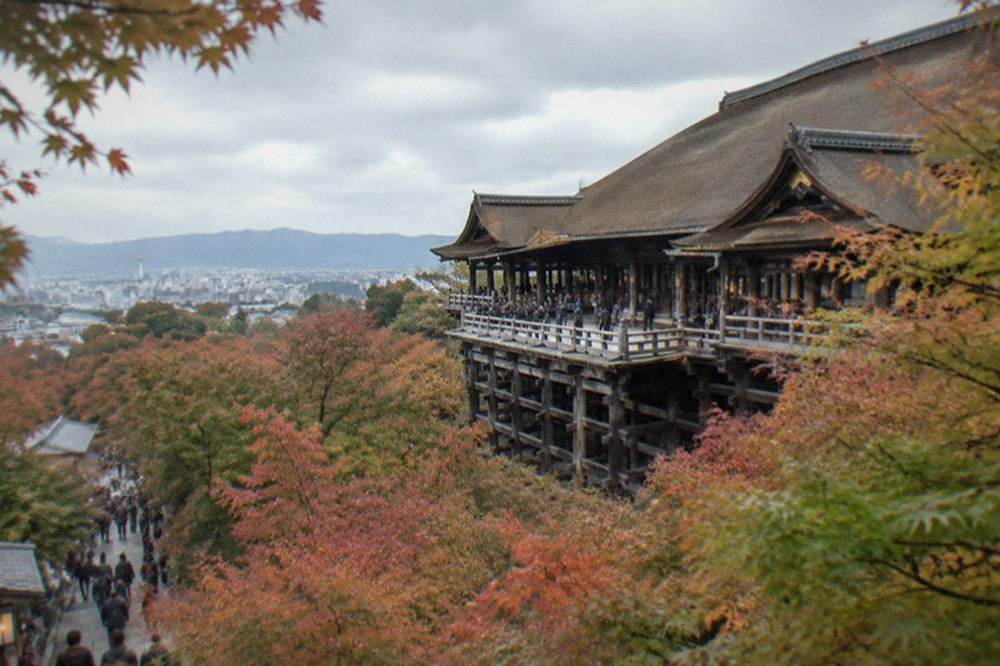
The eastern half of the first visit is one connected walk: Kiyomizu-dera at the top, the Ninenzaka and Sannenzaka stepped lanes below it, then the flat run through Gion's Hanamikoji street. Yasaka Shrine sits between them and charges nothing, and the whole stretch works from 6:00, when Kiyomizu-dera opens, through to the evening.
Gion has rules that matter. The Kyoto City Tourism Association's conduct guidelines are explicit: do not touch, chase or photograph geiko and maiko without permission, and do not enter or photograph private property where prohibited. On the private alleys off Hanamikoji, signage by the Gion South Side district council threatens a 10,000 yen penalty for unauthorized photography or entry. That is council signage, not a city police fine, and the distinction is worth knowing before you raise a camera.
The main Hanamikoji road remains public and photographable. The practical advice is simple: photograph the streetscape, never the people who live and work there unless they agree. Our Gion guide and the geisha in Kyoto page cover the district's five hanamachi and what an evening walk actually shows.
For a guided version, the Gion Hidden Gems and Geisha Culture walk runs about 2 hours from $20 per person, rated 5 from 3,835 reviews, and the night version from $22 carries a 4.9 from 4,616 reviews. Both are walking tours, so they slot into an evening without costing the day.
Things To Do In Kyoto West: Arashiyama Bamboo, the Sagano Train and the Monkey Park
Arashiyama stacks four stops in one visit: the free bamboo grove path, Tenryu-ji's garden at 500 yen, the Sagano Romantic Train at 880 yen one way for adults, and Iwatayama Monkey Park at 800 yen cash. The Hozugawa Kudari river boat, 6,000 yen for adults, connects the top of the valley back down to Arashiyama in about two hours.
The bamboo grove is a free public path with round-the-clock access; no enforced one-way system is confirmed on primary sources, so expect a crowd rather than a queue. Tenryu-ji's own visit page prices the garden at 500 yen for high school and up, with the buildings at 300 yen more, and the Hatto's Cloud Dragon ceiling at a separate 500 yen. The Sagano Romantic Train, run by the Sagano Scenic Railway, costs 880 yen adult and 440 yen child one way, from the operator's own ticket page, and reservations for the spring peak opened at midnight on the official site.
The monkey park takes cash only, 800 yen for 16 and over and 400 yen for ages 4 to 15, and it closes at 16:00 with the summit open to 16:30; it shuts early if the monkeys head back up the hill or the weather turns. The Hozugawa Kudari's own tickets page sets the adult fare at 6,000 yen, a figure many older guides still list at around 4,100, and the regular timetable runs 10 March to 13 December. Our Arashiyama bamboo grove and Sagano Romantic Train pages carry the full detail.
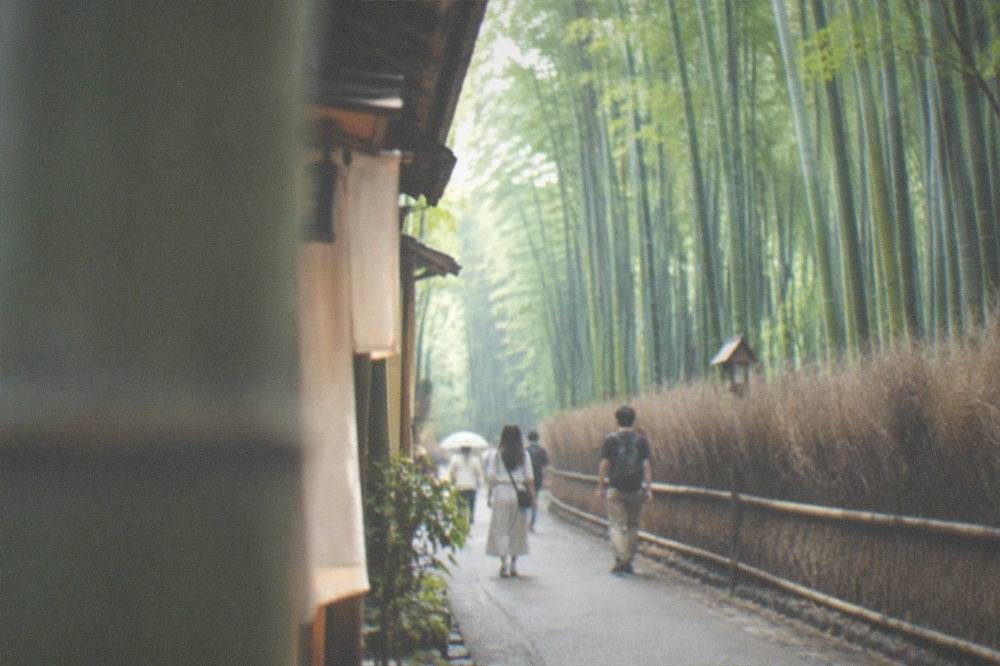
The guided option here is the Arashiyama walking tour, which folds the bamboo, the monkeys and a temple garden into 5 hours from $50 per person, rated 5 from 1,781 reviews.
Things To Do In Kyoto For Food Lovers: Nishiki Market to Kaiseki
Nishiki Market is the daytime food walk, with individual shops keeping their own hours, roughly 9 or 10:00 to 17 or 18:00, and no unified opening time exists. For kaiseki, one of Kyoto's most famous houses, Hyotei by Nanzen-ji, prints its own prices: kaiseki from 31,625 yen at lunch and 37,950 at dinner, while the same kitchen's annex serves from about 5,400 to 7,300 yen.
The market has one rule the association wants kept: eating while walking is discouraged, and you eat at the stall or a designated spot. The association's own site prints no unified hours, so treat any single opening time you read elsewhere as one shop's schedule, not the market's.
The Hyotei numbers are the honest answer to "is kaiseki really 30,000 yen": at this one published menu, yes, the course itself opens above that, but the annex's asa-gayu morning porridge at 5,445 yen and shokado bento at 7,260 yen come from the same kitchen. Those are Hyotei's prices, on Hyotei's own page, not a Kyoto average. Our kaiseki guide goes deeper, and the best restaurants in Kyoto and Kyoto ramen pages cover the cheaper end.
| Food experience | What it costs | Where the figure comes from |
|---|---|---|
| Nishiki Market grazing | pay per stall, shops set own hours | the market association's site |
| Hyotei kaiseki, lunch | from 31,625 yen, tax and service included | the restaurant's own front page |
| Hyotei annex asa-gayu | 5,445 yen | the restaurant's own front page |
| Hyotei annex shokado bento | 7,260 yen | the restaurant's own front page |
| Nishiki brunch walking tour | from $74, 7 tastings plus brunch | the operator's live listing |
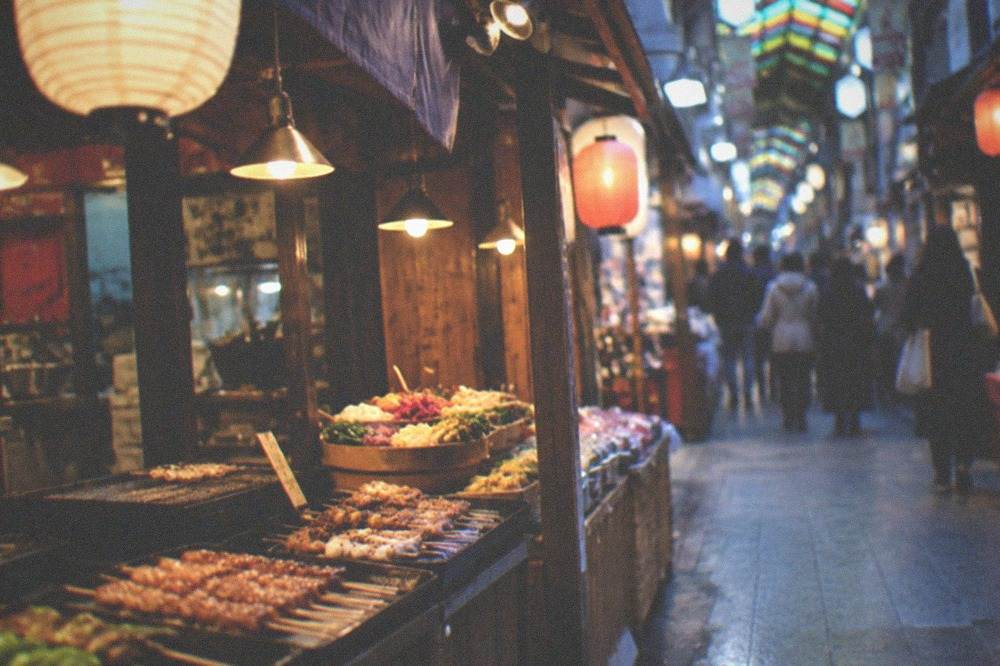
The guided versions earn their fee in translation: the Nishiki brunch walk pairs seven tastings with a sit-down brunch over 3 hours from $74 per person, rated 4.9 from 1,497 reviews, and a foodie night tour runs 3 hours 30 minutes from $121. The Kyoto food and street food pages map the rest.
Things To Do In Kyoto With Kids or in Half a Day: Museums, the Tower and the Monkey Hill
For families and short windows, the verified stops are the Kyoto Railway Museum at 1,500 yen for adults, Nidec Kyoto Tower's observation deck at 900 yen, the monkey park at 800 yen cash, and Sanjusangen-do's 1,001 statues at 600 yen. The Railway Museum closes Wednesdays and from 30 December to 1 January, and the tower deck runs 10:00 to 21:00 with last admission at 20:30.
The Railway Museum's fee page sets children from age 3 at 200 yen, which makes it one of the cheapest big-ticket outings for a family. Nidec Kyoto Tower, the sponsor name is in the official title, prices adults at 900 yen with the deck open into the evening, so it works as the rainy-day or end-of-day stop when the temples have shut their reception.
| Venue | Adult price | Child price | Hours note |
|---|---|---|---|
| Kyoto Railway Museum | 1,500 yen | from 200 yen (age 3+) | 10:00-17:00, closed Wednesdays |
| Nidec Kyoto Tower deck | 900 yen | 600 yen (elementary/junior high) | 10:00-21:00, last entry 20:30 |
| Iwatayama Monkey Park | 800 yen cash | 400 yen (ages 4-15) | 9:00-16:00, cash only |
| Kyoto Aquarium and Manga Museum | ongoing operations, no closures | see venue sites | both confirmed operating |
Toei Kyoto Studio Park is the one headline venue this site cannot price: the official ticket pages are client-rendered and carry no readable fee, so check the operator's own site before budgeting. The Kyoto museums guide covers the rest of the indoor list, and the Kyoto with kids page sequences a family day.
Things To Do In Kyoto Beyond the City: Kurama, Uji and the Nara Day Trip
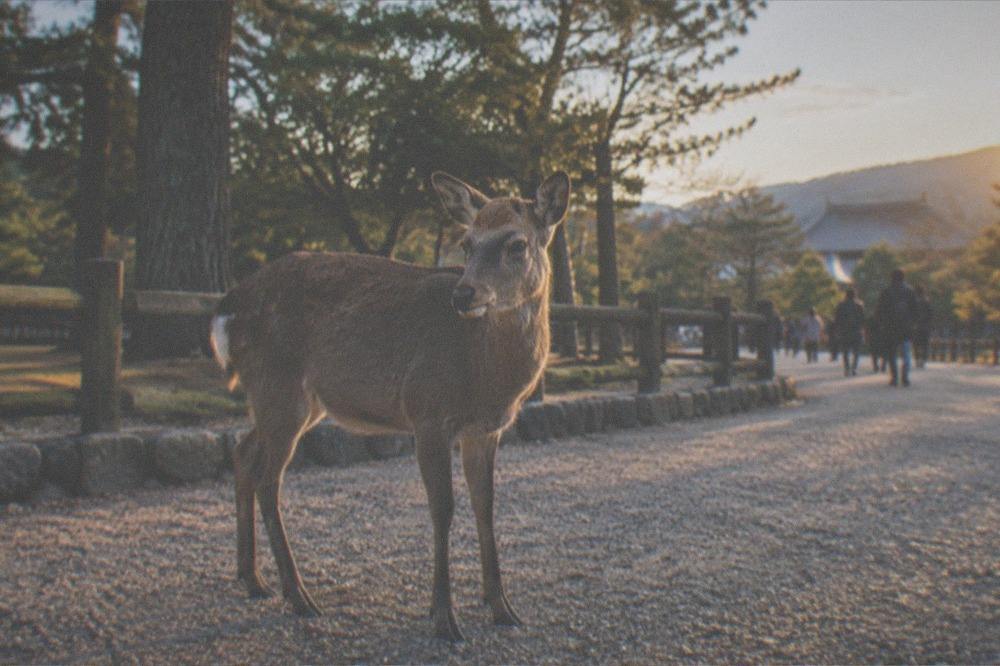
The three day trips worth a first visit's time are Nara, about 45 minutes by JR Miyakoji Rapid at 720 yen one way; Uji, 240 yen on the JR Nara Line; and the Kurama to Kibune mountain hike, reached by the Eizan line from Demachiyanagi. Nara Park's July 2026 census counted 1,687 deer, and Todai-ji's Daibutsuden charges 800 yen for adults.
Nara's deer are managed, not wild in the romantic sense: the 2026 census, counted over two July mornings, logged 411 stags, 990 does and 286 fawns, up 222 on the previous year. Todai-ji's own admission page sets the Daibutsuden at 800 yen for adults, open daily, 7:30 to 17:30 from April to October.
| Day trip | Train | One-way fare | Time |
|---|---|---|---|
| Kyoto to Nara | JR Miyakoji Rapid | 720 yen | about 45 minutes |
| Kyoto to Nara | Kintetsu express | 760 yen | about 35 min by limited express, plus 520 yen surcharge |
| Kyoto to Uji | JR Nara Line | 240 yen | short hop, fares from the operator |
| Kyoto to Kansai Airport | HARUKA visitor ticket | 2,200 yen | about 80 minutes |
The Kurama to Kibune hike is the strongest of the three for a second or third day: a mountain trail between two temple villages, with the full-day guided version running 8 hours from $210 per person, rated 5 from 82 reviews. The Nara and Kurama-Kibune guides carry the detail, and the day trips from Kyoto page lists the rest.
Things To Do In Kyoto at Night: Lantern Lanes, the Riverbank and the Bonfires
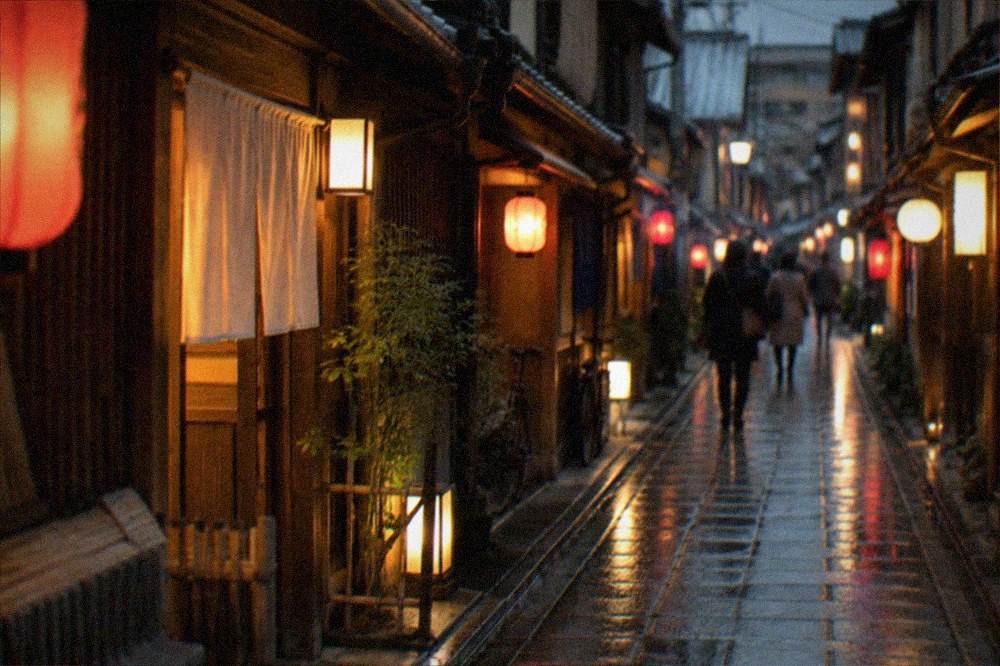
After dark the shortlist is the Pontocho alley and Kamo River bank, a Gion walk under the conduct guidelines, Kodai-ji's night illumination from 17:00 to 22:00 during the autumn season, and, on 16 August only, Gozan no Okuribi, when five mountains are lit one after another and the hills themselves are closed to entry.
Kodai-ji's own site sets its 2026 autumn night viewing from 23 October to 13 December, reception until 21:30, at 800 yen daytime admission with the combined Kodai-ji and Entoku-in ticket at 1,200 yen. Gozan no Okuribi, the city's tourism page confirms, lights the five mountains on 16 August and prohibits entering the hills that day. The festival calendar also matters for planning: Gion Matsuri runs the whole of July with its two float processions on the 17th and 24th, Aoi Matsuri is 15 May, and Jidai Matsuri is 22 October. Note that Higashiyama Hanatoro is discontinued after 2022, so any itinerary promising its lantern evenings is out of date.
The night walk options are the strongest guided value on this site: the Gion Magical Night tour runs 1 hour 40 minutes from $22 per person, rated 4.9 from 4,616 reviews, and a foodie night tour adds izakaya stops over 3 hours 30 minutes. The Kyoto at night and Pontocho alley pages cover the rest of the evening.
Getting Between the Things To Do In Kyoto: Buses, Subway and the Pass That Replaced the Old One
A Kyoto city bus ride costs a flat 230 yen for adults, the subway runs 220 to 360 yen by zone, and the product that matters is the Subway and Bus One-Day Pass at 1,100 yen. The old bus-only one-day pass no longer exists: sales ended in September 2023 and it stopped being usable on 31 March 2024, because the bureau found 90% of its buyers were visitors concentrating on the buses.
The replacement logic is deliberate: the combined pass pushes visitors onto the subway for the long legs and the buses for the last mile. The transport bureau also runs the EX100 and EX101 tourist express buses, 500 yen a ride, linking Kyoto Station to Gojo-zaka, Gion, Heian Shrine and Ginkaku-ji with fewer stops, and the city's 2025-2026 overtourism measures added express services, park-and-ride and a hands-free luggage delivery network to keep suitcases off the crowded buses.
| Ticket | Price | Note |
|---|---|---|
| City bus, flat fare | 230 yen adult, 120 yen child | the bureau's own fare page |
| Subway by zone | 220 to 360 yen adult | zones 1 to 5 |
| Subway and Bus One-Day Pass | 1,100 yen adult, 550 yen child | the current product |
| EX100 / EX101 tourist express | 500 yen adult, 250 yen child | covered by the one-day pass |
| Bus-only one-day pass | abolished | last usable 31 March 2024 |
The Kyoto buses and subway guides carry the route detail, and the city's live comfort forecast predicts five crowd levels per spot and time slot from phone location data, a dispersal tool covered in depth on the Kyoto crowds page.
When To Do Things In Kyoto: Seasons, Blooms and the Weather Most Guides Get Wrong
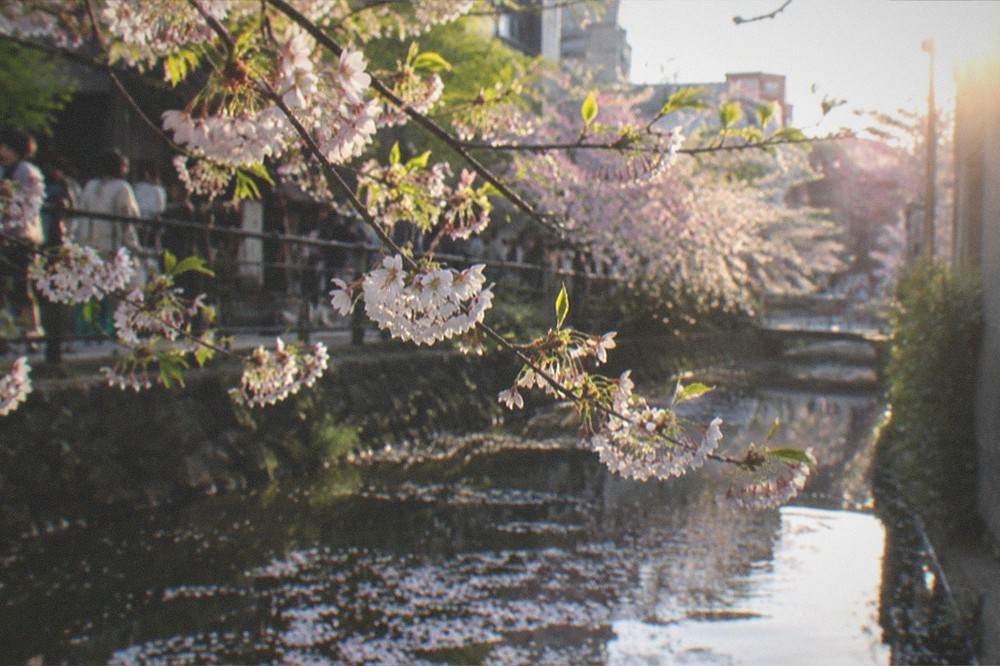
Cherry blossoms hit full bloom around 4 April on the 1991-2020 JMA normal, and 2026's full bloom came on 30 March. The official maple red-leaf marker is 5 December, far later than the mid-November peak most guides claim. July is the wettest month at 223.6 mm, August the hottest with a mean of 28.5 C, and January both the coldest and the driest.
The maple date needs its caveat: the JMA figure is the observatory's specimen tree turning, not the Arashiyama viewing peak, so treat it as the official marker rather than the best week. The 2026 foliage forecasts put the Arashiyama peak around late November. For the full month-by-month picture, including the record table showing three of Kyoto's six hottest days fell in 2024, 2025 and 2026, see the Kyoto weather guide, and the autumn leaves itinerary sequences the foliage season.
| Season | What the JMA and venue data show | Plan around |
|---|---|---|
| Late March to early April | 2026 full bloom 30 March, normal 4 April | the cherry blossom guide |
| July | wettest month, 223.6 mm | indoor backup plans |
| August | hottest, mean 28.5 C, mean daily high 33.7 C | early starts |
| 23 Oct to 13 Dec | Kodai-ji night illumination | evening slot |
| 5 December | official maple marker, normal | late foliage, not mid-November |
Common Questions About Things To Do In Kyoto
What Are The Best Things To Do In Kyoto For A First Visit?
Fushimi Inari's free paths, Kinkaku-ji at 500 yen, Kiyomizu-dera and the Higashiyama lanes, the Arashiyama bamboo grove with the Sagano train, and an evening Gion walk. Add Sanjusangen-do's 1,001 statues and Nijo-jo Castle if you have three days or more.
How Many Days Are Enough For Kyoto?
Two days covers the headlines; three or four lets you add a Nara or Kurama day trip and the evening experiences. The city's own 2025 survey recorded 62.79 million visitors, so the headline sites stay busy at any length of stay and early starts matter more than extra days.
Is Fushimi Inari Really Free?
Yes. The shrine's own FAQ carries no fee anywhere on its site, and the paths have no closing time. The shrine counts about 10,000 torii across the whole mountain and dates its founding to 711, when the deity was enshrined, not built, on Inariyama.
Which Kyoto Temples Changed Their Fees in 2026?
Ginkaku-ji doubled its adult fee from 500 to 1,000 yen effective 1 April 2026, and Tofuku-ji revises on 1 November 2026 with a new 1,000 yen combined ticket and a 1,000 yen foliage-period bridge ticket. Kinkaku-ji remains 500 yen, set on 1 April 2023.
Do I Need A Tour Guide For Kyoto?
Not for the temples, which are well signed, but a guided walk earns its fee in Gion, where the conduct rules and the private-alley photography ban catch many visitors out, and on the food tours, where translation is the product. The Perfect 1-Day Bus Tour suits anyone who wants the headline sites sequenced in one day.
What Is The Cheapest Way To Get Around Kyoto?
A single bus ride is a flat 230 yen, and the Subway and Bus One-Day Pass at 1,100 yen pays off after roughly three bus rides plus one subway trip. The old bus-only pass was abolished, with the bureau citing that 90% of its buyers were visitors.
Whether you sequence the city yourself or hand a day to a guide, plan from the current numbers: the 1,000 yen Ginkaku-ji fee, the 1,100 yen combined pass and the post-March 2026 accommodation tax are the three figures a 2024 guide gets wrong. More planning help lives on the Kyoto Travel Guide homepage, including the best hotels in Kyoto and Kyoto ryokan picks for the night before it all starts.