Fushimi, Kyoto: Sake Breweries, Castle Ruins And The Shrine On The Hill
Most visitors see Fushimi as the train stop below the torii tunnels and leave without knowing the district also holds Kyoto's sake industry, a shogun-era castle site and a working canal network.
Short answer
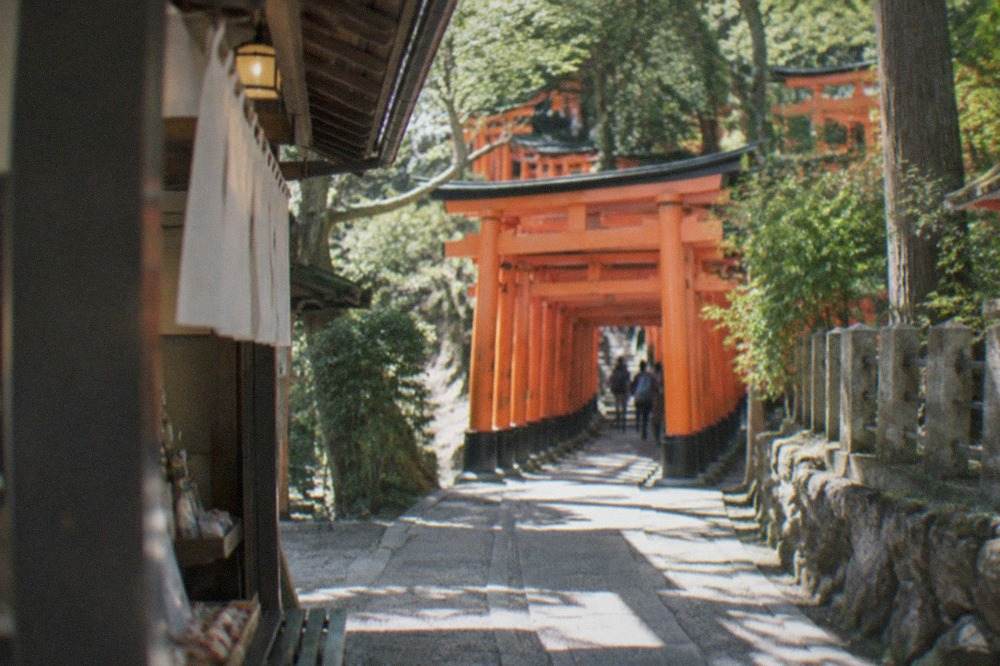
Fushimi is the whole southern quarter of Kyoto: a free shrine mountain with about 10,000 torii, one of Japan's largest sake brewing districts built on soft canal water, and the ruins of Hideyoshi's Fushimi Castle. Entry to the shrine costs nothing, the sake district is walkable in half a day, and the whole area sits 10 to 20 minutes from Kyoto Station.
Most visitors meet Fushimi as a train stop. They step off at the foot of a wooded hill, climb through tunnels of vermilion gates for an hour, and get back on a train without ever seeing the rest of the district. That is a shame, because Fushimi is the whole southern quarter of Kyoto, and it holds three separate reasons to spend a day: the head shrine of the Inari faith, one of Japan's largest sake brewing districts, and the site of a castle that once housed the most powerful man in the country. The city's 2025 tourism survey counted 62.79 million visitors across Kyoto, and the overwhelming majority of the Fushimi share stops at the mountain.
This page covers the district as a whole: what the shrine itself says about its history, what the sake district is and how it works, where the castle and canals fit in, and how to plan, budget and time a visit. For the shrine in depth, start with Fushimi Inari Taisha itself; the rest of Kyoto Travel Guide handles the city district by district.
What Is Fushimi Beyond The Inari Shrine: Sake, Castle And Canals?
Fushimi is Kyoto's southern district of three parts: the free shrine mountain at Inari, the sake brewing quarter built along the Gokogumi canals to the west, and the Momoyama hill where Hideyoshi's Fushimi Castle once stood. The shrine charges no admission and the paths have no closing time, the breweries run tasting rooms along quiet canals, and the castle survives as a park of stone walls and moats. Together they make one of the few Kyoto areas where the famous sight is genuinely the cheapest part of the day.
The name causes confusion before anything else. Fushimi the district is a broad area of southern Kyoto. Fushimi Inari Taisha, the shrine, sits at its eastern edge against the 233 m hill the shrine calls Inariyama. The sake district and the castle ruins are several kilometres west of the shrine, close enough to link in one day but far enough that most shrine visitors never reach them.
The district's character comes from water. The canals that thread the sake quarter were dug to move goods, and the soft groundwater beneath them is what the brewers settled here for in the first place. The shrine, meanwhile, is a mountain: a full circuit of the paths takes in about 10,000 torii of all sizes spread across the whole mountain, in the shrine's own words, not the 10,000 packed into the famous tunnel that most guides describe. If you are planning the climb itself, the walking time question is answered in detail in how long it takes to walk up Fushimi Inari.
Why Is Fushimi Inari The Head Shrine Of About 30,000 Inari Shrines?
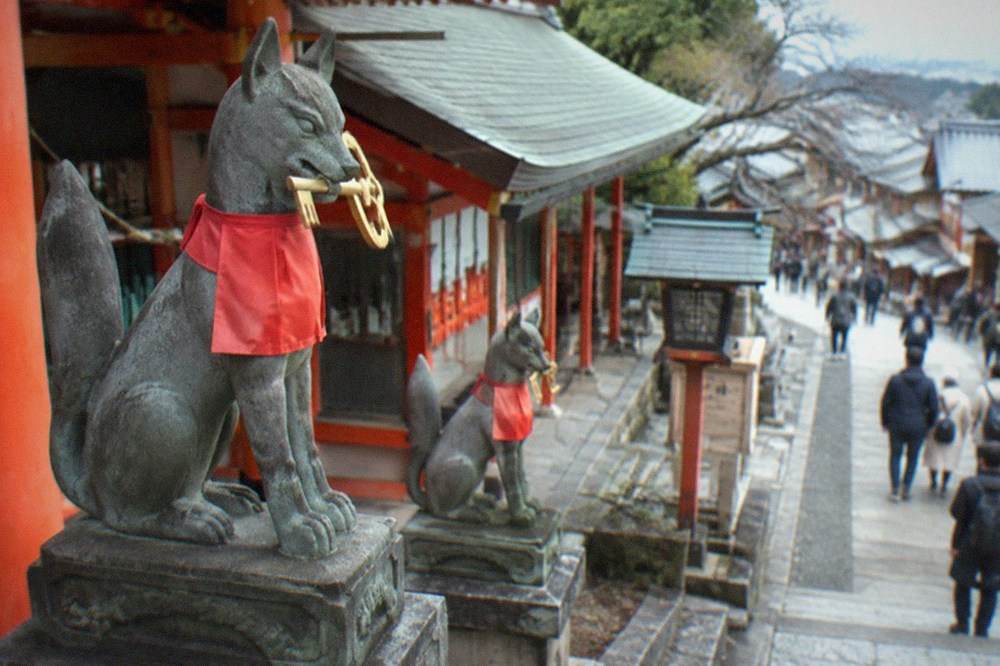
Fushimi Inari Taisha is the head shrine of the Inari faith, which the shrine says has about 30,000 affiliated shrines across Japan. It dates its founding to 711, when Inari Okami was enshrined on Inariyama by Irogu no Hatanokimi, acting on an imperial order from Empress Genmei. Entry is free, the shrine publishes no fee anywhere on its site, and the paths have no closing time. The shrine hedges its own account with the phrase "is said to be", and that hedge should survive into anything you repeat.
The history matters for how you read the place. The shrine's own history page records that Inari Okami took up residence on the first Day of the Horse of the second month of 711, and it counted 2011 as the 1300th anniversary. The man it names as founder, Irogu no Hatanokimi, was an ancestor of the Hata clan, the immigrant family that also shaped northwest Kyoto. The rice-cake-into-swan story behind the name comes from the Yamashirokoku Fudoki, an ancient provincial record, and the shrine presents it as tradition rather than construction history. Write "enshrined in 711", never "built in 711".
The dated chronology on the shrine's history page is printable as the shrine prints it: timber contributed to Toji in 827, repairs by Fujiwara Tokihira in 908, a listing in the Engishiki in 927, the highest court rank in 942, and Sei Shonagon's climb recorded in the Pillow Book around the year 1000. This is a shrine that was already a famous destination a thousand years ago.
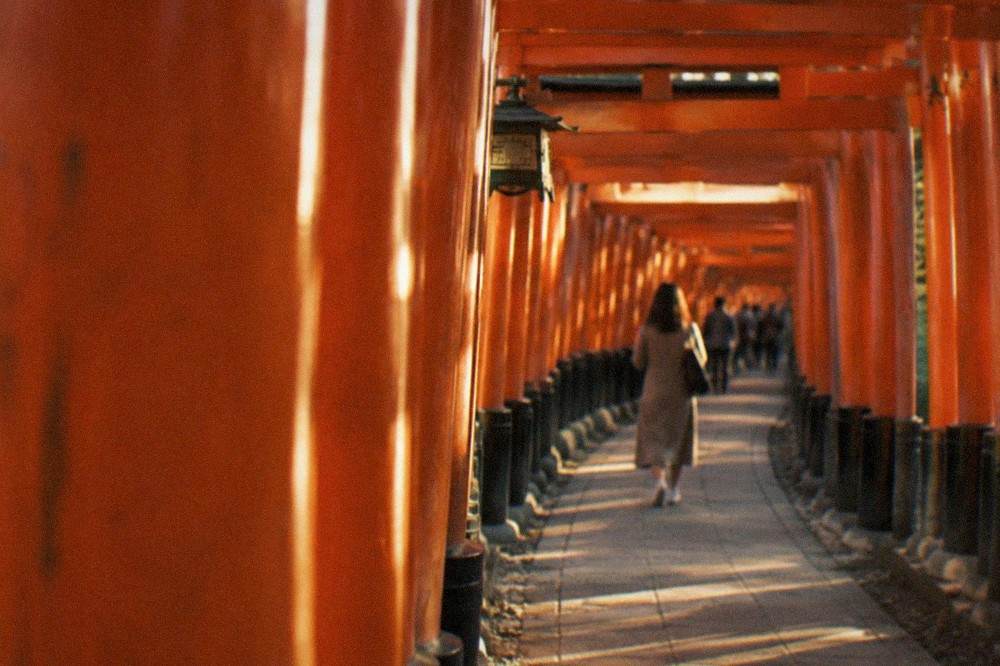
Two practical facts from the shrine's own FAQ. First, the torii count: about 10,000 across the whole mountain, of which the Senbon Torii tunnels are only a part. Second, the mountain paths: the shrine publishes desk and prayer hours for its offices only, and sets no closing time for the paths themselves. Nobody is buried on the mountain, a point the who is buried at Fushimi Inari page covers in full, because the otsuka stones along the trails are worship stones bearing deity names, not graves.
| Fact | What the shrine states | Source |
|---|---|---|
| Admission | Free; no fee printed anywhere on the site | Shrine FAQ |
| Torii | About 10,000 of all sizes, across the whole mountain | Shrine FAQ |
| Inariyama | 233 m | Shrine site |
| Founding | Inari Okami enshrined in 711, 1300th anniversary counted in 2011 | Shrine history page |
| Affiliated shrines | Said to be some thirty thousand nationwide; Fushimi Inari is their head shrine | Shrine's own greeting |
| Paths | No closing time set; the shrine publishes desk and prayer hours only | Shrine FAQ |
The crowd picture is the other thing worth knowing in advance. The shrine links from its own homepage to the Kyoto Tourism Comfort forecast, a five-level crowd index the city runs on smartphone location data, weather and time of day. Check it the morning you go. The broader strategies for beating the numbers are in the Kyoto crowds guide, and the shrine's fame question is unpacked in why Fushimi Inari is so famous.
How Do You Plan A Day In Fushimi, Kyoto?
The strongest shape for a Fushimi day is shrine first, sake second: start at the mountain by 7:00, before the tunnel crowds build, spend two to three hours on the circuit, then travel west to the sake district for an afternoon of tastings and canal walks. Budget nothing for the shrine, a few hundred to a few thousand yen at the breweries, and a transit fare each way. A guided bus loop is the efficient option if the shrine is one stop among several.
The reason for the early start is arithmetic. The city's 2025 survey counted 62.79 million visitors, and the shrine is the single most visited free sight among them. The tunnels between the shrine buildings and the Yotsutsuji intersection are narrow, and by mid-morning they slow to a shuffle. Before 8:00 the same path is quiet enough to hear the streams.
For the mountain itself, wear real shoes. The circuit to the summit and back is a sustained climb on a mix of stone steps and packed earth, and the upper paths are wooded enough that rain makes them slick. The Kyoto shrines guide has the etiquette basics, and the free-entry question is covered in free things to do in Kyoto, where the shrine is the headline item.
If you would rather have the logistics handled, the one-day bus tour that links the shrine with Kinkaku-ji and the bamboo grove is the established option: from $97 per person, rated 4.8 from 5,317 reviews, over 8.5 to 9 hours. The hidden-hiking alternative below spends its whole three hours on the mountain's quieter trails instead.
What Does The Fushimi Sake District Offer Beyond Tastings?
The Fushimi sake district is a compact canal-side quarter a few kilometres west of the shrine, home to a concentration of working breweries that run museums, shops and tasting counters alongside their production lines. It was built on soft local groundwater, the reason the brewers settled here, and the canals that carried their goods still thread the streets. A visit is tasting rooms, a brewery museum or two, canal-side walking and lunch, and it pairs naturally with an afternoon arrival after the shrine.
The district's scale is what surprises people. This is one of Japan's major brewing centres, not a single museum street, and the big names here ship nationwide. The breweries are clustered tightly enough that the whole quarter is walkable, and the canal edges give it a stillness that central Kyoto lost to the crowds long ago. The full sight-by-sight breakdown, including which houses open their museums and when, is in the Fushimi sake district guide.
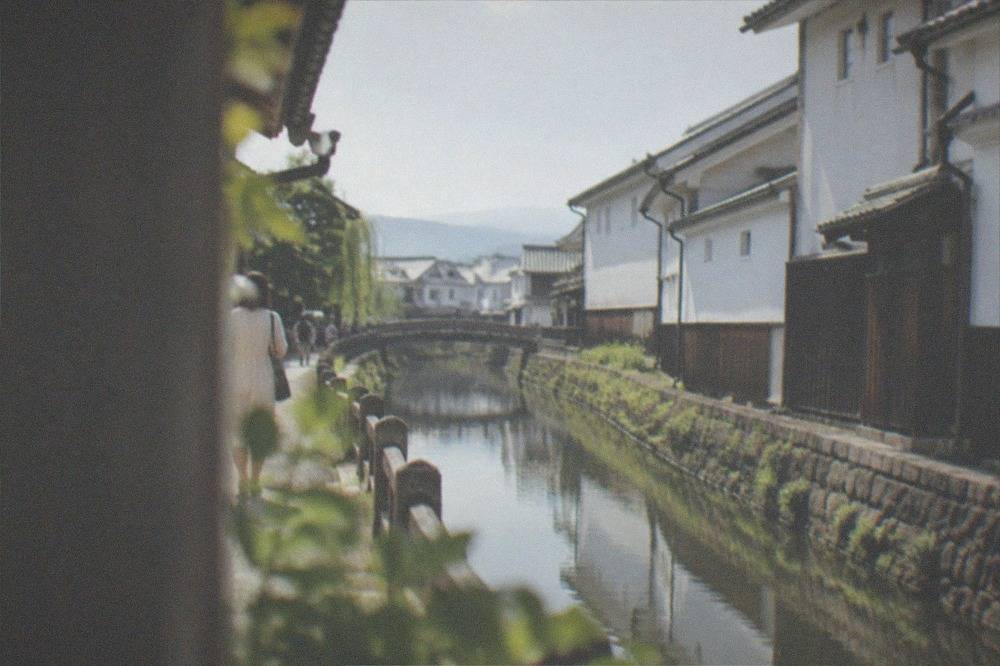
Tastings are the main spend, and they are modest: expect a few hundred yen per flight at most counters, with the premium pours priced separately. The honest planning approach is to treat the district as a walk with stops rather than a venue with a ticket. Nothing here needs booking ahead, which makes it the flexible half of the day: if the mountain took longer than planned, the canals are still there at 16:00.
For visitors who want the pairing angle with a guide, the three-hour insider sake brewery tour with tastings runs from $87 per person, rated 5 from 1,027 reviews. It is one of the few tours in the city that treats Fushimi as a destination in its own right rather than a drive-past.
The hidden-hiking option above is the shrine-side counterpart to a sake afternoon: three hours from $73 per person, rated 5 from 1,931 reviews, on the trails most day visitors never reach.
Where Are Fushimi's Castle Ruins And Canals?
Fushimi's castle story sits on the Momoyama hill between the shrine and the sake district, where Toyotomi Hideyoshi built a great castle that was later demolished and survives today as a park of stone walls, moats and a modern replica keep. The canals are the sake quarter's arteries, dug as working waterways and now the district's most photogenic streets. Neither charges an entrance fee as public space, and both are short walks or one transit hop from the brewery cluster.
The castle's political weight was enormous even by Kyoto standards. Fushimi Castle was where the country was governed at the very end of the sixteenth century, and its fall after a famous siege, the defenders' deaths, and the site's later demolition are all part of why the ruins feel quieter than their history deserves. The modern replica keep on the hill contains a small museum, and the surrounding park is planted heavily in cherry trees, which makes late March and early April the one period when it draws a local crowd.
The JMA phenology record gives the planning anchor: Kyoto's cherry flowering came on 23 March in 2026 against a 1991-2020 normal of 26 March, with full bloom on 30 March against a normal of 4 April. The castle park's peak follows those city-wide dates closely.
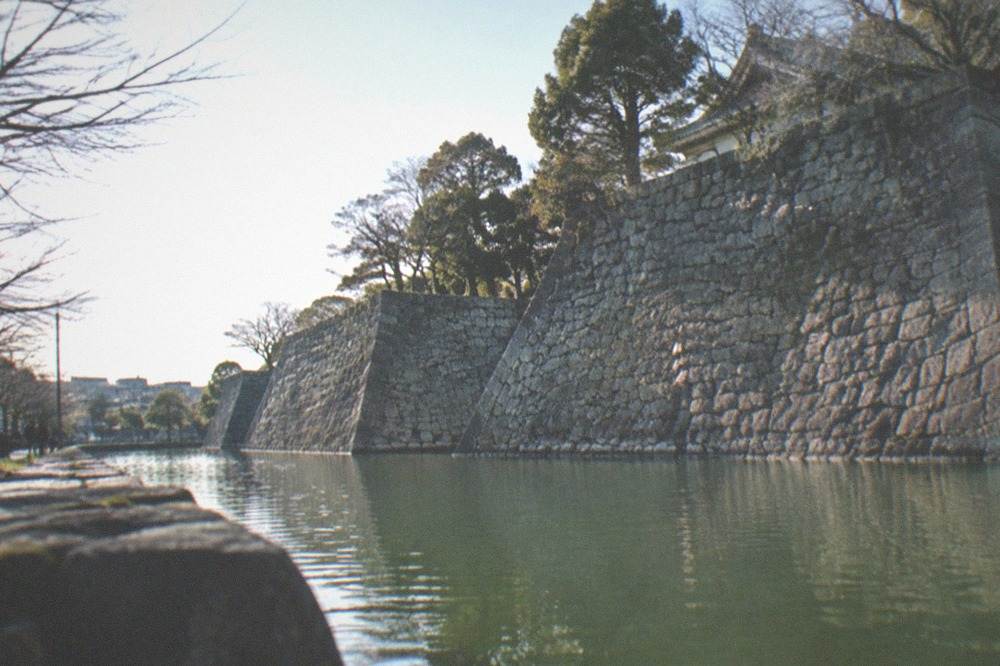
The canals need less planning than the hill. They run through the sake quarter itself, so a brewery walk is a canal walk, and the bridges, willows and brewery warehouses along the water are the district's signature photographs. Photographers chasing frames rather than tastings will find the early morning light on the warehouse walls gives the quarter its best shots, before the tasting counters open and the streets fill.
For a completely different water angle, the Hozugawa half-day white-water rafting trip runs from $62 per person, rated 4.9 from 355 reviews over three and a half hours, on the river that feeds the Arashiyama stretch downstream. It is the one bookable way to experience the region's water at speed rather than at a stroll.
If you are stringing districts together over several days, Fushimi pairs well with Higashiyama on the opposite side of the station hub, and the one day in Kyoto itinerary shows how the shrine slots into a first visit's compressed schedule.
How Much Does A Fushimi Day Cost?
A self-guided Fushimi day costs almost nothing at the entrance points: the shrine is free, the castle park is public space, and the sake district charges only for what you taste, with flights at most counters running a few hundred yen. The real costs are transit and food: city buses are a flat 230 yen per adult ride, the subway runs 220 to 360 yen by zone, and the Subway and Bus One-Day Pass at 1,100 yen pays for itself on the fourth ride.
The pass arithmetic matters here more than in most of Kyoto, because a Fushimi day that adds the castle hill and the sake district can easily involve four or more rides. Note that the old bus-only one-day pass no longer exists; sales ended in September 2023 and the last day of use was 31 March 2024, so any guide still quoting it is out of date. The current product is the combined Subway and Bus One-Day Pass.
| Item | Cost | Note |
|---|---|---|
| Fushimi Inari entry | Free | Shrine publishes no fee |
| City bus, adult flat fare | 230 yen | Child 120 yen |
| Subway fare by zone | 220 to 360 yen | Child roughly half |
| Subway and Bus One-Day Pass | 1,100 yen | Child 550; breaks even on the fourth bus ride |
| Sake tasting flights | A few hundred yen per counter | Planning range; check each counter |
| Guided 1-day bus tour with shrine | From $97 per person | Rated 4.8 from 5,317 reviews |
If Fushimi is one stop on a wider budget plan, the Kyoto on a budget guide ranks the free sights, and the shrine, the castle park and the canal walks all make that list on their own.
For a contrast in what Kyoto days can cost, the food side of the ledger runs from street-level to extraordinary. At Hyotei, by Nanzen-ji, the restaurant's own site prints kaiseki from 31,625 yen at lunch and from 37,950 yen at dinner in the main building, while the same house's annex serves asa-gayu at 5,445 yen and a Shokado bento at 7,260 yen. Those are Hyotei's own prices, not a city average, but they frame the range honestly: a Fushimi day with a tasting flight and a bowl of something warm sits far closer to the annex end.
When Is The Best Time To Visit Fushimi?
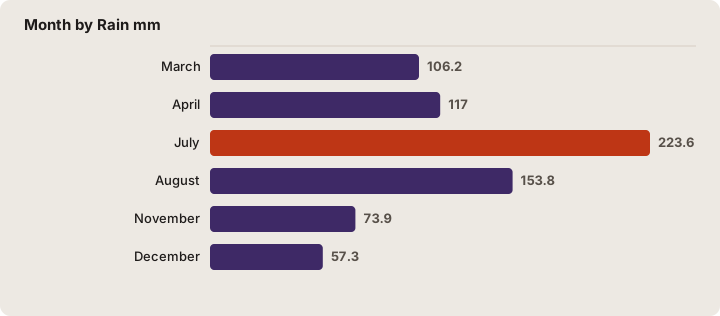
The best months for Fushimi are late March to early April for the castle park's cherry trees, and late November to early December for the mountain's maple colour, against a JMA normal of 5 December for the official red-leaf marker. Avoid July if you can: it is Kyoto's wettest month at 223.6 mm against June's 199.7 mm, and the hottest, with a mean daily maximum of 32.0 C. For the shrine specifically, any dry weekday before 8:00 beats any weekend at midday, in any season.
The rainfall fact is the one most guides get wrong. The JMA 1991-2020 normals for station 47759 put July at 223.6 mm and June at 199.7 mm, so the rainy-season instinct to avoid June sends people into the wetter month. August is hotter still, with a mean daily maximum of 33.7 C, and the station record table shows three of Kyoto's six hottest days on record fell in the summers of 2024, 2025 and 2026. Climbing a 233 m hill in that is a different sport.
| Month | Rain mm | Mean C | Mean daily max C | Verdict for Fushimi |
|---|---|---|---|---|
| March | 106.2 | 8.8 | 14.1 | Cherry build-up, cool climbing |
| April | 117.0 | 14.4 | 20.1 | Peak cherry at the castle park |
| July | 223.6 | 27.3 | 32.0 | Wettest and hot; hardest climb |
| August | 153.8 | 28.5 | 33.7 | Hottest; early start essential |
| November | 73.9 | 12.5 | 17.3 | Maple month, dry and mild |
| December | 57.3 | 7.2 | 11.6 | Quiet, cold, early dark |
The maple timing deserves the same honesty as the cherry. The JMA normal for the official kaede red-leaf marker is 5 December, later than the mid-November peak every popular guide claims, but the observatory's specimen tree is not the mountain's whole forest. The 2025 marker came on 10 December. Treat late November to early December as the window and the JMA date as the official marker, not a booking guarantee. The full colour picture, including the 2026 forecasts, is in the Kyoto autumn leaves guide.
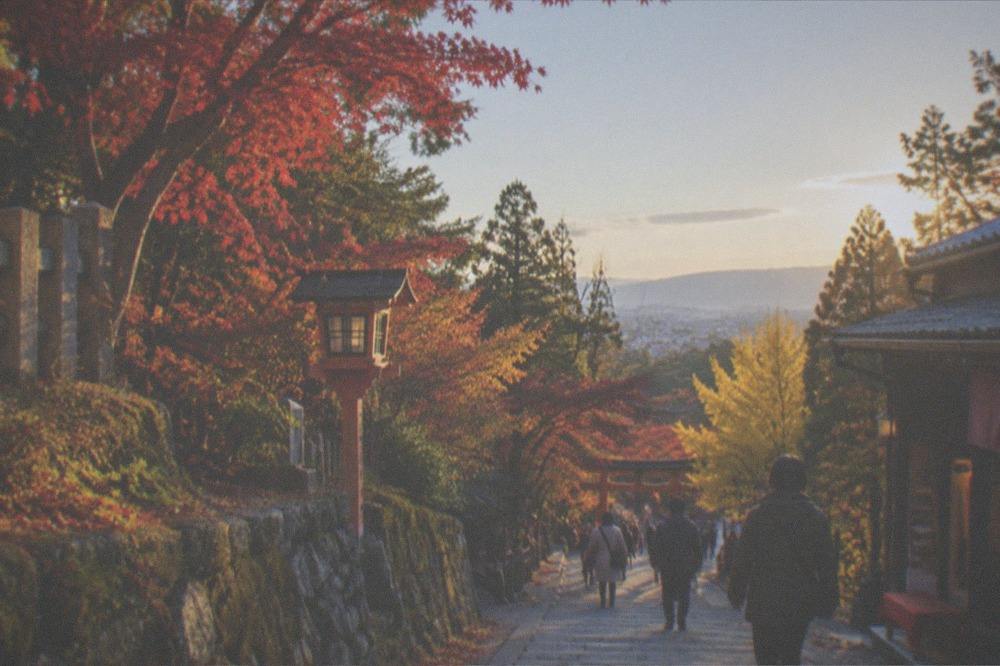
The short version of the seasonal advice is that dry and mild beats wet and hot for this district, because both of its halves are outdoor pursuits: a forested hill and a canal-side street. Pick the shoulder months, start early, and the weather stops being a variable you have to manage.
Can You See Fushimi And The Rest Of Kyoto In One Day?
You can, but only as a highlights sweep: a one-day bus tour that includes Fushimi Inari, Kinkaku-ji and the Arashiyama bamboo grove runs 8.5 to 9 hours from about $97 per person, rated 4.8 across 5,317 reviews. Doing it independently in one day is possible with an early shrine start, but you trade the sake district and the castle hill for it. The honest split is one day for Fushimi alone, or a tour day that samples the shrine.
The trade-off is real. A tour bus gives you the tunnels, the golden pavilion and the bamboo in one loop, but the schedule at the shrine is measured in minutes, not hours, and the mountain's upper paths, the castle park and the canals all fall off the itinerary. The Kyoto first-time visitors itinerary shows what a self-guided version of that day looks like when the shrine is the anchor rather than a stop.
For travellers with more time, giving Fushimi its own full day solves the problem properly: the mountain in the morning, the castle hill at midday, the canals and tasting counters in the afternoon, with no bus to catch. That is the version of the district this page is really arguing for.
Common Questions About Fushimi, Kyoto
What Is Fushimi Beyond The Inari Shrine: Sake, Castle And Canals?
Fushimi is Kyoto's southern district: the free Inari shrine mountain at its eastern edge, the sake brewing quarter along the Gokogumi canals to the west, and the Momoyama hill holding the ruins of Hideyoshi's Fushimi Castle. The shrine is the famous part, but the breweries and the castle park are within a short transit hop and cost little or nothing to enter.
Is Fushimi Inari free to enter?
Yes. The shrine publishes no fee anywhere on its site, and entry is free. The paths have no closing time; the shrine publishes desk and prayer hours for its offices only, so there is no official opening hour for the mountain trails.
How far is the sake district from Fushimi Inari?
Several kilometres west, close enough to combine in one day but far enough that most shrine visitors never reach it. The Keihan line and local buses connect the two, and the brewery cluster itself is compact and walkable once you arrive.
How many torii gates are at Fushimi Inari?
The shrine's own FAQ says about 10,000 torii of all sizes across the whole mountain. The famous Senbon Torii tunnels hold only part of that count, and guides that put all 10,000 in the tunnel are misquoting the shrine.
What is the best month to visit Fushimi?
Late March to early April for the castle park's cherry trees, or late November to early December for the mountain's maple colour. July is both the wettest month, at 223.6 mm against June's 199.7 mm in the JMA 1991-2020 normals, and one of the hottest, so it is the weakest month for the climb.
Do you need a tour for Fushimi?
No. The shrine is free and self-explanatory, and the sake district needs no booking. A guided bus tour from about $97 per person is worth it when the shrine is one of several districts you want to cover in a single day, since it handles the transport between Fushimi, Kinkaku-ji and Arashiyama.
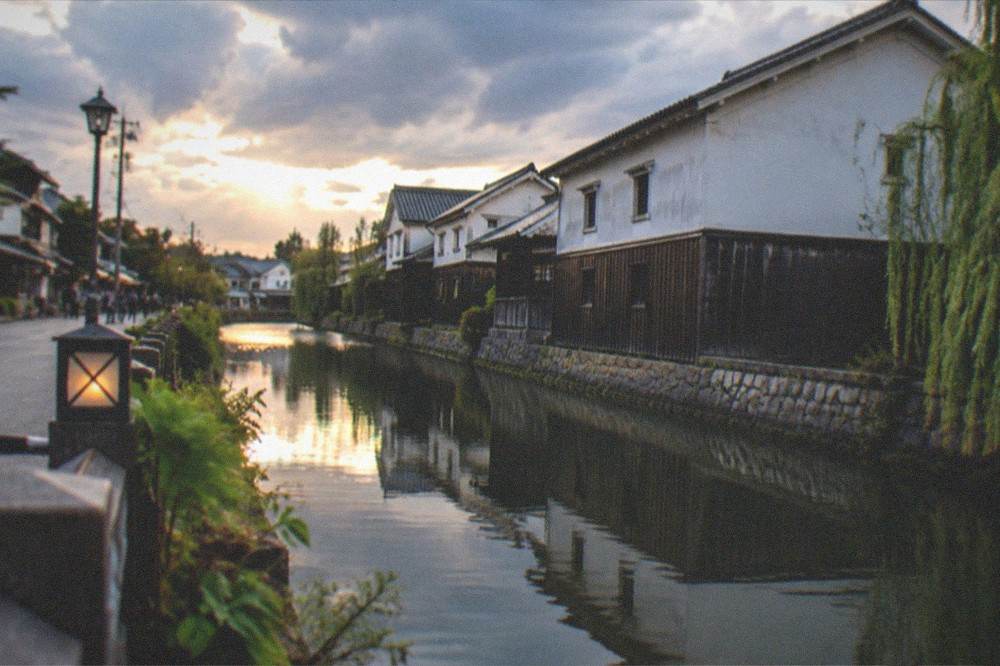
Fushimi rewards the visitor who stays past the tunnels. The shrine is the free headline, the canals and breweries are the reason to linger, and the castle hill ties the district back to the century when Kyoto ran the country. Give it a full day, start early, and the south of the city stops being a train stop and becomes the part of Kyoto you will tell people about.