Kyoto For First Time Visitors
Fushimi Inari, Kiyomizu-dera and Arashiyama are the three sights a first visit to Kyoto should not miss, and each one is free or cheap to enter. This guide sequences them into a realistic plan built on verified fees, hours and fares.
Short answer
Fushimi Inari, Kiyomizu-dera and the Arashiyama bamboo grove are the three unskippable first-timer sights. Fushimi Inari is free with no closing time on its paths, Kiyomizu-dera opens at 6:00 daily, and the bamboo path is free. Add Kinkaku-ji at 500 yen and Nijo-jo Castle at 800 yen if you have a second day.
Kyoto drew a record 62.79 million visitors in 2025, according to the city's own tourism survey released in June 2026, and a large share of them were first-timers following roughly the same three-stop plan. That plan works, which is why it survives. The trick is knowing what each stop costs, when it closes, and how to move between them without burning half a day in a bus queue. Every fee, hour and fare in this guide comes from the venues' and operators' own published pages, so the numbers here hold up where a 2024 guide's numbers no longer do.
Which Kyoto Sights Should A First-Timer Never Skip: Fushimi Inari, Kiyomizu-dera, Arashiyama?
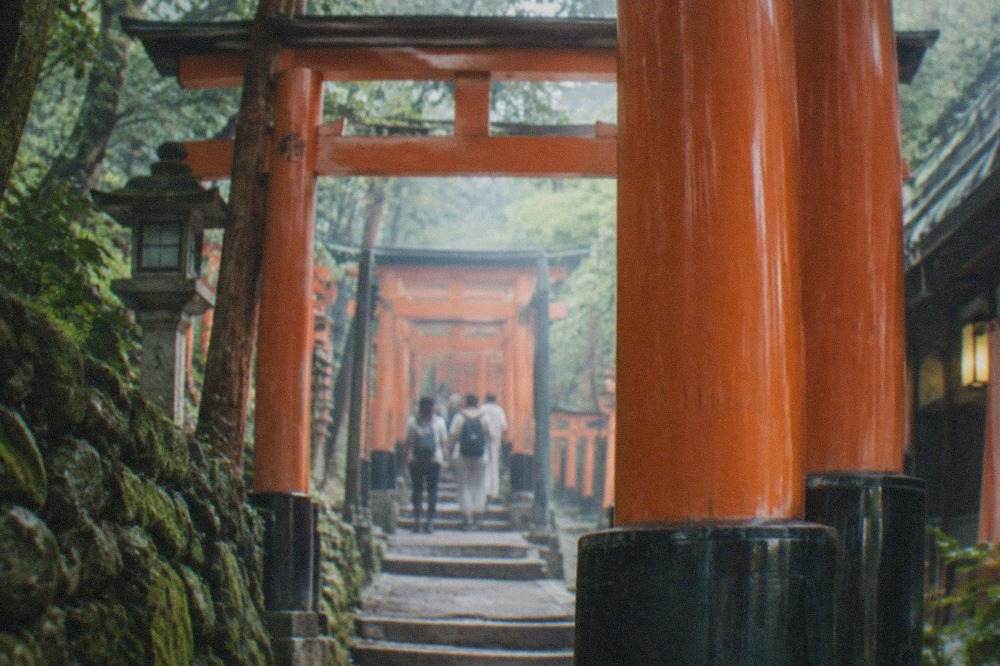
Fushimi Inari Taisha, Kiyomizu-dera and the Arashiyama bamboo grove are the three sights a first visit to Kyoto should never skip. Fushimi Inari is free to enter and its mountain paths have no closing time. Kiyomizu-dera opens at 6:00 every day, and the bamboo path in Arashiyama is a free public walk. Together they cover a shrine, a temple and a landscape, which is the whole shape of Kyoto in three stops.
Start with why each one earns its place. Fushimi Inari is the head shrine of about 30,000 Inari shrines across Japan, in the shrine's own words "said to be some thirty thousand", and it enshrines Inari Okami on Inariyama, a 233 m mountain on Kyoto's southern edge. The shrine dates that enshrinement to 711, on the first Day of the Horse of the second month, and it hedges its own account with "is said to be", so treat the date as tradition rather than a construction record. The famous torii tunnels hold a fraction of the shrine's "about 10,000 torii of all sizes", which the shrine's FAQ says are spread across the whole mountain, not stacked in the Senbon tunnel alone. That distinction matters for your plan: the lower gates are crowded within an hour of mid-morning, while the upper loops thin out sharply.
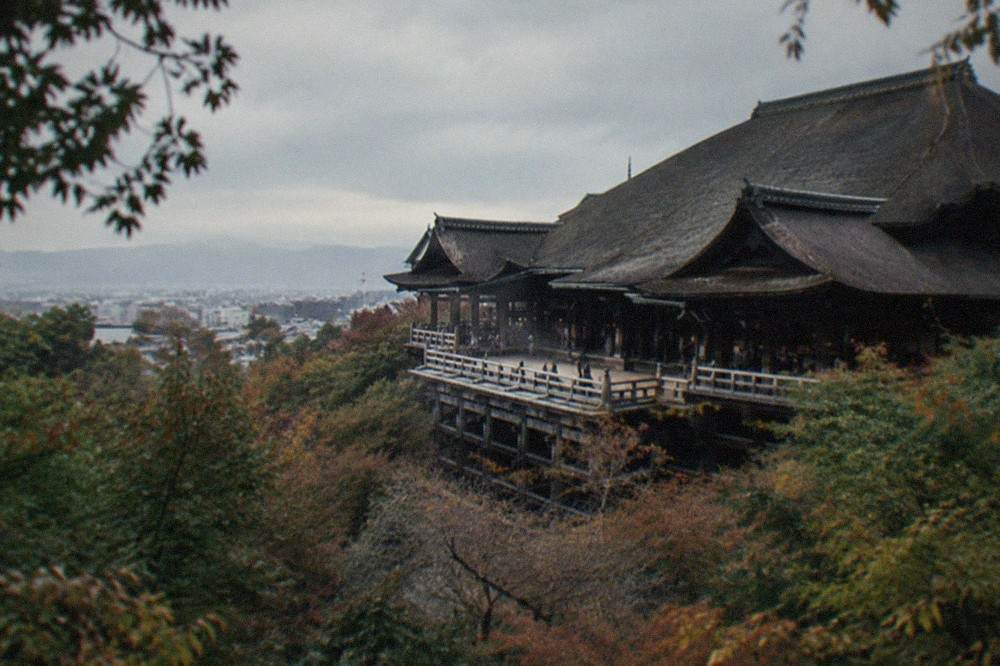
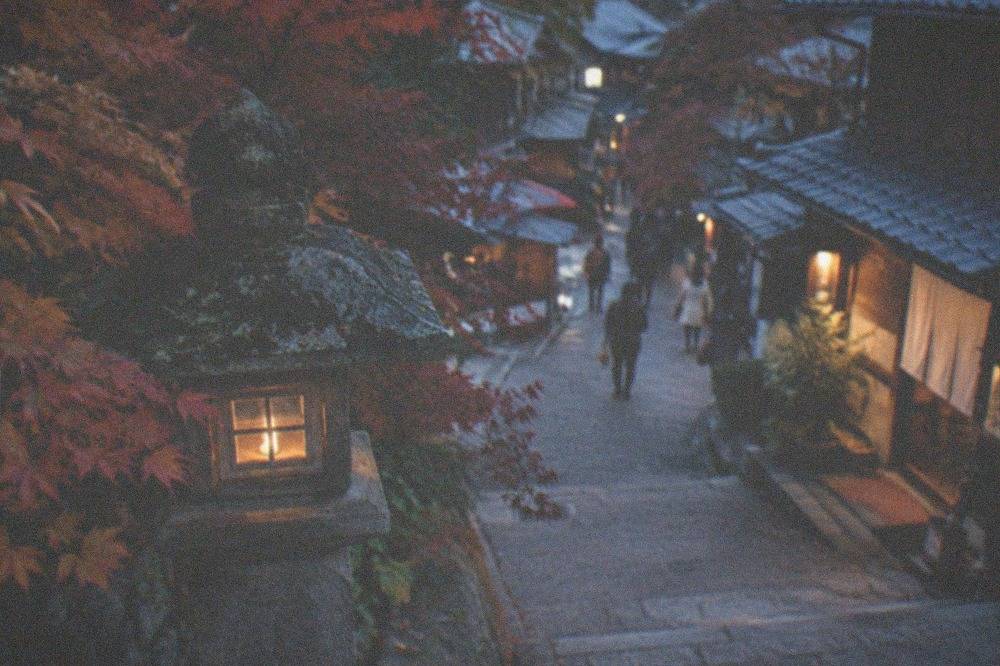
Kiyomizu-dera is the temple most first-timers picture when they picture Kyoto: a wooden stage over a hillside, approached through the preserved lanes of Higashiyama. The temple opens at 6:00 daily, and its closing time moves by season, stretching to 21:30 during the spring and autumn night-viewing windows. The 500 yen admission is widely reported but the temple does not print it on its own site, so budget for it without treating the figure as official.
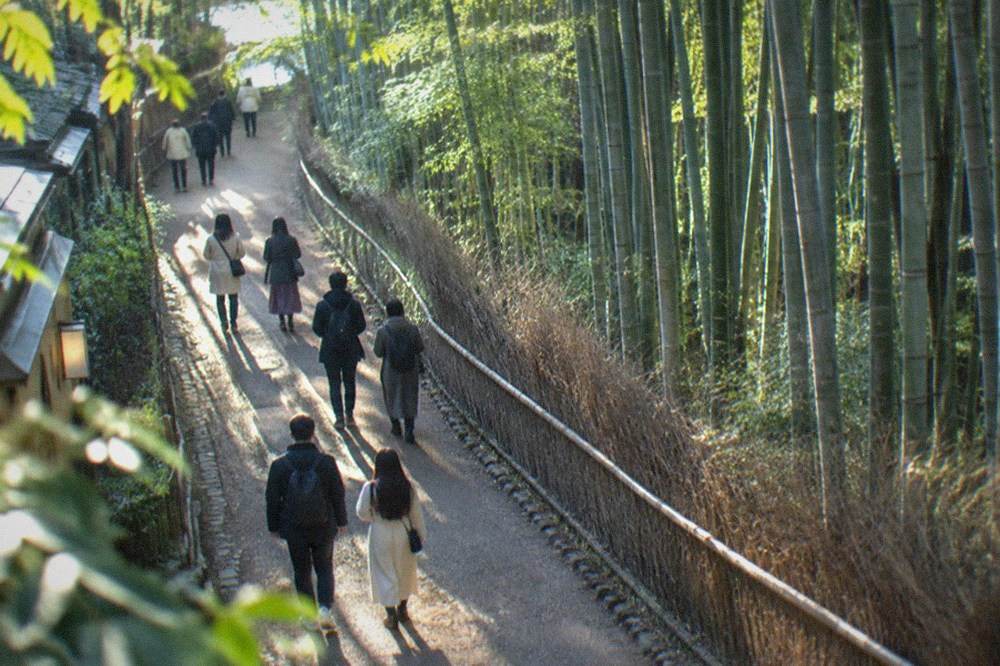
Arashiyama is the third leg, and it is really a district rather than a single sight. The bamboo path is free and open at any hour. Around it sit Tenryu-ji, whose garden charges 500 yen with the buildings at 300 more and the Cloud Dragon ceiling a separate 500, and Iwatayama Monkey Park at 800 yen for visitors 16 and over, cash only. The Arashiyama bamboo grove guide covers the district in depth.
How Many Days Does A First Trip To Kyoto Need?
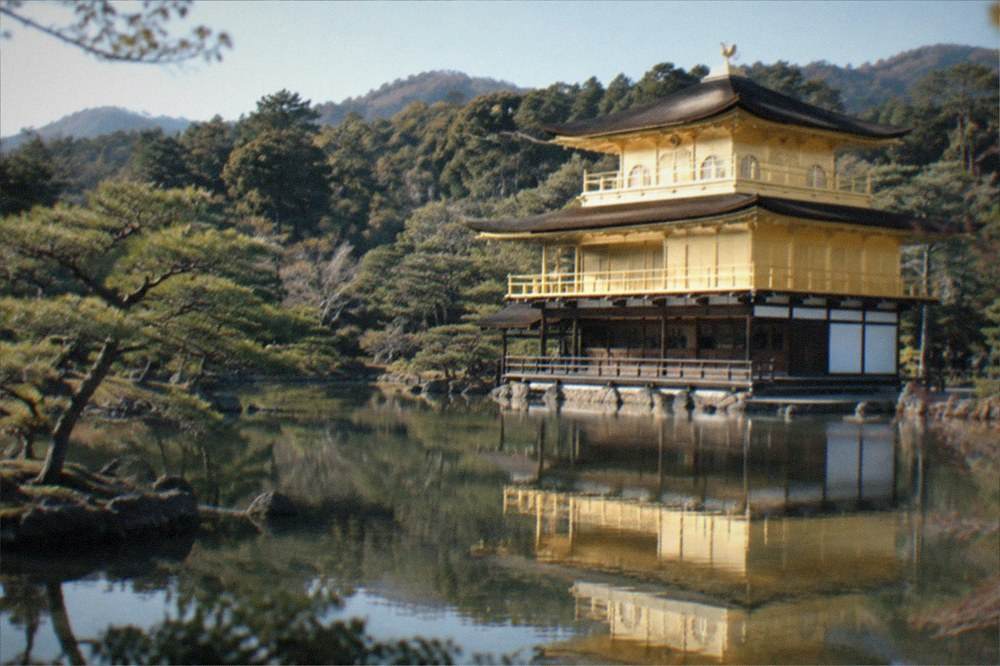
Three full days is the honest minimum for a first trip, with two days workable if you accept cutting either the Golden Pavilion or Arashiyama. One day covers Fushimi Inari, Kiyomizu-dera and the Higashiyama lanes. Day two adds Kinkaku-ji and Nijo-jo Castle on a north-west arc. Day three belongs to Arashiyama, ideally with the Sagano Romantic Train or the Hozugawa Kudari river boat.
The reason is geography, not appetite. Fushimi Inari sits south-east, Kinkaku-ji north-west, Arashiyama further west still, and the bus network between them carries more than 60 million annual visitors' worth of pressure. The city's 2025 survey counted 62.79 million visitors and 46.20 million of them day visitors, and the transport bureau has responded by adding tourist express buses and promoting off-peak spread. Sequencing still beats speed.
A one-day plan is genuinely viable and the one day in Kyoto itinerary sequences it stop by stop. The shape that works: Fushimi Inari first, early, because the paths have no closing time and the lower gates are at their calmest in the first hours of daylight. Then Kiyomizu-dera and the Ninenzaka and Sannenzaka slopes, then Gion and the Kamo River in the evening. If you would rather hand the logistics to a guided day, the Kiyomizu-Dera and Fushimi Inari combination tour covers both anchors with a guide and transport, and an early-morning guided tour with an English-speaking guide gets you to the gates before the mid-morning surge builds.
If you have two days, the two days in Kyoto itinerary adds the north-west arc. Three days opens the Arashiyama morning plus an afternoon in the Fushimi sake district or at Nijo-jo Castle, where the Ninomaru-goten Palace stopped admitting at 16:00, so a plan that arrives at 16:30 is simply wrong. Four and five days let you day-trip to Nara or Uji, both under an hour away by rail.
What Does A First-Timer's Day In Kyoto Actually Cost?
A first-timer's day in Kyoto costs roughly 1,500 to 3,000 yen per person in admissions and local transport before food. The big three cost almost nothing: Fushimi Inari is free, the bamboo path is free, and Kiyomizu-dera is 500 yen. Add Kinkaku-ji at 500 yen, Nijo-jo Castle at 800 yen or 1,300 with the Ninomaru Palace, and 1,100 yen for a subway-and-bus day pass, and the total stays low by big-city standards.
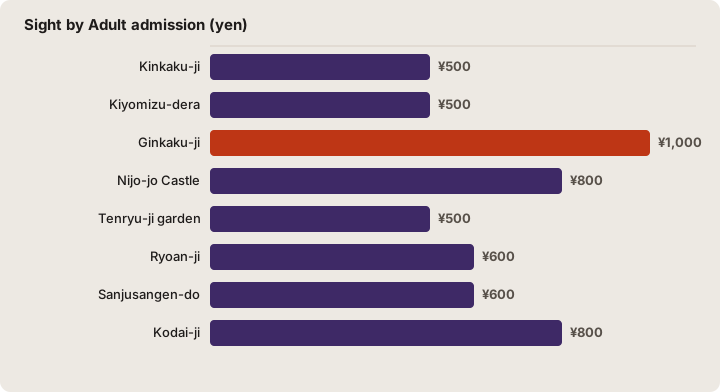
The fee table below is the current verified picture, and two entries changed recently enough that older guides get them wrong. Ginkaku-ji doubled to 1,000 yen from 1 April 2026, its first rise in 32 years. Tofuku-ji revises on 1 November 2026, with the Hojo garden going from 500 to 600 yen and a new 1,000 yen combined ticket.
| Sight | Adult admission | Notes |
|---|---|---|
| Fushimi Inari Taisha | Free | No fee printed anywhere on the shrine's site |
| Arashiyama bamboo path | Free | Public walking path |
| Kinkaku-ji | 500 yen | 300 yen primary and middle school |
| Kiyomizu-dera | 500 yen | Widely reported; the temple does not print it |
| Ginkaku-ji | 1,000 yen | From 1 April 2026, was 500 |
| Nijo-jo Castle | 800 yen | 1,300 with Ninomaru-goten Palace |
| Tenryu-ji garden | 500 yen | Buildings plus 300, Hatto ceiling 500 separately |
| Ryoan-ji | 600 yen | High school 500, elementary and junior high 300 |
| Sanjusangen-do | 600 yen | 1,001 Kannon statues, open every day |
| Kodai-ji | 800 yen | 1,200 combined with Entoku-in |
What is genuinely free is worth knowing, because it is a longer list than most guides admit. The Kyoto Imperial Palace states it is "open to all visitors, no advance application necessary". Shugakuin Imperial Villa and the Sento Imperial Palace are also free, though both are guided and restricted to visitors 18 and over. Nishiki Market, Gion, Pontocho and the Philosopher's Path cost nothing to walk. The free things to do in Kyoto guide builds a full day from them.
Food is the flexible line. A market breakfast at Nishiki, a lunch of udon or ramen, and a casual dinner can hold a day's eating near 3,000 yen, while a kaiseki dinner at one of the city's famous houses is a different order of spending: Hyotei, by Nanzen-ji, prints its kaiseki from 31,625 yen at lunch, though the same restaurant's annex serves porridge and bento from about 5,400 to 7,300 yen. The Kyoto on a budget guide works the cheap end properly.
If the planning itself is the part you would rather skip, a booked guided day bundles the admissions question into one price. The Kiyomizu-Dera and Fushimi Inari day tour is the natural fit for the big three's eastern half.
How Do You Get Around Kyoto Without A Car?
You get around Kyoto on buses at a flat 230 yen per adult ride, on a subway priced 220 to 360 yen by zone, or on the Subway and Bus One-Day Pass at 1,100 yen, which pays for itself on a fourth ride. The old bus-only one-day pass no longer exists: sales ended in September 2023 and it stopped being usable on 31 March 2024. Tourist express buses EX100 and EX101 charge 500 yen to link Kyoto Station with Kiyomizu, Gion and Ginkaku-ji.
The bus-only pass is the single most repeated error in older Kyoto content, so it is worth being blunt about it. The city's transport bureau ended it because, in its own words, roughly 90 percent of buyers were non-residents and the pass concentrated tourists on a handful of bus lines. The replacement product is the Subway and Bus One-Day Pass at 1,100 yen for adults and 550 for children, and it is the right default for a sightseeing day.
| Ticket or fare | Adult | Child | Notes |
|---|---|---|---|
| City bus, flat fare | 230 yen | 120 yen | Ages 6 to 11 |
| Subway, zones 1 to 5 | 220 to 360 yen | 110 to 180 yen | Priced by zone |
| Subway and Bus One-Day Pass | 1,100 yen | 550 yen | The current day pass |
| Subway One-Day Pass | 800 yen | 400 yen | Subway only |
| EX100 / EX101 tourist express | 500 yen | 250 yen | Cash or IC; day pass accepted |
| ICOCA card | 2,000 yen | varies | Includes a 500 yen deposit |
For the airport leg, the JR West HARUKA One-way Ticket for foreign visitors prices the Kansai Airport to Kyoto run at 2,200 yen for adults and 1,100 for children, with the regular fare running higher and the journey taking about 80 minutes. From Itami Airport on the Osaka side, the limousine bus to Kyoto Station costs 1,500 yen and takes 50 to 55 minutes.
One behaviour rule saves more time than any ticket: do not put large luggage on a crowded city bus. Drivers may refuse it, and the city actively promotes hands-free options, station luggage counters and delivery services, for exactly this reason.
When Do Kyoto's Temples Open And Close?
Kyoto's temples open early and stop admitting earlier than most first-timers expect: Kiyomizu-dera opens at 6:00 daily, Kinkaku-ji runs 9:00 to 17:00, and Nijo-jo Castle stops admitting at 16:00 with the castle closing at 17:00. Ginkaku-ji closes at 17:00 in season but drops to 16:30 in winter, and Sanjusangen-do drops to 16:00 from 16 November. A first-timer's plan should treat mid-afternoon as the deadline for starting a final sight, not the start of one.
The winter shortfalls are where first itineraries quietly break. Nanzen-ji's reception ends 20 minutes before its 17:00 close in season and shifts to 16:30 from December, with no general visits at all from 28 to 31 December. Ryoan-ji moves from 8:00-17:00 to 8:30-16:30 across the same winter window. Kodai-ji keeps 9:00-17:30 with reception to 17:00, and runs night illuminations from 17:00 to 22:00, with its 2026 autumn viewing from 23 October to 13 December. Other pages covering the same trip are gathered on Kyoto Travel Guide.
| Sight | Hours | Winter change |
|---|---|---|
| Kiyomizu-dera | Opens 6:00, closing varies | Night viewing to 21:30 on set dates |
| Kinkaku-ji | 9:00-17:00 | None |
| Ginkaku-ji | 8:30-17:00 | 9:00-16:30 from 1 Dec |
| Ryoan-ji | 8:00-17:00 | 8:30-16:30 Dec to Feb |
| Sanjusangen-do | 8:30-17:00 | 9:00-16:00 from 16 Nov |
| Nanzen-ji | 8:40-17:00 | 8:40-16:30; closed 28-31 Dec |
| Tenryu-ji | 8:30-17:00 | Last admission 16:50 |
| Nijo-jo Castle | Admission 8:45-16:00 | Castle closes 17:00 |
Fushimi Inari is the exception that rescues a late arrival: the shrine publishes desk and prayer hours only, and its mountain paths have no closing time, so an evening climb is a legitimate plan rather than a compromise. The how long does it take to walk up Fushimi Inari answer covers the loop's shape, and the shrine itself links to the city's crowd comfort forecast and its own approach cameras, which are the two best tools for picking your hour.
Where Should A First-Timer Stay In Kyoto?
A first-timer should stay downtown, around Kyoto Station, Karasuma or Kawaramachi, or in the southern edge of Higashiyama, because all three put you on the subway and bus network without a transfer. Downtown suits a first visit best: it is walking distance to Nishiki Market, Gion and Pontocho, and it is the departure point for the EX100 express toward Kiyomizu and Ginkaku-ji. Staying near the sights you plan to see at opening time beats staying near the sights themselves.
The trade-off is character against convenience. A machiya townhouse or ryokan in Higashiyama gives the Kyoto most visitors came for, at a price and with early closing streets. Downtown gives late restaurants and direct transport. The where to stay in Kyoto guide and the Kyoto neighborhoods guide compare the districts properly.
One cost item almost no first-timer budgets: the accommodation tax changed on 1 March 2026, and the top tier went from 1,000 to 10,000 yen per person per night. The tax is charged on the room-only rate excluding meals, in five tiers from 200 yen on rooms under 6,000 yen up to 10,000 yen on rooms of 100,000 yen and above.
| Room rate per person per night | Tax from 1 March 2026 | Before |
|---|---|---|
| Under 6,000 yen | 200 yen | 200 yen |
| 6,000 to under 20,000 yen | 400 yen | 400 yen |
| 20,000 to under 50,000 yen | 1,000 yen | 500 yen |
| 50,000 to under 100,000 yen | 4,000 yen | 1,000 yen |
| 100,000 yen and up | 10,000 yen | 1,000 yen |
What Mistakes Do First-Time Kyoto Visitors Make?
The five mistakes that damage a first Kyoto trip are copying pre-2026 admission fees, planning temple arrivals after the last admission window, treating Gion's private alleys as photo sets, eating while walking at Nishiki Market, and underestimating July's rain. Ginkaku-ji's 1,000 yen fee and Tofuku-ji's November revision make 2024 and 2025 price lists wrong, and the JMA 1991-2020 normals show July, not June, as Kyoto's wettest month at 223.6 mm.
The fee drift is the easiest to fix and the most common. A 2025 guide tells you Ginkaku-ji costs 500 yen; the temple's own notice, dated January 2026, doubled it to 1,000 yen effective 1 April. Tofuku-ji revises on 1 November 2026, with its combined ticket new at 1,000 yen and the Tsutenkyo bridge at 1,000 yen during the foliage period. Check the current figure against the venue's own page, or against this site's attraction guides, before you budget.
The Gion rules have teeth. The city's tourism association asks visitors not to touch, chase or photograph geiko and maiko without permission, and signs on the private alleys off Hanamikoji, put up by the local district council, threaten a 10,000 yen penalty for unauthorized photography or entry. The main Hanamikoji road remains open to photography. The why can't you take pictures of geisha in Kyoto answer gives the full picture, and the Gion guide maps the boundaries.
Nishiki Market prohibits eating while walking; the market's own site asks you to eat at the stall or a designated area. There are no unified market hours, each shop keeps its own, roughly 9 or 10:00 to 17 or 18:00, so never plan around a single opening time.
On weather: the JMA 1991-2020 normals for Kyoto station give July 223.6 mm of rain against June's 199.7 mm, so July is the wettest month, not June. August is the hottest, with a mean of 28.5 C and a mean daily high of 33.7 C, and three of Kyoto's six hottest days on record fell in the summers of 2024, 2025 and 2026. The best time to visit Kyoto guide works through the seasons, and the Kyoto crowds guide covers the timing tactics the city itself now promotes, including its five-level crowd comfort forecast built on smartphone location data.
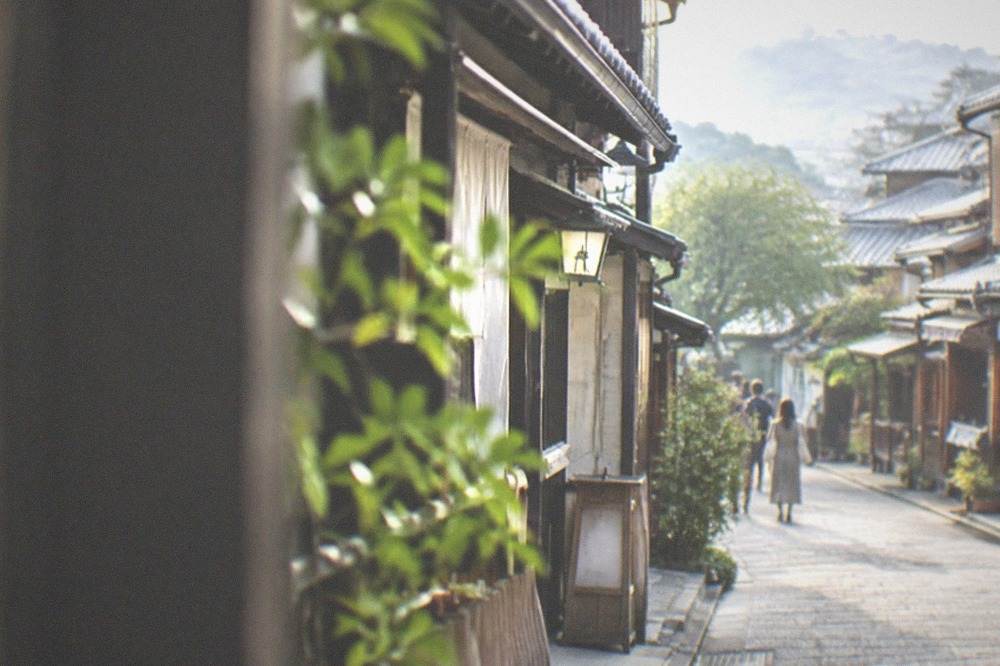
For the evenings, the Kyoto at night itinerary sequences Gion, Pontocho and the Kamo River after dark, and a guided Gion night walk with a geisha-culture focus is a strong first-night orientation for visitors who want the district explained rather than just walked.
How Do You Fit Arashiyama Into A First Trip?
Arashiyama needs a half day minimum, reached on the JR Sagano line or the Hankyu line from downtown, with the free bamboo path first, then Tenryu-ji when it opens at 8:30, then the riverside. The Sagano Romantic Train costs 880 yen one way for adults and 440 for children, and the Hozugawa Kudari boat ride costs 6,000 yen for adults and 4,500 for children over about two hours. Doing both, train one way and boat back, is the classic pairing.
The numbers matter here because a stale figure circulates for the boat. The Hozugawa Kudari's own ticket page prices the adult ride at 6,000 yen, not the roughly 4,100 yen repeated in older guides. The service runs its regular timetable from 10 March to 13 December 2026 and is currently operating. There was a fatal capsizing in March 2023 and service later resumed, though the operator's site does not print the resume date.
The monkey park is a genuine add-on at 800 yen for visitors 16 and over, 400 for ages 4 to 15, cash only, open 9:00 to 16:00. It closes early when the monkeys head back up the hill or the weather turns, so treat it as a morning stop. The Arashiyama guide covers the full district, and the Iwatayama Monkey Park guide the climb.
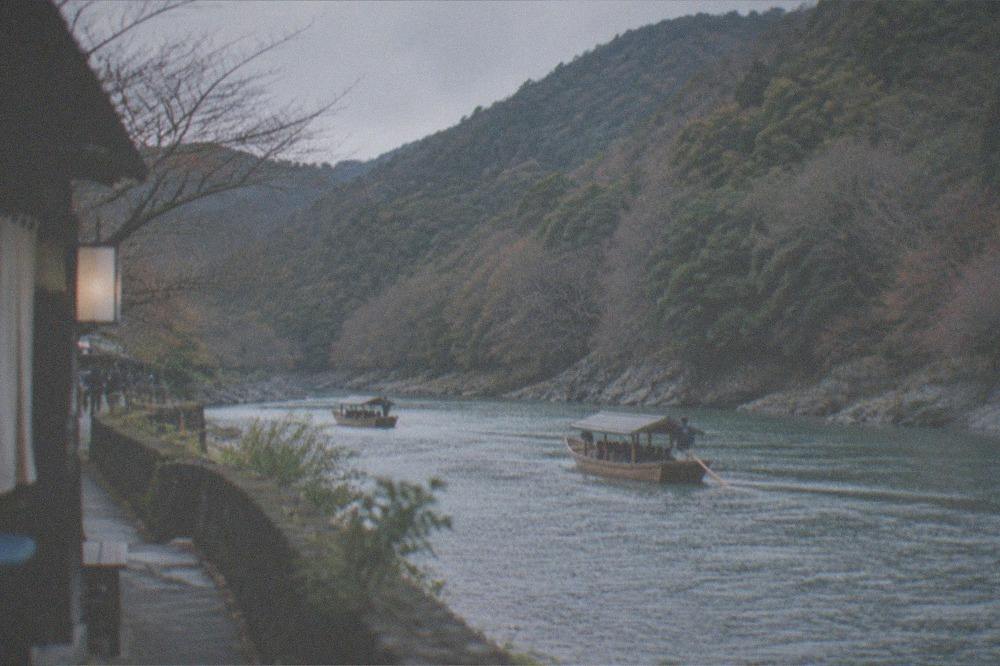
A guided Arashiyama walking tour covering the bamboo path, the monkeys and a temple garden is the efficient version for a first visit, and the hidden-hike option at Fushimi Inari is its eastern counterpart for visitors who want the mountain's upper loops with a guide.
What Should A First-Timer Book Ahead?
A first-timer should book ahead only what sells out or saves a queue: the Sagano Romantic Train in foliage season, the Hozugawa Kudari boat, Katsura Imperial Villa tours, and any guided day tour. Katsura Imperial Villa requires an advance application for its 1,000 yen guided tour, with same-day numbered tickets as the fallback. The big sights, Fushimi Inari, the bamboo path and Kiyomizu-dera, need no booking at all.
Katsura is the one commonly missed. The villa's guided tour runs about 60 minutes, costs 1,000 yen for visitors 18 and over and is free for ages 12 to 17, and applications go through the Imperial Household Agency's online system or its office, with same-day tickets issued at the entrance, first come first served with ID. It closes Mondays. Shugakuin is free but also guided, 18 and over only, and closed Mondays.
For the paid big-sight days, a bus tour that bundles Fushimi Inari, Kinkaku-ji and the bamboo grove in one loop is the strongest single booking a time-pressed first-timer can make, since it solves the north-west to south-east transfer problem that defeats most self-planned days.
What Should A First-Timer Know About Kyoto's Etiquette?
A first-timer in Kyoto should follow five rules: do not photograph or approach geiko and maiko without permission, do not enter Gion's marked private alleys, eat at the stall rather than while walking at Nishiki Market, keep voices low on temple grounds, and carry cash, since Iwatayama Monkey Park and several smaller sights take cash only. The city's tourism association publishes these as its visitor guidelines, and the Gion alley signage carries a 10,000 yen penalty.
Etiquette in Kyoto is less about formality than about the fact that the sights are working religious institutions. Fushimi Inari is an active shrine where the otsuka stones along the paths bear deity names for worship; nobody is buried on the mountain, despite the persistent myth, as the who is buried at Fushimi Inari answer explains. At Kamigamo Shrine, photography of rites and any drone flight need advance permission.
Common Questions About Kyoto For First Time Visitors
Which Kyoto sights should a first-timer never skip: Fushimi Inari, Kiyomizu-dera, Arashiyama?
Fushimi Inari, Kiyomizu-dera and the Arashiyama bamboo grove. Fushimi Inari is free with no closing time on its paths, Kiyomizu-dera opens at 6:00 daily, and the bamboo path is free. Add Kinkaku-ji at 500 yen and Nijo-jo Castle at 800 yen on a second day.
Is Kyoto walkable for a first-time visitor?
Partly. Higashiyama, Gion, downtown and the Philosopher's Path are genuinely walkable districts, but the big sights sit at the city's edges, so you will use buses or the subway between them. The Subway and Bus One-Day Pass at 1,100 yen is the standard tool.
Do I need to book Kyoto temples in advance?
Almost never. Kiyomizu-dera, Kinkaku-ji and Fushimi Inari take payment at the gate. The exceptions are Katsura Imperial Villa, which requires an advance application for its guided tour, and the Sagano Romantic Train and Hozugawa Kudari in high season.
What is the single biggest mistake first-timers make in Kyoto?
Copying out-of-date fees and hours. Ginkaku-ji doubled to 1,000 yen in April 2026, Tofuku-ji revises its fees on 1 November 2026, and the bus-only day pass no longer exists. Build your plan from current figures, not from a guide published in 2024.
Can you visit Fushimi Inari at night?
Yes. The shrine publishes desk and prayer hours only, and its mountain paths have no closing time, so an evening climb is legitimate. The upper loops are lit along the main route, though the shrine advises care on the descent.
How much money do I need per day in Kyoto?
Roughly 1,500 to 3,000 yen per person in admissions and local transport before food, using the figures in this guide. Eating ranges from about 3,000 yen a day at casual counters to kaiseki in the tens of thousands of yen at the famous houses.
A first trip to Kyoto stands on a short list of decisions: three days if you can take them, the big three on day one, the north-west arc on day two, Arashiyama on day three, and a day pass in your pocket the whole time. Get the fees, the closing windows and the Gion boundaries right, and the city does the rest.