Best Time To Visit Kyoto
Early April and late November are the two windows every guide argues over, and the honest answer comes from the Japan Meteorological Agency's own records, not from Instagram.
Short answer
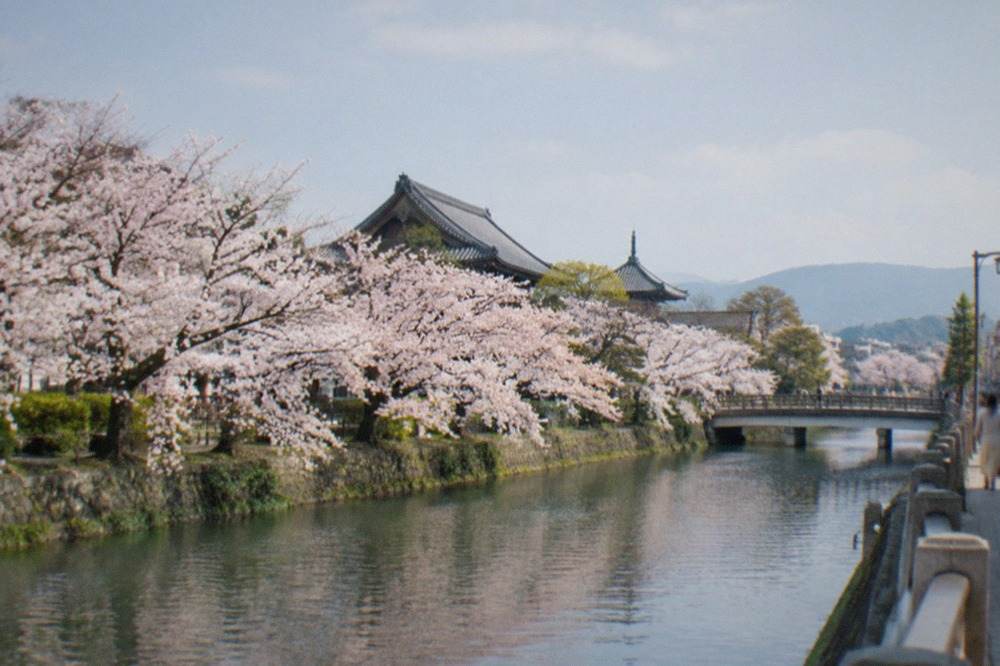
Late November is the better Kyoto window: the autumn foliage season runs longer than the cherry bloom, crowds spread across weeks rather than days, and the JMA normals put the red-leaf marker at 5 December, while cherry full bloom averages 4 April and lasts days. Early April wins only if cherry blossoms are the whole point of the trip.
Kyoto drew a record 62.79 million visitors in 2025, according to the city's own tourism survey released in June 2026, and almost all of them arrived inside a handful of crowded windows. Picking the right one is the single most consequential planning decision you will make, ahead of the hotel and ahead of the itinerary. The city's climate, its bloom dates and its festival calendar are all measured precisely by public bodies, and those measurements contradict a surprising amount of what the first page of search results says.
This guide works from the Japan Meteorological Agency's 1991-2020 normals for Kyoto station 47759, the agency's phenology records for cherry and maple, and the venue and city sources behind every fee and date printed here. Start with the complete things-to-do overview if you are still building the trip itself.
Is Early April Or Late November The Better Kyoto Window?
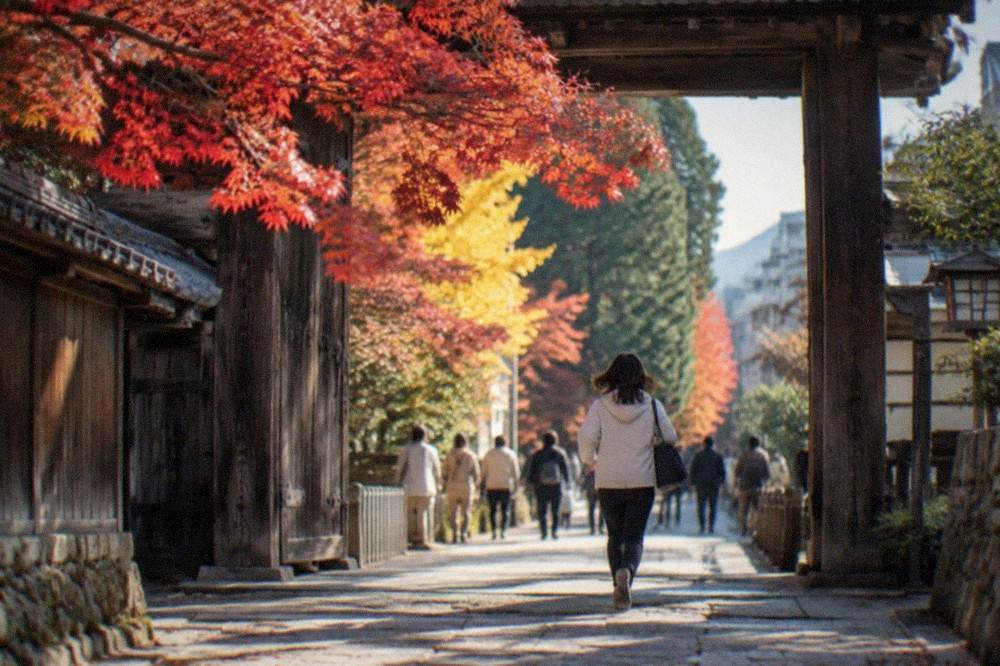
Late November is the better window for most travellers, because the maple season is longer, the weather is drier and the light is better for photography, while early April concentrates more people into fewer days. The JMA normals put cherry full bloom at 4 April and the maple red-leaf marker at 5 December, which means November foliage runs for weeks, not days. Early April wins only when the blossoms themselves are the trip.
The case for late November is arithmetic. Cherry full bloom in Kyoto averaged 4 April across the 1991-2020 normals, and the bloom holds for roughly a week before rain or wind strips the trees. The maple season, by contrast, ramps down the hillsides from late October through early December, so a missed peak in one district is usually still catchable in another. In 2025 the observatory's own specimen maple did not turn red until 10 December.
The case for early April is not nothing. Spring temperatures are gentler (the March mean is 8.8 C against November's 12.5 C, but November nights drop to 8.4 C), the cherry night illuminations at temples like Kodai-ji run late, and the blossom is the single most famous sight Japan offers. If you want both windows, our Kyoto autumn leaves guide covers the foliage side in detail.
What Is The Weather Actually Like In Kyoto, Month By Month?
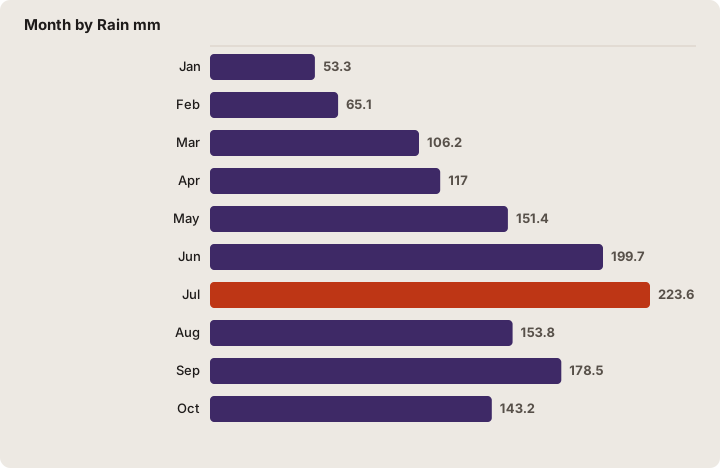
Kyoto is a city of real seasons: July is its wettest month at 223.6 mm, not June, August is its hottest with a mean of 28.5 C and a mean daily maximum of 33.7 C, and January is both its coldest at 4.8 C and its driest at 53.3 mm. The annual rainfall normal is 1,522.9 mm. The JMA 1991-2020 normals for station 47759, the same point as AMeDAS 61286, are the source for every figure in the table below.
| Month | Rain mm | Mean C | Mean daily max C | Mean daily min C | Sunshine h |
|---|---|---|---|---|---|
| Jan | 53.3 | 4.8 | 9.1 | 1.5 | 123.5 |
| Feb | 65.1 | 5.4 | 10.0 | 1.6 | 122.2 |
| Mar | 106.2 | 8.8 | 14.1 | 4.3 | 155.4 |
| Apr | 117.0 | 14.4 | 20.1 | 9.2 | 177.3 |
| May | 151.4 | 19.5 | 25.1 | 14.5 | 182.4 |
| Jun | 199.7 | 23.3 | 28.1 | 19.2 | 133.1 |
| Jul | 223.6 | 27.3 | 32.0 | 23.6 | 142.7 |
| Aug | 153.8 | 28.5 | 33.7 | 24.7 | 182.7 |
| Sep | 178.5 | 24.4 | 29.2 | 20.7 | 142.7 |
| Oct | 143.2 | 18.4 | 23.4 | 14.4 | 156.0 |
| Nov | 73.9 | 12.5 | 17.3 | 8.4 | 140.7 |
| Dec | 57.3 | 7.2 | 11.6 | 3.5 | 134.4 |
Two facts in that table contradict most competing guides. First, July, not June, is the wettest month: 223.6 mm against 199.7 mm. The rainy season proper peaks around June, but the July figure is higher because typhoon-season rain stacks on top of it. Second, Kyoto has a real winter. The station's record low is -11.9 C (16 January 1891) and its deepest snow on record is 41 cm (26 January 1954), so anyone telling you the city is mild year-round has not read the record. Three of the six hottest days ever measured here fell in the summers of 2024, 2025 and 2026, and July and August 2025 were both among the five hottest calendar months in a series running from 1880.
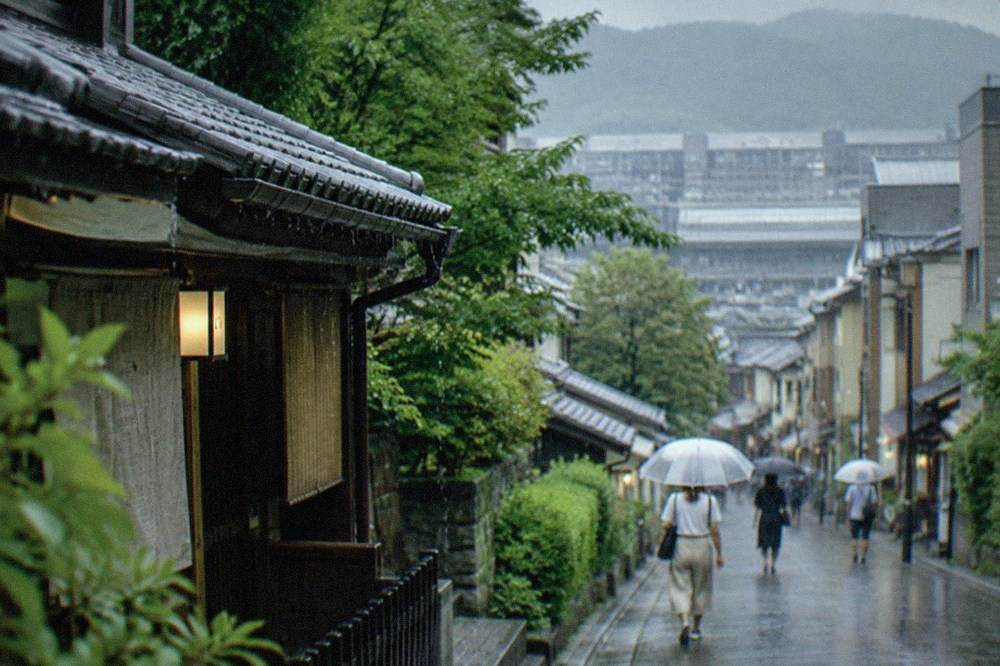
What this means practically: April and October to November are the comfortable shoulders, summer is genuinely hot and wet, and winter is cold, dry and dramatically quieter. The full Kyoto weather guide unpacks the seasons further.
If you are deciding between the two classic shoulder months, the strongest single-day sampler of the city's headline sights is the Fushimi Inari, Kinkaku-ji and bamboo grove bus tour, which covers all three in about 8.5 to 9 hours and removes the transit planning from a peak-season day.
When Do The Cherry Blossoms And Maples Actually Turn In Kyoto?
The JMA's 1991-2020 normals put cherry flowering at 26 March and full bloom at 4 April, and the maple red-leaf marker at 5 December, later than nearly every guide claims. In 2026 the cherries flowered on 23 March and hit full bloom on 30 March; in 2025 the observatory's maple did not turn red until 10 December. The JMA phenology record for the Kyoto observatory is the source for all of these dates.
| Event | 2026 | 2025 | 1991-2020 normal | Record range |
|---|---|---|---|---|
| Cherry flowering | 23 March | 27 March | 26 March | 16 Mar (2021) to 9 Apr (1984) |
| Cherry full bloom | 30 March | 5 April | 4 April | 24 Mar (2023) to 17 Apr (1965) |
| Maple red leaves | not yet observed | 10 December | 5 December | 10 Nov (1976) to 20 Dec (2024) |
| Ginkgo yellow leaves | not yet observed | 25 November | 24 November | 7 Nov (1976) to 7 Dec (1982) |
| Plum flowering | 22 February | 11 March | 22 February | 27 Jan (1979) to 15 Mar (1963) |
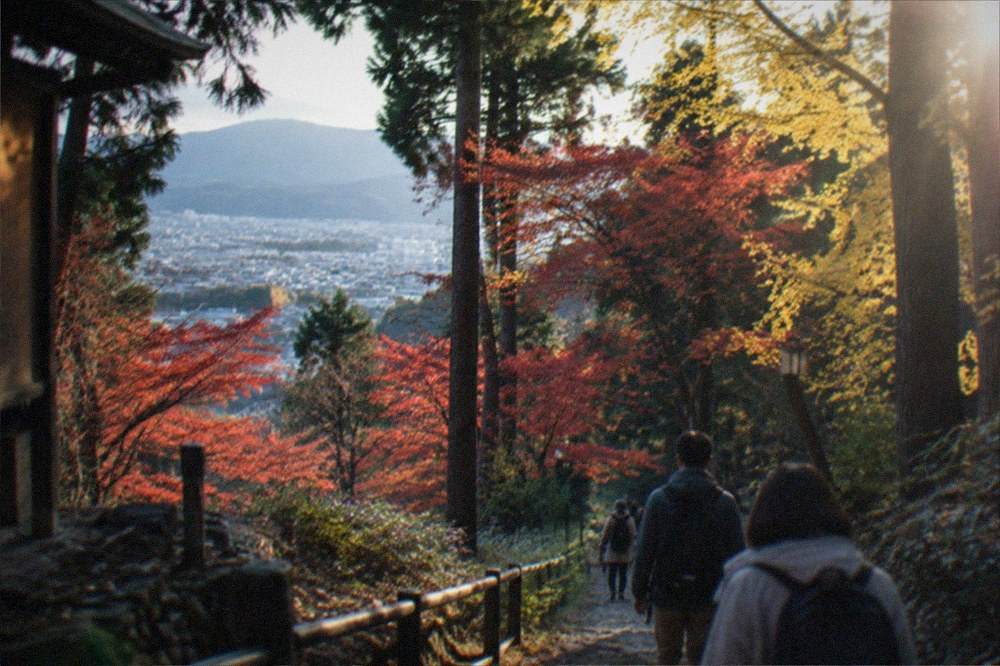
The maple normal deserves a caveat the raw number hides: 5 December is the date the observatory's own specimen tree turns, which is not the same as the Arashiyama or Tofuku-ji viewing peak. Commercial foliage forecasts for 2026 put the Arashiyama peak around 24 November, and a separate red-leaves forecast around 11 December. Treat the JMA date as the official marker and the forecasts as the planning tool.
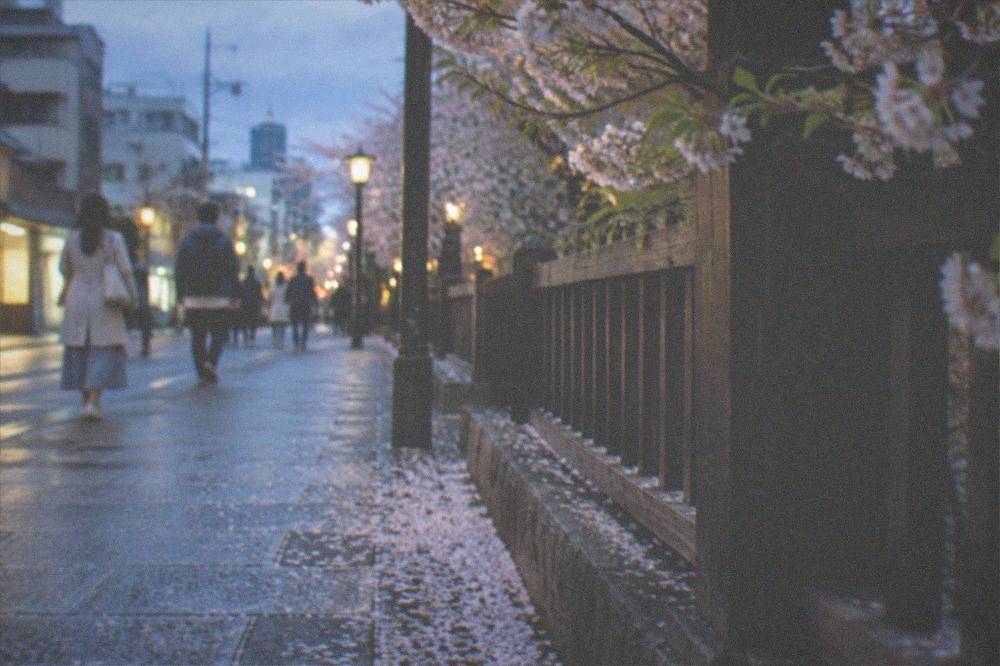
Note also how tight the cherry spread is. Full bloom has landed between 24 March and 17 April across the whole record, and in the last four years between 30 March and 5 April. If you book early April you are buying a lottery ticket with good odds, not a guarantee; a single warm week in March can pull the whole bloom forward. The cherry blossom guide has the district-by-district detail.
Which Kyoto Season Has The Worst Crowds?
Summer is the least crowded of the shoulder-to-peak seasons but the least comfortable, while early April and late November concentrate the most visitors: the city recorded 62.79 million visitors in 2025, a record, and 46.20 million of them were day visitors. The city's own response includes the Tourism Comfort Forecast, a five-level crowd prediction tool run by the Kyoto City Tourism Association using smartphone location data, weather and AI models.
The crowd picture is not evenly bad. The cherry week and the foliage weekends are the crush points, and within them the crush is concentrated at three or four sites: Fushimi Inari's entrance tunnel, Kiyomizu-dera's stage, the Arashiyama bamboo grove and Gion's Hanamikoji. The shrine links its own approach cameras and the Comfort Forecast from its homepage, so the tools exist to time a day in advance.
Timing inside the day matters as much as timing inside the year. Kiyomizu-dera opens at 6:00, and the temple's own FAQ states that opening time; the first hour is a different experience from the tenth. Fushimi Inari's paths have no closing time at all, which makes dawn and late evening the two reliable quiet windows. The free, tip-based walking tours on GuruWalk, such as the Free Gion-Higashiyama walk (rated 4.86 from 557 reviews, about 2 hours), work well in the off-peak hours precisely because the gurus route around the peaks.
What Do Kyoto's Festivals Add To Each Season?
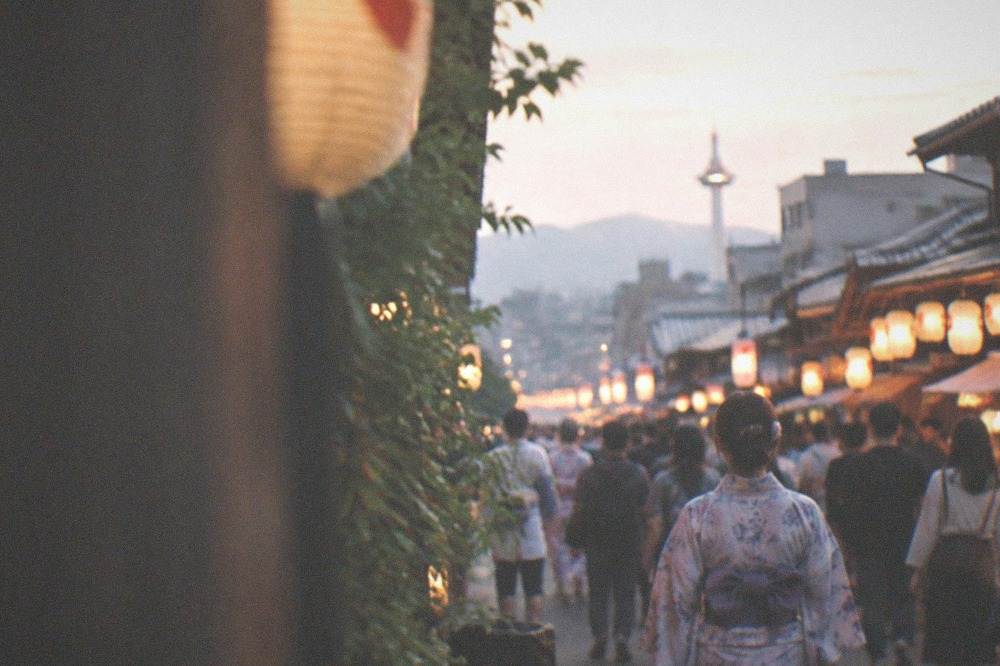
The big three are Aoi Matsuri on 15 May, Gion Matsuri across the whole of July with its two grand processions on 17 and 24 July, and Jidai Matsuri on 22 October, with Gozan no Okuribi closing the summer on 16 August. Every date is annual and confirmed on the shrines' own pages. Gion Matsuri runs the full month, so July visitors get festival atmosphere almost regardless of which week they pick.
| Festival | Date | Season it shapes |
|---|---|---|
| Aoi Matsuri | 15 May (postponed to 16 May in rain) | Late spring |
| Gion Matsuri | 1 to 31 July; Yamaboko Junko 17 and 24 July | Summer |
| Gozan no Okuribi | 16 August | Late summer |
| Jidai Matsuri | 22 October (rain postponement applies) | Autumn |
| Arashiyama Hanatoro | December (listed for 2026) | Winter |
A festival can be a reason to come or a reason to avoid. Gion Matsuri's procession days shut central streets and fill every hotel in the middle of an already hot, wet month; the Gion Matsuri guide explains which days reward a visit. Jidai Matsuri, by contrast, sits in one of the best weather weeks of the year and the Jidai Matsuri guide covers the route. Gozan no Okuribi's bonfires light five mountains at once, and entering the hills that day is prohibited, so viewing is from the city.
One caution: the Higashiyama Hanatoro lantern festival was discontinued after 2022, so any guide still listing it as a December draw is out of date. A smaller Arashiyama event survives and is listed for December 2026.
What Are The Cheapest And Quietest Months In Kyoto?
January and February are the quietest and cheapest months: January is the driest (53.3 mm) and coldest (mean 4.8 C) month in the normals, February is the dullest for sunshine at 122.2 hours, and both sit outside every festival and bloom window. The trade is real cold, with the record low at -11.9 C and record snow depth at 41 cm, but the city does not shut.
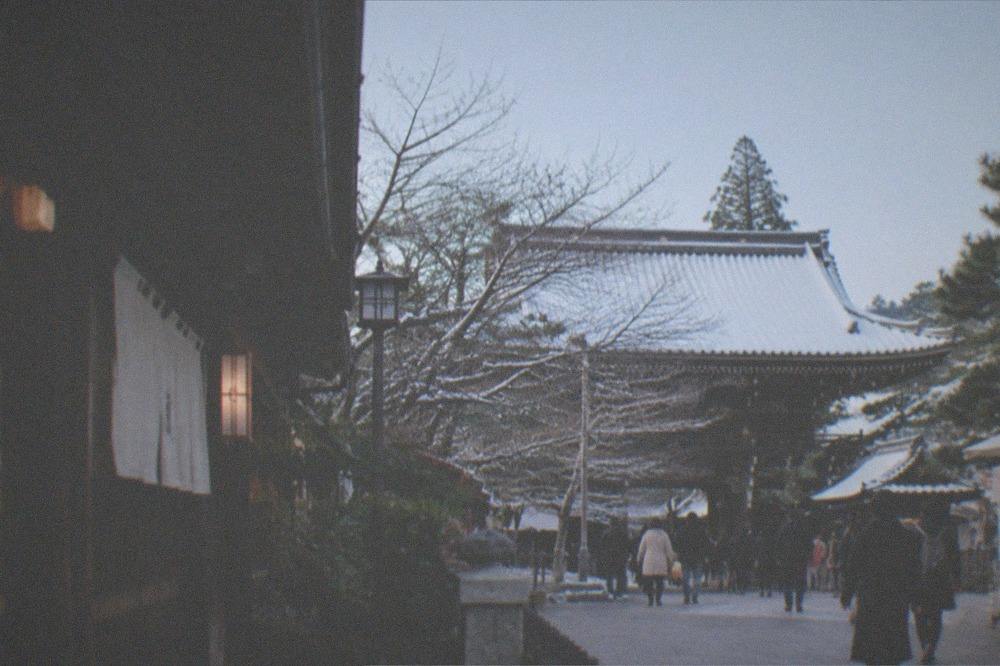
Winter rewards a different kind of trip. Temple admissions stay at their standard fees, hotel rates drop well below the April and November peaks, and the light on a clear January morning is sharp and low. The plum flowering normal is 22 February, which gives late-winter visitors an early bloom without the cherry crowds. The Kyoto in winter guide makes the full case, and the rainy day guide is worth bookmarking for any season, since even the driest month averages more than 50 mm.
A note on fees that matters to shoulder-season planning: two temples changed their admission in 2026. Ginkaku-ji doubled its adult fee from 500 to 1,000 yen effective 1 April 2026, its first revision in 32 years, and Tofuku-ji revises its fees on 1 November 2026, with the Tsutenkyo bridge ticket rising to 1,000 yen during the foliage period. A fee copied from a 2024 guide is wrong for both.
| Season | Comfort | Crowds | Cost | Best for |
|---|---|---|---|---|
| Late March to early April | Mild, 14.4 C mean | Extreme | Peak rates | Cherry blossoms |
| May | Warm, 19.5 C mean | Moderate | Moderate | Aoi Matsuri, fresh green |
| July to August | Hot and wet, 28.5 C mean in August | High in spots | Moderate | Gion Matsuri, Okuribi |
| October | Mild, 18.4 C mean | High late month | Rising | Early foliage, Jidai Matsuri |
| November | Cool, 12.5 C mean | Extreme late month | Peak rates | Maples |
| January to February | Cold, 4.8 C mean in January | Low | Lowest rates | Quietest temples, plum bloom |
How Does The Accommodation Tax Change The Cost Of Each Season?
Kyoto's accommodation tax changed on 1 March 2026: the top tier rose from 1,000 to 10,000 yen per person per night for rooms of 100,000 yen and up, the 50,000 to 100,000 yen tier rose from 1,000 to 4,000 yen, and the 20,000 to 50,000 yen tier doubled from 500 to 1,000 yen. The two cheapest tiers, 200 and 400 yen, were unchanged. The tax applies to the room-only charge, excluding meals and consumption tax.
| Room rate per night | Tax before 1 March 2026 | Tax from 1 March 2026 |
|---|---|---|
| Under 6,000 yen | 200 yen | 200 yen |
| 6,000 to under 20,000 yen | 400 yen | 400 yen |
| 20,000 to under 50,000 yen | 500 yen | 1,000 yen |
| 50,000 to under 100,000 yen | 1,000 yen | 4,000 yen |
| 100,000 yen and up | 1,000 yen | 10,000 yen |
The city expects about 12.6 billion yen a year from the revision. For a traveller, the practical effect is small on a mid-range room (1,000 yen on a room in the 20,000 to 50,000 yen tier) and substantial on a luxury one, which nudges the splurge-stay decision away from the peak-rate weeks of April and November, when the room itself is already at its most expensive. The best hotels guide and the ryokan guide cover where the money goes furthest.
What Is The Best Time To Visit Kyoto For A First Trip?
For a first visit, late October into mid-November is the strongest window: the JMA October normal is a mild 18.4 C mean with 143.2 mm of rain, the foliage builds through the month rather than peaking on one day, and Jidai Matsuri lands on 22 October. Early April is the equal alternative if cherry blossoms are the priority, accepting a tighter bloom window and the year's heaviest crowds.
A first trip also benefits from structure, because Kyoto punishes unplanned days in peak season. The first-time visitors itinerary sequences the headline sights, and a guided day removes the transit friction. The Kurama to Kibune hike, for instance, is a full-day guided route through the mountains north of the city, rated 5 from 82 reviews at from $210, and it works in every season except deep winter.
For travellers splitting time between cities, the Kyoto-versus-Tokyo comparison and the stay in Kyoto or Osaka answer both feed into the timing decision, since a Kansai base changes how many Kyoto days you actually get.
The same logic applies to indoor anchors: a kimono tea ceremony at Maikoya near Nishiki, rated 4.9 from 1,114 reviews at from $53 for 90 minutes, is a fixed-temperature hour that rescues a wet afternoon in any month, and it sits close to the market's covered arcades.
Which Month Should You Avoid In Kyoto?
Avoid late July and August if heat is a dealbreaker: August's mean daily maximum is 33.7 C, and three of the six hottest days ever recorded at the station fell in the summers of 2024, 2025 and 2026. Avoid the cherry full-bloom week and the last two November weekends if crowds are the dealbreaker. There is no month when the city is unvisitable, and every month in the normals table above has been visited, photographed and enjoyed.
The honest framing is trade-offs, not bans. July brings Gion Matsuri, the biggest festival in the city's calendar, and 223.6 mm of rain with it. August brings Gozan no Okuribi and the sunniest month in the normals, 182.7 hours, alongside that 33.7 C mean high. September's typhoon risk comes with 178.5 mm of rain but also the lowest late-season crowds. If you do land in a wet week, the rainy day options around Nishiki Market keep the trip moving.
One pairing worth planning around: the Arashiyama bamboo grove is at its most crowded in the foliage afternoons and its most beautiful in the early mornings of any month, so the site, not the season, is the variable to control.
Common Questions About The Best Time To Visit Kyoto
Is Early April Or Late November The Better Kyoto Window?
Late November, for most travellers. The maple season runs for weeks against the cherry bloom's days, the JMA normals put the red-leaf marker at 5 December against full bloom at 4 April, and November's 73.9 mm of rain beats April's 117.0 mm. Early April wins only when the blossoms are the whole point of the trip.
What Is The Rainiest Month In Kyoto?
July, at 223.6 mm in the JMA 1991-2020 normals, ahead of June at 199.7 mm. Most guides say June; the agency's own table does not. Typhoon-season rain stacks on top of the rainy season through July to October.
Does It Snow In Kyoto?
Yes. The station's record low is -11.9 C and its deepest snow on record is 41 cm, both from the JMA series running from 1880. January is the coldest month, with a mean of 4.8 C and a mean daily minimum of 1.5 C.
When Is Cherry Full Bloom In Kyoto?
The 1991-2020 normal is 4 April. It hit 30 March in 2026 and 5 April in 2025, and the record range runs from 24 March (2023) to 17 April (1965). Book early April for the best odds, but treat it as a probability, not a promise.
Is Summer Too Hot To Visit Kyoto?
August's mean daily maximum is 33.7 C and three of the six hottest days on record fell in 2024, 2025 and 2026, so summer is genuinely hot. It is also festival season: Gion Matsuri runs all of July and Gozan no Okuribi lights five mountains on 16 August. Early starts and afternoon shade make it workable.
What Is The Cheapest Month To Visit Kyoto?
January and February. Both sit outside every bloom, festival and foliage window, January is the driest month in the normals, and hotel rates fall well below the April and November peaks. The trade is cold: pack for a mean of 4.8 C in January.
The decision, in the end, is between a bloom that lasts days and a foliage season that lasts weeks, and the record says the maples give you more room for error. Pick your window, book the room early whichever one it is, and let the Kyoto Travel Guide handle the rest of the planning from there.