Best Hotels In Kyoto
Kyoto drew a record 62.79 million visitors in 2025, and 16.59 million of them stayed the night. Where you book decides whether the city works for you or works you over.
Short answer
Stay in the Kyoto Station area for transport, downtown Kawaramachi for food and nightlife, or Higashiyama and Gion for atmosphere. Budget for the new accommodation tax, which since 1 March 2026 runs from 200 yen to 10,000 yen per person per night depending on the room rate.
Kyoto slept 16.59 million overnight guests in 2025, a record, according to the city's own tourism survey released in June 2026. That number is the single most important fact about booking a hotel here: the rooms fill, the prices climb in the peaks, and the difference between a good trip and a grinding one is often just which side of the Kamo River you chose to sleep on. This guide works through the hotel areas one by one, explains the accommodation tax that changed on 1 March 2026 and still confuses travellers who read older guides, and answers the question people actually type before booking: which Kyoto hotels sit within a ten-minute walk of Gion?
Which Kyoto Hotels Sit Within A Ten-Minute Walk Of Gion?
The honest answer is that almost no hotel sits inside Gion itself, because Gion is a preserved entertainment district of tea houses rather than a hotel zone, so the ten-minute walk question is really about its edges. The streets around Shijo-dori's east end, Kawabata-dori along the Kamo River, and the western slope of Higashiyama all put you within roughly ten minutes on foot of Hanamikoji. Gion Shinmonzen and Higashiyama Yasaka are the nearest stations, and Kyoto's Kawaramachi and Gion-Shijo stations are a few minutes further out.
That geography matters more than any star rating. Hanamikoji, the famous street, runs south from Shijo-dori, and the private alleys off it are where the photography restrictions apply. Signs put up by the Gion South Side district council threaten a 10,000 yen penalty for photography on those private alleys, while the main street remains public. The Kyoto City Tourism Association's own guidance is about conduct rather than money: do not touch, chase or photograph geiko and maiko without permission, and do not enter private property. If you want to understand the district properly rather than just sleep near it, the Gion area guide covers the layout street by street, and a guided evening walk is worth considering, which we come to below.
The practical trade-off of staying at Gion's edge is quiet versus convenience. The district empties late, the lanes are narrow, and luggage on the city buses can genuinely be refused by drivers when they are crowded, a policy the city promotes alongside its hands-free luggage delivery scheme. A hotel on the Kawabata side puts the river between you and the late-night crowds while keeping Hanamikoji inside a ten-minute walk. The is Gion worth visiting answer goes deeper on whether the district itself earns its fame.
Where Should First-Time Visitors Stay In Kyoto?
For a first visit, the strongest base is the downtown core between Kyoto Station, Kawaramachi and the river, because every transport line and most of the evening life converge there. The station area wins on connections, including the HARUKA airport train and the JR lines to Nara and Uji. Downtown Kawaramachi wins on restaurants and bars. Higashiyama wins on atmosphere but costs more and means more walking. A first-timer with two or three nights should take the station or downtown and visit the rest.
The reason is arithmetic as much as taste. The city's subway runs 220 to 360 yen per adult ride depending on zone, and the Subway and Bus One-Day Pass costs 1,100 yen, so a well-placed hotel saves both money and the exhaustion that comes with 62.79 million annual visitors sharing the same buses. The old bus-only one-day pass no longer exists; sales ended in September 2023 and the last day of use was 31 March 2024, so any guide still recommending it is out of date.
First-timers also underestimate distances. Kyoto's temple belt runs from the Silver Pavilion in the northeast to Arashiyama in the far west, and no single hotel puts you next to everything. The one day in Kyoto itinerary shows how the geography chains together, and the where to stay in Kyoto guide compares the neighbourhoods in more depth than this page. If you are arriving from the capital, the Tokyo to Kyoto guide covers the station you will land at.
How Much Is The Kyoto Accommodation Tax In 2026?
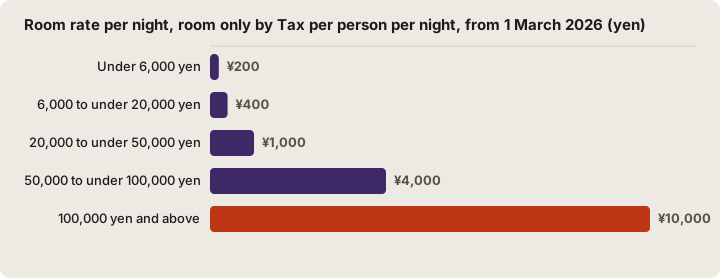
The tax is charged per person, per night, on the room-only rate excluding meals and consumption tax, and since 1 March 2026 it runs in five tiers: 200 yen for rooms under 6,000 yen, 400 yen from 6,000 to under 20,000, 1,000 yen from 20,000 to under 50,000, 4,000 yen from 50,000 to under 100,000, and 10,000 yen at 100,000 yen and above.
The top three tiers all rose, and a 20,000 yen room now carries 1,000 yen per person per night, double the old 500.
This is the single most outdated figure in competing guides. Before 1 March 2026 the top rate was 1,000 yen regardless of whether the room cost 50,000 yen or ten times that, so a luxury stay was taxed at the same level as a mid-range business hotel. The city now expects about 12.6 billion yen a year from the tax, and the Minister of Internal Affairs consented to the revision, both facts from the city's own announcement. For a family of four sharing one expensive room, the tax is per person, which can add a meaningful sum to a ryokan splurge.
| Room rate per night, room only | Tax per person per night, from 1 March 2026 | Before the change |
|---|---|---|
| Under 6,000 yen | 200 yen | 200 yen |
| 6,000 to under 20,000 yen | 400 yen | 400 yen |
| 20,000 to under 50,000 yen | 1,000 yen | 500 yen |
| 50,000 to under 100,000 yen | 4,000 yen | 1,000 yen |
| 100,000 yen and above | 10,000 yen | 1,000 yen |
The practical consequence is simple: when you compare rates across booking sites, remember that the displayed price will not include this tax, and that the tax base is the room-only charge, so a package that bundles dinner is taxed on the room component. The Kyoto ryokan guide folds the new tiers into its sums. Nobody should describe this as a flat tax, because since March 2026 it is anything but.
Is It Better To Stay Near Kyoto Station Or Downtown?
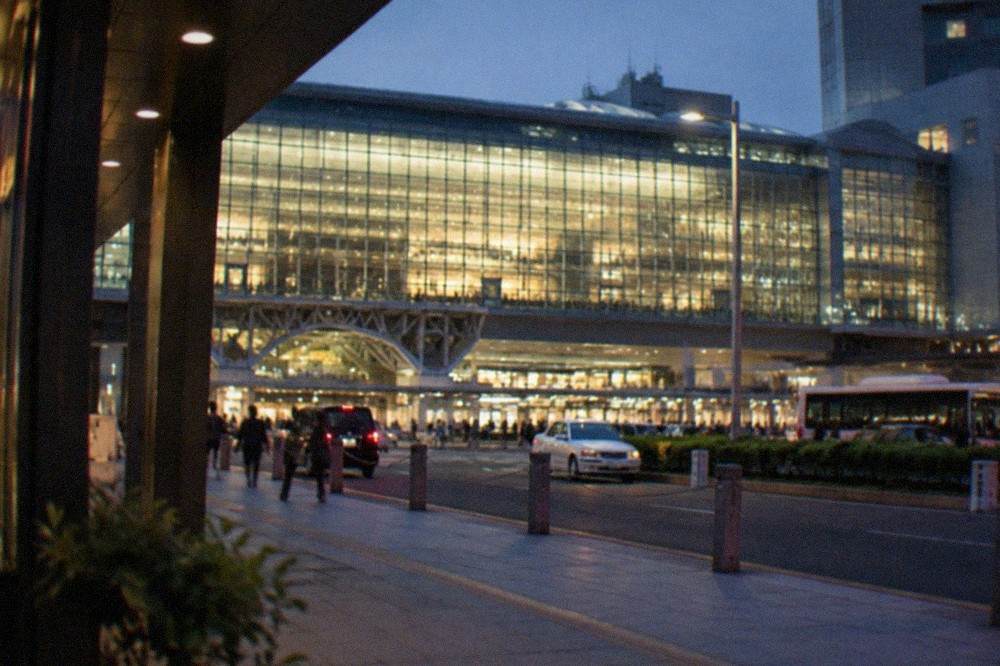
Kyoto Station is the better base if you are arriving by Shinkansen, taking day trips, or flying out through Kansai Airport, because the HARUKA train, the JR lines to Nara and Uji, and most highway buses all start there. Downtown Kawaramachi is the better base if your evenings matter more than your mornings, because that is where the restaurants, bars and the Kamo River walkways concentrate. The two are about ten minutes apart by subway, so neither choice is a mistake.
The station district is less romantic but ruthlessly practical. The JR West visitor one-way HARUKA ticket from Kansai Airport to Kyoto costs 2,200 yen for adults, against a regular fare of about 3,060 yen, and the ride takes about 80 minutes. From Itami Airport, the limousine bus costs 1,500 yen and takes 50 to 55 minutes. If any of those journeys bracket your stay, a station hotel saves you dragging luggage across the city, and the city actively encourages travellers not to bring large bags onto crowded buses at all.
Downtown, by contrast, is where Kyoto feels like a living city after dark. The downtown Kyoto or Gion comparison works through the trade-off in detail, and the Kyoto nightlife guide maps the bars and izakaya around Kawaramachi and Pontocho. Food is the other argument for downtown: the best restaurants in Kyoto and Kyoto ramen guides concentrate heavily in the grid between Shijo-dori and Gojo-dori.
When Should You Book A Kyoto Hotel?
Book as early as you can for the three peaks: cherry blossom season from late March to early April, the autumn foliage window from mid-November to early December, and the whole of July for Gion Matsuri. The Japan Meteorological Agency's 1991 to 2020 normals put Kyoto's cherry full bloom at 4 April and the official maple red-leaf marker at 5 December, so the demand bands are predictable even when the weather is not. Rooms in central Kyoto for those windows sell out months ahead.
The phenology record gives you honest edges. In 2026 the cherry trees flowered on 23 March and hit full bloom on 30 March, both slightly ahead of the normals; in 2025 full bloom came on 5 April. The earliest full bloom on record is 24 March and the latest is 17 April, which means a trip planned for the first week of April is a reasonable bet but never a guaranteed one. The maple marker is later than most guides claim: the JMA normal for the observatory's kaede specimen is 5 December, and in 2025 it turned on 10 December, while the Arashiyama foliage forecast for 2026 centres around 24 November. Different trees, different districts, different weeks.
| Season | JMA 1991-2020 normal | 2025 actual | 2026 actual | Booking implication |
|---|---|---|---|---|
| Cherry flowering | 26 March | 27 March | 23 March | Book by autumn for the peak |
| Cherry full bloom | 4 April | 5 April | 30 March | Highest-demand week of spring |
| Maple red leaves | 5 December | 10 December | pending | Peak hotel demand mid-November to early December |
| Ginkgo yellow | 24 November | 25 November | pending | Overlaps the foliage peak |
Gion Matsuri deserves its own warning. The festival runs the entire month of July, with the grand Yamaboko Junko processions on 17 and 24 July and the crowded Yoiyama nights in the evenings before each. Central hotels price and fill accordingly. The Gion Matsuri and Kyoto festivals guides cover the calendar, and the timing question weighs crowd against weather, including the fact that July, not June, is Kyoto's wettest month at 223.6 mm against June's 199.7 mm in the 1991 to 2020 normals.
Which Kyoto Hotel Areas Work Best For Families?
Families do best in the downtown grid or the station area, where flat terrain, subway access and family-size rooms cluster, and worst in the Higashiyama lanes, where slopes, steps and narrow streets turn a stroller into an obstacle. The subway charges children aged 6 to 11 half fare, 110 to 180 yen by zone, and city buses charge 120 yen for the same ages, so transport costs stay modest. The real constraint is room configuration, since many central hotels are business hotels built for solo travellers.
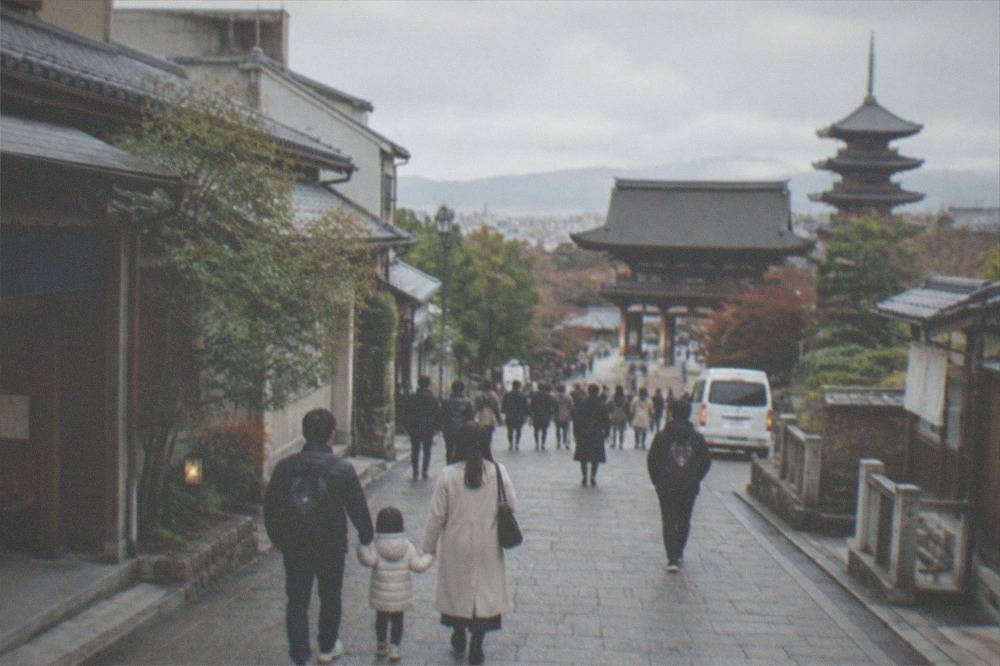
The station area's practicality extends to luggage, which matters more with children in tow. The city's hands-free scheme lets you send bags between station counters, hotels and lockers, and the tourist express buses EX100 and EX101 run limited-stop from Kyoto Station to the Kiyomizu and Gion side for a flat 500 yen adult fare, 250 yen for children. Families also favour the flat north-south subway spine over the buses, which the city's own overtourism measures have been trying to relieve since the bus-only pass was abolished precisely because it concentrated tourists on a handful of routes.
For evening entertainment that suits all ages, the river edges near downtown are the easy answer, and Kyoto is genuinely comfortable to walk at night. Wider daytime options that branch out from the temple circuit are what a family with tired legs usually needs by day three, and there are plenty of them within a subway ride of every hotel area discussed here.
What Does A Luxury Kyoto Hotel Or Ryokan Actually Cost?
At one of Kyoto's most famous kaiseki houses, Hyotei by Nanzen-ji, the kaiseki dinner course opens from 37,950 yen per person and lunch from 31,625 yen, tax and service included, which signals the price neighbourhood luxury operates in. The same house's annex serves morning rice porridge at 5,445 yen and a bento at 7,260 yen. Those are Hyotei's own published prices, not a city average, and hotel rates near that level now carry the 4,000 or 10,000 yen accommodation tax tiers.
The point of that comparison is calibration. Kyoto's top-end stays are priced like its top-end dining, and the accommodation tax now scales with that: a room of 100,000 yen or more per night is taxed 10,000 yen per person per night, so a couple in the top tier pays 20,000 yen a night in tax alone on top of the room. That was 2,000 yen before March 2026. A mid-range traveller in a 20,000 yen room pays 1,000 yen per person instead of the old 500.
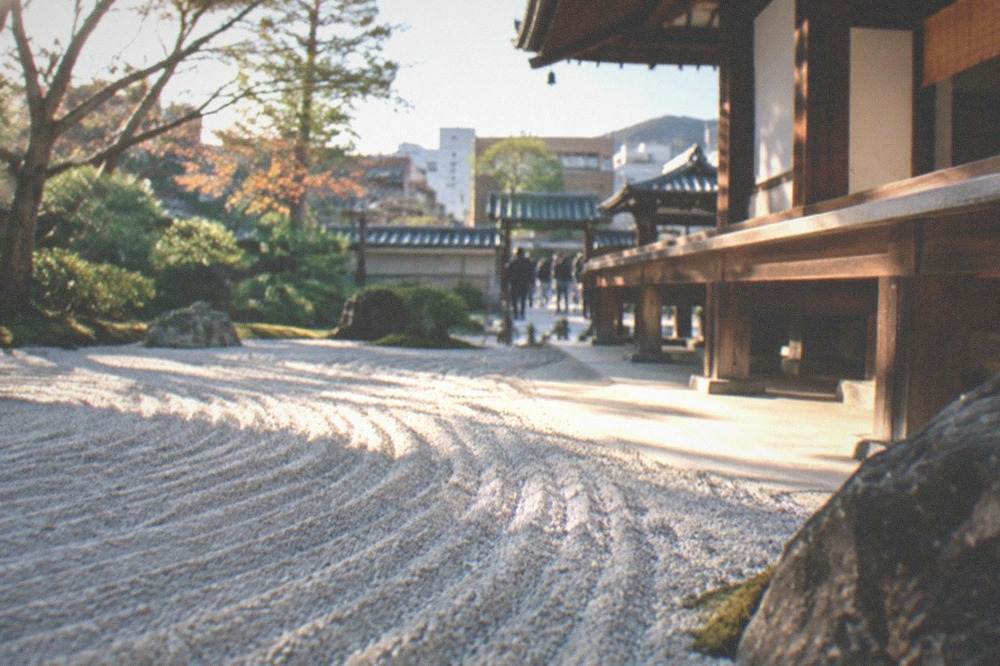
For the traditional-stay experience specifically, the ryokan format and the machiya townhouse rental each trade hotel polish for tatami floors, futons and a garden of your own, and the kaiseki dinner attached to a high-end ryokan is a separate discipline from the room itself. The honest framing on price is that this site does not print hotel rates it has not verified: rates move with demand, and the figure to plan around is the tax tier plus whatever the live listing shows on the day you book.
How Do You Get From Your Kyoto Hotel To The Main Sights?
From a downtown or station base, the subway's two lines cover the north-south and east-west axes for 220 to 360 yen, the flat-fare city buses cost 230 yen for adults, and the Subway and Bus One-Day Pass at 1,100 yen pays for itself after roughly three bus rides or a mixed day of bus and subway travel. Fushimi Inari, Kiyomizu-dera, Arashiyama and the Golden Pavilion each sit on a different edge of the city, so no single hotel makes all four a short hop.
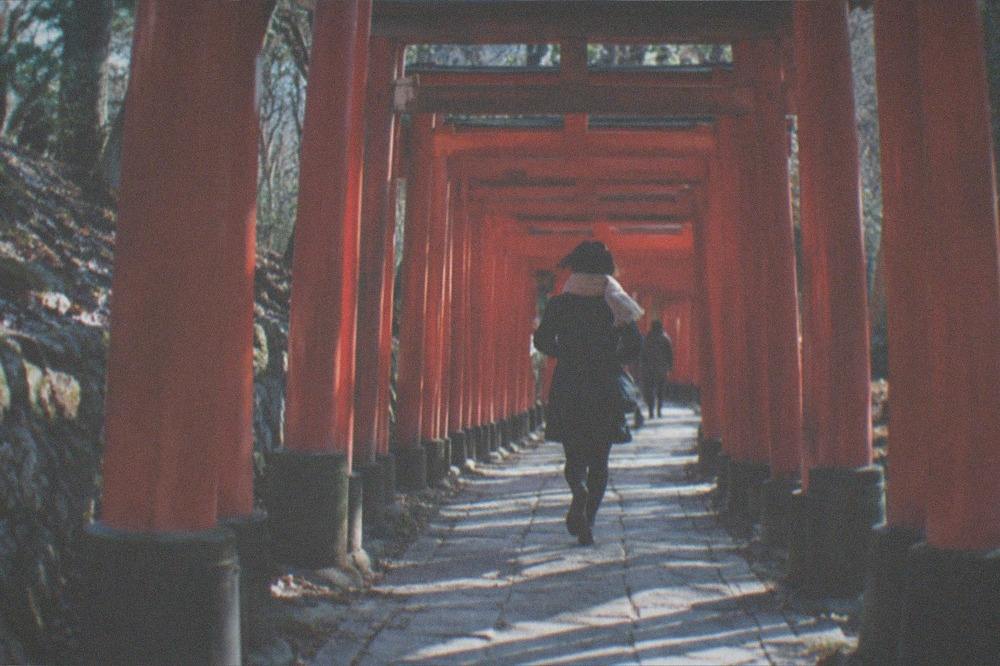
Distances are the thing to plan around. The walk up Fushimi Inari's mountain takes most people a couple of hours round trip, and the shrine's paths have no closing time, so an early start from anywhere in the city works. The Arashiyama bamboo grove walk itself is short, but getting to Arashiyama from downtown is a half-hour-plus journey each way, which argues for grouping west-side sights on one day.
| Sight from downtown Kyoto | Typical transit approach | Adult fare each way |
|---|---|---|
| Kiyomizu-dera | City bus or walk up from Gojo-zaka | 230 yen flat by bus |
| Kinkaku-ji | City bus from downtown | 230 yen flat |
| Fushimi Inari Taisha | JR Nara Line to Inari Station | check the live JR fare |
| Arashiyama | JR Sagano Line or Hankyu | check the live operator fare |
| Nara day trip | JR Miyakoji Rapid, about 45 min | 720 yen |
| Uji day trip | JR Nara Line | 240 yen |
The temple admissions add up alongside transit, and two of them changed in 2026: Ginkaku-ji doubled to 1,000 yen from April, and Tofuku-ji revises its fees from 1 November. The Kyoto temples guide carries the full fee table. For the west side, the Sagano Romantic Train costs 880 yen one way for adults, and the Hozugawa Kudari boat ride down to Arashiyama costs 6,000 yen for adults, both operator-verified figures that belong in any Arashiyama day budget.
What Should You Know About Hotel Etiquette In Gion And Higashiyama?
Staying in or near Gion means accepting rules that do not apply elsewhere in Kyoto: the private alleys off Hanamikoji prohibit photography under signs threatening a 10,000 yen penalty posted by the Gion South Side district council, the main Hanamikoji street remains public and photographable, and the city's tourism association asks visitors not to touch, chase or photograph geiko and maiko without permission and not to enter private property. None of this is a police matter; it is a residential and entertainment district defending itself.
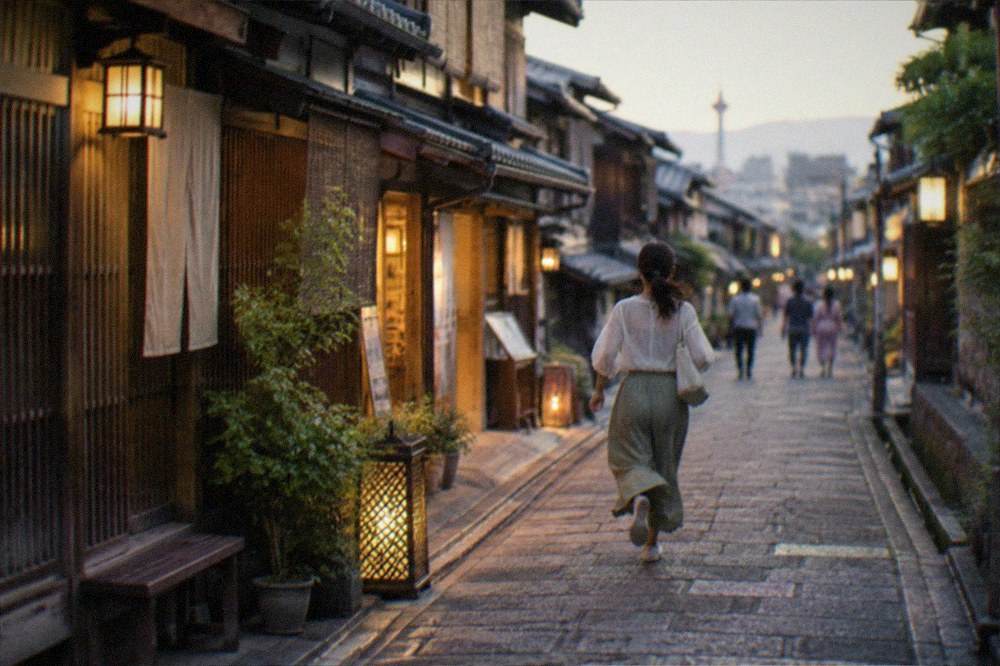
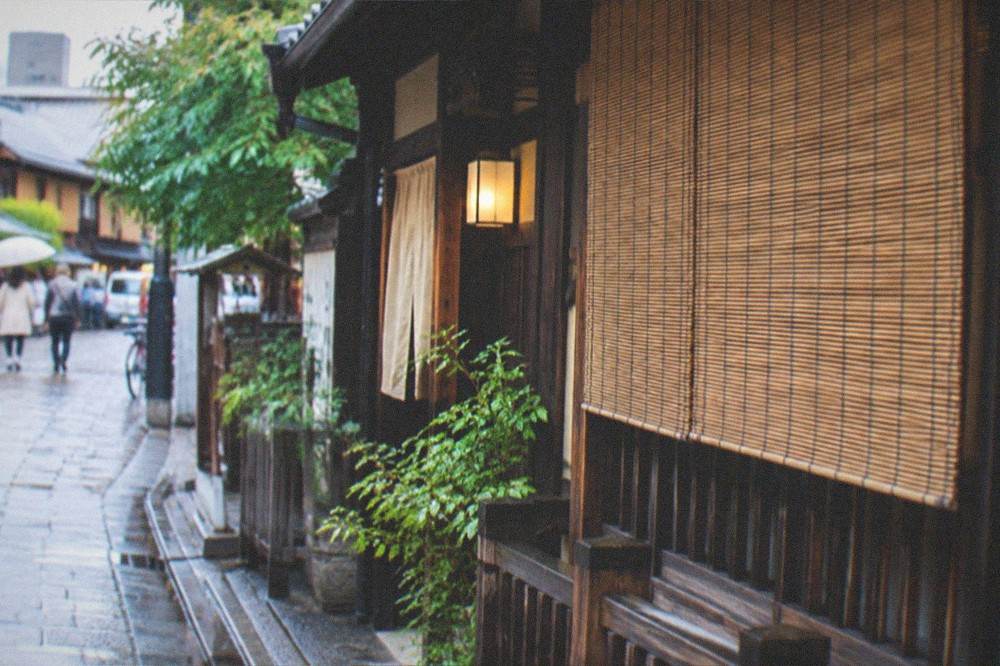
Hotel guests in the Higashiyama lanes should also expect narrow streets shared with residents, early-morning deliveries and the simple fact that the eastern hills are among the most photographed places in Japan before nine in the morning. The wider norms, from shoes at the entrance to temple conduct, reward a little reading before arrival. The reward for accepting the constraints is that you step out of your hotel into the most atmospheric streetscape in Japan, and in the early morning, before the day-trippers arrive, you briefly have it to yourself.
The evening side of the district rewards a guide. A geisha-culture walking tour after dark explains the tea house system, the architecture and the etiquette in a way a plaque never does, and the guides know which streets are public and which are not, which matters given the signage. It is the single best complement to a Gion-edge hotel stay.
What Are The Alternatives To A Central Kyoto Hotel?
The main alternatives are a ryokan in the outer districts, a machiya townhouse rental, or a base outside Kyoto entirely in Osaka, from which Kyoto is a short train ride away. Kyoto's overnight demand is the constraint: 16.59 million guests in 2025 against a limited central room stock, so prices in the peaks push travellers outward. Each alternative trades convenience for space, price or authenticity, and the right choice depends on whether your days start at dawn or after breakfast.
Osaka as a base is the most debated option. The short version: Osaka hotels are cheaper and the trains are fast, but you lose the early mornings and the late evenings in Kyoto, which are precisely the hours the city is at its best. The savings are real, and a budget traveller should run the numbers against the daily return fares before deciding the commute is worth it.
The outer-district ryokan deserves more attention than it gets. Kurama and Ohara to the north, and Uji to the south, all sit on direct rail lines into the city, and those towns hold a great deal on their own account, from Uji's Byodo-in to the Kurama mountain temples. Travellers who would rather reverse-commute into the crowds than sleep inside them often find the trade suits them, especially in the foliage peak when central rates spike hardest.
One west-side pairing deserves a special mention for anyone basing themselves in the downtown grid. The Hozugawa Kudari boat ride runs about two hours down the Hozu gorge from Kameoka and lands you right in Arashiyama, which turns a hotel day into a river day without a single transfer. It pairs naturally with the Sagano Romantic Train back up the valley, and the two together are the strongest single argument for keeping your hotel central and doing the west as one loop.
Common Questions About Kyoto Hotels
Which Kyoto Hotels Sit Within A Ten-Minute Walk Of Gion?
Hotels on the eastern end of Shijo-dori, along Kawabata-dori by the Kamo River, and on the western slope of Higashiyama all put Hanamikoji within roughly a ten-minute walk. Gion itself is a preserved entertainment district with almost no hotels inside it, so the question is really about its edges.
How much is the Kyoto accommodation tax?
Since 1 March 2026 it runs in five tiers per person per night on the room-only rate: 200 yen under 6,000 yen, 400 yen from 6,000 to under 20,000, 1,000 yen from 20,000 to under 50,000, 4,000 yen from 50,000 to under 100,000, and 10,000 yen at 100,000 yen and above.
Is it cheaper to stay in Osaka and visit Kyoto?
Osaka hotel rates are generally lower and the trains between the cities are fast, but you lose Kyoto's early mornings and evenings, and the daily return fares offset part of the saving. Run the numbers against the commute time before committing.
When do Kyoto hotels sell out?
The cherry blossom peak around late March to early April, the autumn foliage window from mid-November to early December, and July for Gion Matsuri. The JMA normals put full bloom at 4 April and the official maple marker at 5 December, so the demand bands are predictable months ahead.
Can you take photos in Gion near the hotels?
The main Hanamikoji street is public and photographable. The private alleys off it carry signs from the Gion South Side district council threatening a 10,000 yen penalty for photography, and the city's tourism association asks visitors not to photograph geiko and maiko without permission.
Do Kyoto hotel prices include the accommodation tax?
No. The tax is added on top, charged per person per night on the room-only rate excluding meals and consumption tax, so a couple in a 20,000 yen room pays 2,000 yen a night in tax at the 1,000 yen tier.
The short version of all of this: pick your district before you pick your hotel, budget the 2026 tax tiers rather than the old flat figure, book early for the blossom and foliage peaks, and if Gion is the draw, aim for its edges rather than its interior. The city's own numbers, 62.79 million visitors and 16.59 million overnight guests in 2025, say the same thing from the other direction: the room you want is the room someone else booked first. For the wider planning picture, start with Kyoto Travel Guide.