Best Restaurants In Kyoto
Kyoto's restaurant scene runs from 500 yen temple lunches to kaiseki courses that open above 30,000 yen, and the difference between the two is mostly a booking question. The city's own 2025 tourism survey recorded 62.79 million visitors, so the tables that matter fill up fast.
Short answer
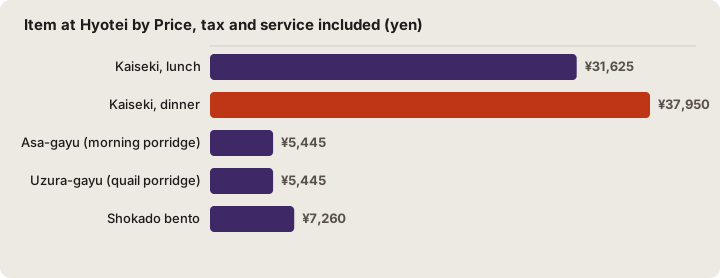
Hyotei, one of Kyoto's most famous kaiseki houses, prints kaiseki from 31,625 yen at lunch and 37,950 yen at dinner in its main building, while the same kitchen's annex serves asa-gayu at 5,445 yen and a Shokado bento at 7,260 yen. That gap, inside one restaurant's own published menu, is the honest answer to what a Kyoto meal costs.
Kyoto served 62.79 million visitors in 2025, a record the city's own tourism survey released in June 2026, and a large share of them wanted dinner in the same few neighbourhoods. The consequence is a booking problem, not a food problem. The city's most famous kaiseki house, Hyotei by Nanzen-ji, prints its own prices on its own site: kaiseki from 31,625 yen at lunch and 37,950 yen at dinner in the main building, while the annex of the same house serves a Shokado bento at 7,260 yen with no reservation drama at breakfast hours. One restaurant, two price worlds. Everything useful a visitor can learn about eating in Kyoto starts from that split.
The rest of this page answers the practical questions: which places take walk-ins, which need weeks of notice, what a meal genuinely costs when the price comes from the restaurant's own menu, and where the food is when you have just walked out of a temple at noon with no plan. The full sightseeing picture is on our things to do in Kyoto page, and the deep dive on the high end is on kaiseki in Kyoto. This is the food coverage Kyoto Travel Guide exists to publish.
What Does A Meal Actually Cost In Kyoto?
There is no honest single answer, and the only complete published price set this site has verified comes from Hyotei's own front page, where kaiseki opens at 31,625 yen at lunch and 37,950 yen at dinner in the main building while the same house's annex serves asa-gayu at 5,445 yen and a Shokado bento at 7,260 yen, tax and service included. Those are Hyotei's prices for its own rooms and dates, not a Kyoto average.
The reason this site leans on one menu is simple. Most Kyoto restaurants do not publish prices in English, or at all, and a figure copied from another guide is usually a year or three stale. Hyotei, by Nanzen-ji, prints everything: the main building's kaiseki at lunch from 31,625 yen, served 12:00 to 15:00 with last order at 13:00, and dinner from 37,950 yen, 17:00 to 21:30 with last order at 19:00. The annex, a separate structure of the same house, sells asa-gayu, morning rice porridge, at 5,445 yen from 16 March to 30 November, and a quail porridge at the same price through winter. Reservations at the main building are taken from two people.
| Item at Hyotei | Price, tax and service included | Where and when |
|---|---|---|
| Kaiseki, lunch | from 31,625 yen | main building, 12:00-15:00, last order 13:00 |
| Kaiseki, dinner | from 37,950 yen | main building, 17:00-21:30, last order 19:00 |
| Asa-gayu (morning porridge) | 5,445 yen | annex, 16 March-30 November, 8:00-11:00 |
| Uzura-gayu (quail porridge) | 5,445 yen | annex, 1 December-15 March |
| Shokado bento | 7,260 yen | annex, 12:00-14:00 |
| Booking rule | reservations from two people | main building |
Read that table as a strategy, not a price list. The 30,000 yen question people search for has a real answer: at one of the most famous kaiseki houses in the city, the kaiseki course itself opens above 30,000 yen, while the same kitchen's annex is under 8,000 yen. If the experience of the house matters more than the course format, the annex is the honest entry point. If the full kaiseki is the goal, budget from the printed floor, expect the final bill to sit above it, and read the kaiseki guide on this site before you book.
Which Kyoto Restaurants Take Walk-Ins And Which Need Weeks Of Notice?
The split runs by format, not by quality: ramen counters, temple refectory lunches, standing bars and market stalls take walk-ins at almost any hour, while kaiseki, most obanzai in Gion, and anything inside a machiya with under twenty seats needs a reservation, and the famous kaiseki houses need weeks. Hyotei takes reservations from two people and its main building books out far ahead; a bowl of ramen never needs a booking at all.
Walk-in territory is bigger than most first-time visitors expect. Ramen shops operate on a ticket-machine model: buy the ticket at the door, hand it over, sit. The scene, including the shops around the station and the back lanes of Ichijoji, is covered properly on our Kyoto ramen page. Temple refectories, shojin-ryori served to visitors, work on a similar basis at lunch, though a few want a same-day morning booking. Nishiki Market is entirely walk-in, with the caveat that each shop keeps its own hours, roughly 9 or 10:00 to 17 or 18:00, and no unified schedule exists; the market's association site prints none. Stalls ask you to eat at the stall rather than walking, which is worth respecting even though the rule is local practice rather than a posted ordinance.
The weeks-of-notice tier is the kaiseki world, and it is genuinely weeks. The high-end houses in Gion, Pontocho and around Nanzen-ji are small, seat a fixed number of covers, and run a single seating rhythm per service. Hyotei's own booking rule, reservations from two people, tells you the shape of the problem: these rooms are built for parties, not singles, and the calendar fills from the front. Ryokan concierges and hotel front desks can often reach rooms that online systems do not list, which is one reason to think about where you sleep as part of where you eat; our best hotels in Kyoto page covers the properties whose desks are best at this.
Between the two extremes sits the middle tier where most visitors actually eat: izakaya. Some take walk-ins before 19:00, many do not take foreign cards, and a few do not take bookings at all, which makes them impossible to plan and easy to enter. A guided crawl solves that problem outright. The Kawaramachi izakaya crawl, from $37, rated 4.9 from 1,042 reviews over three hours, walks you into standing bars that never appear on English booking sites, and the operator's live listing shows current availability.
Where Should You Eat Near The Main Sights?
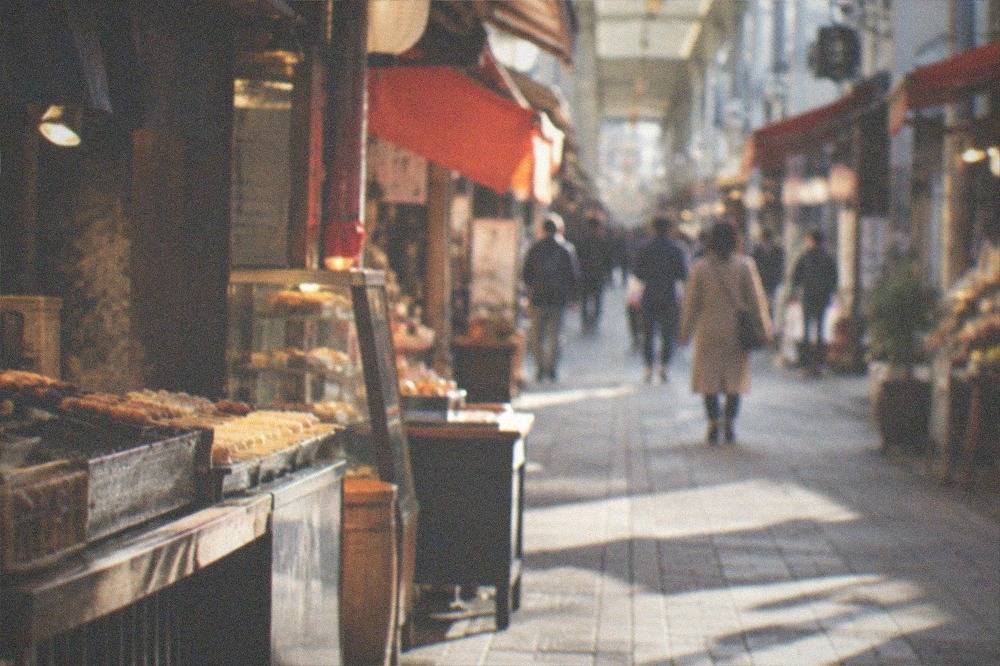
Eat where the sight is, not where the guidebook cluster is: Higashiyama and Gion carry the temple-adjacent meal options, Arashiyama runs on noodles and riverside tofu, the station area is the ramen and budget capital, and downtown Kawaramachi holds the densest spread of izakaya and standing bars, all of it walk-in friendly at lunch and reservation territory after dark.
The geography matters because Kyoto's sights are not centralised. A morning at Kiyomizu-dera drops you into the lanes of Higashiyama, where the Ninenzaka and Sannenzaka slopes carry teahouses serving matcha and yatsuhashi sweets, and where lunch queues form by 11:30. A morning at Fushimi Inari, where the shrine's own FAQ confirms admission is free and the torii paths have no closing time, ends at the Keihan line with ramen and unagi options near the station; the walk itself is covered on our how long it takes to walk up Fushimi Inari page.
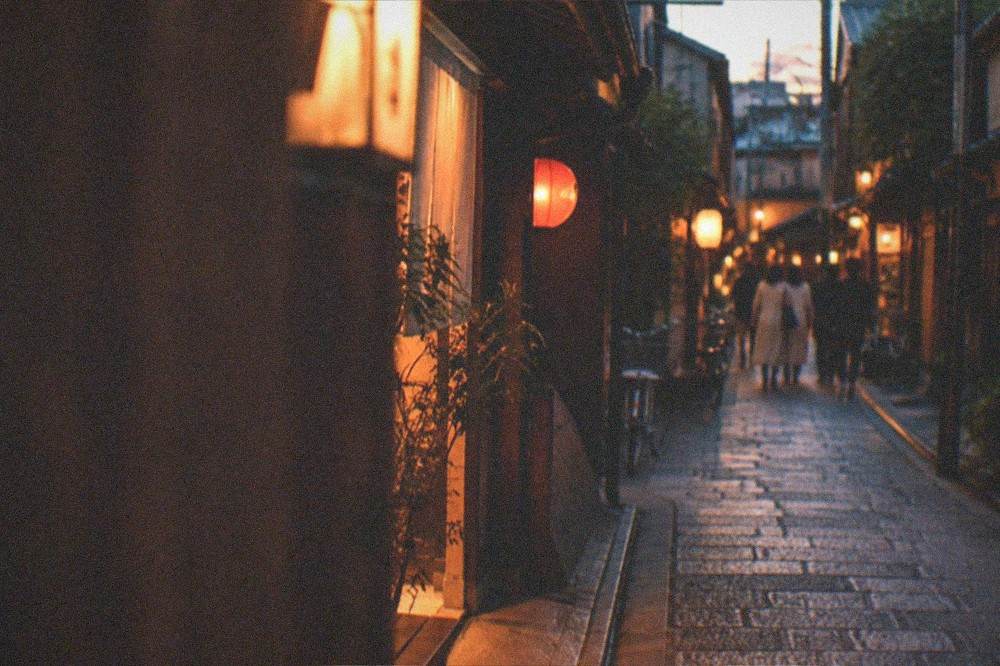
Arashiyama is a tofu town. The district's temple, Tenryu-ji, prints its own numbers: garden admission 500 yen for high school and up, buildings 300 yen on top, hours 8:30 to 17:00. The food nearby follows the setting, riverside tofu counters and soba, and the walking distance between the bamboo grove and the lunch streets is short enough to plan around; our Arashiyama bamboo grove walking time page has the timings. Downtown, the Kawaramachi and Pontocho strip is where dinner happens: the Pontocho alley guide covers the lantern-lit lane itself, and the downtown Kawaramachi area page maps the blocks around it.
| District | What you eat there | Walk-in or booking |
|---|---|---|
| Higashiyama slopes | Matcha sweets, teahouse lunches, tofu | walk-in before 11:30, queues after |
| Gion and Pontocho | Kaiseki, obanzai, riverside dinner | booking, often weeks for the top rooms |
| Downtown Kawaramachi | Izakaya, standing bars, late ramen | walk-in early, harder after 19:00 |
| Kyoto Station area | Ramen floors, budget chains, department-store food halls | walk-in |
| Nishiki Market | Stall food, pickles, knives, sweets | walk-in, each shop sets its own hours |
| Arashiyama | Riverside tofu, soba | walk-in at lunch |
What Should You Eat First In Kyoto?
Start with the three dishes Kyoto does differently from the rest of Japan: ramen, which the city styles darker and heavier than Tokyo's, yudofu, the hot-tofu meal that belongs to the temple towns, and obanzai, the small-plate home cooking of the Kyoto kitchen. Matcha desserts come fourth and need no introduction, and a cooking class turns all of it into something you can reproduce at home.
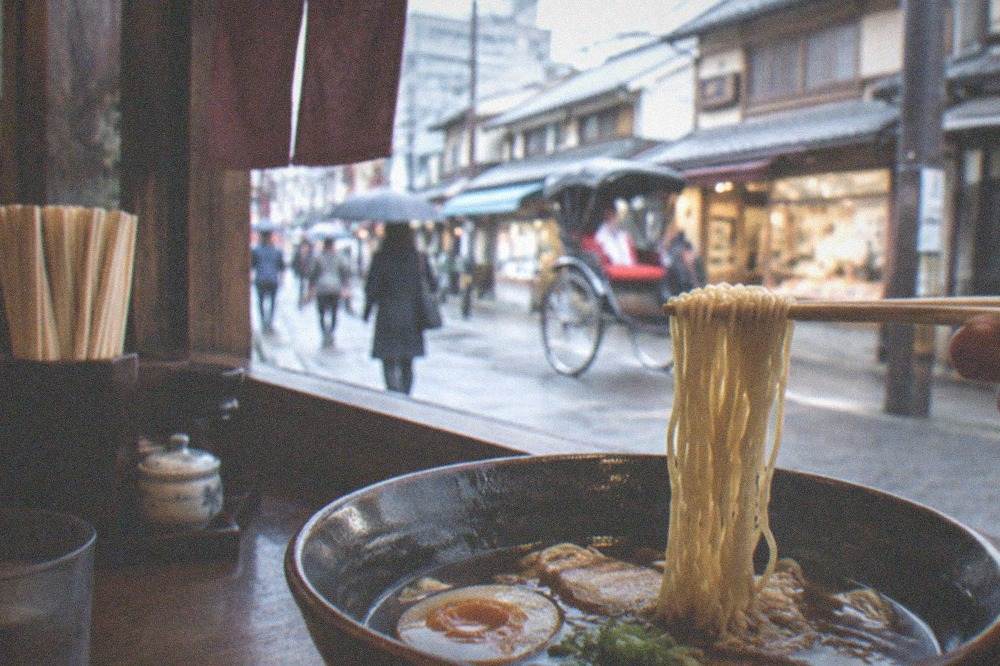
Ramen first, because it is the cheapest good meal in the city and needs no booking. Kyoto's style leans on dark chicken-and-soy broths, and the shops around Kyoto Station and up in Ichijoji are the reference points; the ramen guide on this site ranks them properly. Yudofu is the temple meal: simmered tofu, served in the Arashiyama and Nanzen-ji quarters, simple, seasonal, and the natural lunch after a garden. Obanzai is the style most visitors miss, small Kyoto-style side dishes built on vegetables and dried fish, served in casual rooms across downtown.
The ramen-making class deserves its own note. The award-winning ramen experience, from $130, rated 5 from 2,635 reviews over 90 minutes, teaches the noodle, the broth and the tare from scratch, which converts a bowl you would eat once into a dish you understand. It is also the rare food activity in this city that is fully walk-in-scheduled: fixed sessions, bookable the same week, no concierge required.
Is Kyoto Good For Vegetarians?
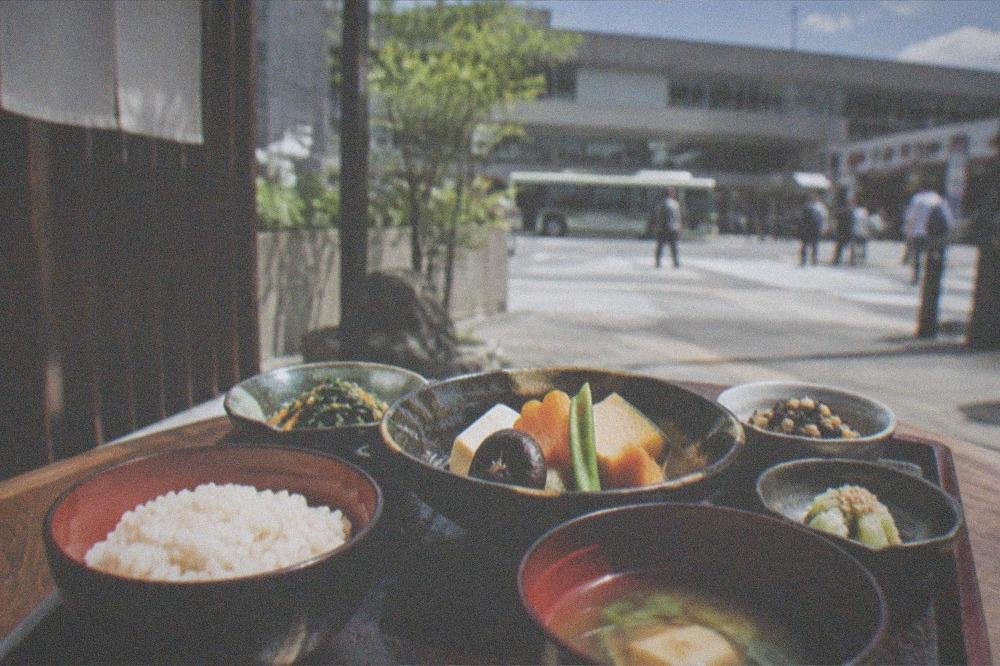
Yes, and for once the claim is historical rather than promotional: shojin-ryori, the vegan temple cuisine of Kyoto, predates every restaurant trend by roughly seven centuries, and the city's tofu traditions, from yudofu to the Nishiki pickle stalls, mean a vegetarian eats better here than in almost any other large Japanese city. The one trap is dashi, the fish stock hiding in otherwise vegetable-looking dishes, so the temple restaurants are the safe ground.
The honest answer requires saying the trap out loud. Kyoto's vegetable cooking is excellent, but ordinary restaurants build nearly every broth on dashi, kombu and bonito flakes, which is not vegetarian. The temple refectories solve this by design: shojin-ryori is strictly plant-based by monastic rule, and the meals are served in and around the temple quarters at fixed lunch hours. The full guide, with the specific temples and the kaiseki-style vegan options, is on our vegetarian Kyoto page, which also covers the tofu and shojin-ryori tradition in the kitchen.
Do You Need A Food Tour In Kyoto?
A food tour solves the three problems that stop visitors eating well: the no-booking standing bars that never appear online, the menus that are Japanese-only with no pictures, and the evening hours when the walk-in tier closes and the reservation tier is already full. The tours this site lists run from $37 for a three-hour izakaya crawl to $121 for a night food tour, and the strongest ones are the crawls and the market walks with tastings included.
The comparison worth making is not tour against restaurant but tour against wasted evening. The Nishiki brunch walk, from $74, rated 4.9 from 1,497 reviews over three hours, includes seven tastings plus brunch, which is the efficient way to eat a market where each stall sets its own rules. The night food tour at $121, rated 5 from 630 reviews, covers the after-dark quarter. And the sake brewery tour with pairings, from $87 and rated 5 from 1,027 reviews, reaches the Fushimi sake district, the one food-adjacent area most visitors never reach.
| Food tour on this site | From | Rating | Length |
|---|---|---|---|
| Kawaramachi izakaya bar crawl | $37 | 4.9 from 1,042 reviews | 3 hours |
| Nishiki Market brunch walk, 7 tastings | $74 | 4.9 from 1,497 reviews | 3 hours |
| Sake brewery tour with pairings | $87 | 5 from 1,027 reviews | 3 hours |
| Kyoto Foodie Night Tour | $121 | 5 from 630 reviews | 3 hours 30 minutes |
| Ramen making from scratch | $130 | 5 from 2,635 reviews | 1 hour 30 minutes |
The crawl earns its place twice on this page because it answers the walk-in question directly: the bars it visits are the ones you cannot book and would not find. The operator's live listing carries current times and availability.
When Should You Book, And When Should You Just Turn Up?
Book the moment your dates are fixed if kaiseki is the goal, because the famous houses run weeks ahead and Hyotei's own reservation rule, from two people, shows how small these rooms are; book two or three days ahead for mid-range Gion and Pontocho; turn up without a plan for ramen, market stalls, temple lunches and the early evening izakaya tier, which is the tier most of Kyoto actually eats in.
Timing the rest of the day matters as much as booking the one big meal. Lunch in Kyoto runs early by visitor standards: temple refectories finish serving around 14:00, Nishiki stalls begin closing from 17:00 as each shop decides, and the ramen counters peak at 12:30 and again after 22:00. Dinner service in the reservation tier starts at 17:00 or 18:00 sharp with a single seating rhythm, so a late arrival is not a small slip, it is the whole meal. The city's own comfort forecast, run by the Kyoto City Tourism Association on smartphone location data, predicts five-level crowd levels by spot and time slot, which works for the restaurant streets around the sights too.
How Do You Pair The Eating With The Itinerary?
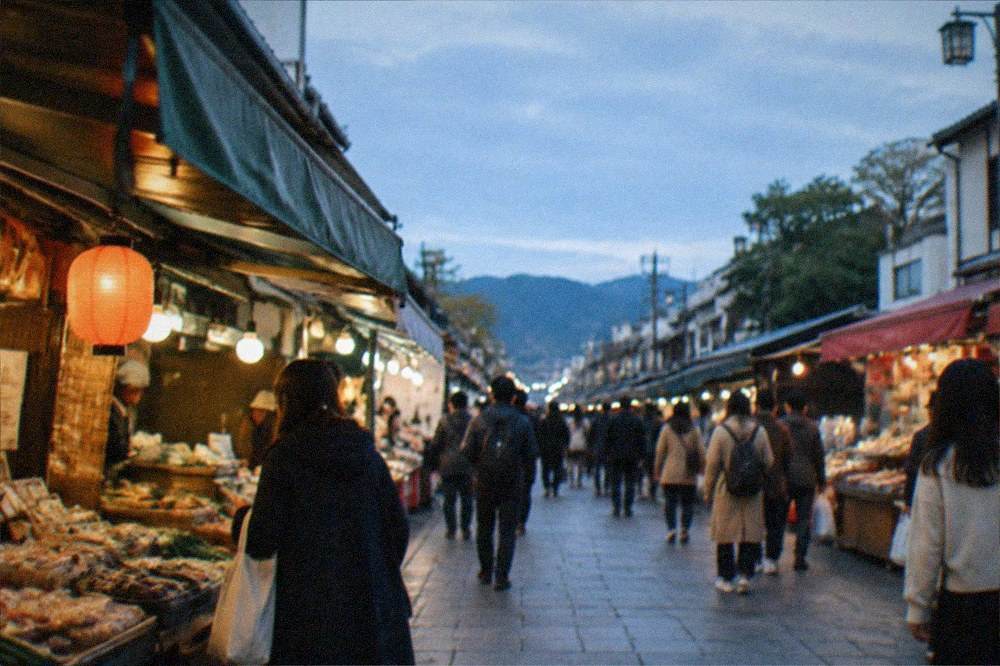
Pair the meal to the district and the day of the week, not the other way round: temple mornings end in temple lunches, market mornings end at Nishiki stalls before the 17:00 closures, and the one big kaiseki reservation belongs on the evening you are already in Gion or Pontocho, because crossing the city twice in dinner clothes is the mistake that ruins both the sight and the meal.
The practical version looks like this. A Higashiyama morning, Kiyomizu-dera opens at 6:00 per the temple's own FAQ, ends with lunch on the Ninenzaka slopes or a walk down to Gion. An Arashiyama morning ends in tofu by the river. A Fushimi Inari morning, admission free per the shrine's own FAQ, can end in the sake district with the brewery tour above. The Kyoto itinerary page builds full days on this logic, and the shorter one-day version compresses it for a single shot. If the trip is short, the how-many-days question is the planning gate.
One pairing that surprises people: the food city and the mountain city are the same city. The Fushimi Inari hidden hike, from $73, rated 5 from 1,931 reviews over three hours, takes the back trails above the torii tunnels, and it finishes close to the sake district, which makes it the rare morning activity that ends within walking distance of both a brewery tour and dinner. The shrine dates its founding to 711, when, as its own history pages tell it, Irogu no Hatanokimi enshrined the deities on Inariyama on an imperial order from Empress Genmei, and the shrine hedges its own account with "is said to be". The eating and the walking are not competing halves of a Kyoto day; they are the same half, done in the right order.
Common Questions About Eating In Kyoto
Which Kyoto Restaurants Take Walk-Ins And Which Need Weeks Of Notice?
Ramen counters, market stalls, temple refectory lunches and standing bars take walk-ins; kaiseki houses, most Gion obanzai and small machiya restaurants need reservations, with the famous kaiseki rooms booking out weeks ahead. Hyotei takes reservations from two people, which is typical of the format.
How Much Does Dinner Cost In Kyoto?
There is no verified city average, and this site prints only prices a restaurant publishes itself. Hyotei's own site lists kaiseki from 31,625 yen at lunch and 37,950 yen at dinner in the main building, while the same house's annex serves asa-gayu at 5,445 yen and a Shokado bento at 7,260 yen, tax and service included.
Can You Walk Into A Kaiseki Restaurant?
Almost never. The high-end rooms run fixed seatings, small covers and reservation-only calendars, and Hyotei's own rule of bookings from two people shows the format. The honest low-cost entry to a famous house is its annex or breakfast service, where one exists.
What Time Do Kyoto Restaurants Close?
Nishiki Market has no unified hours; each shop keeps its own, roughly 9 or 10:00 to 17 or 18:00. Temple lunches finish around 14:00, the izakaya tier runs late into the night, and the kaiseki tier serves dinner seatings that start at 17:00 or 18:00 sharp.
Is Kyoto Good For Vegetarians?
Yes, with one trap. Shojin-ryori, the vegan temple cuisine, is centuries old and fully plant-based, but ordinary restaurants cook with dashi, a fish-based stock, in dishes that look vegetarian. Eat at the temple refectories or the dedicated vegetarian rooms to avoid it.
Do You Need To Book A Food Tour In Kyoto?
The tours book the same week in most seasons, unlike the kaiseki rooms. The crawls and market walks run daily with fixed sessions, and the operator's live listing shows current availability for each date.
The short version of the whole page: book the one expensive meal early, eat everything else at the counter, and let the district decide the menu. Kyoto's kitchens run from a 5,445 yen breakfast in a famous house's annex to a 37,950 yen dinner in the same house's main building, and the only wrong way to eat here is arriving hungry at 20:00 with nothing reserved in the busiest restaurant city in Japan.