How Many Temples Does Kyoto Have And Which Ten Matter Most?
Kyoto is a temple city first and everything else second, and the honest answer to how many temples it holds is that no single official count exists. What is verifiable is which ten carry the weight, what each charges in 2026, and the two fee changes that make most older guides wrong.
Short answer
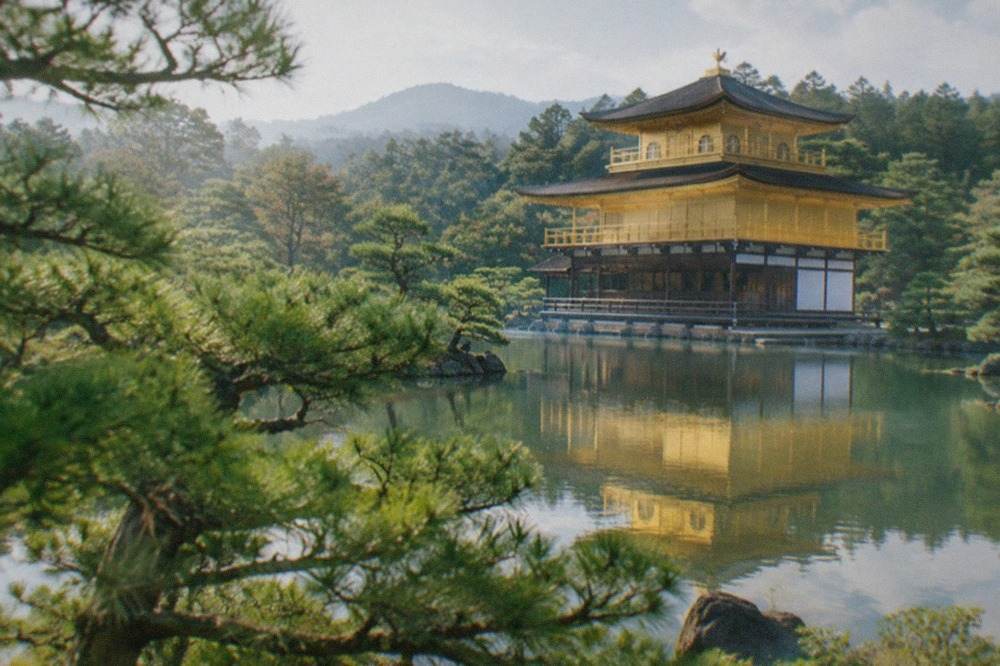
No verified official count of Kyoto's temples exists. Ten temples matter most: Kinkaku-ji, Ginkaku-ji, Kiyomizu-dera, Ryoan-ji, Tenryu-ji, Sanjusangen-do, Nanzen-ji, Tofuku-ji, Kodai-ji and Byodo-in. Fees run 500 to 1,000 yen, and two of them changed in 2026.
Kyoto's temple network is the reason the city exists as a destination at all. The city's own 2025 tourism survey, released in June 2026, counted a record 62.79 million visitors in a single year, and the temple districts absorbed a large share of them. Ask how many temples that network holds, though, and the honest answer is that no verified official count exists anywhere in the city's own publications, and this site does not print numbers it cannot source. What the record does hold is far more useful for a visitor: a short list of temples that carry the city's history, admission fees read from each temple's own site this year including two changes most competing guides have not caught, and opening hours checked the same way.
How Many Temples Does Kyoto Have?
There is no single verified official count of Kyoto's temples. The city's tourism office publishes visitor numbers, not a temple census, and the figures repeated across travel guides trace back to estimates rather than to any official register. The practical answer for a visitor is different anyway: roughly a dozen temples carry nearly all of the city's historical weight, and the ten listed below are the ones whose fees, hours and stories are checked against each temple's own site.
The distinction matters because temple counting in Kyoto is genuinely slippery. A large head temple like Nanzen-ji administers multiple sub-temples on the same grounds, each with its own gate and some with their own admission. Count the sub-temples and the total balloons. Count only independent head temples and it shrinks. Neither method is wrong; neither is official either.
What is verifiable is scale of a different kind. Kyoto served as Japan's capital for over a thousand years, and the major temples still standing date across that whole span, from structures tied to the Heian court to Zen complexes built under Ashikaga patronage. The city's 2025 survey recorded 16.59 million overnight guests, and temple attendance is the single biggest draw on that traffic.
For planning purposes, treat the count question as a curiosity and the selection question as the real one. A first-time visitor with two or three days cannot see more than a handful of temples well, and spreading thin across a dozen gates produces fatigue without depth. The one day in Kyoto approach and the three days in Kyoto approach both work, but the ten below are the pool every itinerary draws from.
Which Ten Temples in Kyoto Matter Most?
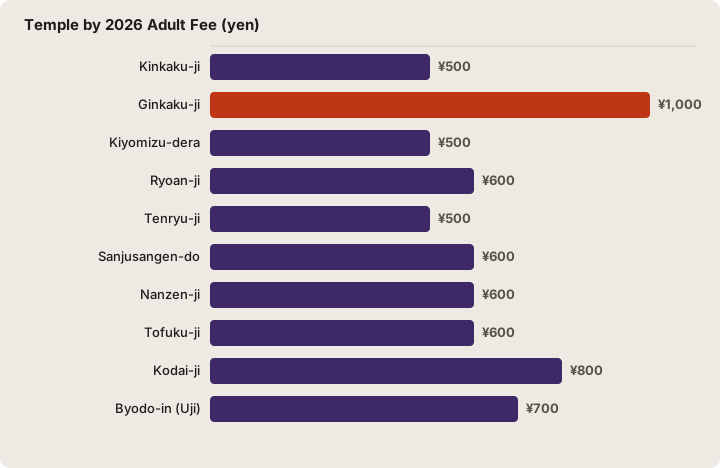
The ten temples that matter most in Kyoto are Kinkaku-ji, Ginkaku-ji, Kiyomizu-dera, Ryoan-ji, Tenryu-ji, Sanjusangen-do, Nanzen-ji, Tofuku-ji, Kodai-ji and Byodo-in in Uji. Each holds something no other temple in the city holds: the gold pavilion, the silver pavilion, the wooden stage, the rock garden, the borrowed-landscape garden, the 1,001 statues, the aqueduct, the maple valley, the night illuminations and the Phoenix Hall on the ten-yen coin.
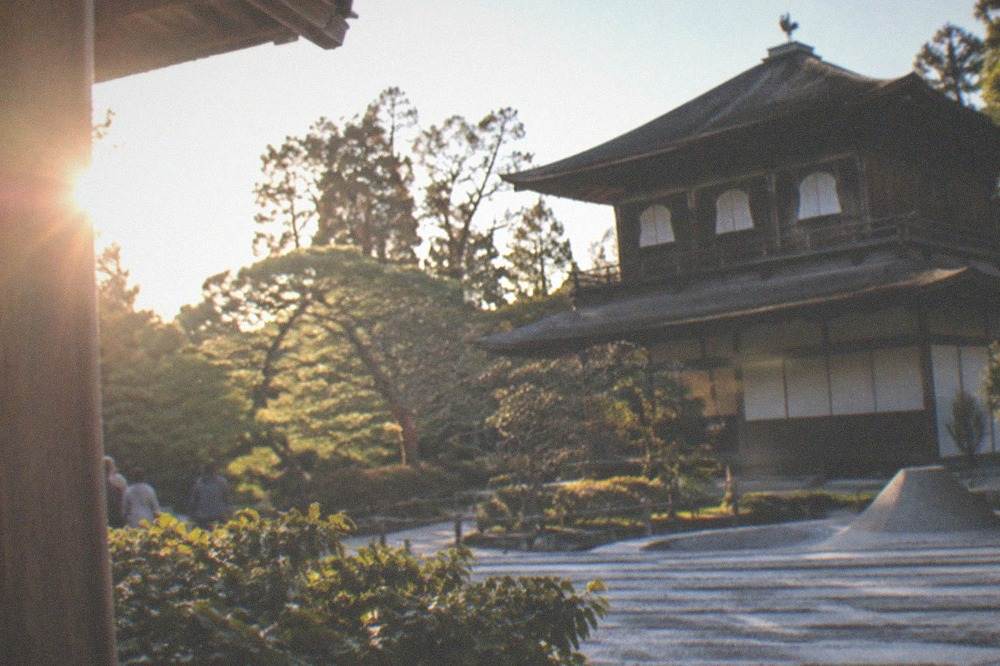
Kinkaku-ji, formally Rokuon-ji, is the gold-leaf pavilion that anchors most first visits. The temple's own site sets admission at 500 yen for adults and 300 yen for primary and middle school students, and its last fee change came on 1 April 2023, so the figure is stable. Ginkaku-ji, the Jisho-ji silver pavilion at the other end of the Philosopher's Path, is a different story entirely, covered in the fee section below.
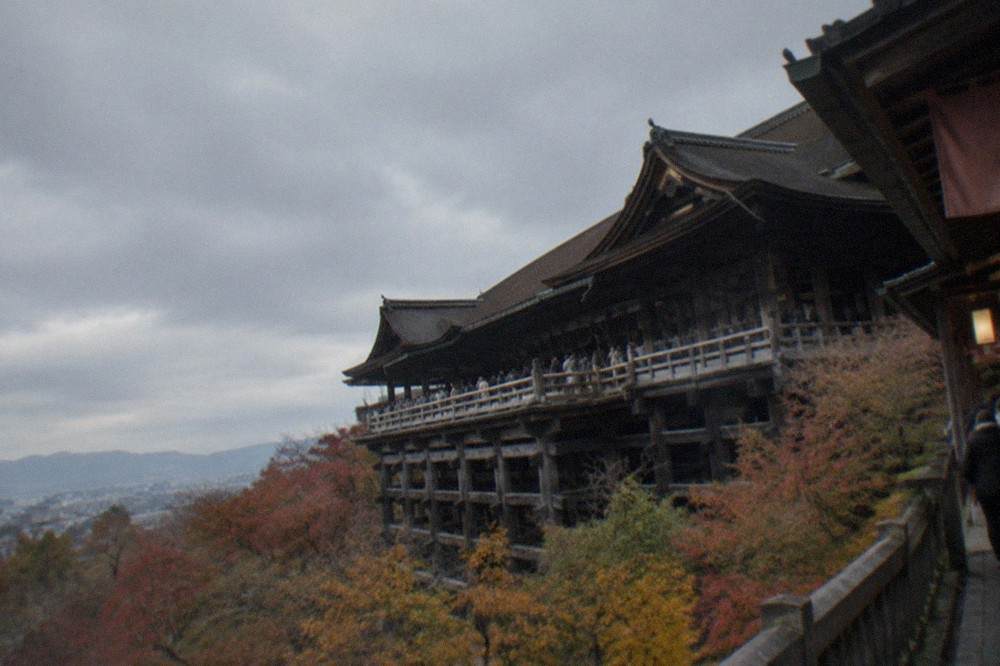
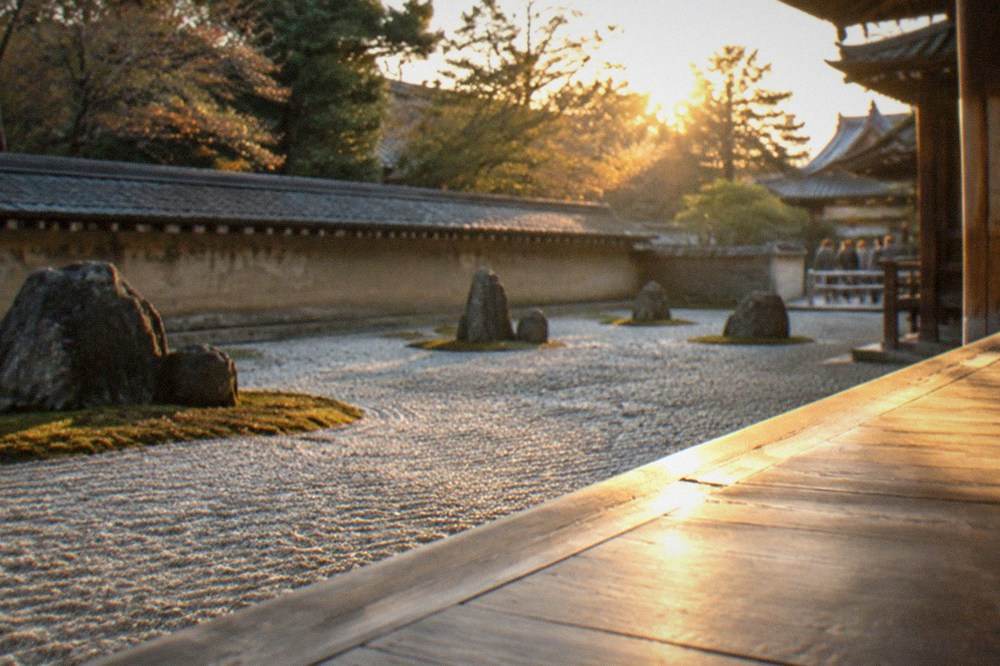
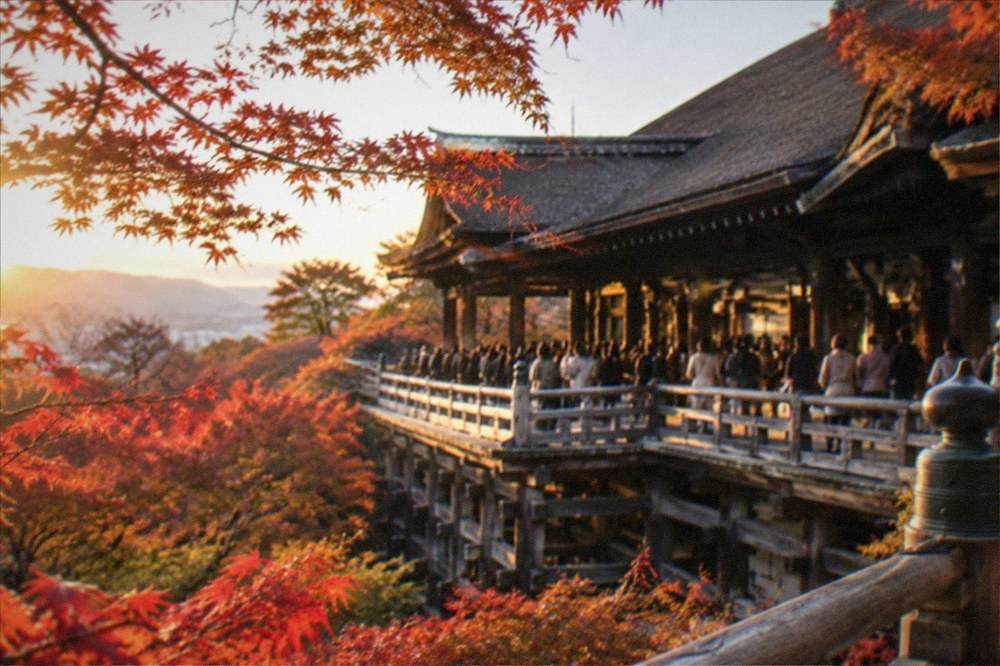
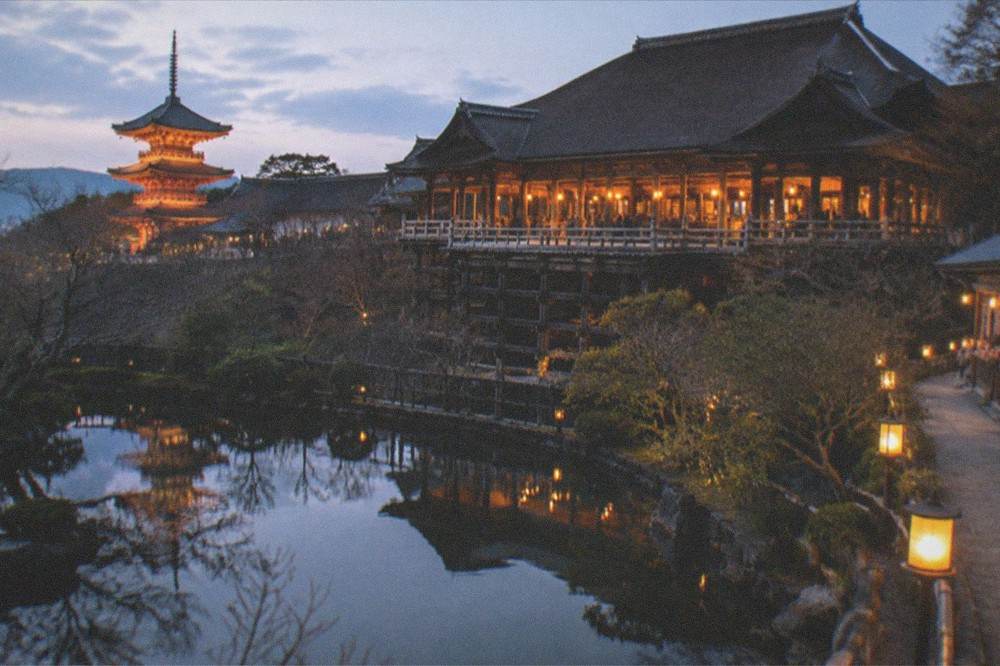
Kiyomizu-dera owns the wooden stage above the Higashiyama slope. The temple's own FAQ confirms it opens at 6:00 daily, with a closing time that moves by season and by night-viewing events. Ryoan-ji holds the most famous rock garden in Japan, fifteen stones arranged so that, as the traditional observation goes, you never see all fifteen at once from any single vantage point. Tenryu-ji in Arashiyama holds a garden laid out in the fourteenth century and still readable today, with the mountains behind it borrowed as scenery.
Sanjusangen-do, formally Rengeo-in, is the temple of the 1,001 Kannon statues, a figure the temple states itself. Nanzen-ji brings the brick aqueduct and a cluster of sub-temples. Tofuku-ji owns the maple valley crossed by the Tsutenkyo bridge, the single most crowded temple in Kyoto each November. Kodai-ji runs the most accessible night illuminations. Byodo-in sits in Uji, a short train ride out, and its Phoenix Hall is the building on the ten-yen coin.
| Temple | What It Holds | 2026 Adult Fee |
|---|---|---|
| Kinkaku-ji | Gold pavilion and garden | 500 yen |
| Ginkaku-ji | Silver pavilion, moss garden | 1,000 yen |
| Kiyomizu-dera | Wooden stage over the hillside | 500 yen |
| Ryoan-ji | Fifteen-stone rock garden | 600 yen |
| Tenryu-ji | Fourteenth-century landscape garden | 500 yen garden |
| Sanjusangen-do | 1,001 Kannon statues | 600 yen |
| Nanzen-ji | Hojo garden and brick aqueduct | 600 yen Hojo |
| Tofuku-ji | Maple valley and Tsutenkyo bridge | 600 yen |
| Kodai-ji | Night illuminations, Higashiyama | 800 yen |
| Byodo-in (Uji) | Phoenix Hall on the ten-yen coin | 700 yen |
Choosing among them is easier with a guide who knows the sequences and the quiet hours. The walks below are the temple-focused options this site carries.
What Do Kyoto Temple Tickets Cost in 2026?
Kyoto temple admission runs from 500 to 1,000 yen for adults in 2026, with every figure below read from each temple's own site this year. The two changes that matter: Ginkaku-ji doubled its adult fee from 500 to 1,000 yen on 1 April 2026, its first change in 32 years, and Tofuku-ji revises its fees on 1 November 2026, with the Hojo garden rising from 500 to 600 yen and a new 1,000 yen combined ticket.
The Ginkaku-ji change is the one that catches most visitors out. A 2024 or 2025 guide, and there are thousands of them, still prints 500 yen. The temple's own notice, dated 18 January 2026, sets the new rates: 1,000 yen for high school age and up, 500 yen for elementary and junior high, free under school age. Ginkaku-ji at 1,000 yen is now twice Kinkaku-ji's 500, and for a first visit Kinkaku-ji remains the better use of the fee.
Tofuku-ji's revision lands on 1 November 2026, right at the start of the autumn foliage period, which is exactly when the temple is at its busiest. The temple's own notice sets out the change precisely.
| Tofuku-ji Area | Until 31 Oct 2026 | From 1 Nov 2026 | Foliage Period |
|---|---|---|---|
| Tsutenkyo bridge and Kaisando | 600 / 300 yen | 600 / 300 yen | 1,000 / 300 yen |
| Hojo garden | 500 / 300 yen | 600 / 300 yen | 600 / 300 yen |
| Combined ticket | none | 1,000 / 500 yen | 1,000 / 500 yen |
One fee on this site's list carries a caveat: Kiyomizu-dera at 500 yen is single source. The temple does not print the figure on its own English pages, so treat it as widely reported rather than official. Every other figure above is read from the temple's own site.
Two more temples sit just outside the pure temple list but belong in any fee conversation. Nijo-jo Castle charges 800 yen, or 1,300 yen combined with the Ninomaru-goten Palace, and the Honmaru-goten Palace reopened in September 2024 after restoration with a separate 1,000 yen ticket and an advance reservation requirement. Katsura Imperial Villa charges 1,000 yen for visitors 18 and over, with ages 12 to 17 free.
The castle tour above includes admission, which removes one queue from the morning, and the booking can be cancelled if the weather turns. For travelers weighing the whole budget, the Kyoto trip cost breakdown covers how temple fees fit against transport and food.
When Are Kyoto Temples Open?
Kyoto temples open between 8:00 and 9:00 in the morning and close between 16:00 and 17:30, with Kiyomizu-dera the major exception, opening at 6:00 daily. Hours shift with the seasons at several temples: Ginkaku-ji runs 8:30 to 17:00 from March to November and 9:00 to 16:30 in winter, while Sanjusangen-do shortens to 9:00 to 16:00 from 16 November to 31 March.
The 6:00 opening at Kiyomizu-dera is the single most useful fact in the table below. Arrive before 7:00 and the stage and the approach streets are close to empty; by mid-morning the same views carry the crowds the city's comfort forecast tracks. The temple's own schedule shows night viewing running to 21:30 during specific spring and autumn windows, with last entry at 21:00.
| Temple | Hours (Main Season) | Hours (Winter) | Notes |
|---|---|---|---|
| Kinkaku-ji | 9:00-17:00 | 9:00-17:00 | Year-round, may change for exhibitions |
| Ginkaku-ji | 8:30-17:00 | 9:00-16:30 | Winter is 1 Dec to end Feb |
| Kiyomizu-dera | 6:00-18:00 | 6:00-18:00 | Night viewing to 21:30 in season |
| Ryoan-ji | 8:00-17:00 | 8:30-16:30 | Winter is Dec to Feb |
| Tenryu-ji | 8:30-17:00 | 8:30-17:00 | Last admission 16:50 |
| Sanjusangen-do | 8:30-17:00 | 9:00-16:00 | Open every day |
| Nanzen-ji | 8:40-17:00 | 8:40-16:30 | No visits 28-31 Dec |
| Kodai-ji | 9:00-17:30 | 9:00-17:30 | Illuminations 17:00-22:00 in season |
| Byodo-in | 8:45-17:30 | 8:45-17:30 | Garden reception ends 17:15 |
| Nijo-jo Castle | 8:45-16:00 entry | 8:45-16:00 entry | Castle closes 17:00 |
Two closures are worth flagging. The Kyoto Imperial Palace's hours are not printed here because the primary pages did not render for verification; the palace states only that it is open to all visitors with no advance application. And the Ninomaru-goten Palace at Nijo-jo Castle closes every Tuesday in January, July, August and December, plus the year-end window.
A guided morning walk solves the timing problem more reliably than any schedule table, because the guide sets the pace against the crowds rather than against the clock. The Fushimi Inari hike below starts early enough to beat the tunnel crowds entirely, and the shrine itself charges no admission at all.
What Changed at Kyoto Temples in 2026?
Two fee changes and one reopening define 2026 at Kyoto's temples. Ginkaku-ji doubled its adult admission from 500 to 1,000 yen on 1 April 2026, the temple's first revision in 32 years. Tofuku-ji raises the Hojo garden from 500 to 600 yen and introduces a 1,000 yen combined ticket on 1 November 2026. And the Honmaru Palace at Nijo-jo Castle has been open again since September 2024 after years of restoration, with a separate ticket and advance reservation.
The pattern behind these changes is maintenance cost. Wooden temple buildings require constant cycles of repair, and the temples that held fees flat for decades have begun catching up. Ginkaku-ji's 32-year gap explains the size of its jump. Expect further revisions at other temples over the coming years, and treat any fee printed in a guide older than this year as provisional. Other pages covering the same trip are gathered on Kyoto Travel Guide.
The crowd picture changed too. The 2025 survey recorded 62.79 million visitors against 56.06 million in 2024, and day visitors grew faster than overnight guests. The city has responded with dispersal measures, express buses and off-peak campaigns, but the practical effect at temple gates is that early mornings matter more each year. The Kyoto crowds guide covers the tools available, including the city's comfort forecast.
For travelers connecting temples across the city, the bus and subway system is the practical backbone. The Subway and Bus One-Day Pass costs 1,100 yen, and the old bus-only pass no longer exists, a point many older guides still get wrong. The Kyoto bus and subway pass page works through the arithmetic.
Which Kyoto Temples Are Free to Enter?
The genuinely free temple-adjacent sites in Kyoto are Fushimi Inari Taisha, which publishes no fee anywhere on its site, the Kyoto Imperial Palace, which states it is open to all visitors with no advance application, and Shugakuin Imperial Villa, which is free but guided and restricted to visitors 18 and over. Every major Buddhist temple on the list above charges admission, which funds the buildings' constant repair cycles.
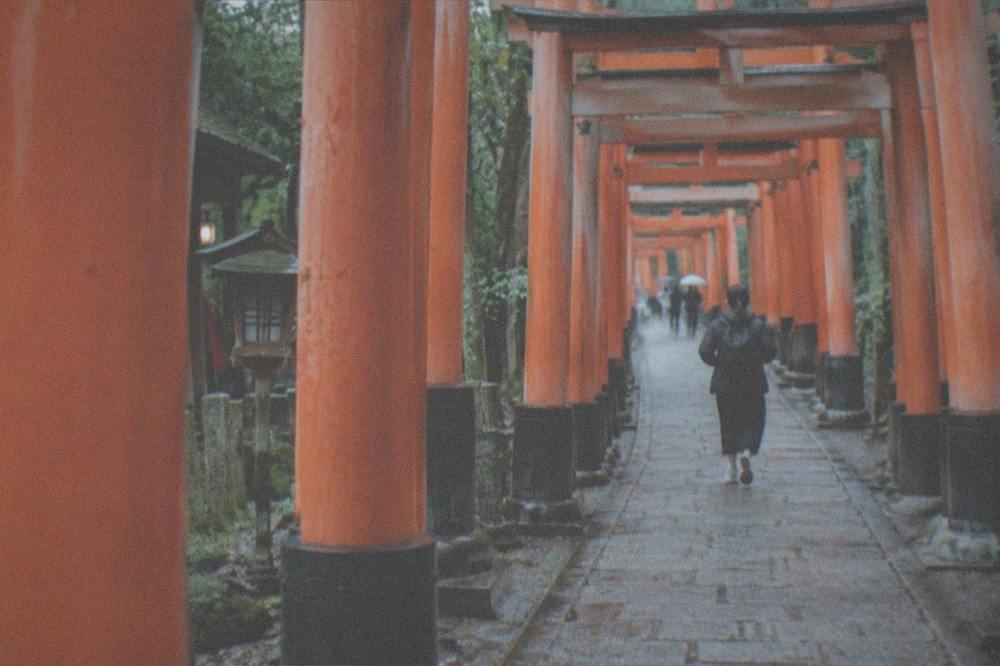
Fushimi Inari deserves its own note because it is both free and open in a way no temple is. The shrine publishes desk and prayer hours only, and the paths up Inariyama have no closing time, so the mountain can be walked before dawn or after dark. The shrine's own FAQ describes about 10,000 torii of all sizes across the whole mountain, and dates its founding to 711, when, as the shrine's own account records, the deity was enshrined on Inariyama by Irogu no Hatanokimi acting on an imperial order from Empress Genmei.
The imperial properties have conditions worth reading closely. Shugakuin Imperial Villa is free but admits only visitors 18 and over, and the tour is guided. Katsura Imperial Villa charges 1,000 yen for 18 and over, free for 12 to 17, also guided. The Sento Imperial Palace is free, guided, and 18 and over only. None of these is a drop-in visit; each requires an application or a same-day numbered ticket.
For a free temple-adjacent walk with no conditions at all, the grounds approach at several temples can be walked without a ticket, and the city's temple-lined streets, from Ninenzaka and Sannenzaka below Kiyomizu-dera to the Philosopher's Path, cost nothing. The free things to do in Kyoto guide collects the full set.
The hidden-gems angle matters here too. The temples on the ten list are the famous ones by design, but the city holds quieter alternatives, and the Kyoto hidden gems page maps the ones worth the detour when the main gates are heaving.
How Do You Visit Kyoto Temples Without the Worst Crowds?
The reliable crowd strategy in Kyoto is time-shifting rather than avoidance: arrive at Kiyomizu-dera for its 6:00 opening, walk Fushimi Inari's upper paths rather than the Senbon Torii tunnel, visit Tofuku-ji outside the November foliage window, and use the city's comfort forecast, which predicts five-level crowd conditions by location and time slot. The 2025 record of 62.79 million visitors means mid-morning at any famous gate is now a queue.
The comfort forecast, run by the Kyoto City Tourism Association, uses smartphone location data with weather and weekday patterns to predict how crowded a spot will be at a given hour. It is the closest thing the city has to a live crowd map, and it covers the major temple areas. Checking it the evening before beats any fixed rule about which day of the week is quieter.
Geography helps as much as timing. The eastern temples, Kiyomizu-dera, Kodai-ji and Nanzen-ji, chain naturally along one walkable axis. The northwestern cluster, Kinkaku-ji, Ryoan-ji and Ninna-ji, forms another. Arashiyama's Tenryu-ji pairs with the bamboo grove and the monkey park, and deserves its own half day rather than a rushed stop between temples. Grouping this way cuts transit time, and transit is where most visitors lose their mornings.
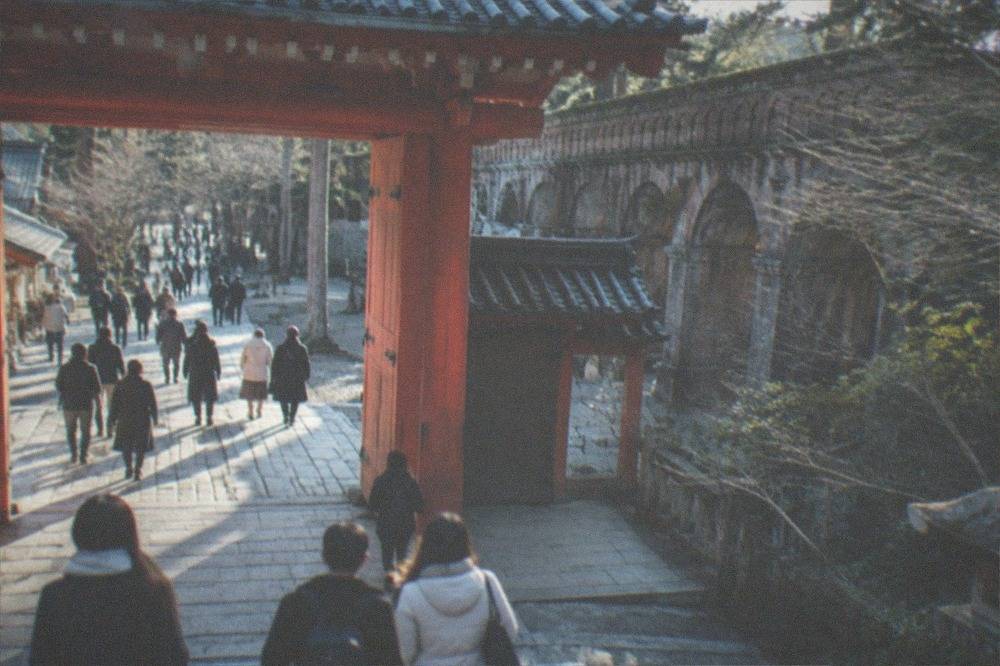
November needs special handling. Tofuku-ji's maple valley is the single most concentrated crowd in the city during foliage season, and the temple's own fee notice now prices the foliage period separately, with the Tsutenkyo route at 1,000 yen from 1 November 2026. The JMA's own marker for the maple turning, the observatory's specimen tree, has a 1991-2020 normal of 5 December, later than the mid-November peak most guides claim, because the observatory date is not the Arashiyama peak. The Kyoto autumn leaves guide separates the two properly, and the autumn itinerary sequences the temples against the color.
A full-day guided circuit is the other answer to crowd logistics, since the operator handles the sequencing. The bus tour below hits the three anchor sites, Fushimi Inari, Kinkaku-ji and the Arashiyama bamboo grove, in one planned day.
Which Kyoto Temples Suit Zen Gardens, Statues and Night Views?
For zen gardens, Ryoan-ji's fifteen stones and the Tenryu-ji landscape garden are the pair that matter, with Nanzen-ji's Hojo garden close behind. For statues, Sanjusangen-do's 1,001 Kannon, a figure the temple itself states, stands alone. For night views, Kodai-ji runs illuminations from 17:00 to 22:00 during its seasonal windows, and Kiyomizu-dera extends to 21:30 on specific spring and autumn dates.
The zen garden question has a dedicated answer elsewhere on this site, and the top five zen temples in Kyoto page ranks the gardens properly. The short version: Ryoan-ji is the abstraction, Tenryu-ji is the composition with borrowed mountains, and Nanzen-ji is the one with the aqueduct running through the composition, which no other zen garden in the world can claim.
Sanjusangen-do resists photography in a way that surprises visitors: the hall's interior, with its forest of statues, is the whole experience, and the temple's site describes the 1,001 Kannon as its own central fact. The hall's formal name, Rengeo-in, and its founding inside Emperor Go-Shirakawa's detached palace come from the temple's own history section. The widely repeated tradition of finding your own face among the statues is a tradition the temple does not assert, and it should be read as folklore rather than doctrine.
Night viewing is the most underused angle in the city. Kodai-ji's autumn illumination runs from 23 October to 13 December in 2026, with reception to 21:30, and the temple sits high enough in Higashiyama that the lit gardens carry views over the city. Kiyomizu-dera's night windows turn the wooden stage into a different building entirely. Both are covered in the Kyoto at night itinerary.
For travelers pairing temples with the rest of the region, Byodo-in makes an easy Uji pairing with tea houses, and the Uji page covers the train logic. If the choice is between Kyoto and its neighbor, the comparison between the two cities is a matter of what each does better: Kyoto for temples and stillness, Osaka for food and noise, and the two are close enough by train that splitting a trip between them is common.
How Do You Build a Kyoto Temple Itinerary That Works?
A workable Kyoto temple itinerary groups by geography rather than by fame: one morning for the eastern axis of Kiyomizu-dera, Kodai-ji and Nanzen-ji, one for the northwestern cluster of Kinkaku-ji, Ryoan-ji and Ninna-ji, and a half day for Arashiyama's Tenryu-ji with the bamboo grove. Sanjusangen-do slots into the Kyoto Station area, and Byodo-in belongs on a Uji day, not squeezed between city temples.
The sequencing logic is simple. Kyoto's subway and bus network is good but slow at peak hours, and a plan that bounces between east and northwest wastes an hour or more in transit each time. The city's flat bus fare is 230 yen and the subway runs 220 to 360 yen by zone, so the cost of a badly sequenced day is time, not money.
Start each temple day at the earliest opening the temple allows. Kiyomizu-dera at 6:00 is the extreme case, but even a 8:30 arrival at Ryoan-ji buys an hour of quiet before the tour groups land. Reserve the midday hours for transit, lunch and the less time-sensitive sights, and end at a temple with night viewing when the season allows.
Travelers with only one day should not attempt the full ten. The one day in Kyoto guide makes the case for three anchor temples done well, and the guided circuits above are the practical version of that argument. Travelers with more time can layer in the quieter temples, the imperial villas and the Uji day, and longer plans show how the layers stack across four or five days.
Before the final questions, here again are the three temple-focused tours this site carries, for readers who have decided on guided rather than independent.
The castle option above is the one that pairs best with a temple day, since Nijo-jo Castle sits between the eastern and northwestern clusters and the guided version includes admission. It fills the midday slot that most independent itineraries waste on transit.
Common Questions About Kyoto Temples
How many temples does Kyoto have?
No verified official count exists. The city's tourism office publishes visitor statistics, not a temple census, and the figures repeated across travel guides are estimates. Around a dozen head temples carry nearly all of the city's visitor traffic, and the ten listed above are the ones with fully checked fees and hours for 2026.
Which Kyoto temple should I visit if I only have time for one?
Kinkaku-ji at 500 yen is the strongest single choice for a first visit, since the gold pavilion is the image most travelers bring home and the fee is now half of Ginkaku-ji's. Kiyomizu-dera is the better choice if you can arrive at its 6:00 opening, because the wooden stage at dawn is an experience the pavilion cannot match.
How much does it cost to visit Kyoto temples?
Adult admission runs from 500 to 1,000 yen per temple in 2026. Kinkaku-ji, Kiyomizu-dera and Tenryu-ji's garden are 500 yen, Ryoan-ji, Sanjusangen-do, Nanzen-ji's Hojo and Tofuku-ji are 600 yen, Kodai-ji is 800 yen, Byodo-in is 700 yen plus 300 for the Phoenix Hall, and Ginkaku-ji doubled to 1,000 yen in April 2026.
Is Fushimi Inari free to visit?
Yes. The shrine publishes no admission fee anywhere on its own site, and the paths up Inariyama have no closing time. The shrine dates its founding to 711, when the deity was enshrined on the mountain, and it serves as the head shrine of the roughly 30,000 Inari shrines across Japan.
Can you visit Kyoto temples at night?
Most close by 17:00 or 17:30, but two run regular night viewings. Kodai-ji illuminates its gardens from 17:00 to 22:00 during seasonal windows, with its 2026 autumn run from 23 October to 13 December, and Kiyomizu-dera extends to 21:30 on specific spring and autumn dates published on its own schedule.
What is the best month to see Kyoto temples?
Late March into early April for cherry blossoms, with the JMA normal for full bloom at 4 April and the 2026 bloom peaking on 30 March, and late November into early December for maple color, with the JMA's specimen-tree normal at 5 December. November combines foliage with the year's heaviest temple crowds, so early mornings matter most then.
The ten temples above are the pool every Kyoto plan draws from, and the fees and hours here are the numbers to plan against, including the two changes most older guides have not caught: Ginkaku-ji's doubled admission and Tofuku-ji's November revision. Pick three or four that match what you came for, arrive at the earliest opening each allows, and let the city's thousand years of temple-building do the rest.