Shugakuin Imperial Villa
The Shugakuin Imperial Villa is free, guided, and closed to anyone under 18. Here is exactly how the booking system works, what the tour covers, and how to reach it.
Short answer
Book the Shugakuin Imperial Villa walking tour through the Imperial Household Agency's sankan site, or take a same-day numbered ticket with photo ID at the villa entrance. The tour is free, guided, admits visitors 18 and over only, and the villa is closed Mondays.
How Do You Book The Shugakuin Imperial Villa Walking Tour?
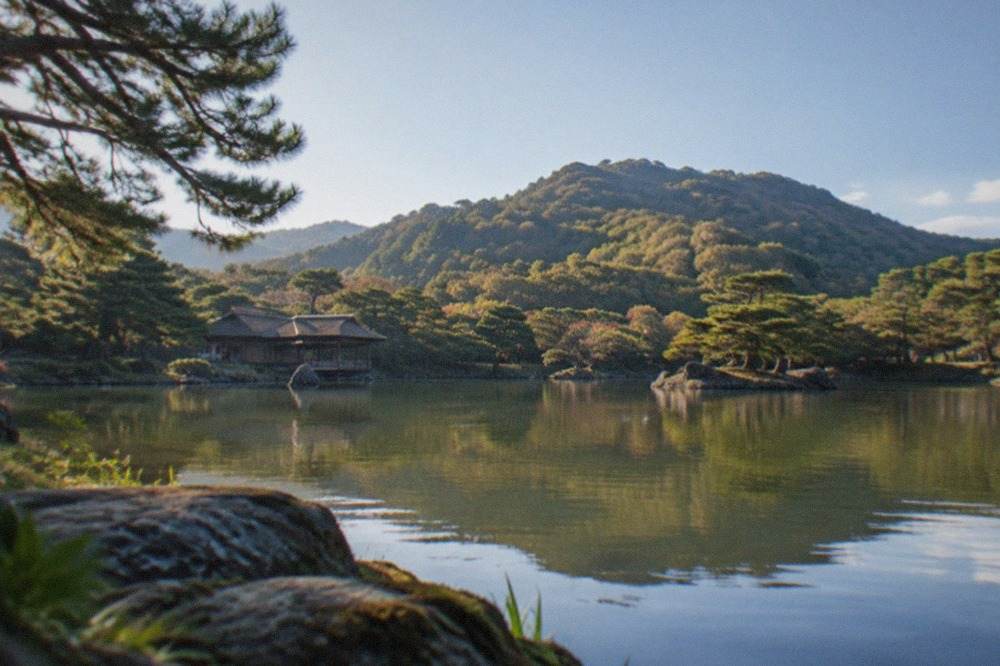
The Shugakuin Imperial Villa sits at the foot of the Hiei mountains in Kyoto's northeast, and it is one of the strangest ticket situations in the city: a masterpiece of Japanese landscape design that charges nothing, runs no self-guided visits, and refuses entry to anyone under 18. The villa was built for the retired Emperor Go-Mizunoo in the 17th century, and it remains an Imperial Household property, which is why access runs through the same application system as the Katsura Imperial Villa and the Sento Imperial Palace rather than through any ordinary temple ticket booth.
This page walks through the whole process: the two booking routes, the age rule, the Monday closures, what the guided route actually shows you, how to get there, and how the villa compares with its two sister properties in the same booking system. Everything here comes from the Imperial Household Agency's own visitor pages and the verified fact base behind this site.
How Do You Book The Shugakuin Imperial Villa Walking Tour?
You book the Shugakuin Imperial Villa walking tour in one of two ways: an advance application through the Imperial Household Agency's sankan site, or a same-day numbered ticket issued at the villa entrance on a first come, first served basis, with photo ID required. The tour is guided only, there is no self-guided option at all, and no fee is charged either way. Advance applications are the safer route in peak season, when same-day tickets can run out.
The advance route runs through the Imperial Household Agency's English-language visitor site, the sankan portal, which handles reservations for all of the Kyoto Imperial properties in one place. You pick a date and a tour slot, and the agency confirms your place. The system is deliberately plain: no dynamic pricing, no tiers, no upsells, because the visit costs nothing and the agency is allocating a limited number of guided places, not selling a product.
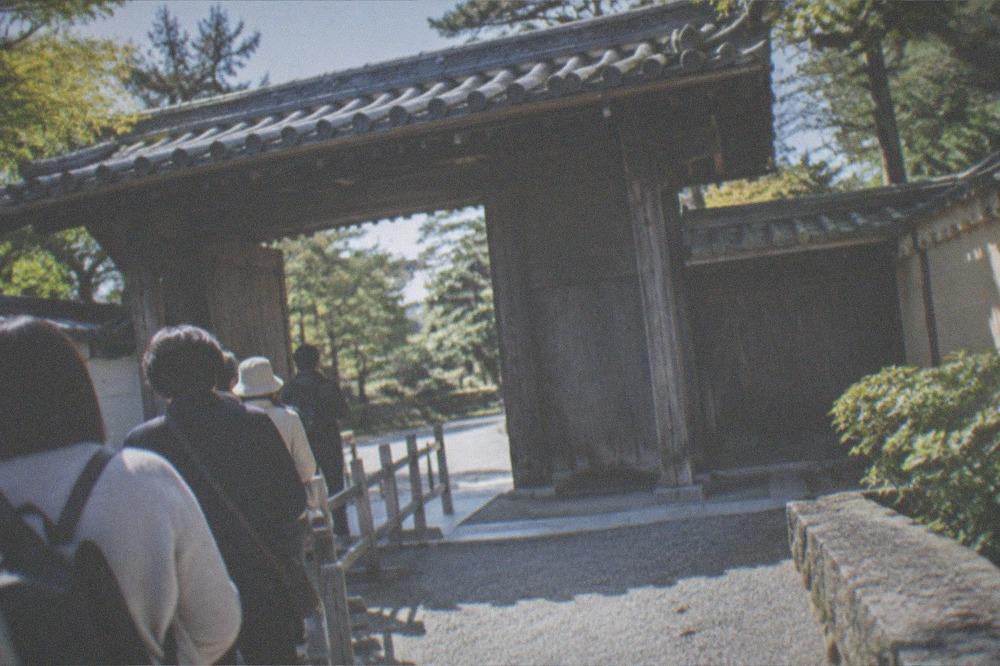
The same-day route exists for travellers who cannot plan that far ahead. The villa entrance issues numbered tickets on a first come, first served basis, and you need photo ID to collect one. In the cherry blossom and autumn foliage peaks, arriving early matters, because the number of places per slot is fixed and the queue forms before the first tour sets off. The agency's own visitor pages describe both routes without ranking them, but the practical difference is simple: advance booking guarantees a slot, the numbered ticket does not.
One structural point that catches families: the villa admits visitors 18 and over only, and that includes infants and babies in carriers. There is no family ticket, no exception for a baby in a sling, and no part of the grounds you can visit while a partner waits outside with a child. If you are travelling with anyone under 18, the Shugakuin visit needs to be a solo outing or skipped entirely, and the Katsura Imperial Villa has a slightly friendlier edge for families since it admits 12 to 17 year olds free of charge.
A third property in the same system, the Kyoto Imperial Palace, is worth separating from the villa entirely. The palace grounds are open to all visitors with no advance application, as the Imperial Household Agency states plainly on its site, so a family can walk the palace freely in the morning and one adult can take the villa tour later. The Kyoto Imperial Palace page on this site covers that visit in detail.
How Much Does The Shugakuin Imperial Villa Tour Cost?
The Shugakuin Imperial Villa tour costs nothing. Admission is free, the guided walk is free, and there is no donation box or suggested fee, which sets it apart from Kyoto's temples, where admission fees of 500 to 1,000 yen are standard. The Katsura Imperial Villa, the sister property, charges 1,000 yen for visitors 18 and over, so Shugakuin is the free one of the two villa visits in the same booking system.
The contrast with the rest of Kyoto is worth dwelling on, because most visitors' mental model of "attraction pricing" comes from temples. Kinkaku-ji charges 500 yen for general admission. Ginkaku-ji doubled its adult fee to 1,000 yen from 1 April 2026, its first change in 32 years, which makes it twice the price of its golden sibling. Kiyomizu-dera charges 500 yen. The villa system sits outside all of that: the Imperial Household Agency is not selling access, it is administering visits to a working Imperial property, and the price of that administration is zero.
Here is how the three Kyoto properties inside the agency's system compare, from the agency's own visitor pages:
| Property | Fee | Age rule | Visit style | Closed |
|---|---|---|---|---|
| Shugakuin Imperial Villa | Free | 18 and over only | Guided tour only, advance application or same-day numbered ticket with ID | Mondays (Tuesday if Monday is a holiday) |
| Katsura Imperial Villa | 1,000 yen for 18 and over, free for 12 to 17 | 12 and over | Guided tour, about 60 minutes, advance application or same-day numbered ticket with ID | Mondays (Tuesday if Monday is a holiday) |
| Kyoto Imperial Palace | Free | All ages | Open to all visitors, no advance application necessary | Check the agency's notices |
The 18-and-over column is the one that decides itineraries. Katsura's rule is that under-12s are excluded but teenagers are welcome and free. Shugakuin's rule excludes everyone under 18 outright, which the agency's pages state without exception or workaround.
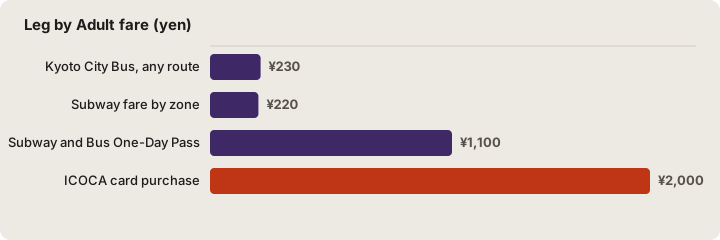
For budget context, a day built around the free Imperial properties costs almost nothing in admissions. The city bus flat fare is 230 yen per adult ride, and the Subway and Bus One-Day Pass is 1,100 yen, so even a full day of villa, palace and garden walking can stay under 1,500 yen before lunch. The Kyoto on a Budget guide builds a whole itinerary on that logic.
Why Is Shugakuin Free But Restricted To Visitors 18 And Over?
The Shugakuin Imperial Villa is free because it is an Imperial Household property administered as a visit rather than sold as an attraction, and it restricts entry to visitors 18 and over because the tour moves through a working Imperial estate with fragile interiors and a route that cannot accommodate children, strollers or self-guided wandering. The agency publishes no detailed justification, but the rules are absolute: under-18s, including infants, are not admitted, in any circumstance.
That is the honest answer, and it is worth being blunt about it because families routinely arrive at the gate unaware. The Imperial Household Agency's sankan pages state the age rule for Shugakuin and the Sento Imperial Palace identically: 18 and over only, with under-18s including infants not admitted. There is no negotiation at the entrance, and no part of the outer grounds functions as a consolation view. If half your party is under 18, the practical plan is to split up: the adults take the villa tour while the rest of the group walks the nearby Shugakuin neighbourhood or takes the Eizan railway into the hills.
The free admission follows from what the property is. Temples in Kyoto charge admission because they are religious corporations maintaining buildings and gardens from visitor income, and two of them changed their fees in 2026: Ginkaku-ji doubled to 1,000 yen in April, and Tofuku-ji revises its fees on 1 November with a new 1,000 yen combined ticket for the foliage season. The Imperial villas are not in that economy at all. The agency allocates guided places and charges nothing, which is also why the booking system, not the price, is the gatekeeper.
The guided-only rule serves the same protective purpose. Shugakuin's upper garden is built around borrowed scenery, the pine slopes of Mount Hiei framed as if they were part of the composition, and its paths, tea houses and water features are maintained as an intact 17th century sequence. A guide-led group moving together is the only visit format the estate supports. You cannot linger, you cannot backtrack for a photograph, and you cannot enter outside the tour's pace, which is the trade you make for a free look at one of Japan's most celebrated landscapes.
What Do You See On The Shugakuin Imperial Villa Tour?
The Shugakuin Imperial Villa tour takes a guided group through the villa's three separate garden terraces, climbing from the lower garden's pine lawns to the upper garden's famous pond, where the surrounding farmland and the slopes of Mount Hiei are borrowed into the composition as backdrop. The route is built around retired Emperor Go-Mizunoo's 17th century design, and its centrepiece is one of the most photographed pond views in Japanese garden history.
The villa is organised as a set of terraces stepping up the hillside, and the design logic is worth knowing before you go, because the guide will move at a set pace and the viewing moments are brief. The lower garden holds a formal lawn and pine composition around a pond. The middle terrace is the smallest, built around a tea house. The upper garden is the climax: a large pond with islands and pine, framed so that the rice fields of the surrounding plain and the forested ridge beyond appear to continue the garden without a seam. This technique, borrowed scenery, is the villa's signature, and the upper pond viewpoint is where generations of garden writers have placed it among the finest landscapes in the country.
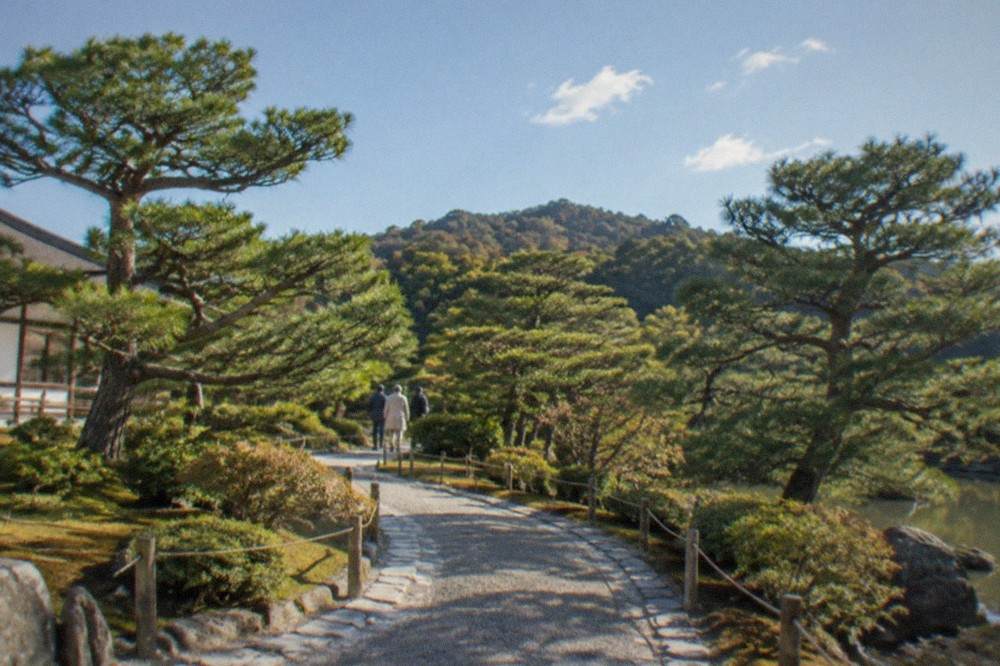
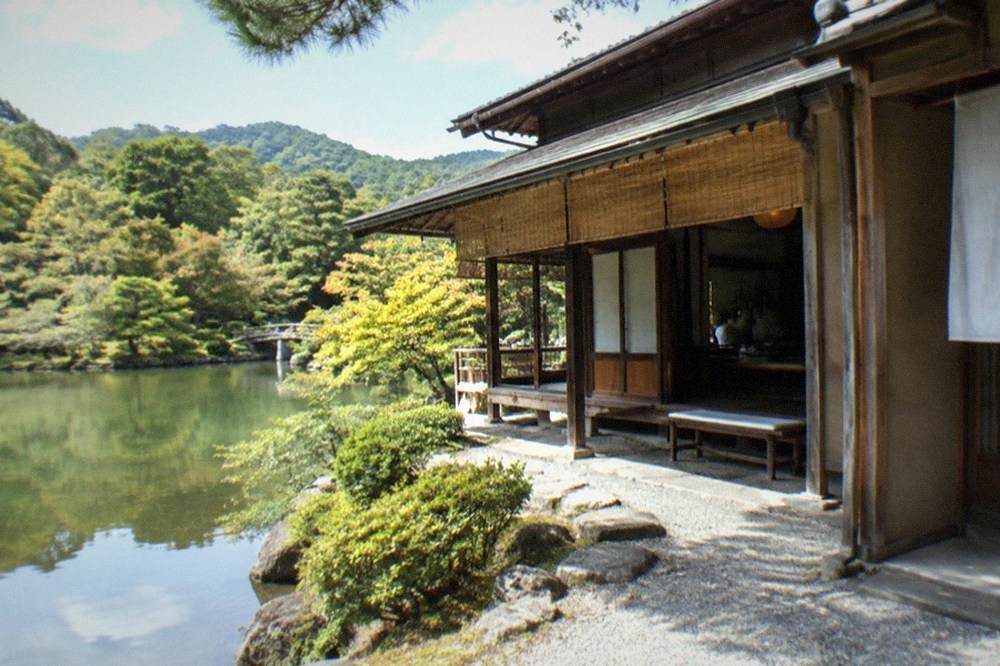
Because the visit is guided, the experience differs from every other garden in Kyoto. At Ryoan-ji or the Arashiyama Bamboo Grove, you set your own pace and revisit corners at will. At Shugakuin, the group moves as one, the guide's commentary sets the rhythm, and the tour ends where it ends. Photographers should accept this before booking: the upper pond view is a stop on a schedule, not a place you can wait through the light. The compensation is access itself, to a property that a strictly limited number of people see on any given day.
The villa also rewards visitors who know its place in garden history. It was laid out for Go-Mizunoo after his abdication, in the same retired-emperor culture that produced the Sento Imperial Palace's gardens, and its upper terrace composition has been studied and copied for centuries. If your interest is gardens rather than history, pair the villa visit with the Kyoto Zen Gardens guide on this site, which places Shugakuin's borrowed scenery beside the dry-landscape tradition of Ryoan-ji and Nanzen-ji.
How Do You Get To The Shugakuin Imperial Villa?
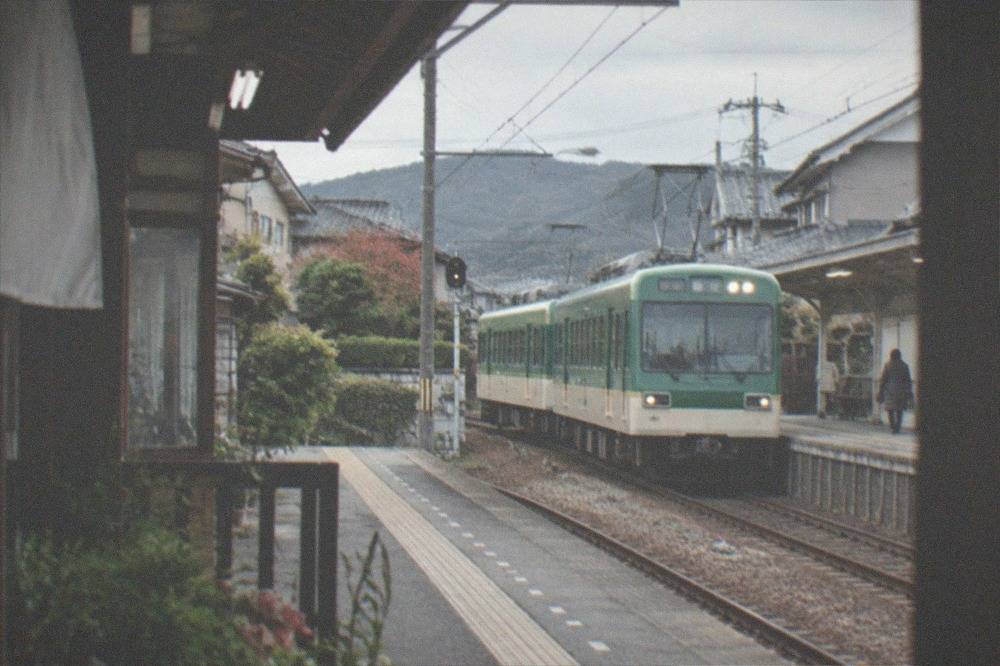
The Shugakuin Imperial Villa is reached from Kyoto Station by the JR Nara Line one stop to Tofukuji, then the Keihan Line to Demachiyanagi, then the Eizan Railway to Shugakuin Station, from which the entrance is a short walk. Total travel time is roughly 40 to 50 minutes from Kyoto Station, and a city bus is the alternative, at the 230 yen flat fare, on the routes that serve the Shugakuin area.
The rail route is the one most guides recommend because it is immune to Kyoto's bus congestion, and congestion is a real factor: the city's own 2025 tourism survey counted 62.79 million visitors, and the city has been running tourist express buses and dispersal campaigns since 2025 precisely because the standard routes fill up. The Eizan Railway leg is itself a small pleasure, a two-car local train climbing through residential Kyoto toward the hills, and the same line continues beyond Shugakuin to Kurama and Kibune, which makes a combined villa-and-mountains day possible for anyone with the legs for it. The full index of guides sits on Kyoto Travel Guide.
Here is the fare picture for the journey, from the city's and operators' own published prices:
| Leg | Adult fare | Notes |
|---|---|---|
| Kyoto City Bus, any route | 230 yen flat | Child 6 to 11: 120 yen |
| Subway fare by zone | 220 to 360 yen | Child half fares by zone |
| Subway and Bus One-Day Pass | 1,100 yen | Child 550 yen; covers unlimited rides for one day |
| ICOCA card purchase | 2,000 yen, including a 500 yen deposit | Refundable deposit on return |
The one-day pass question is simple arithmetic. If your day is villa plus one other bus or subway trip, single fares are cheaper. If you are doing the villa, the palace and a return to downtown, the 1,100 yen pass pays for itself by the third ride. Note that the old bus-only one-day pass no longer exists; sales ended in September 2023 and the last day of use was 31 March 2024, so any guide still recommending it is out of date. The Kyoto Bus and Subway Pass guide covers the current products in full.
For anyone arriving from Kansai Airport that morning, the practical route is the HARUKA express to Kyoto Station, where the JR West visitor one-way ticket is 2,200 yen for adults, then the rail chain above. The Kansai Airport to Kyoto guide covers the airport leg in detail.
When Is The Shugakuin Imperial Villa Closed?
The Shugakuin Imperial Villa is closed on Mondays, and when a Monday falls on a public holiday the closure moves to the Tuesday, following the Imperial Household Agency's standard pattern for its Kyoto properties. Beyond the weekly closure, the agency's visitor notices list additional closed periods through the year, so the only reliable way to confirm a specific date is the agency's own sankan site before you apply.
The Monday rule matters more here than at a temple, because you cannot simply walk up and buy a ticket for the next slot: the guided system means a closed day removes the visit entirely, and the same-day numbered ticket option does not exist on a day with no tours. Plan the villa for a Tuesday through Sunday, and treat a Monday that follows a Sunday holiday with suspicion, because the shifted closure catches people out.
Seasonally, the two windows that fill fastest are late March into early April for the cherry blossom, and late November into early December for the maple foliage. The Japan Meteorological Agency's phenology record for Kyoto gives the 1991 to 2020 normal full-bloom date as 4 April and the normal red-leaf date for the maple as 5 December, and both 2025 and 2026 ran close to those normals: full bloom on 5 April in 2025 and 30 March in 2026, red leaves on 10 December in 2025. The JMA dates are the observatory's specimen tree, not a villa forecast, but they mark the calendar band in which same-day villa tickets disappear earliest.
| Season marker | 1991 to 2020 normal | 2025 | 2026 |
|---|---|---|---|
| Cherry flowering | 26 March | 27 March | 23 March |
| Cherry full bloom | 4 April | 5 April | 30 March |
| Maple red leaves | 5 December | 10 December | not yet observed at time of writing |
If your dates land in either peak, book the advance application rather than gambling on a numbered ticket, and if the villa is full, the neighbouring Eizan line destinations, Kurama and Kibune, absorb a day easily, as does the Philosophers Path on the other side of the northern hills.
How Does Shugakuin Compare With Katsura And The Kyoto Imperial Palace?
Shugakuin is free and 18-and-over only, Katsura charges 1,000 yen for adults but admits 12 to 17 year olds free, and the Kyoto Imperial Palace is free and open to everyone with no application at all. All three sit in the Imperial Household Agency's single booking system, all three close Mondays on the same pattern, and the practical choice between them is usually about age composition and how far you want to travel, not about garden quality.
Katsura, in the city's southwest, is the classic of the three, the villa that every garden history text treats as the definitive stroll garden, with a roughly 60 minute guided tour. Shugakuin, in the northeast, is its hillside counterpart, larger in scale and built around borrowed mountain scenery rather than a riverside plain. The palace, in the city centre, is a different animal altogether: an open, walkable precinct where no guide, ticket or age check is involved, as the agency's own site states in a single sentence.
| Shugakuin | Katsura | Kyoto Imperial Palace | |
|---|---|---|---|
| Location | Northeast, Shugakuin | Southwest, Katsura | Central, Kyoto Gosho |
| Fee | Free | 1,000 yen (18 and over), free 12 to 17 | Free |
| Age limit | 18 and over only | 12 and over | None |
| Visit format | Guided tour only | Guided tour, about 60 minutes | Open grounds, no application |
| Booking | Advance online or same-day numbered ticket with ID | Advance online or same-day numbered ticket with ID | None needed |
| Weekly closure | Mondays | Mondays | Check agency notices |
For a first visit to Kyoto with two adults and no children, doing both villas on separate days is the connoisseur's move, and the agency's single application site makes the logistics painless. For families, the honest ranking is the palace first, Katsura second with teenagers, and Shugakuin reserved for a solo morning. The Katsura Imperial Villa page on this site covers that booking in the same detail.
What Else Is Near The Shugakuin Imperial Villa?
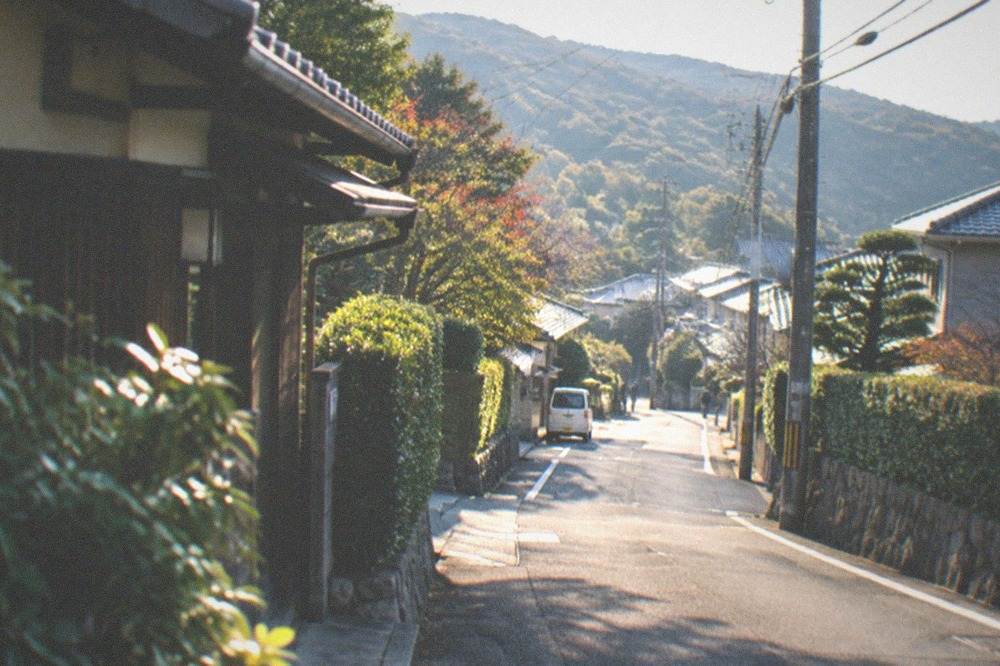
The Shugakuin Imperial Villa's neighbourhood is one of Kyoto's quieter corners, with the Eizan Railway running north to Kurama and Kibune, the temples of the northern Higashiyama chain a bus ride south, and the Shugakuin residential streets themselves worth a slow walk. Most visitors pair the villa morning with either a mountain afternoon on the Eizan line or a garden afternoon around Ginkaku-ji and the Philosophers Path.
The Eizan line is the strongest pairing. From Shugakuin Station the train climbs to Kurama, trailhead for the hike over the ridge to Kibune, a route this site covers in its Kurama and Kibune guide, and the same line passes near the Ginkaku-ji Silver Pavilion end of the northern hills. Going south instead, the bus corridor down to Kiyomizu-dera and the Ninenzaka and Sannenzaka slopes turns the day into the classic eastern Kyoto circuit.
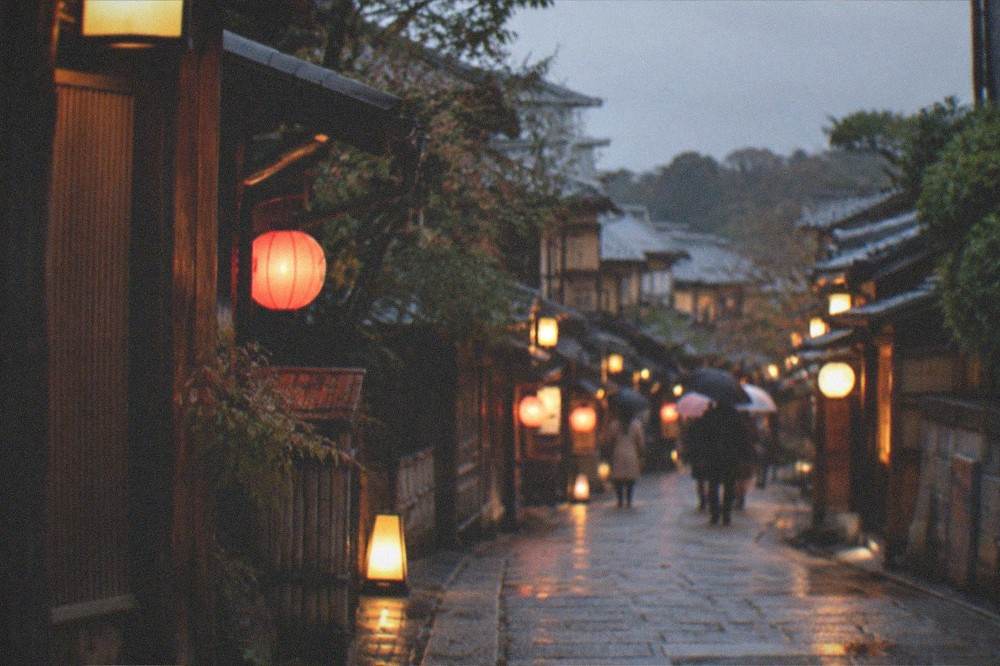
For the evening, the walk back into town lands you near the Gion districts, and that is where a guided walk earns its fee. The Gion Magical Night Walking Tour, rated 4.9 across 4,616 reviews and running about an hour and 40 minutes, covers the geisha districts after dark, when the lanterns are lit and the alleys are at their most atmospheric. If you prefer not to pay at all, GuruWalk lists a Free Walking Tour Kyoto, a tip-based three-hour walk led by a local guide, rated 4.93 from 1,128 reviews; it is free in the sense that you tip what you choose at the end, and it is booked through GuruWalk rather than through this site.
Common Questions About The Shugakuin Imperial Villa
How Do You Book The Shugakuin Imperial Villa Walking Tour?
Through the Imperial Household Agency's sankan site in advance, or with a same-day numbered ticket at the villa entrance, first come first served, with photo ID. Both routes are free, and both put you on the same guided tour.
Is the Shugakuin Imperial Villa really free?
Yes. There is no admission fee, no guided-tour charge and no suggested donation. The Katsura Imperial Villa, in the same system, charges 1,000 yen for visitors 18 and over, but Shugakuin and the Sento Imperial Palace are free.
Can children visit the Shugakuin Imperial Villa?
No. The villa admits visitors 18 and over only, and under-18s, including infants, are not admitted in any circumstance. Katsura admits 12 to 17 year olds free, and the Kyoto Imperial Palace is open to all ages.
What days is the Shugakuin Imperial Villa closed?
Mondays, with the closure moving to the Tuesday when the Monday is a public holiday. The agency's visitor notices list additional closed periods, so check the sankan site for your exact date before applying.
How do I get to the Shugakuin Imperial Villa?
Take the JR Nara Line from Kyoto Station to Tofukuji, the Keihan Line to Demachiyanagi, then the Eizan Railway to Shugakuin Station, a short walk from the entrance. City buses also serve the area at the 230 yen flat fare.
Can I visit Shugakuin without a guide?
No. The villa is guided-tour only, with no self-guided access at any time, which is part of why the property stays in such good condition and why the booking system, not a price, controls numbers.
Whichever way you close the day, the free GuruWalk walk or a paid evening tour, the pairing logic is the same: the villa morning is quiet, structured and unhurried, and Kyoto after dark is the opposite, which is exactly why the two halves of the day work together.
The Shugakuin Imperial Villa rewards exactly the kind of traveller who is willing to book ahead, accept a fixed pace, and trade a little freedom for a landscape that most of Kyoto's 62.79 million annual visitors never see. Apply early, bring ID, leave the children with a partner at the palace, and give the upper pond viewpoint your full attention when the guide stops there, because the group will not wait, and neither should you.