How Many Rocks Are In The Ryoan-ji Garden And Why Can You Never See All Fifteen?
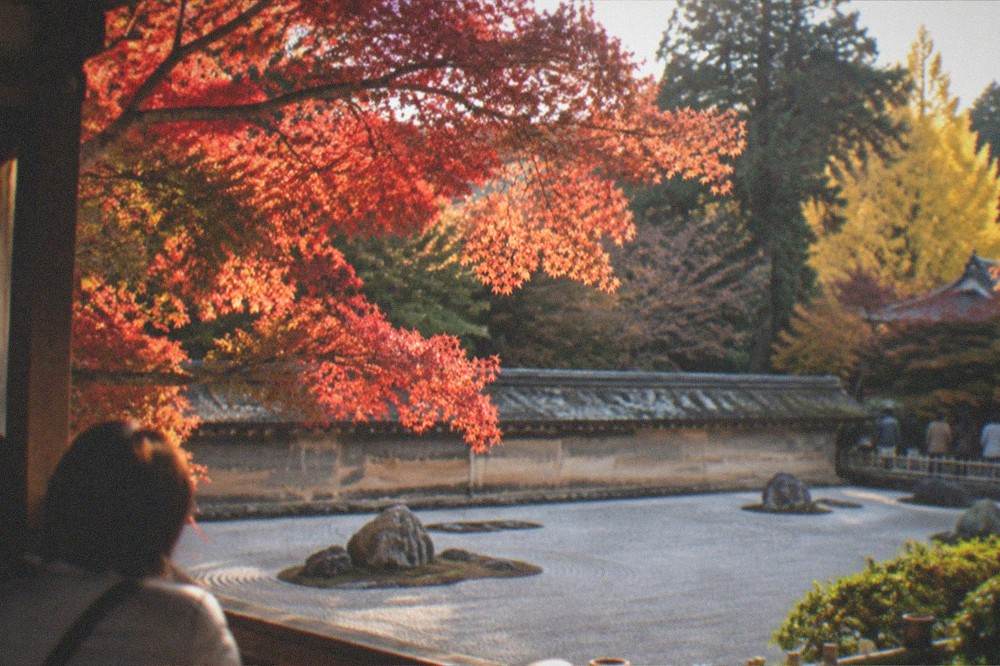
Ryoan-ji's famous garden in Kyoto places fifteen stones in five clusters, arranged so that from wherever you sit on the viewing veranda, at least one stone is always hidden. The temple charges 600 yen to see it, and the answer to the riddle is not a trick of the eye but simple geometry.
Short answer
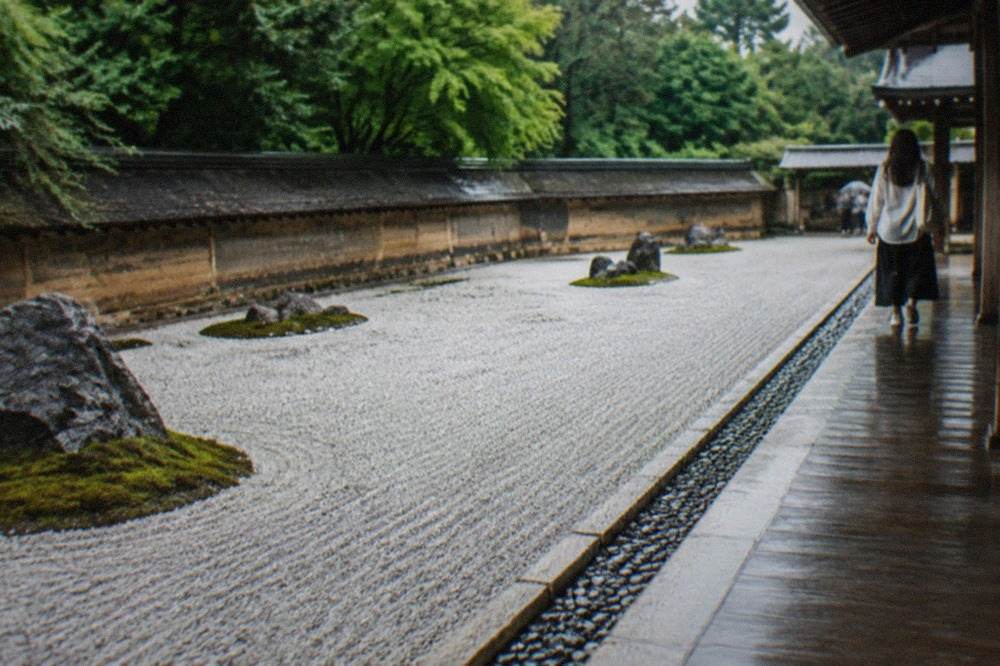
The Ryoan-ji garden contains fifteen stones in five clusters. From any seated position on the hojo veranda, only fourteen can be seen at once, because the clusters are offset so at least one stone always falls behind another. Only a viewpoint above the garden, which visitors cannot occupy, would reveal all fifteen.
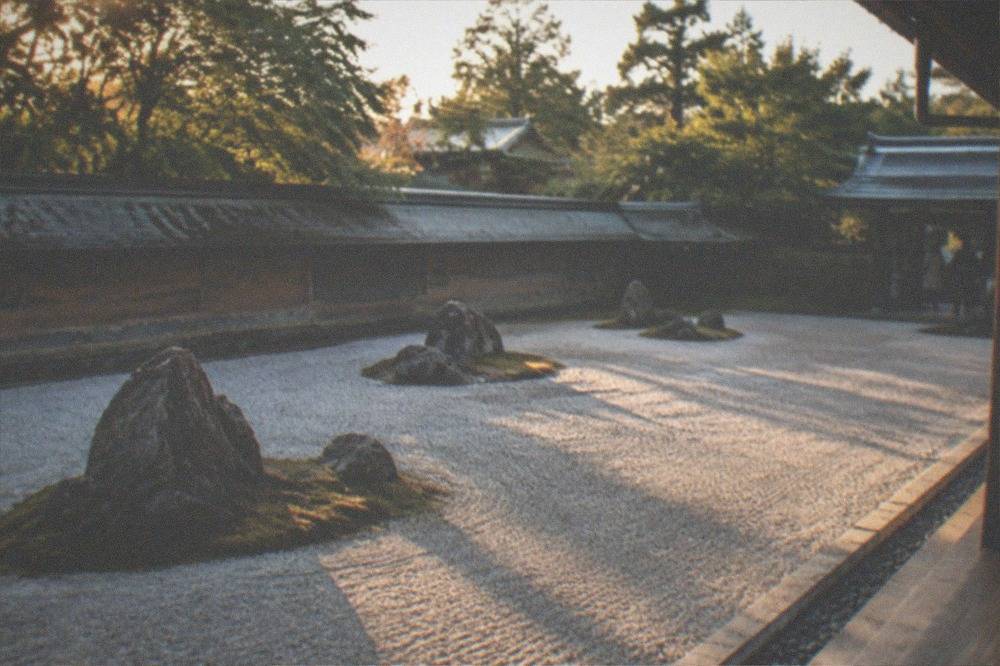
Ryoan-ji, formally Daishuin Subtemple of Myoshin-ji, holds what is probably the most photographed rectangle of gravel in the world. The temple's own site gives the admission as 600 yen for adults, 500 for high school students and 300 for elementary and junior high, with hours of 8:00-17:00 from March to November and 8:30-16:30 through the winter. The garden itself measures about 25 metres east to west and 10 metres north to south, set against the hojo, the abbot's hall, whose veranda is the only place a visitor may view it from. Fifteen stones sit in five clusters on islands of raked moss, and the arrangement has a property that has kept mathematicians, monks and tourists arguing for five centuries: stand, sit or crouch anywhere on that veranda, and you will never see all fifteen at once.
This page answers the rock-count question properly, then covers everything the temple's own notices state about visiting: the fee, the hours, what the garden is and is not, and how Ryoan-ji fits into a day in Kyoto's north-west. For the broader picture of temple-hopping in this district, the Kyoto Travel Guide homepage collects the whole city, and our things to do in Kyoto roundup places Ryoan-ji in context.
How Many Rocks Are In The Ryoan-ji Garden And Why Can You Never See All Fifteen?
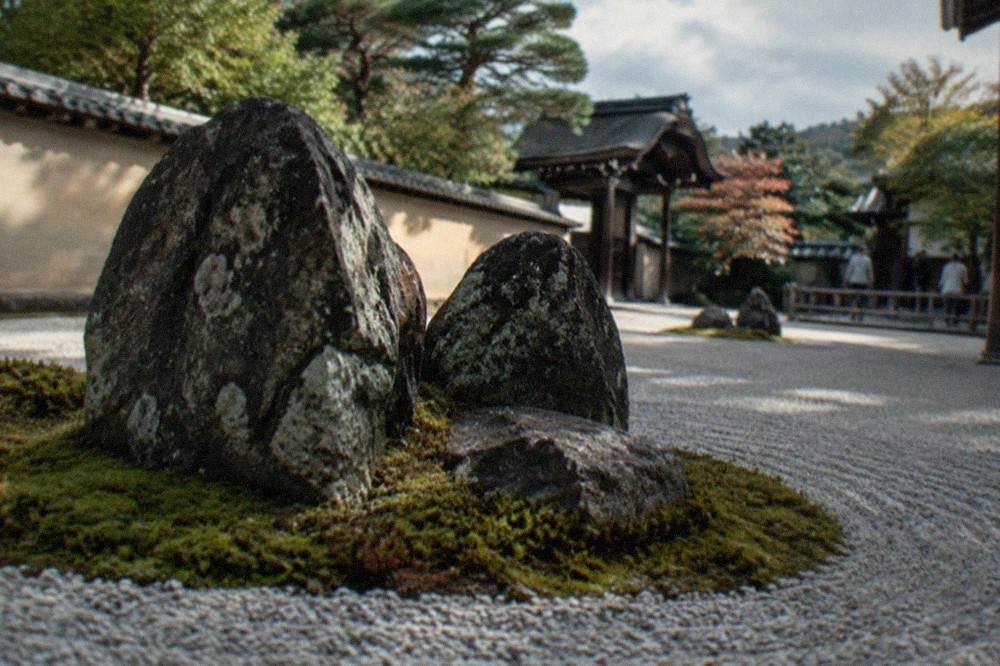
The garden holds fifteen stones, arranged in five clusters of two, two, three, two and five, plus one group of three, on moss islands in raked gravel. From any position a visitor can occupy on the hojo veranda, at least one stone is always hidden behind another or outside the sightline. The temple tradition holds that only someone who has attained enlightenment could view all fifteen at once, a claim that is geometry first and metaphysics second.
The arithmetic of the arrangement is what makes the riddle durable. The clusters are placed so their stones overlap from every ground-level angle. Researchers who have modelled the garden's sightlines have found the layout maps naturally onto a branch of mathematics concerned with the visibility of objects, and the temple's own English materials simply state the tradition: fifteen stones, never all visible from the veranda. If you climbed above the garden, which the temple does not permit, all fifteen would appear at once. The garden was not built to hide the fifteenth stone from you; it was built so that the hiding happens no matter where you sit.
Why fifteen, and not ten or seventeen, is not recorded anywhere the temple prints. The garden's construction date is itself uncertain: the temple attributes the layout to the late Muromachi period, around the late 15th century, and the earliest firm documentary evidence for the garden as it stands now dates from later. What is certain is that an era name carved on the rear wall refers to a repair of the wall, not the creation of the garden. Guides that give a single confident date for the garden's design are repeating a tradition, not a record.
What Does Ryoan-ji In Kyoto Cost And When Is It Open?
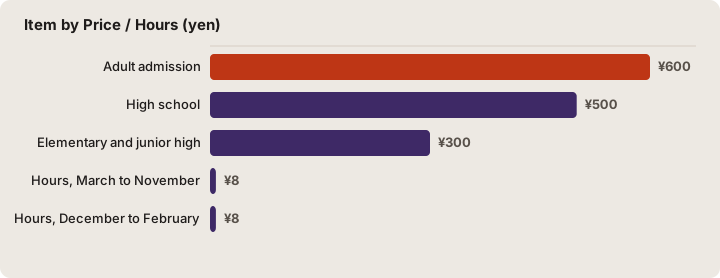
Ryoan-ji charges 600 yen for adults, 500 yen for high school students and 300 yen for elementary and junior high visitors, per the temple's own site. Hours are 8:00 to 17:00 from March through November and 8:30 to 16:30 from December through February. There is no combined ticket with neighbouring temples; Kinkaku-ji and Ninna-ji each charge separately, so a full north-west circuit of the three runs 600 plus 500 plus their own rates.
That fee buys more than the rock garden. The temple grounds hold a large kyoyochi pond garden dating from the 12th century, when the site was an aristocrat's villa, and the entrance path to the temple passes along its edge. Most visitors walk straight past the pond to the gravel, which is a mistake in any season: the pond is the older feature, and in the early morning it is often empty while the rock garden queue is already forming.
| Item | Price / Hours | Notes |
|---|---|---|
| Adult admission | 600 yen | Temple's own site |
| High school | 500 yen | |
| Elementary and junior high | 300 yen | |
| Hours, March to November | 8:00-17:00 | |
| Hours, December to February | 8:30-16:30 | |
| Rock garden viewing | From the hojo veranda only | Photography permitted, no entering the gravel |
One practical note: the temple sits on http, not https, on its own domain, and some browsers flag this. The site is genuine; the temple simply has not moved to a certificate. For fees and hours it remains the authoritative source, and this site treats it as such.
Is The Ryoan-ji Garden Actually A Zen Riddle?
No contemporary record says the garden was designed as a koan, and the temple does not present it as one. The "see all fifteen and reach enlightenment" framing is a later tradition attached to the layout, not something the temple's own materials assert as doctrine. What the temple does state is that the garden is a karesansui, a dry landscape garden, attached to a Zen subtemple of Myoshin-ji, and that its stones are meant to be viewed seated from the hojo.
The karesansui form is the honest frame. Dry landscape gardens use gravel and stone to suggest water, islands and mountains without any water at all, and they were designed primarily for viewing from a seated position inside an adjacent hall, not for walking through. Ryoan-ji's gravel is raked in straight lines around the stone clusters and in parallel bands elsewhere, and the fifteen stones are grouped so each cluster reads as an island. Whether those islands represent islands, tigers crossing a river, or the character for heart depends on which later commentary you read; the temple prints none of these as fact.
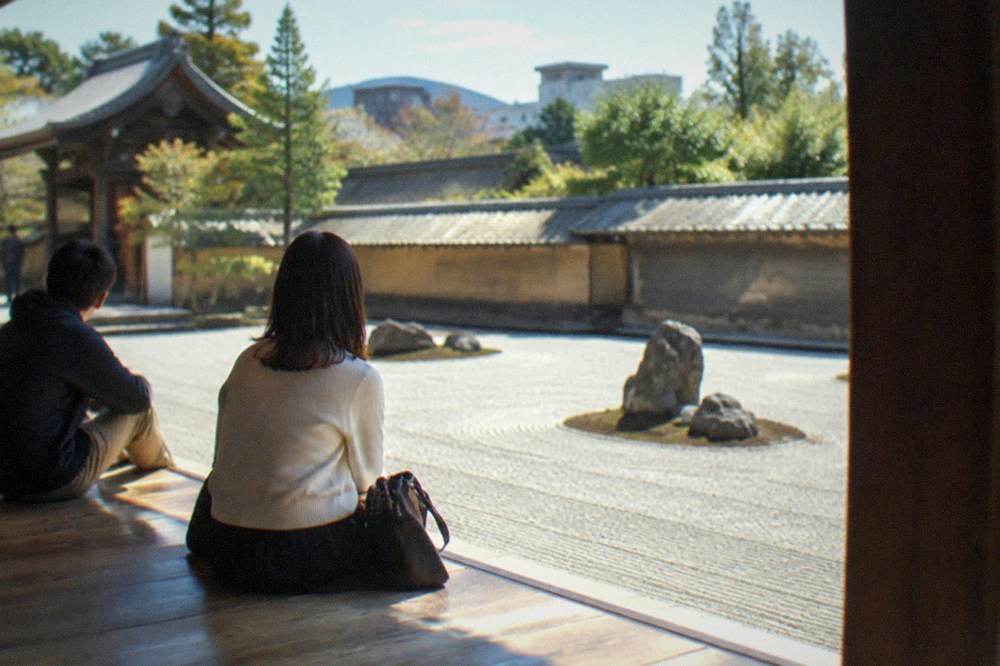
The seated-viewing rule matters for your visit. The veranda faces south across the garden, and the intended experience is to sit, ideally when the veranda is not full, and let the composition do its work. On a crowded mid-morning in cherry season you may share the bench with a hundred people; at 8:15 on a weekday in January you may have it nearly to yourself. The garden is the same; the visit is not.
If the philosophical side of Kyoto's gardens is what draws you, the Kyoto zen gardens guide covers the whole tradition, including the moss temple at Saiho-ji, which requires advance reservation and is a very different experience from Ryoan-ji's open gate.
How Do You Get To Ryoan-ji?
Ryoan-ji is reached by Kyoto City Bus to the Ryoanji-mae stop, a one-minute walk from the gate, with the temple about 20 minutes by bus from Kyoto Station. The flat adult bus fare is 230 yen, and the Subway and Bus One-Day Pass at 1,100 yen covers unlimited city bus and subway travel for a day, which pays off on a north-west temple circuit. There is no subway station at the temple itself; the bus, a taxi, or a bicycle are the practical options.
The bus-only one-day pass no longer exists; sales ended in September 2023 and the last day of use was 31 March 2024, so any guide still recommending it is out of date. The current product is the combined Subway and Bus One-Day Pass at 1,100 yen adult and 550 yen child. If your day is Ryoan-ji, Kinkaku-ji and Ninna-ji, all clustered within a short bus ride or a 20-minute walk of each other, the pass may or may not beat single fares depending on whether you add a subway leg; a full day of bus rides adds up quickly against the flat fare.
Cycling is a genuinely good option here. The north-west temple district is flat along the north side, and a bicycle lets you link Ryoan-ji with Kinkaku-ji, Ninna-ji and the Philosopher's Path end in one loop. Our Kyoto bike rental guide covers the practicalities, and the Kyoto buses guide explains the flat-fare system in full.
| Route | Fare | Time |
|---|---|---|
| City bus, flat adult fare | 230 yen | Varies by route |
| City bus, child (6-11) | 120 yen | |
| Subway and Bus One-Day Pass | 1,100 yen adult / 550 yen child | Unlimited, one day |
| Subway fare range, zones 1-5 | 220-360 yen adult | |
| Taxi from Kyoto Station | Metered | About 20-25 minutes |
When Is The Best Time Of Day To Visit The Ryoan-ji Garden?
The temple opens at 8:00 in season, and the first hour is the quietest window on the veranda by a wide margin; the garden faces south, so morning light also rakes across the gravel from the left. Mid-afternoon brings tour groups from the Kinkaku-ji circuit, and the veranda is typically at its fullest between 10:00 and 15:00. Winter weekday mornings are the lowest-crowd combination the temple's own hours allow.
The city's own crowd data supports the early start. Kyoto recorded 62.79 million visitors in 2025, a record, and the city's tourism association publishes a Comfort Forecast that predicts crowd levels at major spots by time slot using location data. Ryoan-ji's veranda is a fixed, narrow space, so crowding there is more binary than at a spread-out site like Fushimi Inari: when the bench is full, the seated viewing the garden was designed for is simply not available.
Weather matters less than you would think. The garden is viewed from a covered veranda, so rain costs you nothing except the walk between the gate and the hojo, and a wet day thins the crowd dramatically. Our Kyoto rainy day itinerary puts Ryoan-ji near the top of the wet-weather list for exactly this reason.
What Else Is At Ryoan-ji Besides The Rock Garden?
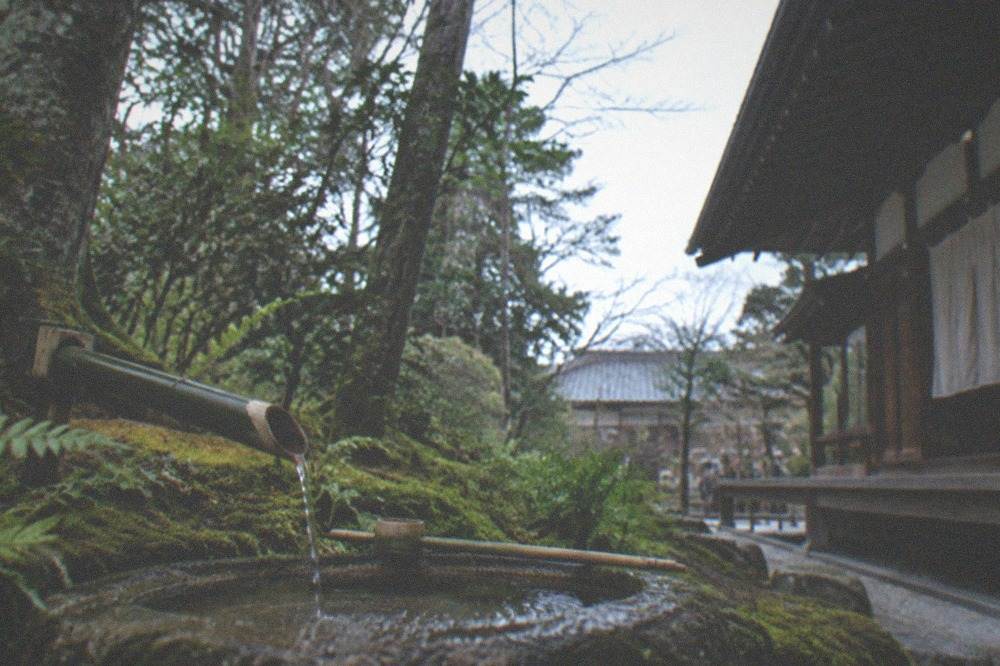
The temple grounds hold a large pond garden predating the temple itself, a stone washing basin with a famous four-character inscription, the tsukubai, and the grounds of the wider Myoshin-ji complex nearby. The kyoyochi pond dates to the site's 12th-century villa period, centuries before the Zen temple was founded on the same land, and the tsukubai basin carries the inscription "ware tada taru wo shiru", "I know only satisfaction".
The tsukubai deserves the stop most visitors do not give it. The low stone basin sits behind the hojo, and its inscription only reads correctly when the water-filled basin itself supplies the missing character square: the four carved characters surround the water so that the central water radical completes each word. The reading, "I know only satisfaction", is a Zen statement about sufficiency, and the temple presents it as the work of the tea master associated with the site's tea tradition.
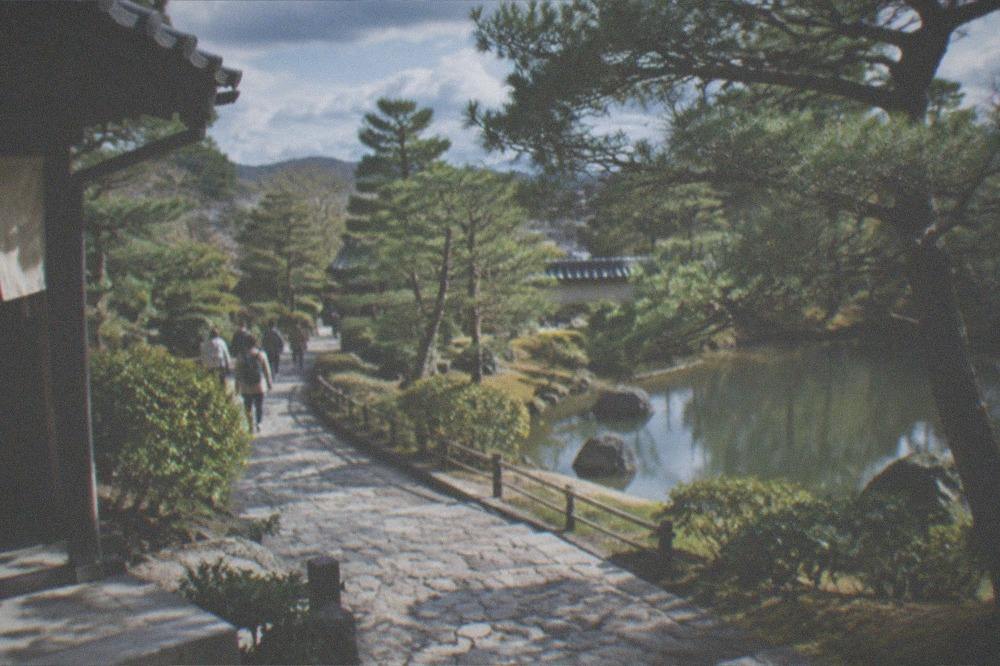
The pond garden is the other half of the visit. Walking the path around the kyoyochi, which takes ten unhurried minutes, you pass pines, a small island shrine and, in season, irises and lotus. The pond is at its best in early summer for the irises and in late autumn for the reflections, and it is nearly always quieter than the rock garden fifty metres away.
How Does Ryoan-ji Compare With Kyoto's Other Famous Gardens?
Ryoan-ji is Kyoto's purest karesansui, gravel and stone with no water, viewed seated; Tenryu-ji in Arashiyama is a strolling garden built around a borrowed mountain view and charges 500 yen for the garden alone; Ginkaku-ji, now 1,000 yen from 1 April 2026, combines a dry sand cone with a moss garden on a slope. Ryoan-ji at 600 yen is the middle price of the three and the shortest visit, typically 30 to 45 minutes.
The Ginkaku-ji fee change matters for anyone planning with an older guide. The temple doubled its admission from 500 to 1,000 yen for adults and from 300 to 500 yen for children effective 1 April 2026, its first rise in 32 years, so a 2024 or 2025 itinerary that budgets 500 yen there is simply wrong now. Ryoan-ji's 600 yen has held steady on the temple's own site.
| Garden | Admission (adult) | Type | Typical visit |
|---|---|---|---|
| Ryoan-ji | 600 yen | Dry landscape, seated viewing | 30-45 min |
| Ginkaku-ji | 1,000 yen (from Apr 2026) | Dry sand plus moss, walking | 45-60 min |
| Tenryu-ji | 500 yen garden; +300 buildings | Strolling, borrowed scenery | 60-90 min |
| Nanzen-ji Hojo | 600 yen | Dry landscape plus aqueduct walk | 45-60 min |
| Kodai-ji | 800 yen | Strolling, night illuminations | 60 min |
For a deeper comparison of the whole tradition, including gardens most visitors never reach, the Kyoto zen gardens guide is the companion piece to this page, and the individual pages for Ginkaku-ji and Tenryu-ji carry their own verified fees and hours.
Can You Combine Ryoan-ji With Kinkaku-ji And Ninna-ji In One Day?
Yes, and it is the standard north-west circuit: all three temples sit within about 20 minutes' walk of each other, with Ryoan-ji between Kinkaku-ji and Ninna-ji. Total admission for an adult is 600 yen at Ryoan-ji, 500 yen at Kinkaku-ji and Ninna-ji's own rate at its gate, and the full walk between the three gates is under 2 kilometres. Most visitors do the circuit in half a day, starting at 8:00 at Ryoan-ji before the crowds migrate from Kinkaku-ji.
The order matters. Kinkaku-ji opens at 9:00, one hour after Ryoan-ji, so the efficient morning is Ryoan-ji at 8:00, the pond garden by 8:40, then the 15-minute walk to Kinkaku-ji for opening, and Ninna-ji afterwards. Doing it in reverse means hitting Kinkaku-ji at its mid-morning peak and arriving at Ryoan-ji's veranda just as the tour buses do.
The district holds more than the big three. Ninna-ji's five-storied pagoda and Omuro cherry grove, which flowers a week or two after the main season, are on the same corridor, and the quieter Daitoku-ji complex lies to the east. For a full day built around this corner of the city, the one day in Kyoto itinerary includes this circuit as its morning half.
A guided option makes sense if you would rather not manage the bus network yourself. The Fushimi Inari Hidden Hike is this site's top-scored temple walk for a different side of Kyoto, and a guided day tour covers the north-west classics with transport handled. The trade-off is simple: you trade the 8:00 quiet start for someone else's schedule, and on a first visit that trade is often worth making. Travellers who prefer to keep their mornings flexible should self-guide the north-west and save a booked tour for the sites where a guide changes what you see, which is most of what the rest of this page is about.
Who Built The Ryoan-ji Garden?
The temple attributes its founding to Hosokawa Katsumoto, a deputy shogun who established the Zen temple on the site in the mid-15th century, but the garden's designer is unknown, and the temple does not name one. The garden is dated to the late Muromachi period by tradition, while firm documentary evidence for the current layout is later. The name Soami, a painter and garden designer of the period, circulates in guidebooks as a possible designer, but that attribution is tradition, not temple record.
This honesty gap is worth stating plainly because so much Ryoan-ji copy invents a designer. The temple's own materials describe the garden's layout and its tradition without committing to an author, and the wall inscription dating a repair confirms only that the wall was rebuilt long after the garden's creation. The five-cluster arrangement, the raked gravel and the seated viewing position are all the design evidence that survives.
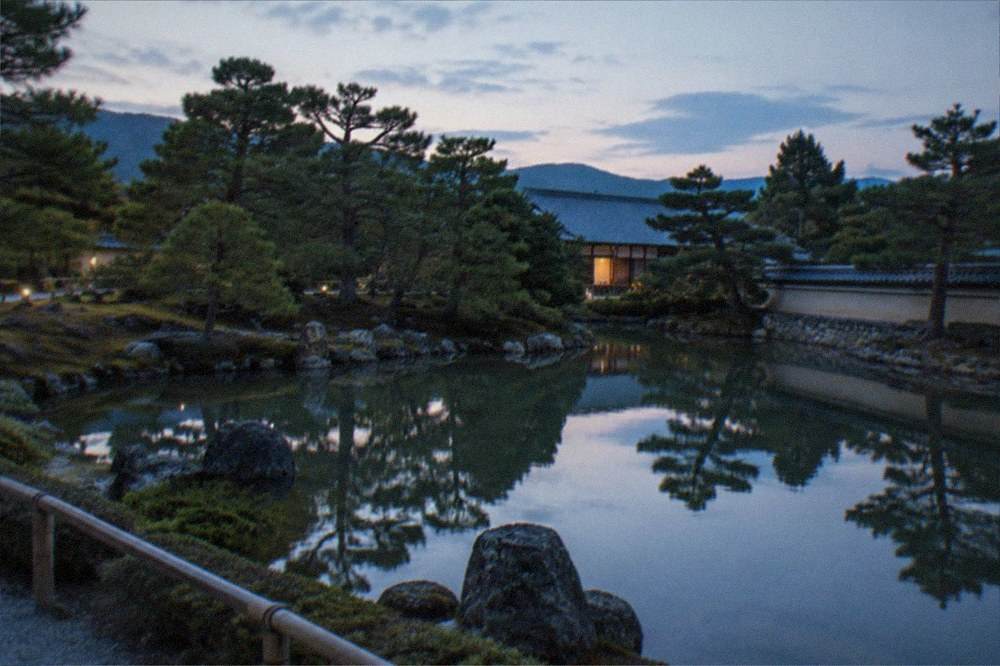
The site's earlier history is better documented. Before the temple, the land held a villa of the Fujiwara clan, and the kyoyochi pond survives from that Heian-period estate, which is why a garden pond sits inside a Zen temple otherwise organised around dry stone. Two periods of Japanese garden design, five centuries apart, share the same gate.
What Are The Rules For Visiting The Ryoan-ji Garden?
Visitors view the garden from the hojo veranda only; entering the gravel is not permitted, and photography from the veranda is allowed. The temple asks for quiet on the veranda, as it is a seated viewing space. General Kyoto conduct rules apply district-wide: no touching or photographing geiko and maiko without permission, and no entering private property where prohibited, per the Kyoto City Tourism Association's guidelines.
The veranda rules are enforced by the space itself. The gravel is the garden; unlike a strolling garden there is no path through it, and the temple's layout makes the boundary unambiguous. Photography is unrestricted from the veranda, but tripods and posed shoots would defeat the seated viewing the space is built for, and the temple's staff manage crowding at busy times by moving visitors along the bench.
Beyond the temple gate, the north-west district is residential, and the conduct questions that arise in Gion, around geiko and private alleys, are covered in the city's own four guidelines. The practical ones are easy to keep: photograph people only with permission, stay off private alleys where signage says so, and keep the volume down on residential streets. Visitors with limited mobility should also know that the temple district's approach paths include gravel, which affects wheelchair and stroller access at several sites in this corner of the city.
Is Ryoan-ji Worth It For Visitors With Limited Time In Kyoto?
For a first visit of three days or fewer, yes: Ryoan-ji is a 30 to 45 minute stop that pairs naturally with Kinkaku-ji, and the rock garden is one of the handful of Kyoto sights that is genuinely unique rather than the best of a type. For a one-day visit, the temple is a defensible cut; the veranda experience depends on quiet, and a rushed stop at peak time delivers the least of what the garden offers.
The honest case for cutting it is the crowd arithmetic. A visitor with one day who arrives at the veranda at 11:00 in April will see fifteen stones, a queue and a lot of phone screens, and will leave with a photo indistinguishable from the one on every postcard. The same visitor at 8:10 in November gets the garden the designers intended. If your schedule only permits the first version, spend the time at Nanzen-ji or on the Philosopher's Path instead, both of which degrade more gracefully under crowds.
For visitors with more time, the temple rewards a second visit in a different season. The gravel is the same in every month, but the pond garden, the maple colour along the boundary wall and the light on the veranda are not, and the JMA's Kyoto observatory records the maple red-leaf marker at 5 December on its 1991-2020 normals, later than the mid-November peak most guides claim. Our Kyoto autumn leaves guide covers the whole season.
What Does A Ryoan-ji Visit Cost In Total?
The temple's own fee is 600 yen adult, and a realistic half-day north-west circuit adds Kinkaku-ji at 500 yen and Ninna-ji's gate fee, plus 230 yen each way by bus, or nothing on foot. A couple doing the three-temple morning by bus from central Kyoto should budget for three admissions and two bus fares each, plus lunch; the temple district's restaurants are modest, and a bowl of tofu-based shojin ryori nearby is the traditional pairing.
The wider budget picture is covered in our Kyoto on a budget guide, including one figure most guides still get wrong: Kyoto's accommodation tax changed on 1 March 2026, and a room between 20,000 and 50,000 yen now carries 1,000 yen per person per night, double the old 500. The top tier rose from 1,000 to 10,000 yen for rooms at 100,000 yen and above.
| Item | Cost |
|---|---|
| Ryoan-ji admission, adult | 600 yen |
| Kinkaku-ji admission, adult | 500 yen |
| Bus fare, each ride | 230 yen |
| Subway and Bus One-Day Pass | 1,100 yen |
| Three-temple morning, per adult | Three admissions plus bus fares |
Common Questions About The Ryoan-ji Rock Garden
How Many Rocks Are In The Ryoan-ji Garden And Why Can You Never See All Fifteen?
Fifteen stones in five clusters, arranged so that from any position on the viewing veranda at least one is hidden behind another. Only from above the garden, which visitors cannot reach, would all fifteen be visible at once. The temple tradition adds that only an enlightened viewer could see all fifteen, though the geometry does the hiding on its own.
Can you walk in the Ryoan-ji garden?
No. The garden is a karesansui, a dry landscape garden designed for seated viewing from the hojo veranda. There is no path through the gravel and the temple does not permit entry. The pond garden on the same grounds is the part you walk through.
How long should you spend at Ryoan-ji?
Plan 30 to 45 minutes for the rock garden, the tsukubai basin and a circuit of the kyoyochi pond. Arriving at opening, 8:00 in season, gives the quietest veranda and the best chance to sit with the garden rather than queue past it.
Is Ryoan-ji or Ginkaku-ji better?
They are different experiences. Ryoan-ji is the purer Zen garden, a single seated view, while Ginkaku-ji combines a sand garden with a mossy walking course. Ginkaku-ji now costs 1,000 yen from 1 April 2026 against Ryoan-ji's 600 yen. If you must choose one and your time is early morning, choose Ryoan-ji.
What do the fifteen stones represent?
The temple does not say, and no contemporary record explains the design. Later commentators have read the clusters as islands in an ocean, as a mother tiger crossing a river with cubs, or as an abstract composition with no meaning beyond itself. The temple's own materials present the garden without endorsing any of these readings.
Is Ryoan-ji open in winter?
Yes. Winter hours are 8:30 to 16:30 from December through February, and the covered veranda means rain or snow costs you nothing on the viewing itself. Winter weekday mornings are the quietest time the temple offers.
Fifteen stones, one of them always hidden, and a fee that has not moved while its neighbours' have: Ryoan-ji is the rare famous sight where the reality matches the postcard, provided you arrive before the postcard photographers do. Sit on the veranda, count what you can see, and accept that the fifteenth stone is the temple's business, not yours.