Daitoku-ji Temple
Daitoku-ji is a walled Zen monastery in northern Kyoto where more than twenty sub-temples sit behind separate gates, each with its own hours, its own garden and its own admission, which makes planning a visit harder than it should be.
Short answer
Daisen-in, Koto-in, Ryogen-in and Zuiho-in are the four Daitoku-ji sub-temples most often open to visitors, but each sets its own hours and fee, and openings change by season, so the monastery's own site is the only reliable schedule.
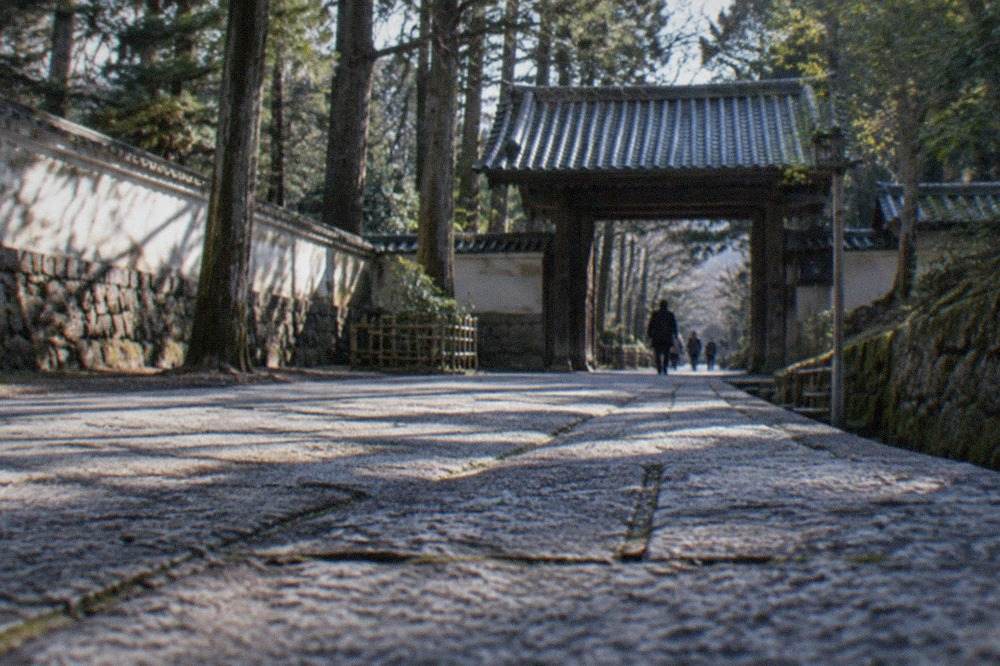
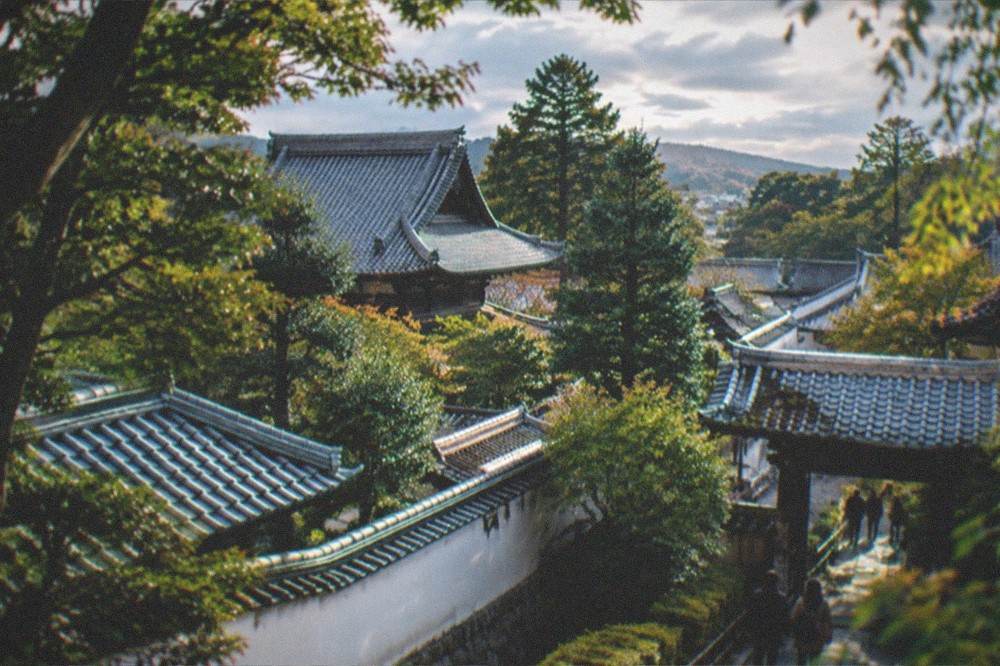
Daitoku-ji sits behind long earthen walls in northern Kyoto, a working Rinzai Zen monastery rather than a single temple. More than twenty sub-temples, the tatami complexes called sub-temples, stand inside the walls, and each one opens and closes on its own terms. That structure is the reason so many visitors arrive confused: there is no single ticket, no single gate fee, and no single opening time. The complex is also the spiritual home of Japanese tea ceremony, the place where Sen no Rikyu and the tea masters of the sixteenth century practiced, which is why its gardens reward the visitor who slows down. This page covers which sub-temples are actually open, how to reach the monastery, what to pair it with in northern Kyoto, and what the wider temple-fee picture in Kyoto looks like right now.
Which Daitoku-ji Sub-Temples Are Open: Daisen-in, Koto-in, Ryogen-in, Zuiho-in?
The four sub-temples most reliably open to casual visitors are Daisen-in, Koto-in, Ryogen-in and Zuiho-in, and each sets its own hours and its own admission, so the monastery's own printed schedule, not a guidebook, is the authority to check before you go. Openings shift with the seasons, with special viewings, and with temple events, and several other sub-temples open only in limited periods such as the autumn foliage weeks.
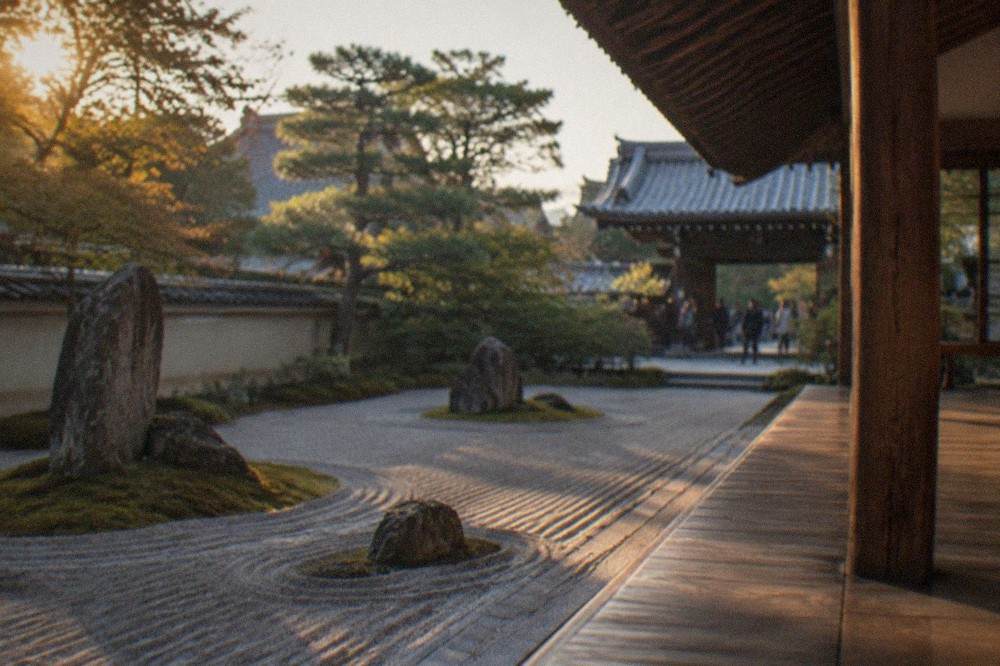
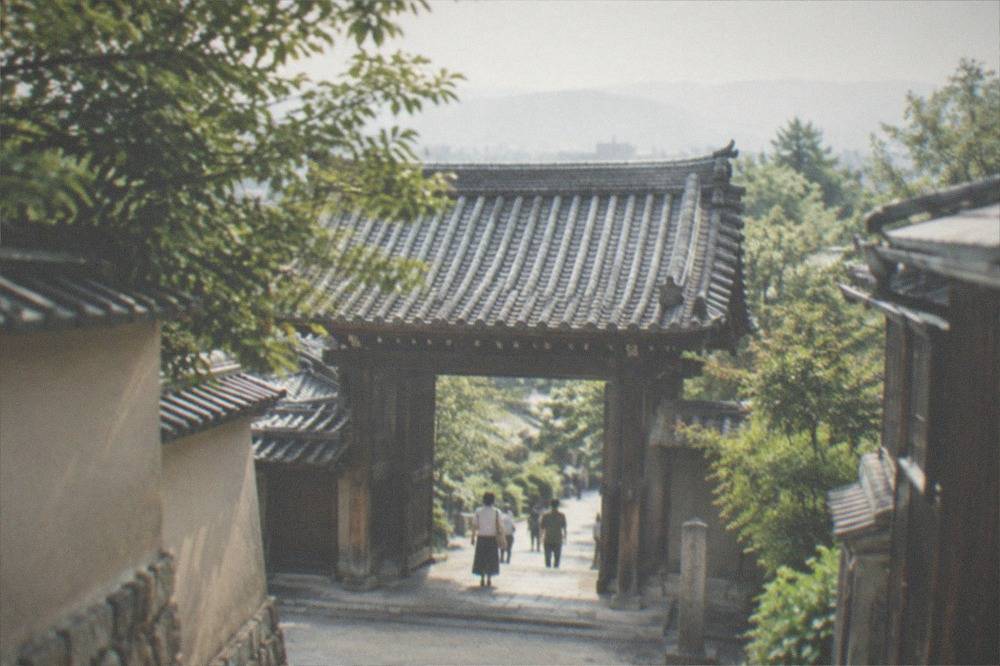
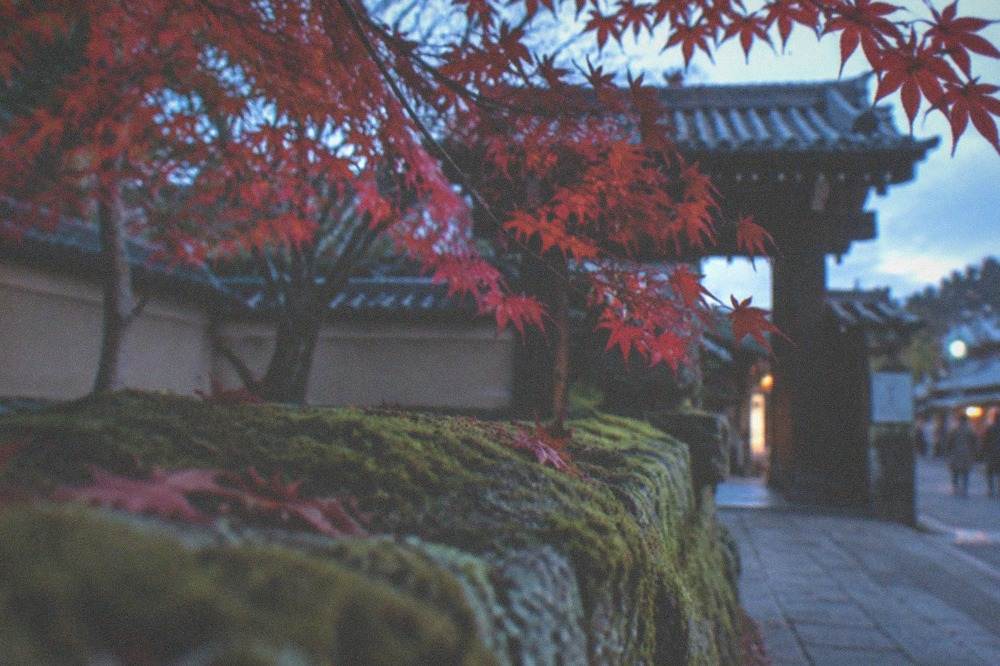
The monastery does not work like Kinkaku-ji or Ryoan-ji, where one gate and one fee cover the visit. Instead you walk the lanes inside the walls for free, and then pay separately at whichever sub-temple gates happen to be open. Daisen-in is the one most first-time visitors come for, a compact karesansui dry garden famous for its arrangement of stones and raked gravel. Koto-in is quieter and greener, known for its maple approach and a moss-and-bamboo stillness that photographers chase in late November. Ryogen-in holds a cluster of small gardens in one compound. Zuiho-in, with its Christian history tied to the daimo who built it, is the least crowded of the four.
What this site can honestly tell you is the pattern, not a schedule. The verified fact base behind this page holds no primary-source hours or fees for any individual Daitoku-ji sub-temple, and openings at Zen monasteries change with religious business, restorations and seasonal viewings. Any specific time or price printed in a general guide, including the ones ranking highly in search, is therefore a copy of a copy. Before you set out, check the monastery's own site and the individual sub-temples' notices, and treat whatever you find there as the only current truth.
The seasonal logic is worth knowing even without exact dates. Zen sub-temples across Kyoto open their gates most generously in the autumn foliage season, roughly late November into early December, and again for limited spring viewings. The rest of the year, the open set contracts to the reliable few. If seeing a specific garden matters to your trip, plan around the monastery's announcements rather than around a fixed idea of what should be open.
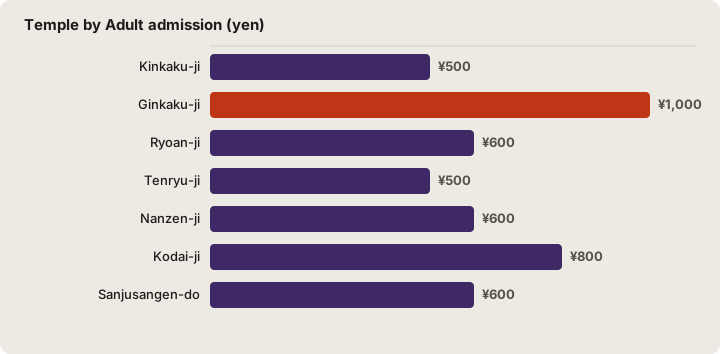
For context, here is what the wider Kyoto temple circuit charges, with every figure verified on the venue's own page. Daitoku-ji's sub-temples sit inside this landscape of small, separate fees rather than apart from it:
| Temple | Adult admission | Notes |
|---|---|---|
| Kinkaku-ji | 500 yen | School-age children 300 yen; hours 9:00-17:00 |
| Ginkaku-ji | 1,000 yen | Doubled from 500 yen on 1 April 2026; child 500 yen |
| Ryoan-ji | 600 yen | High school 500, elementary and junior high 300 |
| Tenryu-ji | 500 yen | Garden only; buildings plus 300, Hatto ceiling 500 separately |
| Nanzen-ji | 600 yen | Hojo garden; Sanmon gate 600, ticketed separately |
| Kodai-ji | 800 yen | 1,200 yen combined with Entoku-in |
| Sanjusangen-do | 600 yen | Junior high and high school 400, elementary 300 |
Two of those figures changed recently, which is the trap. Ginkaku-ji doubled its admission to 1,000 yen from 1 April 2026, its first rise in 32 years, and Tofuku-ji revises its fees on 1 November 2026, with the Hojo garden going from 500 to 600 yen, a new 1,000 yen combined ticket, and the Tsutenkyo bridge rising to 1,000 yen during the foliage period. Any guide quoting 2024 or 2025 prices is already wrong for at least one of them. More on Kyoto's fee changes and garden culture sits in Kyoto's Zen gardens.
How Much Time Should You Spend At Daitoku-ji Temple?
Two to three hours is the right budget for Daitoku-ji: enough to walk the walled lanes and enter three or four sub-temples without rushing the gardens, which are designed to be sat with rather than walked past. A rushed one-hour circuit works only if you limit yourself to Daisen-in and one other open gate, and visitors who care about tea ceremony history often stay a full half-day.
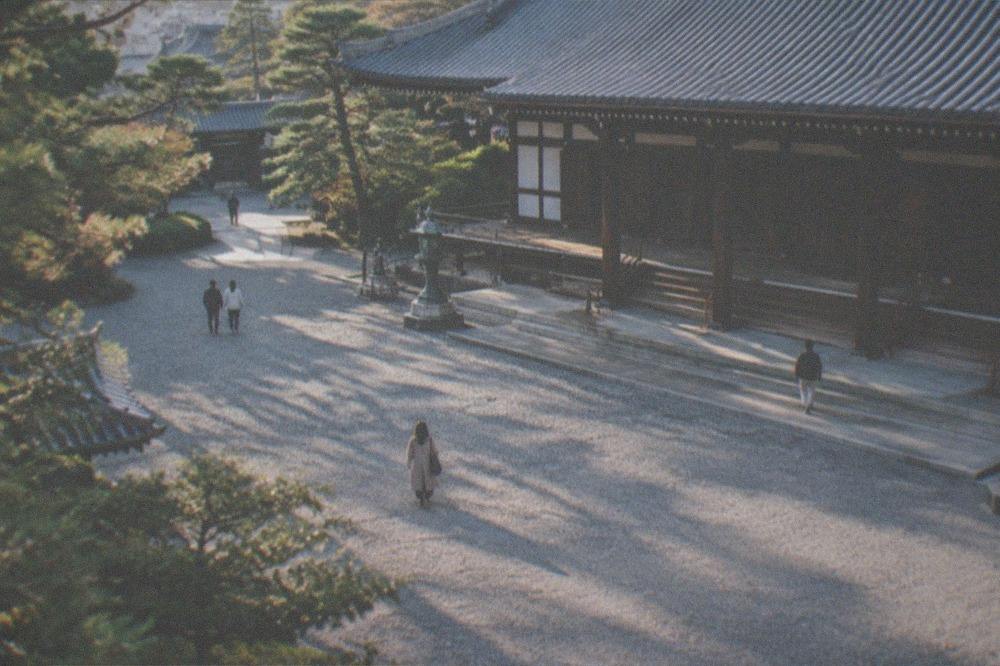
The monastery rewards slowness in a way few Kyoto sites do. Because there is no single attraction pulling everyone the same direction, the crowd disperses along the internal lanes, and the gardens you do enter tend to be quiet. The karesansui style on display at Daisen-in, gravel standing for water and stones for mountains, only reads if you give it minutes, not seconds. Sitting on the veranda edge of a dry garden is the intended experience, and the sub-temples' reception rooms exist for exactly that.
Pair the visit with intent rather than a checklist. If the tea ceremony connection is what draws you, the monastery's history with Sen no Rikyu and his circle means the gardens reference tea aesthetics throughout: restraint, asymmetry, borrowed scenery. If it is gardens you came for, Daisen-in and Ryogen-in offer the densest concentration of dry-landscape design in the north of the city, comparable in ambition to Ryoan-ji further west.
One honest caveat: because sub-temples open and close independently, build slack into the visit. Arriving with a rigid list of four gardens is how visitors end up disappointed when one gate is shut for a memorial service. Arriving with two hours and an open mind almost always works, because something inside the walls will be open, and the lanes themselves, with their tiled walls and gateways, are worth the walk on their own.
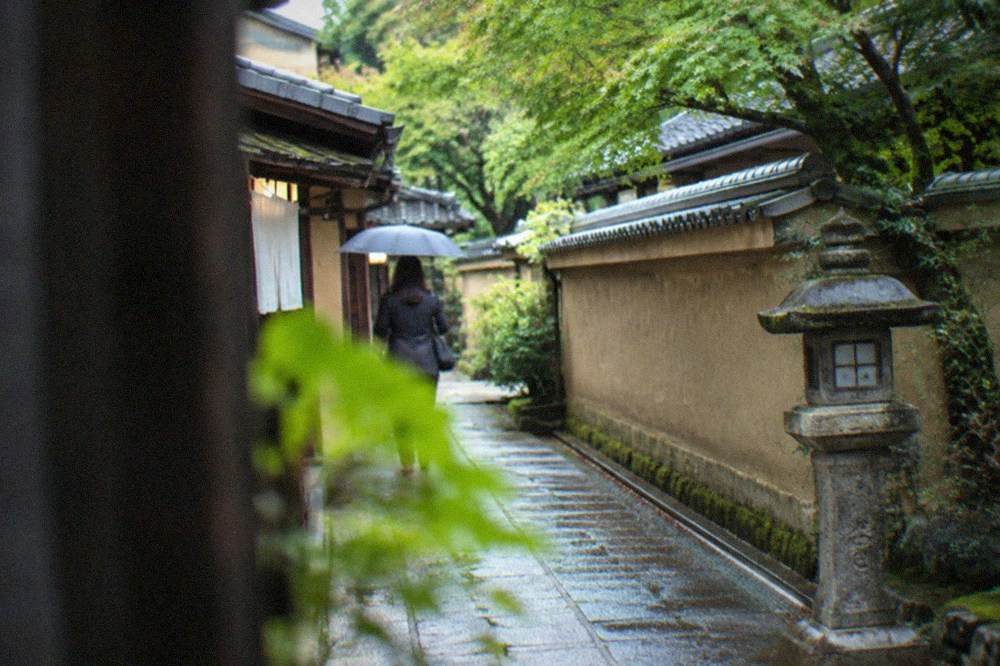
For visitors who want the monastery's mood to extend past the gate, a kimono changes the rhythm of a temple day entirely, and the walk between sub-temples is flat, paved and unhurried enough to suit one. The standard kimono rental starts from $17.35 per person and is rated 4.7 from 3,813 traveller reviews, with hairstyling and accessories bundled into the better packages. It is the one add-on that belongs naturally to Daitoku-ji, a place whose entire aesthetic is about dressing an occasion properly.
How Do You Get To Daitoku-ji Temple?
Daitoku-ji is in northern Kyoto, reached by city bus from Kyoto Station or Karasuma subway line to Kitaoji Station followed by a ten-minute walk, with the flat adult bus fare at 230 yen and subway fares ranging from 220 to 360 yen by zone. The Subway and Bus One-Day Pass at 1,100 yen covers both modes and is usually the cheapest option for a day built around this district.
The bus is the traditional route and drops you close to the main gate, but northern Kyoto's buses carry heavy tourist traffic, and the city's own transport bureau has spent 2025 and 2026 trying to move visitors off the most crowded routes. The subway alternative is the Karasuma line to Kitaoji, then a straightforward walk south. Either way the destination is compact: once inside the monastery's outer gates, everything is on foot.
Here is the verified fare picture for getting around the city on a Daitoku-ji day:
| Ticket | Adult | Child | Notes |
|---|---|---|---|
| City bus, flat fare | 230 yen | 120 yen | Ages 6-11 child rate |
| Subway, zones 1-5 | 220-360 yen | 110-180 yen | Karasuma line to Kitaoji |
| Subway and Bus One-Day Pass | 1,100 yen | 550 yen | Covers both networks all day |
| Subway One-Day Pass | 800 yen | 400 yen | Subway only |
| ICOCA card | 2,000 yen | deposit included | 500 yen refundable deposit inside |
One warning that still catches visitors: the old bus-only one-day pass no longer exists. Sales ended in September 2023 and the pass stopped being usable on 31 March 2024, because the transport bureau found that nine in ten buyers were visitors and that the pass concentrated them on a handful of bus routes. The product now is the combined Subway and Bus One-Day Pass at 1,100 yen. Any page telling you to buy a 700 yen bus pass is years out of date. The full picture is in Kyoto's bus and subway pass options.
The monastery also sits inside a walkable cluster. If you are already in the north for Kinkaku-ji, the Golden Pavilion is a short bus hop or a half-hour walk away, and pairing the two is the classic northern Kyoto morning. Doing them in the other order, Daitoku-ji first, puts the quieter site in the early hours when the lanes are near empty, and the Golden Pavilion's 9:00 opening still leaves you a full afternoon.
What Else Is Near Daitoku-ji Temple In Northern Kyoto?
The monastery anchors a northern Kyoto circuit that pairs naturally with Kinkaku-ji, Ryoan-ji and the Nishijin weaving district, all within a short bus ride or a walk of one another, and a full day in the north typically covers two temples plus Daitoku-ji with lunch between. The district is residential and flat, with fewer restaurants than central Kyoto, so plan lunch near the temples rather than discovering it.
Kinkaku-ji and Ryoan-ji are the obvious companions, and both are covered in depth on their own pages here. The less obvious pairing is Nishijin, the old weaving quarter that surrounds Daitoku-ji, whose machiya lanes and workshops give the walk between bus stop and monastery gate a texture central Kyoto cannot offer. Visitors with more time can push north and east toward the Philosopher's Path and Ginkaku-ji for an eastern afternoon, though that is a different bus corridor.
For visitors who would rather ride than walk the district, a guided e-bike circuit covers the north of the city efficiently:
The Hidden Kyoto E-Biking tour runs from $115 per person, rated 5 from 2,089 reviews over about 3 hours 45 minutes, and the North Kyoto bike tour with lunch is a slightly longer alternative at $105, rated 4.9 from 1,115 reviews. Both suit this district, which is flat enough for casual cyclists and quiet enough that the riding itself is pleasant.
Families and visitors with mobility constraints should note one practical thing: the monastery's internal lanes are level and paved, but individual sub-temples involve veranda steps and gravel, and the seating in garden reception rooms is floor-level. The general accessibility picture across the city, including which temples work best for wheels and strollers, is laid out in Kyoto accessibility planning.
When Is The Best Time To Visit Daitoku-ji Temple?
Late November into early December is the strongest window, when Koto-in's maple approach turns and sub-temples open their gates most generously for foliage viewings, though the JMA's own marker for Kyoto maple red leaves is 5 December as the 1991-2020 normal, later than most guides claim. Spring works too: cherry flowering averaged 26 March and full bloom 4 April across the same normals.
The phenology record behind those dates comes from the Japan Meteorological Agency's Kyoto observatory, whose 1991-2020 normals put cherry flowering at 26 March and full bloom at 4 April, and the maple red-leaf date at 5 December. In 2026 the observatory recorded cherry flowering on 23 March and full bloom on 30 March, both a few days ahead of normal. In 2025, flowering was 27 March and full bloom 5 April. The maple marker is the official specimen-tree date, not the Arashiyama peak, so treat it as a reference point rather than a promise.
| Season | JMA normal (1991-2020) | 2026 observed | What it means for Daitoku-ji |
|---|---|---|---|
| Cherry flowering | 26 March | 23 March | Early-bloom window for the lanes |
| Cherry full bloom | 4 April | 30 March | Peak crowds citywide |
| Ginkgo yellow | 24 November | not yet recorded | Golden walls, cool mornings |
| Maple red leaves | 5 December | 10 December in 2025 | Foliage viewings, more open gates |
Rain matters more here than most visitors expect, and not in the month they expect it. The JMA normals show July, not June, as Kyoto's wettest month, at 223.6 mm against June's 199.7 mm, with August nearly as wet at 153.8 mm. Summer is also hot: August's mean daily maximum is 33.7 C, and three of Kyoto's six hottest days on record fell in the summers of 2024, 2025 and 2026. A garden built for sitting and looking is a different experience at 33 C, which is one reason the autumn and early-spring windows are the ones to aim for. The full climate picture is in Kyoto weather month by month.
What Should You Know Before Visiting Daitoku-ji Temple?
Bring cash, expect small separate fees at each sub-temple gate rather than one ticket, dress for floor-level seating and gravel paths, and check the monastery's own site the day before for which gates are open. Kyoto's accommodation tax also changed on 1 March 2026, with the top tier rising from 1,000 to 10,000 yen per person per night, which belongs in any overnight budget.
The practicalities are simple but specific. Zen sub-temples are active religious institutions: funerals, memorial services and training days close gates without much notice, and the etiquette is the standard temple set, quiet voices, no eating in the lanes, photography only where permitted. Cash matters because small sub-temple admissions are typically collected at a wooden reception desk, not a ticket machine, and the surrounding Nishijin district has fewer convenience stores than central Kyoto.
The accommodation tax change is the budget item most guides still miss. From 1 March 2026, a room rate of 20,000 to under 50,000 yen carries 1,000 yen per person per night, 50,000 to under 100,000 carries 4,000 yen, and 100,000 yen and up carries 10,000 yen, where the old top tier was 1,000. The tax is charged on the room-only rate, excluding meals and consumption tax. The city's own announcement is the source for all of it, and the detail is unpacked in Kyoto's accommodation tax explained.
Crowding is the other thing to plan around. A record 62.79 million visitors came to Kyoto in 2025, the city's tourism survey reports, of which 46.20 million were day visitors, and the city has responded with dispersal campaigns pushing morning and off-peak visits. Daitoku-ji is already one of the beneficiaries of that logic: it sits outside the Golden Route of Kiyomizu-dera, Gion and Fushimi Inari, so even in peak foliage weeks its lanes hold a fraction of the crowd at Kiyomizu-dera. Arriving early still helps, because tour groups reach the north of the city mid-morning.
For visitors building the monastery into a bigger Kyoto plan, the pairing that works best is a northern morning here followed by an eastern or central afternoon. The one-day Kyoto itinerary covers the classic version, and three days in Kyoto makes room for the north at a saner pace. If rain interrupts, the monastery's covered verandas and reception rooms make it one of the better wet-weather temple choices, and Kyoto rainy day plans lists the rest.
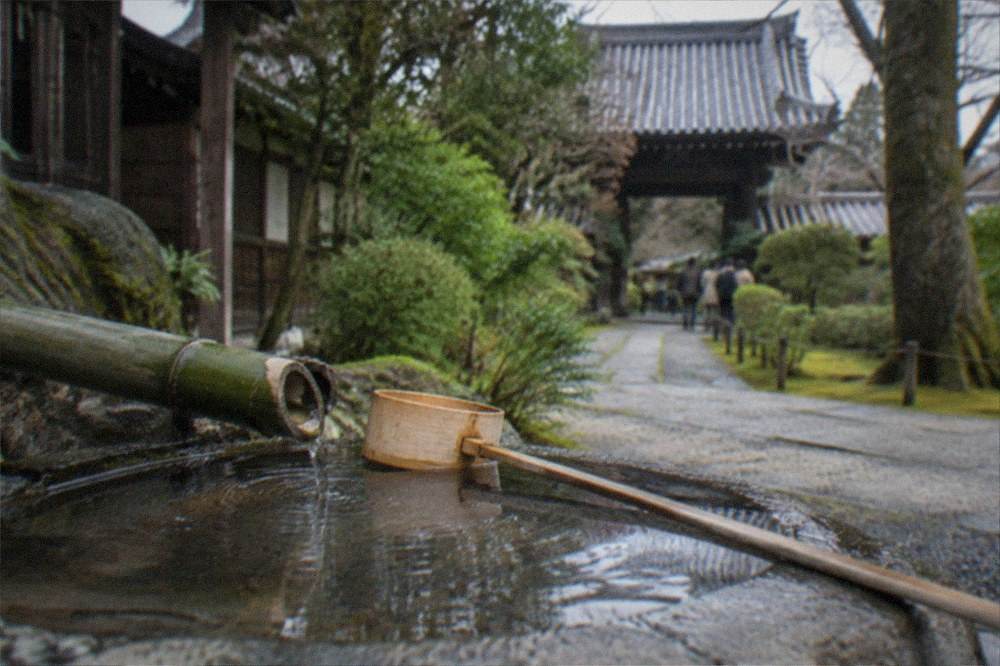
A tea ceremony sits closer to Daitoku-ji's own history than any other add-on in the city. The monastery's gardens were shaped by the tea masters, and a ceremony in a real temple setting closes that loop:
The tea ceremony at Jotokuji Temple runs from $29 per person, rated 4.9 from 3,758 reviews over an hour and ten minutes, and the Maikoya kimono tea ceremony is the fuller-dress alternative. Either way, doing the ceremony after walking the monastery's gardens, rather than before, is the order the aesthetics suggest.
Common Questions About Daitoku-ji Temple
Which Daitoku-ji sub-temples are open: Daisen-in, Koto-in, Ryogen-in, Zuiho-in?
Daisen-in, Koto-in, Ryogen-in and Zuiho-in are the four most reliably open, but each sets its own hours and admission, and openings change with season and temple events. The monastery's own site and the individual sub-temples' notices are the only current schedule; no verified primary-source hours for the sub-temples appear in this site's fact base, so treat any specific time in a general guide as unconfirmed.
Is there one entry fee for all of Daitoku-ji?
No. The lanes inside the monastery walls are free to walk, and each open sub-temple charges its own small admission at its own gate. That is different from single-ticket temples like Kinkaku-ji at 500 yen or Ryoan-ji at 600 yen, and it means your total spend depends on how many gates you enter.
How do I get to Daitoku-ji from Kyoto Station?
By city bus toward the northern Daitoku-ji stops, at a flat 230 yen adult fare, or by the Karasuma subway line to Kitaoji Station and a roughly ten-minute walk. The Subway and Bus One-Day Pass at 1,100 yen covers both. The old bus-only day pass no longer exists; it stopped being usable on 31 March 2024.
When is the best time of year to visit?
Late November into early December, when the maples turn and sub-temples open most generously for foliage viewings. The JMA 1991-2020 normal for Kyoto maple red leaves is 5 December, later than most guides claim, and the 2025 observation was 10 December. Spring, around cherry full bloom in late March and early April, is the other good window.
Can you see Daitoku-ji and Kinkaku-ji on the same day?
Yes, easily. They sit in the same northern district, a short bus hop or half-hour walk apart, and the classic morning pairs Daitoku-ji first while the lanes are quiet with the Golden Pavilion after its 9:00 opening. Add Ryoan-ji for a three-temple northern day.
Is Daitoku-ji crowded?
Relatively little, compared with Kyoto's Golden Route. The city recorded 62.79 million visitors in 2025, and the dispersal pressure is heaviest on Kiyomizu-dera, Gion and Fushimi Inari. Daitoku-ji's independent gates also spread visitors out along the lanes, so even foliage-season days feel manageable if you arrive early.
Daitoku-ji asks more of a visitor than Kyoto's single-ticket temples, and gives more back for it. The gates that are open on any given day are a partial list, the fees are small and separate, and the schedule belongs to the monastery rather than to the tourism calendar. Plan around the monastery's own notices, budget two or three unhurried hours, pair it with the rest of the north, and the walled lanes will do the rest. For everything else in the city, Kyoto Travel Guide covers the temples, gardens and day trips one page at a time.