Is It Better To Stay In Kyoto Or Osaka?
Kyoto puts the temples at your door but costs more after the 2026 tax change; Osaka is cheaper at night and louder. A practical comparison of cost, transport and crowds for choosing your base.
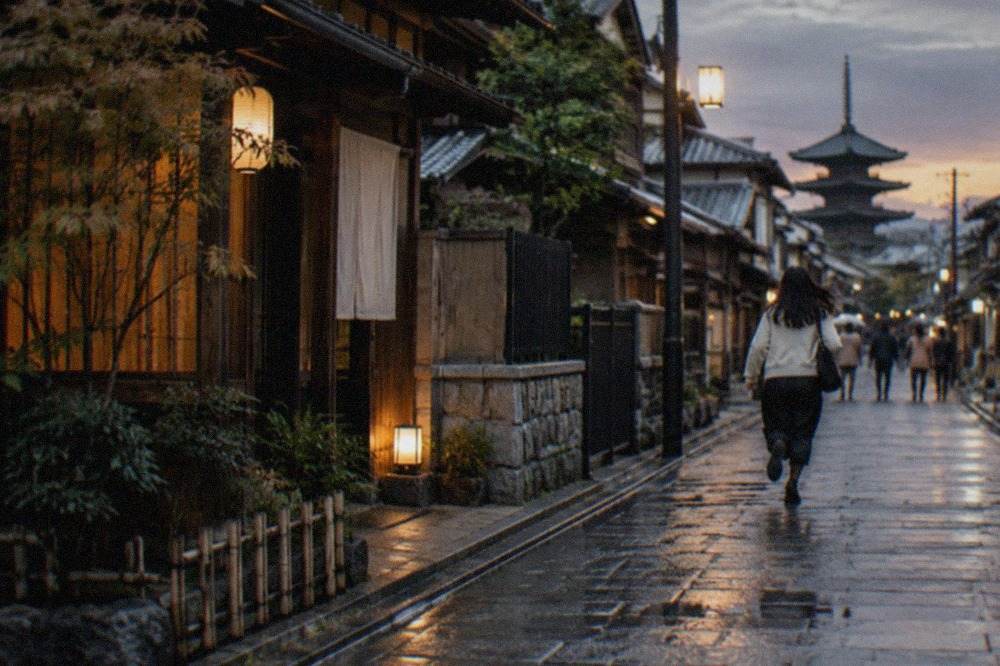
Kyoto drew a record 62.79 million visitors in 2025, the city's own survey release reports, and a large share of them faced the same fork you are facing now: sleep in the old capital or in the bigger, louder one 45 minutes down the line. The question is not which city is better, it is which one is better to sleep in, and the answer turns on three things you can actually price: what your evenings look like, how early your mornings start, and what a night in each city genuinely costs once the accommodation tax is counted.
Which City Is The Better Base For A First Trip To Kyoto And Osaka?
For a first trip built around Kyoto's temples and shrines, stay in Kyoto, because the sites that reward early starts, like Fushimi Inari Taisha and Kiyomizu-dera, are best visited before the mid-morning crowds arrive, and a 45-minute commute from Osaka eats that advantage every single day. If your trip is weighted toward food, nightlife and a lower nightly budget, Osaka is the stronger base, since its bars and restaurants run later and its hotel rates tend to sit below Kyoto's.
The deciding factor is the shape of your mornings. Kiyomizu-dera opens at 6:00, the temple's own FAQ states, and the difference between the grounds at 6:30 and at 10:30 on a spring day is the difference between a quiet walk and a queue. Fushimi Inari Taisha charges no admission and its paths have no closing time, the shrine's site confirms, which makes it the single best dawn visit in Japan, but only if you are already in Kyoto when the alarm goes off. A commuter from Osaka can still do it, at the cost of catching one of the first trains.
The reverse argument is real too. Osaka's Dotonbori and its surrounding districts do not really get going until well after dark, and Kyoto's own nightlife, while far from dead, winds down earlier and costs more per drink. If your ideal day is a slow morning, one temple after lunch and a long night out, Osaka as a base will fit you better, and the Kyoto vs Osaka comparison breaks the two cities' characters down in more detail.
What Does A Night In Each City Actually Cost?
The accommodation tax is the figure that changed and the one most guides still get wrong. Since 1 March 2026, a Kyoto room costing 20,000 to 50,000 yen per night carries 1,000 yen per person in city tax, double the old 500, and a room of 100,000 yen or more carries 10,000 yen, ten times the old top rate. Osaka's hotel tax tops out far lower, so on mid-range and upscale rooms the nightly gap widens beyond the headline room rate.
The tax applies per person, per night, to the room-only charge excluding meals and consumption tax, the city's ordinance page states, and the city expects about 12.6 billion yen a year from the new tiers. Here is the full ladder, printed as the city prints it:
| Room rate per night | Kyoto tax before 1 Mar 2026 | Kyoto tax from 1 Mar 2026 |
|---|---|---|
| Under 6,000 yen | 200 yen | 200 yen |
| 6,000 to under 20,000 yen | 400 yen | 400 yen |
| 20,000 to under 50,000 yen | 500 yen | 1,000 yen |
| 50,000 to under 100,000 yen | 1,000 yen | 4,000 yen |
| 100,000 yen and above | 1,000 yen | 10,000 yen |
Read that middle row twice. A couple sharing a 30,000 yen room in Kyoto now pays 2,000 yen a night in tax where they recently paid 1,000, and that is before the room rate itself, which in Kyoto runs high in the sakura and foliage seasons. The practical consequence is simple: the cheaper your room, the less the tax matters, and a budget traveller in a 12,000 yen guesthouse room sees no change at all.
Room rates themselves are not something this site prints as a city-wide average, because no official source publishes one. What can be said from the verified record is directional: Kyoto's 16.59 million overnight guests in 2025 set a record, per the city's survey, and demand of that order in a city with a fixed stock of machiya and ryokan keeps pressure on rates in peak weeks. If you want the traditional side of a Kyoto stay regardless, the where to stay in Kyoto guide maps the districts, and the ryokan in Tokyo or Kyoto answer covers whether the splurge belongs in this city at all.
If you are leaning toward basing yourself in one city and day-tripping hard, a structured tour day can carry a lot of the logistics:
How Easy Is The Journey Between Kyoto And Osaka?
The two cities are about 30 minutes apart by shinkansen and roughly 30 to 45 minutes by JR special rapid train, so the commute itself is never the deal-breaker; the deal-breaker is doing it twice a day at rush hour with a day pack. From Kyoto Station, the JR special rapid reaches Osaka for a few hundred yen, and the same line serves Osaka's Tennoji and Osaka stations, meaning a day trip in either direction costs less than a single Kyoto bus day of fares.
Neither city has an airport of its own, which matters for whichever base you pick. Arrivals come through Kansai International or Itami. From Kansai International, the JR West HARUKA One-way Ticket for foreign visitors costs 2,200 yen to Kyoto, 1,100 for a child, and the run takes about 80 minutes. From Itami, the Hankyu Kanko limousine bus to Kyoto Station is 1,500 yen adult and 750 child, about 50 to 55 minutes from the Hachijo exit, with contactless card payment accepted since 1 March 2026.
Inside Kyoto, the fare structure rewards a local base. The City Bus flat fare is 230 yen adult and 120 child, the subway runs 220 to 360 yen by zone, and the Subway and Bus One-Day Pass is 1,100 yen, 550 for a child. The bus-only one-day pass no longer exists: sales ended in September 2023 and the last day of use was 31 March 2024, so any guide still recommending it is years out of date. The EX100 and EX101 tourist express buses, 500 yen adult in cash, link Kyoto Station directly to the Kiyomizu side, Gion and Ginkaku-ji with fewer stops.
| Journey | Fare | Notes |
|---|---|---|
| HARUKA, Kansai Airport to Kyoto | 2,200 yen adult, 1,100 child | JR West visitor one-way ticket, about 80 minutes |
| Itami limousine bus to Kyoto Station | 1,500 yen adult, 750 child | About 50 to 55 minutes, contactless accepted |
| Kyoto City Bus, flat | 230 yen adult, 120 child | Child band 6 to 11 |
| Kyoto subway | 220 to 360 yen by zone | Child fares half |
| Subway and Bus One-Day Pass | 1,100 yen adult, 550 child | Bus-only pass abolished March 2024 |
The practical reading: commuting between the two cities is cheap and frequent, but it is dead time, and it lands you in the middle of each city's own rush hour. Staying in Kyoto removes the morning commute on temple days, which are the days that matter most in a first itinerary. The Osaka to Kyoto guide has the full route detail if Osaka is already locked in as your base.
Which City Handles Crowds And Late Nights Better?
Osaka handles late nights far better and Kyoto handles early mornings far better, and the crowd data explains why. Kyoto recorded 62.79 million visitors in 2025 against 56.06 million in 2024, with day visitors jumping from 39.76 million to 46.20 million, so the daytime pressure on Kyoto's small historic streets is at a record high, while Osaka's core districts absorb evening crowds in a space built for exactly that.
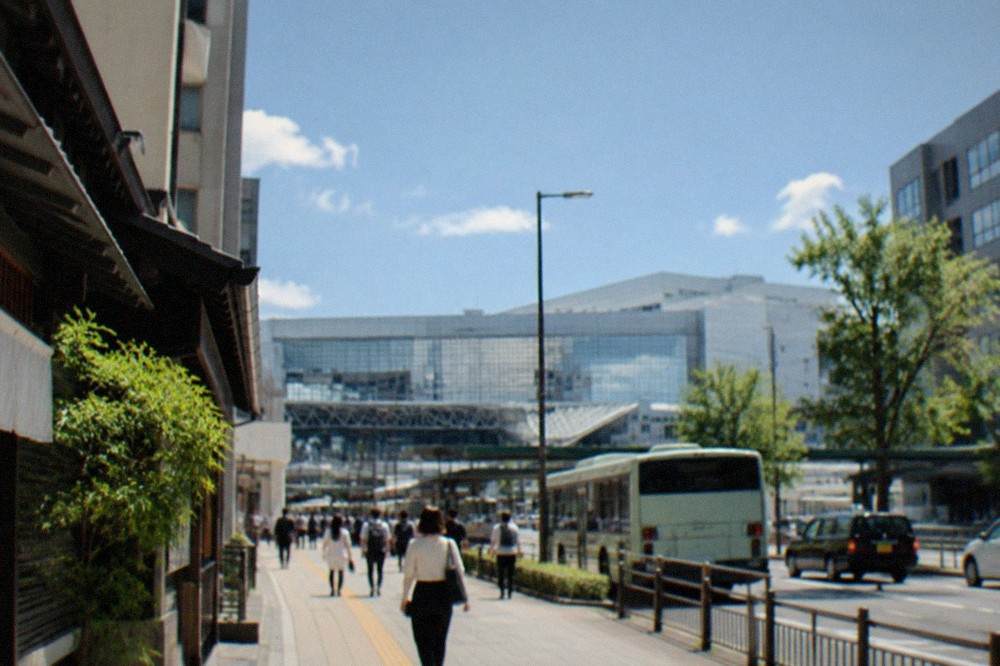
The city's own countermeasures tell the story: tourist express buses, hands-free luggage delivery and morning-and-evening dispersal campaigns, all documented on the city's tourism pages, exist because the daytime concentration in Gion, Higashiyama and Fushimi has become the city's biggest management problem. Staying overnight in Kyoto is itself part of the solution the city is pushing, because overnight visitors move earlier and later than day-trippers. The best time to visit Kyoto guide covers how to dodge the worst of the peak weeks.
The Gion conduct rules are worth knowing whichever side you sleep on: the city's tourism association asks visitors not to touch, chase or photograph geiko and maiko without permission and not to enter private property, and signs on the private alleys off Hanamikoji threaten a 10,000 yen penalty for unauthorised photography or entry. Those alleys are quiet at night precisely because they are residential, which is one reason Kyoto's evenings feel subdued compared with Osaka's.
Evenings in Osaka are the city's whole pitch. The restaurant and bar districts around Dotonbori run deep into the night, and the cost of eating out is generally kinder than in Kyoto's more formal dining rooms. Kyoto's own famous kaiseki houses sit at the other extreme: Hyotei, by Nanzen-ji, prints kaiseki from 31,625 yen at lunch and 37,950 at dinner on its own site, while the same house's annex serves porridge and bento from 5,445 to 7,260 yen, a spread that captures the whole Kyoto dining question in one menu. Neither city is a bad place to eat; one of them simply keeps the lights on later, though Kyoto's own evening scene, from Pontocho's lantern-lit lanes to the Kamo river banks, goes further than its early-closing reputation suggests.
Is It Better To Stay In Kyoto Or Osaka?
Stay in Kyoto if temples, shrines and early starts are the point of the trip, if you can absorb the higher nightly cost after the 1 March 2026 tax change, and if you want to walk the historic districts before the day-trippers arrive. Stay in Osaka if your budget is tighter, your evenings matter more than your mornings, or your itinerary already leans toward food, shopping and day trips beyond Kyoto, since Osaka's rail hub reaches Nara, Kobe and Himeji as easily as it reaches Kyoto.
The split decision also works: many travellers book three or four nights in Kyoto and two in Osaka, which gives you dawn at Fushimi Inari and a final night under the Dotonbori signs without a single punishing commute. The Kyoto Osaka itinerary is built for exactly that split, and the day trips from Kyoto guide covers what you can reach if the old capital ends up as your single base.
For the long-range day that neither city makes easy on your own, the Hiroshima and Miyajima bus tour runs from either Kyoto or Osaka, which is the whole point of it here: whichever base you choose, the one excursion that would otherwise eat five hours of rail time can be bought as a seat on a bus.
Common Questions About Staying In Kyoto Or Osaka
Is It Better To Stay In Kyoto Or Osaka?
Stay in Kyoto when the trip is built around temples, shrines and early starts, and stay in Osaka when budget, food and late nights matter more. The two cities are about 30 to 45 minutes apart by rail, so neither choice locks you out of the other; it only changes where your mornings begin.
Is Osaka cheaper than Kyoto for hotels?
Generally yes on the room rate in comparable districts, and definitively yes on city tax at the upper tiers. Kyoto's accommodation tax rose on 1 March 2026, with rooms from 20,000 to under 50,000 yen now carrying 1,000 yen per person per night and rooms of 100,000 yen or more carrying 10,000 yen, while the two lowest tiers were unchanged.
Can you day trip between Kyoto and Osaka every day?
You can, the rail link is fast and cheap, but doing it daily costs you the early-morning window at Kyoto's sites, which is their best hour. Kiyomizu-dera opens at 6:00 and Fushimi Inari's paths have no closing time, and both are far quieter before mid-morning.
Which city is closer to Kansai Airport?
Both are served directly. The JR West HARUKA visitor one-way ticket costs 2,200 yen to Kyoto in about 80 minutes, and the same train serves Osaka. Itami airport connects to Kyoto Station by a 1,500 yen limousine bus taking about 50 to 55 minutes.
Where should a first-time visitor to Japan stay?
First-time visitors whose priority is Kyoto's World Heritage sites should sleep in Kyoto, because the city rewards early starts and its evening calm suits a first trip's pace. Visitors who want energy, street food and later nights after the sightseeing day ends will get more from Osaka as a base.
Whichever city wins your booking, the decision is reversible in a way most travel choices are not: 45 minutes of rail separates the two, the fare is less than a Kyoto airport bus, and the strongest version of the trip often uses both. Kyoto Travel Guide covers both cities district by district, from Kyoto's temple quarters to Osaka's food streets. Choose Kyoto for the mornings, Osaka for the nights, and let the timetable absorb the rest.