Osaka To Kyoto By Train
Three railway companies run the Osaka to Kyoto corridor, and the fastest of them is not always the one tourists find first. Here is how the JR Special Rapid, Hankyu and Keihan lines actually compare, what tickets and IC cards cost, and how to finish the journey into the city itself.
Short answer
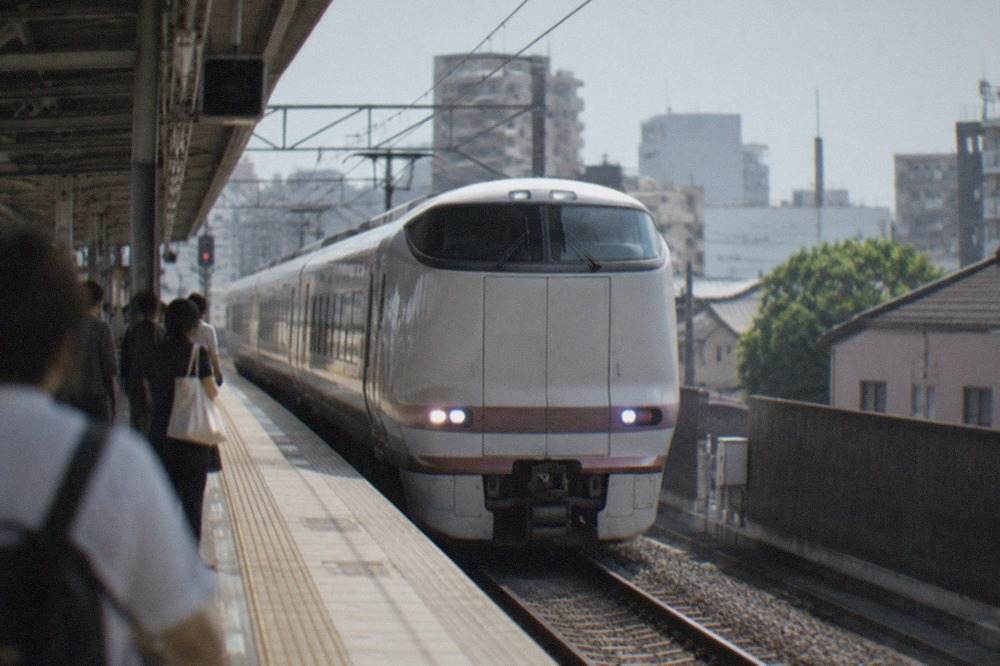
The JR Special Rapid Service on the JR Kyoto Line is the fastest of the three, running nonstop between Osaka Station and Kyoto Station. Hankyu's Kyoto Line and Keihan's main line both serve more stops and different parts of Kyoto, which makes them slower but sometimes more convenient depending on where in the city you are staying.
Two cities, roughly 50 kilometres apart, connected by three separate railway companies that never share a track. That is the Osaka to Kyoto corridor, and it is one of the busiest rail runs in Japan. The city's own 2025 tourism survey counted 62.79 million visitors to Kyoto across the year, a record, and a large share of them arrived through exactly these trains. Choosing the right line saves time, and choosing the wrong station can add a long walk or a transfer to the end of your day.
This guide compares the three lines honestly, then covers the practical layer most guides skip: how you pay, whether any regional pass makes sense, what to do if you are starting at Kansai Airport or Itami instead of central Osaka, and how to get around Kyoto once the train drops you off. For the wider question of which city deserves your hotel nights, see our Kyoto vs Osaka comparison, and for the reverse direction our Tokyo to Kyoto guide covers the shinkansen.
Which Line From Osaka To Kyoto Is Fastest: JR Special Rapid, Hankyu Or Keihan?
The JR Special Rapid Service on the JR Kyoto Line is the fastest of the three, running directly between Osaka Station and Kyoto Station with the fewest stops of any train on the corridor. Hankyu's Kyoto Line and Keihan's main line both call at more intermediate stations, so they take longer end to end, but each deposits you in a different part of Kyoto, which can make one of them the smarter choice depending on where you are actually going.
The JR Special Rapid wins on pure speed and on destination. It arrives at Kyoto Station itself, which is the city's main rail hub, the terminus of the shinkansen from Tokyo, and the point where the city buses, both subway lines and the JR lines to Nara and Arashiyama all meet. If your hotel is near the station, or your first stop is anywhere on the bus network, JR is the default answer.
Hankyu's Kyoto Line runs from Umeda in central Osaka to the Kawaramachi and Karasuma area of Kyoto. That is downtown Kyoto, the Kawaramachi and Pontocho entertainment district, walking distance to Nishiki Market. If you are staying downtown rather than near the station, the slower Hankyu train can still finish the door-to-door journey faster, because it removes a subway or bus transfer at the Kyoto end. The operator's own timetable gives current journey times, and they run frequently through the day.
Keihan's main line runs along the east side of the river valley, from Yodoyabashi in Osaka to Sanjo and Kiyomizu-Gojo in Kyoto. This is the line for Gion, Higashiyama and the southern approach to Kiyomizu-dera. Keihan's Kyoto termini sit on the opposite side of the city from Kyoto Station, so for the classic east-side sightseeing belt it is often the most convenient of the three, even though the train itself stops more often than the JR Special Rapid.
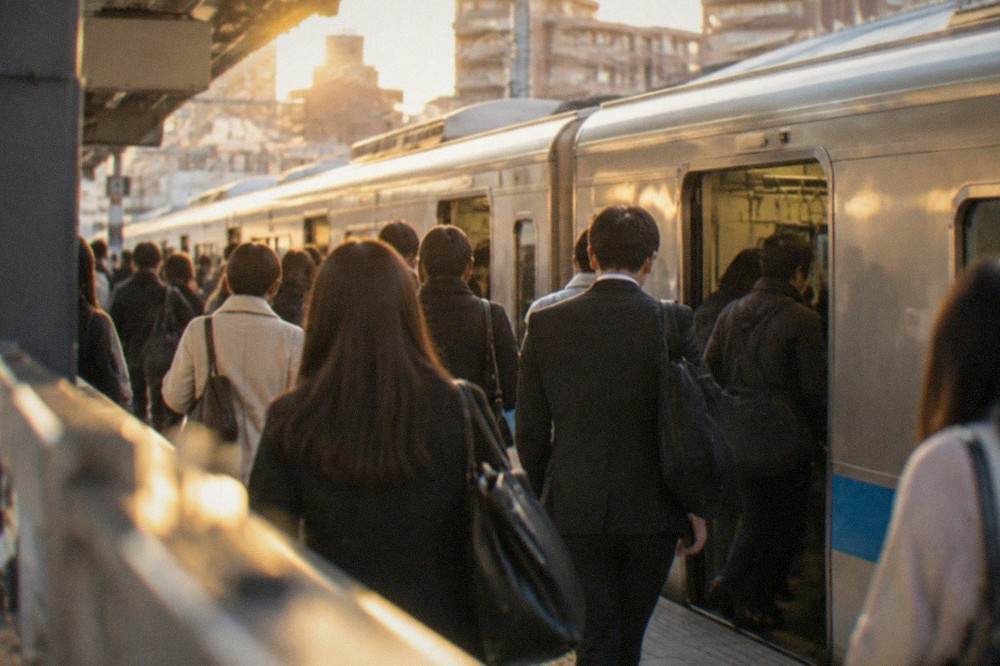
The honest summary: take JR for speed and the station, Hankyu for downtown, Keihan for Gion and Higashiyama. All three accept IC cards, none requires an advance reservation for local or rapid services, and all three run late into the evening. The comparison below is the one to make before you buy anything.
| Line | Osaka terminus | Kyoto side | Best for |
|---|---|---|---|
| JR Kyoto Line Special Rapid | Osaka Station | Kyoto Station | Fastest run, shinkansen and bus connections |
| Hankyu Kyoto Line | Umeda (Hankyu) | Kyoto-Kawaramachi, Karasuma | Downtown Kyoto, Nishiki, Pontocho |
| Keihan Main Line | Yodoyabashi | Sanjo, Kiyomizu-Gojo | Gion, Higashiyama, Kiyomizu-dera |
Which Osaka Station Should You Leave From?
Leave from the station closest to where you are staying in Osaka, not from the one the fastest train uses. Osaka Station and Hankyu Umeda sit a few minutes' walk apart in the same northern downtown district, while Keihan's Yodoyabashi is a separate stop further south, so the real choice is between the Umeda cluster and Yodoyabashi, and it should be made by hotel location rather than by train speed alone.
Umeda is the largest transport complex in western Japan. JR Osaka, Hankyu Umeda and the three Osaka Metro lines serving the area all converge there, which means that if you are staying anywhere in Kita, the northern downtown, both the JR Special Rapid and the Hankyu Kyoto Line are realistically on the table. Walk to whichever platform has the next departure.
Yodoyabashi, Keihan's Osaka terminus, serves the eastern edge of the Nakanoshima business district. It is a smaller, calmer station, and if your hotel is in that area the Keihan line's direct run to Sanjo beats backtracking to Umeda for a faster train. The door-to-door arithmetic matters more than the timetable arithmetic on a corridor this short.
One practical note for travellers with luggage: Kyoto's city buses can refuse large or bulky bags on crowded runs, a policy the city promotes as part of its hands-free tourism campaign, and the subway is the recommended alternative. That argues for arriving at Kyoto Station or a subway-connected stop rather than planning a bus transfer with suitcases. Our Kyoto luggage storage guide covers the station counters and delivery services that solve this properly.
How Do You Pay For The Osaka To Kyoto Train?
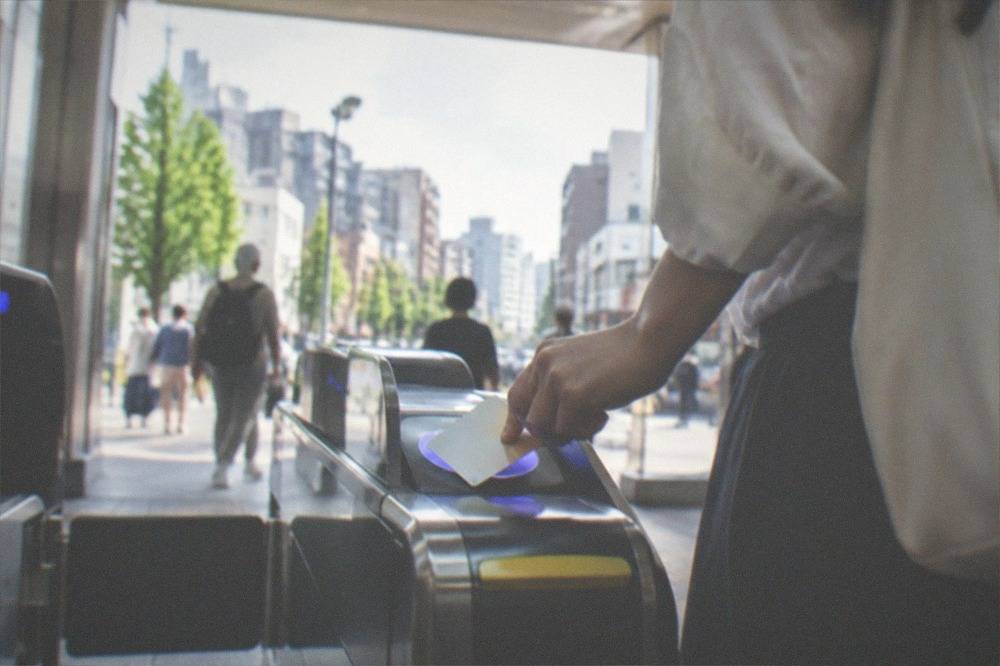
All three lines accept ICOCA and the other Japanese IC cards, and for most visitors tapping a card at the gates is the whole transaction. An ICOCA card costs 2,000 yen including a 500 yen refundable deposit, and it works on JR, Hankyu, Keihan, the Kyoto city buses and both Kyoto subway lines, which makes it the single most useful purchase of an Osaka-Kyoto trip.
Buy ICOCA at the ticket machines in any major station. The 500 yen deposit comes back when you return the card at a JR West office, and the remaining stored fare is refunded minus a small handling charge. There is no suspension on standard ICOCA sales, so you do not need a workaround. Our full ICOCA card guide covers children's cards, refunds and the mobile versions.
Paper tickets are still sold for every line, priced by distance, but for a foreign visitor the IC card removes the fare-table puzzle entirely. The one situation where a paper product beats the card is a regional pass, covered in the next section, and the airport expresses, covered after that.
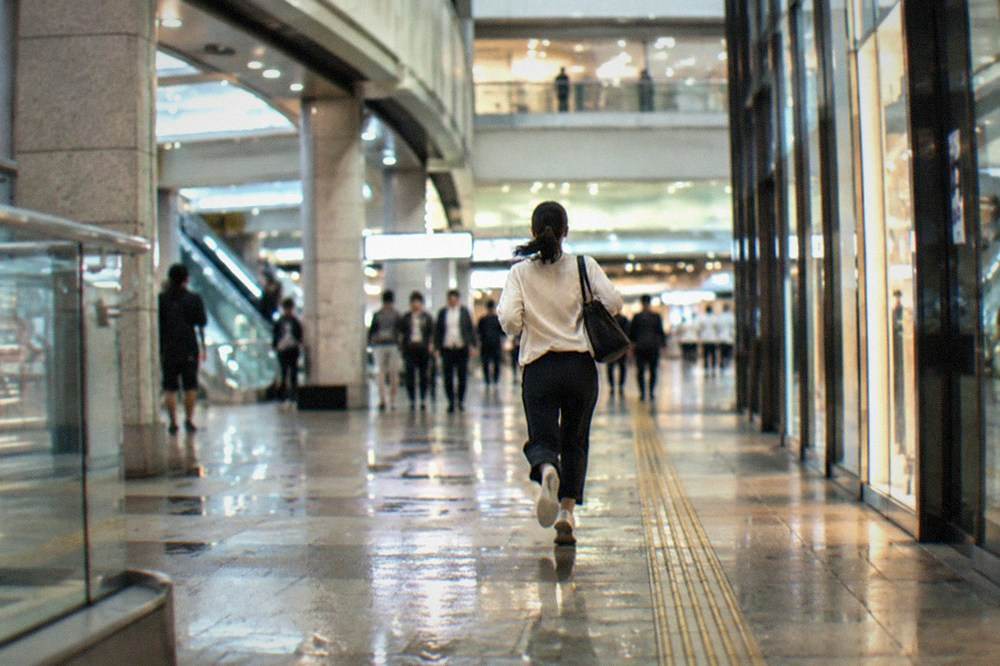
Inside Kyoto itself the card keeps working. The city's own fare pages set the City Bus flat fare at 230 yen for adults and 120 yen for children, and the subway at 220 to 360 yen for adults by zone. The Subway and Bus One-Day Pass, at 1,100 yen for adults and 550 for children, is the product that replaced the old bus-only pass, which ended sales in September 2023 and stopped being usable on 31 March 2024. Any guide still recommending a 700 yen bus pass is years out of date.
| Kyoto city fare | Adult | Child (6-11) |
|---|---|---|
| City Bus, flat | 230 yen | 120 yen |
| Subway, zones 1-5 | 220 / 260 / 290 / 330 / 360 yen | 110 / 130 / 150 / 170 / 180 yen |
| Subway and Bus One-Day Pass | 1,100 yen | 550 yen |
| Subway One-Day Pass | 800 yen | 400 yen |
| EX100 / EX101 tourist express bus | 500 yen | 250 yen |
The EX100 and EX101 tourist express buses deserve a mention here because they solve the arrival problem. The city's transport bureau runs them from Kyoto Station past the Kiyomizu side and Gion up to Ginkaku-ji, with fewer stops than the regular buses, and they accept IC cards as well as cash. On busy days they are the fastest way from the station to the east-side sights.
If reading timetables in two scripts is not how you want to spend a morning, the Perfect Kyoto 1-Day Bus Tour is the alternative: a guided loop that covers Fushimi Inari, Kinkaku-ji and the Arashiyama bamboo grove in one day, from 102 US dollars per person, rated 4.9 from 17,054 reviews. It pairs naturally with an Osaka base, since the day starts and ends at Kyoto Station.
Is A Regional Rail Pass Worth It For Osaka To Kyoto?
For the Osaka-Kyoto run alone, no pass pays off: the corridor is short and the fares are low, so single tickets or IC card taps win. A pass only starts to make sense when you add day trips beyond the two cities, and the JR West Kansai Area Pass, at 2,800 yen for one day, is the one priced low enough to break even on an ambitious itinerary.
The arithmetic is simple. The Kansai Area Pass covers JR lines across the region for a day at 2,800 yen, which is competitive if you are stacking Kyoto with a run out to Himeji or a Kansai Airport departure on the same ticket. The larger Kansai Wide Area Pass, at 12,000 yen for five days, includes shinkansen segments within the region and suits a multi-city Kansai circuit rather than a two-city trip. JR West's own pass pages carry the current terms and the coverage maps.
What no pass will do is cover Hankyu or Keihan. The two private railways are separate companies, so if your Kyoto hotel is downtown and you plan to ride Hankyu every day, a JR pass is irrelevant to that leg. Our JR Pass guide for Kyoto covers the national pass question, which for most Osaka-Kyoto itineraries is also a no.
One warning about timing claims you may read elsewhere: regional pass products change, and reports of sales endings or withdrawals circulate constantly. Treat the operator's own pages as the only source for what is currently on sale, and do not buy anything against a deadline a forum told you about.
What If You Are Starting At Kansai Airport Or Itami Instead?
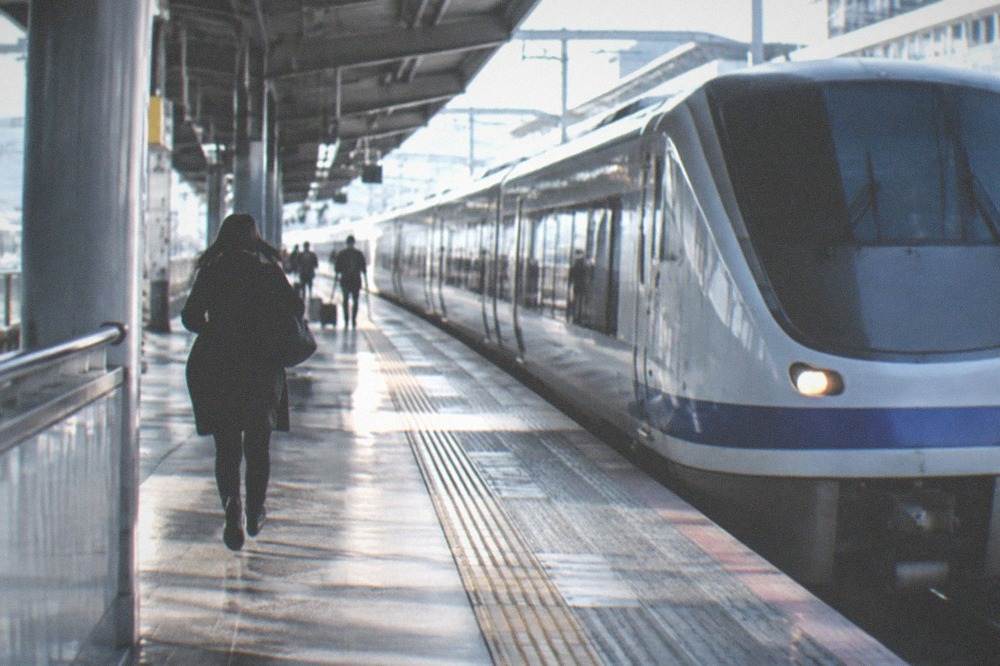
From Kansai International Airport the JR West HARUKA One-way Ticket for foreign visitors costs 2,200 yen to Kyoto, 1,100 yen for a child, and is the default rail link, taking about 80 minutes. From Itami, the Hankyu Kanko limousine bus to Kyoto Station costs 1,500 yen for adults and 750 for children, about 50 to 55 minutes from the Hachijo exit, with contactless card payment accepted since 1 March 2026.
The HARUKA is the airport train most visitors should take. The JR West page prices the visitor one-way ticket by its product name, and that 2,200 yen figure is the one to plan on; the regular fare structure is higher and the visitor ticket is the better buy. Our full HARUKA express guide covers seat reservations and the child rates, and the wider Kansai Airport to Kyoto guide compares the bus alternatives.
Itami, which handles most of Japan's domestic flights, is actually closer to Kyoto than to parts of Osaka. The limousine bus is the standard link, and the operator's own timetable sets the 1,500 yen fare and the 50 to 55 minute run. If your itinerary is fly into Itami, sleep in Kyoto, the bus beats routing through Osaka entirely.
A private transfer is the third option, useful for groups, late arrivals or travellers with a lot of luggage who do not want to negotiate station escalators. The KIX private transfer to Osaka or Kyoto starts from 24 US dollars per person and covers the door-to-door leg the trains cannot.
How Do You Get Around Kyoto Once The Train Arrives?
Kyoto Station is the interchange for both subway lines, the JR lines to Nara and Arashiyama, and the city bus network, so almost every first move in the city is made from there. A flat 230 yen bus fare, a subway priced 220 to 360 yen by zone, and the 1,100 yen Subway and Bus One-Day Pass are the three numbers that govern a day of sightseeing.
The bus network reaches the temples the subway cannot, but it is also where the crowding is worst. The city's 2025 survey recorded 62.79 million visitors across the year, and the overtourism measures the city has since introduced, tourist express buses, extra frequency on key routes and park-and-ride, all exist because the regular buses were the bottleneck. The practical translation: ride the subway where it goes, and take the bus only for the legs it uniquely serves, such as the climb to Kinkaku-ji.
For the classic first-timer circuit, the one day in Kyoto itinerary starts and ends at the station, and a three-day stay adds Arashiyama and the north. If you are splitting your nights between the two cities, the Kyoto Osaka itinerary sequences them without backtracking.
Should You Stay In Osaka Or Kyoto On Your Trip?
Staying in Kyoto puts you inside the sightseeing and saves the daily return fare, while staying in Osaka usually means cheaper hotel rooms and a bigger evening city, so the honest answer depends on whether your days are temple days or restaurant-and-bar days. The accommodation tax difference between the two cities also matters more than most guides admit.
Kyoto charges an accommodation tax per person per night, and the city revised its tiers on 1 March 2026. A room rate of 20,000 to under 50,000 yen now carries 1,000 yen per person per night, up from 500, while the top tier, rooms of 100,000 yen and up, carries 10,000 yen, up from 1,000. On a mid-range stay the tax is small money, but on a splurge ryokan it is no longer trivial. Our Kyoto accommodation tax guide prints the full tier table.
| Room rate per person per night | Tax before 1 March 2026 | Tax from 1 March 2026 |
|---|---|---|
| Under 6,000 yen | 200 yen | 200 yen |
| 6,000 to under 20,000 yen | 400 yen | 400 yen |
| 20,000 to under 50,000 yen | 500 yen | 1,000 yen |
| 50,000 to under 100,000 yen | 1,000 yen | 4,000 yen |
| 100,000 yen and up | 1,000 yen | 10,000 yen |
The deeper question is answered in our is it better to stay in Kyoto or Osaka piece, but the short version: if Kyoto is the purpose of the trip, sleep in Kyoto. The morning hours at Fushimi Inari and Kiyomizu-dera are the best hours, and a Kyoto base lets you reach them before the day-trip crowds arrive on the very trains this guide describes. If Osaka's food scene and nightlife are half the draw, split the nights, and let the corridor do its work in both directions.
What About Day Trips From Either City?
Both cities work as bases for the wider Kansai region, and the train you have just read about is the trunk line those day trips branch from. Nara, Kobe, Lake Biwa, Himeji and the northern coast around Amanohashidate are all reachable as day trips from Osaka or Kyoto, with the journey times measured in under an hour for the closest and around two hours for the farthest.
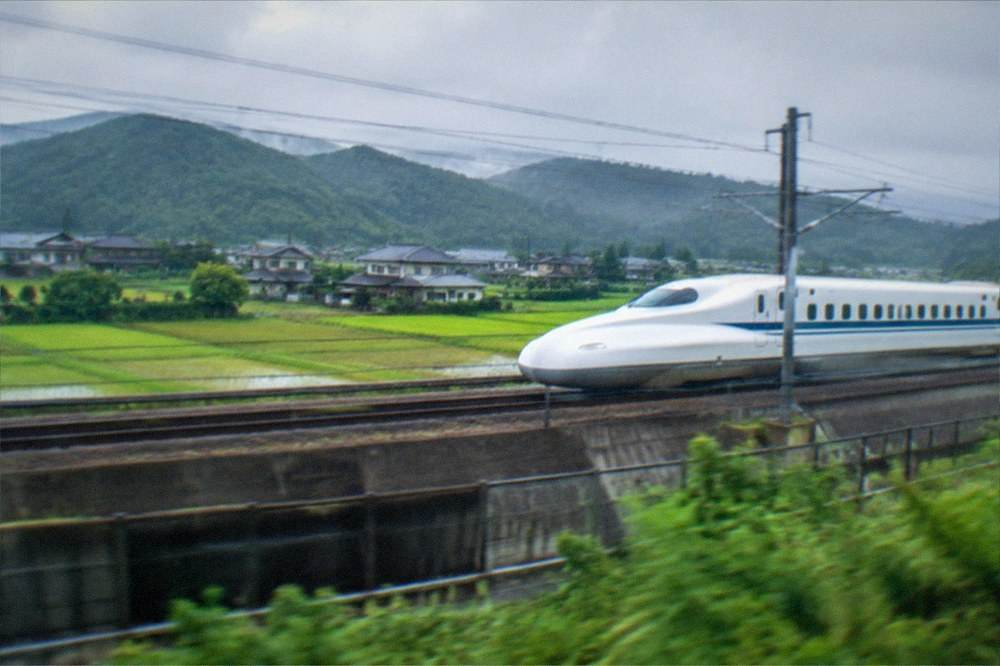
Nara is the classic, and the JR Miyakoji Rapid covers Kyoto to Nara in about 45 minutes for 720 yen one way, with the Kintetsu line a slightly pricier but faster limited-express alternative at 1,280 yen including the surcharge. Our Nara day trip guide covers what to do when you get there, and the question of which city Nara pairs better with is answered in is Nara closer to Kyoto or Osaka. Kobe, Lake Biwa and the rest of the region round out the standard list.
The northern coast is the day trip that rewards a tour most. Amanohashidate, the sandbar ranked among Japan's three famous views, the boathouses of Ine and the thatched village of Miyama sit at the end of slow, scenic lines where connections are thin and a wrong transfer costs an afternoon. The Amanohashidate, Ine and Miyama day tour from Kyoto or Osaka handles all three in one day for from 52 US dollars per person, rated 4.9 from 597 reviews, which is the difference between a logistics puzzle and a day out.
The same logic applies to any day trip at the end of thin rural lines: the train gets you there, but the connections are where a day quietly disappears. A guided run buys back the hours, and on the northern coast those hours are the difference between one famous view and three.
Common Questions About Osaka To Kyoto Travel
Which Line From Osaka To Kyoto Is Fastest: JR Special Rapid, Hankyu Or Keihan?
The JR Special Rapid Service on the JR Kyoto Line is the fastest, running between Osaka Station and Kyoto Station with the fewest stops. Hankyu and Keihan trains call at more stations and take longer, but they serve downtown Kyoto and the Gion side respectively, which can make them the better choice by door-to-door time.
Do I Need To Book Osaka To Kyoto Train Tickets In Advance?
No. All three lines are turn-up-and-go commuter railways with frequent departures, and no seat reservation is needed for local or rapid services. An IC card such as ICOCA, 2,000 yen including a 500 yen deposit, covers every line on the corridor.
Is The JR Pass Worth It Just For Osaka And Kyoto?
No. The corridor is short and cheap, so single fares or IC taps win. A regional product such as the JR West Kansai Area Pass at 2,800 yen for one day can pay off if you stack the two cities with a farther day trip, but for Osaka-Kyoto alone a pass is unnecessary.
Which Kyoto Station Do Hankyu And Keihan Use?
Hankyu's Kyoto Line terminates at Kyoto-Kawaramachi and Karasuma, the downtown core near Nishiki Market and Pontocho. Keihan's main line serves Sanjo and Kiyomizu-Gojo on the east side of the Kamo River, closest to Gion and Higashiyama. Neither uses the main Kyoto Station.
Can I Use One Card On All Three Lines?
Yes. ICOCA and the other Japanese IC cards are accepted on JR, Hankyu and Keihan, as well as Kyoto's city buses and subways. The 500 yen deposit is refunded when you return the card at a JR West office.
Is Osaka To Kyoto A Good Commute For A Day Trip?
Yes, and it is how millions of people do it. The run is short enough that a Kyoto day trip from an Osaka hotel is entirely practical, and the reverse works too. The one rule is to travel early: Kyoto's own 2025 survey counted 62.79 million visitors, and the famous sights fill from mid-morning.
The corridor is the easy part of any Kansai trip. Pick the line that lands nearest your first sight, tap an IC card, and put the planning energy into what you do when the doors open: the things to do in Kyoto page is the full menu, and the Kyoto Travel Guide homepage is where everything else on this site hangs from. Trains run late, the last buses fill early, and the best hours at every famous temple belong to whoever set the alarm.