Kyoto Vs Osaka: Which City Should You Spend More Time In?
Kyoto and Osaka sit about half an hour apart by train, and most first-time visitors to Kansai try to do both. The honest comparison comes down to what each city is actually for: Kyoto holds the temples, gardens and imperial history, Osaka holds the food streets, the nightlife and the bigger, cheaper hotel base.
Short answer
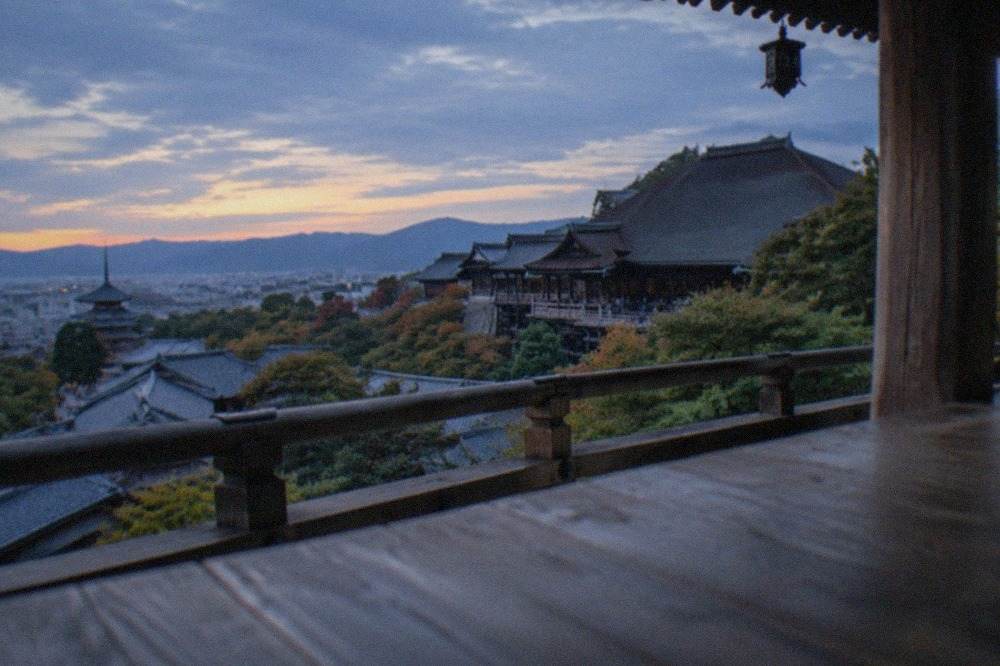
Kyoto has far more of what most travellers come to Kansai to see, including 17 UNESCO World Heritage sites, temples charging 500 to 1,000 yen each, and a record 62.79 million visitors in 2025. Osaka has the stronger food-street culture and cheaper beds. Give Kyoto the larger share of your days and visit Osaka as an evening and a full day.
Kyoto drew a record 62.79 million visitors in 2025, the city's own tourism survey reported in June 2026, and the overwhelming reason is density: temples, shrines, imperial villas and gardens packed into a basin you can cross by bicycle in an afternoon. Osaka's appeal is different and just as real, built on food streets like Dotonbori and Shinsekai, on nightlife, and on hotel prices that undercut Kyoto's high-season rates. This comparison lays out what each city does better, with the verified fees, fares and survey figures, so you can divide your days honestly instead of by folklore.
Which Has More To See: Kyoto Temples Or Osaka Food Streets?
On sheer sightseeing inventory, Kyoto wins comfortably, and it is not close. Kyoto holds 17 UNESCO World Heritage sites, dozens of temples charging between 500 and 1,000 yen each, four imperial properties, and a record 62.79 million visitors in 2025. Osaka's core attractions, the food streets, the castle and the aquarium, fill two full days at most. Osaka's food culture is genuinely superior, but you eat it in evenings, not across whole sightseeing days.
The asymmetry matters for planning. Kyoto's temple list is deep enough that a five-day trip still leaves famous sites unseen: the things to do in Kyoto page alone covers more than most visitors get through. Osaka rewards a different rhythm. Its famous districts, Dotonbori, Namba, Shinsekai and Umeda, are evening places, and the city's best-known activity is eating your way through them.
That is not a criticism of Osaka. It is a different product. Kyoto is a daytime city of admissions and opening hours; Osaka is a night city of neon, street food and bars. The strongest Kansai itineraries use both, and use them at the right hours: temples from opening time in the morning, the train to Osaka by late afternoon.
If your trip is short, three days or fewer, base the decision on what you would regret missing. Travellers who skip Kyoto's temples to eat in Osaka for two extra nights are the ones who write the disappointed reviews. Travellers who never see Osaka at night miss a great evening, not a great city break.
How Many Days Should You Give Each City On A Kyoto-Osaka Trip?
For a first visit, give Kyoto three full days and Osaka one day plus one evening, and reverse that split only if food is the entire point of your trip. Kyoto's headline sites, Fushimi Inari, Kiyomizu-dera, Kinkaku-ji, Ginkaku-ji, Arashiyama and Nijo-jo Castle, cannot be done in two days at any reasonable pace. Osaka's essentials compress into a single day of castle, market and street, with the food streets saved for after dark.
A workable split for a week looks like this:
| Day | City | What the day holds |
|---|---|---|
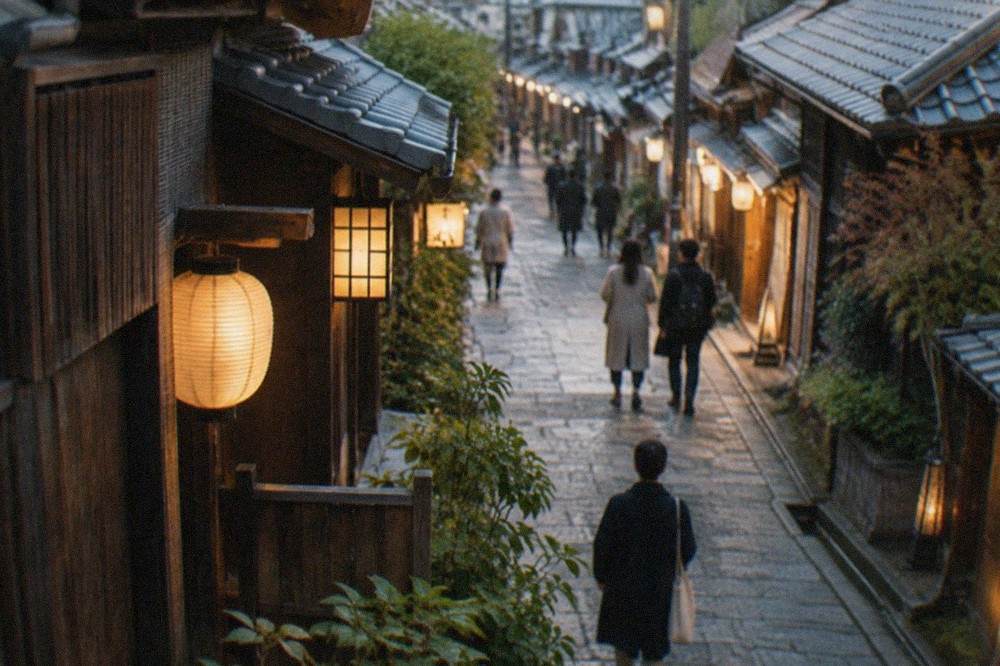
| 1 | Kyoto | Kiyomizu-dera, Ninenzaka and Sannenzaka, Gion at dusk |
| 2 | Kyoto | Fushimi Inari early, Tofuku-ji, Sanjusangen-do |
| 3 | Kyoto | Arashiyama: bamboo grove, Tenryu-ji, monkey park, Sagano train |
| 4 | Kyoto | Kinkaku-ji, Ryoan-ji, Nijo-jo Castle, Pontocho at night |
| 5 | Osaka | Osaka Castle in the morning, Kuromon Market, Dotonbori at night |
| 6 | Either | Nara day trip, or a Kyoto deep cut like Kurama and Kibune |
| 7 | Departure | Buffer morning, luggage to the station |
Two adjustments are worth making. If you are travelling in the cherry-blossom or autumn-foliage window, add a day to Kyoto, because the seasonal illuminations and garden light-ups are evening programmes that eat into your daytime sightseeing. And if you are travelling with children, Osaka's aquarium and the Universal Studios park argue for an extra Osaka day, while Kyoto still holds the Iwatayama Monkey Park and the Railway Museum as strong kid-friendly picks.
For readers deciding between three competing cities rather than two, the Kyoto vs Nara comparison covers the third leg of the classic Kansai triangle, and the day trips from Kyoto guide handles the logistics of all of them.
What Does It Cost To Visit Kyoto's Temples Versus Osaka's Attractions?
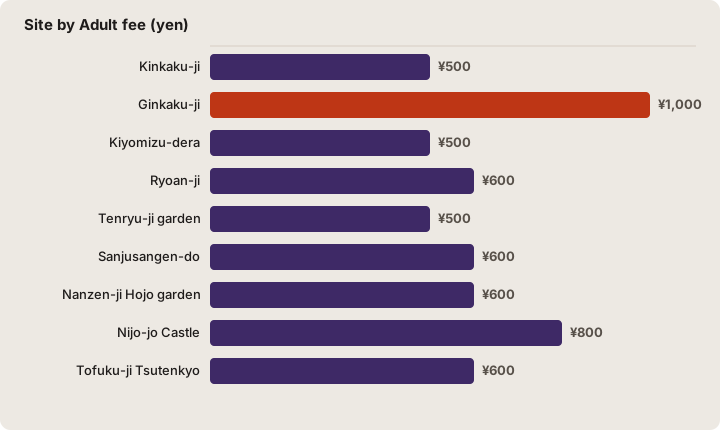
Kyoto's major temples charge 500 to 1,000 yen each, and two of them changed their fees in 2026: Ginkaku-ji doubled to 1,000 yen from 1 April, and Tofuku-ji revises on 1 November. A full day of four temple admissions in Kyoto costs roughly 2,000 to 3,000 yen per adult. Osaka's big paid attractions, the castle, the aquarium and the Umeda Sky Building, are comparably priced, so the cities cost about the same per sightseeing day, and Kyoto simply offers more sights to pay for.
Here is the verified fee card for Kyoto's headline sites, with the 2026 changes marked:
| Site | Adult fee | Child / school fee | 2026 change |
|---|---|---|---|
| Kinkaku-ji | 500 yen | 300 yen (primary, middle) | none |
| Ginkaku-ji | 1,000 yen | 500 yen | doubled from 500 on 1 April 2026 |
| Kiyomizu-dera | 500 yen | 500 yen (high school) | single source, not printed by the temple |
| Ryoan-ji | 600 yen | 300 yen (elementary, junior) | none |
| Tenryu-ji garden | 500 yen | 300 yen | none; buildings +300, Hatto ceiling 500 |
| Sanjusangen-do | 600 yen | 300 yen (elementary) | none |
| Nanzen-ji Hojo garden | 600 yen | 400 yen | none; Sanmon gate ticketed separately |
| Nijo-jo Castle | 800 yen | 300 yen (elementary) | 1,300 with Ninomaru-goten Palace |
| Tofuku-ji Tsutenkyo | 600 yen | 300 yen | 1,000 in foliage season from 1 Nov 2026 |
| Fushimi Inari Taisha | free | free | none |
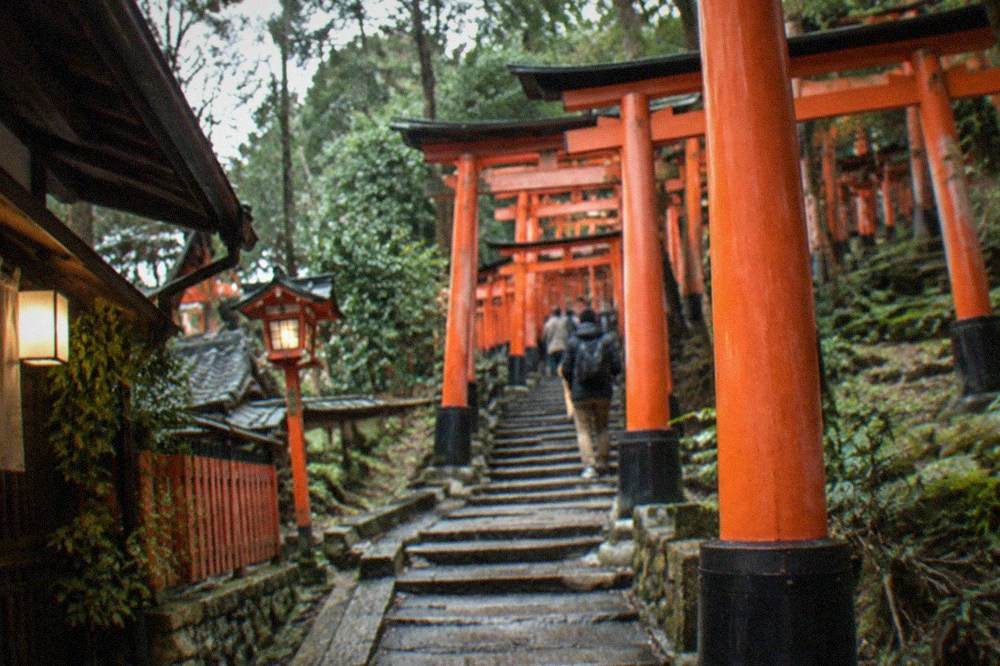
The free column is Kyoto's quiet advantage. Fushimi Inari publishes no fee anywhere on its site, the Kyoto Imperial Palace states it is open to all visitors with no advance application, and the Arashiyama bamboo path, Nishiki Market, Gion, Pontocho and the Philosopher's Path cost nothing to walk. Osaka has fewer genuinely free headline sights; its castle park is free but the tower and museum are not.
The fee changes are worth knowing before you copy a budget from an older guide. Ginkaku-ji at 1,000 yen is now twice Kinkaku-ji's 500, and for a first visit Kinkaku-ji is the better use of the fee, while Ginkaku-ji's moss-and-sand garden rewards a second trip. Tofuku-ji's new 1,000 yen foliage-season bridge ticket lands in the peak week of November, exactly when the autumn leaves itineraries send their readers.
Is Osaka Cheaper Than Kyoto?
On accommodation, usually yes, especially in peak season, and that is the biggest single saving. On food, the gap is smaller than its reputation: Osaka's street-food streets are cheap, but Kyoto's own market and izakaya culture eats well for under 2,000 yen, and the city's one published kaiseki price card, Hyotei's, runs from 31,625 yen at lunch while the same house's annex serves from 5,445 yen. Budget the cities nearly equal on daily spend, and let the bed decide your base.
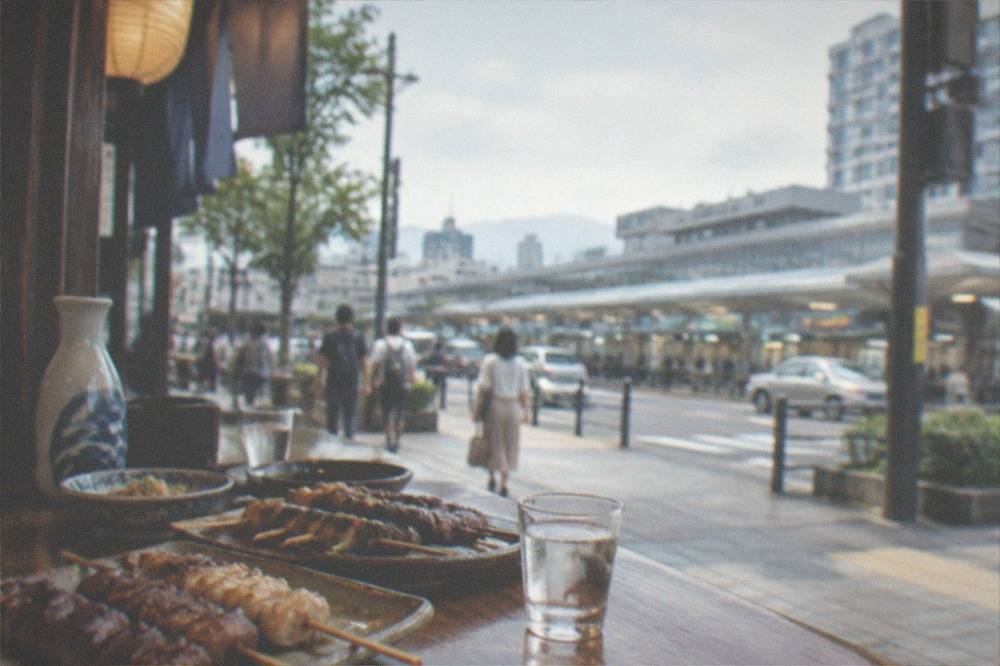
The food-price question deserves the honest answer rather than the folklore. Hyotei, by Nanzen-ji, prints its own prices on its own site, tax and service included: kaiseki from 31,625 yen at lunch and 37,950 at dinner in the main building, while the same kitchen's annex serves asa-gayu at 5,445 yen and a Shokado bento at 7,260 yen. Those are Hyotei's prices, not a Kyoto average, but they illustrate the real structure of the city: the ceiling is as high as you want it to be, and the floor is a market stall or a conveyor of noodles.
One cost is unique to Kyoto and catches almost nobody's attention until checkout: the accommodation tax changed on 1 March 2026, and the top tier went from 1,000 to 10,000 yen per person per night.
| Room rate per night (room only) | Tax per person, before 1 Mar 2026 | Tax per person, from 1 Mar 2026 |
|---|---|---|
| Under 6,000 yen | 200 yen | 200 yen |
| 6,000 to under 20,000 yen | 400 yen | 400 yen |
| 20,000 to under 50,000 yen | 500 yen | 1,000 yen |
| 50,000 to under 100,000 yen | 1,000 yen | 4,000 yen |
| 100,000 yen and up | 1,000 yen | 10,000 yen |
For a traveller in the middle tier of the table, the change is a few hundred yen a night, noise level. For anyone booking a high-end ryokan, the tax is now material, and it is one of the few genuine reasons a splurge stay is cheaper in Osaka. The full picture, including where the money goes, is in the Kyoto accommodation tax guide.
Eating well cheaply in Kyoto is a solved problem, and the street food and Kyoto food guides cover it street by street. Nishiki Market has no unified hours, each shop keeps its own, roughly 9 or 10:00 to 17 or 18:00, and the stalls ask you to eat at the stall rather than walking.
Where Should You Stay, Kyoto Or Osaka?
Stay in Kyoto if the temples are the point of the trip and you want to be inside the city before the day-trippers arrive; stay in Osaka if you want cheaper beds, later dinners and a livelier night scene, and accept a daily commute of roughly 30 to 50 minutes each way. The strongest argument for an Osaka base is price and nightlife, and the strongest argument against it is that Kyoto's best hours, early morning and late evening, are exactly the hours you spend on a train.
The commute arithmetic is the whole decision. Kyoto's most rewarding experiences cluster at the edges of the day: Fushimi Inari's paths have no closing time, and the shrine's own crowd guidance points to early morning; Kiyomizu-dera opens at 6:00 daily; Gion and Pontocho are at their best after dark. An Osaka base buys you a cheaper room and then charges you the two best hours of every day to get to it.
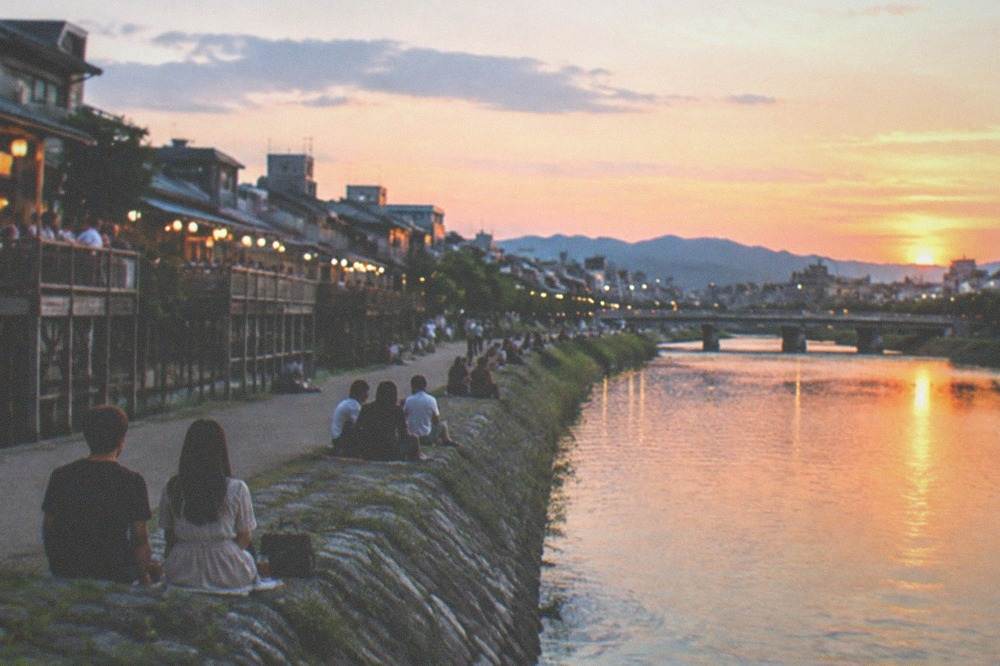
Within Kyoto, the neighbourhood choice matters more than the city choice, and the where to stay in Kyoto guide breaks the city down district by district. Downtown, around Kawaramachi and the station, keeps you walkable to both the food streets and the bus network. Higashiyama puts you inside the temple district at a premium. The station area is the practical pick for anyone commuting to Osaka, since the JR and subway lines all converge there.
For travellers who want the comparison extended to the capital, Kyoto vs Tokyo covers the other half of Japan's most common either-or, and is it better to stay in Kyoto or Osaka answers the narrower overnight question directly.
Which City Is Better In Summer Heat And Rain?
Neither city escapes the Kansai summer, but Kyoto is measurably the harsher of the two, because it sits in a basin that traps heat: the JMA 1991-2020 normals give Kyoto a July mean of 27.3 C and an August mean of 28.5 C, and three of the city's six hottest days on record fell in the summers of 2024, 2025 and 2026. Osaka is humid too, but flatter and closer to the sea. In rain, Kyoto wins, with far more to do under an umbrella.
The rainfall pattern surprises most visitors, because the guidebook folklore points at June. The JMA 1991-2020 normals for station 47759 show July, not June, as Kyoto's wettest month, 223.6 mm against 199.7 mm, and August as the sunniest month at 182.7 hours.
| Month | Rain mm | Mean C | Mean daily max C | Sunshine h |
|---|---|---|---|---|
| June | 199.7 | 23.3 | 28.1 | 133.1 |
| July | 223.6 | 27.3 | 32.0 | 142.7 |
| August | 153.8 | 28.5 | 33.7 | 182.7 |
| September | 178.5 | 24.4 | 29.2 | 142.7 |
The practical reading: if you are travelling in July or August, plan Kyoto's outdoor sights, Fushimi Inari's mountain paths, the Arashiyama bamboo grove, the Philosopher's Path, for the first hours of the day, and keep the afternoons for Sanjusangen-do, the Railway Museum or the covered market. Osaka's indoor inventory, the aquarium above all, does the same job for families. The full seasonal breakdown, including the winter case for Kyoto, is in the best time to visit Kyoto guide.
How Do You Travel Between Kyoto And Osaka?
Kyoto and Osaka are linked by JR and private railways running all day, and the trip is short enough that neither city needs an overnight in the other, but this site holds no verified fare for the intercity run, so check the operator's live timetable rather than any number printed in an older guide.
Within each city, Kyoto's flat bus fare is 230 yen, its subway runs 220 to 360 yen by zone, and the Subway and Bus One-Day Pass is 1,100 yen, which matters more to your budget than the intercity leg does.
The in-city transport card is where Kyoto trips are won or lost, and one old product keeps confusing visitors: the bus-only one-day pass no longer exists. Sales ended at the end of September 2023 and the last day of use was 31 March 2024, so any guide still recommending it is out of date. The current product is the combined pass:
| Ticket | Adult | Child |
|---|---|---|
| City bus, flat fare | 230 yen | 120 yen |
| Subway, by zone | 220 to 360 yen | 110 to 180 yen |
| Subway and Bus One-Day Pass | 1,100 yen | 550 yen |
| Subway One-Day Pass | 800 yen | 400 yen |
| Tourist express EX100 / EX101 | 500 yen | 250 yen |
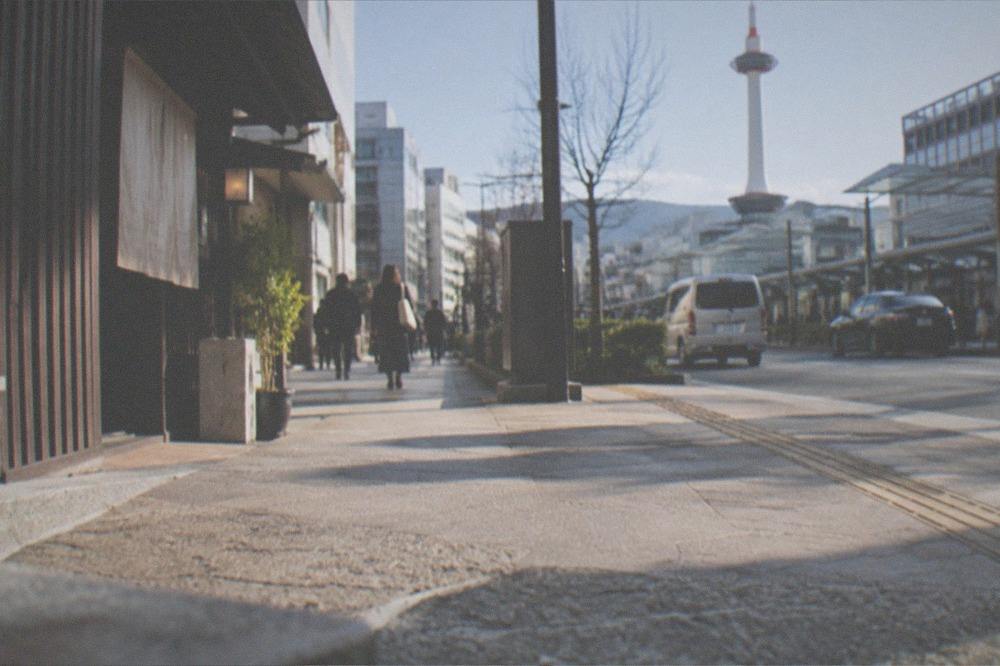
The EX100 and EX101 tourist expresses are the sleeper tip for the Kyoto half of the trip: 500 yen in cash, IC cards accepted, running from Kyoto Station to the Kiyomizu side, Gion, Heian Shrine and Ginkaku-ji with fewer stops than the regular buses. The Kyoto buses guide covers them in detail.
Arriving in the region, most visitors land at Kansai International and take the JR HARUKA toward Kyoto. The JR West HARUKA One-way Ticket for foreign visitors is 2,200 yen to Kyoto, 1,100 for a child, and the journey runs about 80 minutes. From Itami, the Hankyu Kanko limousine bus to Kyoto Station is 1,500 yen adult and 750 child, about 50 to 55 minutes, with contactless card payment since 1 March 2026. The Osaka to Kyoto guide covers the reverse direction in full.
Can You Combine Kyoto And Osaka In One Trip?
Yes, and it is the standard way to see Kansai: base yourself in one city, take the short intercity run for an evening or a full day, and keep the other city's strengths without paying for two hotel rooms. The combination works best with Kyoto as the base, because Kyoto's early-morning and evening hours are its best, and Osaka's food streets only open their doors in the evening anyway. A five-day split of four Kyoto days and one Osaka day plus one Osaka evening covers both cities honestly.
The sequencing advice is simple. Do not interleave the cities day by day; the commuting eats your mornings. Cluster the Kyoto days, then move to Osaka for the final night or two, which also positions you closer to Kansai International for the flight home if that is where you depart from. The Kyoto Osaka itinerary page lays out a combined route day by day, and shows what a Kyoto-only week looks like if you decide to skip Osaka entirely.
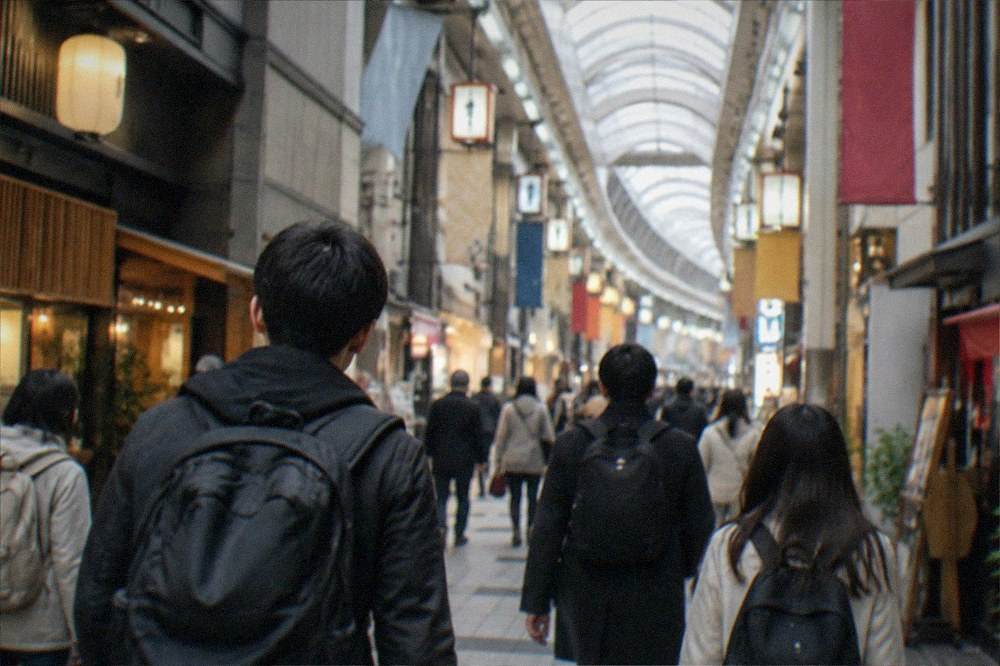
One honest warning for the Kyoto half: the crowds are real and measured, not anecdotal. The city's 2025 survey recorded 62.79 million visitors against 56.06 million in 2024, with day visitors up from 39.76 million to 46.20 million. Satisfaction still ran above 90% for both Japanese and foreign visitors, but about half of Japanese visitors reported something disappointing, against about 20% of foreign visitors, which is the signature of a city that rewards planning: earlier starts, off-peak districts, and the dispersal measures the city itself publishes.
Common Questions About Kyoto Vs Osaka
Which Has More To See: Kyoto Temples Or Osaka Food Streets?
Kyoto, by a wide margin on sightseeing inventory: 17 UNESCO World Heritage sites and dozens of individually ticketed temples against Osaka's roughly two days of headline attractions. Osaka's food streets are the better evening programme, but evenings do not fill sightseeing days.
Is Osaka Cheaper Than Kyoto?
Usually on accommodation, especially in peak season, and that is where the real saving sits. Daily spending on food and transport is close to equal, and Kyoto's accommodation tax rise on 1 March 2026 only becomes material above 50,000 yen rooms.
Should I Stay In Kyoto Or Osaka And Commute?
Stay in Kyoto if the temples are the point, because the city's best hours are early morning and evening, exactly what a commute costs you. Base in Osaka for cheaper beds and nightlife, and accept losing Kyoto's quiet hours.
How Many Days Do I Need For Kyoto And Osaka Together?
Six to seven days for a comfortable first visit: four in Kyoto, one full day in Osaka plus one Osaka evening, and a buffer day for Nara or a Kyoto deep cut. In five days, drop the Osaka overnight and do Osaka as a day-and-evening trip.
Is Kyoto Too Crowded To Enjoy Compared With Osaka?
The crowds are record-setting, 62.79 million visitors in 2025, but satisfaction still ran above 90% in the city's own survey. Early starts, weekday temple visits and the city's dispersal guidance handle most of it; Osaka runs less pressured outside Dotonbori at peak.
Which City Is Better For Food?
Osaka for street food, late dining and the sheer density of its food districts. Kyoto for the full range from 5,445 yen annex porridge at a famous kaiseki house to a 31,625 yen lunch course, plus its own market, izakaya and tofu traditions. Serious eaters do both.
The comparison, settled with numbers rather than slogans: Kyoto holds more to see, Osaka holds more to eat late, and the short run of rail between them means you never have to choose as hard as the question implies. Plan the temples for the morning, the food streets for the night, and let the Kyoto Travel Guide carry the rest of the itinerary.