Is It Better To Stay In A Ryokan In Tokyo Or Kyoto?
Kyoto is the stronger city for a ryokan stay, and the reasons are structural: garden-backed architecture, walkable old districts, and a pace built around the evening. Here is how the two cities compare.
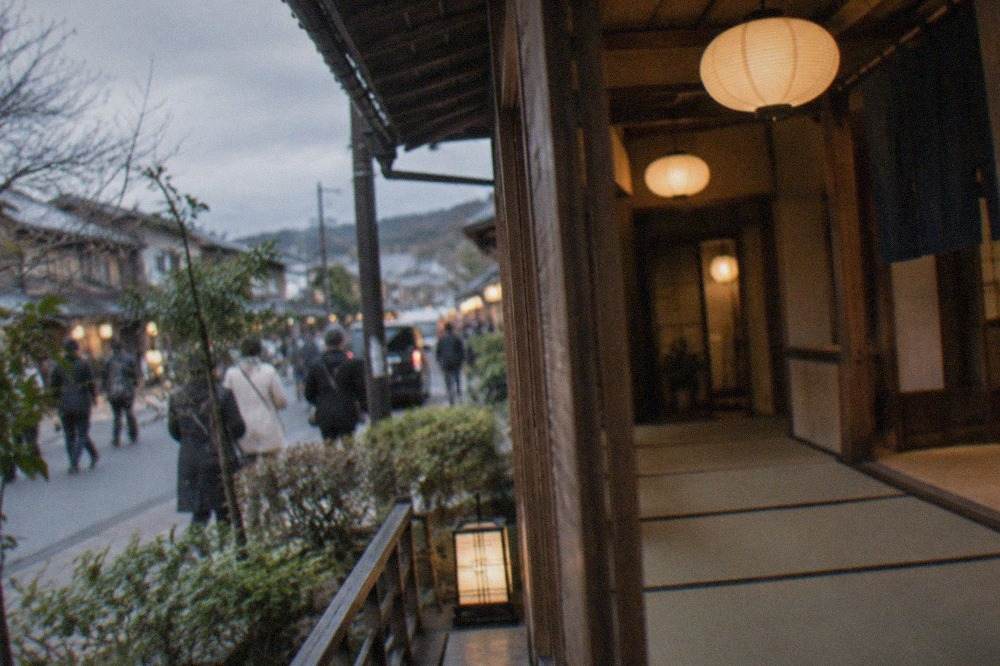
Kyoto is the city the ryokan was built for. The format itself, tatami rooms, a low wooden bath, dinner served in your room by the house's own kitchen, assumes a quiet street, a garden outside the window, and an evening with nowhere you need to be. Kyoto supplies all three in quantity, and it supplies them in historic buildings rather than modern reconstructions. Tokyo has ryokan too, some of them excellent, but they sit inside a city that never slows down, and the contrast that makes a ryokan night feel special gets harder to find there.
That is the short version. The longer version needs the cost mechanics, the tax change most guides have missed, and an honest look at when Tokyo is the better choice anyway. This site, Kyoto Travel Guide, covers the Kyoto side of that trade in detail, and the comparison below leans on what the city's own published figures actually say.
Where Does A Ryokan Stay Make More Sense: Kyoto Or Tokyo?
Kyoto is the stronger ryokan city, and the gap is structural rather than sentimental. The historic building stock, the temple gardens that give the old districts their quiet, the kaiseki kitchens attached to the houses, and the walkable old streets of Higashiyama and Gion all feed directly into what a ryokan evening is. Tokyo offers excellent ryokan too, but they function as quiet rooms inside a fast city rather than as the centre of the day.
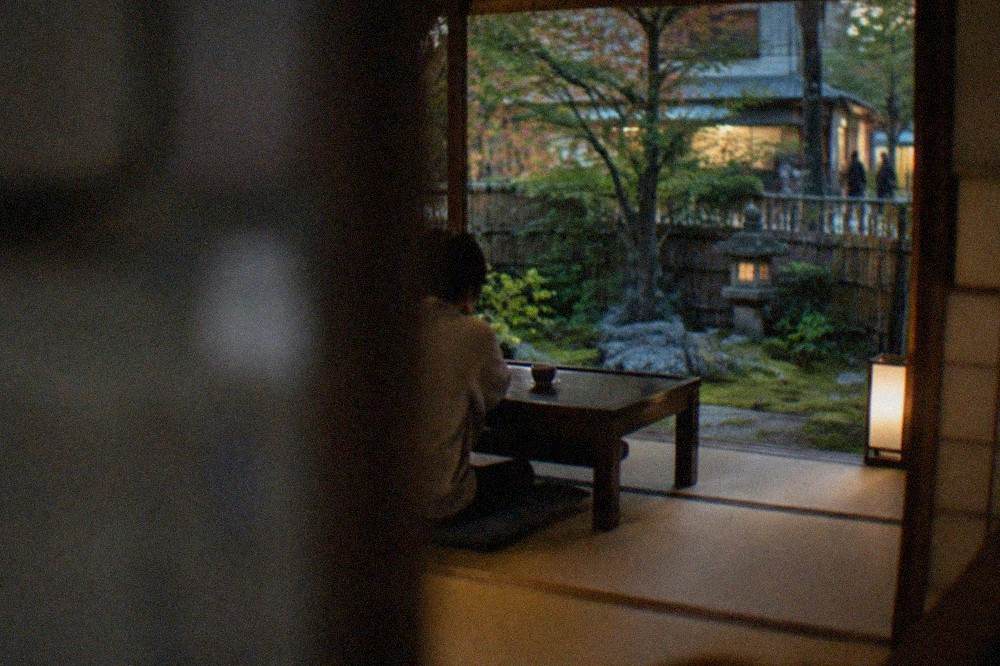
Consider what the stay actually consists of. You check in mid-afternoon, change into yukata, take a bath, eat a long multi-course dinner in your room, and sleep on a futon in a tatami room that faces a garden. Every one of those elements depends on the surroundings staying calm after dark. In Kyoto's old districts they generally do. In central Tokyo the room can be beautiful and the street outside still runs at full volume until midnight, which changes the character of the evening even through good insulation.
The food argument points the same way. A proper ryokan dinner is kaiseki, and kaiseki is a Kyoto tradition tied to the tea ceremony and the temple kitchens. As a reference point from the fact base, Hyotei, one of Kyoto's most famous kaiseki houses by Nanzen-ji, prints its own kaiseki from 31,625 yen at lunch and 37,950 yen at dinner, tax and service included, while the same house's annex serves a shokado bento at 7,260 yen. Those are Hyotei's prices, not a city average, but they show the calibre of kitchen a Kyoto ryokan can draw on. Our Kyoto ryokan guide covers what to look for when booking one.
Is It Better To Stay In A Ryokan In Tokyo Or Kyoto?
For most trips, Kyoto is the better city for the ryokan night, and the practical reason is pacing. Kyoto's sights close early, its old districts empty after dinner, and the ryokan evening fills the gap naturally. Tokyo's attractions run late, so a ryokan there competes with the city for your attention and usually loses. Book the ryokan night in Kyoto and spend Tokyo nights wherever the city takes you.
There is a budget logic here as well. A ryokan stay is expensive per night, and it delivers its value in the evening: the bath, the dinner, the quiet. If you book one in Tokyo and then spend the evening in Shinjuku or Shibuya, which is what most Tokyo first-timers do, you have paid for an experience you did not use. In Kyoto the evening is the slow part of the day, so the ryokan's expensive hours are the hours you would otherwise struggle to fill.
The exception is worth naming. If your trip is Tokyo-heavy, say four nights in Tokyo and one in Kyoto, hauling to Kyoto just for a ryokan night is poor arithmetic, and a good Tokyo ryokan beats a rushed Kyoto one. The Tokyo to Kyoto guide covers the transfer itself. But if both cities are on the itinerary with two or more nights in Kyoto, the ryokan belongs in Kyoto, and the Tokyo stay can be an efficient business hotel without losing anything.
If you want to build one strong Kyoto evening around the stay, the Gion night walk is a natural pairing with a ryokan in the old districts.
How Much Does A Kyoto Ryokan Stay Actually Cost?
No honest city-wide figure exists, because ryokan price by room, season, and meal plan, and the verified fact base holds no Kyoto ryokan rate card. What is verified is the tax layer: Kyoto's accommodation tax changed on 1 March 2026, and a room charged at 50,000 yen or more per night now carries 4,000 yen per person per night, up from 1,000. Check the room rate with the property, then apply the tier.
The full new tier structure, charged per person per night on the room-only rate, is below. The city expects about 12.6 billion yen a year from the change, and most competing guides still print the old tiers.
| Room rate per night (excl. meals and consumption tax) | Tax per person per night | Before 1 March 2026 |
|---|---|---|
| Under 6,000 yen | 200 yen | 200 yen, unchanged |
| 6,000 to under 20,000 yen | 400 yen | 400 yen, unchanged |
| 20,000 to under 50,000 yen | 1,000 yen | 500 yen |
| 50,000 to under 100,000 yen | 4,000 yen | 1,000 yen |
| 100,000 yen and above | 10,000 yen | 1,000 yen |
This matters more for a ryokan booking than for a hotel booking, because ryokan rates sit squarely in the upper tiers. A room with half-board at a serious house easily clears 50,000 yen per person, which means 4,000 yen per person per night in tax on top of the quoted rate, and a top-tier booking at 100,000 yen or more now carries 10,000 yen per person per night. The tax is charged on the room-only portion, excluding meals, so a house that quotes meals separately applies the tier to the room component. Ask the property how it splits the bill before you compare prices, and never treat the tax as a flat amount.
Tokyo charges its own accommodation tax on a different scale, and this site's verified fact base does not hold Tokyo's tiers, so no figure is printed here. The practical point stands regardless: two cities, two tax scales, both charged on top of the quoted rate, and both worth asking about at booking time. The where to stay in Kyoto guide maps the districts where the old ryokan houses cluster.
What Do You Give Up By Staying In A Ryokan In Tokyo?
You give up the surroundings, not the room. Tokyo's best ryokan deliver the tatami, the bath, and the service at a level that matches Kyoto's, but they sit in a dense modern city with no garden district around them, so the stay becomes an interior experience with a door back into the noise. You also give up proximity to the food tradition the dinner comes from, since kaiseki grew out of Kyoto's temple and tea culture.
The honest framing is that a Tokyo ryokan is a room, and a Kyoto ryokan is a setting. In Kyoto the walk before dinner, down a street of machiya facades toward a lantern-lit lane, is part of what the rate buys. In Tokyo the equivalent walk ends at a convenience store or a tower block. That is not a criticism of Tokyo, which is one of the great cities on earth, it is a statement about which city's fabric supports the format.
There is a second, quieter cost. Tokyo rewards being out late: the izakaya districts, the standing bars, the neon. A ryokan with a served dinner at 19:00 and a bath after anchors you to the building at exactly the hours Tokyo is most itself. Kyoto, by contrast, goes quiet after dinner, and the city's own 2025 tourism survey recorded 62.79 million visitors across the year, with the crowds concentrated in daylight hours at the temple gates. The evening calm is the ryokan's natural habitat. The Kyoto versus Tokyo comparison works through the trade at city level.
How Many Nights Should A Ryokan Stay Be?
One full night is the honest minimum and two is the comfortable maximum for a first stay. One night buys the bath, the dinner, and the futon sleep, which is the complete experience. A second night lets you repeat the bath at leisure and take breakfast without packing around it, but beyond two the format starts competing with sightseeing time in a city where most visitors have more to see than days to see it.
The one-night booking has a hidden advantage for first-timers: it caps the risk. If tatami sleeping does not suit you, and for some travellers it genuinely does not, you have lost one night rather than three. Book the ryokan night at the start or the end of the Kyoto leg, never in the middle, because a ryokan evening followed by a 6:00 a.m. temple dash wastes the slow morning the rate pays for. Kiyomizu-dera opens at 6:00 daily, per the temple's own FAQ, and the early start is better taken from a hotel near the station than from a futon you paid a premium to sleep on.
For the days around the stay, the standard advice holds: put the heavy sightseeing before the ryokan night and the light walking after. A morning market walk or a guided highlights day slots in cleanly on either side.
Which Kyoto Districts Work Best For A Ryokan Stay?
The old eastern districts, Higashiyama and Gion, and the riverside lanes around Pontocho and the Kamo River are where the format works best, because the walk out of the front door matches the room. The station area is the practical fallback for early departures, and the north around the Ohara and Kurama direction holds onsen-style houses, though the fact base carries no verified details for those areas, so check each property directly.
The district choice is really a choice about the evening. Gion and Higashiyama give you lantern-lit lanes, temple gates within a short walk, and the geisha districts at their quietest after dark. The downtown riverside gives you restaurants and bars within five minutes, which suits travellers who want the ryokan room but not the ryokan curfew. The station area gives you neither atmosphere but a two-minute transfer to your train, which matters on a tight itinerary.
One rule of thumb from the city's own crowd management: Kyoto's tourism association publishes a comfort forecast that predicts crowd levels by spot, area and time slot, and the evening hours in the old districts consistently read lighter than midday. That is exactly the window a ryokan stay monetises, and it is the strongest practical argument for putting the stay in Kyoto rather than Tokyo. If you are still weighing the cities themselves, the Kyoto or Osaka question covers a different split of the same decision.
For filling the daylight hours around the stay, these are the three experiences that pair best with a first ryokan booking in the old city.
Common Questions About Ryokan Stays In Kyoto And Tokyo
Is It Better To Stay In A Ryokan In Tokyo Or Kyoto?
Kyoto, for most trips. The ryokan format depends on a quiet evening, garden surroundings, and a kaiseki food tradition, and Kyoto holds all three in its old districts. Tokyo's ryokan are excellent but function as quiet rooms inside a loud city. Book the ryokan night in Kyoto unless your trip is Tokyo-heavy with only one night to spare for it.
Is A Ryokan Worth It For One Night?
Yes. One night buys the complete experience: the bath, the served dinner, and the futon sleep. It also caps the risk if tatami sleeping does not suit you. Put the night at the start or end of your Kyoto leg rather than mid-trip, so the slow morning does not collide with a 6:00 a.m. temple opening.
Does The Kyoto Accommodation Tax Apply To Ryokan?
Yes, per person per night, on the room-only rate excluding meals and consumption tax. The tiers changed on 1 March 2026: a room at 50,000 yen or more per night now carries 4,000 yen per person per night, and 100,000 yen or more carries 10,000 yen. A 20,000 to 50,000 yen room carries 1,000 yen. Ask the property how it splits room and meal charges before comparing rates.
Do You Have To Eat Dinner At The Ryokan?
At most traditional houses, yes, and the dinner is a large part of what the rate pays for. Some houses offer room-only plans, but the better kitchens in Kyoto's old districts are the reason many travellers book in the first place, and skipping the dinner usually saves less than you would expect. Check the plan terms with the property before booking.
Can You Walk Around Gion At Night From A Ryokan?
Yes, and it is one of the best pairings in the city. The old districts are at their quietest after dark, and the city's tourism association publishes a comfort forecast that shows evening hours reading lighter than midday. Respect the conduct rules the association publishes: do not touch, chase or photograph geiko and maiko without permission, and do not enter private property or photograph where prohibited.
The decision, stripped to its bones: the ryokan is a Kyoto-shaped experience, and Kyoto rewards it with the one thing Tokyo cannot supply on demand, an evening that slows down at the same hour the room does. Book the stay in Kyoto, spend the Tokyo nights out, and read the room-only rate against the new tax tiers before you compare anything.