Kyoto Cherry Blossom Guide
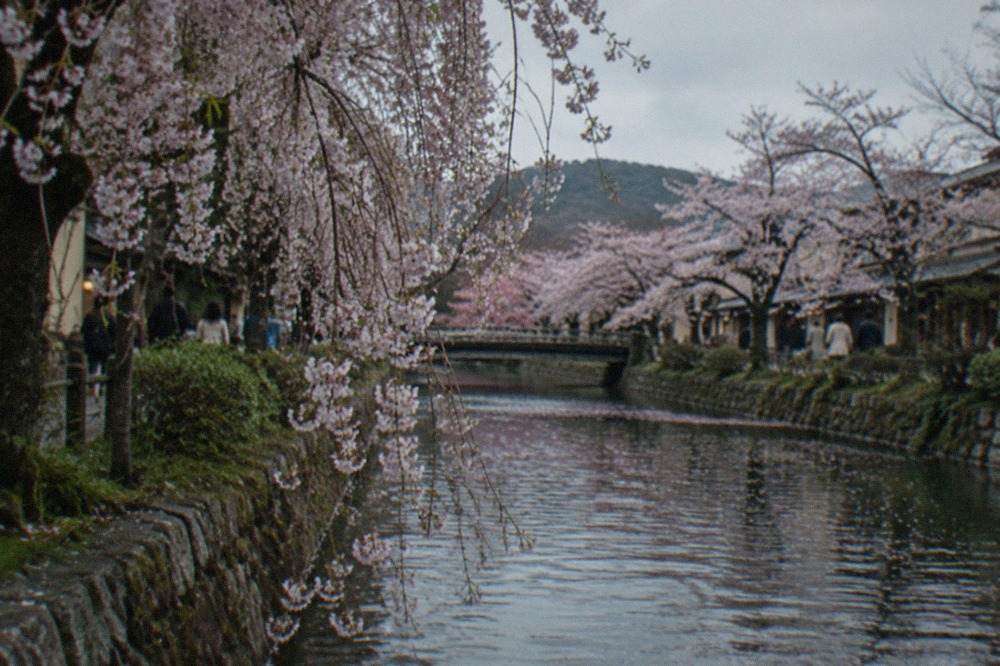
Kyoto's cherry blossom peak lands around the end of March into early April, but the recorded swing runs from mid-March to mid-April, and the difference between a perfect week and a bare one is often five days of weather.
Short answer
The JMA Kyoto observatory's 1991-2020 normals put cherry flowering at 26 March and full bloom at 4 April. In 2026 flowering came on 23 March with full bloom on 30 March; in 2025 it was 27 March and 5 April. The recorded range is far wider: earliest flowering 16 March 2021, latest 9 April 1984.
Kyoto's cherry blossom season is the single most concentrated tourism event in Japan's old capital, and it is also the least predictable. The city's own tourism survey, released 12 June 2026, counted a record 62.79 million visitors across 2025, and a large share of them arrive inside the few weeks when the trees turn. The Japan Meteorological Agency's Kyoto observatory has kept phenology records here for over a century, and those records say something most guides skip: the normal full-bloom date is 4 April, but the trees have hit full bloom as early as 24 March and as late as 17 April. Planning around a single promised week is the fastest way to miss it.
This guide lays out what the official records actually show, where the blossom sits in Kyoto, what the 2026 fee schedule looks like at the sites you will walk into, and how the city's own numbers describe the crowd problem. Nothing here is a forecast. A normal is a 30-year average, not a promise, and the JMA dates come from the observatory's own specimen tree, not from a guarantee about Maruyama Park.
When Do Kyoto Cherry Blossoms Usually Peak And How Much Does It Vary?
The JMA 1991-2020 normals put cherry flowering at 26 March and full bloom at 4 April. In 2026 flowering arrived on 23 March with full bloom on 30 March; in 2025 it was 27 March and 5 April. The recorded extremes stretch from 16 March 2021 to 9 April 1984 for flowering, and 24 March 2023 to 17 April 1965 for full bloom, a swing of more than three weeks.
That spread is the honest answer to the peak question. The JMA Kyoto observatory, station 47759, tracks its own cherry specimen and publishes both the current year and the 1991-2020 normal. The last two years landed early: 2026 flowered three days ahead of normal and reached full bloom five days early, and 2025 ran a day late on flowering but full bloom still landed within a day of the normal.
| JMA Kyoto record | 2026 | 2025 | 1991-2020 normal | Earliest on record | Latest on record |
|---|---|---|---|---|---|
| Cherry flowering | 23 March | 27 March | 26 March | 16 March 2021 | 9 April 1984 |
| Cherry full bloom | 30 March | 5 April | 4 April | 24 March 2023 | 17 April 1965 |
| Plum flowering | 22 February | 11 March | 22 February | 27 January 1979 | 15 March 1963 |
Two practical readings follow. First, the last week of March into the first days of April is the statistically safest window, and the first ten days of April are safer than the third week of March if you can only pick one. Second, the blossom does not switch on citywide on one date. Plum flowers in late February, different cherry cultivars and weeping varieties stagger across two to three weeks, and the mountain temples at higher elevation run later than the riverside parks. A trip spread across the turn of the month catches something in bloom almost regardless of the year.
For a day-by-day plan built around this window, the cherry blossom itinerary page sequences the spots by opening hours and crowd shape, and the broader best time to visit Kyoto breakdown puts the season against summer heat and autumn colour.
Where Are The Best Cherry Blossom Spots In Kyoto?
The strongest concentration runs from Maruyama Park and the Kamo River banks through the Philosopher's Path to Ninna-ji's late-blooming Omuro cherries, with Keage Incline and the temple grounds along Higashiyama between them. Most viewing is free; the exceptions are the temple gardens, which charge between 500 and 1,000 yen.
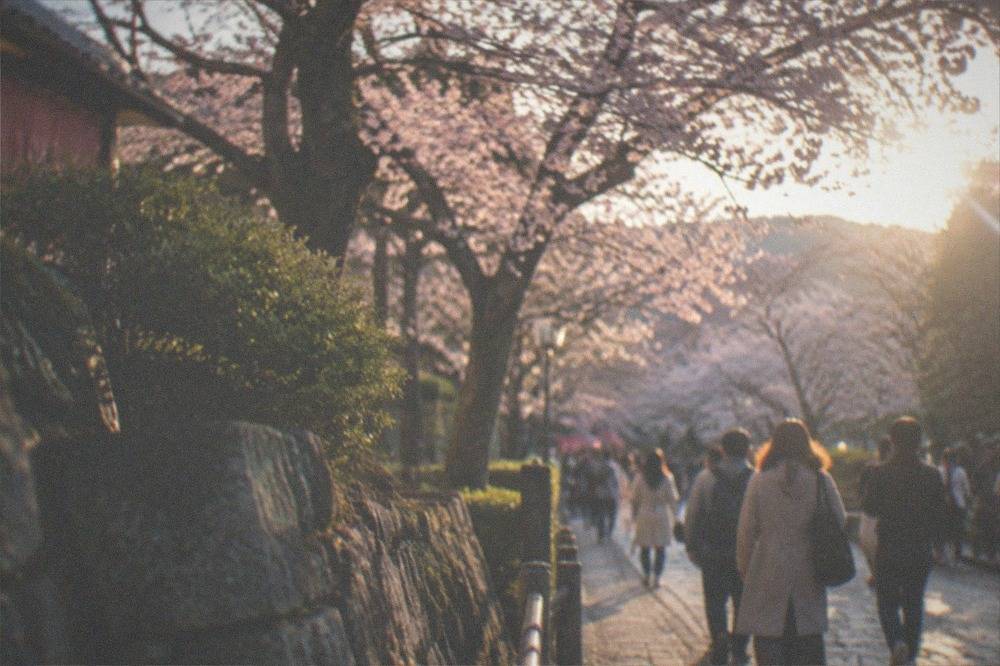
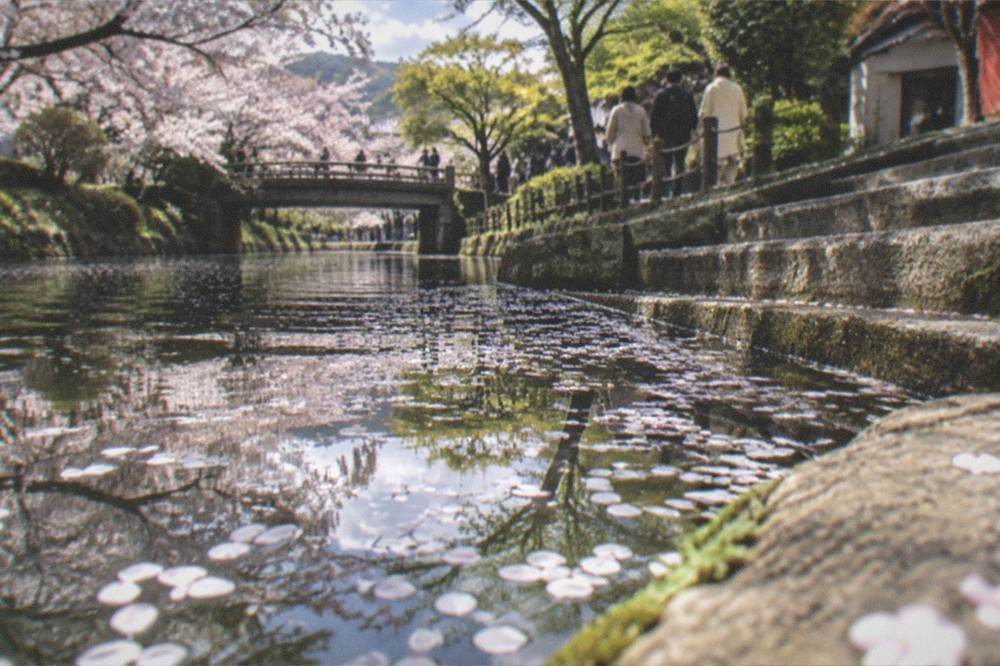
Maruyama Park is the city's famous hanami ground, centered on a huge weeping shidarezakura that is floodlit at night during the season. The Kamo River banks between Sanjo and Demachiyanagi hold long rows of somei-yoshino trees that cost nothing to walk. The Philosopher's Path, a canal-side walk in northern Higashiyama, is lined with hundreds of cherries and is the classic morning route, and it connects naturally to Ginkaku-ji at the north end.
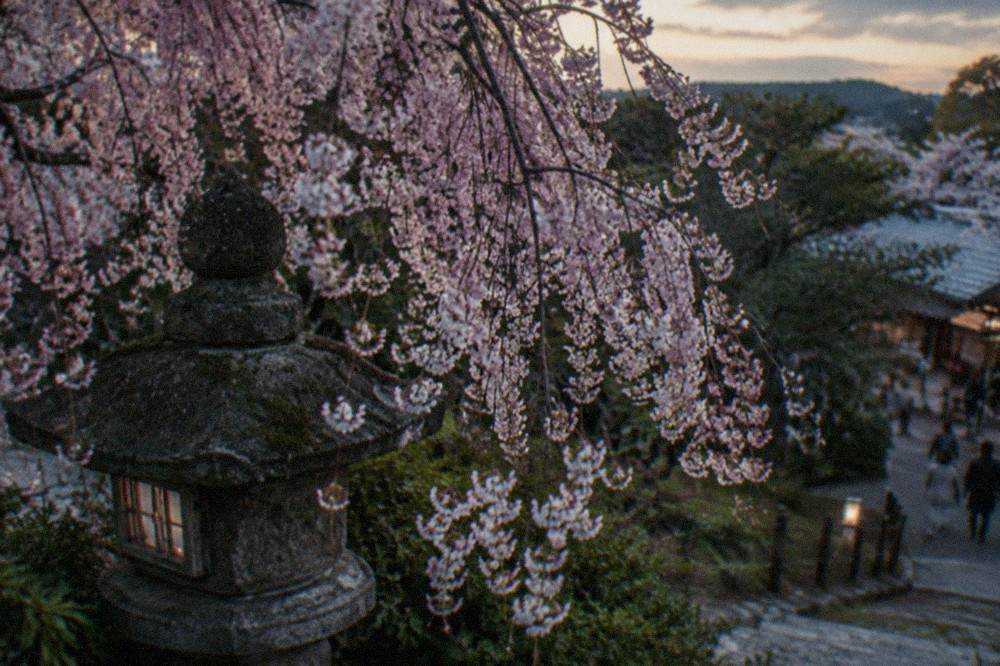
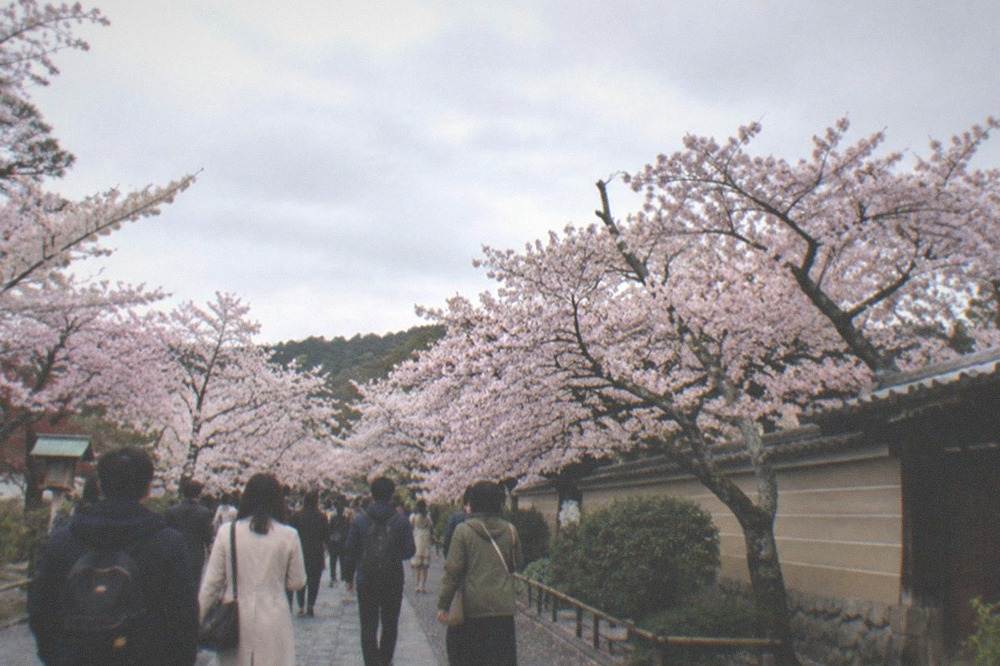
Ninna-ji deserves a specific mention because of its Omuro cherries, a short, late cultivar that typically flowers about a week after the somei-yoshino peak, which extends the season rather than competing with it. Toji and the Daigo-ji area hold their own late-blooming groves, and the Kyoto Imperial Palace park, open to all with no advance application, carries wide lawns under mature trees. The Arashiyama riverside pairs blossom with the mountain backdrop west of the city.
| Spot | Character | Typical timing | Entry fee |
|---|---|---|---|
| Maruyama Park | Weeping cherry, night lighting, hanami crowds | Around the main peak | Free |
| Kamo River banks | Long riverside rows, free walking | Around the main peak | Free |
| Philosopher's Path | Canal-side stroll to Ginkaku-ji | Around the main peak | Free |
| Ninna-ji | Late Omuro cherries, low trees | About a week after peak | Garden fee applies |
| Kyoto Imperial Palace park | Lawns, mature trees, no application | Around the main peak | Free |
| Arashiyama riverside | Blossom with mountain backdrop | Around the main peak | Free |
Seeing the peak properly is a timing problem as much as a location problem. The sites above fill by mid-morning during the peak week, and the city's 62.79 million annual visitors do not spread themselves evenly. An early start is the one lever that reliably changes the experience, and the early morning tour with an English-speaking guide exists exactly for that window: it runs 5 to 6 hours from $82, is rated 4.9 from 1,998 reviews, and puts the major sites in front of you hours before the midday wave. You can check availability alongside the itinerary details.
For lodging near the main blossom districts rather than a commute away, the where to stay in Kyoto breakdown maps the neighborhoods against transport, and the best hotels in Kyoto and kyoto ryokan pages cover the two styles of stay, with ryokan beds in the Higashiyama and Gion areas filling first in the peak week.
How Much Does A Kyoto Cherry Blossom Trip Cost In Fees And Transport?
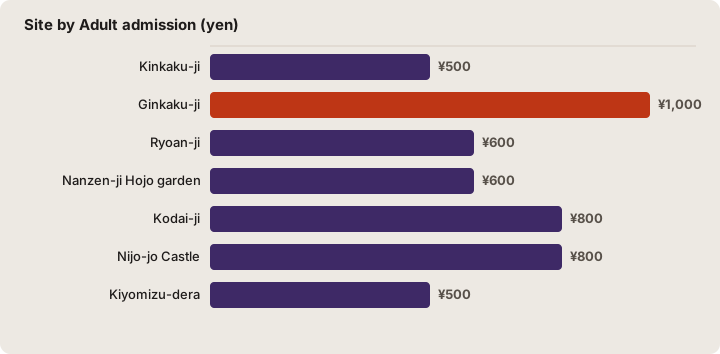
A day of blossom viewing in Kyoto can cost almost nothing, since the parks, riverbanks and Philosopher's Path are free, but the temple gardens along the way charge: Kinkaku-ji 500 yen, Ginkaku-ji 1,000 yen from April 2026, Ryoan-ji 600, and Kodai-ji 800. City transport runs 230 yen per bus ride and 220 to 360 yen by subway, with the Subway and Bus One-Day Pass at 1,100 yen.
The fee schedule matters more than most visitors expect, because two of the headline temples changed their prices recently. Ginkaku-ji doubled its adult admission from 500 to 1,000 yen effective 1 April 2026, its first revision in 32 years, and its child rate went from 300 to 500. Kinkaku-ji last revised on 1 April 2023 and now charges 500 yen for adults with 300 for primary and middle school students. Any fee table copied from a 2024 guide is wrong for at least one of these.
| Site | Adult admission | Notes |
|---|---|---|
| Kinkaku-ji | 500 yen | 300 yen primary and middle school |
| Ginkaku-ji | 1,000 yen | Doubled from 500 on 1 April 2026 |
| Ryoan-ji | 600 yen | 500 high school, 300 elementary and junior high |
| Nanzen-ji Hojo garden | 600 yen | Sanmon gate 600, ticketed separately |
| Kodai-ji | 800 yen | 1,200 combined with Entoku-in |
| Nijo-jo Castle | 800 yen | 1,300 with Ninomaru-goten Palace |
| Kiyomizu-dera | 500 yen | Single source, the temple does not print the fee |
| Maruyama Park, Kamo River, Philosopher's Path | Free | Open public ground |
Transport is the other running cost. The city bus flat fare is 230 yen for adults and 120 for children, subway fares run 220 to 360 yen by zone, and the Subway and Bus One-Day Pass costs 1,100 yen for adults and 550 for children. The old bus-only one-day pass no longer exists: sales ended in September 2023 and the last day of use was 31 March 2024, so any guide still recommending it is out of date. The subway network is the faster way across the city during the peak week, and the Kyoto subway guide maps the lines against the blossom districts.
If you are arriving in the season itself, the Tokyo to Kyoto and Osaka to Kyoto pages cover the rail options, and the Kyoto airport guide covers the airport connections, including the HARUKA visitor one-way ticket at 2,200 yen from Kansai Airport.
What Is The Kyoto Weather Like During Cherry Blossom Season?
Late March and early April in Kyoto average a mean of 8.8 C in March and 14.4 C in April, with mean daily highs of 14.1 C and 20.1 C, and rain of 106.2 mm and 117.0 mm respectively. The nights stay cold, with mean daily lows of 4.3 C in March and 9.2 C in April.
The JMA 1991-2020 normals for station 47759 give the full picture, and the detail that matters for hanami is the diurnal spread. A day that reaches 18 C under the trees can drop to 4 C after dark, and the floodlit night viewings that make the season special are also the coldest hours of the day. Layering is not optional advice here, it is what the numbers say.
| Month | Rain mm | Mean C | Mean daily max C | Mean daily min C | Sunshine h |
|---|---|---|---|---|---|
| February | 65.1 | 5.4 | 10.0 | 1.6 | 122.2 |
| March | 106.2 | 8.8 | 14.1 | 4.3 | 155.4 |
| April | 117.0 | 14.4 | 20.1 | 9.2 | 177.3 |
| May | 151.4 | 19.5 | 25.1 | 14.5 | 182.4 |
Rain is the blossom's enemy and the visitor's planning variable. April averages 117.0 mm across the month, and a single wet, windy day near peak can strip the petals early, which is why the record shows full bloom sometimes lasting days rather than weeks. The trade-off is that the same rain clears the air: the days immediately after a front often give the sharpest views of the blossoms against the Higashiyama hills. Note one correction that recurs across this site: July, not June, is Kyoto's wettest month at 223.6 mm.
Which Kyoto Festivals And Night Illuminations Coincide With The Blossom?
The cherry season itself has no major festival, but it overlaps with the plum tail end in late February and precedes the Aoi Matsuri on 15 May. The blossom-specific events are the park and temple night illuminations, including Maruyama Park's floodlit weeping cherry and the seasonal light-ups at Kodai-ji and other Higashiyama temples, typically running from late March into early April.
The three great festivals of Kyoto, the Aoi Matsuri on 15 May, the Gion Matsuri across the whole of July, and the Jidai Matsuri on 22 October, all sit outside the blossom window, and none of them are bookable products. What the season does have is the night illumination circuit. Kodai-ji runs its autumn night viewing from 23 October to 13 December 2026, and the temple operates a spring equivalent during the blossom weeks, with hours from 17:00 to 22:00 and reception until 21:30. Kiyomizu-dera's spring night viewing in 2026 ran from 27 March to 5 April, with the temple open 6:00 to 21:30 and last entry at 21:00, which is the single best calendar anchor for where the peak landed this year. The full index of guides sits on Kyoto Travel Guide.
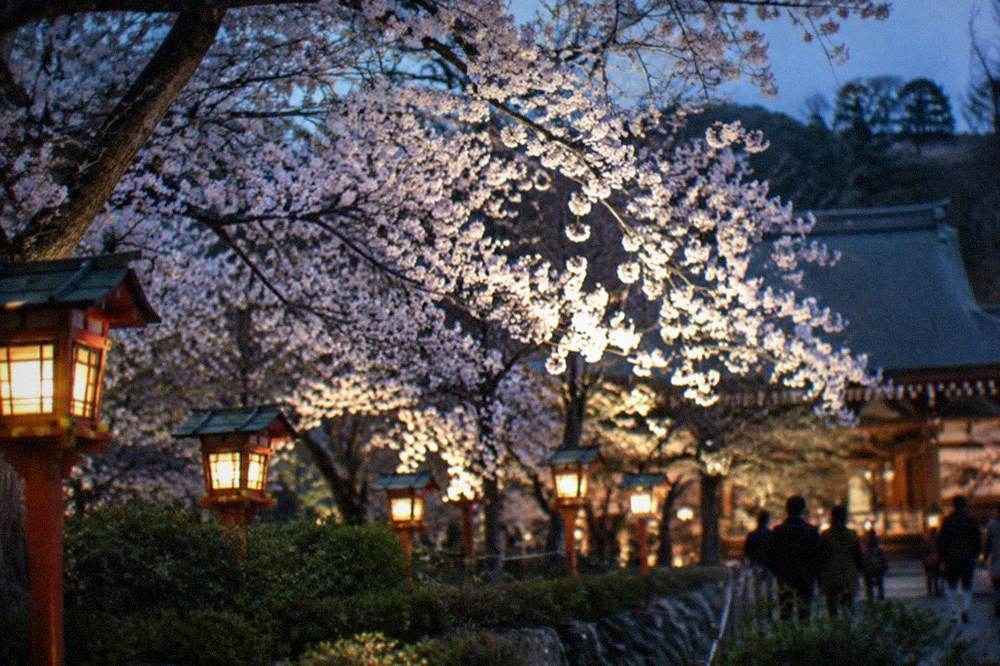
The night viewings change the rhythm of a blossom day. The temples that light up stay open two to three hours past their normal closing, which spreads the crowd load across the evening, and the illuminated weeping cherry at Maruyama Park is free to stand under. Check each temple's own schedule for the specific year, because the illumination windows are set annually around the observed bloom, not the normal.
The Gion Matsuri and Aoi Matsuri pages cover the two festivals that bracket the season, and the Kyoto festivals guide holds the full calendar including the Gozan no Okuribi on 16 August.
How Do You Avoid The Worst Cherry Blossom Crowds In Kyoto?
Kyoto drew a record 62.79 million visitors in 2025, up from 56.06 million in 2024, with 46.20 million of them day visitors, and the city's own response is dispersal: the tourist express buses EX100 and EX101, the hands-free luggage delivery network, and the Kyoto Tourism Comfort Forecast, a five-level crowd prediction tool built on smartphone location data.
Those numbers come from the Kyoto City Tourism Survey released 12 June 2026, and they replace the adjectives. The same survey recorded 16.59 million overnight guests and tourism spending of 2.0474 trillion yen, both records. Satisfaction ran above 90 percent for both Japanese and foreign visitors, but about half of Japanese visitors reported something disappointing against about 20 percent of foreign visitors, and the repeat rate is about 60 percent Japanese against 20 percent foreign, which tells you the disappointment is not evenly distributed.
| Kyoto City survey metric | 2025 | 2024 |
|---|---|---|
| Total visitors | 62.79 million, record | 56.06 million |
| Overnight guests | 16.59 million, record | 16.30 million |
| Day visitors | 46.20 million | 39.76 million |
| Tourism spending | 2.0474 trillion yen, record | 1.8839 trillion yen |
| School-trip students | 670,000 | 750,000 |
The city's tools are public and underused. The Kyoto Tourism Comfort Forecast, run by the city and the tourism association, predicts a five-level crowd comfort rating per spot, per area and per time slot using smartphone GPS data, weather and deep learning, and the Fushimi Inari shrine links to it from its own front page. The EX100 and EX101 tourist express buses run 500 yen a ride from Kyoto Station to the Kiyomizu side, Gion and Ginkaku-ji with fewer stops than the regular routes, and the hands-free luggage network moves bags from station counters to hotels so the buses are not carrying suitcases.
The levers that work are simple. Go early, because the illumination temples open at 6:00 and the parks are quietest before 9:00. Go north or west, because Kurama, Ohara and the Sagano side carry far less of the load than Higashiyama. And go up, because the mountain temples run later in the bloom and thinner in the crowd. A guided hike into the northern hills is one way to combine both: the Kurama and Kibune hiking tour runs 8 hours from $210, rated 5 from 82 reviews, through mountain country that most blossom-season visitors never reach.
The Kyoto crowds page goes deeper on the city's dispersal measures, and free things to do in Kyoto lists the no-cost options that also happen to be the spread-out ones.
What Should You Pack And Plan For A Kyoto Cherry Blossom Week?
Pack for a 4 to 20 C daily range with rain insurance: layers that work from a 4 C night to a 20 C afternoon, a compact umbrella for April's 117.0 mm average, and comfortable shoes for 15 to 20 km days of walking. Book accommodation and any timed entries months ahead, and hold the itinerary loosely enough to shift days around the observed bloom rather than the normal.
The practical sequence for a blossom week is straightforward. Fix the accommodation first, because the ryokan and hotel stock in Higashiyama, Gion and the station area fills earliest for the peak window. Reserve the timed-entry sites second, above all the Nijo-jo Castle Honmaru Palace, which requires an advance reservation and a separate 1,000 yen ticket on top of castle admission. Leave the day-to-day order flexible, because a rain day near peak is worth trading away for the clear day after it.
Food planning matters more than visitors expect during the peak week, because the restaurant districts fill at Japanese mealtimes. The best restaurants in Kyoto and Kyoto ramen pages map the reliable options, and the matcha Kyoto guide covers the seasonal sweets, since cherry-blossom season is also the start of the spring matcha menus. A cooking class or tea ceremony makes a good anchor on a rain day, and the tea ceremony class experience style options run from under $10; the class experience in this site's roster starts from $8.05, rated 4.3 from 592 reviews.
Between the parks and temples, the things to do in Kyoto master page holds the full site-by-site list, and the Kyoto hidden gems page is the antidote when the famous spots are at their fullest.
What Changes If You Miss The Peak Entirely?
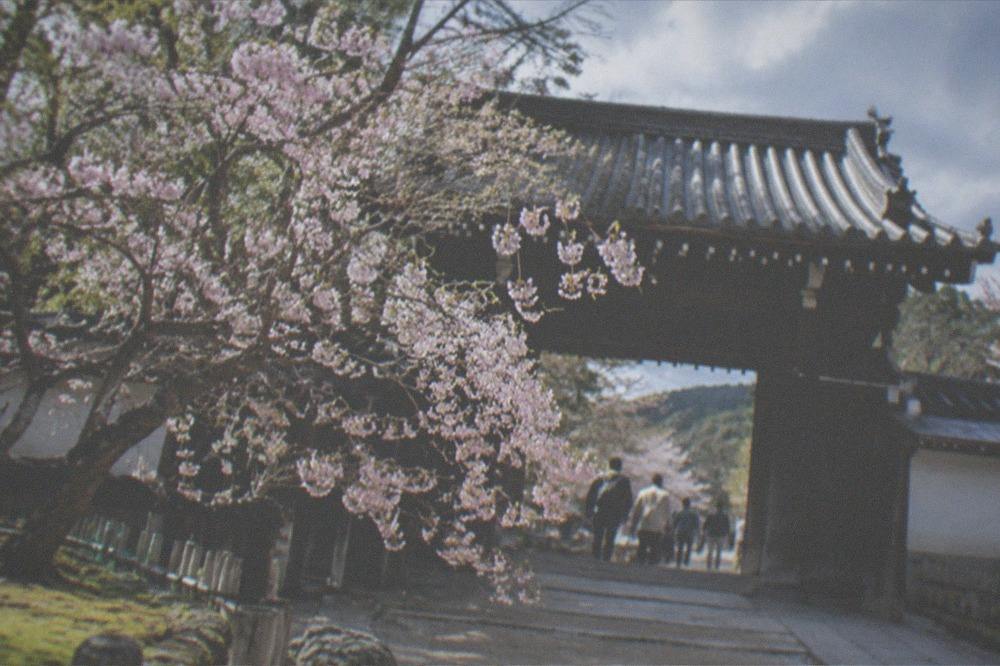
If the somei-yoshino peak passes before you arrive, the season is not over: the Omuro cherries at Ninna-ji typically flower about a week after the main peak, the mountain areas run later still, and the maple and ginkgo seasons sit months away with normals of 5 December and 24 November. A trip in the second week of April usually catches late cherries in the north and west of the city.
The staggered cultivars are the safety net. Weeping cherries, the Omuro variety at Ninna-ji and the late groves around Toji all extend the window past the headline peak, and the higher ground around Kurama and Ohara runs behind the city basin. The JMA maple normal of 5 December is worth knowing here for the reverse reason: it is far later than the mid-November peak that competing guides claim, because the JMA date is the observatory's own specimen tree turning, not the Arashiyama viewing peak. Treat it as the official marker, not the best week.
The other seasons hold their own. The Kyoto autumn leaves guide covers the maple side with the same JMA grounding, and a Kyoto winter visit makes the case for the quiet months, when the record 62.79 million annual visitors thin out and the temple gardens reset.
Common Questions About Kyoto Cherry Blossoms
When Do Kyoto Cherry Blossoms Usually Peak And How Much Does It Vary?
The JMA 1991-2020 normals put flowering at 26 March and full bloom at 4 April. The last two years landed at 23 and 30 March in 2026, and 27 March and 5 April in 2025. The recorded range runs from 16 March 2021 to 9 April 1984 for flowering, a swing of more than three weeks, so no single week is ever guaranteed.
Is Cherry Blossom Viewing In Kyoto Free?
The parks, riverbanks and Philosopher's Path are free, as are the Arashiyama bamboo path, Nishiki Market and Fushimi Inari Taisha. The temple gardens charge: Kinkaku-ji 500 yen, Ginkaku-ji 1,000 yen from April 2026, Ryoan-ji 600, Kodai-ji 800, and Nijo-jo Castle 800 or 1,300 with the Ninomaru-goten Palace.
What Is The Best Week To Visit Kyoto For Cherry Blossoms?
Statistically, the last week of March through the first days of April covers the normal full-bloom date of 4 April. The first ten days of April are the safer half of that window, and the late cultivars at Ninna-ji extend the season roughly a week past the main peak.
How Cold Is Kyoto During Cherry Blossom Season?
The JMA normals show a March mean of 8.8 C with nights averaging 4.3 C, and an April mean of 14.4 C with nights at 9.2 C and days reaching a 20.1 C average high. Night viewings under the floodlit trees are the coldest hours, so layers are the practical answer.
Does It Rain A Lot During Kyoto Cherry Blossom Season?
March averages 106.2 mm and April 117.0 mm, against July's 223.6 mm, which is the actual wettest month. A single wet, windy day near peak can strip petals early, so a compact umbrella and a flexible day order are worth more than a fixed schedule.
Can You See Cherry Blossoms At Night In Kyoto?
Yes. Maruyama Park's weeping cherry is floodlit, and several Higashiyama temples run seasonal night illuminations, with Kodai-ji's running 17:00 to 22:00. Kiyomizu-dera's 2026 spring night viewing ran 27 March to 5 April with entry until 21:00, and the windows are set annually around the observed bloom.
The short version of all of it: aim for the turn of the month, hold your days loosely, start early, and let the JMA record set your expectations rather than anyone's promised week. The blossom has been early two years running, the fees changed at two temples in 2026, and the crowd numbers are now the city's own published record, which makes this a season you can plan with real numbers instead of guesswork.