Which Airport For Kyoto
Kyoto has no airport of its own, so every visitor lands somewhere else and finishes the journey by rail or road. Here is how the two gateway airports compare, with verified fares.
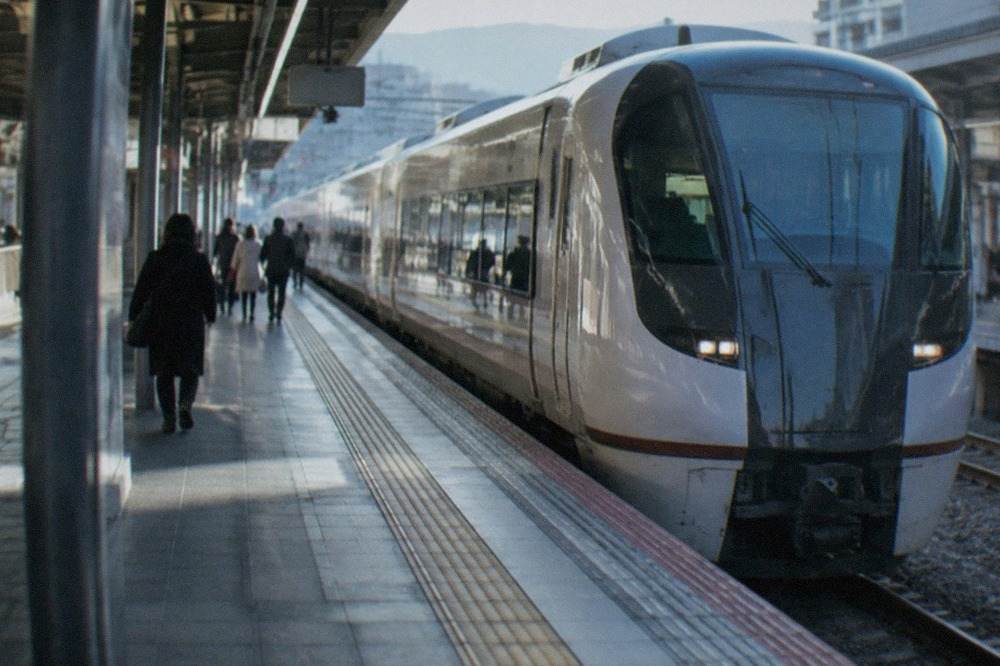
Short answer
Kyoto has no airport of its own. Most international visitors arrive at Kansai International Airport (KIX) and take the JR HARUKA, about 80 minutes to Kyoto Station, while domestic flyers often use Itami and its 1,500 yen limousine bus.
Kyoto draws a record 62.79 million visitors a year, according to the city's own 2025 tourism survey, released in June 2026, and not one of them lands in Kyoto itself. The city has no commercial airport within its boundaries. Every traveller arrives through a gateway somewhere else in Kansai and finishes the trip by train, bus or car, usually in under two hours. That final leg is where most of the planning mistakes happen: the wrong airport, the wrong ticket, or a pass that no longer exists.
This guide lays out the two airports that matter, the verified fares for each link into the city, and what to do once you reach Kyoto Station. The transport desk at Kyoto Travel Guide keeps every figure on this page tied to an operator or city source, and where a number cannot be verified, it says so instead of guessing.
Does Kyoto Have Its Own Airport?
No, Kyoto has no airport of its own. There is no commercial airport anywhere in the city, and no plan exists to build one. All flights into the region use Kansai International Airport (KIX) on an artificial island in Osaka Bay, or Osaka International Airport at Itami, which handles domestic traffic only. Every visitor finishes the journey to Kyoto by rail, bus or private car, typically in 50 to 90 minutes.
The city was Japans capital for over a thousand years and grew dense around temples, palaces and wooden machiya townhouses, leaving no room for a runway anywhere near the centre. The region solved the problem in 1994 by building Kansai International on reclaimed land in Osaka Bay, roughly 100 kilometres from Kyoto by rail, and Itami, older and landlocked, stayed as the domestic field.
For trip planning the practical consequence is simple: you book flights to KIX or to Itami via a connection, never to Kyoto. The rest of this page is about choosing between them and covering the last leg well. The Kyoto Station area guide covers what to do once you step off the train.
Which Airport Should You Fly Into For Kyoto?
Kansai International Airport (KIX) is the right choice for almost everyone arriving from outside Japan, because it is the regions only major international gateway and connects directly to Kyoto by the JR HARUKA train in about 80 minutes. Itami is better if you are flying domestic, from Tokyo, Sapporo or Fukuoka for example, since its limousine bus reaches Kyoto Station in 50 to 55 minutes for 1,500 yen.
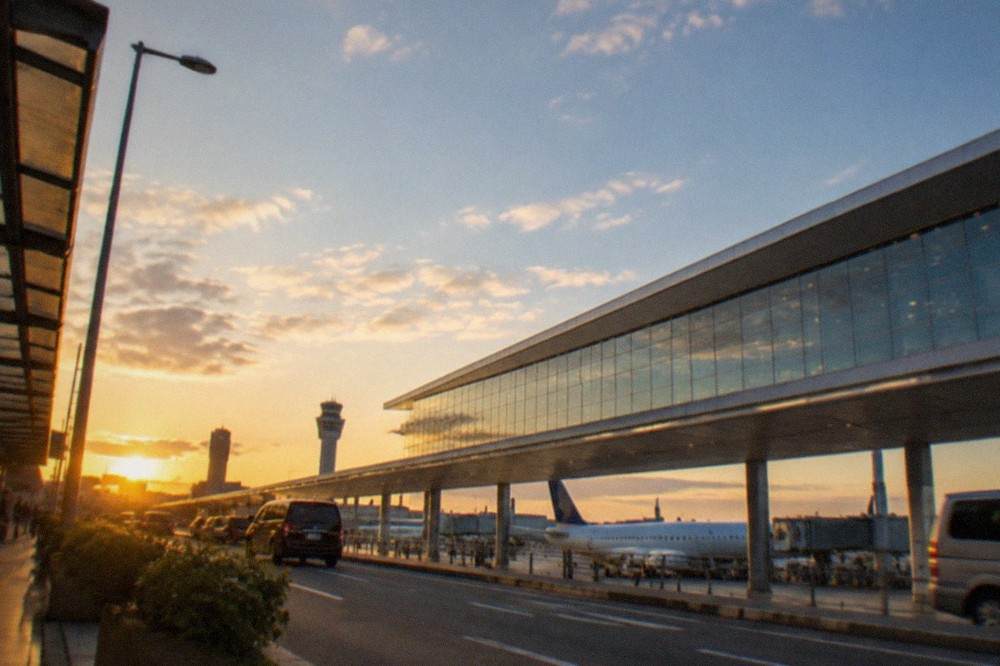
The split between the two airports is clean. KIX takes the international traffic and the low-cost carriers; Itami, formally Osaka International Airport, takes the domestic full-service routes. Neither is physically in Kyoto, and neither is dramatically closer than the other in time, so the decision usually makes itself based on where your flight lands.
A few travellers also route through Tokyo and take the shinkansen down, which the Tokyo to Kyoto guide covers in full. That only makes sense if Tokyo is already on your itinerary, since the train ride alone is over two hours on the fastest service.
| Airport | Location | Traffic | Best For | Main Link To Kyoto |
|---|---|---|---|---|
| Kansai International (KIX) | Artificial island, Osaka Bay | International and domestic | Long-haul arrivals, most visitors from abroad | JR HARUKA, about 80 minutes |
| Osaka International (Itami) | Itami, northern Osaka | Domestic only | Domestic connections within Japan | Hankyu Kanko limousine bus, 50 to 55 minutes |
If you are still shaping the whole trip, the Kyoto itinerary guide can help you decide how many days to build around the transport reality of arriving 100 kilometres from your hotel.
How Do You Get From Kansai International Airport To Kyoto?
The JR HARUKA limited express runs from Kansai International Airport directly to Kyoto Station in about 80 minutes, and the JR West HARUKA One-way Ticket for foreign visitors costs 2,200 yen adult and 1,100 yen child, a substantial discount on the regular fare. The alternative is a private transfer or shared bus, and the train is the default recommendation for nearly every visitor.
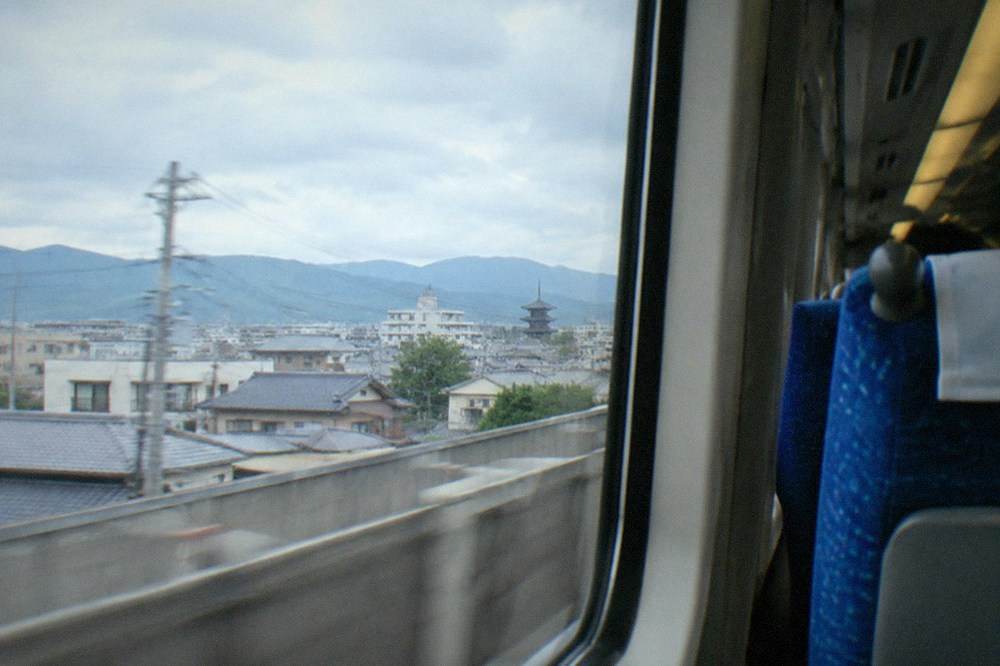
The HARUKA is the workhorse of this route. It leaves from the airport's own station, connected to the terminal, and runs without transfers to Kyoto Station. JR West prices the visitor ticket at 2,200 yen, and that product name matters: it is a specific discounted ticket for foreign visitors, exchanged or shown as an e-ticket, not the standard fare. The regular fare is higher, and JR West's own pages are the place to confirm the current terms before you travel.
The full route, station by station, is covered in the HARUKA Express guide, and the wider door-to-door picture, including what to do if you land at Itami instead, sits in Kansai Airport to Kyoto.
For travellers with heavy luggage, small children, or a late-night arrival, a private transfer removes every variable. The Kansai KIX Airport private transfer runs to Kyoto or Osaka, and the operator's live listing carries the current per-vehicle pricing and the meet-and-greet terms. The same logic applies in reverse at the end of a trip: nobody wants to drag a suitcase through a transfer at 7 a.m. with a flight at noon.
Before settling on the train, it is worth weighing the two options against your own arrival time. The HARUKA runs on a fixed timetable and stops at Kyoto Station only, so anyone staying in the north of the city, near Kinkaku-ji or the Arashiyama side, still has a subway or taxi hop after the rail leg. A private transfer goes door to door instead, and for a group sharing one vehicle the per-head gap narrows to the point where the convenience decides it.
How Do You Get From Itami Airport To Kyoto?
The Hankyu Kanko limousine bus runs from Itami Airport to Kyoto Station in about 50 to 55 minutes and costs 1,500 yen adult and 750 yen child, departing from the Hachijo exit side of the station in the reverse direction. Contactless card payment has been accepted on the service since 1 March 2026, so a card tap now covers the fare.
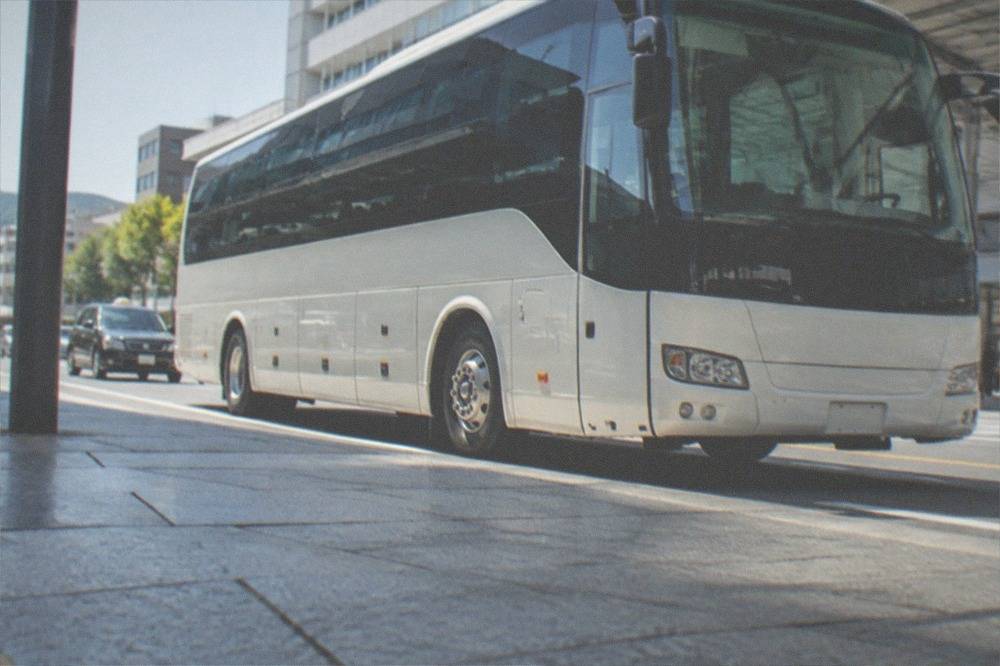
Itami is closer to Kyoto than KIX in both distance and time, but it only helps if your route into Japan is domestic. The bus is the standard link: it terminates at Kyoto Station, and the operator's timetable gives the departure bays and the headway. Travellers heading to the Kyoto Station area for a first night will find the bus drops them exactly where the hotels are.
The rail alternative from Itami involves a monorail or a short bus hop to a JR or Hankyu line and then one or two changes, which saves little or nothing on a 50-minute bus ride. Unless your hotel sits directly on a convenient line, the bus is the better answer, and the Itami Airport to Kyoto guide works through the edge cases.
One planning note worth the attention of anyone with an early flight out: the first buses of the morning and the last of the evening are the ones that fill, and the operator's own timetable, not a third-party summary, is the schedule to trust for a departure day.
How Much Does An Airport Transfer To Kyoto Cost?
The verified price points are: the JR West HARUKA One-way Ticket at 2,200 yen adult and 1,100 yen child from KIX, the Itami limousine bus at 1,500 yen adult and 750 yen child, and private transfers priced per vehicle on the operator's listing rather than per person. A private car is the most expensive option per head for solo travellers and often the cheapest for a family of four splitting one vehicle.
The table below holds only figures verified from operator or city sources. Where a price varies, it says so.
| Route | Mode | Adult Fare | Child Fare | Time |
|---|---|---|---|---|
| KIX to Kyoto Station | JR HARUKA (visitor one-way ticket) | 2,200 yen | 1,100 yen | about 80 minutes |
| Itami to Kyoto Station | Hankyu Kanko limousine bus | 1,500 yen | 750 yen | 50 to 55 minutes |
| KIX or Itami to your door | Private transfer | per vehicle, on the operator's listing | per vehicle | varies with destination |
The arithmetic is worth doing before you book. Two adults on the HARUKA each pay the 2,200 yen visitor fare, so a couple should budget for two tickets; a private transfer for the same two people may cost more per head but delivers luggage handling and a door-to-door ride, which matters after a long-haul flight. Four or five people sharing one vehicle often land below the per-person train fare, and the operator's listing is where the current per-vehicle price lives.
What no transfer service can change is the geography: Kyoto is a mid-sized city with narrow streets, and a driver delivers you to the hotel door, not to a temple gate. Once you are installed, the city's own transit takes over, and that is the next section.
Do You Need An IC Card Or A Rail Pass For Kyoto?
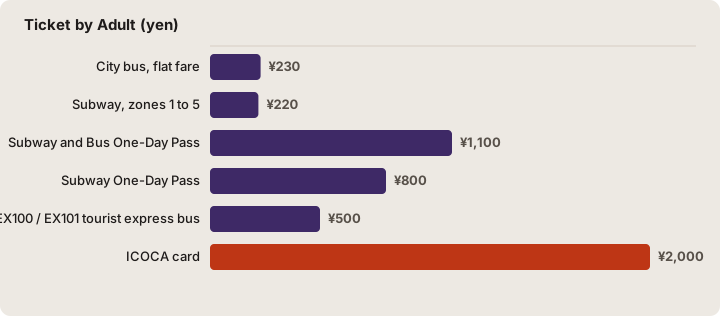
For getting around Kyoto itself, an ICOCA card costs 2,000 yen including a 500 yen deposit and covers every city bus and subway ride, while the Subway and Bus One-Day Pass at 1,100 yen adult and 550 yen child pays for itself after roughly four rides. The bus-only one-day pass no longer exists: sales ended in September 2023 and the last day of use was 31 March 2024.
The dead bus pass is the trap that catches the most visitors, because older guides still recommend it. The city ended it deliberately, saying about 90 percent of buyers were non-residents and the cheap pass was concentrating tourists on a handful of already-crowded bus routes. The replacement is the combined Subway and Bus One-Day Pass, which pushes visitors onto the subway for the longer hops.
The verified fare structure inside the city:
| Ticket | Adult | Child | Notes |
|---|---|---|---|
| City bus, flat fare | 230 yen | 120 yen | every route, every distance |
| Subway, zones 1 to 5 | 220 / 260 / 290 / 330 / 360 yen | 110 / 130 / 150 / 170 / 180 yen | by zone travelled |
| Subway and Bus One-Day Pass | 1,100 yen | 550 yen | subway plus city buses, one day |
| Subway One-Day Pass | 800 yen | 400 yen | subway only |
| EX100 / EX101 tourist express bus | 500 yen | 250 yen | cash or IC, limited stops |
| ICOCA card | 2,000 yen | includes 500 yen deposit | usable on buses and subway |
The EX100 and EX101 tourist express buses deserve a line of their own. They run limited-stop from Kyoto Station toward the Kiyomizu side, Gion and the northern temple area, cost 500 yen a ride in cash or by IC card, and exist for exactly the reason you would guess: to move visitors off the crowded ordinary routes. The city's transport pages give the routes and operating days.
For regional rail, the JR West Kansai Area Pass is 2,800 yen for one day and covers the Kansai region's JR network. Whether it beats single tickets depends entirely on your day plan, and the JR Pass for Kyoto guide works through the maths. Do not buy any pass on a deadline rumour: confirm current terms on the operator's own page before committing.
What Should You Know About Kyoto Station Arrivals?
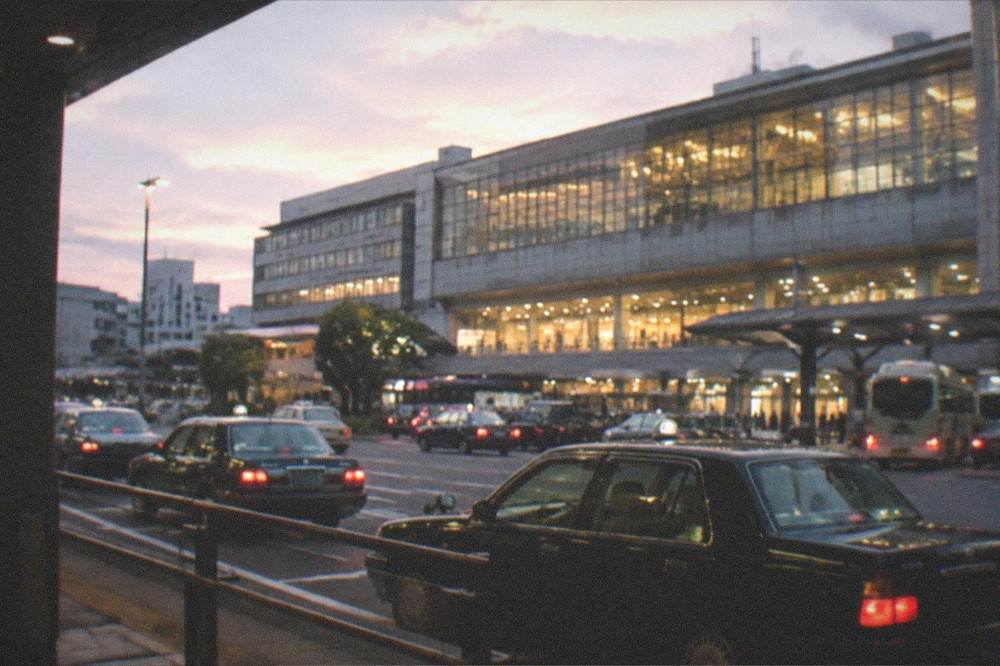
Kyoto Station is the arrival point for nearly every airport link, and it is a destination in its own right: a 15-storey complex with a department store, a food hall, the shinkansen platforms, and the bus terminal all in one building. The Hachijo exit on the south side is where the Itami limousine buses and airport taxis operate, while the Karasuma central exit faces the city and the subway lines.
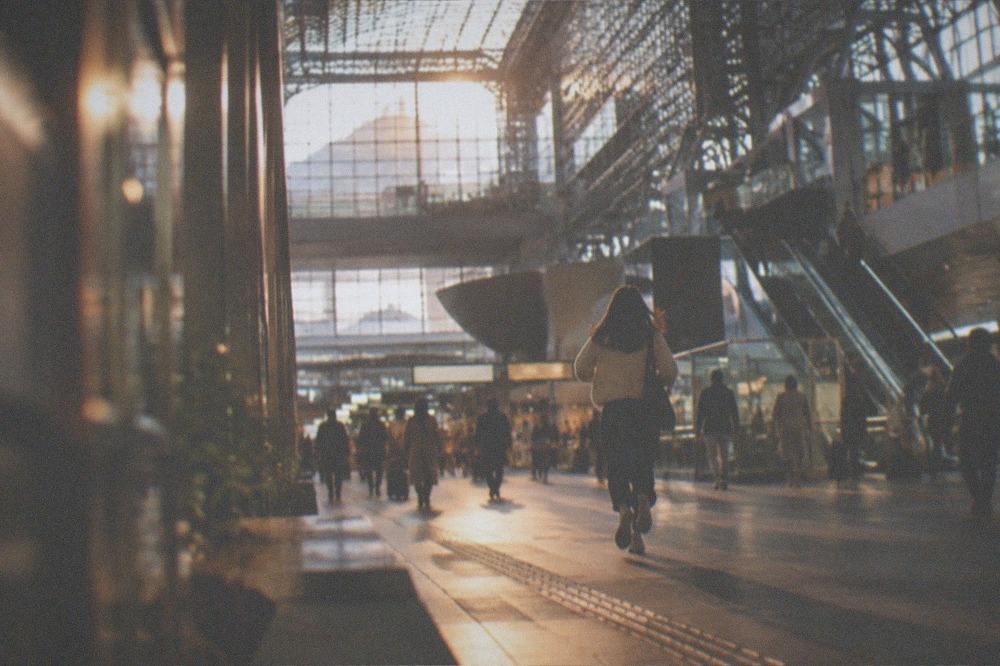
Two practical points save the most time on arrival day. First, the station is large enough that picking the wrong exit costs a ten-minute walk with luggage; the bus bays, the taxi ranks and the airport bus stops are all on the Hachijo side. Second, luggage delivery counters operate in the station, part of the city's hands-free tourism scheme, and sending a bag straight to a hotel turns an afternoon arrival into a usable half-day of sightseeing instead of a hotel detour.
The Kyoto luggage storage guide covers the counters, lockers and delivery services in detail. If the arrival day is short, the Kyoto half-day itinerary is built around exactly this situation, and the Kyoto layover guide handles the tighter version.
For the first evening, the station's own tower is the easiest landmark: Nidec Kyoto Tower stands directly across from the Karasuma exit, its observation deck is open 10:00 to 21:00 with last admission at 20:30, and adult entry is 900 yen. It is the one sightseeing stop that requires no transit at all after a train arrival, and the tower's own fee notice sets the current prices.
Which Airport Mistakes Cost Visitors The Most Time?
The three costly mistakes are booking a flight to Tokyo and shinkansen-ing to Kyoto when a KIX flight existed, buying advice that recommends the abolished bus-only day pass, and underestimating the last leg from station to hotel with luggage in tow. Each one wastes between thirty minutes and half a day, and each is avoidable with the verified fares on this page.
The Tokyo-routing mistake deserves the plainest statement. A KIX arrival puts you 80 minutes from Kyoto by a single train; a Tokyo arrival puts you a transfer and a long shinkansen ride away, which is fine if Tokyo is on the itinerary and expensive if it is not. Compare both routings honestly before booking, and the Osaka to Kyoto guide helps if the flight lands at Itami or in Osaka city.
The pass mistake is a staleness problem. Any guide, printed or online, that prices a bus-only day pass for Kyoto is describing a product that stopped being sold in September 2023. The same applies to accommodation tax figures: Kyoto's per-night tax changed on 1 March 2026, and the Kyoto accommodation tax guide has the current five tiers.
The luggage mistake is the quietest. Kyoto's buses are flat-fare and frequent, but they fill, and drivers can refuse bulky suitcases on crowded runs, a point the city's own visitor guidance makes. The subway handles luggage better, the hands-free delivery services better still, and a private transfer from the airport removes the question entirely.
| Mistake | Cost | The Fix |
|---|---|---|
| Flying to Tokyo when KIX was available | a long transfer plus shinkansen fare | compare routings before booking |
| Following advice that sells the bus-only day pass | a pass that no longer exists | Subway and Bus One-Day Pass, 1,100 yen |
| Dragging luggage across the city on arrival | 30 to 60 minutes plus effort | subway, hands-free delivery, or a private transfer |
Once the transfer is solved, the rest of the trip opens up. The things to do in Kyoto overview is the natural next stop, and the Kyoto first-timers guide collects the planning basics in one place.
A first-day bus tour is one honest answer to the arrival-day problem: if you land at KIX in the morning, a tour that collects in the city centre converts a jet-lagged afternoon into Fushimi Inari, Kinkaku-ji and the bamboo grove without any navigation. The operator's listing carries the current departure point and inclusions.
Common Questions About Kyoto Airports
Does Kyoto Have Its Own Airport?
No. Kyoto has no commercial airport of any kind. All flights into the region use Kansai International Airport (KIX) for international and many domestic routes, or Osaka International Airport at Itami for domestic routes only. The final leg to Kyoto is by train, bus or private car.
How Long Does The HARUKA Take From KIX To Kyoto?
About 80 minutes, direct from the airport's own station to Kyoto Station with no transfers. The JR West HARUKA One-way Ticket for foreign visitors costs 2,200 yen adult and 1,100 yen child.
Is Itami Or KIX Better For Kyoto?
KIX is the only real option for international arrivals. Itami serves domestic routes only, but it is faster to reach: the limousine bus takes 50 to 55 minutes at 1,500 yen adult, 750 yen child. If your flight into Japan connects domestically, Itami can save time.
Can You Still Buy A Bus-Only One-Day Pass In Kyoto?
No. Sales ended at the end of September 2023 and the last day of use was 31 March 2024. The replacement is the Subway and Bus One-Day Pass at 1,100 yen adult and 550 yen child, which covers both the subway and city buses.
What Is The Cheapest Way From KIX To Kyoto?
Among the verified options, the JR West HARUKA One-way Ticket at 2,200 yen for foreign visitors is the cheapest direct rail link. Cheaper indirect routings exist via Osaka but add transfers and time, which matters with luggage.
Do Kyoto Taxis Take Credit Cards?
Most do, but card acceptance varies by vehicle and company, so carry some yen as backup. The airport limousine bus from Itami has accepted contactless card payment since 1 March 2026, and the private transfer services quote and take payment in advance.
The short version of this whole page: fly into KIX unless your routing gives you Itami, take the HARUKA or the limousine bus rather than inventing a multi-transfer route, and ignore any pass recommendation that predates 2024. Get those three decisions right and the airport question stops being a question at all, and Kyoto starts about eighty minutes after you land.