Itami Airport To Kyoto: Every Transport Option Compared
Itami Airport to Kyoto is a 50 to 55 minute limousine bus ride at 1,500 yen, but whether Itami or Kansai International is the better gateway depends on where you fly in from. Here is every verified option, fare and pass, compared.
Short answer
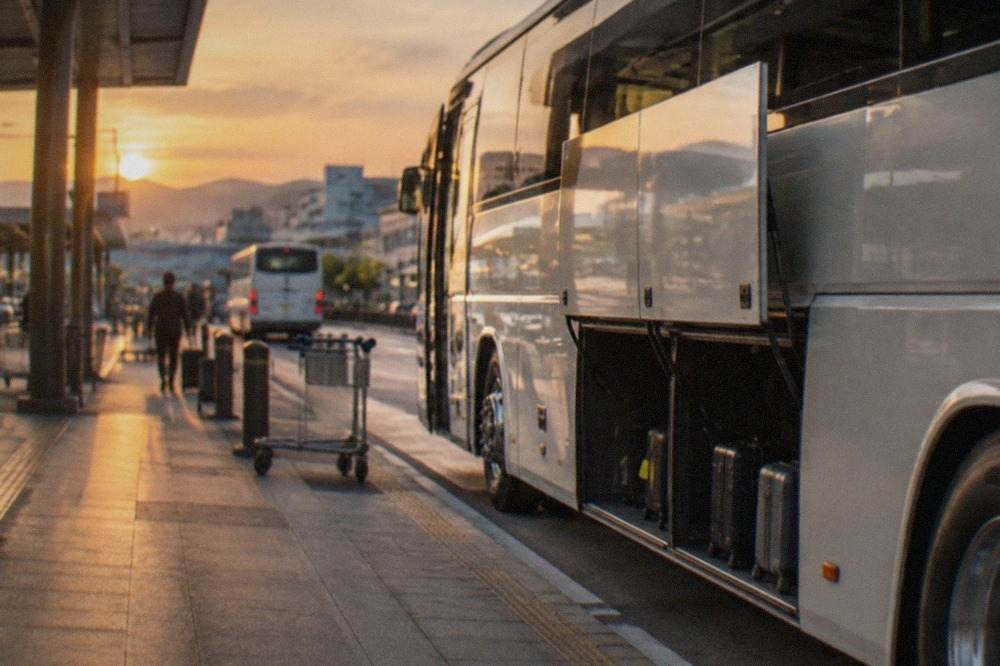
The Hankyu Kanko limousine bus runs Itami Airport to Kyoto Station for 1,500 yen adult and 750 yen child in about 50 to 55 minutes, departing from the Hachijo exit side. Kyoto has no airport of its own, so every visitor arrives through Itami or Kansai International, and the JR West HARUKA One-way Ticket covers Kansai to Kyoto at 2,200 yen.
Itami Airport to Kyoto is one of the shortest airport transfers in Japan's Kansai region: the Hankyu Kanko limousine bus covers the distance to Kyoto Station in about 50 to 55 minutes for 1,500 yen. That is the headline. The harder question is which airport to fly into at all, because Kyoto has no airport of its own and every visitor arrives either through Osaka Itami, the domestic hub close to the city, or through Kansai International on the coast, the offshore airport that carries nearly all international arrivals. The two are not interchangeable, and the wrong choice can cost an hour and a transfer with luggage.
This guide lays out every verified option: the limousine bus from Itami, the rail alternative via Osaka, the HARUKA express from Kansai International, and the private transfer if you are travelling with more bags than patience. Every fare printed here comes from the operator's own published pages, and where a figure is not verified, this page says so rather than guessing. For the wider arrival picture, the companion pages on getting to Kyoto from Kansai Airport and the HARUKA express cover the coastal route in detail.
How Do You Get From Itami Airport To Kyoto?
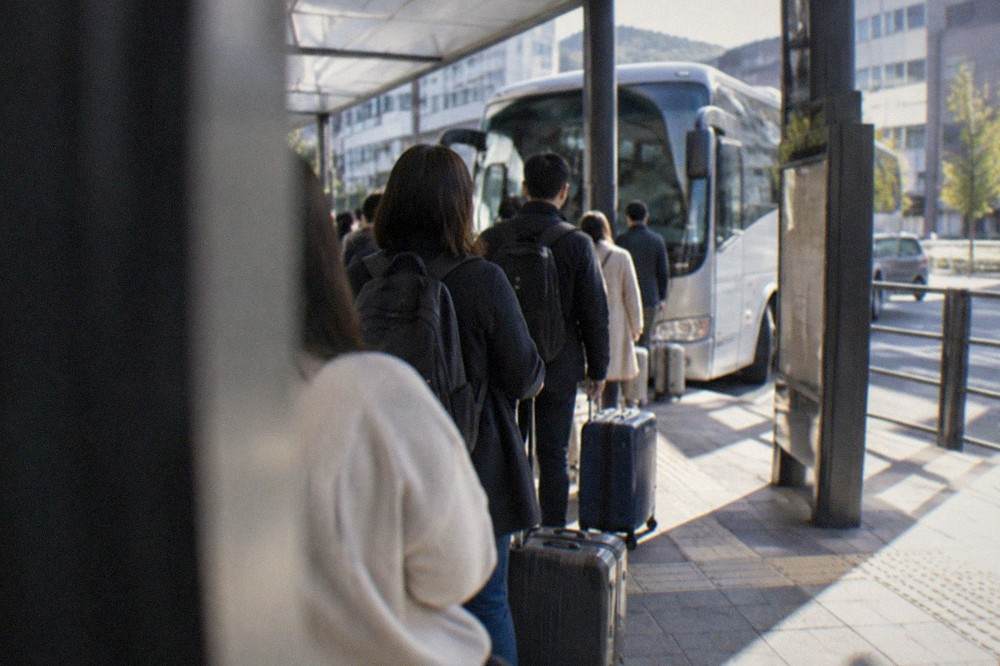
The direct option is the Hankyu Kanko limousine bus, which runs from Itami Airport to Kyoto Station for 1,500 yen adult and 750 yen child, taking about 50 to 55 minutes and arriving at the Hachijo exit on the south side of the station. Contactless card payment has been accepted since 1 March 2026. There is no direct train from Itami Airport to Kyoto, so the bus is the only one-seat ride.
The operator's own timetable page sets those figures, and they are stable year-round. Buses load at the Itami terminal bays and discharge at Kyoto Station's Hachijo exit, which matters more than it sounds: the Hachijo side is the south face of the station, steps from the shinkansen gates, the bus terminal for onward city buses, and the taxi rank. If your hotel is anywhere near the station, you are effectively dropped at your door.
The bus beats the train route for anyone with luggage because the alternative is a two-step journey. Itami has no mainline rail station inside the terminal; reaching Kyoto by train means travelling first into Osaka and changing, which turns a 50 minute ride into a longer trip with a transfer. The bus is the reason most guidebooks simply say "take the limousine from Itami" and stop there, and for once the guidebook advice is correct.
One practical note: the limousine runs to a timetable, not a frequency you can rely on blindly. Check the operator's timetable for your arrival time before you land, because late-evening arrivals can find the next departure is some way off. During the day the service is frequent enough that most travellers simply walk to the bay and board the next bus.
What Is The Difference Between Itami And Kansai Airports For Kyoto?
Itami is a domestic airport on the Osaka city boundary, about an hour from Kyoto by bus, and it serves Japan's internal flights plus a handful of international routes. Kansai International is the offshore international hub on an island in Osaka Bay, connected to Kyoto by the JR HARUKA express in about 80 minutes at 2,200 yen with the visitor one-way ticket. International arrivals almost always land at Kansai; domestic connections often land at Itami.
The practical difference is which flight brought you to Japan. If you are flying from Seoul, Taipei, Hong Kong or anywhere outside Japan, you will land at Kansai International, and your route to Kyoto is the HARUKA or an airport bus from the coast. If you are connecting through Tokyo or arriving on a domestic flight from Sapporo, Fukuoka or Okinawa, there is a good chance you land at Itami, which is far closer to Kyoto as the crow flies.
The cost picture favours Itami slightly. The Itami limousine to Kyoto Station is 1,500 yen, against the JR West HARUKA One-way Ticket at 2,200 yen for foreign visitors from Kansai International. The time difference is smaller than the map suggests, because Kansai's rail link is a fast dedicated express while Itami's bus crosses urban Osaka at whatever speed the expressways allow. The bus operator gives 50 to 55 minutes; the HARUKA is about 80 minutes door to gate but runs on a protected rail line that does not sit in traffic.
| Factor | Itami (ITM) | Kansai International (KIX) |
|---|---|---|
| Airport type | Domestic, limited international | International hub |
| Direct link to Kyoto | Limousine bus only | JR HARUKA express, buses |
| Fare to Kyoto Station | 1,500 yen adult, 750 child | 2,200 yen adult, 1,100 child (visitor one-way ticket) |
| Journey time to Kyoto | About 50 to 55 minutes | About 80 minutes |
| Payment on the bus | Contactless card accepted since 1 March 2026 | N/A for rail |
| Best for | Domestic connections, close-in arrival | All international arrivals |
There is a third consideration that no fare table captures: what you do after Kyoto. Travellers combining Kyoto with Osaka often fly into Itami because the airport sits between the two cities, and a combined Kyoto Osaka itinerary makes the geography obvious. Travellers heading straight to Kyoto from overseas have no real choice: it is Kansai International, and the HARUKA.
If you are still shaping the trip itself, the two days in Kyoto itinerary is the natural next read once the transfer is sorted.
Whichever airport you land at, the first day in the city tends to follow the same pattern: a station arrival, a pass purchase, and a walk to the hotel. The sections below cover each of those steps with the verified numbers attached, starting with the full fare picture.
How Much Does Itami Airport To Kyoto Transport Cost?
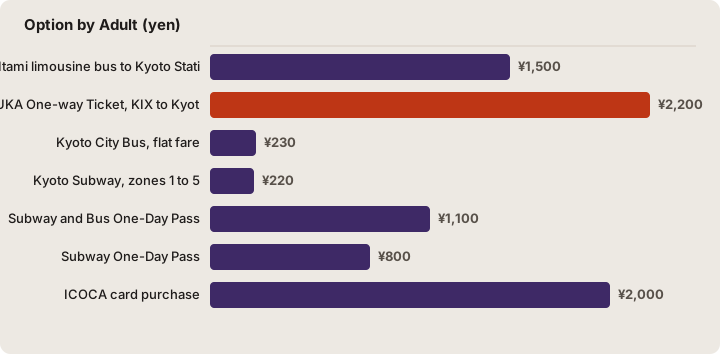
The limousine bus from Itami to Kyoto Station is 1,500 yen for an adult and 750 yen for a child, roughly 12 dollars at prevailing rates, with contactless card payment accepted. From Kansai International the comparison fare is the 2,200 yen HARUKA visitor ticket. Inside Kyoto after arrival, the city bus flat fare is 230 yen, the subway runs 220 to 360 yen by zone, and the Subway and Bus One-Day Pass is 1,100 yen.
Those are the numbers worth memorising, and they come from the operators' own fare pages rather than from any travel blog's guesswork. The table below puts the arrival options side by side with the in-city fares you will pay on day one.
| Option | Adult | Child | Notes |
|---|---|---|---|
| Itami limousine bus to Kyoto Station | 1,500 yen | 750 yen | About 50 to 55 minutes, Hachijo exit |
| HARUKA One-way Ticket, KIX to Kyoto | 2,200 yen | 1,100 yen | Foreign visitors, exchange order or e-ticket |
| Kyoto City Bus, flat fare | 230 yen | 120 yen | Child is ages 6 to 11 |
| Kyoto Subway, zones 1 to 5 | 220 to 360 yen | 110 to 180 yen | Priced by zone |
| Subway and Bus One-Day Pass | 1,100 yen | 550 yen | Covers both networks |
| Subway One-Day Pass | 800 yen | 400 yen | Subway only |
| ICOCA card purchase | 2,000 yen | 2,000 yen | Includes a 500 yen deposit |
Two warnings about stale information, because both errors are everywhere in older guides. First, the bus-only one-day pass no longer exists: sales ended at the end of September 2023 and the last day of use was 31 March 2024. The city's transport bureau says it withdrew the product because about 90 per cent of buyers were visitors and the pass concentrated tourists on the buses. Any page still recommending it is at least two years out of date. The current product is the Subway and Bus One-Day Pass at 1,100 yen.
Second, the accommodation tax changed on 1 March 2026, and hotel booking pages quote the old tiers. A room priced between 20,000 and 50,000 yen now carries 1,000 yen per person per night, and the top tier, rooms at 100,000 yen and up, carries 10,000 yen. The Kyoto accommodation tax guide breaks down all five tiers; the point for this page is that your arrival-day budget should expect the new rates, not the old ones.
The fare picture above is the whole arrival budget in one glance, and the rest of this guide fills in the context around it: which airport suits which trip, how the station connections work, and when a private transfer stops being an indulgence.
Which Kyoto Airport Should You Fly Into For Your Trip?
For international travellers there is no choice to make: nearly all overseas flights land at Kansai International, and the HARUKA express handles the transfer. For domestic connections, Itami is usually the better Kyoto gateway because it is closer and the 1,500 yen limousine is a single seat to Kyoto Station. The decision only really exists for travellers who can route either way, typically via a Tokyo or Osaka connection.
When the choice is genuinely open, weigh three things. Time: Itami wins on distance, but the HARUKA's rail reliability offsets much of it, and a bus in Osaka rush hour can exceed its scheduled 55 minutes. Cost: Itami wins by 700 yen per person, which matters for families. Luggage: the limousine driver handles the hold bags, while the HARUKA means managing suitcases onto a train, though the airport station has escalators and lifts throughout.
There is also the question of where you sit in the aircraft, in a sense. Itami is famous among aviation enthusiasts as one of the few major airports where the approach passes close over dense city blocks, and plane spotters gather at a well-known park under the final approach. That is a curiosity, not a reason to choose an airport, but it tells you how embedded Itami is in the urban fabric, which is exactly why the bus ride to Kyoto is short.
For the full picture on the coastal route, including the HARUKA ticket in detail, read the dedicated Kyoto airport guide. And if your trip starts in Tokyo rather than in the air over Osaka, the Tokyo to Kyoto guide covers the shinkansen leg.
How Do You Get From Kyoto Station To Your Hotel?
From Kyoto Station, the city bus flat fare is 230 yen, the subway costs 220 to 360 yen by zone, and the tourist express buses EX100 and EX101 charge 500 yen adult and 250 yen child in cash, linking the station directly to the Kiyomizu side, Gion, Heian Shrine and Ginkaku-ji with fewer stops. The Subway and Bus One-Day Pass at 1,100 yen pays for itself after roughly four bus rides.
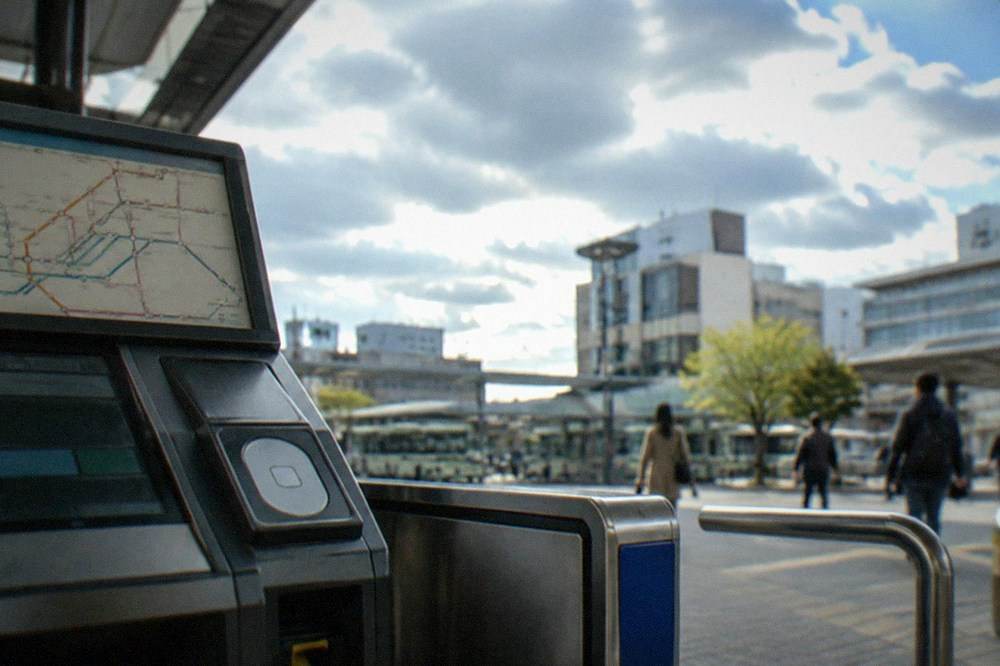
The Hachijo exit where the Itami bus arrives is the bus and taxi side; the Karasuma central exit is the subway side. Kyoto's two subway lines, the Karasuma and Tozai lines, cross downtown and reach the areas buses struggle to serve quickly. The zone fare table above applies: 220 yen for zone 1 rising to 360 yen for zone 5.
The EX100 and EX101 expresses deserve a special mention because they were created precisely for visitors arriving at Kyoto Station with luggage. The city's own transport pages set the 500 yen adult fare, and the EX101 runs to the Kiyomizu side every 7 to 8 minutes in the morning on operating days. The EX100 continues past Gion and the Okazaki museum district to Ginkaku-ji, the Silver Pavilion, whose own admission changed in April 2026: the temple's notice sets it at 1,000 yen for adults, doubled from 500, the first rise in 32 years. Anyone whose 2023 itinerary notes say 500 yen for both Kinkaku-ji and Ginkaku-ji is now wrong for half of that pair.
| Route from Kyoto Station | Service | Fare | Direction |
|---|---|---|---|
| Gojo-zaka, Kiyomizu side | EX101 express | 500 yen | Every 7-8 min mornings |
| Gion, Heian Shrine, Ginkaku-ji | EX100 express | 500 yen | Fewer stops, faster |
| Any city bus route | City bus flat | 230 yen | Flat fare, any distance |
| Karasuma or Tozai line | Subway | 220-360 yen | By zone |
| All day, both networks | One-Day Pass | 1,100 yen | Bus and subway |
For choosing where to base yourself before you book, the where to stay in Kyoto guide maps the neighbourhoods against the transport lines, and the traditional Kyoto ryokan guide explains what staying in one involves, including arrival timing and luggage conventions.
Is A Private Transfer From Itami Or Kansai Worth It For Kyoto?
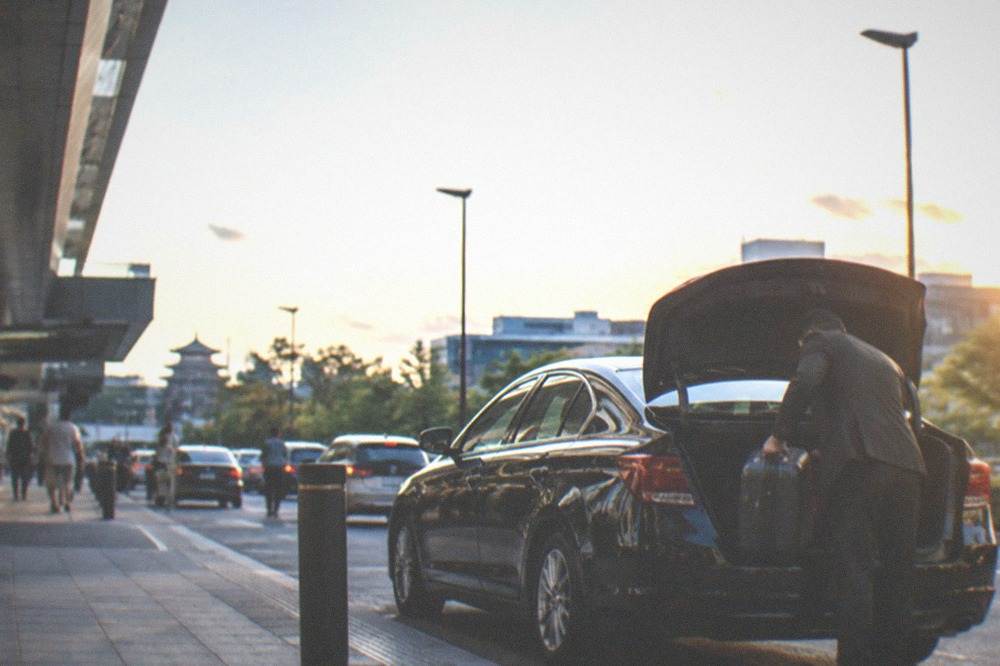
A private transfer costs more than any public option, from $108 per person for a departure transfer to Kansai International on this site's roster, but it removes three problems at once: the timetable, the luggage handling and the navigation of a Japanese address system that defeats many first-time visitors. For families, groups splitting the fare, or late arrivals, the maths improves sharply.
The honest framing is that the 1,500 yen bus is excellent, and most solo travellers and couples should simply take it. The case for a private car is situational. A family of four with four large suitcases on the bus is manageable; the same family arriving at 22:00, or staying at a ryokan in a northern alley no bus serves, may find a door-to-door transfer is the difference between a smooth start and an hour of dragging bags.
The transfer on this site's roster covers the departure side, from your Kyoto hotel to Kansai International, at $108 per person with a 4.8 rating from 91 reviews. For arrival from Itami, the bus genuinely is the answer for most people, and saying otherwise would be salesmanship rather than advice. Where the private transfer earns its price is on the way out, when a missed connection has real consequences.
What Should You Know About Kyoto's Buses, Passes And IC Cards?
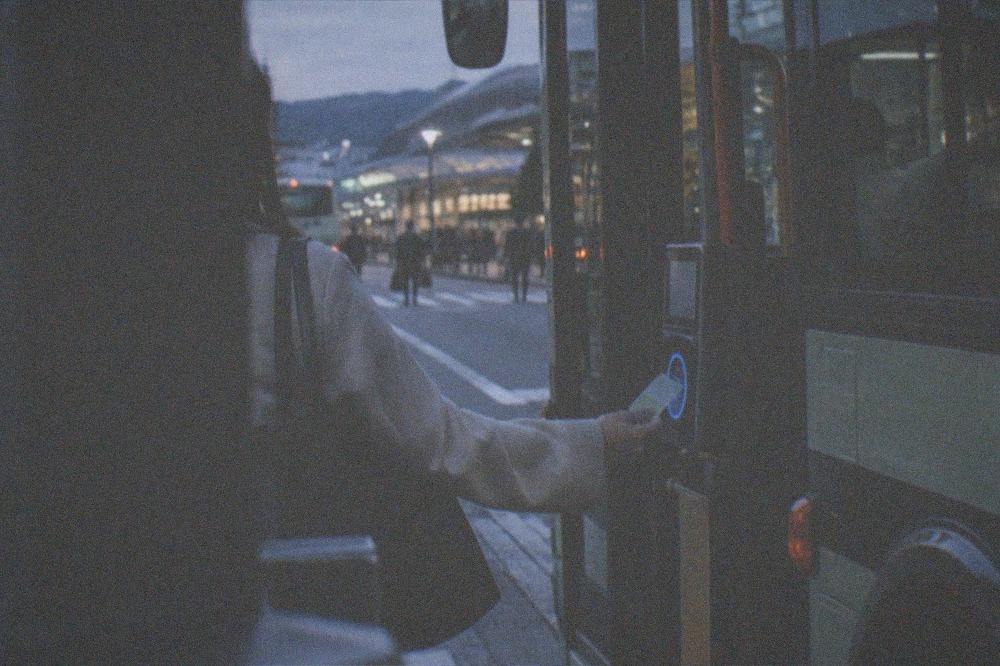
Buy an ICOCA card for 2,000 yen, which includes a 500 yen deposit, and it works on Kyoto's buses, subways, trains and vending across the region. The Subway and Bus One-Day Pass at 1,100 yen is the only day pass worth considering now, because the bus-only pass was abolished in March 2024. The JR West Kansai Area Pass costs 2,800 yen for one day and covers regional JR lines including the airport route.
The ICOCA is the default recommendation for anyone making more than a couple of journeys. The card's purchase price of 2,000 yen includes a 500 yen deposit, leaving 1,500 yen of credit, and it is rechargeable at any station machine. It also settles the small anxiety of exact-change bus boarding, although the city buses accept IC cards directly.
The day-pass decision is simple arithmetic. At 230 yen a bus ride and 220 to 360 yen a subway ride, the 1,100 yen combined pass breaks even around four rides. Visitors doing the classic Higashiyama circuit, Kiyomizu-dera through Gion, will hit that by early afternoon. Visitors walking between the temples of Kyoto in one compact area may not, and should stay pay-as-you-go.
One regional note, stated carefully: the JR West Kansai Area Pass is verified at 2,800 yen for one day on JR West's own page. Rumours about its withdrawal circulate on booking sites, but nothing on the operator's own page confirms them, so treat any deadline talk with caution and check JR West directly before relying on it.
| Card or pass | Price | Best for |
|---|---|---|
| ICOCA | 2,000 yen incl. 500 deposit | Everyone, pay-as-you-go |
| Subway and Bus One-Day Pass | 1,100 yen | 4+ rides across both networks |
| Subway One-Day Pass | 800 yen | Subway-only days |
| JR West Kansai Area Pass | 2,800 yen | Regional JR day trips |
| Bus-only One-Day Pass | Withdrawn | No longer sold since 2023 |
How Long Does The Whole Itami To Hotel Journey Take?
Budget about 90 minutes from Itami's arrivals hall to a central Kyoto hotel: the bus takes about 50 to 55 minutes to Kyoto Station, and the onward subway or bus leg adds 15 to 30 minutes depending on your destination, plus time at the bay and the platform. From Kansai International, the same door-to-hotel figure is closer to two and a half hours via the HARUKA.
The hidden variable at Itami is the departure gap. The limousine runs to a published timetable, and an unlucky arrival can add a wait of 20 minutes or more before the bus even leaves. Immigration does not exist on domestic arrivals, so the terminal-to-bay walk is short, which is Itami's great advantage: it is a compact airport where the walk from gate to bus bay is measured in minutes, not in the long corridors of an offshore island terminal.
From Kansai International, add immigration and baggage reclaim time on top of the about 80 minute rail ride, which is why the two airports feel so different even though the Kyoto end of the journey is identical. The Kansai Airport to Kyoto guide covers that route's timing in detail.
For travellers with a short window in the city, the Kyoto layover itinerary shows what is realistic from a station-adjacent base when every minute counts.
What Can You Do With Luggage Before Check-In In Kyoto?
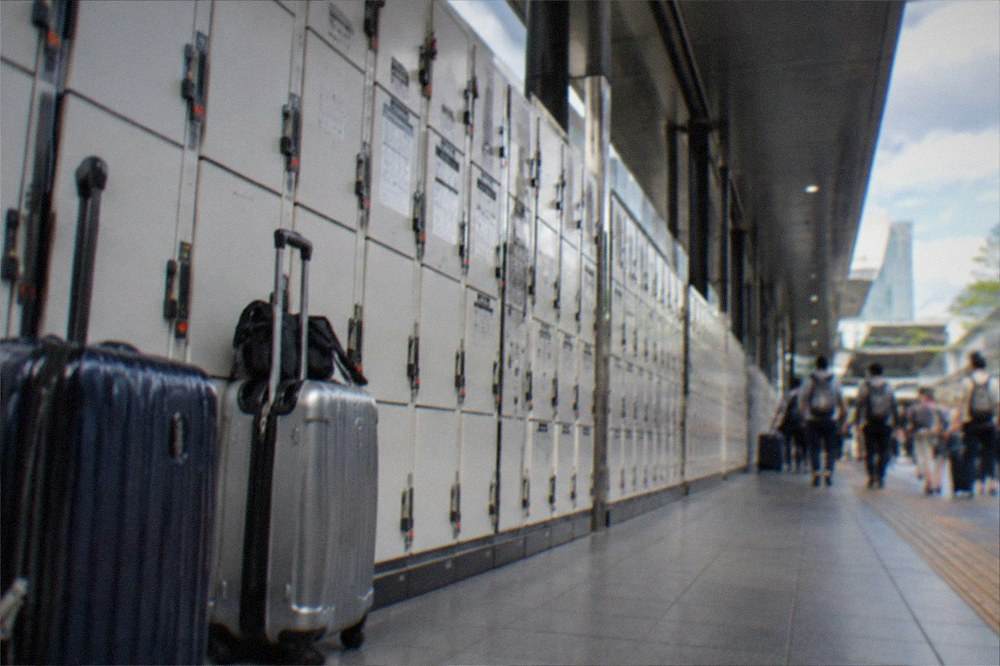
Kyoto runs a citywide hands-free luggage programme with station counters, delivery services and lockers, promoted by the city tourism association specifically to keep large bags off the crowded buses, and drivers may refuse bulky luggage on packed city buses. Delivering a suitcase from Kyoto Station to your hotel, or sending it ahead to the airport, is the standard move for early arrivals and late departures.
The city's own transport pages carry the luggage guidance, and it is not a courtesy note: the buses through the central tourist corridor are the most crowded in Japan by some measures, and a wheeled suitcase in the aisle is exactly what the hands-free programme exists to prevent. The Kyoto luggage storage guide lists the counter locations and the delivery options.
This connects back to the airport choice in a quiet way. The Itami limousine puts your bags in a hold, which is why the bus is so painless. The moment you are off the bus at Kyoto Station, the luggage problem begins again, and solving it with a delivery or a locker is cheaper in stress than it is in yen.
What About Arriving In Kyoto By Train From Osaka Instead?
If your trip starts in Osaka rather than at an airport, the rail options between the cities include JR and private lines with fares from a few hundred yen and journey times under 30 minutes on the fastest services. This matters for Itami arrivals too, because Itami sits on the Osaka side, and some travellers combine an Osaka base with Kyoto day trips.
The full breakdown of those intercity lines, including which stations serve which part of Kyoto, is in the Osaka to Kyoto guide. The geography is worth internalising once. Kyoto, Osaka and the two airports form a rough rectangle: Kansai International hangs off the coast to the southwest, Itami sits at the northeast corner of Osaka, and Kyoto sits north of everything. A trip that visits both cities can use either airport efficiently, and the shinkansen from Tokyo deposits you at Kyoto Station regardless.
For the food side of the arrival evening, the Kyoto ramen guide covers the station area and beyond, and the station building itself holds a department store, a ramen floor and enough dining to make an arrival-night decision easy.
Common Questions About Itami Airport To Kyoto
What Is The Difference Between Itami And Kansai Airports For Kyoto?
Itami is the domestic airport close to Osaka, reached from Kyoto by a 1,500 yen limousine bus in about 50 to 55 minutes. Kansai International is the offshore international hub, reached by the JR HARUKA express in about 80 minutes, with the visitor one-way ticket at 2,200 yen. International flights almost all use Kansai; domestic connections often use Itami.
How Much Is The Bus From Itami Airport To Kyoto Station?
The Hankyu Kanko limousine bus costs 1,500 yen for an adult and 750 yen for a child, taking about 50 to 55 minutes to the Hachijo exit of Kyoto Station. Contactless card payment has been accepted since 1 March 2026.
Is There A Train From Itami Airport To Kyoto?
No direct train links Itami Airport to Kyoto. The one-seat option is the limousine bus; a rail journey requires travelling into Osaka first and changing trains there.
Which Pass Should I Buy For Getting Around Kyoto?
The Subway and Bus One-Day Pass at 1,100 yen, or 550 yen for a child, covers both networks and pays for itself after roughly four rides. The old bus-only pass was withdrawn, with sales ending in September 2023 and the last day of use on 31 March 2024.
How Do I Pay For Buses And Subways In Kyoto?
An ICOCA card costs 2,000 yen including a 500 yen deposit and works on buses, subways and trains across the region. City buses also take cash, and the flat fare is 230 yen for an adult.
Is Itami Or Kansai Airport Closer To Kyoto?
Itami is closer in distance and the bus ride is shorter at about 50 to 55 minutes, but the HARUKA from Kansai International is a reliable rail journey of about 80 minutes. For international arrivals, Kansai is the only realistic option.
The transfer from Itami is the easy part of a Kyoto trip: one bus, one fare, one seat. The planning that rewards attention is what happens after the Hachijo exit, from the pass you buy to the day the tax at your hotel changed, and the pages linked through this guide, starting with things to do in Kyoto and the wider Kyoto Travel Guide hub, cover each of those decisions with the same verified numbers.