Kyoto Layover From Kansai Airport
A Kyoto layover from Kansai Airport works with six hours on the ground, and works well with eight. Here is the math, the fares and the closing times that decide what fits.
Short answer
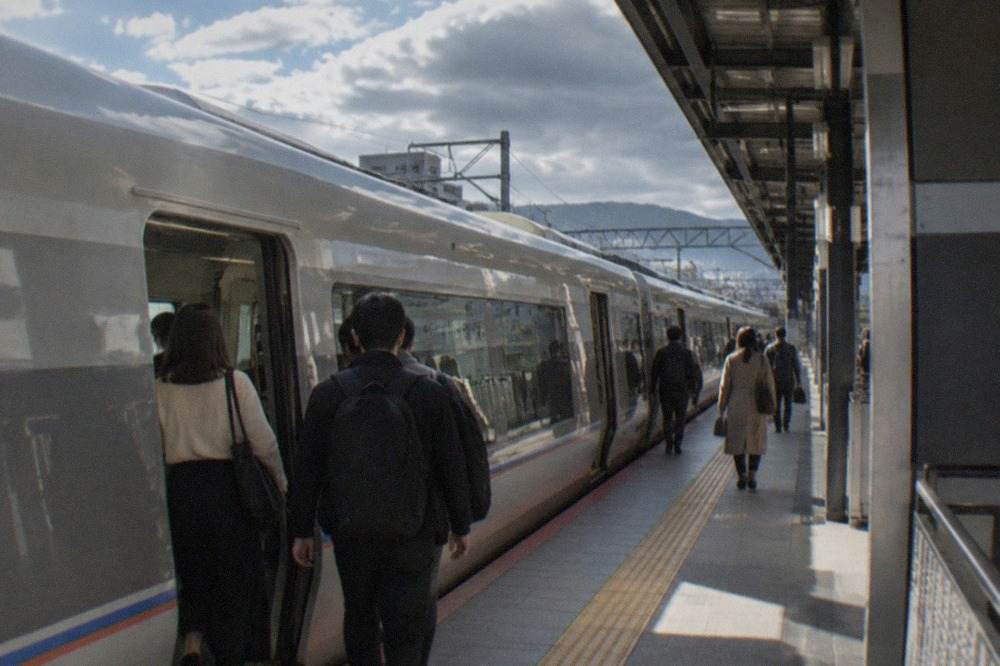
Six hours is the realistic minimum for a Kyoto layover from Kansai Airport: about 80 minutes each way on the HARUKA plus a sight that needs no ticket. Eight to ten hours lets you add a paid temple and a meal.
Kansai Airport sits on an island in Osaka Bay, and Kyoto sits about 80 rail minutes away from its terminal. That distance is the whole question behind a Kyoto layover: the city is close enough to reach comfortably and far enough that the arithmetic has to be honest. The JR West HARUKA One-way Ticket for foreign visitors costs 2,200 yen to Kyoto Station, and the journey takes about 80 minutes, which means a layover of six hours can hold a real visit and a layover of four cannot. This page works through the numbers, the fares and the closing times, then builds plans for the windows that actually work.
One number frames everything else. Kyoto's own 2025 tourism survey, released by the city in June 2026, counted a record 62.79 million visitors in a single year, and the crowds that come with them are the reason a layover plan should lean on early mornings and evening hours rather than midday. The city's tourism association publishes a Comfort Forecast that grades crowd levels by spot and time slot, and it is the tool worth checking the night before a layover. What follows is the Kyoto Travel Guide breakdown of what fits, and what does not.
How Many Hours Do You Need At Kansai Airport To Fit A Kyoto Layover?
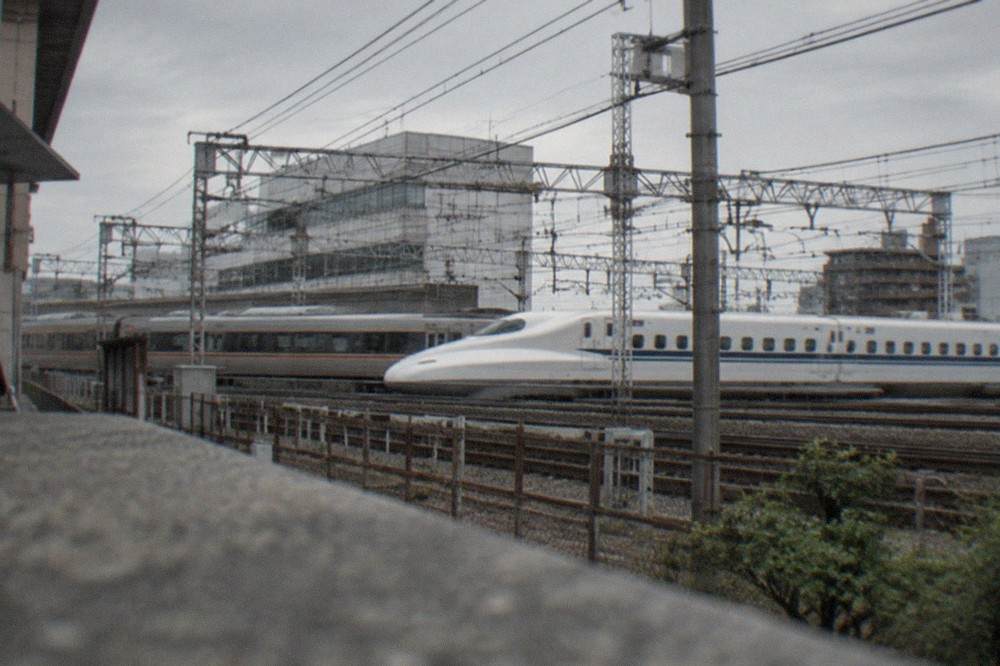
Six hours on the ground is the realistic minimum for a Kyoto layover from Kansai Airport, and it buys roughly two hours in the city itself: about 80 minutes each way on the HARUKA, plus time to clear the terminal, buy a ticket and get back with a buffer. Eight to ten hours turns the same trip into a half day with one paid temple and a meal. Anything under five hours should stay in the airport.
The arithmetic is unforgiving because of the return leg. Arriving at Kansai Airport 80 minutes before a departing flight is not a buffer, it is a gamble, because the HARUKA is a scheduled train and security at KIX moves at its own pace. A workable rule is to be back at the airport two hours before an international departure, which means boarding a return HARUKA roughly three and a half hours before the flight. On a six-hour layover, that leaves a window of about two hours in Kyoto, and on an eight-hour layover about four.
The table below converts layover length into what Kyoto can realistically hold. It assumes the HARUKA in both directions and no checked-bag detours, which is why the luggage question later on this page matters so much.
| Time on the ground | Time in Kyoto | What fits |
|---|---|---|
| Under 5 hours | None | Stay at the airport |
| 5 to 6 hours | About 1 to 2 hours | Kyoto Station area only: Higashi Honganji, the station's own rooftop garden |
| 6 to 8 hours | About 2 to 4 hours | One free sight: Fushimi Inari's lower paths, or a walk from the station |
| 8 to 10 hours | About 4 to 6 hours | One paid temple plus a meal, or two free sights |
| 10 hours or more | About 6 to 8 hours | A compressed version of the one day in Kyoto plan |
Two caveats keep this honest. The first is that immigration and bag drop at KIX are not constants, so the table assumes a traveler who is already through arrivals when the clock starts. The second is that the 80-minute figure is itself approximate: the JR West page prices the visitor ticket at 2,200 yen, and the journey time is best written as about 80 minutes rather than a precise schedule, because the exact minute depends on the service. The station-to-station core of the trip is what you can plan around.
What Does The Door-To-Door Math Look Like For A Kyoto Layover?
Count four blocks of time before anything else: leaving the terminal, the rail ride, the return ride and the airport buffer. The rail blocks are about 80 minutes each, the pre-departure buffer should be two hours for an international flight, and the terminal exit can eat 30 to 45 minutes after landing. That is roughly four and a half hours of fixed cost before Kyoto gets a single minute.
Break it down and the shape of the day appears. A traveler who lands at 10:00, clears arrivals by 10:40 and catches a HARUKA around 11:00 reaches Kyoto Station shortly after noon. A return train boarded at 15:00 arrives at the airport around 16:20, which supports a 19:00 departure with a comfortable margin. That is a nine-hour layover producing about three hours in the city, and it is the pattern every workable plan follows.
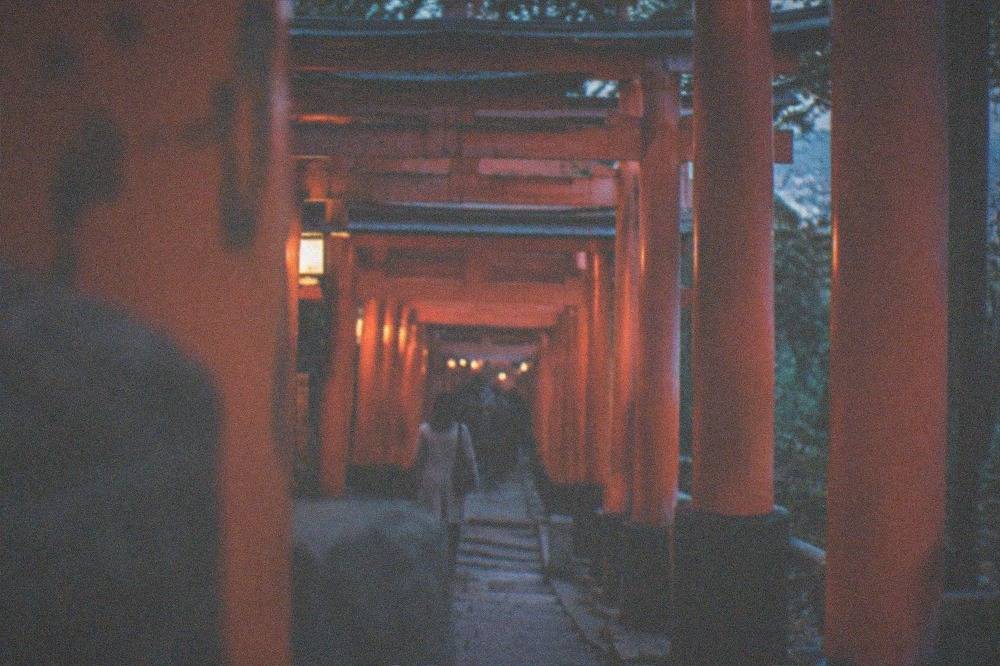
The fixed costs do not shrink because you wish them smaller. What does flex is the in-city block, and the way to stretch it is to pick a sight that needs no ticket, no queue and no closing time. Fushimi Inari Taisha charges no admission and its paths have no closing time, which is why it dominates every good layover plan: the shrine publishes desk and prayer hours only, and the mountain paths themselves never shut. The shrine's own FAQ describes about 10,000 torii of all sizes across the whole mountain, and the lower Senbon Torii section delivers the visual within minutes of the station-to-shrine walk.
For travelers who would rather not plan the rail themselves, a guided early-morning option exists: the Kyoto Early Morning Tour with English Speaking Guide runs 5 to 6 hours from $82 per person and is rated 4.9 from 1,998 reviews. It is built around exactly the hours a layover wants, though it needs the layover to be long enough to absorb a fixed 5 to 6 hour block.
The alternative to the rail math is to remove the return-leg risk entirely. A private departure transfer from Kyoto back to Kansai International, from $108 per person and rated 4.8 from 91 reviews, replaces the scheduled train with a car that leaves when you leave, which on a tight layover is worth more than any fare saving.
Which Kyoto Sights Actually Fit A Layover Window?
Fushimi Inari Taisha is the strongest layover sight in Kyoto because it is free, its paths have no closing time and it sits two stops from Kyoto Station on the JR Nara Line. Kinkaku-ji fits only longer windows, since it admits from 9:00 to 17:00 and sits far from the rail line. Sanjusangen-do and Nijo-jo Castle both work from Kyoto Station with a short bus or subway ride.
The sorting principle is closing time plus distance. Kyoto's major temples charge admission and stop selling tickets well before dark: Nijo-jo Castle stops admitting at 16:00 and closes at 17:00, Sanjusangen-do runs 8:30 to 17:00 from 1 April to 15 November but 9:00 to 16:00 from 16 November to 31 March, and Ginkaku-ji closes at 16:30 in winter. A layover that puts you in the city after 15:30 in November has already lost most of the paid temple options, while Fushimi Inari loses nothing.
The fee picture matters too, because a layover rarely leaves time for a second attempt at a closed gate. The verified admissions for the sights a layover can reach:
| Sight | Adult admission | Hours that matter | From Kyoto Station |
|---|---|---|---|
| Fushimi Inari Taisha | Free | Paths have no closing time | 2 stops on the JR Nara Line |
| Sanjusangen-do | 600 yen | 8:30-17:00 to 15 Nov, then 9:00-16:00 | Short bus ride |
| Nijo-jo Castle | 800 yen, 1,300 with Ninomaru-goten Palace | Admission stops 16:00, closes 17:00 | Subway to Nijojo-mae |
| Kinkaku-ji | 500 yen | 9:00-17:00 | Bus, the longest ride of the four |
| Kyoto Imperial Palace | Free, no application | Hours not published, so check before relying on it | Subway to Imadegawa |
The Kyoto Imperial Palace is open to all visitors with no advance application, which makes it look like a layover natural, but its hours and closed days are not printed in a form this site can verify, so treat it as a maybe rather than a plan. Kinkaku-ji at 500 yen is the cheapest of the paid headliners, and its 9:00 opening makes it a morning option for long layovers, but the bus ride out to it is the longest of the four and the Kinkaku-ji guide covers the trade-offs in full.
Sanjusangen-do deserves a mention that most first pages of search results do not give: the temple itself states the hall holds 1,001 Kannon statues, and the admission is a flat 600 yen. It is a single hall, which means a visit is short by design, and that shortness is exactly what a layover wants.
For the castle, a guided option bundles the thinking: the Nijo Castle World Heritage Guided Tour with admission included runs 1 hour 30 minutes from $41 per person, rated 5 from 481 reviews. The castle's own history is the reason it earns layover time: in 1867 the 15th shogun, Tokugawa Yoshinobu, summoned senior vassals from 40 domains to the Ohiroma of Ninomaru-goten Palace on 13 October, announced the return of political authority to the Imperial Court on the 14th, and the Emperor accepted on the 15th. The room where the Tokugawa shogunate ended is inside the 1,300 yen ticket.
Is The HARUKA Express The Best Way To Reach Kyoto From Kansai Airport?
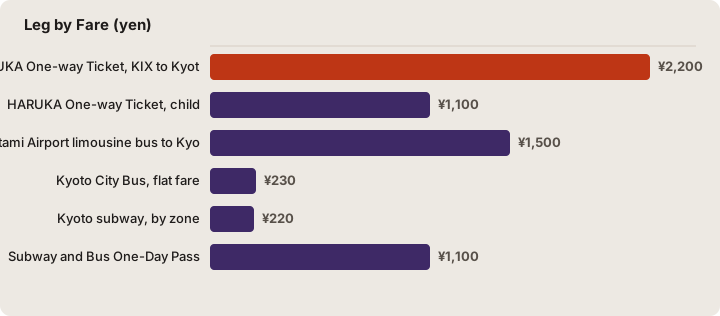
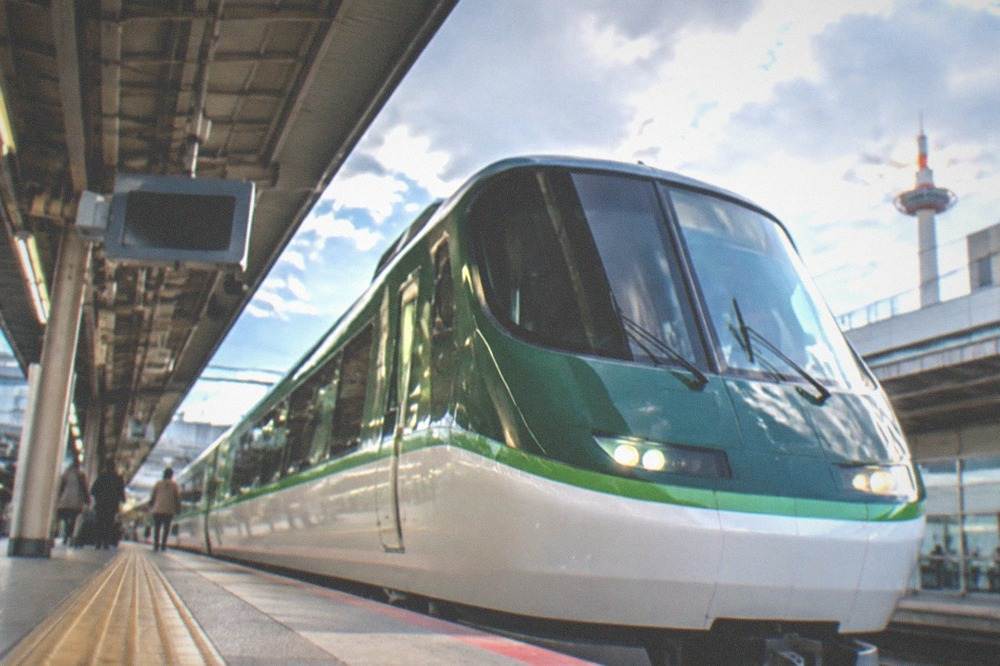
For a layover, yes: the JR West HARUKA One-way Ticket for foreign visitors costs 2,200 yen adult and 1,100 child to Kyoto Station, and the ride takes about 80 minutes. The regular fare is higher, so the visitor ticket is the one to ask for by name. Itami Airport is a different answer, with the Hankyu Kanko limousine bus at 1,500 yen adult and about 50 to 55 minutes to Kyoto Station.
The product name matters at the ticket window. JR West prices the HARUKA One-way Ticket, sold to foreign visitors against an exchange order or e-ticket, at 2,200 yen to Kyoto, and that is the figure to print and plan on. The regular fare runs higher, and the precise regular number is not one this site treats as firm, so buy the visitor ticket and skip the question. The full HARUKA Express guide covers seat reservations and the wider schedule.
Once in Kyoto, the city's own transit is cheap and simple. The City Bus flat fare is 230 yen adult and 120 yen child, the subway runs 220 to 360 yen by zone, and the Subway and Bus One-Day Pass is 1,100 yen adult and 550 yen child. A layover of two or three hours in the city will not earn back the day pass, so single fares are usually the right call. One warning that still needs repeating: the bus-only one-day pass no longer exists, sales ended at the end of September 2023 and the last day of use was 31 March 2024, so any guide recommending it is years stale.
| Leg | Fare | Time |
|---|---|---|
| HARUKA One-way Ticket, KIX to Kyoto, adult | 2,200 yen | About 80 minutes |
| HARUKA One-way Ticket, child | 1,100 yen | Same train |
| Itami Airport limousine bus to Kyoto Station, adult | 1,500 yen | About 50 to 55 minutes |
| Kyoto City Bus, flat fare | 230 yen | By route |
| Kyoto subway, by zone | 220 to 360 yen | By zone |
| Subway and Bus One-Day Pass | 1,100 yen | Unlimited for the day |
The EX100 and EX101 tourist express buses are worth knowing for one specific layover pattern: they run 500 yen adult and 250 yen in cash for children, take IC cards, and connect Kyoto Station to the Kiyomizu side and Ginkaku-ji with fewer stops. If the in-city block of a layover is aimed at Higashiyama, the EX101 direct run to the Kiyomizu side is the fastest surface option from the station.
What Can You Do On A Kyoto Layover At Night?
Evening layovers work better than most travelers expect, because Kyoto's free sights do not close: Fushimi Inari's paths have no closing time, the Kamo River banks are open public space, and the Gion streets are at their best after dark. The paid temples are mostly finished by 17:00, so an evening layover should be built on streets, rivers and shrines rather than ticketed sights.
A six-hour evening layover, say landing at 16:00 and departing at 22:00, gives roughly 90 minutes in the city. That is enough for the Gion stretch of Hanamikoji and the Shirakawa canal, or for the illuminated stretch of the Kamo River near downtown. It is not enough for a paid temple, and it is worth knowing that Kodai-ji runs night illuminations from 17:00 to 22:00 with reception until 21:30, which makes it the rare ticketed option that fits an evening window. The Kyoto at night itinerary covers the full range.
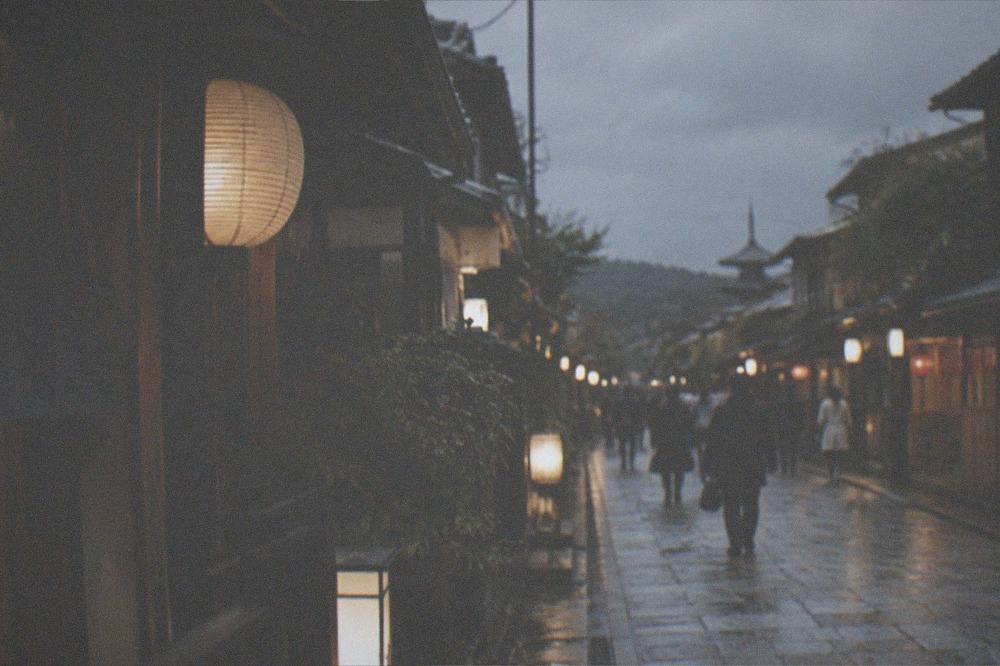
Gion in the evening carries rules that a layover visitor will not have read about. The city's tourism association publishes four guidelines: do not touch, chase or photograph geiko and maiko without permission, and do not enter private property or photograph it where prohibited. On the private alleys off Hanamikoji, signs posted by the local district council threaten a 10,000 yen penalty for unauthorized photography or entry, so the main public road is where the camera comes out. The Gion guide maps which is which.
Food is the other evening anchor. A short block near downtown holds ramen, izakaya and standing bars, and the best restaurants in Kyoto rundown gives the layover visitor a realistic shortlist rather than a reservation fantasy. The honest constraint is time: a sit-down kaiseki meal is not a layover food, but a bowl of ramen near Kyoto Station absolutely is.
How Much Does A Kyoto Layover Cost?
A six-hour Kyoto layover costs two HARUKA visitor tickets and nothing else if it is built on Fushimi Inari, which charges no admission, so the rail is the whole budget at 2,200 yen each way. An eight-hour layover adds one paid temple, between 500 and 1,300 yen depending on the sight, plus a meal, with the same 2,200 yen rail fare in each direction.
The budget table below assumes the visitor HARUKA ticket in both directions, which is the cheapest legitimate rail option. Food is left as a variable because a station ramen bowl and a Higashiyama dinner are different budgets, and inventing a middle number would be dishonest.
| Item | Cost per person |
|---|---|
| HARUKA One-way Ticket, KIX to Kyoto, each way | 2,200 yen |
| Fushimi Inari Taisha | Free |
| Sanjusangen-do admission | 600 yen |
| Nijo-jo Castle, with Ninomaru-goten Palace | 1,300 yen |
| Kinkaku-ji admission | 500 yen |
| City bus or subway rides in town | 230 to 360 yen each |
| Meal, variable | Set by the restaurant |
One cost does not apply to a layover at all: the accommodation tax. Kyoto revised its per-person, per-night tiers from 1 March 2026, with the top tier rising from 1,000 to 10,000 yen on rooms of 100,000 yen and up, but a layover that never checks into a room never pays it. Travelers extending a layover into an overnight should read the full Kyoto trip cost breakdown before booking.
Should You Take Luggage Into Kyoto On A Layover?
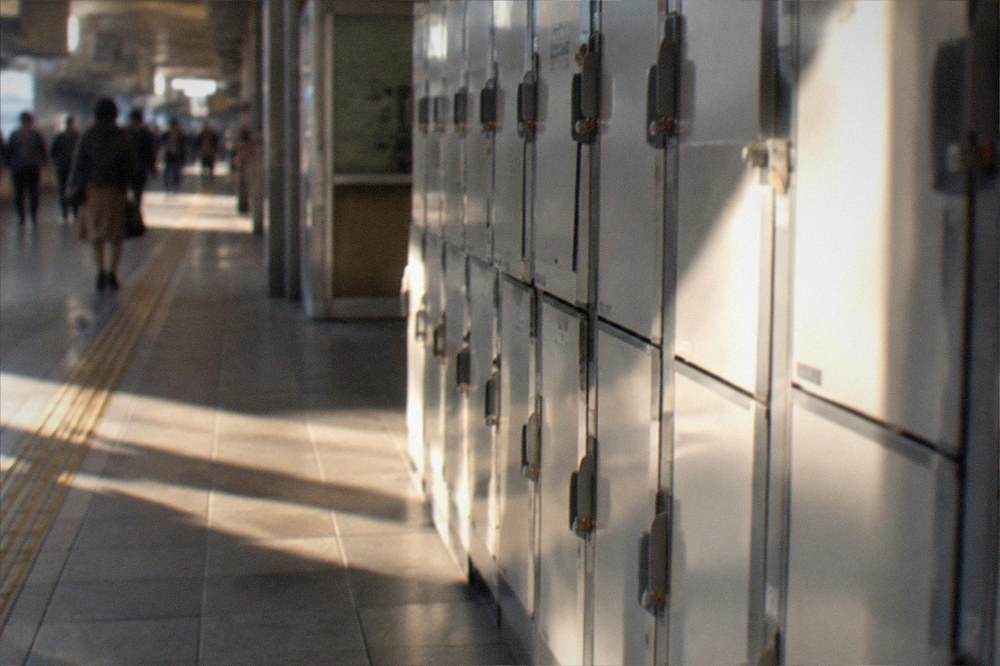
No, and the reason is operational: Kyoto's city buses may refuse large or bulky luggage on crowded runs, which makes a wheeled suitcase a genuine obstacle mid-layover. Kansai Airport and Kyoto Station both hold luggage storage, and the city promotes hands-free tourism with station counters, delivery services and lockers specifically to keep bags off the buses.
The practical sequence is to store bags at KIX before boarding the HARUKA, or to use the lockers and counters at Kyoto Station if the return to the airport is through the same building. The city's hands-free program exists precisely because 62.79 million annual visitors cannot all board buses with suitcases, and the bus refusal rule is real policy rather than a driver's mood. The Kyoto luggage storage guide lists the locations and sizes.
For travelers who cannot store bags, the workaround is to build the layover on sights reachable without a bus. Fushimi Inari is a short JR hop from Kyoto Station, Sanjusangen-do and the station-area temples need no transfer, and the subway accepts luggage more readily than the buses do. What a bag rules out is the Kinkaku-ji plan, because the bus ride out to the Golden Pavilion is the one leg where a suitcase hurts most.
What Is The Best Kyoto Layover Plan By Window?
For a six-hour layover, go straight to Fushimi Inari and back: free, no closing time, two stops from Kyoto Station on the JR Nara Line. For eight hours, add Sanjusangen-do or Nijo-jo Castle before the shrine. For ten hours or more, run a compressed morning circuit: Kinkaku-ji at its 9:00 opening, then the castle or the shrine, then a meal near the station before the return HARUKA.
The six-hour plan is the one to memorize because it is the most common window. Land, clear arrivals, buy the 2,200 yen visitor ticket, ride about 80 minutes, transfer to the JR Nara Line, and spend whatever remains of the block walking up through the Senbon Torii. The shrine's own account dates its founding to 711, when, as the shrine tells it, Irogu no Hatanokimi acted on an imperial order from Empress Genmei to enshrine the deities on Inariyama, and the shrine hedges even its own story with "is said to be". The mountain paths have no closing time, so the plan survives a late start in a way no temple plan does.
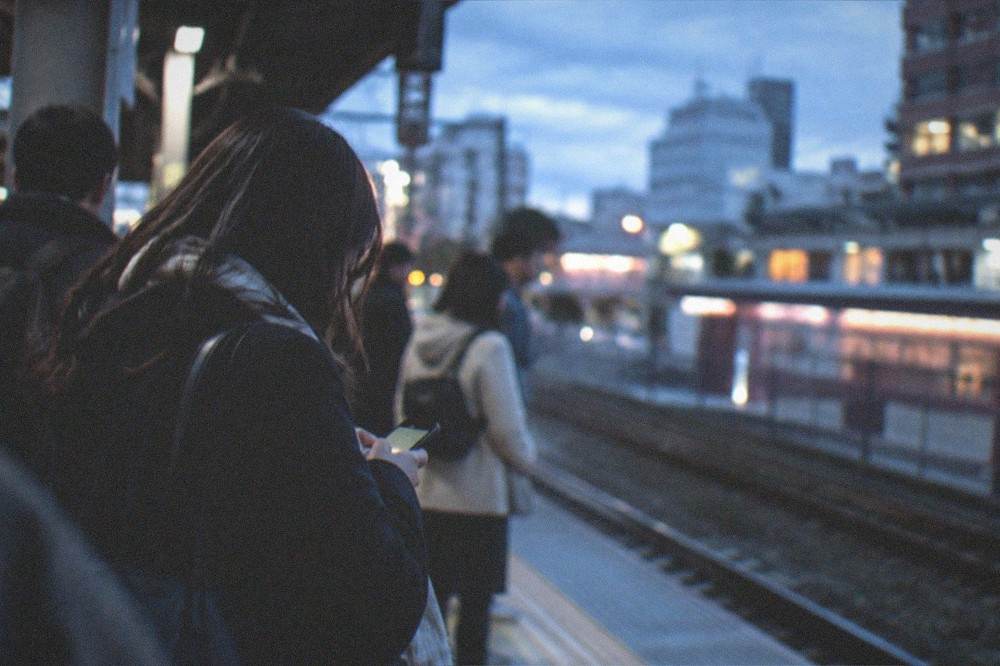
The eight-hour plan adds one ticketed stop, and the choice between them is a matter of direction. Sanjusangen-do is closer to the station and holds the 1,001 statues the temple itself counts. Nijo-jo Castle is a subway ride and holds the room where the shogunate ended in 1867, with admission stopping at 16:00 sharp, so it belongs in the first half of the block and never the last. The two days in Kyoto plan shows what a fuller version of the same circuit looks like when the clock is not pressing.
The ten-hour plan is where a guided morning earns its keep, because a fixed 5 to 6 hour guided block with an English-speaking guide converts dead planning time into sightseeing, and the early-morning hours are the ones Kyoto's crowd tools show as most comfortable. After that, the same closing-time discipline applies: paid sights before mid-afternoon, free sights and streets after, and the return HARUKA boarded with the two-hour airport buffer intact.
Common Questions About Kyoto Layovers
How Many Hours Do You Need At Kansai Airport To Fit A Kyoto Layover?
Six hours on the ground is the realistic minimum, giving about two hours in Kyoto after the about 80-minute HARUKA ride each way and a two-hour airport buffer. Eight to ten hours allows one paid temple and a meal. Under five hours, stay at the airport.
Can You Leave Kansai Airport During A Layover?
Yes, if you hold the documents to enter Japan and your layover clears immigration and security on the way back with time to spare. The planning number is a two-hour buffer before an international departure, which means boarding a return HARUKA roughly three and a half hours before the flight.
Is Fushimi Inari Open During A Layover At Any Hour?
The shrine's paths have no closing time, and the shrine itself publishes only desk and prayer hours, so the mountain paths are walkable in the early morning and evening when temples are shut. Admission is free. The JR Nara Line reaches the shrine's stop in two stations from Kyoto Station.
Which Temples Can You Visit On A Short Kyoto Layover?
Sanjusangen-do at 600 yen and Nijo-jo Castle at 800 yen, or 1,300 yen with the Ninomaru-goten Palace, are the two paid sights closest to workable layover routes. Nijo-jo Castle stops admitting at 16:00 and closes at 17:00, and Sanjusangen-do closes at 16:00 from 16 November to 31 March, so afternoon layovers should check the calendar before committing.
What Is The Cheapest Way To Get From Kansai Airport To Kyoto Station?
The JR West HARUKA One-way Ticket for foreign visitors costs 2,200 yen adult and 1,100 child to Kyoto Station, against a regular fare that runs higher. The ride takes about 80 minutes. Buy the visitor ticket by its product name at the ticket office.
Can You Store Luggage At Kansai Airport For A Kyoto Layover?
Yes, Kansai Airport holds luggage storage, and Kyoto Station has lockers and counters. Kyoto's city buses may refuse large bags on crowded runs, so storing luggage before boarding the HARUKA is the plan that keeps the layover moving.
A Kyoto layover is a math problem before it is a sightseeing plan, and the math is generous: one 2,200 yen ticket and about 80 minutes each way separate a terminal on an island in Osaka Bay from the torii tunnels of Inariyama. Respect the closing times, store the bags, keep the airport buffer honest, and even a six-hour window becomes a real visit rather than a dash.