How Do You Split Two Days In Kyoto Between Higashiyama And Arashiyama?
Two days is enough for Kyoto's two great halves if you split them by geography: the eastern temple hillside first, the western river valley second. Every fee, hour and fare below is.
Short answer
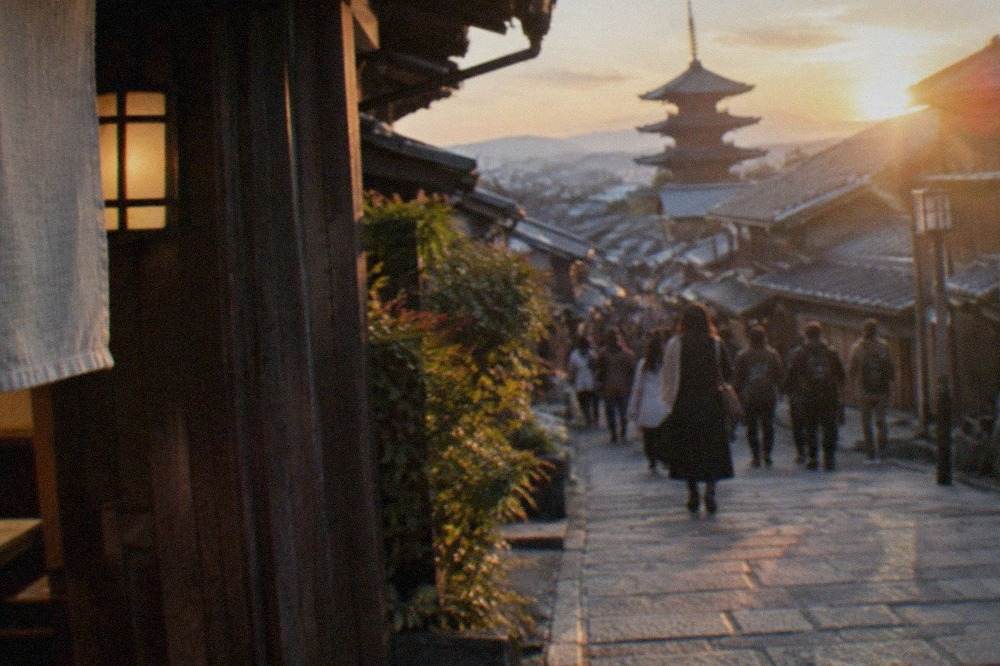
Spend day one in Higashiyama and the east: Kiyomizu-dera, Ninenzaka, Gion and possibly Nijo-jo Castle. Spend day two in Arashiyama and the west: the bamboo grove, Tenryu-ji, the Sagano Romantic Train and the Hozugawa Kudari. The split works because each side is walkable once you arrive, and the two halves sit on different rail lines.
How Do You Split Two Days In Kyoto Between Higashiyama And Arashiyama?
Two days is the shortest Kyoto trip that still feels like Kyoto, and the way to make it work is to stop zigzagging. The city's sights fall into two great clusters: the eastern hillside of Higashiyama, where Kiyomizu-dera, Ninenzaka, Gion and Ginkaku-ji line up along one walkable ridge, and the western river valley of Arashiyama, where the bamboo grove, Tenryu-ji, the Sagano Romantic Train and the Hozugawa Kudari sit within a short walk of one another. Cross the city between them once, not six times, and two days covers both.
This itinerary stands on figures this site has verified directly from the venues and operators for 2026: the temple fee notices, the city transport bureau's fare pages, the Sagano Scenic Railway's own ticket page and the Hozugawa Kudari operator's site. Where a walking time or a crowd claim is not verified, you will find the sequence without the number, because an invented minute is worse than none. Kyoto drew a record 62.79 million visitors in 2025, the city's own tourism survey reports, so the timing below leans on opening hours rather than on promises of empty paths. This is the approach Kyoto Travel Guide takes everywhere: sourced numbers, no padding.
How Do You Split Two Days In Kyoto Between Higashiyama And Arashiyama?
Split by geography, not by theme: give day one entirely to the east, Higashiyama and Gion, and day two entirely to the west, Arashiyama and the Hozu valley. Kiyomizu-dera opens at 6:00, so start day one there before the lanes fill, and start day two at the bamboo grove before catching the Sagano Romantic Train. The two halves sit on different rail lines, so a hotel near Kyoto Station or the Karasuma subway serves both days equally well.
The logic is simple. Higashiyama's sights chain together on foot: Kiyomizu-dera at the top, Ninenzaka and Sannenzaka running downhill, Yasaka Shrine and Maruyama Park at the bottom, then Gion and the Kamo River as the evening reward. Arashiyama works the same way on the other side of the city: the bamboo grove, Tenryu-ji, Togetsukyo bridge, the monkey park and the two river operators all sit in one compact valley. What kills two-day itineraries is the temptation to bolt Fushimi Inari or Nara onto one of these days, which adds an hour of transit each way and turns a walkable day into a commute.
If you have a third day, the natural add-ons are Fushimi Inari, the northern temples or a Nara trip, and our three days in Kyoto itinerary covers exactly that. First-time visitors should also skim the first-timer orientation guide before locking anything in.
What Does Day One In Higashiyama Look Like Hour By Hour?
Start at Kiyomizu-dera when it opens at 6:00, walk down through Ninenzaka and Sannenzaka mid-morning, reach Yasaka Shrine and Gion by early afternoon, then finish with Nijo-jo Castle before its 16:00 admission cutoff, or Ginkaku-ji and the Philosopher's Path if you prefer temples to palaces. Kiyomizu-dera's adult admission is 500 yen and the temple opens at 6:00 daily, facts the temple's own FAQ and access pages state.
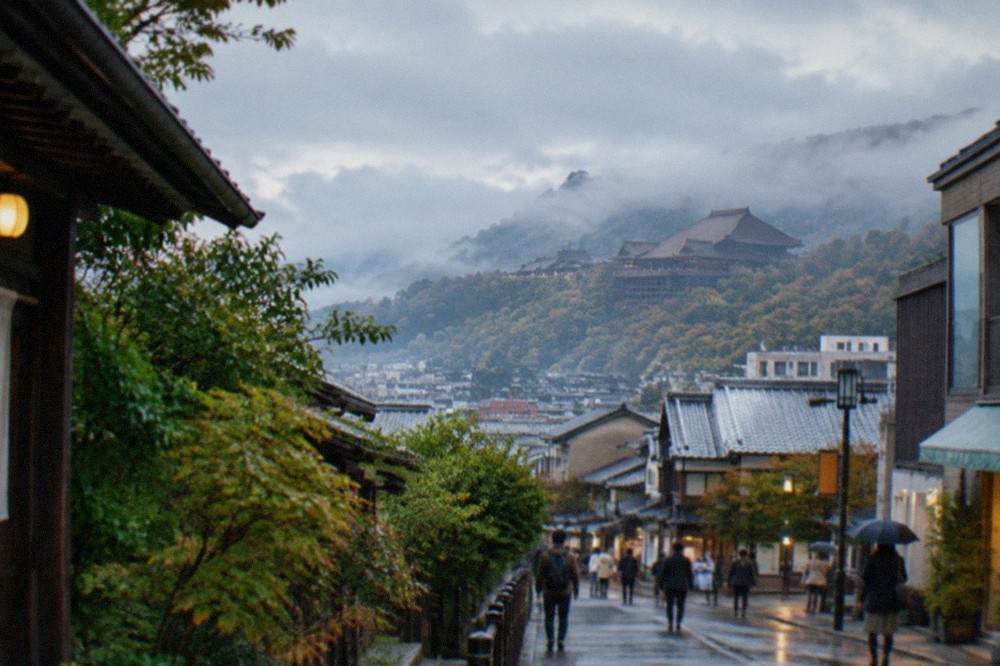
Kiyomizu-dera is the correct first move for one reason the temple controls: it opens at 6:00, hours before almost everything else in the city. The temple's access page sets the 2026 closing times, which run to 18:00 in the regular season, 21:30 during the spring and autumn night viewings, and 18:30 through high summer. Admission is 500 yen for adults and high school students. The view from the stage over the city is the reason everyone comes, and at 6:30 it is shared with a fraction of the people who will stand there at 11:00.
From the temple gate, the lanes do the routing for you. Ninenzaka and Sannenzaka, the preserved sloping streets below the temple, are at their best before the shops fully open; our Ninenzaka and Sannenzaka guide maps the detours worth taking. Continue downhill to Yasaka Shrine, which charges no admission, then into Maruyama Park and across Shijo-dori into Gion. The geisha district rewards an unhurried walk, and the conduct rules are real: the city tourism association's guidelines ask visitors not to touch, chase or photograph geiko and maiko without permission, and signs on the private alleys off Hanamikoji threaten a 10,000 yen penalty for unauthorized entry or photography. Treat those alleys as closed.
| Time | Stop | Admission | Notes |
|---|---|---|---|
| 6:00-8:00 | Kiyomizu-dera | 500 yen | Opens 6:00 daily; night viewings run later on set dates |
| 8:00-10:00 | Ninenzaka, Sannenzaka | Free | Preserved lanes, shops open gradually |
| 10:00-11:30 | Yasaka Shrine, Maruyama Park | Free | Shrine grounds always open |
| 11:30-14:00 | Gion and lunch | Free | Private alleys off Hanamikoji are closed to visitors |
| 14:30-16:00 | Nijo-jo Castle | 800 yen, or 1,300 yen with the palace | Admission stops at 16:00, castle closes 17:00 |
| 16:30 onward | Pontocho or the Kamo River | Free | Dinner and the riverside at dusk |
The afternoon forks, and the fork depends on what you want. Nijo-jo Castle is the historical heavyweight: it is the place where, as the castle's own history page states, the 15th shogun Tokugawa Yoshinobu summoned vassals from 40 domains on 13 October 1867 and announced the return of political authority to the Emperor. Admission is 800 yen for the castle alone, 1,300 yen including the Ninomaru-goten Palace, and the castle stops admitting at 16:00 sharp, closing at 17:00. The alternative fork is Ginkaku-ji and the Philosopher's Path in the northern Higashiyama, but note the fee change: the Silver Pavilion's admission doubled to 1,000 yen for adults from 1 April 2026, the temple's notice states, its first rise in 32 years.
Evening belongs to the river. Pontocho Alley and the Kamo River banks are at their best at dusk, and the Pontocho guide lists the dinner options on both. If your energy holds, the city's night walks and lantern-lit lanes stretch the day further.
A guided morning is worth considering on day one if you would rather not self-direct the Higashiyama sequence. The Kyoto Early Morning Tour with an English-speaking guide runs 5 to 6 hours from $82 per person and carries a 4.9 rating from 1,998 reviews, and an early start is precisely what the east side rewards.
What Does Day Two In Arashiyama Look Like Hour By Hour?
Arrive in Arashiyama by mid-morning, walk the bamboo grove first, then Tenryu-ji's garden, then Togetsukyo bridge and Iwatayama Monkey Park, and finish with the Sagano Romantic Train or the two-hour Hozugawa Kudari boat ride. The bamboo path is free and always open; Tenryu-ji's garden is 500 yen; the monkey park is 800 yen for those 16 and over; the Sagano train is 880 yen one way; the Hozugawa Kudari is 6,000 yen adult.
Arashiyama is a valley, and the valley is compact. The bamboo grove is a free public path with no gate and no fee, and the sequence that works is grove first, then the Tenryu-ji grounds the grove borders, then downhill to Togetsukyo bridge. Tenryu-ji tickets its areas separately, its visit page states: the garden is 500 yen for high school age and up, the buildings add 300 yen to the garden fee, and the Hatto's Cloud Dragon ceiling is a separate 500 yen. The garden alone is the right spend on a two-day trip.
The monkey park sits across the bridge and up a steep hill. Iwatayama charges 800 yen for visitors 16 and over and 400 yen for ages 4 to 15, cash only, and the park's own site notes it closes early when the weather turns or when the monkeys head back up the hill, so treat it as a morning-or-early-afternoon stop, not a 15:30 one. Hours run 9:00 to 16:00, with the summit area until 16:30.
| Time | Stop | Admission | Notes |
|---|---|---|---|
| 9:00-10:00 | Bamboo grove | Free | Public path, no gate |
| 10:00-11:30 | Tenryu-ji garden | 500 yen | Buildings add 300 yen; Hatto ceiling separate at 500 yen |
| 11:30-12:30 | Togetsukyo bridge, riverside lunch | Free | Riverside restaurants cluster here |
| 12:30-14:30 | Iwatayama Monkey Park | 800 yen adult, 400 child | Cash only; closes early in bad weather |
| 14:30-17:00 | Sagano Romantic Train or Hozugawa Kudari | 880 yen train; 6,000 yen boat | Train about 25 minutes; boat about two hours |
The afternoon is where Arashiyama's two operators come in, and both are running. The Sagano Romantic Train, operated by the Sagano Scenic Railway, runs along the Hozu gorge; its ticket page sets the standard one-way fare at 880 yen for adults 12 and over and 440 yen for children 6 to 12, with toddlers free when accompanied. The Hozugawa Kudari river boat is the slower, wetter alternative: the operator's own ticket page prices it at 6,000 yen for adults and 4,500 yen for children from infant to elementary age, on 24-seat shared boats, with the ride taking about two hours. The regular timetable runs 10 March to 13 December 2026, and the operator confirmed normal running as of mid-September 2026. A widely repeated figure of about 4,100 yen for the boat is stale; do not plan around it.
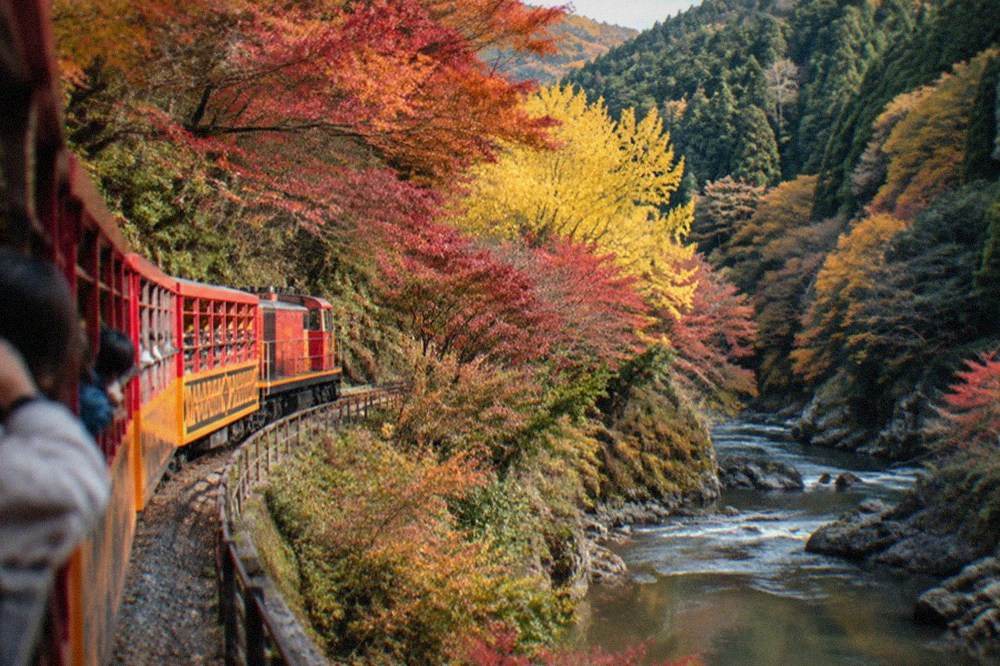
The two pair naturally in one direction: ride the train up the gorge and the boat back down, or simply pick one if the afternoon is short. Our Arashiyama area guide covers the full valley, and the bamboo grove page goes deep on the grove itself. If a third day ever opens up, the four days in Kyoto itinerary adds the northern temples and Kurama.
How Do You Get Between Higashiyama And Arashiyama?
Take the JR Sagano Line from Kyoto Station to Saga-Arashiyama for day two, or the Hankyu line to Arashiyama via a transfer at Katsura; within the city, use the subway at 220 to 360 yen per ride or the flat-fare city bus at 230 yen, and buy the Subway and Bus One-Day Pass at 1,100 yen only on days with three or more rides.
The bus-only one-day pass no longer exists; sales ended in September 2023 and it stopped being usable on 31 March 2024.
The transit facts come from the city transport bureau's own fare pages. City buses charge a flat 230 yen for adults and 120 yen for children aged 6 to 11. The subway runs 220 to 360 yen for adults depending on zone. The Subway and Bus One-Day Pass costs 1,100 yen for adults and 550 yen for children, and it only pays for itself on a day with several rides; a day built around one subway hop and walking does not need it. The tourist express buses EX100 and EX101, which run from Kyoto Station toward the Kiyomizu side, charge 500 yen for adults and are covered by the one-day pass, the bureau's express-bus page states.
For Arashiyama specifically, the JR Sagano Line from Kyoto Station to Saga-Arashiyama is the usual choice, and the station sits a short walk from the bamboo grove. The Hankyu route involves a transfer at Katsura and lands you on the south side of the river, closer to Togetsukyo. Either way, the mistake to avoid is a hotel far from a station: two days of Kyoto is two days of rail-and-walk, and the where to stay guide maps the neighbourhoods that keep both days painless.
| Option | Adult fare | Notes |
|---|---|---|
| City bus, flat fare | 230 yen | Child 6 to 11: 120 yen |
| Subway, zones 1 to 5 | 220 to 360 yen | Child roughly half |
| Subway and Bus One-Day Pass | 1,100 yen | Pays off with 3 or more rides |
| EX100 / EX101 tourist express | 500 yen | Kyoto Station to the Kiyomizu side; covered by the pass |
| JR Sagano Line to Saga-Arashiyama | Zone fare | The standard day-two route |
| ICOCA card | 2,000 yen including 500 yen deposit | Works on bus, subway and JR |
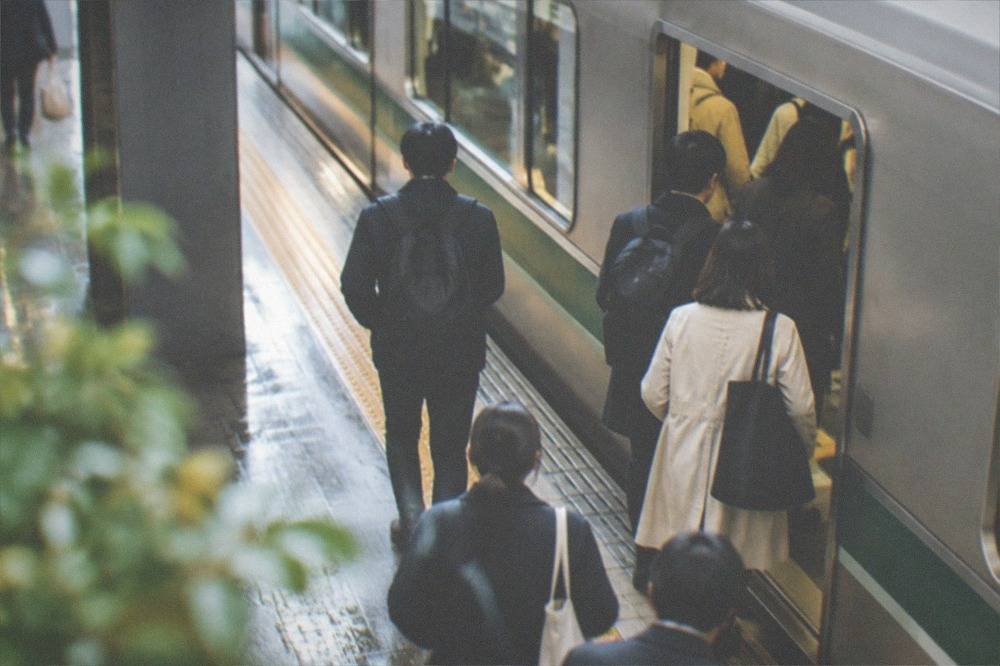
One rule the city is serious about: large luggage can be refused on crowded buses, and the city promotes hands-free tourism instead. If you are arriving from Kansai Airport on the morning of day one, the airport transfer guide covers the JR West HARUKA visitor one-way ticket at 2,200 yen, and the city's station counters and delivery services can take your bags before you start.
What Will Two Days In Kyoto Cost In Total?
Budget roughly 3,000 to 4,500 yen per person in temple and attraction admissions across the two days, plus transit at a few hundred yen per ride or 1,100 yen for a pass day, and meals at whatever level you set, from a 7,260 yen Shokado bento at a famous kaiseki house's annex to a few hundred yen for street snacks.
Add the 2026 accommodation tax, which runs 200 to 10,000 yen per person per night depending on the room rate, a change that took effect on 1 March 2026.
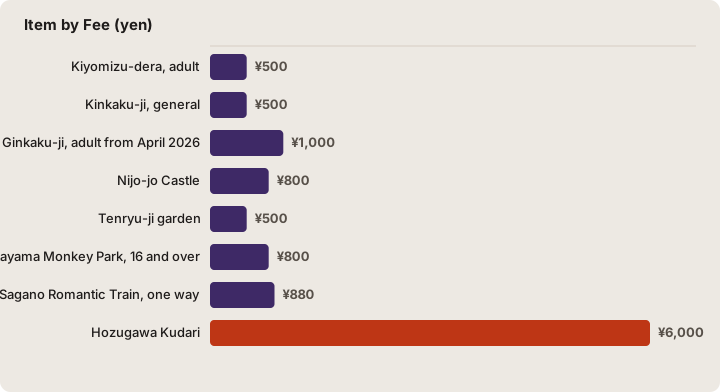
The admission math is knowable in advance because the fees are published. Day one's core fees are Kiyomizu-dera at 500 yen and either Nijo-jo Castle at 800 to 1,300 yen or Ginkaku-ji at 1,000 yen. Day two adds Tenryu-ji's garden at 500 yen, the monkey park at 800 yen and the Sagano train at 880 yen or the Hozugawa Kudari at 6,000 yen. Fushimi Inari, Yasaka Shrine and the bamboo grove cost nothing.
| Item | Fee | Source |
|---|---|---|
| Kiyomizu-dera, adult | 500 yen | Temple FAQ |
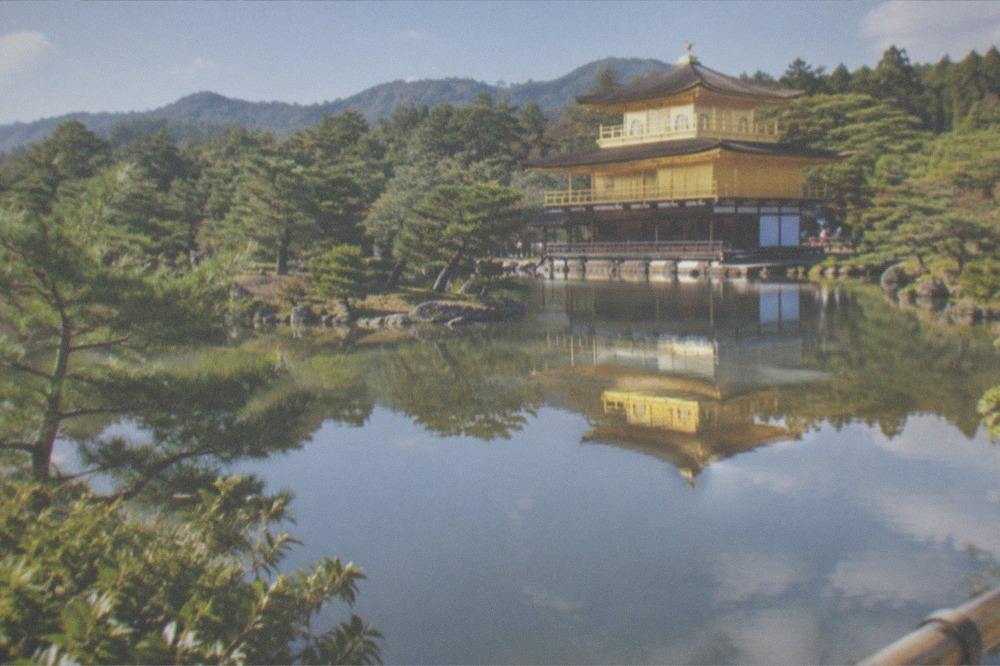
| Kinkaku-ji, general | 500 yen | Shokoku-ji site |
| Ginkaku-ji, adult from April 2026 | 1,000 yen | Temple notice, doubled from 500 |
| Nijo-jo Castle | 800 yen; 1,300 yen with palace | Castle site |
| Tenryu-ji garden | 500 yen | Temple visit page |
| Iwatayama Monkey Park, 16 and over | 800 yen, cash only | Park site |
| Sagano Romantic Train, one way | 880 yen adult, 440 child | Operator ticket page |
| Hozugawa Kudari | 6,000 yen adult, 4,500 child | Operator ticket page |
| Fushimi Inari, Yasaka Shrine, bamboo grove | Free | Shrine FAQ; public path |
The accommodation tax is the line most 2024 and 2025 guides get wrong. From 1 March 2026 the city's five tiers run 200 yen per person per night on rooms under 6,000 yen, 400 yen up to 20,000, 1,000 yen up to 50,000, 4,000 yen up to 100,000 and 10,000 yen at 100,000 and above, the city's own ordinance page states. A room in the 20,000 to 50,000 yen band now carries 1,000 yen per person per night, double the old 500 yen rate. Our accommodation tax and trip-cost guides carry the detail.
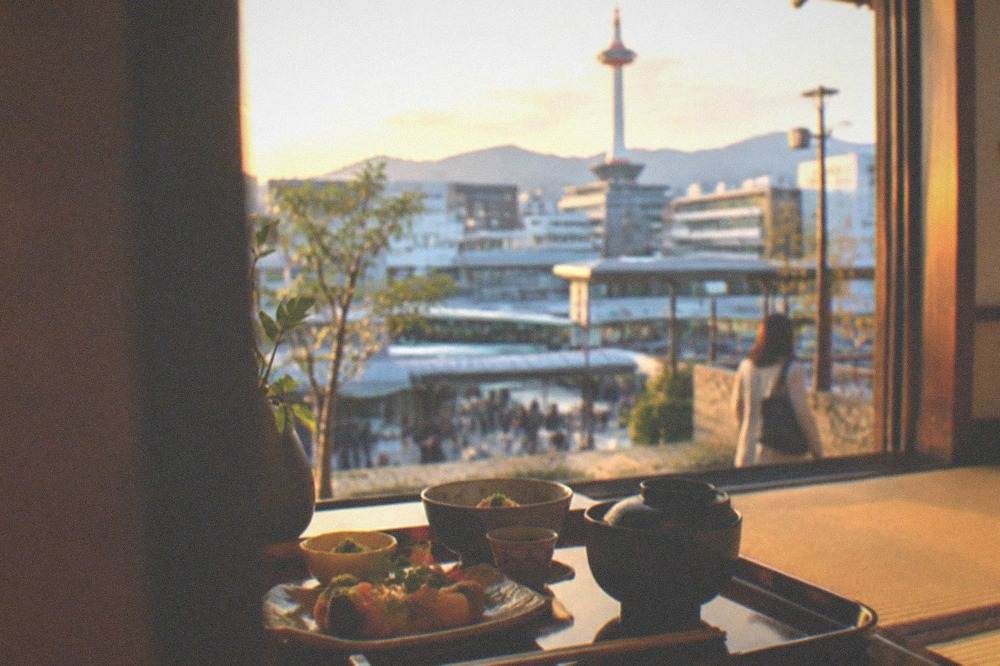
On food, the honest anchor is one restaurant's own menu rather than a citywide average. Hyotei, the famous kaiseki house by Nanzen-ji, prints its own prices: kaiseki from 31,625 yen at lunch and 37,950 at dinner in the main building, while the same kitchen's annex serves a Shokado bento at 7,260 yen and morning rice porridge from 5,445 yen. Those are Hyotei's prices, not a Kyoto norm, but they frame the range honestly: the top of the city's dining sits above 30,000 yen a head, and excellent casual meals sit far below it.
When Should You Start Each Day, And What Closes Early?
Start day one at 6:00, when Kiyomizu-dera opens, and day two by 9:00 in Arashiyama; the hard cutoffs are Nijo-jo Castle's 16:00 last admission, Ginkaku-ji's 16:30 winter close, Sanjusangen-do's 16:00 close from 16 November and Nanzen-ji's 16:30 winter close. A plan that has you arriving at any of these after 16:00 in winter is simply wrong, and no amount of crowd-avoidance advice fixes a locked gate.
The closing windows are the real constraint on a two-day trip, more than crowds. Kiyomizu-dera's 6:00 opening is the one early-morning advantage built into this itinerary, and it is the temple's own published hour, not a tip. Arashiyama has no equivalent early opener: the monkey park opens at 9:00, and the bamboo path is public and always walkable, so an early arrival there means a quieter grove rather than an unlocked attraction.
Gion's rules also shape the day. The city tourism association's guidelines are explicit about conduct around geiko and maiko, and the private alleys off Hanamikoji are posted against entry and photography, with signs threatening a 10,000 yen penalty set by the district council. The main Hanamikoji road remains public and photographable. Our Gion guide covers what is and is not open to visitors.
| Venue | Opens | Last entry / close | Source |
|---|---|---|---|
| Kiyomizu-dera | 6:00 daily | 18:00 regular; later on viewing dates | Temple access page |
| Nijo-jo Castle | 8:45 | Admission stops 16:00; closes 17:00 | Castle site |
| Ginkaku-ji | 8:30 summer, 9:00 winter | 17:00 summer; 16:30 winter | Temple site |
| Tenryu-ji | 8:30 | Last admission 16:50 | Temple visit page |
| Iwatayama Monkey Park | 9:00 | 16:00, summit to 16:30 | Park site |
| Sanjusangen-do | 8:30 Apr to 15 Nov | 16:00 close from 16 Nov | Temple site |
What If You Want Temples Or Hikes Instead Of The Standard Split?
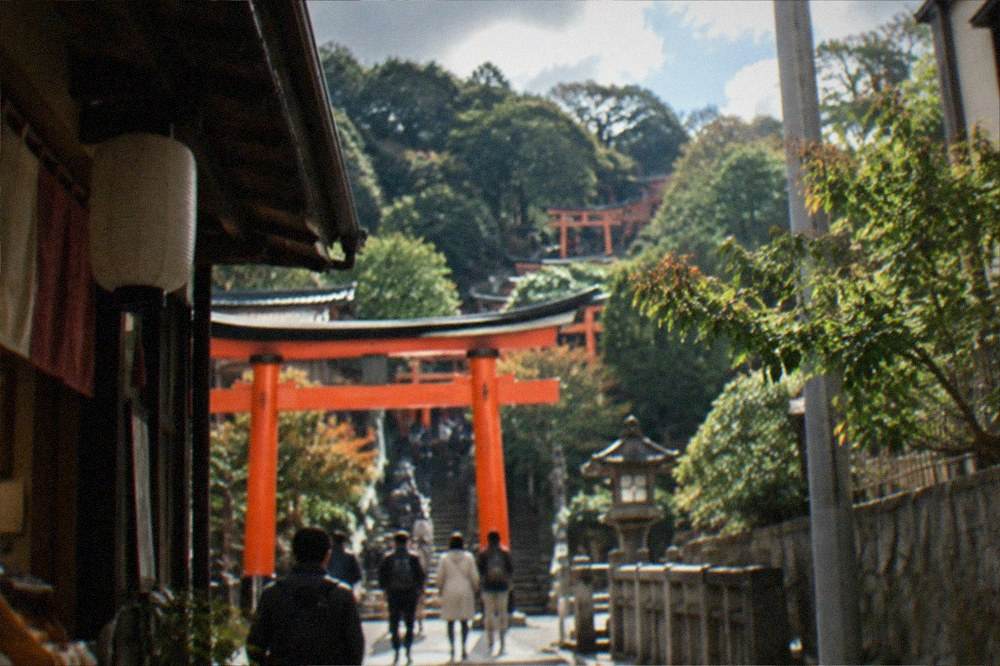
Swap day two's river valley for the Kurama to Kibune hike in the northern mountains, or add Fushimi Inari's full mountain circuit to either evening, since the shrine paths have no closing time and admission is free. The shrine dates its founding to 711, when Inari Okami was enshrined on Inariyama, and it is the head shrine of about 30,000 Inari shrines nationwide, the shrine's own history pages state.
Fushimi Inari is the strongest flex in the itinerary because it costs nothing and never closes. The shrine's FAQ states there is no admission fee, and the shrine publishes desk and prayer hours only, with no closing time set for the mountain paths. The full circuit of Inariyama, which the shrine gives as 233 m, takes a serious walk; a guided option is the Fushimi Inari Hidden Hiking Tour, from $73 per person, rated 5 from 1,931 reviews, which covers the quieter back trails. The shrine links to the city's Tourism Comfort crowd forecast and its own approach cameras, so you can check conditions before heading out.
The northern alternative is Kurama and Kibune, two villages in the mountains north of the city linked by a temple trail; the Kurama and Kibune guide covers the route, the shrine at the far end and the hot-spring baths at the Kurama end. This swap trades Arashiyama's valley for cedar forest and a soak, and if that appeals more than the bamboo grove, day two simply reroutes north.
Two things not to bolt onto two days. Nara deserves its own day, and the Kyoto-versus-Nara comparison helps you decide whether it earns your only spare hours. And the twelve activity kinds this site organizes Kyoto into are more than two days can hold; transfers and airport runs sit outside that count entirely, so a two-day trip should spend its hours on walking-distance clusters, exactly as this split does. If you are unsure whether two days is even enough, the how many days in Kyoto is enough answer page works through the arithmetic.
What Season Are You Visiting In, And Does It Change The Split?
The split holds in every season, but the timing shifts: cherry flowering in Kyoto has averaged 26 March with full bloom 4 April in the 1991 to 2020 normals, the JMA observatory data shows, and maple red leaves average 5 December, so spring rewards the day-two gorge and autumn rewards late-afternoon temple light. July is the wettest month at 223.6 mm, not June, and August is the hottest with a mean daily maximum of 33.7 C.
The Japan Meteorological Agency's 1991 to 2020 normals for Kyoto put July's rainfall at 223.6 mm against June's 199.7 mm, which inverts the common assumption about the rainy season, and August's mean daily maximum at 33.7 C. Three of the city's six hottest days on record fell in the summers of 2024, 2025 and 2026, the JMA station records show. In practice that means a summer two-day trip should front-load the walking before noon and give the late afternoon to the Kamo River or an indoor stop, and the Kyoto in summer guide carries the substitutes for wet or sweltering afternoons.
| Month | Rain mm | Mean C | Mean daily max C | Sunshine h |
|---|---|---|---|---|
| March | 106.2 | 8.8 | 14.1 | 155.4 |
| April | 117.0 | 14.4 | 20.1 | 177.3 |
| July | 223.6 | 27.3 | 32.0 | 142.7 |
| August | 153.8 | 28.5 | 33.7 | 182.7 |
| November | 73.9 | 12.5 | 17.3 | 140.7 |
| December | 57.3 | 7.2 | 11.6 | 134.4 |
Season also moves two of the fees. Tofuku-ji revises its admissions on 1 November 2026, its notice states, with a new 1,000 yen combined ticket and the foliage-period bridge-and-hall ticket rising to 1,000 yen for adults. And autumn is when the Sagano train and the Hozugawa Kudari are at their most demanded, which is why the train ticket is the one reservation on this itinerary worth making ahead. The cherry-blossom and autumn-leaves guides carry the season-by-season detail.
Should You Book Anything In Advance For Two Days In Kyoto?
Book only three things ahead: your hotel, the Sagano Romantic Train ticket if you are travelling in cherry or foliage season, and a seat at any specific restaurant you care about. Everything else on this itinerary, temple admissions, bus and subway fares, the monkey park and even the Hozugawa Kudari, is bought on the day, and the temples have no timed-entry system to reserve.
The Sagano train is the genuine scarcity. The operator opened reservations for the 29 March to 1 April 2026 window at midnight Japan time on its official site, which tells you how the peak days go. Outside cherry season, late November and Golden Week, same-day tickets usually work. The Hozugawa Kudari sells same-day tickets at its Arashiyama dock and posts waiting times, the operator's site notes, so a peak autumn afternoon can mean a queue rather than a sellout.
Guided tours are a different question from tickets. A guided day compresses the learning: the Perfect 1-Day Bus Tour runs 8 to 9 hours from $102 per person with a 4.9 rating from 17,054 reviews, and the one day in Kyoto itinerary shows what a single well-run day can hold if two turns out to be one. For the reverse problem, the longer itineraries extend the same geographic logic day by day.
Common Questions About Two Days In Kyoto
How Do You Split Two Days In Kyoto Between Higashiyama And Arashiyama?
Give day one to the east, Higashiyama and Gion, starting at Kiyomizu-dera's 6:00 opening, and day two to the west, Arashiyama and the Hozu valley, starting with the bamboo grove. The split works because each side is walkable once you arrive and the two halves sit on different rail lines, so you cross the city once instead of six times.
Is two days in Kyoto enough?
Two days covers the two great halves of the city, Higashiyama and Arashiyama, at a real but brisk pace. It does not cover Fushimi Inari's full circuit, Nara, the northern mountains or more than a handful of temples. If a third day is possible, take it; the how many days in Kyoto question works through the trade-offs in detail.
What is the best order for day one in Kyoto?
Start at Kiyomizu-dera at 6:00, walk down through Ninenzaka and Sannenzaka, reach Yasaka Shrine and Gion by early afternoon, then use the 14:30 to 16:00 window for Nijo-jo Castle, whose admission stops at 16:00, or head north to Ginkaku-ji instead. Finish along the Kamo River at dusk.
Do you need the one-day bus pass for this itinerary?
The bus-only pass no longer exists; sales ended in September 2023 and it stopped being usable on 31 March 2024. The product now is the Subway and Bus One-Day Pass at 1,100 yen, which pays off only on days with three or more rides. A day built around one rail trip and walking does not need it.
Can you do the Sagano Romantic Train and the Hozugawa Kudari boat on the same afternoon?
Yes, and they pair naturally in one direction: the train runs up the Hozu gorge and the boat comes back down over about two hours. The train costs 880 yen one way for adults and the boat 6,000 yen for adults on the operators' own ticket pages. Doing both plus the monkey park in one afternoon is tight; drop the monkey park if the river calls.
What does the Sagano Romantic Train cost?
The standard one-way fare is 880 yen for adults 12 and over and 440 yen for children 6 to 12, with toddlers free when accompanied, the Sagano Scenic Railway's ticket page states. Groups pay 800 and 400 yen. Peak-season dates can sell out, which is why it is the one ticket on this itinerary worth reserving ahead.
The split is the whole trick. Two days in Kyoto, one for the eastern hillside and one for the western valley, with the closing times respected and the river as each day's finish, is a trip that holds together from the first 6:00 gate at Kiyomizu-dera to the last train back down the Hozu gorge.