Day Trip From Kyoto To Kurama And Kibune
Kurama and Kibune sit in the mountains north of Kyoto, joined by a ridge trail over Kurama-dera. The fact pack behind this site holds no admission fees, hike times or opening hours for either village, so this page tells you what is verified, the trains, the climate and the honest gaps, and flags everything else as check-with-the-venue.
Short answer
The Kurama to Kibune ridge hike over Kurama-dera is the classic half-day mountain escape from Kyoto. This guide covers the verified transport fares, the seasonal timing from the JMA normals, and exactly which figures you must confirm yourself.
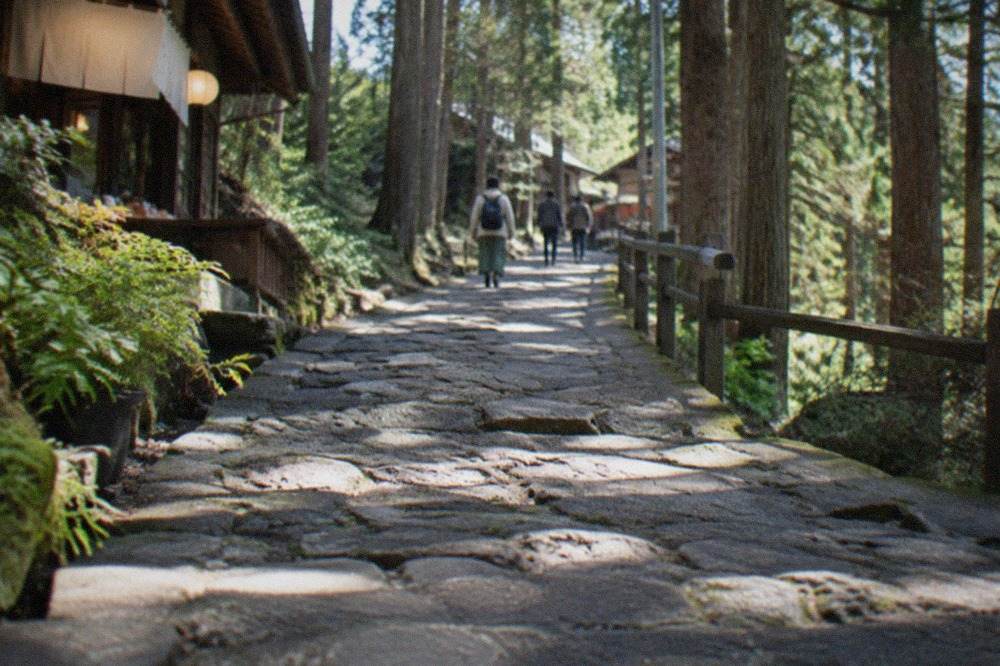
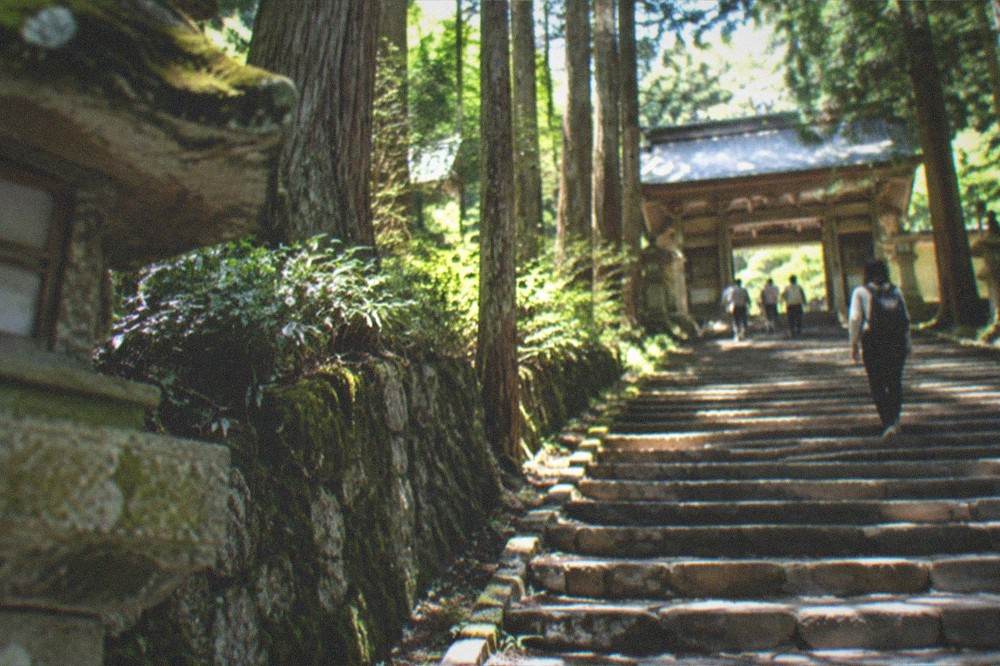
The mountains north of Kyoto hold two villages that most first-time visitors never reach. Kurama, on the western side of the ridge, is a temple village built around Kurama-dera and its forested slopes. Kibune, on the eastern side, is a string of restaurants and shrines along a mountain stream, famous in summer for riverside dining platforms built over the water. A trail connects them over the top, and that trail is the reason most people make the trip.
This site's verified fact pack, the only source a figure on these pages may come from, covers Kyoto's temples, transport, climate and city statistics in detail. It does not cover Kurama, Kibune or the trail between them. That means no admission fee, no hike duration, no founding year and no visitor count for either village appears on this page, because none of those figures has been read from a venue's own site. What the pack does hold is the transport you use to get there, the climate that decides when to go, and the wider day-trip context. Everything else is flagged plainly as something to confirm with the venue.
How Long Is The Hike From Kurama-dera Over The Ridge To Kibune?
No verified duration for the Kurama-dera ridge trail to Kibune exists in this site's fact base, so no time can honestly be printed here. The trail crosses a forested mountain ridge between two villages, involves sustained climbing and descending on unpaved and stepped sections, and is a hike rather than a walk. Plan it as a half-day undertaking with water, shoes with grip and daylight to spare, and confirm current trail conditions with Kurama-dera or the local tourist information desk before setting out.
What can be said with confidence is the shape of the thing. The route runs from Kurama village up through the temple grounds, over the ridge, and down into the Kibune valley. Guides that quote a precise minute count for it are quoting each other, not a measurement any official body publishes. The honest planning frame is the one above: treat it as a half day, start early, and check conditions on the day.
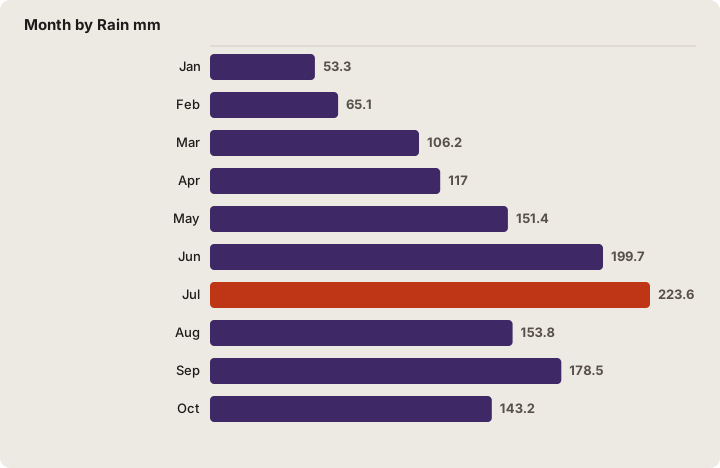
Weather matters more here than anywhere flat in Kyoto. The JMA 1991-2020 normals for Kyoto station, the same climate record this site uses for every seasonal claim, show the city's wettest month is July at 223.6 mm, with June close behind at 199.7 mm. A mountain trail in those months is slick, and the descent into Kibune is the section that punishes wet shoes. October, at 143.2 mm of rain and a mean daily high of 23.4 C, is the friendlier window.
If a guided version appeals, a full-day guided hike of exactly this route exists and is one of this site's verified products. The Kyoto Hiking Tour: The Nature and Legends of Kurama and Kibune runs 8 hours from $210 per person, is rated 5 from 82 reviews, and puts a local guide on the trail with you, which is one clean answer to the conditions question.
How Do You Get From Kyoto To Kurama and Kibune?
The route runs from Kyoto's Demachiyanagi area on the Eizan private railway, changing at Kurama Station's branch line for Kibune, with the ridge hike linking the two villages on foot. This site's fact pack holds no Eizan railway fares, so no ticket price is printed here; the verified rail fares it does hold are for other day-trip corridors and are listed below as planning comparisons. Confirm the current Eizan fare and timetable with the operator before travel.
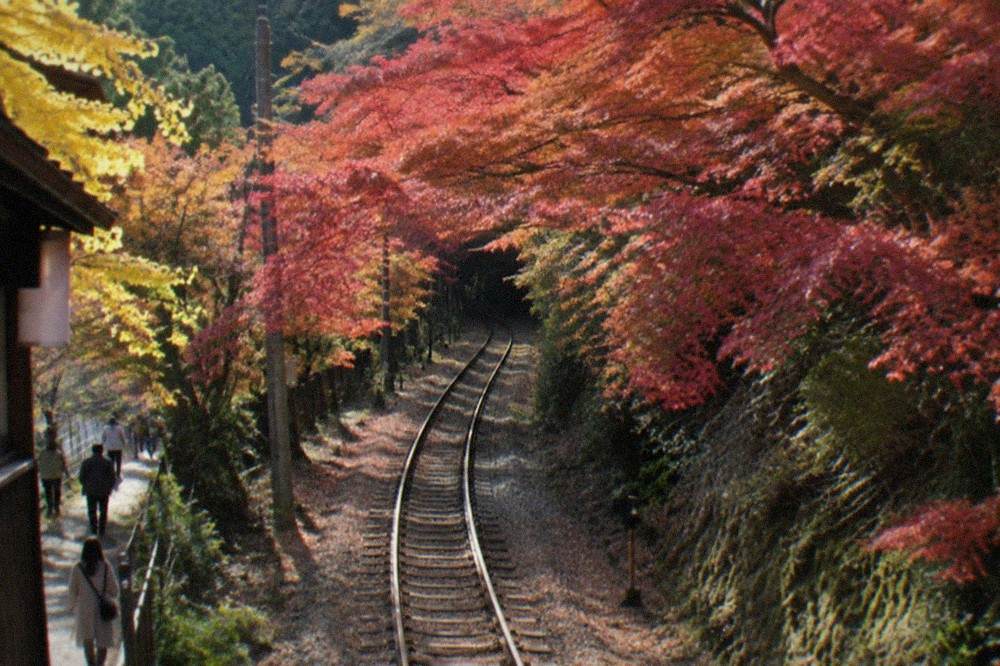
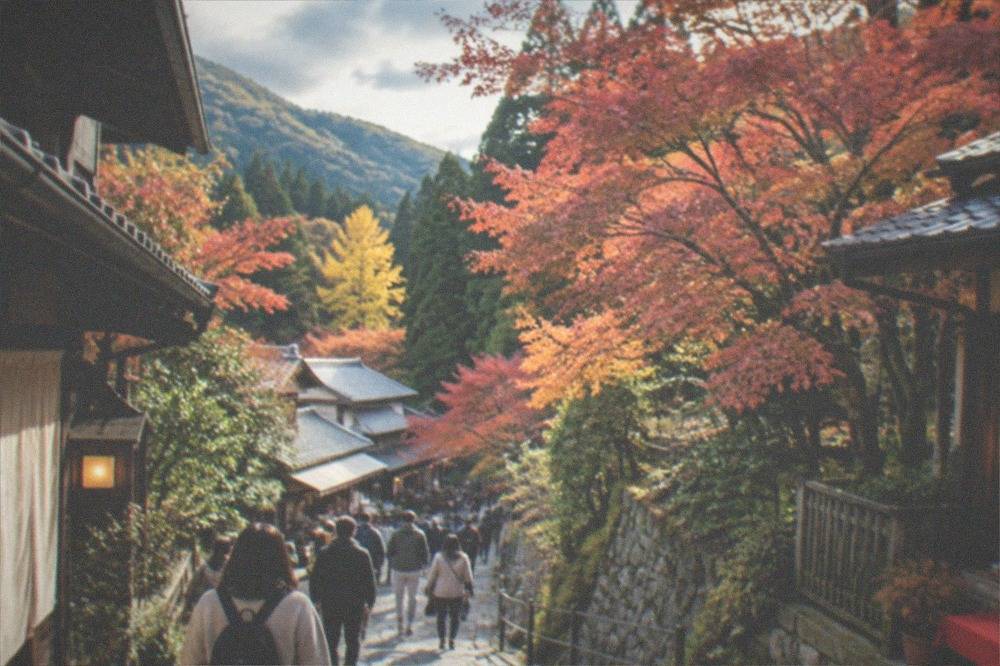
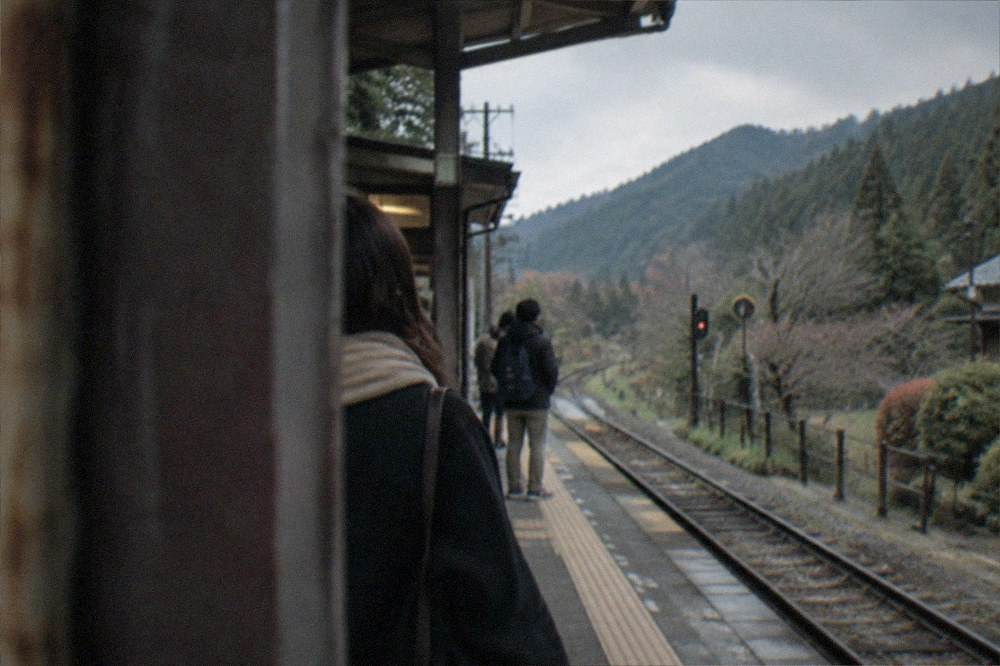
The train journey itself is part of the appeal. The Eizan line leaves the city northward and runs along a valley floor, and the final stretch to Kurama is a single-track branch through forest. There is a famous curved tunnel of maple trees just before Kibune Station that draws photographers in autumn, though the maple timing question is covered further down this page, because the widely repeated peak dates and the official phenology record do not agree.
For comparison, here are the Kyoto day-trip rail fares the fact pack does hold, verified against operator and timetable sources. They frame what a regional rail day trip from Kyoto typically costs, though the Eizan line's own fare is not among them:
| Route | Operator and service | Fare (one way) | Time | Confidence |
|---|---|---|---|---|
| Kyoto to Nara | JR Miyakoji Rapid | 720 yen | about 45 min | confirmed |
| Kyoto to Nara | Kintetsu express | 760 yen | varies | confirmed |
| Kyoto to Nara | Kintetsu limited express | 1,280 yen total | about 35 min | confirmed |
| Kyoto to Uji | JR Nara Line | 240 yen | varies | confirmed |
| Kyoto to Uji | Keihan | 360-420 yen | about 31 min | confirmed |
| Kyoto to Kurama | Eizan railway | not held in fact pack | not held | confirm with operator |
The wider day-trip picture, if you are weighing this against other mountain escapes, is covered in the day trips from Kyoto guide, and the northern Ohara temple valley, reached by bus rather than rail, is a genuine alternative for a similar mood.
What Is There To See in Kurama and Kibune?
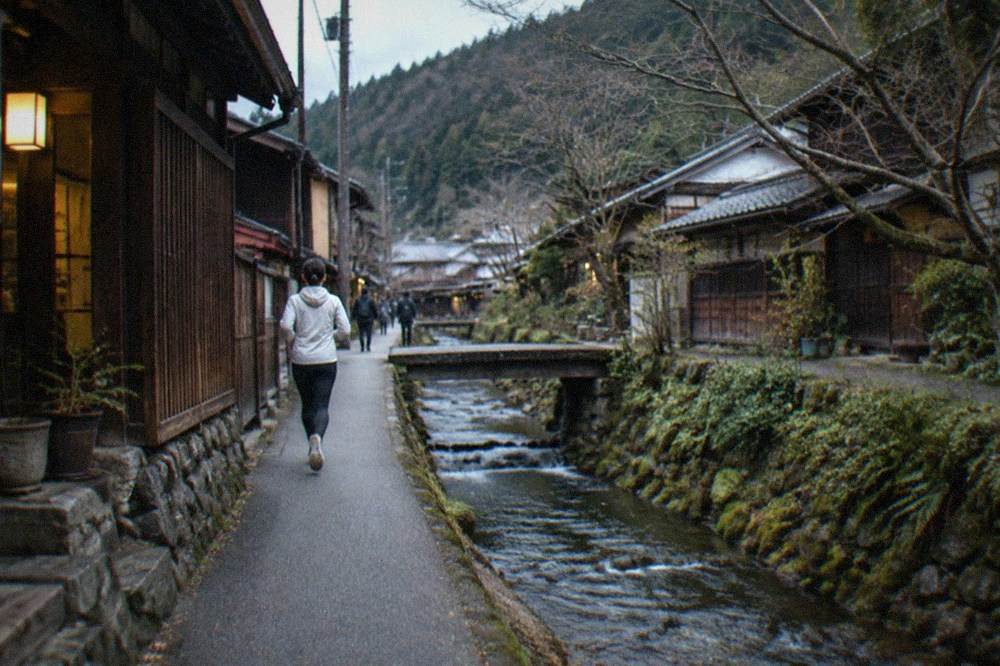
Kurama is a temple village built around Kurama-dera, a mountain temple whose wooded grounds climb the slope behind it, and Kibune is a streamside village of restaurants and the Kibune shrine complex, known for summer dining platforms built over the creek. Neither village's admission fees, hours or founding dates are held in this site's verified fact pack, so none are printed here. Both are small, walkable places where the setting, not a ticketed attraction, is the point.
Kurama-dera's grounds are the main draw on the western side. The temple sits partway up the mountain, and the trail to Kibune continues through and above it, which is why the temple and the hike are usually described together. The village below holds a small hot spring bathing spot, which makes the Kyoto onsen background reading worth a look if a post-hike soak is part of the plan. As with everything on this page, the temple's current admission arrangement, if any, and its hours need to be confirmed with the temple directly.
Kibune, on the other side, is a single road along a mountain stream. The Kibune shrine sits at the head of the village, and the restaurants along the water are the reason the village is famous: in summer they build platforms over the stream so diners sit with their feet effectively in the cold mountain water. Reservations for those platforms are handled by each restaurant, and this site prints no price for them because none has been read from a restaurant's own page.
One honest note on the "hidden" label both villages carry. Kyoto drew a record 62.79 million visitors in 2025, according to the city's own tourism survey released in June 2026, and the city has been actively promoting dispersal to lesser-visited areas as an overtourism measure. Kurama and Kibune are quieter than the Arashiyama bamboo grove or Fushimi Inari, but they are not unknown, and the trail is busy on fine autumn weekends.
When Is The Best Time To Hike The Kurama Ridge?
The best windows are late spring and autumn: May averages 19.5 C with 151.4 mm of rain, and October averages a mean daily high of 23.4 C with 143.2 mm, per the JMA 1991-2020 normals for Kyoto. Avoid the July to September stretch if you dislike heat and humidity, since July is Kyoto's wettest month at 223.6 mm and August the hottest at a mean of 28.5 C. Winter hiking is possible but the days are short and the trail can ice over.
The full monthly picture from the Japan Meteorological Agency's 1991-2020 normals for Kyoto station, the same table this site uses everywhere it talks about weather:
| Month | Rain mm | Mean C | Mean daily max C | Sunshine h |
|---|---|---|---|---|
| Jan | 53.3 | 4.8 | 9.1 | 123.5 |
| Feb | 65.1 | 5.4 | 10.0 | 122.2 |
| Mar | 106.2 | 8.8 | 14.1 | 155.4 |
| Apr | 117.0 | 14.4 | 20.1 | 177.3 |
| May | 151.4 | 19.5 | 25.1 | 182.4 |
| Jun | 199.7 | 23.3 | 28.1 | 133.1 |
| Jul | 223.6 | 27.3 | 32.0 | 142.7 |
| Aug | 153.8 | 28.5 | 33.7 | 182.7 |
| Sep | 178.5 | 24.4 | 29.2 | 142.7 |
| Oct | 143.2 | 18.4 | 23.4 | 156.0 |
| Nov | 73.9 | 12.5 | 17.3 | 140.7 |
| Dec | 57.3 | 7.2 | 11.6 | 134.4 |
Two of those numbers deserve a second look. July, not June, is Kyoto's wettest month, a fact that surprises most visitors and matters on a mountain trail. And three of Kyoto's six hottest days on record fell in the summers of 2024, 2025 and 2026, per the JMA station records, so recent heat in the city has been extreme by historical standards. Hiking the ridge in August means doing it in the month with a mean daily maximum of 33.7 C.
For the autumn colour specifically, the honest answer is more complicated than the guidebook "mid-November peak". The JMA Kyoto observatory's own marker, its specimen kaede maple, turned red on 10 December in 2025, against a 1991-2020 normal of 5 December. The observatory tree is not the mountain, and commercial foliage forecasts for Arashiyama in 2026 pointed to late November. The safe planning statement: aim for late November into early December for the Kurama side, and check a current foliage forecast close to travel.
Can You Do Kurama and Kibune in Half a Day?
Yes, the trip compresses into a half day if you hike the ridge in one direction only, taking the train to one village, walking over to the other, and returning by rail from there, but it is a tight half day and leaves no slack for a temple visit, a long lunch or a hot spring soak. A full day is the better frame for a first visit, and anyone starting from a morning arrival in Kyoto should plan the full day.
The direction you hike matters. Most descriptions of the route favour starting in Kurama and finishing in Kibune, because the climb through the temple grounds is steadier and the arrival in Kibune ends at stream level with food available. Doing it the other way means a steeper climb out of the Kibune valley. Neither direction's time is verifiable from this site's fact base, so the choice rests on gradient and appetite rather than a printed minute count.
The half-day question also depends on what you are giving up. Kibune's riverside dining is a sit-down experience measured in hours, not minutes, and Kurama's hot spring bath is not a five-minute stop. If either of those is the reason you came, the half-day version defeats it. The one day in Kyoto planning frame shows how tight even the city's core sights are in a single day, and the mountains deserve the same honesty.
For travellers who want the ridge without organising it themselves, the guided full-day hike remains the straightforward option, and a shorter guided option also exists on this site's roster: the Kyoto: Hidden Mountains of Kurama and Kibune Guided Hike, a 4-hour guided version from $80 per person, rated 4.9 from 63 reviews.
What Should You Bring For The Kurama Ridge Hike?
Bring shoes with grip, water, cash for the villages, and a layer for the ridge, because the trail is unpaved and stepped in sections, the villages are small with limited services, and mountain weather turns faster than the city's. The JMA normals show even summer mornings start cool, with a mean daily minimum of 23.6 C in July but 14.5 C in May, and the ridge sits higher than the station those numbers come from.
Cash deserves its own sentence. Kyoto's city buses are flat-fare cash-first systems and small mountain villages run on cash more than the city does, and while this site holds no payment details for Kurama or Kibune shops specifically, the general rule for rural Japan holds: assume cash works everywhere and cards work somewhere. The Iwatayama Monkey Park on the Arashiyama side of the same northern hills states cash only on its own site, which is a fair signal of how the wider mountain area operates.
Clothing follows the season. The mean daily minimum in January is 1.5 C and in August 24.7 C, per the JMA normals, so the spread across the year is enormous. Rain gear matters in every month, since even the driest month, January at 53.3 mm, is not dry. The wettest day on record at Kyoto station dumped 288.6 mm, on 13 August 1959, a reminder that mountain rain can be serious business.
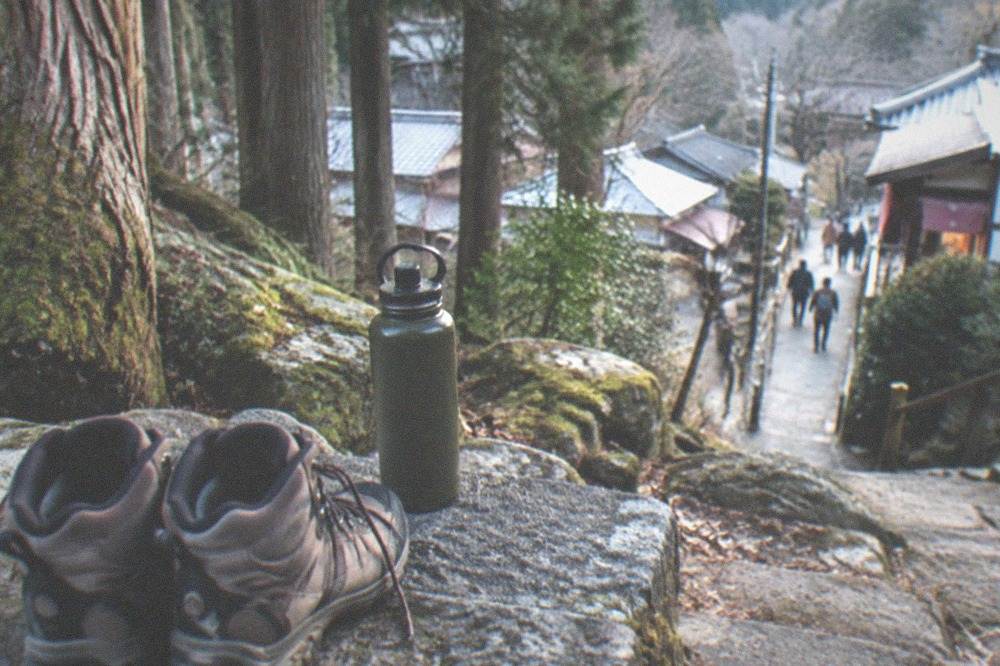
A charged phone with offline maps, and telling someone your route, are the two habits that matter on any day hike. The trail between the villages is a real mountain path, not a park promenade, and the descent into Kibune is the section where a twisted ankle is most inconvenient.
How Does Kurama and Kibune Compare With Other Kyoto Day Trips?
Kurama and Kibune is Kyoto's hiking day trip, compared with Nara's temple-and-deer park, Uji's tea houses and Byodo-in, and Ohara's temple valley: the rail fare to Nara is 720 yen one way on the JR Miyakoji Rapid and to Uji 240 yen on the JR Nara Line, both verified, while the Eizan fare to Kurama is not held in this site's fact base. The choice comes down to whether you want mountains or heritage, and the two are not the same trip.
A side-by-side of the day trips this site has verified data for, with the honest gaps marked:
| Day trip | Character | Verified fare (one way) | Best season | Data gap |
|---|---|---|---|---|
| Kurama and Kibune | Mountain hike, stream village | Eizan fare not held | May, Oct-Nov | fees, times, hours all unverified |
| Nara | Temples, deer park | JR 720 yen / Kintetsu 760 yen | Nov-Mar (deer census runs July) | Todai-ji fee verified at 800 yen adult |
| Uji | Tea, Byodo-in | JR 240 yen | spring and autumn | Byodo-in 700 yen verified |
| Ohara | Temple valley, onsen | bus fare not held | autumn | not covered by fact pack |
| Takao | Deep valley temples | not held | autumn | not covered by fact pack |
The Nara comparison has one number worth knowing. The 2026 deer census counted 1,687 deer in Nara Park, up 222 on 2025, counted over two July mornings by the local protection fund. That is a city-scale wildlife population in a park you walk through, which is a very different day from a cedar forest ridge.
For the temple-heavy alternative, the Kiyomizu-Dera Day Tour from Kyoto pairs Kiyomizu-dera with Fushimi Inari Taisha in one guided outing, and the shrine side of that pairing is free to enter, which the shrine's own site confirms by publishing no fee anywhere. The Perfect 1-Day Bus Tour covers the headline sights for those who want the city rather than the mountains.
What Does A Kurama and Kibune Day Trip Cost?
The verifiable costs are the Kyoto transport you use to reach the mountains: the city bus flat fare is 230 yen, the subway runs 220 to 360 yen by zone, and the Subway and Bus One-Day Pass is 1,100 yen, all confirmed on the city's own pages. The Eizan railway fare to Kurama, any Kurama-dera admission, and Kibune restaurant prices are not held in this site's fact pack and cannot honestly be printed, so budget for them by checking with each venue.
The city-side transport numbers, verified against the Kyoto transport bureau's own pages:
| Item | Adult | Child | Status |
|---|---|---|---|
| Kyoto City bus, flat fare | 230 yen | 120 yen | verified |
| Kyoto subway, zones 1-5 | 220-360 yen | 110-180 yen | verified |
| Subway and Bus One-Day Pass | 1,100 yen | 550 yen | verified |
| Subway One-Day Pass | 800 yen | 400 yen | verified |
| Tourist express bus EX100/EX101 | 500 yen | 250 yen | verified |
| Eizan railway to Kurama | not held | not held | confirm with operator |
One warning that saves money and confusion: the bus-only one-day pass no longer exists. Sales ended in September 2023 and the pass stopped being usable on 31 March 2024, per the transport bureau's own discontinuation notice, which also explained that roughly 90 per cent of buyers were visitors and that the pass concentrated them on the buses. The product now is the Subway and Bus One-Day Pass at 1,100 yen. Any guide still recommending the old bus pass is out of date.
If you are staying overnight rather than day-tripping, one more verified figure belongs in the budget. Kyoto's accommodation tax changed on 1 March 2026: a room rate of 20,000 to under 50,000 yen now carries 1,000 yen per person per night, up from 500, and the top tier, rooms at 100,000 yen and up, went from 1,000 to 10,000 yen. Most guides still quote the old tiers.
Is The Kurama and Kibune Trip Good With Kids Or For Older Travellers?
The train ride and both villages work for all ages, but the ridge trail itself is a genuine mountain hike with sustained climbing, unpaved sections and stepped descents, and this site holds no trail difficulty rating from any official source to soften that. Families with confident walking children manage it in good weather, and travellers who would rather skip the ridge can visit both villages by train without hiking at all, using the branch line to reach each one separately.
That non-hiking version is worth spelling out, because it is the honest answer for anyone whose knees object to the descent. The rail line serves both Kurama and Kibune, so a visitor can train to Kurama, see the lower temple grounds, return downhill, and train around to Kibune for lunch by the stream, all without the ridge. The trade-off is that you miss the forest walk, which is the reason many people come.
For mixed groups, the split-day works: hikers take the ridge, non-hikers take the train, and both meet at a Kibune restaurant. Reservations at those restaurants are each establishment's own system, and this site prints no price for their kaiseki or kawadoko platforms because none has been read from a restaurant's own page. The one kaiseki figure this site does hold verified is Hyotei's, in the city by Nanzen-ji, where kaiseki runs from 31,625 yen at lunch, tax and service included, and the same house's annex serves porridge and bento from 5,445 yen. Those are Hyotei's prices, not Kibune's, and they are here only to show the spread a famous Kyoto dining room can cover.
Age limits cut the other way at the imperial villas, for anyone combining this with city sights: Shugakuin Imperial Villa and the Sento Imperial Palace admit 18 and over only, while Katsura Imperial Villa charges 1,000 yen for 18 and over and admits 12 to 17 free, all per the Imperial Household Agency's own pages.
What Are The Rules And Etiquette On The Trail And In The Villages?
The rules that are verified for Kyoto apply here too: do not touch, chase or photograph geiko and maiko without permission, do not enter or photograph private property where prohibited, per the Kyoto City Tourism Association's published guidelines, and take your rubbish home, since mountain villages have no public bins to speak of. Trail-specific rules for Kurama-dera and Kibune shrine are not held in this site's fact pack, so check signage at each gate.
The photography rule matters more than visitors expect, because the Kibune stream and the maple tunnel near the station are exactly the kind of place that invites long lens work around private buildings. The Gion guidelines are the city-wide statement of the principle. Separately, the private alleys off Hanamikoji in Gion carry signage threatening a 10,000 yen penalty for unauthorised photography or entry, posted by the district council, and while that is a Gion measure and not a mountain one, it signals how seriously residential Kyoto treats camera-toting visitors.
On the trail itself, the universal mountain code applies: stay on the path, keep noise down, and do not feed or approach wildlife. The monkeys at Iwatayama on the Arashiyama side of the same northern hills are wild, and that park's own site notes it closes early if the monkeys head back up the hill, a reminder that this is a real mountain range, not a themed environment.
Weather cancellations are a real possibility. The monkey park closes in bad weather, the Sagano Romantic Train suspends service in late December to February, and mountain transport across this region follows the same logic. Check the operator's own notice page on the morning of travel.
Common Questions About Kurama and Kibune
How Long Is The Hike From Kurama-dera Over The Ridge To Kibune?
No verified duration exists in this site's fact base, so no time is printed. Plan it as a half-day hike with climbing, unpaved sections and a stepped descent, and confirm current conditions with Kurama-dera or the local information desk before setting out.
How Do You Get To Kurama and Kibune From Kyoto?
Take the Eizan railway from the Demachiyanagi area, with a branch line serving Kibune. This site's fact pack does not hold the Eizan fare or timetable, so confirm both with the operator before travel.
What Is The Best Month For The Kurama Ridge Hike?
May and October, per the JMA 1991-2020 normals: May averages 19.5 C and October a mean daily high of 23.4 C, both with less rain than the June to September stretch. July is Kyoto's wettest month at 223.6 mm.
Can You Visit Kibune Without Hiking Over The Ridge?
Yes. The rail line serves both villages, so you can train to each one separately and skip the ridge entirely. The trade-off is missing the forest trail, which is the main reason many visitors come.
Are There Hot Springs In Kurama?
Kurama village is known for hot spring bathing, and this site's fact pack holds no price or hours for the bath there, so confirm directly with the venue. The wider onsen picture is covered in the Kyoto onsen guide.
Is The Kurama and Kibune Trip Doable In Half A Day?
Yes, if you hike one direction only and skip the long lunch and the bath. It is tight, and a full day is the better frame for a first visit, especially for anyone arriving in Kyoto that morning.
The Kurama and Kibune day trip is the one that answers the question "what is Kyoto like outside the basin", and the honest version of planning it starts with the two facts this site can stand behind: the trains and the weather. Everything between the two villages, the fees, the hours, the minute counts, belongs to the venues themselves, and a quick check with each before you travel beats a confident number copied from a stale guide. For the wider picture of what the city holds, the things to do in Kyoto page is the full index, and the Kyoto Travel Guide homepage ties the whole site together.