When Is The Kyoto Aoi Matsuri Procession And What Route Does It Take?
The Aoi Matsuri is held on 15 May every year, with a rain postponement to 16 May, and it is the oldest of Kyoto's three great festivals, a full Heian court procession that moves between the two Kamo shrines.
Short answer
The Aoi Matsuri procession takes place on 15 May each year, postponed to 16 May only if rain falls on the 15th. The festival centres on Shimogamo Shrine and Kamigamo Shrine, with the main procession departing in the morning and reaching Kamigamo around midday. Admission to both shrines is free, and no ticket exists for the street viewing.
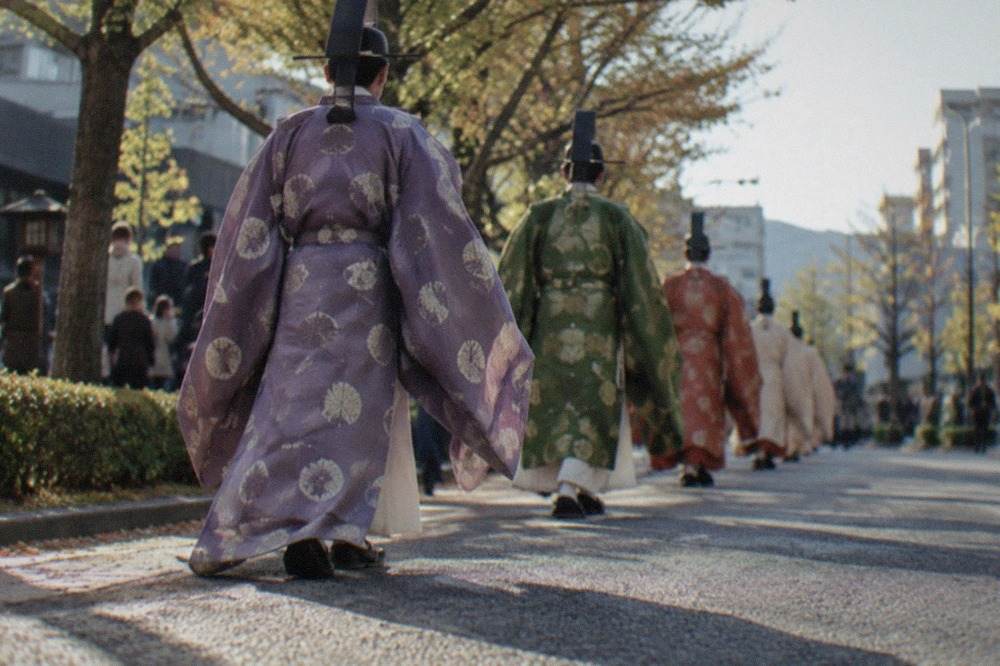
The Aoi Matsuri is held on 15 May every year, and it is the one date in Kyoto's festival calendar that barely moves. Rain postpones it to 16 May, and that is the only variation. Kamigamo Shrine, one of the two shrines at the heart of the festival, prints the date plainly on its own ritual calendar: 15 May, the festival of Kamo. What visitors get on that day is a reconstructed Heian court procession, hundreds of participants in period costume, ox carts, golden sun umbrellas and a mounted imperial messenger, all moving between the two Kamo shrines in the north of the city. This guide lays out the date, the shape of the route, where to stand, what the day costs, and how it compares with the bigger and louder festivals Kyoto runs later in the year.
What Is The Aoi Matsuri In Kyoto?
The Aoi Matsuri is Kyoto's oldest major festival, held on 15 May each year, in which a procession dressed as the Heian imperial court travels between Shimogamo Shrine and Kamigamo Shrine to present offerings on the Emperor's behalf. It is one of Kyoto's three great festivals, alongside the Gion Matsuri in July and the Jidai Matsuri in October, and it is the quietest and most formal of the three. Both shrines involved are free to enter.
The festival's full name is Kamo Matsuri, and Kamigamo Shrine lists it on its own site as the festival of 15 May. Its origins sit far back in the ninth century, when the imperial court sought to placate the Kamo deities after a run of disasters blamed on their displeasure. The court sent a messenger with offerings, and that act is what the modern procession restages. The name people use today comes from the aoi, the hollyhock leaves that decorate the costumes, the ox carts and the shrine buildings along the route.
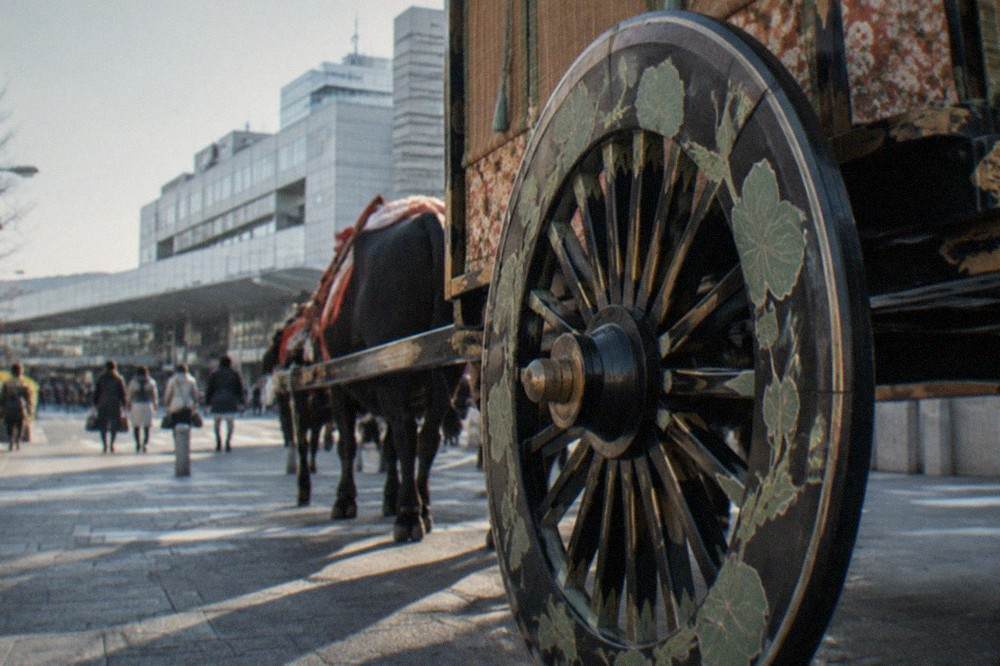
What surprises many first-time visitors is the tone. There is no amplified music, no food-street energy and no fireworks. The procession is slow, near-silent in stretches, and deliberately archaic. Participants wear muted Heian court colours, the ox carts have wheels that shriek by design because the sound was considered elegant, and the whole event reads as a moving museum piece rather than a party. For a fuller picture of the city's calendar, see Kyoto's festival year, and for the loudest contrast, the Gion Matsuri in July is the opposite end of the spectrum.
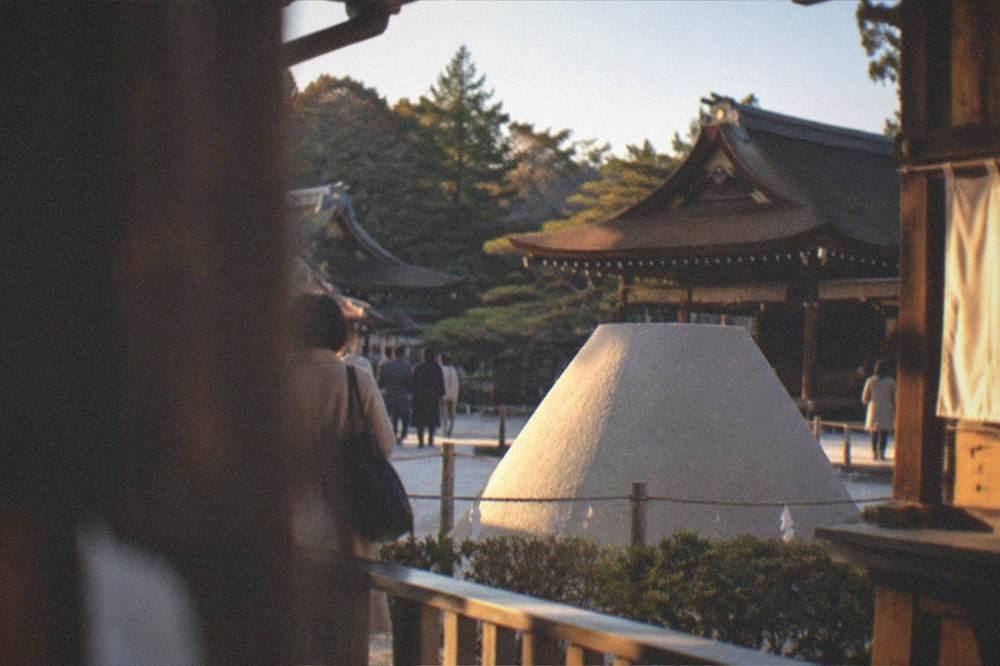
The two shrines are the fixed points. Shimogamo Shrine sits in the Tadasu no Mori, an old riverine forest, and Kamigamo Shrine stands further north with its famous cone of white sand in front of the main hall. Both are open to the public without an admission charge, which makes the Aoi Matsuri one of the few great Japanese festivals you can experience in full without buying anything.
When Is The Aoi Matsuri Procession And What Route Does It Take?
The Aoi Matsuri procession is held on 15 May every year, and it is postponed to 16 May only when rain falls on the 15th. The route runs between the two Kamo shrines in northern Kyoto: the procession leaves the Kyoto Imperial Palace area in the morning, performs rites at Shimogamo Shrine, and then continues north to Kamigamo Shrine, where the main rite takes place around midday. No ticket is needed to watch from the street.
That is the honest core of the answer, and it is worth being precise about the one thing guides routinely blur. The date is fixed by the shrines' own calendars: 15 May, with 16 May as the rain date. The postponement rule is real and printed in festival literature, so if you are travelling specifically for the procession, keep 16 May free as well.
The route, in shape, is a line through the north of the city. The procession assembles at the former site of the imperial palace, the Kyoto Imperial Palace (Kyoto Gosho), whose grounds the Imperial Household Agency states are open to all visitors with no advance application. From there it moves north into the Tadasu no Mori and Shimogamo Shrine, where the mounted messenger and his retinue perform rites in the forest. After Shimogamo, the procession crosses the Kamo River and works its way up to Kamigamo Shrine, where the principal offering ceremony closes the day. The whole movement is northward, shrine to shrine, and the sequence, not the clock, is what governs it.
| Leg of the day | What happens | Where |
|---|---|---|
| Morning assembly | Procession forms in Heian costume | Kyoto Imperial Palace area |
| First shrine rite | Messenger presents offerings | Shimogamo Shrine |
| River crossing | Procession continues north | Kamo River area |
| Main rite | Principal ceremony and offerings | Kamigamo Shrine |
| Afternoon | Procession returns south | Reverse of the morning line |
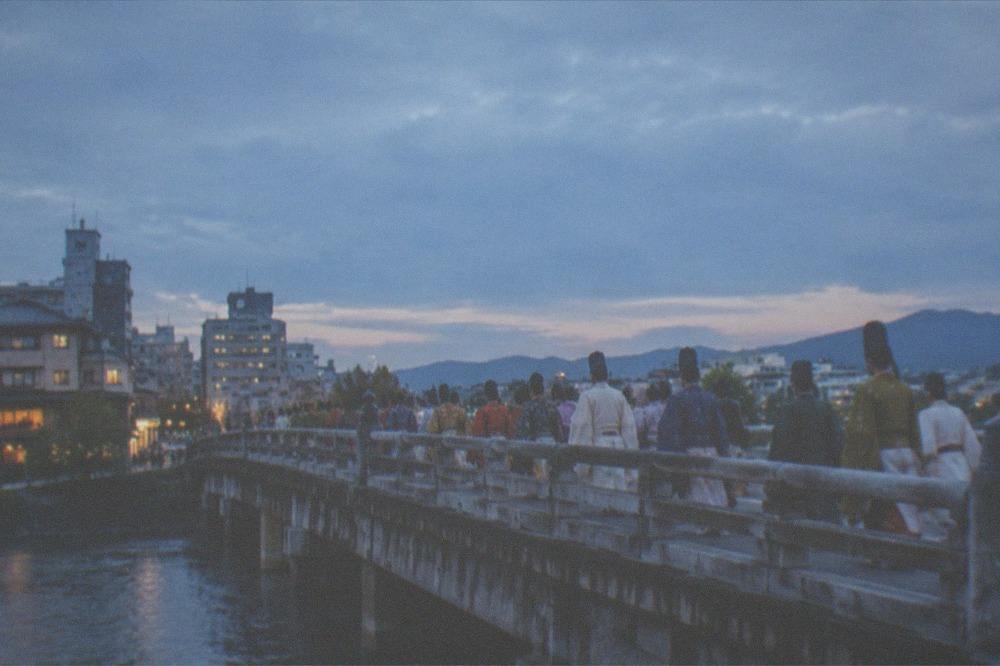
Two practical notes. First, the Kamo River crossing is one of the most photogenic legs of the day, and the riverbanks are among Kyoto's great free spaces the rest of the year. Second, if you are coming from Tokyo for the festival, the shinkansen connection is straightforward, and the same planning applies to anyone flying in and connecting through Kansai or Itami.
If a guided morning appeals more than self-navigation, the Early Morning Tour with English Guide pairs well with festival days, when the city fills early. You can also Check availability if you want it locked in before you travel.
What Time Does The Procession Start On 15 May In Kyoto?
The procession forms in the morning and the main rite at Kamigamo Shrine takes place around midday, so the standard advice is to be in position by mid-morning. The sequence, not a published clock time, governs the day: assembly at the palace, rites at Shimogamo, then the northward leg. Arriving early matters because the best street positions along the route fill well before the front of the procession passes.
The honest caveat is that this site does not print minute-by-minute timings the shrines do not publish. What is verifiable is the structure. The day begins with the procession assembling in period dress, the Shimogamo rites come next, and the Kamigamo ceremony is the climax toward the middle of the day. Spectators who want photographs of the ox carts and the golden umbrellas generally stake out the tree-lined approaches to the shrines rather than the mid-route streets, because the pace slows near the gates and the costume detail is easier to see.
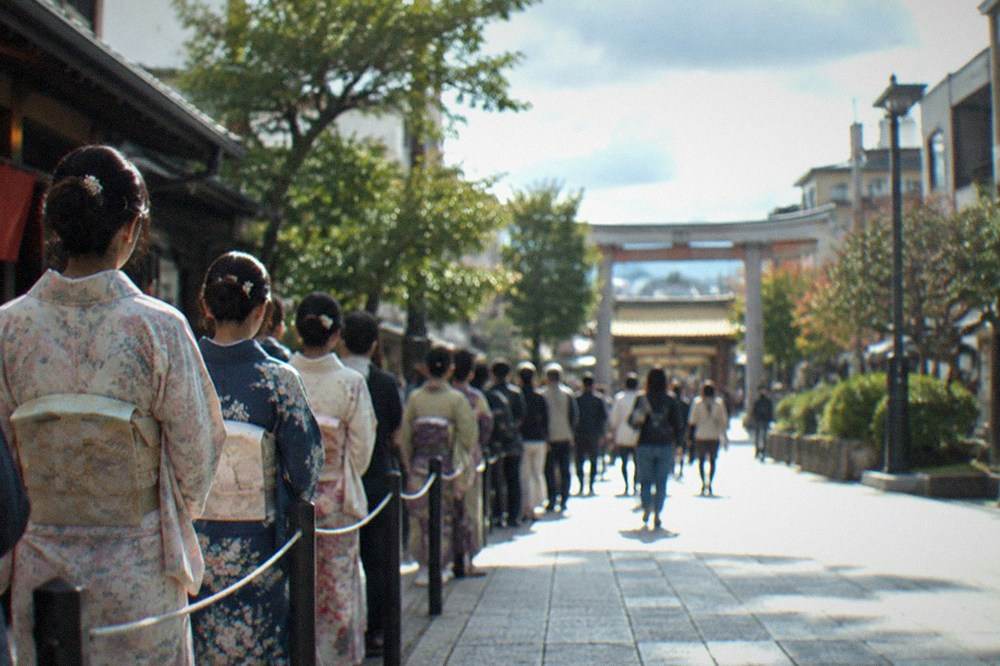
Paid reserved seating exists in some years along parts of the route, sold through the tourism association, but the festival is fundamentally a free street event and always has been. If you are weighing a paid seat against a free kerb, the deciding factors are weather and patience: the procession takes a long time to pass any single point, and there is a lot of standing. May in Kyoto is warm but not hot, with a mean temperature of 19.5 C and mean daily highs of 25.1 C according to the JMA 1991-2020 normals for the city's station, so the standing is comfortable by summer standards.
The other reason to be early is the city around you. Festival days in Kyoto draw enormous crowds; the city's own 2025 tourism survey recorded a record 62.79 million visitors across the year, and a fixed-date festival concentrates that flow. The city's tourism association runs a crowd comfort forecast using smartphone location data, weather and time of day to predict congestion at major spots, and the shrine itself links to it, so checking it the night before is genuinely useful rather than a token gesture.
How Does The Aoi Matsuri Compare With Kyoto's Other Big Festivals?
The Aoi Matsuri is 15 May, the Gion Matsuri runs the whole of July from Kippu-iri on 1 July to Nagoshi-sai on 31 July, and the Jidai Matsuri is 22 October every year. Aoi is the oldest and most restrained, Gion is the biggest and loudest with its parade floats on 17 and 24 July, and Jidai is a costume history pageant marking Kyoto's time as imperial capital. All three are free to watch from public streets.
Choosing between them depends on what you want from a festival. The Gion Matsuri is a month-long city-wide event centred on Yasaka Shrine; its Yamaboko Junko parades on 17 July and 24 July feature the giant hoko and yama floats, and the mikoshi leave the shrine on the evening of the 17th and return late on the 24th. It is the loudest, densest and most commercial of the three. The Jidai Matsuri, by contrast, is a single-day procession on 22 October, postponed in rain, with the eve rite at 10:00 on the 21st and the procession leaving at 9:00, and it is staged by Heian Shrine to commemorate the anniversary of the capital's move to Kyoto.
| Festival | Date | Character | Main venues |
|---|---|---|---|
| Aoi Matsuri | 15 May (16 May if rain) | Heian court procession, formal, quiet | Shimogamo and Kamigamo Shrines |
| Gion Matsuri | 1 to 31 July | Month-long, floats, street stalls, huge crowds | Yasaka Shrine and downtown |
| Jidai Matsuri | 22 October (rain postponement) | Historical costume pageant, single morning | Heian Shrine route |
| Gozan no Okuribi | 16 August | Bonfire send-off on five mountains, evening | Northern hills, viewing from the city |
The fourth row is there because August travellers often conflate the Okuribi with a procession. It is not one: on 16 August five mountains are lit one after another with giant bonfire characters, and entering the hills is prohibited that day. It is an evening event watched from the city below.
For depth on each, the site carries a full Jidai Matsuri guide, a Gion Matsuri guide and a page on the Gozan no Okuribi. One honest note on a festival people still ask about: the Higashiyama Hanatoro lantern event was discontinued after 2022 on the sources this site holds, so do not plan a December trip around it without checking current listings.
Where Are The Best Spots To Watch The Aoi Matsuri In Kyoto?
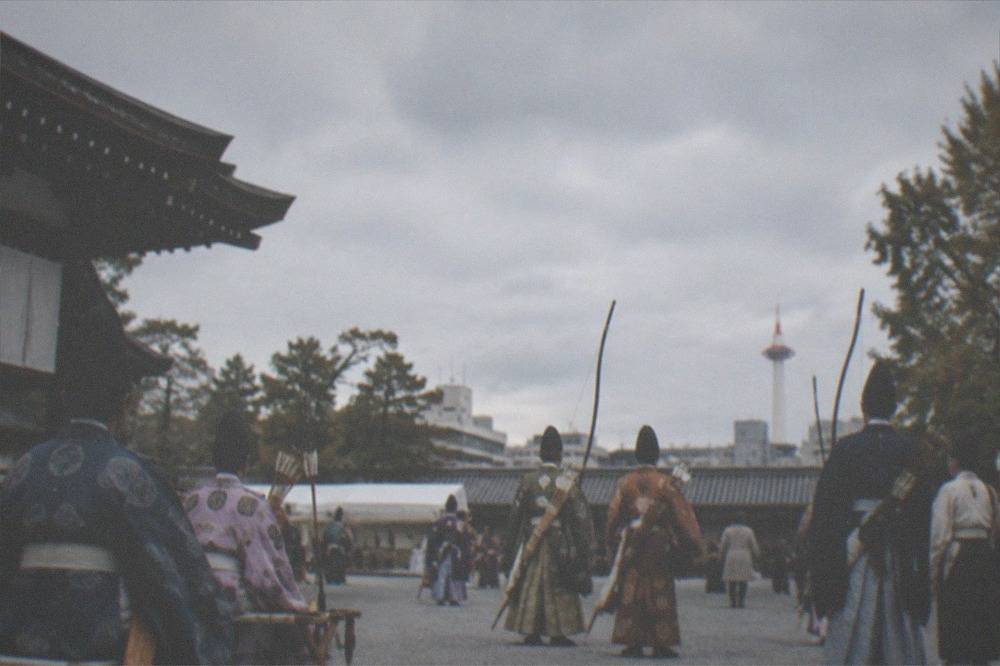
The strongest viewing positions are the approaches to the two shrines themselves: the forest path into Shimogamo through the Tadasu no Mori, and the open ground before Kamigamo's main gate where the principal rite happens. Between the shrines, the river crossing and the wide streets of the northward leg offer the best unobstructed sightlines. Positions fill hours ahead, and the shrine grounds are free.
The Tadasu no Mori is the underrated option. It is a genuine old forest, and the procession moving through filtered green light under the trees is the single most photographed aspect of the day. Because the path is narrow, the crowd compresses there, so early arrival matters more at Shimogamo than anywhere else on the route. Kamigamo rewards a different kind of patience: the rite inside the shrine is the formal heart of the festival, and the space in front of the two sand cones is where the ceremony's staging is visible.
Between the two, the advice is simpler than most guides make it. Pick one shrine and commit. Trying to follow the procession end to end means walking the same distance the procession walks, at the speed the procession moves, through the crowd the procession draws. Watching the whole arc from one fixed point is both calmer and photographically better.
A practical pairing for the afternoon: the festival finishes by early afternoon, and northern Kyoto around the shrines is walkable and interesting beyond the festival itself. The districts between the shrines and the river repay slow exploration, and if you have energy left, the area connects onward to sights like Fushimi Inari, whose paths have no closing time and whose shrine FAQ states plainly that admission is free.
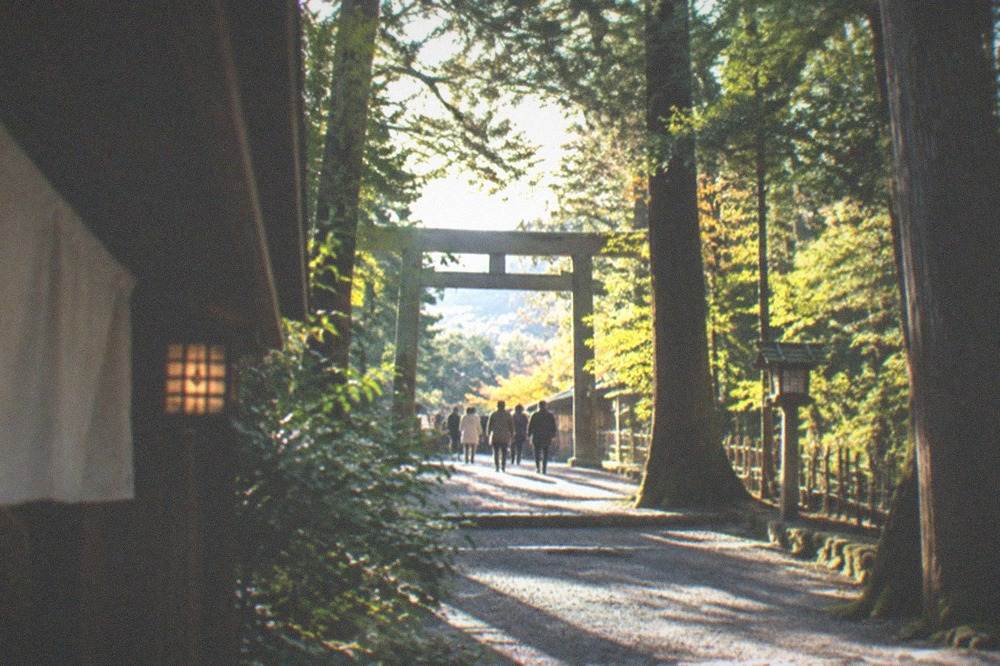
What Should You Know About Shrine Rules During The Aoi Matsuri?
Both Kamo shrines are free to enter, but rules tighten on festival days: Kamigamo Shrine states that photography of rites and any drone flight require advance permission, and general conduct rules ask visitors not to touch or photograph shrine staff and participants without consent. The city's tourism association publishes four conduct guidelines for the Gion area that set the tone for festival behaviour citywide.
The Kamigamo photography rule is the one with teeth, and it comes from the shrine's own site: photography of the rites themselves, and any drone use, need advance permission. That applies to the ceremonies inside the shrine precinct on festival day, not to the street procession outside. The practical reading is simple: shoot the procession freely from public streets, and inside the shrine grounds follow the marshals and the signage.
The broader conduct code is published by the Kyoto City Tourism Association. It asks visitors not to touch, chase or photograph geiko and maiko without permission, and not to enter private property or photograph it where prohibited. Those rules are written for Gion, and the geisha photography rules page covers them in detail, but the same courtesy applies to the costumed participants of the Aoi procession. They are volunteers and shrine parishioners, often in hours of layered costume, and the procession is a rite, not a photoshoot.
| Rule | Where it applies | Source |
|---|---|---|
| No photography of rites without advance permission | Kamigamo Shrine precinct | Shrine's own site |
| No drone flight without advance permission | Kamigamo Shrine grounds | Shrine's own site |
| No touching or photographing geiko or maiko without consent | Gion, and by courtesy citywide | City tourism association guidelines |
| No entering or photographing private property where prohibited | Private alleys, notably in Gion | City tourism association guidelines |
| Free admission | Both Kamo shrines | Shrine sites |
One more crowd note worth its own paragraph. The city has been actively managing festival and tourist congestion: its 2025-2026 measures include tourist express buses, increased frequency on key routes and park-and-ride, plus citywide promotion of morning and off-peak visits. On Aoi Matsuri day the northern bus lines jam solid, and the subway is the better tool. The Kyoto subway guide covers the two lines that serve the shrine area, and the Kyoto buses guide explains why the old bus-only one-day pass no longer exists and what replaced it, the Subway and Bus One-Day Pass at 1,100 yen.
What Does A May Visit To Kyoto Cost Around The Festival?
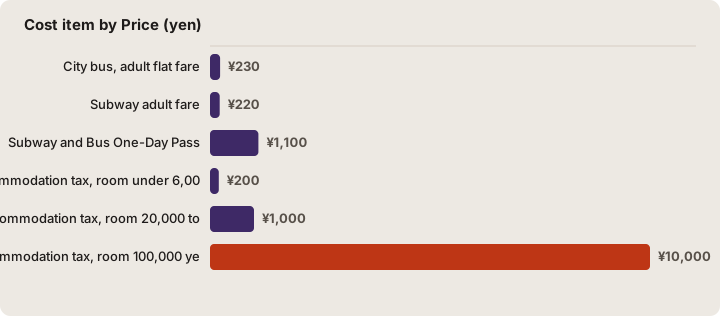
May is one of Kyoto's most expensive months to stay in, and the festival adds pressure on the 15th itself. The verified costs that matter: the shrines are free, the Subway and Bus One-Day Pass is 1,100 yen, city buses are a flat 230 yen per adult ride, and the accommodation tax runs from 200 yen per person per night on a room under 6,000 yen up to 10,000 yen on a room of 100,000 yen or more after the 1 March 2026 revision.
The accommodation tax change is the figure most guides still get wrong. Since 1 March 2026, Kyoto charges five tiers per person per night on the room-only charge excluding meals and consumption tax: 200 yen under 6,000, 400 yen from 6,000 to under 20,000, 1,000 yen from 20,000 to under 50,000, 4,000 yen from 50,000 to under 100,000, and 10,000 yen at 100,000 and above. The city expects about 12.6 billion yen a year from the change. On a room in the 20,000 to under 50,000 yen band, the charge is now 1,000 yen per person per night, double the old 500.
| Cost item | Price | Note |
|---|---|---|
| Shimogamo and Kamigamo Shrines | Free | No admission at either |
| City bus, adult flat fare | 230 yen | Child 120 yen |
| Subway adult fare | 220 to 360 yen by zone | Five zones |
| Subway and Bus One-Day Pass | 1,100 yen | Child 550 yen |
| Accommodation tax, room under 6,000 yen | 200 yen per person per night | From 1 March 2026 |
| Accommodation tax, room 20,000 to under 50,000 | 1,000 yen per person per night | Was 500 before the revision |
| Accommodation tax, room 100,000 yen and up | 10,000 yen per person per night | Was 1,000 |
Weather planning matters as much as money in May. The JMA 1991-2020 normals for Kyoto put May at 151.4 mm of rain across the month, against 117.0 mm in April and 199.7 mm in June, with a mean temperature of 19.5 C. It is one of the most comfortable months of the year to stand outside for hours, which is exactly what the festival asks of you. It is worth knowing that Kyoto's wettest month is July, not June, a fact the normals make unambiguous: July averages 223.6 mm against June's 199.7 mm.
Can You Build A Full Kyoto Day Around The Aoi Matsuri?
Yes, and the natural shape is shrines in the morning, the city in the afternoon. Watch the procession at Shimogamo or Kamigamo, then use the subway to move on: the festival ends by early afternoon, leaving time for a temple with fixed hours, a market, or an evening food walk. On 15 May the long daylight makes a two-part day easy, and the closing windows of most temples, typically 16:00 to 17:00, still leave room after the procession.
A workable sequence for the afternoon, built only on hours this site has verified: Kiyomizu-dera opens at 6:00 daily, with regular closing at 18:00 and admission at 500 yen, so it absorbs a post-festival crowd comfortably. Sanjusangen-do, with its 1,001 Kannon statues stated by the temple itself, admits until 30 minutes before closing and runs 8:30-17:00 from April to mid-November. Nijo-jo Castle stops admitting at 16:00 and closes at 17:00, so it belongs earlier in an afternoon than the temples.
If you would rather trade the afternoon temple sprint for mountains, the Kurama and Kibune area north of the city is the natural pairing with the Kamo shrines' own northern setting, and a guided hike of the nature and legends of Kurama and Kibune covers the trail with a guide who can read the sites. For a softer afternoon, a kimono tea ceremony gives you a seated, indoor counterweight to a morning on your feet, and pairs with a walk through the covered arcades afterwards.
Eating deserves a plan too, because the shrine area on festival day is not where you want to be hunting dinner. The best restaurants guide covers the city's dining districts, and for the splurge version of a Kyoto evening, the kaiseki guide explains what the formal course actually is and what one famous house charges for it, with Hyotei's own printed prices as the honest anchor rather than an invented average.
What Nearby Day Trips Work Around 15 May In Kyoto?
Uji and Nara are the two easiest festival-week add-ons. Kyoto to Uji on the JR Nara Line costs 240 yen one way, Kyoto to Nara on the JR Miyakoji Rapid takes about 45 minutes at 720 yen one way, and Kintetsu's limited express does Nara in about 35 minutes for a total of 1,280 yen. Kurama and Kibune sit on the Eizan line north of the city, closest in spirit to the festival's own northern shrines.
May is arguably the best month of the year for these trips. Uji's Byodo-in charges 700 yen adult admission for the garden and museum, with the Phoenix Hall interior at an extra 300 yen, and the green tea fields around the town are at their freshest before the summer heat. The Uji day trip guide covers it fully. Nara adds the Todai-ji Daibutsuden at 800 yen for adults, and the 2026 deer census counted 1,687 animals in Nara Park, up 222 on the previous year, so the park's famous residents are not thinning out.
| Day trip | Line and time | Fare one way | Headline sight |
|---|---|---|---|
| Uji | JR Nara Line | 240 yen | Byodo-in, 700 yen admission |
| Nara | JR Miyakoji Rapid, about 45 min | 720 yen | Todai-ji Daibutsuden, 800 yen |
| Nara | Kintetsu limited express, about 35 min | 1,280 yen total | Nara Park, 1,687 deer in 2026 |
| Kurama and Kibune | Eizan line north | On the city fare table | Mountain temples and the hike |
The wider day trips from Kyoto guide covers Osaka, Kobe and Himeji as well, and the Nara guide handles the deer-park etiquette questions that trip people up. If the festival has filled your Kyoto appetite and you want contrast, the Osaka connection in the other direction is quick and cheap, and the Kansai cities make an easy second half of a week built around the 15th.
What Should First-Time Visitors Know Before Committing To 15 May?
Book accommodation early, keep 16 May free as the rain date, and do not build the whole trip around a single morning. The festival is free, quiet and slow, the shrines are walkable from the subway, and the rest of Kyoto in mid-May is at its best: comfortable temperatures, green maples and thin crowds relative to the summer and autumn peaks. The main risks are rain, crowd density on the northern buses, and hotel prices inflated by the festival itself.
Mid-May sits in one of Kyoto's two shoulder sweet spots. The cherry crowds of late March and early April have gone, the sakura flowering and full-bloom dates for 2026 were 23 March and 30 March against normals of 26 March and 4 April, and the autumn rush is five months away. The mean daily high of 25.1 C is warm enough for shirtsleeves without the 33.7 C mean daily highs of August. For a first visit generally, the money page listing things to do in Kyoto covers the full spread of the city's sights and activities. This site, Kyoto Travel Guide, exists to keep those plans grounded in figures the venues themselves publish.
The festival itself, then, is the anchor: fixed on 15 May, moved only by rain, free to watch, and unlike anything else on the Japanese calendar. Once the procession has passed and the costumes are packed away, the rest of a mid-May Kyoto day is yours, and it is a good one.
For travellers who prefer a seated, indoor close to a morning on their feet, a tea ceremony in kimono is the natural final act of a festival day, and it is the third of the three options above.
Common Questions About The Aoi Matsuri In Kyoto
When Is The Aoi Matsuri Procession And What Route Does It Take?
The Aoi Matsuri procession is held on 15 May every year, postponed to 16 May only if it rains on the 15th. The route runs between the two Kamo shrines in northern Kyoto: the procession forms at the Kyoto Imperial Palace area, performs rites at Shimogamo Shrine, then continues north across the Kamo River to Kamigamo Shrine, where the main rite takes place around midday.
Is the Aoi Matsuri free to watch?
Yes. Both Shimogamo and Kamigamo Shrines are free to enter, and street viewing along the procession route costs nothing. Reserved seating has been sold in some years along parts of the route through the tourism association, but the festival is fundamentally a free public event.
What happens if it rains on 15 May?
The festival is postponed to 16 May. The rain rule is part of the festival's own arrangements, so if you are travelling specifically for the procession, keep both dates free.
How does the Aoi Matsuri differ from the Gion Matsuri?
The Aoi Matsuri is a single-day, formal Heian court procession between two shrines, quiet and archaic in tone. The Gion Matsuri runs the whole of July, from Kippu-iri on 1 July to Nagoshi-sai on 31 July, with its Yamaboko Junko float parades on 17 and 24 July, and it is far larger, louder and more commercial.
Can I photograph the Aoi Matsuri?
Street photography of the procession from public ground is unrestricted. Inside Kamigamo Shrine, the shrine's own rules state that photography of the rites and any drone flight require advance permission, so follow the signage and marshals within the precinct.
Is mid-May a good time to visit Kyoto otherwise?
Yes. May has a mean temperature of 19.5 C with mean daily highs of 25.1 C, it sits between the cherry crowds of early spring and the summer peak, and the city's greenery is at its best. Book accommodation early, because festival demand and the new higher accommodation tax tiers both push costs up.
The Aoi Matsuri rewards exactly the kind of traveller Kyoto rewards generally: the one who arrives early, stands patiently, and reads the day as history rather than spectacle. Fix the date, keep the rain date, pick one shrine, and let the rest of a mid-May Kyoto day unfold around it.