What Are The 5 Geisha Districts In Kyoto?
The five geisha districts of Kyoto, called hanamachi, explained: Gion Kobu, Miyagawacho, Pontocho, Kamishichiken and Gion Higashi, with what to see in each and the conduct rules that apply.
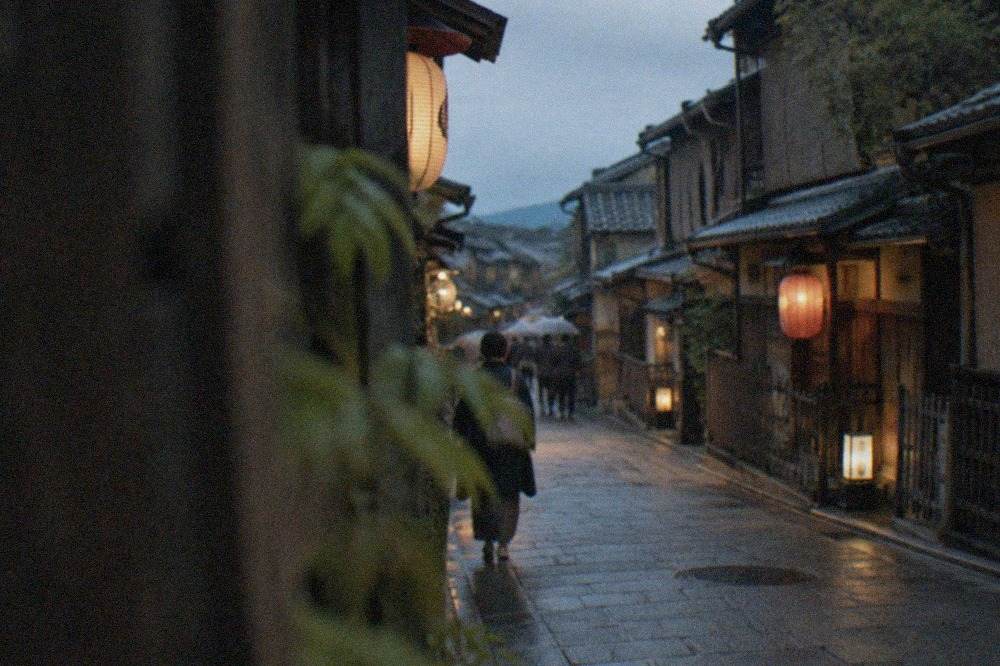
Kyoto's geisha don't live in one quarter, they live in five. The city counts five geisha districts, called hanamachi, or flower towns: Gion Kobu, Miyagawacho, Pontocho, Kamishichiken and Gion Higashi. Each one is a living neighbourhood of teahouses, banquet rooms and training houses where geiko, the fully fledged professionals, and maiko, their apprentices, still work at evening engagements. The city's 2025 tourism survey, released 12 June 2026, counted a record 62.79 million visitors across Kyoto, and the pressure of that number lands hardest on these five small areas, which is why the conduct rules around them have tightened in recent years.
Understanding the five districts matters for two reasons. First, most visitors only ever see Gion, and the other four are quieter, older and in two cases easier to walk through without a crowd. Second, the rules of behaviour differ street by street, and getting them wrong is now expensive in the most visited lanes. This page walks through all five, what each one actually is, and how to see them without becoming the problem the signage is there to stop. For the wider context of the profession itself, start with the companion guide to geisha culture in Kyoto.
What Are The 5 Geisha Districts In Kyoto?
The five geisha districts are Gion Kobu, Miyagawacho, Pontocho, Kamishichiken and Gion Higashi. Together they are called the hanamachi, or flower towns, and each maintains its own registry of geiko and maiko, its own teahouse association and its own annual public dance performances. Gion Kobu is by far the largest and best known; Kamishichiken is the oldest, founded in the era of the Kitano Tenmangu teahouses; Pontocho is the narrow riverside strip; Miyagawacho sits east of the Kamo River; Gion Higashi is the small district split from Gion's east side.
The word geisha itself means something closer to artist or performer than to anything a Western film has attached to it. In Kyoto the professionals prefer the local term geiko, literally arts child, and their apprentices are maiko. The craft is music, dance, conversation and the hosting of banquets in ochaya, the teahouses whose wooden facades line the lanes of all five districts. A maiko trains for years before her debut, and the districts' training houses, called okiya, are private homes, not attractions.
A note on what these neighbourhoods are not. None of the five is a museum piece. People live there, apprentices sleep there, and deliveries arrive in the afternoon before the evening engagements begin. The city's tourism association publishes conduct guidance for exactly this reason: do not touch, chase or photograph geiko and maiko without permission, and do not enter private property or photograph it where that is prohibited. That guidance, titled with a message from Southern Gionmachi, applies to all five districts, not just Gion.
| District | Location | Character | Best-known public moment |
|---|---|---|---|
| Gion Kobu | Around Hanamikoji-dori, west of the Kamo River | Largest district, most teahouses, most visited | Miyako Odori, the spring dance |
| Miyagawacho | East bank of the Kamo River, around Miyagawa-dori | Working-class roots, theatre tradition | Kyo Odori in spring |
| Pontocho | Narrow lane between the Kamo River and Kiyamachi | One street wide, riverside dining in summer | Kamogawa Odori |
| Kamishichiken | North of Kitano Tenmangu, near Nishijin | Oldest district, quietest, grey-tiled facades | Kitano Odori, spring and autumn |
| Gion Higashi | East side of Hanamikoji, around Gion Higashi-dori | Smallest district, fewer than the others | Gion Odori in autumn |
Which Geisha District Should You Actually Visit?
For a first visit, Gion Kobu is the practical answer because it is the largest and the easiest to reach, but Kamishichiken offers the same architecture with a fraction of the foot traffic. Miyagawacho rewards visitors who want a theatre tradition, Pontocho works best as an evening dining street, and Gion Higashi is worth combining with a walk through the Higashiyama temple slopes. None of the five charges admission, because all five are ordinary public streets.
That last point deserves emphasis, because it explains both the appeal and the friction. You can walk every one of these districts for free at any hour, and the city's 2025 survey recorded 46.20 million day visitors in a single year, many of them doing exactly that. The districts have responded with signage rather than gates. In Gion, the private alleys running off Hanamikoji-dori now carry signs put up by the Gion South Side district council threatening a 10,000 yen penalty for unauthorized photography or entry, while the main street of Hanamikoji itself remains public and open to cameras. The distinction is property, not geography: the alleys are privately owned lanes, the main street is not.
If you want the experience of the districts explained rather than just walked, a guided walk earns its fee here. The Gion Hidden Gems and Geisha Culture Tour runs two hours from about $20 and carries a 5 rating from 3,835 reviews, and a guide who knows which lanes are private saves you from learning the hard way. There is also a fuller treatment of the photography question, including why the penalty is council signage rather than a municipal fine, in why you can't take pictures of geisha in Kyoto.
Timing matters more than district choice. The engagements run in the evenings, so a maiko hurrying to an appointment is an after-dark sight, and the hours before dusk belong to residents, schoolchildren and delivery scooters. The city's tourism association runs a comfort forecast that rates crowd levels at major spots by time slot, built from location data and weather, and it covers the Gion area. It is the only crowd tool for Kyoto with the city's own name on it, and it beats guessing.
What Is Gion Kobu, The Largest Hanamachi?
Gion Kobu is the biggest of Kyoto's five geisha districts, centred on Hanamikoji-dori and the blocks around it between Shijo-dori and Yasaka Shrine. It holds the largest number of ochaya teahouses and okiya training houses of any district, and it stages the Miyako Odori each spring, the oldest of the public dance recitals. It is also the district where the conduct signage is most visible, because it absorbs the largest share of visitor pressure.
Gion's fame is double-edged. The same wooden facades and stone lanes that draw photographers also draw the crowds the city's 2025 survey measured, and the resident association has responded with the private-alley rules described above. The guidance from the Kyoto City Tourism Association is behavioural: no touching, chasing or photographing geiko and maiko without permission, and no entering private property. Signs by the district council add the 10,000 yen penalty on the private lanes. Hanamikoji's main street remains public, and the temples and shrine grounds around Gion, including Yasaka Shrine to the south, are open as ever.
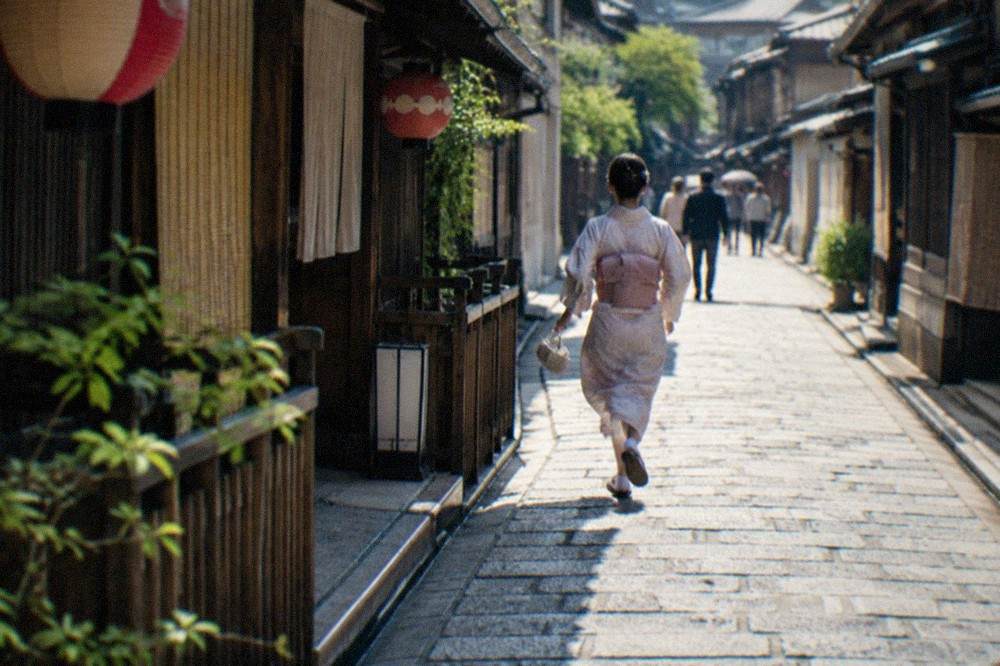
The honest answer to whether Gion is worth the walk is yes, with conditions, and there is a fuller weighing of it in is Gion in Kyoto worth visiting. If you are choosing between basing yourself downtown or in the Gion side, the trade-offs are laid out in downtown Kyoto or Gion.
What Are Miyagawacho, Pontocho, Kamishichiken And Gion Higashi Like?
Miyagawacho is the theatre district east of the Kamo River, built around a kabuki tradition and the Kyo Odori spring dance. Pontocho is a single narrow lane between the river and Kiyamachi, famous for summer riverside dining platforms. Kamishichiken, near Kitano Tenmangu, is the oldest of the five and the quietest, with grey-tiled machiya facades. Gion Higashi is the smallest, on the east side of Hanamikoji, and stages its Gion Odori in autumn.
Miyagawacho has the deepest working-class roots of the five. It grew around the entertainment quarter that served pilgrims crossing the river, and its dance tradition leans on stage performance more than banquet hosting. The district's lanes sit a short walk east of the Kamo River, and they see a fraction of Gion's foot traffic, which makes them a better place to actually look at architecture rather than at other visitors. The rest of the planning pages sit on Kyoto Travel Guide.
Pontocho is the one most visitors have already walked without knowing it was a hanamachi. The lane is barely a few metres wide for most of its length, lined with restaurants and bars, and in summer the establishments on the river side build platforms out over the water. It stages the Kamogawa Odori, and it connects Shijo in the south to Sanjo in the north, so it doubles as a useful walking route. The teahouses here are real and working, mixed in among the restaurants.
Kamishichiken is the oldest district, founded when teahouses serving the Kitano Tenmangu shrine area were licensed in the 16th century. It sits next to the Nishijin weaving quarter, and its grey-tiled, dark-wooded street is arguably the most atmospheric of the five precisely because so few tour groups reach it. Its Kitano Odori runs in spring and again in autumn, and the district's small scale means the performances sell out.
Gion Higashi, sometimes called Higashi Gion, is the district that remained when Gion's east side organized separately. It is the smallest of the five, a few lanes east of Hanamikoji, and its public face is the Gion Odori each autumn. Because it sits on the walk toward the Higashiyama temple slopes and Kodai-ji, many visitors pass through it between sights without registering that it is a working hanamachi at all.
Can You See A Maiko Or Geiko In Kyoto's Hanamachi?
You can, but on their terms, not yours. The reliable ways are the public dance recitals each district stages in spring or autumn, the performance-and-dinner packages some teahouse associations sell to visitors, and simply being on the streets in the early evening when maiko travel to engagements. What you cannot do is photograph them without permission, touch or chase them, or enter the private alleys where they live and work, and the city's tourism association guidance says so in exactly those terms.
The dance recitals are the best-kept secret of the five districts. Each hanamachi stages its own: the Miyako Odori in Gion Kobu each April, the Kyo Odori in Miyagawacho, the Kamogawa Odori in Pontocho, the Kitano Odori in Kamishichiken and the Gion Odori in Gion Higashi in autumn. Tickets are sold to the public, the performances are genuine, and some include a tea ceremony beforehand. It is the one setting where the art form exists to be watched.
Street sightings are a matter of timing and restraint. Maiko travel to engagements in the early evening, and the respectful response is to let them pass. The guidance from the Kyoto City Tourism Association, in its message from Southern Gionmachi, is direct: no touching, no chasing, no photography without permission. Never assume a geiko or maiko will pose, and never wait outside an okiya for one to appear. The penalty signage on Gion's private alleys, put up by the district council, threatens 10,000 yen, and the honest framing is that it is council signage on private property, not a municipal fine.
If a guided walk is not your style, the recital calendar is the other honest route in, and it costs less than most dinners. A recital ticket also puts money directly into the district economy rather than into the souvenir shops around it, which is the version of visiting that the residents themselves have asked for. The city's own visitor numbers explain why they had to ask.
How Do You Visit Kyoto's Geisha Districts Respectfully?
Walk the main public streets freely, stay out of the private alleys, keep the camera down when a geiko or maiko passes, and spend money in the districts rather than just photographing them: a recital ticket, a teahouse dinner package or a meal on Pontocho keeps the economy that sustains the profession working. The five hanamachi are workplaces and homes first and scenery second, and the 2025 visitor figures, 62.79 million across the city, explain why the residents have had to make that explicit.
Practically, this means a few things. Go in the early evening if you want the atmosphere of the engagements beginning, or mid-morning if you want the lanes nearly empty and the facades in daylight. Check the city's comfort forecast before you set out, because it rates the Gion area by time slot. Book a recital ticket if your dates align with one of the seasonal dances. And if a guided walk suits you, the Gion Hidden Gems and Geisha Culture Tour, two hours from about $20 with a 5 rating from 3,835 reviews, covers the lanes with a guide who can separate the public street from the private alley on the spot.
The five districts also sit inside some of Kyoto's best walking territory. Gion Kobu and Gion Higashi flow into the Higashiyama slopes, Miyagawacho sits across the river from downtown, and Kamishichiken pairs naturally with Kitano Tenmangu and the Nishijin weaving quarter. A longer route through all of this fits comfortably into a wider plan, and if you are building one, the five days in Kyoto itinerary sequences the east side well.
Common Questions About The 5 Geisha Districts In Kyoto
What Are The 5 Geisha Districts In Kyoto?
The five geisha districts, called hanamachi, are Gion Kobu, Miyagawacho, Pontocho, Kamishichiken and Gion Higashi. Each is a working neighbourhood of teahouses and training houses with its own registry of geiko and maiko and its own seasonal public dance recital.
Can you see geisha in Gion without a tour?
Yes. The streets are public and free to walk, and maiko travel to evening engagements along the main lanes. The rules are the city's tourism association guidance: no touching, chasing or photographing geiko and maiko without permission, and no entering the private alleys off Hanamikoji, where district council signs threaten a 10,000 yen penalty for unauthorized photography or entry.
Which geisha district is the oldest?
Kamishichiken, north of Kitano Tenmangu near the Nishijin weaving quarter, is the oldest of the five. It is also the quietest, which makes its grey-tiled street the easiest of the five to appreciate without a crowd.
What is the difference between a geiko and a maiko?
Geiko is the Kyoto term for a fully qualified geisha, an established professional of the arts of dance, music and banquet hosting. Maiko are apprentices, usually in their teens, who train for years before promotion, and their elaborate dress and ornaments mark the training stage.
Is photography banned in all five districts?
No. The main public streets, including Hanamikoji-dori itself, allow photography. What is restricted are the private alleys off Hanamikoji in Gion, where the Gion South Side district council's signs threaten a 10,000 yen penalty for unauthorized photography or entry, and any private property generally. The city's guidance also bars photographing geiko and maiko without permission anywhere.
When can you watch a geisha performance in Kyoto?
Each district stages its own public dance recital: the Miyako Odori in Gion Kobu in spring, the Kyo Odori in Miyagawacho, the Kamogawa Odori in Pontocho, the Kitano Odori in Kamishichiken in spring and autumn, and the Gion Odori in Gion Higashi in autumn. Tickets are sold to the public and are the most reliable way to see the art performed.
The five hanamachi are the reason the phrase geisha district means Kyoto to most of the world, and they reward visitors who arrive knowing that a working profession, not a performance for cameras, is what keeps the lanterns lit on those lanes. Walk the public streets, buy a recital ticket if the season allows, and let the evening engagements happen around you rather than stopping for you.