What Is The Main Shopping Street In Kyoto?
Shijo-dori is Kyoto's main shopping street, running from Karasuma to Kawaramachi and Gion, with the Teramachi and Shinkyogoku arcades and Nishiki Market one block north. Here is how to shop it.
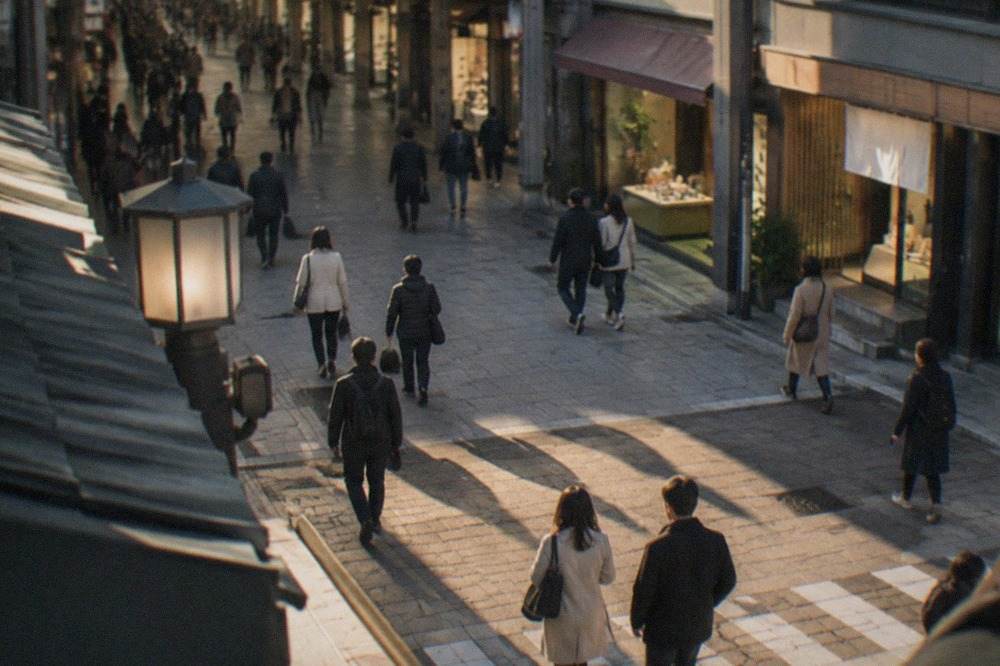
Shijo-dori is the main shopping street in Kyoto, a broad east-west avenue running roughly 2 kilometres from Karasuma in the west, past the Daimaru and Takashimaya department stores, across the Kamo River, and into the Gion district at its eastern end. The city's 2025 tourism survey, released 12 June 2026, counted a record 62.79 million visitors in 2025, and a large share of them end up on this one street, because it is the corridor that connects Kyoto Station's bus routes, the downtown arcades, Nishiki Market and Gion into a single walkable chain.
That said, nobody shops Shijo-dori itself for long. The street is the address of the big stores, and the buying happens in the lanes behind it. The full picture, including the arcades and the market, is laid out in the guide to shopping in Kyoto, while this page answers the narrower question of which street is the main one and how to work it. For everything else the city offers beyond the retail grid, Kyoto Travel Guide covers the whole destination.
What Is The Main Shopping Street In Kyoto?
Shijo-dori is Kyoto's main shopping street, a roughly 2 kilometre east-west avenue from the Karasuma intersection, where Daimaru and the subway sit, across Kawaramachi and the Kamo River into Gion. Takashimaya anchors the Kawaramachi end. The street is the spine; the dense buying happens one block north in Nishiki Market and one block south in the Shinkyogoku and Teramachi arcades, all reachable on foot from it.
Shijo-dori has been the commercial centre of the city since the Edo period, when the area around Karasuma and Shijo developed as Kyoto's main retail crossroads. The name simply means Fourth Avenue, and the numbering survives in the streets to either side of it. Today the Karasuma-Shijo intersection is where the Karasuma subway line crosses under the avenue, which makes it the natural entry point for anyone arriving from Kyoto Station.
The street divides into recognisable stretches. From Karasuma to Kawaramachi is the department-store and flagship stretch: Daimaru on the north side, Takashimaya a few minutes east, plus the covered arcades running south. East of Kawaramachi the street crosses the Kamo River on Shijo Bridge, and the character changes fast, with Gion's wooden machiya fronts, tea houses and the entrance to Hanamikoji a short walk ahead. The Gion area guide covers that eastern half in detail.
Where Do The Shopping Arcades Sit Relative To Shijo-dori?
The Teramachi and Shinkyogoku arcades run parallel to Shijo-dori, one block south, stretching east from Karasuma towards Kawaramachi under covered roofs. Teramachi is the older and more varied of the two, holding incense shops, knife makers, stationers and the Kyoto specialty stores. Shinkyogoku is the newer and more tourist-facing lane. Both sit within a short walk of Nishiki Market's covered street.
Teramachi deserves more time than most visitors give it. This is where Kyoto's old retail trades still operate in a commercial setting: calligraphy brush shops, incense houses, tea sellers, and knife stores where the blades are sharpened on the premises. The Teramachi street guide maps the individual shops worth seeking out. Shinkyogoku, one block further south, skews younger and louder, with souvenir shops, snack stands and quick eats, and it functions mostly as the route families take between Shijo-dori and the food lanes.
A practical note on money and timing: the arcades are covered, which makes them the default bad-weather plan in central Kyoto, and the shops keep their own hours rather than a shared schedule. As a planning range, arcade and market shops generally open in the late morning, around 9 or 10:00, and close in the early evening, around 17 or 18:00, with individual closures on some Wednesdays and other irregular days. There is no unified opening time for the district, and any single printed hour should be treated as one shop's schedule, not the street's.
Is Nishiki Market Part Of The Main Shopping Street?
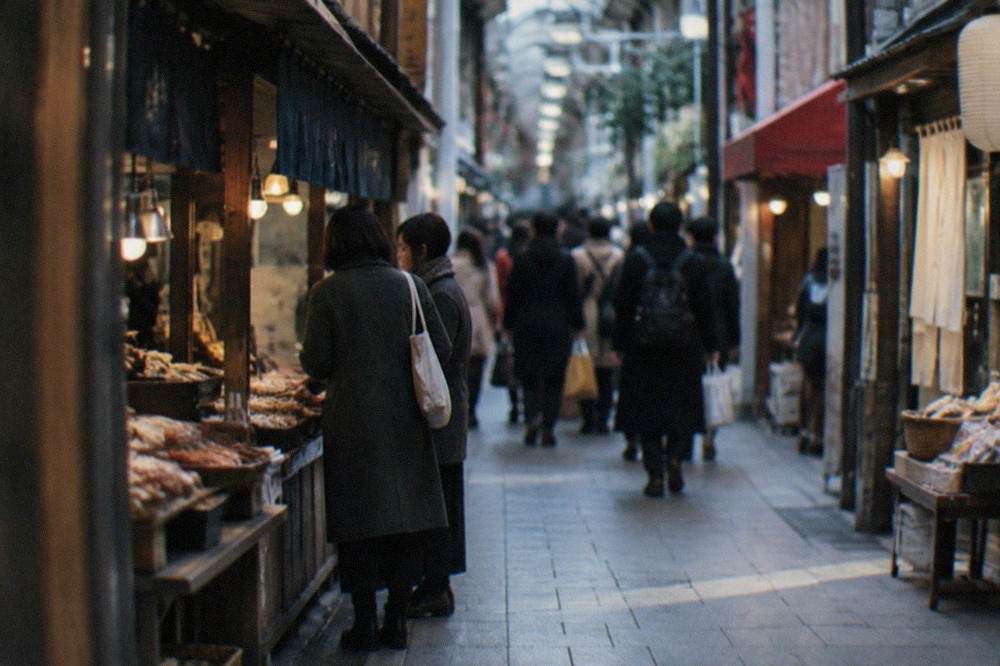
Nishiki Market sits one block north of Shijo-dori, running parallel to it for about 400 metres between Teramachi and Takakura, and it is the food-shopping half of the main shopping district rather than a separate attraction. The market association prints no unified hours; individual shops keep their own, roughly 9 or 10:00 to 17 or 18:00, with irregular closures. Eating while walking is not permitted; eat at the stall or a designated spot.
The market's own rule on eating while walking is worth taking seriously, because the lane is narrow and the foot traffic is heavy. Pick up the skewer or the tamagoyaki, step to the side, finish it, then move on. The market's shops cover the range of Kyoto food retail: pickles in wooden barrels, tea, knives, tofu, dried goods, confections and the grilled items that draw the queues. The full shop-by-shop breakdown is in the Nishiki Market guide, and the question of how it compares with the city's other food lanes is covered separately in the most famous food street in Kyoto.
One honest framing for the market's current state: with 62.79 million visitors recorded across the city in 2025, up from 56.06 million in 2024, and 46.20 million of them day visitors, Nishiki at midday is working at the edge of comfort. The shops are still real wholesalers and food retailers, not a theme street, but the experience at 13:00 and the experience at 10:00 are different experiences. The market is at its most itself in the first hour after the shops open.
If the crowds of the central grid leave you wanting a different Kyoto entirely, the hills north of the city are a short train ride away, and a guided walk through them pairs well with a shopping day either side of it.
How Do You Get To The Shijo-dori Shopping District?
The fastest route is the Karasuma subway line to Shijo Station, which puts you directly under the Karasuma-Shijo intersection at the western end of the shopping street. From Kyoto Station the subway fare runs 220 to 360 yen depending on zone. The Subway and Bus One-Day Pass at 1,100 yen covers subway and city buses for a day; the bus-only one-day pass no longer exists, so do not plan around one.
The bus alternative is real but slower, and the city's own transport bureau has spent 2025 and 2026 trying to move tourists off the most crowded bus routes, adding limited tourist express services and park-and-ride options. The flat city bus fare is 230 yen for adults and 120 yen for children aged 6 to 11, and the subway charges by zone, 220 to 360 yen for adults across the five zones. If you are staying anywhere on the Karasuma line, the subway wins for this trip.
| Transport option to Shijo-dori | Adult fare | Notes |
|---|---|---|
| Karasuma subway, Kyoto Station to Shijo | 220-360 yen by zone | Fastest; station exits into the intersection |
| City bus, flat fare | 230 yen | Child 6-11: 120 yen; congestion is common on key routes |
| Subway and Bus One-Day Pass | 1,100 yen | Child 550 yen; bus-only pass discontinued March 2024 |
| On foot from Gion | Free | 10 to 15 minutes across Shijo Bridge |
The tax angle is worth knowing before you book a room near the shopping district. Kyoto's accommodation tax changed on 1 March 2026: the top tier, for rooms of 100,000 yen and up, rose from 1,000 to 10,000 yen per person per night, and the 20,000 to 50,000 yen tier doubled to 1,000 yen. The tax is charged on the room-only rate, excluding meals and consumption tax. A hotel bill in the shopping district therefore carries a different tax line than most 2025 guide pages still print.
What Should You Actually Buy Around The Main Shopping Street?
The Shijo-dori grid is the best place in Kyoto to buy knives, tea, incense, yatsuhashi and other Kyoto confections, stationery and crafts, because the specialist shops cluster here rather than in the tourist lanes. Teramachi holds the knife and incense specialists, Nishiki the tea and food shops, and the department store basements at Daimaru and Takashimaya the full range of prepared foods and gifts under one roof.
The department store basements, the depachika, are the efficient answer for food gifts, and they stay open later than the market shops. For a fuller argument about what is worth carrying home, see what is must-buy in Kyoto.
| What you are buying | Best part of the district | Notes |
|---|---|---|
| Kitchen knives | Teramachi arcade | Sharpened and engraved on site at the older shops |
| Tea and matcha | Nishiki Market and Teramachi | Sample before buying; prices vary widely by grade |
| Incense | Teramachi arcade | Long-established houses with English labels |
| Sweets and food gifts | Nishiki, plus depachika basements | Depachika keep later hours than market shops |
| Kimono and textiles | Around Shijo-Kawaramachi | Second-hand and rental options both cluster here |
Is One Day Enough For Shopping In Kyoto?
One full day covers Shijo-dori, both arcades and Nishiki Market comfortably, and that is the honest answer for shopping alone. The district is compact: Karasuma to the river is a 15 minute walk, and everything else sits within two blocks of it. If you want to add Gion, the Kamo riverbank and the Higashiyama slopes around Kiyomizu-dera, the question changes shape and the answer gets longer.
The mistake is trying to shop the district in the afternoon. The market shops close around 17 or 18:00, the arcades thin out after the evening rush, and the day-visitor flow peaks in the middle of the day. A morning start at Nishiki, a late-morning pass down Teramachi, lunch in or near the market, and the department stores and Gion in the afternoon is the sequence that wastes the least time. The city's own tourism association publishes a crowd comfort forecast that rates spots and time slots on a five-level scale using location data and weather, and it is the closest thing to a reliable crowd timer for this district. For the wider question of how long the whole city needs, how many days in Kyoto is enough works through it properly.
Common Questions About The Main Shopping Street In Kyoto
What Is The Main Shopping Street In Kyoto?
Shijo-dori is the main shopping street, running about 2 kilometres from Karasuma past the department stores, across the Kamo River and into Gion. The arcades and Nishiki Market sit within a block of it.
What is the difference between Shijo-dori and Kawaramachi?
Shijo-dori is the east-west avenue; Kawaramachi is the north-south street it crosses. The Shijo-Kawaramachi intersection is the busiest retail corner in the district, and the name Kawaramachi is often used loosely for the whole downtown shopping area around the crossing.
When do the shops on Shijo-dori open and close?
There is no unified schedule. Department stores open around 10:00 and close around 20:00; arcade and market shops generally run from about 9 or 10:00 to 17 or 18:00, with individual irregular closures. Check the specific shop for anything time-critical.
Is Nishiki Market worth it if I only have time for one shopping street?
If food is the priority, yes; Nishiki is the single densest concentration of Kyoto food retail. If goods shopping is the priority, Teramachi arcade plus a department store basement covers more ground in less time.
Can you walk from the main shopping street to Gion?
Yes. Gion begins on the east side of the Kamo River at the end of Shijo-dori, about a 10 to 15 minute walk from the Karasuma intersection, with Hanamikoji a few minutes further on.
Shijo-dori is the answer to the question, but the district is the reason to go: one avenue, two arcades, one market and two department stores, all inside a fifteen minute walk of each other, and all reachable by a 220 yen subway ride from Kyoto Station. Start at Karasuma in the morning, work east, and finish across the river in Gion before the shops close.