What Is The Most Beautiful Village In Kyoto?
The honest answer to which village in Kyoto is the most beautiful, with Kurama and Kibune, Miyama and Ohara compared, plus transport, seasons and where to stay.
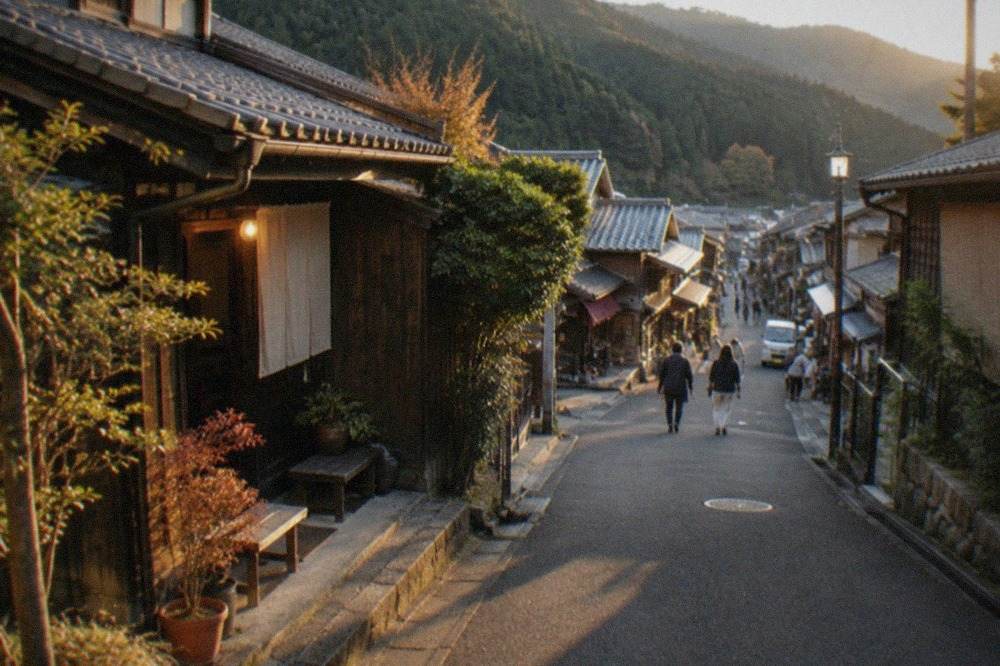
Kibune is a single street of wooden pavilions built over a mountain stream, and that is the whole argument for it. The village sits about an hour north of Kyoto Station in a valley so narrow the restaurants have built platforms, called kawadoko, directly over the water so diners can eat with their feet above the rushing creek in summer. Kurama, its neighbour over a forested ridge, counters with a mountain temple, a fire festival heritage and a hot spring bath at the end of the trail. Miyama, further west, offers a cluster of thatched-roof farmhouses in a basin that most overseas visitors never reach. The question of which is most beautiful has a defensible answer, and this page gives it with the facts the city and the operators actually publish.
So Which Kyoto Village Takes The Title?
Kibune takes it, on the strength of setting alone. The village is built along the floor of a steep cedar valley, with its inns and dining pavilions raised on stilts above the Kibune river, so the stream runs underneath the buildings themselves. In summer the restaurants serve on platforms over the water, and in winter snow settles on the roofs while the creek keeps running below. Kurama, Miyama and Ohara each have a genuine claim, but Kibune is the one where village and landscape are structurally the same thing.
The runner-up case matters, because the title depends on what a visitor wants from the word village. Kurama is the more dramatic arrival: the Eizan railway terminus puts you at the foot of a mountain whose temple, Kurama-dera, owns the whole slope, and the village climbs from the station past a small hot spring bath toward the trailhead. Miyama is the most photogenic from a distance, a scattered settlement of thatched kayabuki farmhouses in a basin among hills, the kind of scene most people associate with Shirakawa-go rather than Kyoto prefecture. Ohara, east of the city, is a farming valley around Sanpo-in and the moss garden of Ojo-in, quieter than any of them in the shoulder season.
A word on what "in Kyoto" means here, because it trips people up. Kibune, Kurama, Miyama and Ohara all sit inside Kyoto prefecture but outside Kyoto city, in the northern and rural municipalities that share the name. When searchers ask for the most beautiful village in Kyoto they almost always mean one of these four, reachable as a day trip from the city centre, and that is the frame this page uses. The city's own 2025 tourism survey, released 12 June 2026, counted a record 62.79 million visitors across the year, which is the pressure that makes these northern valleys valuable in the first place: they absorb people who want old Kyoto without the crowd density of Higashiyama.
Why Kibune And Kurama Top The List For Kyoto Villages
Kibune and Kurama win as a pair because they can be walked together in one day, ridge trail and all, and because each half is a complete village experience rather than a single sight. Kurama gives the mountain temple, the village bath and the climb; Kibune gives the stream, the pavilions and the shrine at the head of the valley. The trail between them runs through old cedar forest and takes most walkers a couple of hours, and the train line returns you to the city from either end.
Kibune's shrine, Kifune Jinja, is the functional heart of the valley and the reason the settlement exists at all. The deity enshrined there is the god of water, and for centuries the village economy has run on pilgrims and, now, on the summer dining trade. The restaurants' over-water platforms run in the warm months, and the same kitchens serve the rest of the year inside the pavilions, which are heated in winter. The shrine's own approach, a stone stair lined with lanterns up a wooded slope, is the most photographed stretch of the valley.
Kurama's case rests on different assets. The village is the base for Kurama-dera, a temple of the Tendai lineage whose grounds cover the mountain, and for the Kurama fire festival held each October, one of the city region's three great fire observances alongside Gozan no Okuribi. The village bath, Kurama Onsen, sits a short walk up from the station. The honest caveat for this page: the verified fact pack behind this site holds no admission fees, journey times or founding years for Kurama or Kibune, so those details need checking with each venue before you plan around them. What is verified is the pairing itself, the walk between them, and the fact that a guided version exists.
The guided option is worth a sentence of its weight. A full-day hike from Kurama to Kibune with a guide, listed on this site at from $210 per person and rated 5 from 82 reviews, covers the ridge trail with the legends and the shrines explained, which is the difference between a walk and a story. For travellers who prefer to move independently, the same trail is public and free to walk, and the railway serves both ends.
What About Miyama And Ohara As Beautiful Kyoto Villages?
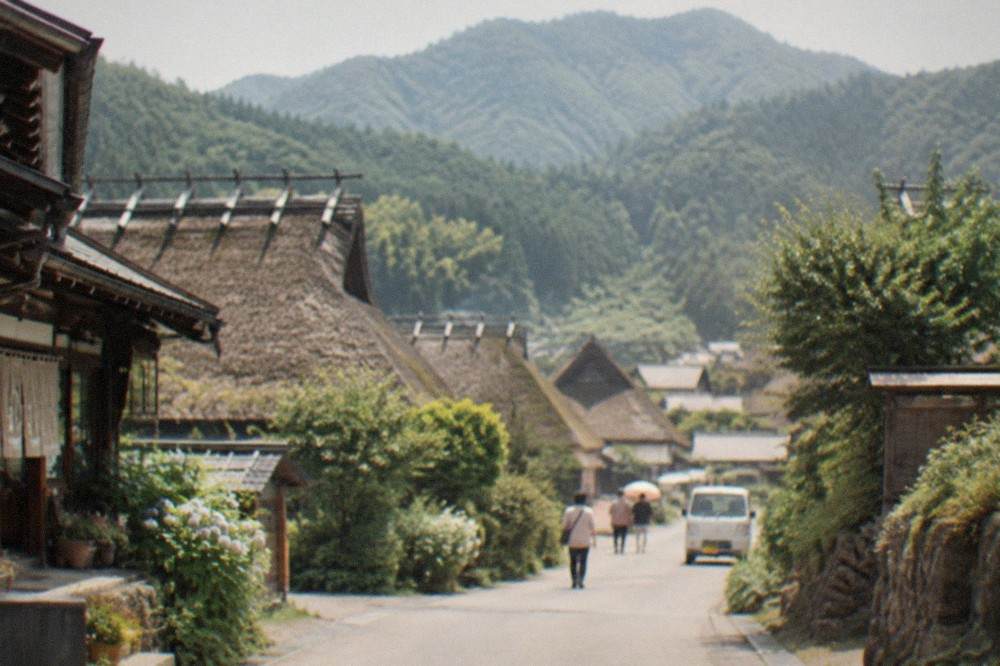
Miyama is the strongest rival to Kibune, and the case for it is architecture: the village holds a concentration of thatched-roof farmhouses, kayabuki, set in a basin of hills and fields, with no through traffic and no modern buildings inside the historic cluster. Ohara is the quieter, closer alternative, a farming valley east of the city with temple gardens and terraced fields, best in the shoulder months. Neither is a day trip you can improvise; both need a bus or a car and half a day minimum.
Miyama's thatched houses are the draw, and the setting is what lifts them above a museum piece. The hamlet sits in the mountains of Nantan, in the far northwest of the prefecture, and the houses are still lived in, which is why the village photographs differently in every season: snow-loaded roofs in January, rice fields green in July. The honest limitation, again from the fact pack: no visitor numbers, admission fees or journey times for Miyama are verified here, so treat any figure you read elsewhere with care and check with the local tourism office before committing a day.
Ohara is the practical pick if your time is short. The valley sits roughly an hour from the centre by bus, and its sights are compact: Sanpo-in, the garden of a former villa of a Kyoto temple, and the moss garden at Ojo-in, plus farm fields and small restaurants between them. Ohara is at its best in late spring and late autumn, when the maples along the valley floor turn, and it empties out almost completely on weekdays outside those windows.
For a sense of how these villages sit in the wider Kyoto picture, the pairing question most travellers face is days, not destinations. If you are working out how many days in Kyoto is enough, the northern villages are a strong candidate for one full day of a four or five day stay, and a half day only if you accept Ohara instead of the northern pair.
How Do You Reach Kyoto's Northern Villages?
The northern villages are reached by the Eizan railway from Demachiyanagi station in the city's north, with Kurama and Kibune on the Kurama line, and by connecting bus or private car for Miyama and Ohara. Within Kyoto city itself the flat bus fare is 230 yen per adult ride and the subway runs 220 to 360 yen by zone, and the Subway and Bus One-Day Pass at 1,100 yen covers unlimited city bus and subway travel for a day, useful for reaching Demachiyanagi before you transfer.
The verified numbers stop at the city boundary, and that is worth stating plainly. The Eizan railway's fare to Kurama or Kibune is not in this site's verified fact pack, so check the operator's own fare table before budgeting. What the pack does hold is the city-side layer: the 230 yen flat bus fare, the subway zone fares, and the 1,100 yen combined day pass, which replaced the old bus-only pass that was withdrawn in 2024. The visitor one-way HARUKA ticket from Kansai Airport to Kyoto Station is 2,200 yen for foreign visitors, which gets you as far as the city; the villages need the transfer north. Other pages covering the same trip are gathered on Kyoto Travel Guide.
| Leg | Verified fare | Notes |
|---|---|---|
| Kyoto city bus, flat adult fare | 230 yen | Child (6 to 11) 120 yen |
| Kyoto subway, by zone | 220 to 360 yen | Child 110 to 180 yen |
| Subway and Bus One-Day Pass | 1,100 yen | Child 550 yen; the bus-only pass was withdrawn in 2024 |
| HARUKA one-way ticket, Kansai Airport to Kyoto | 2,200 yen | Foreign-visitor product; child 1,100 yen |
| Eizan railway to Kurama or Kibune | check with the operator | Not in this site's verified fact pack |
| Bus to Miyama or Ohara | check with the operator | Not in this site's verified fact pack |
The practical sequencing advice is simple: do the city sights first, then the villages. Demachiyanagi, the transfer point for the Kurama line, sits at the north end of the city near the Kamo river, so a northern-village day pairs naturally with a morning walk along the river or a visit to the Kyoto temples in the northern hills before you head out.
When Is The Best Season For Kyoto's Village Landscapes?
The best months are late June to early August for Kibune's over-water dining, October to early December for autumn colour across all four villages, and January to February for snow on Miyama's thatched roofs, and the official phenology gives the planning anchors: Kyoto's maple red-leaf marker averages 5 December, against 10 December in 2025, while the cherry full-bloom normal is 4 April. July is the wettest month at 223.6 mm, so summer visitors should plan for rain.
The seasonal logic differs by village. Kibune's kawadoko platforms are the point of a summer visit, and the valley's streams keep the dining platforms cooler than the city, which matters in a summer when August's mean daily maximum averages 33.7 C. The Japan Meteorological Agency's 1991 to 2020 normals, station 47759, put July as the wettest month at 223.6 mm against June's 199.7 mm, a fact that surprises visitors who assume the rainy season peak is June. Autumn is the strongest all-round season: the northern valleys colour later than the city, and the JMA's own marker for maple red leaves, 5 December on the 1991 to 2020 normal, is later than most guides claim for the Arashiyama peak.
| Month | Rain mm | Mean C | Mean daily max C | Sunshine h |
|---|---|---|---|---|
| April | 117.0 | 14.4 | 20.1 | 177.3 |
| July | 223.6 | 27.3 | 32.0 | 142.7 |
| August | 153.8 | 28.5 | 33.7 | 182.7 |
| October | 143.2 | 18.4 | 23.4 | 156.0 |
| November | 73.9 | 12.5 | 17.3 | 140.7 |
Winter is the sleeper season. Miyama under snow is the single most dramatic village image in the prefecture, and January, the driest month at 53.3 mm, is statistically the clearest window for it. The trade-off is daylight and access: mountain buses run less often, and the JMA normals put January's mean daily maximum at just 9.1 C.
Can You Stay Overnight In A Kyoto Village?
Yes, and it is the move that separates the villages from a day trip. Kibune's pavilions are largely ryokan, traditional inns with evening and morning meals included, so staying means the valley after the day visitors leave, and Kurama has a temple lodging and a hot spring inn. Miyama has a small number of farmhouse minshuku. Prices are not held in this site's verified fact pack, so treat anything you read, including nightly rates, as unconfirmed until you check with the inn itself.
The overnight case for Kibune is arithmetic as much as romance. The city's 2025 survey recorded 46.20 million day visitors against 16.59 million overnight guests, which means the pressure is concentrated between roughly 10:00 and 17:00. A village that empties by 18:00 and refills with a handful of inn guests is a different place from the one the day-trip crowds see. The same logic applies in reverse in the morning: the first train up the valley arrives before most day visitors have finished breakfast.
For the stay itself, the distinction between a city ryokan and a village one is worth understanding before booking, and the kyoto ryokan guide covers the city-side options. In the villages, expect the meal plan to be the product: Kibune's inns build their reputation on the seasonal course served in the pavilion rooms, and the summer kawadoko version of the same menu is what the valley is known for.
The guided Kurama and Kibune hike, from $210 per person and rated 5 from 82 reviews, is the strongest single-day way to see both title contenders, and it pairs naturally with an overnight in Kibune if you want the village in the evening as well as on the trail.
Common Questions About The Most Beautiful Village In Kyoto
What Is The Most Beautiful Village In Kyoto?
Kibune, for the way the village is built over its own river, with Kurama over the ridge and Miyama's thatched farmhouses as the strongest alternatives. All three sit inside Kyoto prefecture but outside the city, roughly an hour or more north or west of Kyoto Station.
Is Kibune Worth Visiting In Winter?
Yes, with a caveat. The kawadoko over-water dining runs in the warm months, but the inns operate year-round with heated pavilion rooms, and snow on the valley's roofs is one of the prefecture's quietest sights. Confirm with individual inns which services run in the winter months before booking.
How Do You Get From Kyoto To Kurama And Kibune?
Take the Eizan railway's Kurama line from Demachiyanagi station, the northern terminus of the city's rail network. Within the city, the flat bus fare is 230 yen and the subway 220 to 360 yen by zone, with the Subway and Bus One-Day Pass at 1,100 yen. The Eizan railway fare itself is not in this site's verified fact pack, so check the operator's fare table.
Can You Walk Between Kurama And Kibune?
Yes, the ridge trail between the two villages runs through cedar forest past Kurama-dera and takes most walkers a couple of hours. It is a public trail, and a guided full-day version with the legends explained is bookable through this site.
Is Miyama Harder To Reach Than Kibune?
Yes. Miyama sits in the mountains of Nantan in the northwest of the prefecture and needs a connecting bus or a car, while Kibune and Kurama sit on a railway line from the city. Budget a full day for Miyama against a half day for the Kurama-Kibune pair.
When Do The Maple Leaves Turn In Kyoto's Northern Villages?
Later than in the city. The Japan Meteorological Agency's 1991 to 2020 normal for Kyoto's maple red-leaf marker is 5 December, and the 2025 observation was 10 December, so the northern valleys colour from late November into early December.
The honest summary is that the title goes to Kibune on setting, to Kurama on atmosphere, and to Miyama on architecture, and that the best answer for most travellers is the ridge walk that takes in the first two in a single day. For everything else the prefecture holds beyond its villages, start with what Kyoto is known for and plan outward from there.