What To Be Careful Of In Kyoto?
The honest caution list for Kyoto: the 2026 accommodation tax change, Gion alley rules, bus pass mistakes, temple fee rises, July rain and heat, and how to avoid the crowds at 62.79-million-visitor scale.
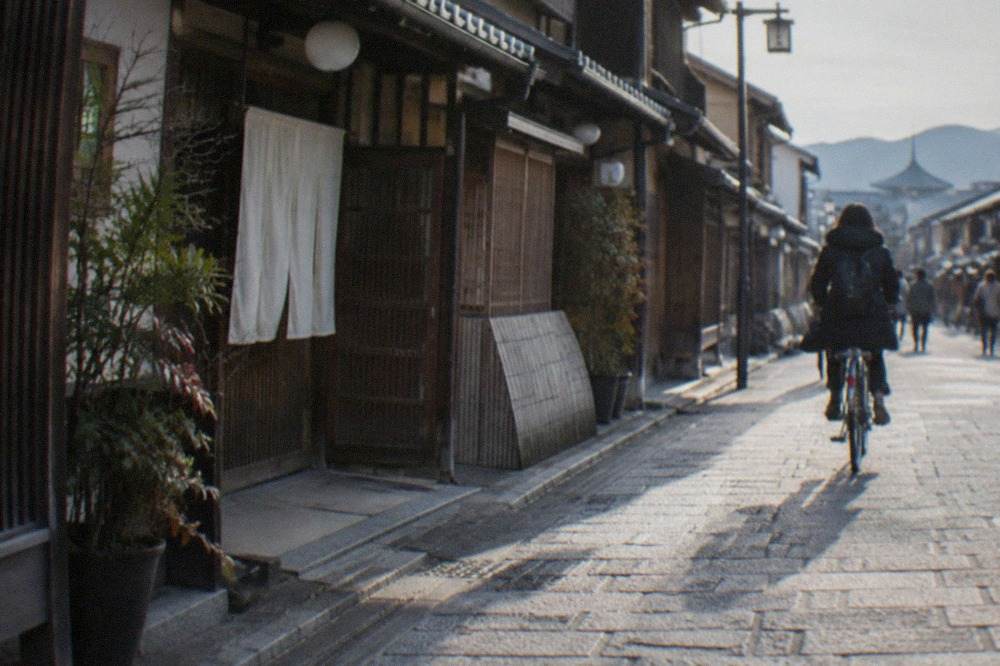
Kyoto recorded 62.79 million visitors in 2025, a record, in a city whose resident population is around 1.4 million. That ratio is the single thing to be careful of here: not crime, not scams in the usual sense, but crowding, recently changed prices and a set of local rules that were tightened precisely because the crowds got out of hand. The city's 2025 tourism survey, released in June 2026, reports the numbers behind it: 12.68 million foreign visitors, 16.59 million overnight stays and 2.0474 trillion yen in tourism spending.
Most of what goes wrong for a visitor in Kyoto goes wrong in predictable ways. You buy the wrong pass, you walk down the wrong alley in Gion with a camera, you budget with a 2024 guide's temple fees and discover Ginkaku-ji doubled its admission in April 2026. This page walks through each of those, with the figures the city and the venues themselves publish. For the positive side of the ledger, our things to do in Kyoto page covers what is worth the effort.
What To Be Careful Of In Kyoto?
The five things that actually catch visitors out are the accommodation tax that changed on 1 March 2026, the private-alley photography ban in Gion, the abolished bus-only day pass, temple admission fees that rose in 2026, and summer heat and rain that are both more extreme than most guides admit. None of these are dangerous. All of them cost money, embarrassment or a wasted morning if you plan from an outdated source.
Each of those deserves its own section below. Before that, one framing point: Kyoto is genuinely safe. Violent crime against tourists is rare, the rail and subway systems are reliable, and the city's own tourism association publishes conduct guidance rather than warnings. What the city asks of you is courtesy at scale: don't photograph geiko and maiko without permission, don't eat while walking through Nishiki Market, don't block narrow lanes. The trouble spots are logistical, not personal.
Is The Gion Photography Ban Something To Worry About?
Yes, if you wander off Hanamikoji with a camera. Signs posted by the Gion South Side district council on the private alleys off the main street threaten a 10,000 yen penalty for unauthorized photography or entry, and the ban has been in force since around 2024. The main Hanamikoji road itself remains public and photographable. The penalty is council signage, not a city police fine, but that distinction will not help you if you are confronted by residents.
The Kyoto City Tourism Association's own guidance, published on its four-rules page, is the cleaner summary: do not touch, chase or photograph geiko and maiko without permission, and do not enter private property or photograph where it is prohibited. Southern Gion is specifically named. The geisha districts are residential streets where people live and work, not theme park sets, and the local councils reached for signage after years of visitors behaving otherwise.
The practical version: stay on the public streets, keep the camera down in the alleys, and if you want geisha culture explained properly, take a guided walk where the guide handles the etiquette. Our is Gion in Kyoto worth visiting page goes deeper on which parts reward the time.
Did The Accommodation Tax Change Catch Your Budget Out?
The city's accommodation tax rose sharply for mid-range and luxury rooms on 1 March 2026. A room priced between 20,000 and 50,000 yen now carries 1,000 yen per person per night, up from 500. Rooms from 50,000 to under 100,000 yen carry 4,000 yen, up from 1,000, and rooms of 100,000 yen and up carry 10,000 yen, also up from 1,000. The two lowest tiers, 200 and 400 yen, did not change.
The tax is charged per person, per night, on the room-only rate excluding meals and consumption tax, so the bill scales with the number of people sharing the room, not just the room price. The city expects about 12.6 billion yen a year from the change. Most guides still quote the old top tier of 1,000 yen, which badly understates a luxury hotel bill.
| Room rate per night (excl. meals and tax) | Tax per person per night before 1 Mar 2026 | From 1 Mar 2026 |
|---|---|---|
| Under 6,000 yen | 200 yen | 200 yen |
| 6,000 to under 20,000 yen | 400 yen | 400 yen |
| 20,000 to under 50,000 yen | 500 yen | 1,000 yen |
| 50,000 to under 100,000 yen | 1,000 yen | 4,000 yen |
| 100,000 yen and up | 1,000 yen | 10,000 yen |
The city's own tax notice and the tourism association's announcement both carry the full tier table. If your booking confirmation from before March 2026 shows the old amount, expect the corrected figure at check-in.
Which Transport Mistakes Cost The Most In Kyoto?
The bus-only one-day pass no longer exists: sales ended in September 2023 and the pass stopped being usable on 31 March 2024. The replacement is the Subway and Bus One-Day Pass at 1,100 yen for adults and 550 yen for children. A single city bus ride is a flat 230 yen and the subway runs 220 to 360 yen by zone, so the pass pays for itself at roughly four bus rides or a mixed bus-and-subway day.
The transport bureau's reasoning was blunt: about 90 percent of bus-pass buyers were non-residents, and the pass concentrated tourists on already-crowded bus lines. The current advice is to lean on the subway and use the tourist express buses. The EX100 runs Kyoto Station to Gojo-zaka, Gion, Okazaki and Ginkaku-ji at 500 yen a ride, and the EX101 runs direct to the Kiyomizu side every 7 to 8 minutes in the morning on operating days.
Two more cautions. Large luggage may be refused by drivers on crowded buses, which is why the city promotes hands-free luggage delivery from station counters. And if a guide tells you the HARUKA from Kansai Airport costs 3,060 yen, that is the regular fare; the JR West visitor one-way ticket is 2,200 yen and is the one to buy, with the journey taking about 80 minutes. Our how many days in Kyoto is enough page helps you size the trip before you buy passes.
Are Temple Fees In Kyoto Higher Than Guides Say?
Two temples changed their admission in 2026 and most English guides have not caught up. Ginkaku-ji doubled its adult fee from 500 to 1,000 yen on 1 April 2026, its first rise in 32 years, with children going from 300 to 500 yen. Tofuku-ji revises its fees on 1 November 2026, with a new 1,000 yen combined ticket and the foliage-period Tsutenkyo bridge ticket rising to 1,000 yen for adults.
The rest of the headline list is stable but not trivial. Kinkaku-ji charges 500 yen, a fee the temple's own notice dates to 1 April 2023, so anything quoting 400 yen is two years stale. Kiyomizu-dera charges 500 yen. Nijo-jo Castle charges 800 yen for the grounds or 1,300 yen with the Ninomaru-goten Palace, and the reopened Honmaru Palace needs an advance reservation plus a separate 1,000 yen ticket. Fushimi Inari Taisha, by contrast, is free.
| Site | Adult admission | Note |
|---|---|---|
| Ginkaku-ji | 1,000 yen | Doubled 1 Apr 2026, first rise in 32 years |
| Kinkaku-ji | 500 yen | Set 1 Apr 2023 |
| Kiyomizu-dera | 500 yen | Opening 6:00 daily |
| Nijo-jo Castle | 800 yen | 1,300 yen with Ninomaru-goten Palace |
| Tofuku-ji (Tsutenkyo and Kaisando) | 600 yen, 1,000 yen in foliage season | From 1 Nov 2026 |
| Fushimi Inari Taisha | Free | Paths have no closing time |
Budget roughly 2,000 to 4,000 yen per person per day for admissions depending on how many temples you stack, and check the venue's own page the week you travel, because the 2026 changes show the fees do move.
Is Kyoto's Summer Weather Actually Dangerous?
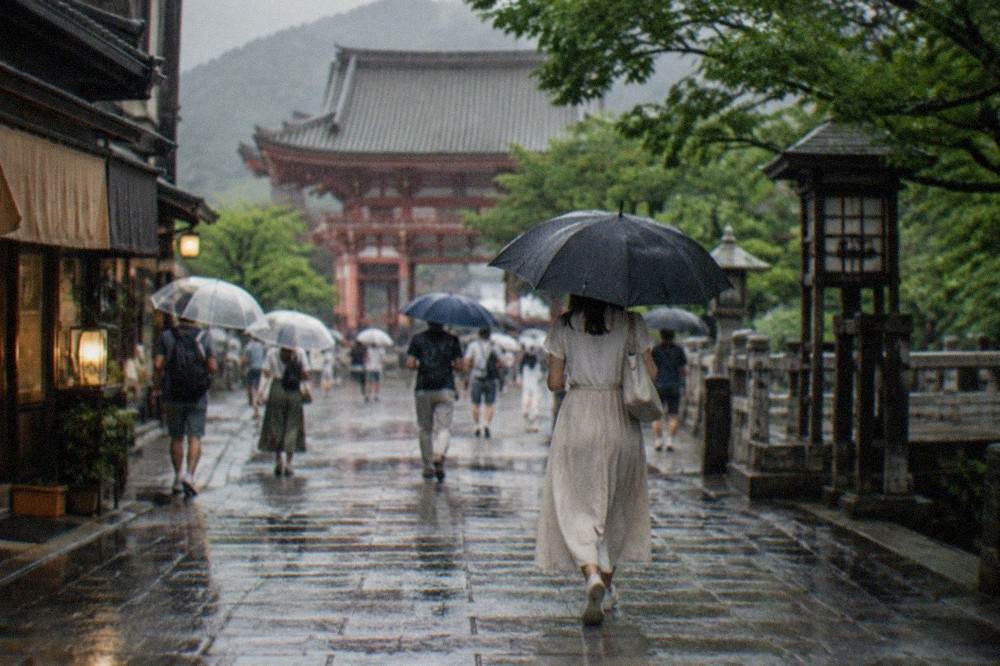
July, not June, is Kyoto's wettest month, at 223.6 mm against 199.7 mm, and August is the hottest, with a mean daily maximum of 33.7 C. Three of Kyoto's six hottest days on record fell in the summers of 2024, 2025 and 2026, and July and August 2025 both rank among the five hottest months ever measured at the city's station. Heat exhaustion on temple stairs and exposed paths is a real summer risk.
The JMA 1991-2020 normals for station 47759 give the full picture: January averages 4.8 C with a mean nightly low of 1.5 C, so winter brings its own caution on icy stone steps, while the July and August rain arrives mostly as short violent downpours rather than all-day drizzle. Carry water, start at 6:00 when a site like Kiyomizu-dera opens that early, and use the city's Tourism Comfort Forecast, which predicts five-level crowd comfort by spot and time slot using location data. The shrine at Fushimi Inari links to the same tool from its own site.
The other weather caution is seasonal timing. The JMA's own phenology record puts Kyoto's cherry full bloom normal at 4 April, and 2026 hit full bloom on 30 March. The maple red-leaf normal is 5 December, far later than the mid-November peak most guides claim, because the observatory's specimen tree is not the Arashiyama display. If you book foliage season off a 2023 guide you will arrive either early or in the middle of the night-illumination crush.
What Should You Be Careful Of At Fushimi Inari And Nishiki Market?
At Fushimi Inari, the cautions are crowds, stairs and daylight: the paths have no closing time, so the shrine publishes no closing hour, but the mountain is unlit after dark and the shrine's own FAQ counts about 10,000 torii across the whole mountain, not in the famous tunnel. At Nishiki Market, the rule the association is firm about is no eating while walking: buy at the stall, eat at the stall or a designated spot, because the lane is narrow and the shops keep their own hours.
Fushimi Inari dates its founding to 711, when, in the shrine's own account, Irogu no Hatanokimi enshrined the deities on Inariyama on an imperial order from Empress Genmei, and it is the head shrine of a network the shrine says numbers about 30,000 Inari shrines nationwide. Those facts draw a lot of people up one mountain. The shrine links to the city's crowd forecast and its own approach cameras, which are the honest tools for picking an hour. A guided hike spreads the route across the quieter northern paths, which is why we point to the option below.
At Nishiki, the practical cautions are cash for small stalls, patience at peak, and the eat-where-you-buy rule. Our most famous food street in Kyoto page covers what is actually worth queueing for.
What Etiquette Rules Actually Get Enforced In Kyoto?
The rules with teeth are the Gion alley signage, the Nishiki no-eating-while-walking rule, and photography and drone restrictions at shrines such as Kamigamo, where photographing rites or flying a drone requires advance permission. The city's broader asks, queueing, quiet in residential lanes, shoes off where indicated, are social rather than penal, but they are the difference between being welcome and being the problem in a city that hosted 62.79 million visitors last year.
Two more specifics worth knowing. Entering the hills is prohibited on 16 August, the day of Gozan no Okuribi, when the five mountains are lit. And the overtourism measures the city has rolled out, express buses, hands-free luggage delivery, morning and evening dispersal campaigns, are all designed around moving visitors off the peak midday crush; using them is both easier and more considerate.
Common Questions About Being Careful In Kyoto
What To Be Careful Of In Kyoto?
The accommodation tax change of 1 March 2026, the Gion private-alley photography ban with its 10,000 yen signage penalty, the abolished bus-only day pass, temple fee rises at Ginkaku-ji and Tofuku-ji in 2026, and summer heat with July as the wettest month. None are dangerous; all are easy to get wrong with an outdated guide.
Is Kyoto safe for tourists?
Yes. Violent crime against visitors is rare and the city publishes courtesy guidance rather than safety warnings. The real risks are heat exhaustion in July and August, crowding at the famous sites, and financial surprises like the new tax tiers.
Can you be fined for taking photos in Gion?
Signs posted by the Gion South Side district council on private alleys off Hanamikoji threaten a 10,000 yen penalty for unauthorized photography or entry. It is district-council signage rather than a city police fine, but the main Hanamikoji road remains public and photographable.
What is the biggest tourist mistake in Kyoto?
Buying the wrong transport pass. The bus-only one-day pass stopped being usable on 31 March 2024; the current product is the Subway and Bus One-Day Pass at 1,100 yen, and the subway is faster than the crowded buses for most visitor routes.
Do you need to worry about the accommodation tax?
Only if your room is mid-range or better. Rooms under 20,000 yen still carry 200 or 400 yen per person per night, unchanged. From 20,000 yen the tax is 1,000 yen, from 50,000 yen it is 4,000 yen, and from 100,000 yen it is 10,000 yen, all per person per night.
The honest summary from Kyoto Travel Guide: Kyoto punishes bad planning far more reliably than it punishes bad luck. Check the current fees, buy the current pass, respect the alley signage, start early in summer, and the city is one of the easiest places in Japan to move through.