What Is The Most Beautiful Shrine In Kyoto?
The most beautiful shrine in Kyoto, ranked and argued from fees, crowds and the shrines' own records: Fushimi Inari, Heian Shrine, Kifune Shrine and more.
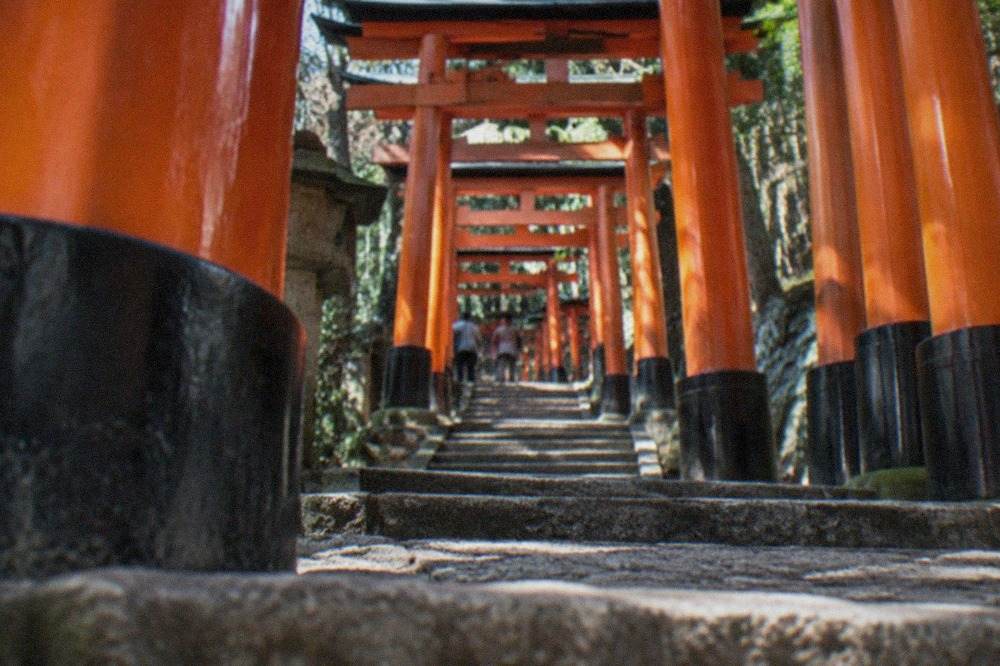
What Is The Most Beautiful Shrine In Kyoto?
Fushimi Inari Taisha is the answer most visitors arrive at, and it is the answer this site defends, with a caveat about timing. The shrine's own FAQ counts about 10,000 torii of all sizes across the whole of Inariyama, and the shrine charges nothing to walk under them. Its main rival for the title, Heian Shrine, sells its beauty by the season: a giant vermillion gate, a paid garden famous for weeping cherries, and a location the shrine shares with the Okazaki museum district. The city's 2025 tourism survey, released 12 June 2026, counted a record 62.79 million visitors to Kyoto, and a good share of them stood in the same two shrine courtyards, so the ranking below weighs beauty against crowd reality.
What Is The Most Beautiful Shrine In Kyoto?
Fushimi Inari Taisha is the most beautiful shrine in Kyoto for the majority of visitors, because it is the only one whose beauty is a landscape rather than a building: about 10,000 torii, by the shrine's own count, threading a full mountain that costs nothing to enter and never closes its paths. The shrine dates its founding to 711, when, it says, Inari Okami was enshrined on Inariyama by Irogu no Hatanokimi under an imperial order from Empress Genmei.
The case for Fushimi Inari rests on scale and atmosphere rather than gilding. The Senbon Torii tunnels are the image most people carry of Kyoto before they ever land, dense vermilion frames that darken as the hill rises, with stone foxes and subsidiary shrines folded into the forest. The shrine's own history page hedges its account with "is said to have", which is worth keeping in mind: this is tradition recorded in an ancient text, not a dated construction record. The same page notes the shrine counted 2011 as its 1300th anniversary.
The honest weakness is the crowd. Fushimi Inari is free, the paths have no closing time, and the shrine links to the Kyoto Tourism Comfort forecast and its own approach cameras so visitors can check conditions before setting out. The lower gates are busiest in the middle of the day; the upper reaches of the mountain thin out dramatically, and the shrine gives Inariyama as 233 m, so the climb is a commitment rather than a stroll. A full circuit of the mountain paths takes most of a morning.
For a deeper look at the shrine itself, see the Fushimi Inari Taisha attraction guide.
Which Kyoto Shrines Are Free To Visit?
Fushimi Inari Taisha is completely free: the shrine publishes no admission fee anywhere on its site. Yasaka Shrine in Gion is also free to enter, as are the grounds of Heian Shrine, though its garden charges separately. Kyoto Imperial Palace states it is "open to all visitors, no advance application is necessary" and costs nothing, while Shugakuin Imperial Villa and the Sento Imperial Palace are free but guided and restricted to visitors 18 and over.
The fee divide matters because several of Kyoto's most photogenic religious sites are temples, not shrines, and they charge: Kinkaku-ji at 500 yen, Ginkaku-ji at 1,000 yen from 1 April 2026, which is double its old price. The shrines, by contrast, mostly keep their gates open at no charge, which makes a shrine-focused day the cheapest beautiful day in the city. The table below sets out what the main shrines cost and what each is genuinely famous for.
| Shrine | Admission | What it is known for |
|---|---|---|
| Fushimi Inari Taisha | Free | About 10,000 torii across Inariyama; head shrine of about 30,000 Inari shrines nationwide, by the shrine's own account |
| Yasaka Shrine | Free | Gion's parish shrine; the departure and return point of the Gion Matsuri mikoshi each July |
| Heian Shrine (grounds) | Free; garden charges separately | Giant vermillion gate and a strolling garden famous for weeping cherries |
| Kifune Shrine | Free | Mountain shrine in a cedar valley, water-dining and the lantern-lined stone stair |
| Kyoto Imperial Palace (Kyoto Gosho) | Free, no advance application | Former imperial residence, parkland and historic gates |
| Shugakuin Imperial Villa | Free, guided tour, 18 and over only | Detached imperial villa with worked farmland views, closed Mondays |
A note on the "about 30,000" figure: the shrine's English page says "there are said to be some thirty thousand" Inari shrines throughout Japan, with Fushimi Inari as the head shrine with which all the others are affiliated. The hedge is the shrine's own, so the count stays approximate.
If a morning at Fushimi Inari leaves the afternoon open, pairing it with a walk through Higashiyama down to Yasaka Shrine makes a full free day of shrine beauty.
Which Kyoto Shrine Is Most Beautiful At Night?
Yasaka Shrine and the lantern-lit approach to Kifune Shrine are the two strongest night answers, for opposite reasons. Yasaka's main gate and stage glow under hanging lanterns in the middle of Gion, minutes from Pontocho's dining lanes, while Kifune's stone stair, lined with illuminated lanterns in a cedar valley north of the city, is the more dramatic photograph and the harder trip after dark.
Yasaka Shrine's practical advantage is location. It sits at the eastern end of Shijo-dori, and its role in the Gion Matsuri, when the festival mikoshi leave Yasaka on the evening of 17 July and return late on 24 July, makes it the shrine most tangled into Kyoto's living festival culture. The shrine is free and its grounds stay open when the shops close, which is why it anchors so many evening walks through Gion rather than a dedicated trip.
Kifune Shrine is the connoisseur's answer. The valley shrine is dedicated to the deity of water, its stone stair of lanterns is the signature image, and its setting in cedar forest puts it closer to Kurama's mountain atmosphere than to downtown Kyoto. The trade is distance: it sits at the end of the Eizan railway line, roughly 30 minutes north of Demachiyanagi Station, so an evening visit needs planning around the last trains back. The Kifune Shrine guide covers the access in detail.
The honest third option is Fushimi Inari after dark. The paths have no closing time, the shrine publishes only desk and prayer hours, and the lower tunnels under lamplight are far quieter than by day. Walking a mountain trail at night is a judgement call, not a recommendation this site can make for every reader.
Which Kyoto Shrine Is Most Beautiful In Cherry Blossom Season?
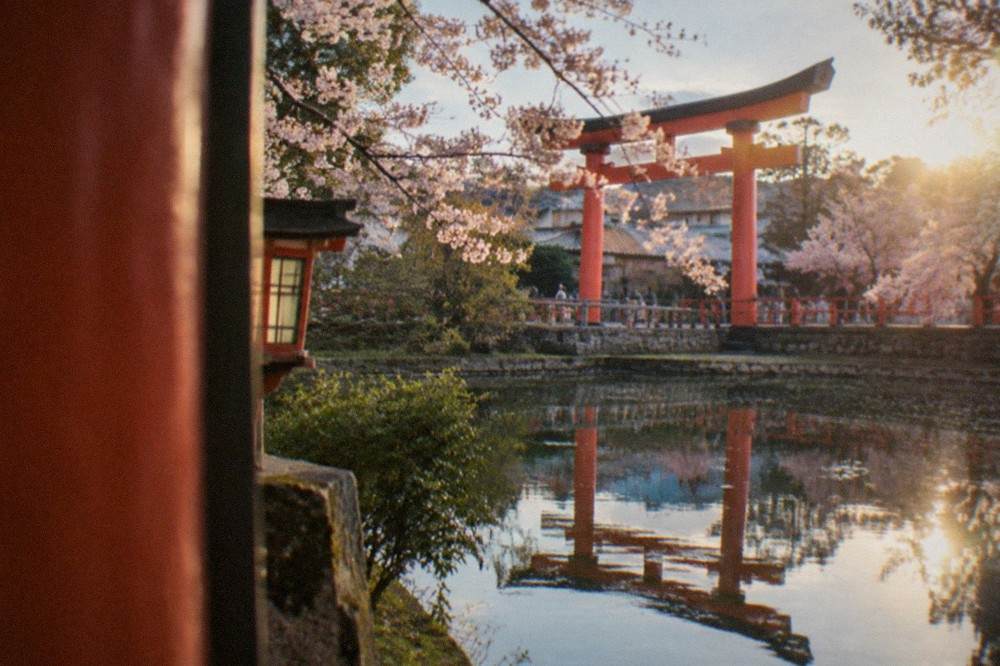
Heian Shrine is the strongest cherry-blossom answer, because its paid garden holds some 300 weeping cherry trees that peak slightly later than the city's Somei Yoshino rows, and its giant vermillion gate frames them. The JMA Kyoto observatory's 1991-2020 normals put full bloom at 4 April, and in 2026 full bloom arrived on 30 March, so the garden's later-flowering varieties extend the season past the main peak.
The JMA phenology record is the planning tool most guides ignore. Cherry flowering in Kyoto has a normal date of 26 March and full bloom a normal of 4 April; in 2025 flowering came on 27 March with full bloom on 5 April, and in 2026 flowering on 23 March with full bloom on 30 March. Three recent years have run at or ahead of normal, which compresses the crowds into a shorter window. Heian Shrine's weeping cherries flower after the main rows, which is why the garden charges admission in spring and why it holds the best late-season photographs in the city. The wider set of guides lives on Kyoto Travel Guide.
For the full planning picture, including where the weeping cherries sit against the riverside rows, see the Kyoto cherry blossom itinerary.
Is Fushimi Inari Too Crowded To Enjoy?
The city's own 2025 survey, released 12 June 2026, recorded a record 62.79 million visitors to Kyoto against 56.06 million in 2024, and Fushimi Inari absorbs a large share, but the mountain itself is the crowd solution: the lower tunnels concentrate people, the upper slopes do not, and the shrine's own approach cameras and the city's Tourism Comfort forecast let visitors check conditions before leaving their hotel.
The numbers behind the adjectives are worth knowing. Day visitors to Kyoto reached 46.20 million in 2025, up from 39.76 million, and day visitors are exactly the segment that funnels into free, always-accessible sites like Fushimi Inari. Yet the satisfaction data cuts against the "unbearable" narrative: over 90% of both Japanese and foreign visitors reported satisfaction, though about half of Japanese visitors named something disappointing against about 20% of foreign visitors.
The practical reading is timing and altitude. The lower Senbon Torii tunnels are the postcard and the bottleneck. The mountain above them, 233 m at its summit by the shrine's own figure, holds subsidiary shrines, fox statues and long quiet stretches of forest path that most day visitors never reach. Anyone willing to climb for an hour gets the same shrine with a fraction of the company.
For the wider crowd picture across the city, the Kyoto crowds guide breaks down the survey numbers by district.
What Other Shrines In Kyoto Deserve The Title?
Kamigamo Shrine and Shimogamo Shrine, the paired World Heritage shrines of the Kamo clan, are the strongest underrated answers: Kamigamo's two conical sand mounds and stream, and Shimogamo's Tadasu no Mori forest, hold World Heritage status without the visitor pressure of Fushimi Inari or Heian, and Kamigamo's own site notes that photography of rites and any drone flight require advance permission, which tells you how quiet it normally is.
The Kamo pair also carry the Aoi Matsuri, Kyoto's 15 May procession, one of the city's three great festivals. The shrine's own calendar gives the festival its date, and the procession's Heian-era costumes move between the two shrines through the forest approach at Shimogamo. It is the one day a year the pair draws a genuine crowd.
For visitors pairing shrines with the rest of the city, the things to do in Kyoto overview is the natural next stop, and for the temple half of the question, the Kyoto temples guide covers the sites that charge admission.
The Kurama and Kibune hike is the tour that connects shrine beauty to its mountain setting: a full-day guided walk through the cedar valley that holds Kifune Shrine, with the legends of the area explained in English. It suits the reader whose answer to "most beautiful shrine" is "whichever one is furthest from a bus stop".
Common Questions About Kyoto Shrines
What Is The Most Beautiful Shrine In Kyoto?
Fushimi Inari Taisha, for most visitors: about 10,000 torii across a whole mountain, free entry and paths with no closing time. Heian Shrine is the strongest rival in cherry season, and Kifune Shrine is the strongest mountain answer.
Is Fushimi Inari free to visit?
Yes. The shrine publishes no admission fee anywhere on its site, and the paths have no closing time; the shrine prints only desk and prayer hours.
Can you walk Fushimi Inari at night?
The paths have no published closing time, so walking after dark is possible, and the lower tunnels are far quieter then. It is a mountain trail, so it is a personal judgement call rather than a blanket recommendation.
Which Kyoto shrine is best in cherry blossom season?
Heian Shrine. Its garden's weeping cherries flower after the city's main rows, and the JMA normals put full bloom at 4 April, with the garden extending the season past that peak.
Are Kyoto shrines open every day?
The major shrines, including Fushimi Inari, Yasaka Shrine and Heian Shrine's grounds, have no closed days. The imperial villas are the exception: Shugakuin closes Mondays and admits only visitors 18 and over, and Katsura charges 1,000 yen for the guided tour.
The final word: the most beautiful shrine in Kyoto is the one whose beauty survives the crowd you find it in, and on that test Fushimi Inari's mountain still wins, because the mountain itself is the crowd solution.