What Is The Must-See Temple In Kyoto?
The honest answer to Kyoto's hardest prioritisation question: which single temple deserves your limited time, with verified fees, hours and free alternatives.
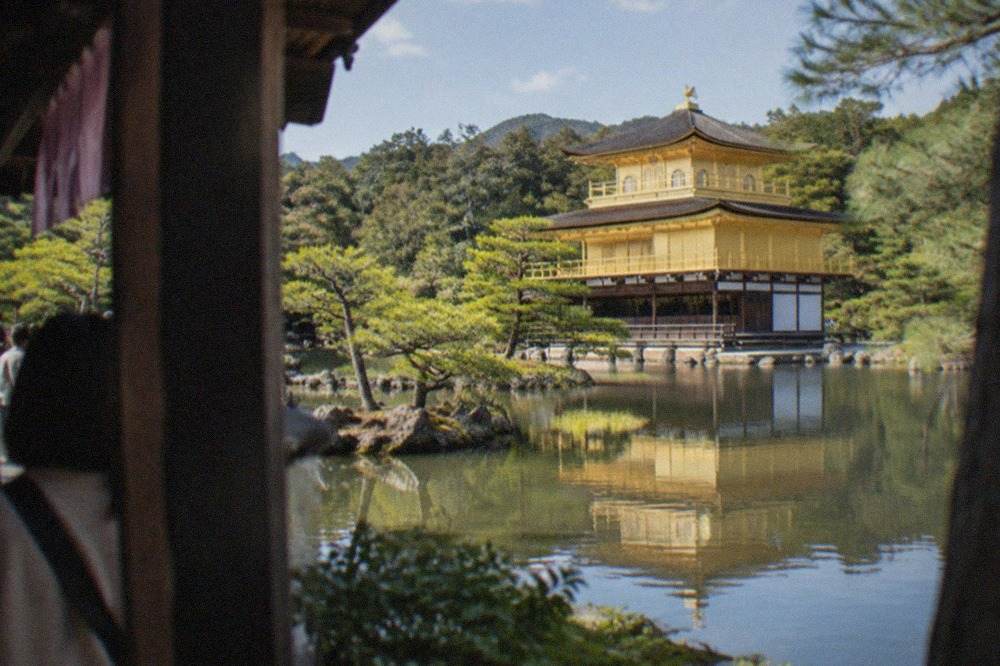
If the trip allows only one temple, Kinkaku-ji is the defensible pick, and the reason is colder than its gold. It is the one Kyoto temple whose image survives any weather, any crowd and any season, it charges a verified 500 yen, and it opens 9:00 to 17:00 year-round. The city's own 2025 survey counted 62.79 million visitors, so the question is not whether Kyoto has temples worth seeing, it is which single one earns the slot when time runs out.
What Is The Must-See Temple In Kyoto?
Kinkaku-ji, formally Rokuon-ji, is the must-see temple for a first visit, and the case is practical rather than spiritual. The pavilion is Kyoto's single most recognisable structure, the 500 yen adult admission is verified on the Shokoku-ji headquarters site, and the grounds are compact enough to see in under an hour. No other temple in the city delivers this much visual return for this little time.
The argument against Kinkaku-ji is usually that it is obvious. It is obvious the way the Eiffel Tower is obvious. The pavilion is a three-storey structure covered in gold leaf over its upper two floors, sitting on the edge of a pond designed to mirror it, and the whole composition was built to be viewed from a handful of fixed vantage points rather than entered. Visitors walk a set path around the pond and leave through the grounds. That is the entire visit, and it is enough.
The temple's own notice history sets the current 500 yen general admission at 1 April 2023, with primary and middle school students at 300 yen. The Shokoku-ji headquarters, which administers Kinkaku-ji, lists hours of 9:00 to 17:00 year-round, with a note that times may change for special exhibitions. Nothing about restoration or closure is posted for 2026 or 2027, so a visit planned now is a visit that will happen.
Why Kinkaku-ji Beats The Alternatives For A Single Visit
Kinkaku-ji wins on three measurable grounds: certainty, cost and density. The fee is verified at 500 yen, the hours are fixed year-round, and the layout delivers its full effect in a short circuit, which matters when every hour in Kyoto competes with four other temples, two gardens and a market. Its rivals each carry a specific weakness Kinkaku-ji does not have.
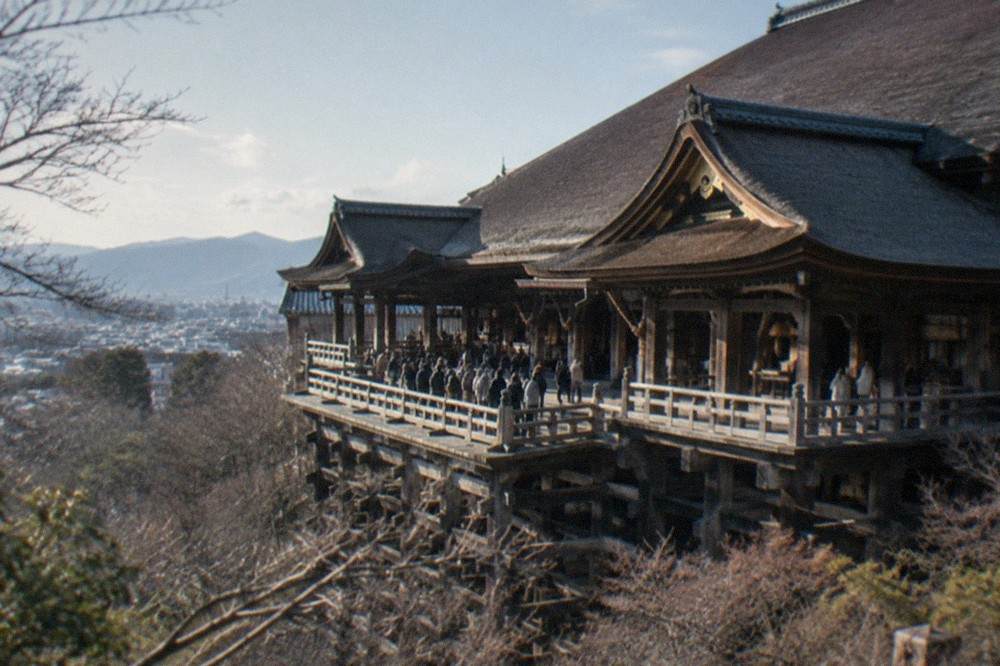
Kiyomizu-dera is the strongest challenger and the most common alternative answer. It opens at 6:00 daily, earlier than almost anything else in the city, and its wooden stage over a wooded hillside is a genuine engineering landmark. But the temple does not print its admission fee on its own site, the 500 yen figure that circulates widely cannot be called official, and its closing time moves by season and event, from 18:00 on ordinary days to 21:30 during the spring and autumn night viewings. A visitor planning around Kiyomizu-dera has to check the current schedule; a visitor planning around Kinkaku-ji does not.
Fushimi Inari Taisha is free, which no other headline temple in Kyoto can claim, and its paths have no closing time. The shrine's own FAQ states plainly that it charges no fee anywhere. But Fushimi Inari is a shrine, not a temple, and the full mountain circuit is a hike, not a look. The shrine gives Inariyama as 233 m, and the torii tunnels run far beyond what a casual visitor expects. It is the better half-day; Kinkaku-ji is the better hour.
Ginkaku-ji, the Silver Pavilion, is the mirror-image argument and the one where the 2026 numbers matter most. From 1 April 2026 its adult admission doubled from 500 to 1,000 yen, the first change in 32 years, with children rising from 300 to 500. A guide copied from 2024 or 2025 will print the old fee. At the new price, Ginkaku-ji costs twice Kinkaku-ji, and for a first visit that is a hard case to make.
How Do The Main Temple Fees Compare In 2026?
Kinkaku-ji at 500 yen is now among the cheaper headline temples in Kyoto, a position it did not hold two years ago. Ginkaku-ji doubled to 1,000 yen in April 2026, Kodai-ji charges 800, Ryoan-ji and Nanzen-ji's Hojo garden both charge 600, and Tofuku-ji revises upward on 1 November 2026. Only Fushimi Inari and the imperial properties are free.
| Temple or shrine | Adult admission | Notes |
|---|---|---|
| Kinkaku-ji | 500 yen | School students 300; hours 9:00-17:00 year-round |
| Ginkaku-ji | 1,000 yen | Doubled from 500 on 1 April 2026; children 500 |
| Ryoan-ji | 600 yen | High school 500, elementary and junior high 300 |
| Tenryu-ji garden | 500 yen | Buildings plus 300; Hatto ceiling 500 separately |
| Sanjusangen-do | 600 yen | Open every day |
| Nanzen-ji Hojo garden | 600 yen | Sanmon gate 600, ticketed separately |
| Kodai-ji | 800 yen | 1,200 combined with Entoku-in |
| Tofuku-ji Hojo garden | 600 yen from 1 Nov 2026 | Was 500; combined ticket 1,000 |
| Fushimi Inari Taisha | Free | No fee published anywhere on the shrine's site |
The pattern to read from that table is that Kyoto's temple fees cluster tightly and move slowly, except when they do not. Two of them changed in 2026. The Kiyomizu-dera figure is deliberately absent from the table because the temple itself does not print one, and a site that names a number the venue will not is a site guessing. Check the current fee at the gate.
What If You Only Have Half A Day In Kyoto?
A half-day built around one temple should pair Kinkaku-ji with either Ryoan-ji or the Golden Pavilion's northern neighbours, because they sit within a short bus ride of each other. Kinkaku-ji takes under an hour, Ryoan-ji's rock garden about the same, and both open in the morning, which leaves the afternoon for Kiyomizu-dera and the Higashiyama lanes below it.
The northern cluster is the efficient answer. Ryoan-ji, whose famous rock garden can be viewed from the hojo veranda, charges 600 yen for adults and opens 8:00 to 17:00 in season, 8:30 to 16:30 from December to February. Ninna-ji and Kiyomizu-dera itself extend the route for anyone with more time, and the full temple guide covers the sequencing in depth.
For a first-timer who wants the visit explained rather than just seen, a guided early-morning departure solves the two problems that ruin temple days in Kyoto: heat and crowds. The city's own crowd-management measures in 2025 and 2026 have pushed hard toward morning and evening visits, and the July and August 2025 heat records are a reminder that midday temple circuits in summer are a endurance event. An English-guided morning tour moves the whole itinerary forward by three hours at exactly the moment that matters. The rest of the planning pages sit on Kyoto Travel Guide.
Which Kyoto Temples Are Free To Enter?
Fushimi Inari Taisha is the headline free entry, verified because the shrine publishes no fee anywhere on its site. The Kyoto Imperial Palace states it is open to all visitors with no advance application. Shugakuin Imperial Villa and the Sento Imperial Palace are also free but guided and restricted to visitors 18 and over, while Katsura Imperial Villa charges 1,000 yen for adults.
The free list is shorter than many guides claim and more conditional. The Shugakuin restriction is the one that surprises families: under-18s, including infants, are not admitted, and the tour is guided with advance application or same-day numbered tickets. Katsura, by contrast, charges 1,000 yen for visitors 18 and over while admitting 12 to 17 year olds free, also on a guided basis, closed Mondays.
Fushimi Inari remains the outlier. The shrine's own history pages date the enshrinement of Inari Okami to 711, on the first Day of the Horse of the second month, when Irogu no Hatanokimi acted on an imperial order from Empress Genmei. The shrine hedges its own account with "is said to be", and the correct phrasing is that the deity was enshrined in 711, not that anything was built then. It also describes itself as the head shrine of about 30,000 Inari shrines nationwide, in the shrine's own careful words, "said to be some thirty thousand".
What About The Temple With 1,001 Statues?
Sanjusangen-do, formally Rengeo-in, is the must-see for visitors who want one overwhelming interior rather than one photogenic exterior. The temple itself states the hall holds 1,001 Kannon statues, and its 600 yen admission and every-day opening make it the strongest rainy-day temple in the city. It is the answer to a different question than the one Kinkaku-ji answers.
The hall is long, dim and completely filled. Photography restrictions and the breakdown of the statues between Heian and Kamakura periods are not printed by the temple, so a visitor should not arrive expecting a specific rule to be quoted here. The temple's hours are verified: 8:30 to 17:00 from 1 April to 15 November, 9:00 to 16:00 the rest of the year, open every day. The temple with 1,000 faces question is covered in its own page, and it is a fair alternative must-see for anyone whose interest in Kyoto runs to craft rather than gold.
Is There A Must-See Temple Outside The City?
Yes, and it is a different kind of answer: the mountain temples of Kurama and Kibune, north of the city, pair temple visits with a forest hike that no downtown temple can imitate. The verified fact base holds no admission figures for Kurama-dera or Kifune Shrine, so fees must be checked with the venues directly, but the route itself is the attraction.
This is where the honest limits of a fact-checked guide show. The research behind this site covers the major city temples in verified detail, but Kurama, Kibune and Ohara sit outside it, and inventing a fee or a journey time for them would be exactly the failure this site exists to avoid. What can be said is structural: the Kurama to Kibune walk is a mountain trail between two temple and shrine sites, it is a genuine hike rather than a stroll, and a guided version with a local guide removes the navigation and transfer decisions entirely. For a visitor who has already seen Kinkaku-ji and wants the second temple day to feel nothing like the first, this is the strongest candidate.
The Steve Jobs favourite temple question points to another outside-the-centre candidate, and it is worth reading before committing the second day. But the ranking stands: one temple, Kinkaku-ji; one free shrine, Fushimi Inari; one overwhelming interior, Sanjusangen-do; one mountain day, Kurama and Kibune. That is a full and defensible Kyoto.
Common Questions About Kyoto's Must-See Temples
What Is The Must-See Temple In Kyoto?
Kinkaku-ji, for a first visit with limited time. It is the city's most recognisable temple, charges a verified 500 yen, opens 9:00 to 17:00 year-round, and delivers its full effect in a short circuit of the pond. Visitors with more time should add Fushimi Inari, which is free, and Sanjusangen-do for its 1,001 statues.
Is Kiyomizu-dera better than Kinkaku-ji?
They answer different needs. Kiyomizu-dera opens at 6:00 daily, earlier than almost anything in Kyoto, and its stage view is unique, but the temple does not print its own admission fee and its closing time moves by season. Kinkaku-ji is the more predictable hour; Kiyomizu-dera is the better half-day if the schedule is checked first.
Which Kyoto temples are free?
Fushimi Inari Taisha is free, verified by the absence of any fee on the shrine's own site. The Kyoto Imperial Palace is open to all visitors with no advance application. Shugakuin Imperial Villa and the Sento Imperial Palace are free but guided, restricted to visitors 18 and over, and closed Mondays in Shugakuin's case.
Did any temple fees change in 2026?
Two did. Ginkaku-ji doubled its adult admission from 500 to 1,000 yen effective 1 April 2026, its first change in 32 years. Tofuku-ji revises on 1 November 2026, with the Hojo garden rising from 500 to 600 yen, a new 1,000 yen combined ticket, and the Tsutenkyo bridge at 1,000 yen during the autumn foliage period.
Can you see Kinkaku-ji and Fushimi Inari on the same day?
Yes, and it is a common pairing, but they sit on opposite sides of the city. Kinkaku-ji is in the north-west, Fushimi Inari in the south-east, and the transfer between them takes the better part of an hour by public transport. Doing Kinkaku-ji at opening and Fushimi Inari in the late afternoon, when the shrine's unclosed paths are quieter, is the standard sequence.
The final word belongs to the decision itself. Kyoto held 62.79 million visitors in 2025 and will hold more in 2026, and every one of them faces the same rationing problem. Kinkaku-ji is the answer that holds up: cheap, fixed, unmistakable, and finished in time for lunch.