What Was Steve Jobs Favorite Temple In Kyoto?
The Kyoto temple most often linked to Steve Jobs is Saiho-ji, the moss temple in the western hills, reached only by advance reservation. Here is what the story actually says, and how to visit the Zen temples that shaped it.
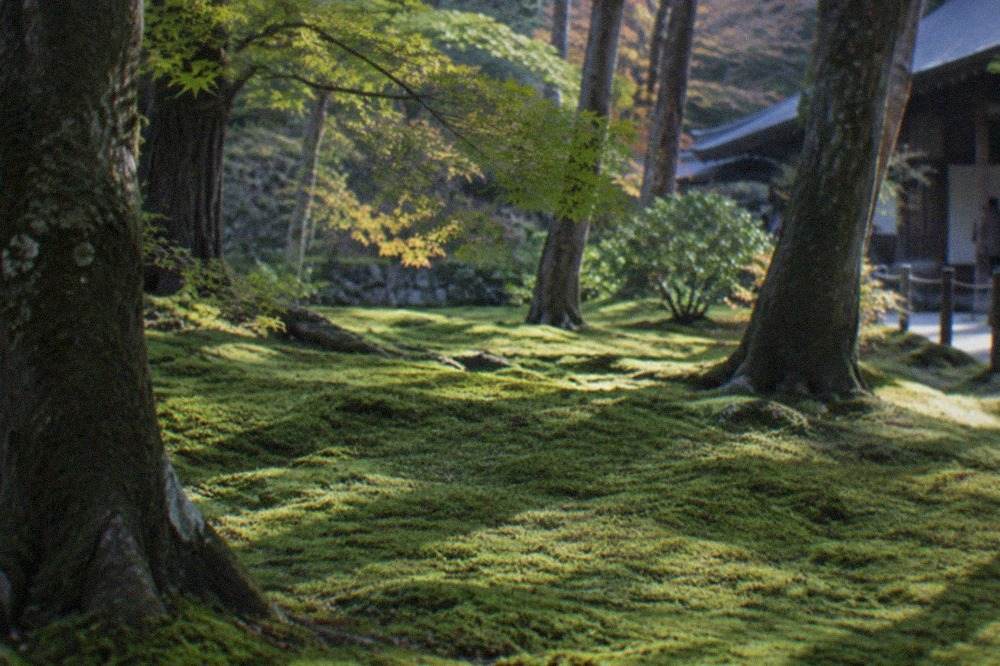
The temple most often connected to Steve Jobs in Kyoto is Saiho-ji, universally known as the moss temple, a Rinzai Zen monastery in the city's western hills. The link comes not from the temple itself, which prints nothing about any famous visitor, but from the steady accumulation of biography and press reporting around Jobs' long relationship with Zen Buddhism and his repeated trips to Kyoto. Jobs practiced Zen for decades, was ordained close to lineage of the San Francisco Zen Center's Japanese teachers, and made Kyoto a regular stop. Writers covering that history keep landing on the same quiet garden in Matsuo.
The honest framing matters here. No primary source from the temple confirms that Jobs singled it out, and a site like this one does not print a claim it cannot ground. What is well documented is the broader picture: Jobs' engagement with Kyoto's Zen culture was deep, sustained and openly acknowledged, and the moss temple is the name that recurs in that coverage. Treat the answer as the strongest reported account, not as a verified fact from the temple's own records. Our Saiho-ji moss temple guide covers the visit itself in detail.
Why Saiho-ji, the Moss Temple, Is the Temple Linked to Steve Jobs
Saiho-ji is a Zen monastery in Kyoto's western outskirts, famous for a garden built around a pond and a ground cover of well over a hundred moss varieties, and it is the temple most repeatedly named in reporting on Steve Jobs' Kyoto visits. The temple admits visitors only by advance reservation, which keeps the garden quiet in a way few famous Kyoto sites manage, and that stillness is exactly what the Jobs accounts describe him seeking.
The story that circulates is consistent in shape. Jobs came to Kyoto repeatedly across his life, often on the way to or from Japan's manufacturing partners, and he used the city as a place to think. He had a decades-long Zen practice, studied with a teacher in the United States, and considered becoming a monk in Japan earlier in his life, a period his biographers cover at length. In that context, the temples that suited him were not the gilded showpieces but the austere ones: gardens of raked gravel, moss and stone, designed to be sat with rather than walked through.
Saiho-ji fits that description better than almost anywhere else in the city. The garden is arranged around a pond shaped like the Chinese character for heart, the moss carpet survives because the temple caps the number of visitors, and the usual visit begins with tracing a sutra before anyone is let into the garden. It is the opposite of a checkpoint temple. The reservation requirement is the whole point: the moss exists because the crowd does not.
What you should not expect is a shrine to the man. The temple's own materials say nothing about him, and the visit is unchanged for everyone. If the association draws you there, the garden will do the rest of the work itself.
How Zen Shaped Steve Jobs and Why Kyoto Drew Him Back
Jobs' connection to Kyoto ran through Rinzai Zen practice, the same tradition that built the city's great temple gardens, including Ryoan-ji's fifteen-stone garden and the moss garden at Saiho-ji. His interest in Japanese design, minimalism and monochrome aesthetics is documented across his career, and Kyoto is where those traditions live at full strength, which is why the city kept pulling him back rather than Tokyo or Osaka.
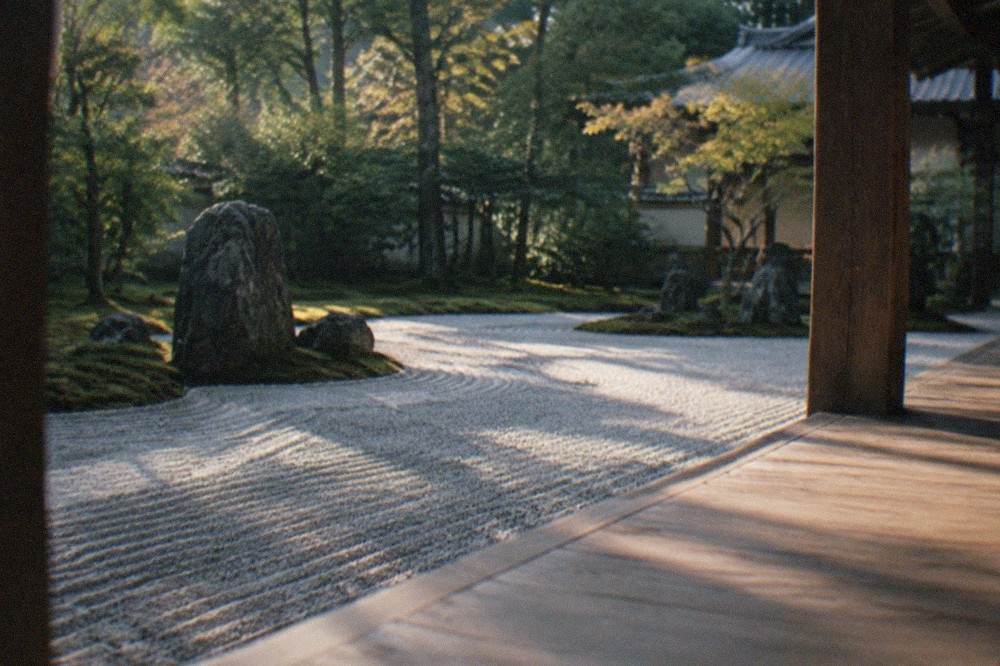
The design influence is the part Jobs talked about publicly. The flat, unadorned surfaces of his products, the restraint, the belief that removing an element is a decision rather than an absence: all of it has clear roots in the aesthetics of Zen gardens and Japanese pottery, and Jobs said as much in interviews across the decades. Kyoto holds the densest concentration of that tradition anywhere: Ryoan-ji, Ginkaku-ji, Nanzen-ji and the smaller sub-temples around Daitoku-ji, each garden a study in what can be done with gravel, moss and stone and nothing else.
For a visitor chasing the same thread, the Rinzai circuit is compact. Ryoan-ji's rock garden is the most famous single statement of the tradition, and it charges a verified 600 yen for adults with hours of 8:00 to 17:00 in season, 8:30 to 16:30 from December to February. Our Ryoan-ji guide covers the viewing veranda and what the fifteen stones actually do. Ginkaku-ji, the Silver Pavilion, sits at the end of the Philosopher's Path and pairs the villa with a raked sand garden; note that its admission doubled to 1,000 yen for adults from 1 April 2026, so older guides are now wrong.
What a Visit to Saiho-ji Actually Involves
Saiho-ji cannot be walked into on spec: the temple requires an advance reservation for every visitor, made directly with the temple, and the visit is structured rather than free-roaming, typically opening with the tracing of a sutra before the garden opens up. There is no walk-up ticket counter in the way Kyoto's major temples have, and the temple's own notice is the only reliable source for the current procedure and fee, so check it before planning the day.
This is one of the few Kyoto temples where the logistics genuinely shape the trip. The reservation has historically been handled by post or through the temple's own channels, with a chosen date rather than a time slot, and the temple confirms back to you. Anyone planning a Kyoto itinerary around it should book well before flights are fixed, because the daily cap fills in cherry season and autumn. The full index of guides sits on Kyoto Travel Guide.
The rest of the visit rewards slowness. The garden is small by Kyoto standards, the moss does the visual work, and the pond path circles in maybe twenty minutes if you insist on rushing, which would be a waste of the entry. The temple sits in Matsuo, in the city's west, reachable by bus or a combination of subway and a walk, and it pairs naturally with Katsura to the south or Arashiyama to the north.
Which Other Kyoto Temples Carry the Same Zen Appeal
If Saiho-ji is booked out or you want the same aesthetic without the reservation, the strongest alternatives are Ryoan-ji's rock garden, the Ginkaku-ji grounds, Nanzen-ji's Hojo garden and the Tenryu-ji garden in Arashiyama, all of them Rinzai or Rinzai-adjacent and all of them charging verified admission between 500 and 1,000 yen. Each is walk-up, none needs a reservation, and together they cover the full range of the tradition.
Here are the verified current figures for the temples on that circuit:
| Temple | Adult admission | Notes from the venue's own notice |
|---|---|---|
| Ryoan-ji | 600 yen | Rock garden; 8:00-17:00 in season, 8:30-16:30 Dec-Feb |
| Ginkaku-ji | 1,000 yen | Doubled from 500 on 1 April 2026; 8:30-17:00 to 30 Nov |
| Nanzen-ji (Hojo garden) | 600 yen | Sanmon gate ticketed separately at 600 yen |
| Tenryu-ji (garden) | 500 yen | Buildings plus 300 yen, Hatto ceiling 500 yen separately |
| Kodai-ji | 800 yen | 1,200 yen combined with Entoku-in; night illumination in season |
The pattern worth noticing: the Zen gardens are among the cheapest of Kyoto's major sights, and two of them, Ryoan-ji and the Tenryu-ji garden, deliver the tradition's most famous statements for less than a coffee and a pastry back home. The one fee that changed recently is Ginkaku-ji, which doubled in April 2026 for the first time in over three decades, so any guide still quoting 500 yen there is out of date.
For the fuller picture of what the city holds, our what Kyoto is known for rundown places the Zen gardens against the Golden Pavilion, the festivals and the food culture, and our must-see temple in Kyoto answer handles the first-visit question directly.
How to Get to Saiho-ji and Around the Temple West
Saiho-ji sits in Matsuo in western Kyoto, reached by city bus at a flat 230 yen per adult ride or by subway at 220 to 360 yen depending on zone, with the Subway and Bus One-Day Pass at 1,100 yen covering unlimited rides on both networks for a day. The temple is a walk from the nearest stops, so allow the time and go early, when the moss is at its most saturated.
The transport arithmetic for a day built around the western temples:
| Option | Adult fare | What it covers |
|---|---|---|
| City bus, single ride | 230 yen | Flat fare, child 120 yen |
| Subway, zones 1 to 5 | 220 to 360 yen | Karasuma and Tozai lines, child half |
| Subway and Bus One-Day Pass | 1,100 yen | Both networks, child 550 yen |
| Tourist express EX100 | 500 yen | Kyoto Station to Gion and Ginkaku-ji, fewer stops |
For travellers who want the temple-and-mountain side of the region rather than the city circuit, the Kurama and Kibune hiking tour covers the forested north, an eight-hour guided hike from $210 per person rated 5 from 82 reviews. It is a different register from a moss garden, but it is the same impulse: Kyoto's quieter half, the one that keeps drawing people back.
The mountain option deserves its own word of caution. Kurama and Kibune sit outside the verified fact pack for this site, so no admission figure or journey time is printed here; the tour listing carries the current details. What the area does share with Saiho-ji is the same principle of restraint, a valley where the temples and the forest are not really separate things, and where the day is measured in walking rather than in checkpoints. Pair it with the moss temple on separate days, because they ask for opposite kinds of attention.
Common Questions About Steve Jobs and Kyoto Temples
What Was Steve Jobs Favorite Temple In Kyoto?
The temple most often named is Saiho-ji, the moss temple, a Rinzai Zen monastery in western Kyoto reached only by advance reservation. The attribution comes from biography and press coverage of his Zen practice and his repeated Kyoto visits, not from any statement by the temple itself, so treat it as the reported answer rather than a documented fact.
Did Steve Jobs Practice Zen Buddhism?
Yes, extensively and openly. Jobs studied Zen for decades with a Japanese teacher in the United States, considered monastic life in Japan as a young man, and spoke through his career about the influence of Japanese aesthetics and Zen minimalism on his design decisions. Kyoto, as the heartland of Rinzai Zen garden culture, was a natural and repeated destination for him.
Can You Visit Saiho-ji Without a Reservation?
No. Saiho-ji requires an advance reservation for every visitor, made directly with the temple, and the visit is structured around a sutra-tracing before the garden. There is no walk-up ticket in the way Kyoto's major temples sell. Check the temple's own notice for the current booking procedure and fee, since this site does not print figures the temple has not published.
What Is the Moss Temple Famous For?
The garden. Saiho-ji's ground cover runs to well over a hundred varieties of moss around a pond shaped like the character for heart, an effect created by centuries of shade and damp and preserved by strictly limiting visitor numbers. It is one of the most quietly famous gardens in a city full of famous gardens, and the moss, not any building, is the reason people book months ahead.
Which Kyoto Temples Are Closest in Spirit If Saiho-ji Is Full?
Ryoan-ji's rock garden at 600 yen, Ginkaku-ji's grounds at 1,000 yen since April 2026, the Nanzen-ji Hojo garden at 600 yen and the Tenryu-ji garden in Arashiyama at 500 yen are the strongest walk-up alternatives. All are Rinzai or Rinzai-adjacent, none requires a reservation, and together they cover the austere end of the Kyoto garden tradition that the Jobs association points toward.
Is Kyoto Worth Visiting for the Zen Gardens Alone?
Arguably yes. Between Ryoan-ji, Ginkaku-ji, Nanzen-ji, Tenryu-ji, the Daitoku-ji sub-temples and the reservation-only gardens like Saiho-ji, the city holds the deepest concentration of Zen garden design anywhere, much of it walkable for a few hundred yen per site. Our [is Kyoto worth visiting](/answers/is-kyoto-worth-visiting/) answer weighs the full case, but the gardens carry a trip on their own.
The association between one visitor and one garden will keep being repeated because it fits: a man obsessed with reduction, and a garden that is mostly moss, water and silence. Whether or not Saiho-ji was truly his favorite, it is the Kyoto temple that best explains why he kept coming back, and that is a good enough reason for anyone else to book it.