What Is The Traditional Japanese House In Kyoto?
The traditional Japanese house in Kyoto is the machiya, a narrow wooden townhouse with tatami rooms, sliding doors and a courtyard garden. Here is what one is, where to see one, and how to stay in one.
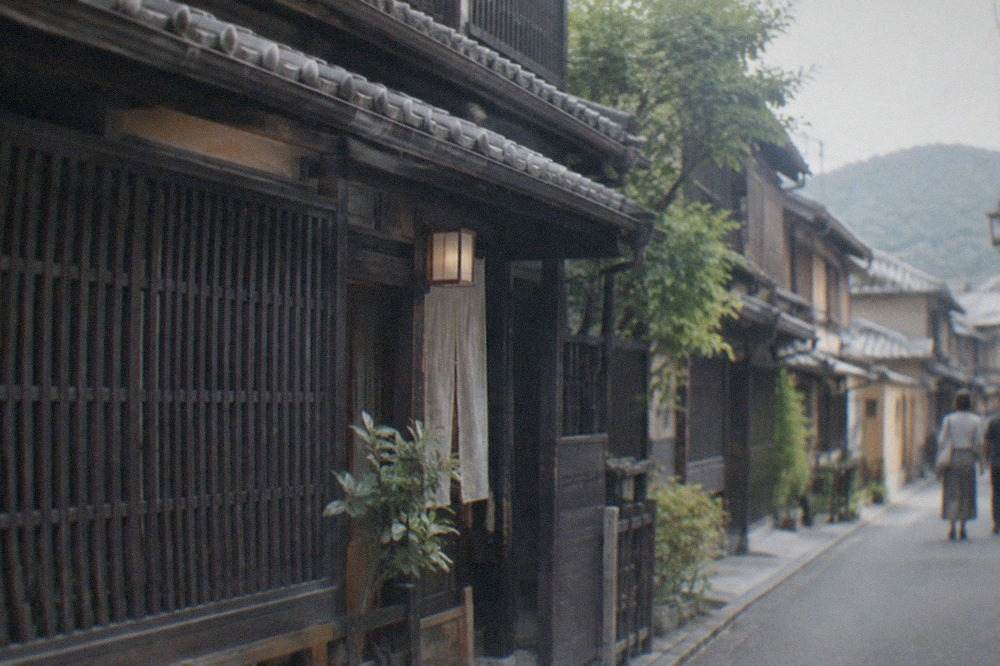
The traditional Japanese house in Kyoto is the machiya, a narrow-fronted wooden townhouse that merchants, brewers and craftspeople built in their thousands from the Edo period onward. The word means "town dwelling", and the form is unmistakable once you know it: a long, thin building of timber, earth and tile stretching back from the street, with a shop space at the front, tatami-floored living rooms behind it, a small courtyard garden in the middle to bring light and air into the depths of the plan, and storage or work space at the rear.
Kyoto preserves these houses in a way almost no other Japanese city does, partly because the capital escaped the wartime firebombing that destroyed Tokyo, Osaka and Nagoya's old housing stock. Whole streets of them survive in Gion, Higashiyama and the Nishijin weaving district. The question "what is the traditional Japanese house in Kyoto" usually comes from a visitor who has walked down one of those streets and wants a name for what they are looking at. This page gives that name, explains the parts of the house, and sets out the practical ways to see, enter and even sleep in one, with current fees where the venues publish them.
What Is The Traditional Japanese House In Kyoto?
The traditional Japanese house in Kyoto is the machiya, a narrow wooden merchant townhouse, typically one or two storeys, laid out on a deep rectangular plot with a shop at the street front, tatami rooms behind, a compact courtyard garden called a tsuboniwa partway back, and a kitchen and storeroom at the rear. The style is often called "unagi no nedoko", the eel's bed, because the plan is long and thin.
The eel's-bed nickname is the detail people remember, and it exists for a practical reason: Kyoto taxed plots by their street frontage, so homeowners built narrow and deep. A typical machiya fronts the street with only a few metres of facade and runs back twenty or more. The front room, the mise no ma, was the shop, with the heavy timber lattice called koshi openable to the street on market days. Behind it, the rooms are separated by sliding screens, fusuma and shoji, so the interior can be opened into one continuous space or closed into small private rooms as needed.
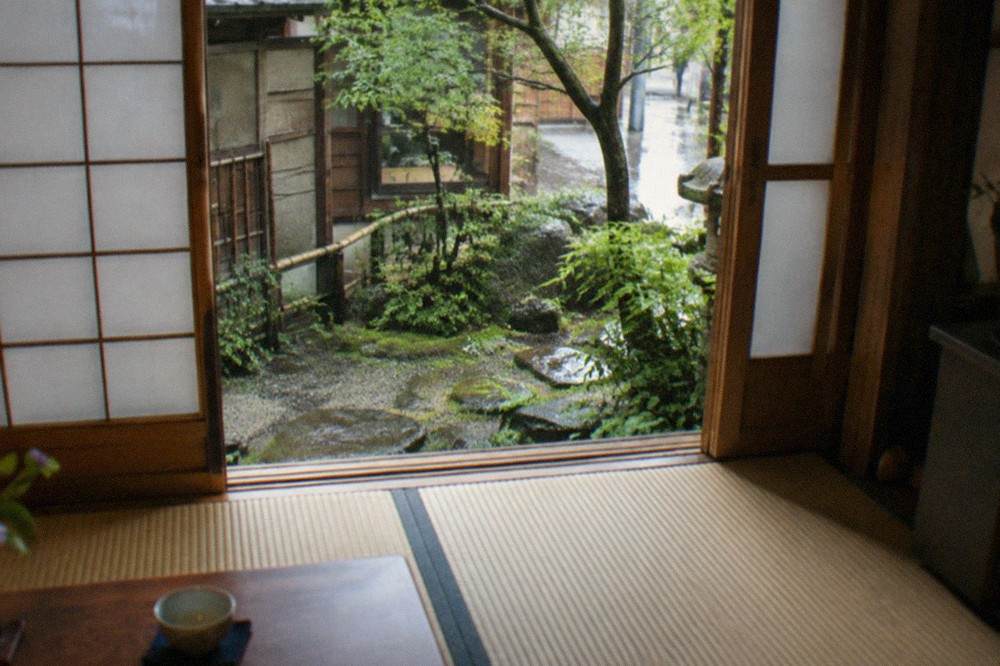
The tsuboniwa courtyard is the part that surprises first-time visitors. Because the house is deep and the neighbours are close, ordinary side windows would face a wall. Instead, the plan steps inward around a small pocket garden, sometimes only a metre or two across, planted with a single maple or a stone lantern. It does the work of a window, pulling daylight and moving air through the centre of the house. In the summer heat, the temperature difference over a planted courtyard drives a gentle draft through the rooms, which is one reason the type survived for centuries without mechanical cooling.
Two related forms sit beside the machiya and get confused with it. The kura is a storehouse, thick-walled and plastered, built fireproof to protect valuables, and many machiya plots include one in the rear yard. The okiya is a machiya adapted as a geisha residence, and in Gion the distinction matters to visitors because the famous facades on Hanamikoji-dori belong to okiya and teahouses rather than ordinary family homes. The building fabric is the same; the function is not.
Where Can You See Traditional Kyoto Houses Today?
The best-preserved machiya streets are in Gion and Higashiyama, especially Hanamikoji-dori and the lanes around Ninenzaka and Sannenzaka below Kiyomizu-dera, with further intact clusters in the Nishijin weaving district and along the Shirakawa canal in Gion Shinbashi. All are free to walk at any hour, since these are public residential streets, not museums.
The slope streets are the easiest introduction. Ninenzaka and Sannenzaka climb toward Kiyomizu-dera through two-storey timber buildings that have held their scale for generations, and the city's preservation rules keep them that way: facades must retain traditional materials and proportions even when the businesses inside are modern. Go before 9:00 and you will have the stones largely to yourself; by midday the same lanes carry a large share of the city's record 62.79 million annual visitors, a figure the city's own 2025 tourism survey released in June 2026.
Hanamikoji-dori in Gion is the other essential street. It is the widest concentration of okiya and teahouse facades left in Japan, and the etiquette here is strict. The city tourism association's published guidelines ask visitors not to touch, chase or photograph geiko and maiko without permission, and signs posted by the Gion South Side district council on the private alleys off Hanamikoji threaten a 10,000 yen penalty for unauthorised entry or photography. Stay on the main road, photograph the buildings rather than the people, and there is no issue.
For a machiya you can walk into rather than past, the city offers several honest options. Nijo-jo Castle, while a shogunal palace rather than a townhouse, shows the interior vocabulary, tatami, shoji, fusuma and the smell of old cypress, at its grandest scale, and the castle's own fee notice sets admission at 800 yen for the grounds or 1,300 yen including the Ninomaru-goten Palace. For a true merchant interior, look for the restored machiya that operate as cafes, shops and small museums in Higashiyama and downtown; most charge nothing to enter because they want you to buy tea or crafts. The Imperial Household Agency adds a different strand: the Katsura Imperial Villa, a guided tour of about 60 minutes through one of Japan's greatest traditional complexes, costs 1,000 yen for visitors 18 and over with an advance online application, and the Shugakuin Imperial Villa tour is free, though also restricted to adults.
If your interest is in the rural rather than the urban version of the same building tradition, the thatched hamlet of Miyama north of the city keeps its kayabuki farmhouses intact, and the Kurama and Kibune valleys to its east hold mountain-village timber houses still in daily use. A guided walk through that country is one of the more rewarding ways to see it, and the question of whether Kyoto is worth visiting is easy to answer positively from either of those valleys.
Can You Sleep In A Traditional Japanese House In Kyoto?
Yes, and in three ways: a night in a converted machiya guesthouse rented by the house, a night in a ryokan, the traditional inn that shares the same tatami-and-screens vocabulary, or a temple lodging called shukubo in the mountains around the city. Machiya rentals run from simple one-bedroom conversions to full two-storey houses with gardens, and the city's accommodation tax applies per person per night on top of the room rate.
The machiya rental is the purest answer to the question. Several hundred licensed conversions now operate across the city, most of them genuine old houses with the front lattice, the tsuboniwa and the tatami rooms intact, fitted with modern bathrooms and kitchens. You take off your shoes at the entry, sleep on a futon laid out on the tatami, and heat or cool the room with the house's own systems. Book early for spring and autumn: the JMA phenology record puts Kyoto's cherry full bloom normal at 4 April and the maple red-leaf marker at 5 December, and those windows drive the rental calendar hard.
The ryokan is the serviced version of the same experience, and the two are easily confused. A ryokan is an inn, with staff, a multi-course dinner and often a bath; a machiya rental is self-catering. Both put you on tatami under a paper-screen ceiling, so if the goal is simply to sleep in a traditional room, either works. The tax note is worth knowing because most guides online are out of date: Kyoto's accommodation tax changed on 1 March 2026, and the top tier now runs to 10,000 yen per person per night on rooms of 100,000 yen and up, with 1,000 yen applying to rooms between 20,000 and 50,000 yen. The tax is levied on the room-only charge, excluding meals.
The third route is a temple lodging in the hills, at Koyasan beyond the city or at the temples of Kurama and Ohara closer in. These are simpler, futon on tatami in a monk-run guest wing, and they sit inside some of the oldest wooden buildings a visitor can legally sleep in.
How Much Does It Cost To Experience A Traditional House?
Entry to machiya streets is free, a converted-house stay typically prices like a mid-range hotel room, and the structured experiences around the tradition run from cheap to moderate: a tea ceremony in a traditional setting from about $29, a kimono rental from about $17, and the Toei Kyoto Studio Park film-set entry ticket from about $13, which puts you inside a recreated Edo-period townscape.
The studio park deserves its place in that list because it solves a specific problem: the real machiya streets are private homes you can look at but not enter. The park's open-air sets recreate Edo-period streets and houses at full scale and walkable, and the entry ticket is sold through this site. The tea ceremony options go further, putting you inside the room rather than outside it: the ceremony at Jotokuji Temple runs about 70 minutes and holds a 4.9 rating from 3,758 traveller reviews, and the kimono tea ceremony at Kyoto Maikoya, Nishiki, combines the dress with the ritual in 90 minutes.
The following table sets out the main ways to experience the tradition and what each costs, using the starting prices published for the tours on this site and the official admission fees the venues themselves print.
| Experience | What you get | Starting price |
|---|---|---|
| Walk Hanamikoji-dori, Gion | Edo-period teahouse and okiya facades, public street | Free |
| Nijo-jo Castle, Ninomaru-goten Palace | Shogunal palace interiors, tatami and painted screens | 1,300 yen (castle plus palace) |
| Katsura Imperial Villa guided tour | About 60 minutes, traditional villa and garden | 1,000 yen, ages 18 and over |
| Tea ceremony at Jotokuji Temple | 70-minute ceremony in a temple setting | From $29 |
| Kimono tea ceremony at Maikoya Nishiki | Kimono dress plus 90-minute ceremony | From $53 |
| Toei Kyoto Studio Park entry | Full-scale recreated Edo-period streets and houses | From $12.73 |
One caution on prices: the two temple admissions in that table are the venues' own printed figures, but temple fees in Kyoto moved twice in 2026, with Ginkaku-ji doubling to 1,000 yen from 1 April and Tofuku-ji revising from 1 November. Any fee copied from an older guide should be treated as provisional, and the same healthy suspicion applies to any "typical machiya rental price" quoted without a source, because nightly rates vary enormously by season and house size.
What Should You Know Before Visiting A Machiya Street?
Three things: the streets are private homes, so photograph buildings rather than people; the Gion alleys off Hanamikoji are closed to visitors under council signage carrying a 10,000 yen penalty; and the buildings are timber, which means open flames, smoking and leaning on old facades are unwelcome. The city's 2025 survey counted 62.79 million visitors, and the pressure on these residential streets is the reason the rules keep tightening.
The etiquette is not decorative. The Gion conduct guidelines published by the city tourism association are short and worth reading before you go: no touching, chasing or photographing geiko and maiko without permission, and no entering private property or photographing it where prohibited. The private-alley bans in southern Gion came from the residents' own district council, and the signage is in English as well as Japanese. On the main public roads, including Hanamikoji itself, photography of the streetscape is unrestricted.
Timing matters more than etiquette for most visitors. The comfort of a machiya street changes completely across the day. The city now runs a Kyoto Tourism Comfort Forecast, published through the tourism association, that rates expected crowding at major spots by time slot using location data, and it is worth a look the evening before a Higashiyama morning. Early is better in every season: the light on timber facades is better before 9:00, and the lanes are quiet enough to hear the wooden shutters being opened, a sound the Japanese call a small seasonal pleasure.
If you want the tradition explained rather than merely seen, a guided walk earns its fee. The Gion geisha and hidden-gems walking tours on this site run about two hours and cover the district's architecture and its etiquette together, which is the combination most visitors actually need. For the rural building tradition, the guided hike between Kurama and Kibune passes through village timber houses and shrine buildings that most day visitors never reach.
Common Questions About Traditional Japanese Houses In Kyoto
What Is The Traditional Japanese House In Kyoto?
The machiya, a narrow-fronted wooden merchant townhouse with a shop at the front, tatami rooms behind, a small courtyard garden in the middle of the plan and storage at the rear. Kyoto preserves thousands of them, with the best streets in Gion, Higashiyama and Nishijin.
Can you go inside a machiya?
Yes, in several ways. Many converted machiya operate as cafes, shops and guesthouses you can enter freely or book for a night. Nijo-jo Castle and the Imperial Household Agency villas show the grand end of the same interior tradition, and tea ceremony experiences put you inside a traditional room for an hour or more.
Is a machiya the same as a ryokan?
No. A machiya is a house type; a ryokan is an inn. Ryokan interiors use the same vocabulary, tatami, shoji screens and futon bedding, but a ryokan is a serviced business with staff and meals, while a machiya rental is usually self-catering.
Why are Kyoto's old houses so narrow?
Historic taxation by street frontage made narrow, deep plots economical. The resulting plan, nicknamed the eel's bed, puts a small courtyard garden partway back to bring light and air into rooms that have no side windows.
Can I photograph the traditional houses in Gion?
On the public main roads, including Hanamikoji-dori itself, yes. The private alleys off Hanamikoji are closed to visitors under council signage that threatens a 10,000 yen penalty, and the city's conduct guidelines ask visitors not to photograph geiko and maiko without permission.
Where can I see thatched traditional houses near Kyoto?
The hamlet of Miyama north of the city preserves kayabuki thatched farmhouses, and the Kurama and Kibune valleys hold working mountain-village timber houses. Both are reachable as half-day or full-day trips from Kyoto Station.
The machiya is not a museum piece. It is a working building type that Kyoto's residents still live in, run businesses from and rent to travellers, and the city's preservation rules exist to keep it that way. Walk Hanamikoji early, take your shoes off at a tea ceremony, and if the nights allow it, sleep one night on tatami under a paper-screen ceiling. That single night answers the question this page is titled with better than any amount of reading, and Kyoto Travel Guide has a full rundown of things to do in Kyoto to build the rest of the trip around, plus a deeper look at what Kyoto is known for and the most beautiful village in Kyoto if the rural tradition calls.