Kyoto International Manga Museum: Tickets, Hours And What To Expect
The Kyoto International Manga Museum holds one of the largest manga collections on earth inside a former elementary school, and in 2026 it is marking twenty years since opening. Here is what is verified about admission, closed days, and how to plan the visit.
Short answer
The Kyoto International Manga Museum is run by Kyoto Seika University in a former elementary school near Karasuma Oike, holds hundreds of thousands of volumes, and in 2026 is celebrating its twentieth anniversary. No closure or renovation affecting visits has been announced on official sources, and current admission should be confirmed on the museum's own site before you go.
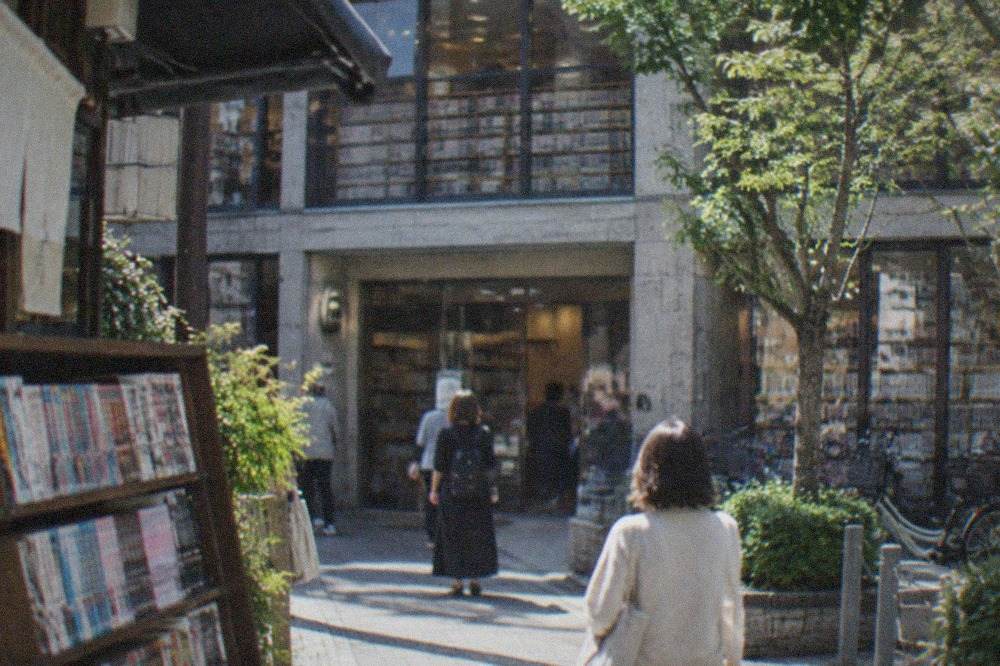
The Kyoto International Manga Museum occupies a closed elementary school a few minutes from Karasuma Oike station, and it turned a building that was already a piece of local history into a home for one of the largest manga collections anywhere. In 2026 the museum is marking its twentieth anniversary, and official sources report no closure, renovation or reduction in operations around it. This page sets out what is verified about the museum, what is honestly not, and how to fit it into a Kyoto day that also takes in the temples and castles most visitors come for.
The honest starting point is this: the verified fact base behind this site, which was re-read in September 2026, confirms the museum's ongoing operations and its twentieth anniversary but does not carry a current admission figure from the museum's own pages. Rather than print a number that cannot be sourced, this guide tells you exactly what is known, what to check on the museum's own site, and how the museum compares with every other paid attraction in Kyoto whose fees are verified. That comparison matters, because Kyoto is a city where the fee landscape changed twice in 2026 alone.
What Does The Kyoto International Manga Museum Cost And When Is It Closed?
The Kyoto International Manga Museum is operated by Kyoto Seika University inside a former elementary school in central Kyoto, and in 2026 it is marking twenty years since opening. Official sources report no closure, renovation or schedule reduction affecting visits. The museum's current admission price is not carried in this site's verified fact base, so confirm the figure on the museum's own site before you go.
That answer is deliberately careful, and the care is the point. Kyoto's attraction fees moved twice in 2026: Ginkaku-ji doubled its admission from 500 to 1,000 yen on 1 April, and Tofuku-ji revises its fees on 1 November. Any guide that quotes a museum price from a 2024 or 2025 page is working from a landscape that has already shifted under it. The museum's own site is the only place a current figure is trustworthy, and the museum also publishes its closed days there, which for a university-run institution can follow academic calendars and maintenance windows rather than the fixed weekly closures you might expect elsewhere in the city.
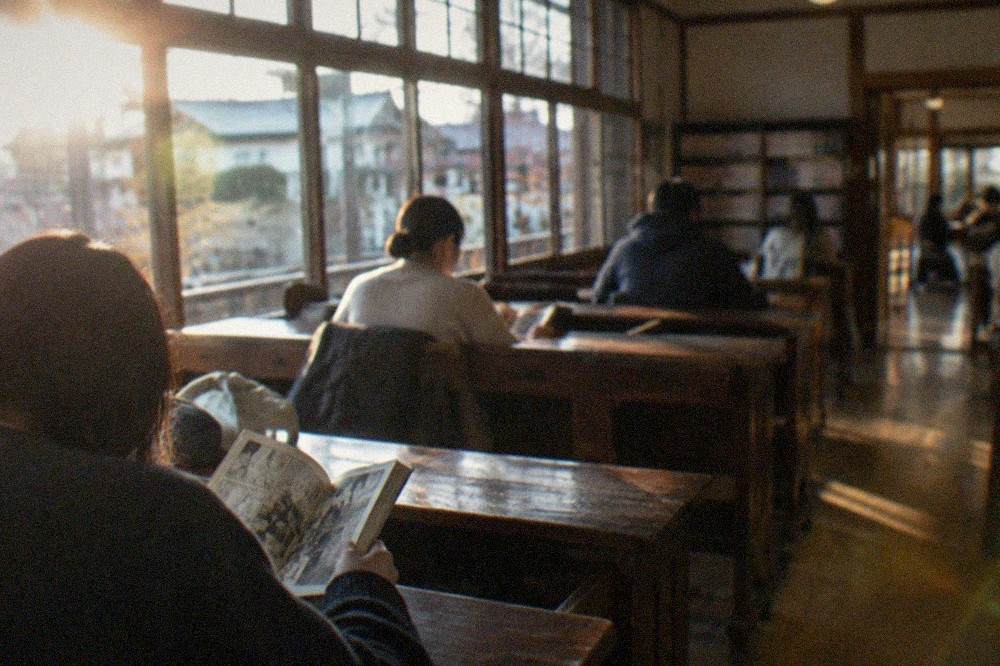
What can be said with confidence is the museum's standing. It holds its collection in a building that served for decades as an elementary school before the school closed, and Kyoto Seika University, the institution that runs it, was the first university in Japan to establish a faculty of manga. The museum is now twenty years old, which makes 2026 the anniversary year, and official sources covering the museum report ongoing operations, events and anniversaries rather than any disruption.
How The Museum Compares With Kyoto's Other Paid Attractions
While the manga museum's own fee needs confirming at the source, the fees around it are verified, and they set the scale of what a Kyoto attraction charges. This table shows the priced, non-temple attractions whose figures were re-read on their own official pages in 2026.
| Attraction | Adult admission | Child admission | Hours | Closed |
|---|---|---|---|---|
| Kyoto Railway Museum | 1,500 yen (18 and over) | 200 yen from age 3 | 10:00-17:00, last entry 16:30 | Wednesdays, 30 Dec-1 Jan |
| Nidec Kyoto Tower | 900 yen | 600 yen elementary and junior high, 200 yen from age 3 | 10:00-21:00, last admission 20:30 | Open daily |
| Nijo-jo Castle | 800 yen | 300 yen elementary | 8:45-16:00 admission | 29-31 December |
| Toei Kyoto Studio Park | No readable official fee | No readable official fee | Varies | Varies |
The pattern is clear: most of Kyoto's paid attractions sit between roughly 500 and 1,500 yen for an adult, with the Railway Museum at the top of that band. Two of the city's museum-style attractions, the Railway Museum and the manga museum, appeal to overlapping families, and the railway option, covered in detail on our Kyoto Railway Museum page, is the one whose full fee and closure schedule is verified in the fact base. If your Kyoto budget is tight and you must choose between museums, the wider guide to Kyoto's museums lays out the full field.
Where Is The Kyoto International Manga Museum And How Do You Get There?
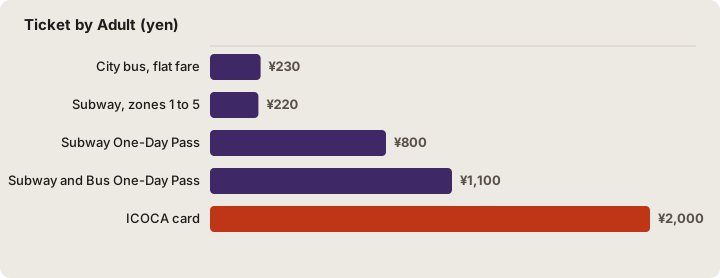
The museum stands in central Kyoto, a short walk from Karasuma Oike station, where the Karasuma and Tozai subway lines cross, and it is inside the old elementary school building that gives the museum its distinctive courtyard and classroom reading spaces. From Kyoto Station the subway reaches Karasuma Oike in under ten minutes, and the flat fare on a city bus is 230 yen.
The location is one of the museum's best practical features. Karasuma Oike is a crossroads station: the Karasuma line runs north from Kyoto Station through the city centre, and the Tozai line runs east-west, connecting to Higashiyama, the Kyoto Imperial Palace area and Nijo. The subway fare scale runs from 220 to 360 yen for an adult depending on zones, and the child fare is half that. The city bus flat fare is 230 yen for adults and 120 yen for children aged 6 to 11, but the buses in central Kyoto carry the heaviest tourist load in the city, and the subway is the more reliable choice for this trip.
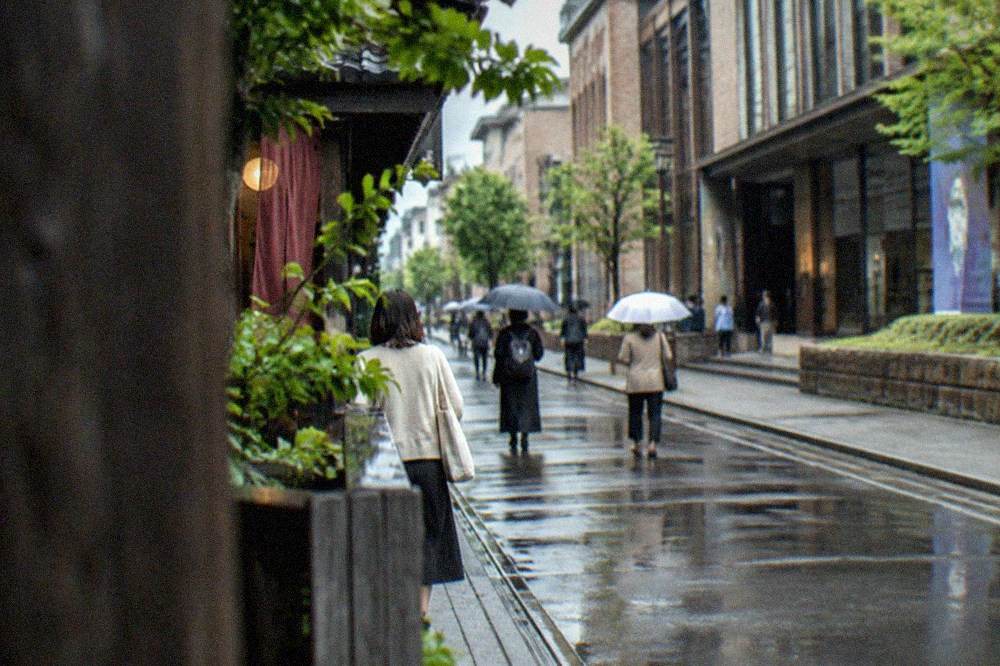
If you are riding more than a couple of times in a day, the pass arithmetic matters. The old bus-only one-day pass no longer exists: sales ended in September 2023 and the last day of use was 31 March 2024. The current product is the Subway and Bus One-Day Pass at 1,100 yen for adults and 550 yen for children, which covers both networks. The subway-only one-day pass is 800 yen. A day that pairs the manga museum with, say, the Kyoto Imperial Palace grounds and Nijo-jo Castle will usually clear the 1,100 yen break-even comfortably.
| Ticket | Adult | Child | Notes |
|---|---|---|---|
| City bus, flat fare | 230 yen | 120 yen (6-11) | Board at the rear, pay on exit |
| Subway, zones 1 to 5 | 220-360 yen | 110-180 yen | Fare by distance |
| Subway One-Day Pass | 800 yen | 400 yen | Subway only |
| Subway and Bus One-Day Pass | 1,100 yen | 550 yen | Replaced the bus-only pass |
| ICOCA card | 2,000 yen | 2,000 yen | Includes a 500 yen deposit |
The ICOCA stored-value card costs 2,000 yen with a 500 yen deposit included and works on both subway and bus, which removes the small friction of exact fares. The wider picture, including the airport connections, is on our Haruka Express guide.
What Is Inside The Kyoto International Manga Museum?
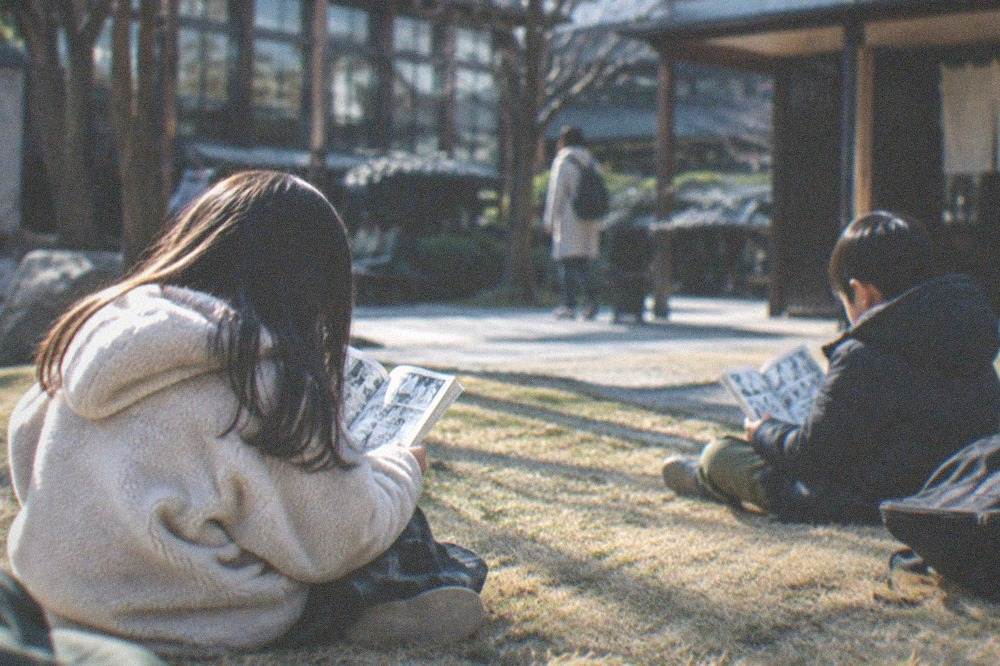
The museum's core is its reading collection, several hundred thousand volumes of manga shelved for open reading, spread through the former school's classrooms, corridors and gymnasium, with a courtyard at the centre where visitors read outdoors in good weather. Alongside the shelves it holds a research wing tied to Kyoto Seika University's manga faculty, permanent exhibition space on manga history, and rotating special exhibitions.
The reading model is what separates this museum from a conventional gallery. You do not walk past the collection behind glass; you pull books off the shelves and read them on the spot, on the wooden desks of classrooms that still look like classrooms. The collection spans historical manga from the Edo period's illustrated books through to contemporary serialised works, plus a significant holding of translated manga in other languages, which is the museum's answer to being international rather than merely Japanese. The reference section serves researchers, and Kyoto Seika University's involvement means the museum also functions as an archive of the medium, not just a place to spend a rainy afternoon. Everything else covered here is indexed on Kyoto Travel Guide.
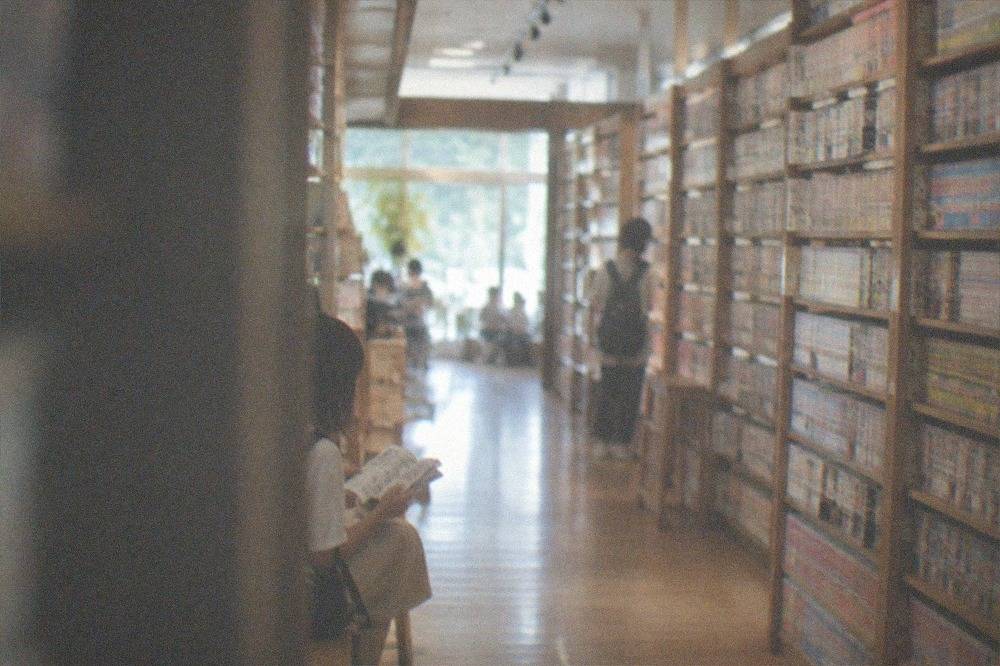
For families the practical appeal is obvious: it is an indoor attraction with almost unlimited sitting-down reading time, which makes it one of the better rainy-day anchors in a city whose rainy season and summer both reward indoor options. The JMA 1991-2020 normals show July is Kyoto's wettest month at 223.6 mm, ahead of June at 199.7 mm, and August is the hottest with a mean daily maximum of 33.7 C. A museum morning is a defensible plan for both. Our Kyoto rainy day guide builds a full day around exactly this logic.
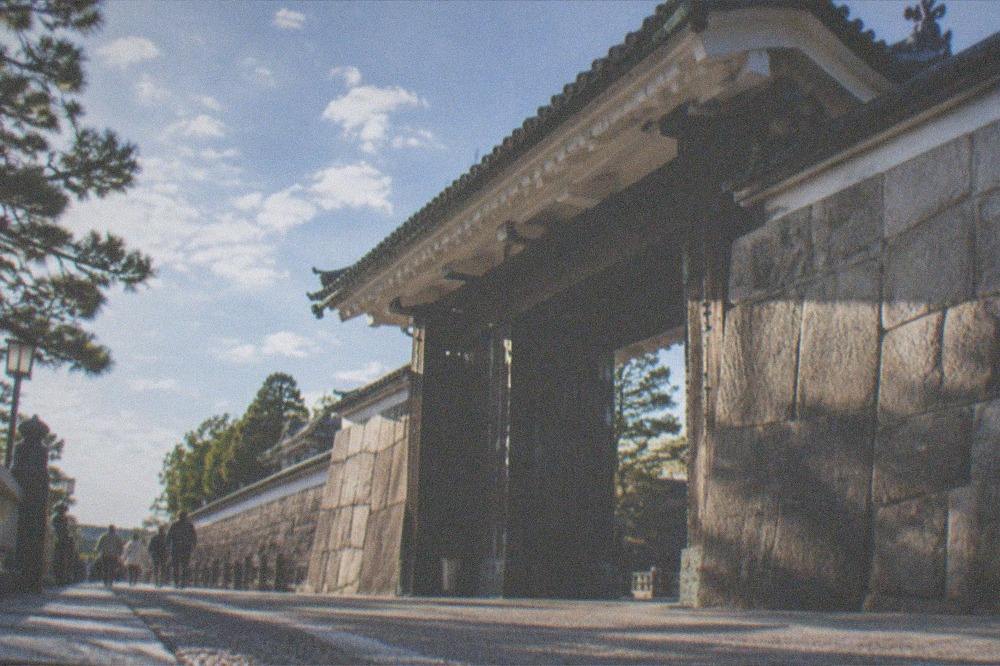
A short subway ride west on the Tozai line brings you to Nijo-jo Castle, and the two pair naturally as a half-day. The castle's own fee table is verified: 800 yen general admission, 1,300 yen with the Ninomaru-goten Palace included, and the Honmaru-goten Palace, reopened in September 2024 after an eighteen-year restoration, requires an advance reservation and a separate 1,000 yen ticket. A guided option with admission included, the Nijo Castle World Heritage tour, removes the layered-ticket guesswork, and the castle's own history is worth a guide's attention: it was at Nijo-jo Castle in 1867 that the 15th shogun, Tokugawa Yoshinobu, summoned senior vassals from 40 domains on 13 October and announced the return of political authority to the Emperor, the act that ended Tokugawa rule.
Is The Kyoto International Manga Museum Good For Kids And Non-Japanese Speakers?
The museum works well for children, who make up a large share of its visitors, and for non-Japanese speakers, because a meaningful section of the collection is manga translated into other languages and the building's layout is simple enough to enjoy without reading Japanese signage. Small children treat the courtyard and the reading rooms as a place to sit with pictures rather than text, which is a legitimate way to spend the visit.
The honest caveat is depth. A visitor who reads Japanese can spend a full day in the stacks; a visitor who does not will get an hour or two from the translated shelves and the exhibition panels, more if a special exhibition happens to have English labelling, which varies by show. The museum is best scheduled as a two-hour block rather than a full day, which is also how it fits most neatly into a Kyoto itinerary. Families balancing it against the Kyoto Aquarium or the Railway Museum should weigh how much their children want to read versus watch versus ride.
The neighbourhood around the museum rewards the walk too. The Kyoto Imperial Palace, a few blocks north, states on the Imperial Household Agency's own pages that it is "open to all visitors, no advance application is necessary", and it is free, though its hours and closed days are not carried in this site's verified fact base and should be checked before you go. Nishiki Market, covered in our Nishiki Market guide, is a few subway stops south and makes the natural lunch stop, with the caveat that the market's own association prints no unified opening hours, so individual stall times vary.
How Much Time Do You Need And What Is Nearby?
Two hours covers the manga museum for most visitors, three if you read Japanese or catch a strong special exhibition. The museum's central location puts the Kyoto Imperial Palace within walking distance, Nijo-jo Castle one Tozai line stop away, and Nishiki Market and downtown Kawaramachi a short subway ride south, so the museum anchors a full central-Kyoto day without ever needing a bus.
The most efficient shape for that day is museum first, in the morning, then the palace grounds around midday, then Nijo-jo Castle in the afternoon while its 16:00 last admission still leaves time for the Ninomaru-goten Palace reception, which closes at 16:10. Alternatively, run the day south: museum in the morning, Nishiki Market for lunch, then the Higashiyama slope up to Kiyomizu-dera, which opens at 6:00 daily and charges 500 yen, though that figure is single source and the temple does not print it on its own site.
| Nearby stop | Distance from museum | Admission | Verified note |
|---|---|---|---|
| Kyoto Imperial Palace | 10-15 min walk | Free | Open to all, no advance application |
| Nijo-jo Castle | 1 Tozai stop or 20 min walk | 800 yen, 1,300 with palace | Honmaru needs reservation, 1,000 yen |
| Nishiki Market | 2 subway stops | Free | No unified hours, stalls vary |
| Kiyomizu-dera | Subway plus walk | 500 yen | Single source, not printed by temple |
| Nidec Kyoto Tower | 2 subway stops | 900 yen | Deck open 10:00-21:00 |
If the day runs long, the Kyoto Tower observation deck stays open until 21:00 with last admission at 20:30, which makes it one of the few late-evening options in a city where most temples shut between 16:30 and 17:00. The wider list of options is on our things to do in Kyoto page.
When Is The Best Time To Visit The Kyoto International Manga Museum?
Weekday mornings are the quietest window for the manga museum, and the museum's indoor nature makes it a strong pick for Kyoto's two hardest seasons: the July rainy peak, when 223.6 mm falls on average, and the August heat, when the mean daily maximum reaches 33.7 C. Avoid Japanese school holidays and the cherry-blossom and autumn-foliage peaks, when every indoor attraction in central Kyoto absorbs overflow crowds.
The crowd logic in Kyoto is unusually well documented. The city's own 2025 tourism survey, released in June 2026, recorded a record 62.79 million visitors, up from 56.06 million in 2024, with 12.68 million of them foreign. The city also runs a Kyoto Tourism Comfort Forecast that predicts five-level crowd comfort for specific spots and time slots using location data and weather, and it is the tool to check the night before any museum visit. The city's broader response to overtourism has been to push morning and evening visits and dispersal across seasons, which is the same advice that serves an individual visitor.
Seasonally, the museum earns its keep most in the wet and hot months. July, not June, is Kyoto's wettest month, a fact that surprises visitors who plan around the rainy-season label, and three of Kyoto's six hottest days on record fell in the summers of 2024, 2025 and 2026, per the JMA station records. In March and April, when the JMA's own phenology data shows cherry flowering averaging 26 March and full bloom 4 April, and in late November and early December for the autumn foliage, the indoor attractions are at their most crowded because everyone else is dodging the outdoor peaks too.
Can You Buy Kyoto International Manga Museum Tickets In Advance?
Check the museum's own site for advance ticketing, because this site's verified fact base does not carry the museum's current admission or booking arrangement, and printing either would be guesswork. What is verified is the pattern elsewhere in Kyoto: most city attractions sell at the gate, while timed and guided products, like the Nijo-jo Castle Honmaru Palace, require advance reservation.
The honest position on the fee is worth restating once, plainly, because most guides will not say it. Kyoto's fee landscape changed twice in 2026: Ginkaku-ji doubled to 1,000 yen for adults on 1 April, its first rise in 32 years, and Tofuku-ji revises on 1 November with a new 1,000 yen combined ticket. A museum figure copied from an older page has a real chance of being stale. The museum's own site, and only that, settles the number.
For the rest of a Kyoto day, booking ahead matters most where capacity is fixed. The Byodo-in Phoenix Hall in Uji runs interior tours at 50 people per slot with tickets from 9:10 first come first served, and a capacity change from 16 October 2026 is announced there, though the new number has not been read, so do not rely on older figures. Guided tours with admission bundled, like the Nijo Castle option below, are the simplest way to lock a time slot at a major sight.
If your museum morning leaves the afternoon open, the bamboo grove side of the city is the natural next move. The Arashiyama walking tour covers the grove, the monkeys and a temple garden in five hours, and the Iwatayama Monkey Park at the top of it charges 800 yen for adults and 400 for children, cash only, per the park's own site. It is a longer afternoon than the castle, but a very different one.
For visitors who would rather stay in the city centre, or who want a second full day built around the classics, the guided options below cover the castle, the northern mountains and the early-morning temple circuit, each with a verified rating and a clear time commitment.
Common Questions About The Kyoto International Manga Museum
What Does The Kyoto International Manga Museum Cost And When Is It Closed?
The museum's current admission figure is not carried in this site's verified fact base, so confirm it on the museum's own site before visiting. What is verified: the museum is operated by Kyoto Seika University, is twenty years old in 2026, and official sources report no closure or renovation affecting visits. Closed days should likewise be checked on the museum's own pages, since a university-run museum can follow maintenance and academic calendars.
How long should you spend at the Kyoto International Manga Museum?
Two hours suits most visitors, three if you read Japanese or arrive during a strong special exhibition. The museum is best treated as a block inside a central-Kyoto day rather than a destination on its own, since the Kyoto Imperial Palace, Nijo-jo Castle and Nishiki Market all sit within a short walk or a single subway stop.
Is the Kyoto International Manga Museum good for children?
Yes. Children make up a large share of visitors, the courtyard and reading rooms invite sitting with books, and a section of the collection is translated into other languages. Non-Japanese-speaking families should expect an hour or two rather than a full day, since the depth of the stacks rewards Japanese readers most.
How do you get to the Kyoto International Manga Museum?
Take the subway to Karasuma Oike, where the Karasuma and Tozai lines cross, a few minutes' walk from the museum. From Kyoto Station the Karasuma line reaches Karasuma Oike in under ten minutes. The adult subway fare runs 220 to 360 yen by zone; the city bus flat fare is 230 yen, but central Kyoto buses carry the heaviest tourist load, so the subway is the steadier choice.
Is the Kyoto International Manga Museum open in rainy weather?
The museum is fully indoors, which is exactly why it earns its keep in July, Kyoto's wettest month at 223.6 mm on the JMA 1991-2020 normals, and in August, the hottest month with a mean daily maximum of 33.7 C. Check the museum's own site for any weather-related or maintenance closure before travelling across town for it.
The Kyoto International Manga Museum is at its best as one block in a central-Kyoto day: two hours with the shelves in the morning, the free palace grounds at midday, and Nijo-jo Castle or the Higashiyama slope in the afternoon. Confirm the current admission and closed days on the museum's own site, ride the subway rather than the bus, and let a rainy July afternoon, which the JMA normals say is Kyoto's wettest stretch of the year, find you indoors with a stack of books and a courtyard to read them in.