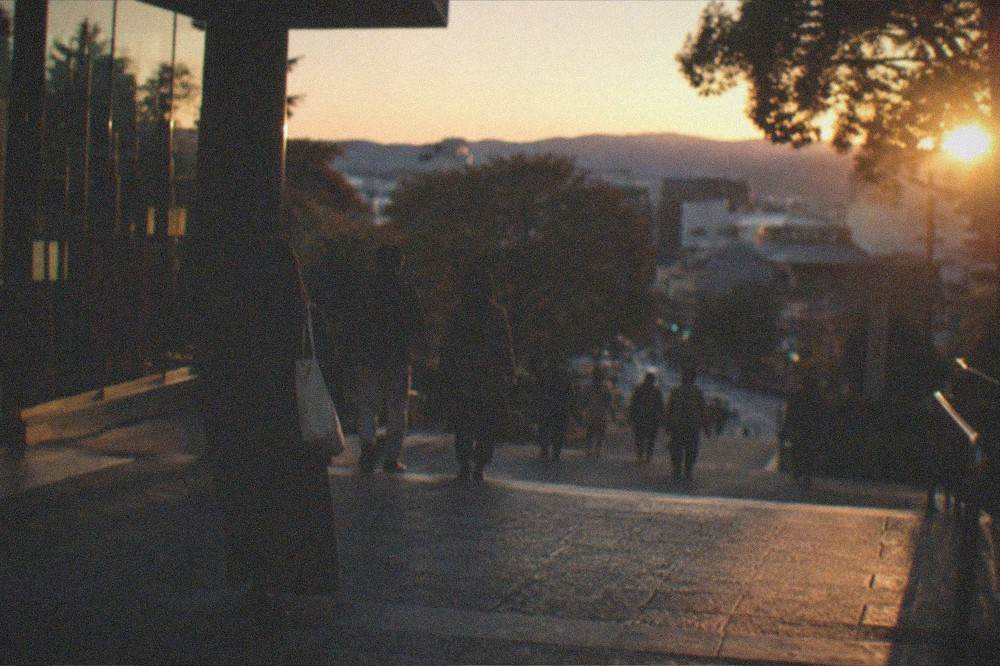
Which Kyoto Museums Are Worth It: National Museum, Kyocera Art, Manga Museum, Railway Museum?
Kyoto is a temple city first, but its museums hold several of the best rainy-day and family hours in the city. This guide ranks them honestly, with the figures the venues themselves publish and clear flags where they do not.
Short answer
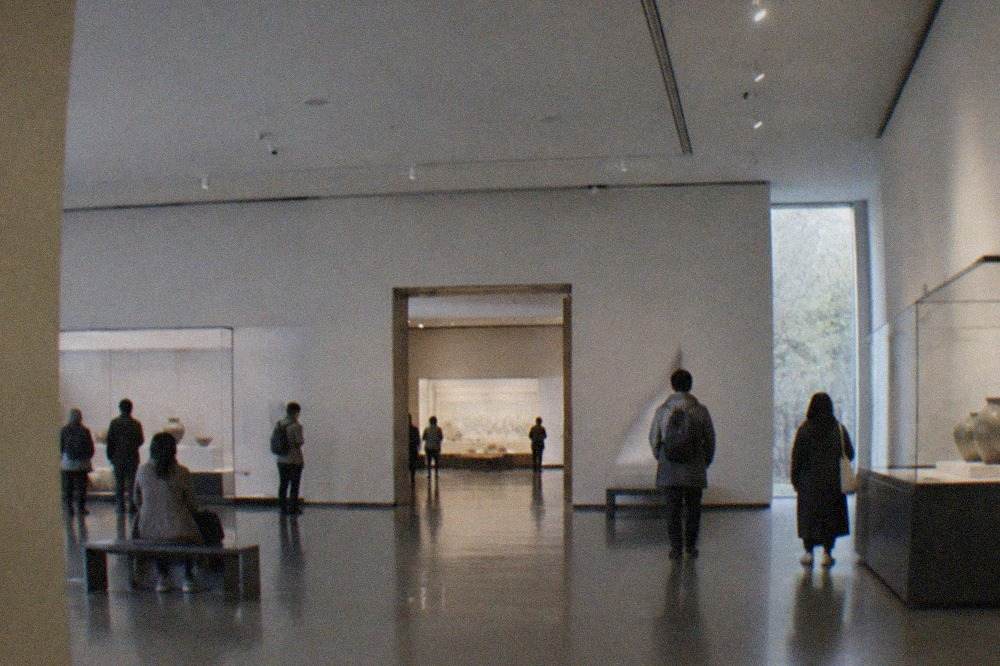
The Kyoto Railway Museum is the strongest pick for families, the Kyoto National Museum for Buddhist art, and the International Manga Museum for something Kyoto does better than anywhere else. The Kyocera Museum of Art is the best modern building of the four. Only the Railway Museum's full fee table is verified on the venue's own site.
Kyoto drew a record 62.79 million visitors in 2025, according to the city's own tourism survey released in June 2026, and most of those people came for temples. That is fair. But the city also runs a set of museums that solve three real problems: rain, heat, and the mid-afternoon wall that hits every family walking between Kinkaku-ji and Ginkaku-ji. The JMA 1991-2020 normals put July rainfall at 223.6 mm, the wettest month of the year, and August's mean daily maximum at 33.7 C, so an indoor afternoon is not a fallback here, it is part of a sensible plan.
This guide ranks the museums people actually ask about, which means the four in the question above plus the other indoor draws worth your time. One honesty rule runs through all of it: every fee printed here comes from the venue's own site as verified by our research, and where a museum does not publish a readable price, we say so instead of guessing. That matters more than usual on this page, because Kyoto's attraction pricing changed in 2026 and much of what you will read elsewhere is stale.
Which Kyoto Museums Are Worth It: National Museum, Kyocera Art, Manga Museum, Railway Museum?
The Kyoto Railway Museum is the best all-round pick, especially with children, at 1,500 yen for visitors 18 and over and 200 yen from age 3. The Kyoto National Museum is the pick for Buddhist art and national treasures. The International Manga Museum is unique to Kyoto and ideal on a rainy day. The Kyocera Museum of Art is worth it chiefly for its architecture and free-entry exhibitions.
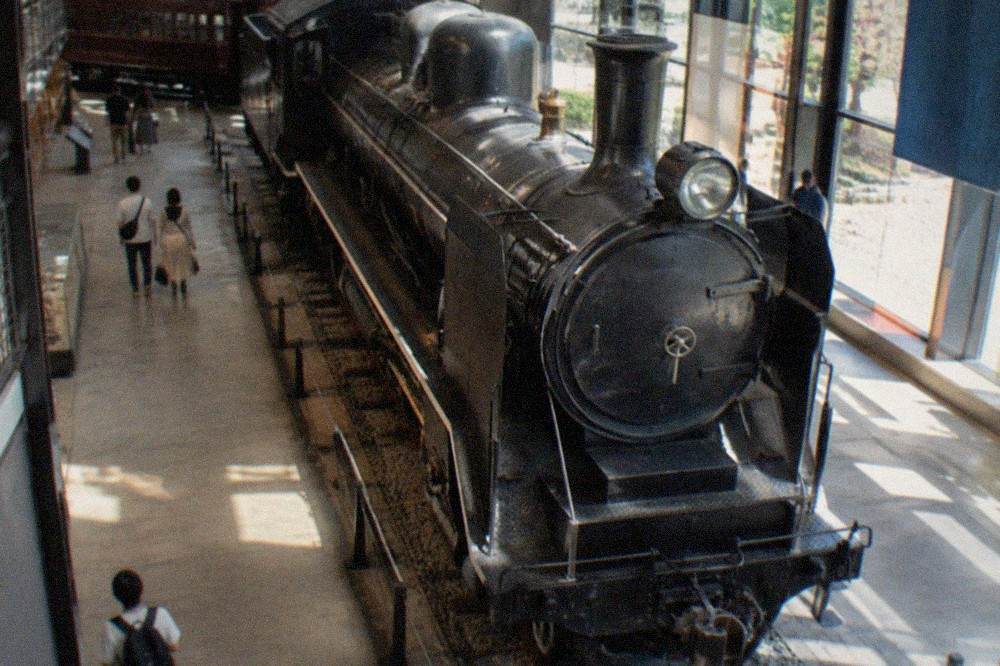
Ranking four very different institutions against each other is only useful if you know what each one is actually for, so here is the short version. The Railway Museum, run by JR West, is a working railway hall with steam locomotive rides, driving simulators and a huge fan deck over the shinkansen tracks approaching Kyoto Station. The Kyoto National Museum, opposite Sanjusangen-do, holds one of Japan's great Buddhist art collections. The International Manga Museum, a converted primary school, holds hundreds of thousands of volumes you can read on the spot. The Kyocera Museum of Art, in the Okazaki museum district, is a striking contemporary gallery space that costs nothing for its standard exhibitions.
A practical note before the detail. The Railway Museum's full fee table, hours and closed days are verified on the museum's own site. The Kyoto National Museum, the International Manga Museum and the Kyocera Museum of Art do not publish figures our research could verify on their own pages, so this guide names what each is known for and tells you to check the venue's current admission page rather than quoting a number that may be wrong. That is the honest version, and it beats a confident guess.
How Much Does The Kyoto Railway Museum Cost And When Is It Open?
The Kyoto Railway Museum charges 1,500 yen for visitors 18 and over, 1,300 yen for university and high school students, and 200 yen for children from age 3, with under-3s free. It is open 10:00 to 17:00 with last entry at 16:30, and it closes on Wednesdays and from 30 December to 1 January. Those are the museum's own published figures.
The fee structure rewards families hard. Two adults and two primary-school children enter for less than a single adult kaiseki lunch at Hyotei, whose own site prices its main-building course from 31,625 yen. For that money you get one of the largest railway collections in Japan, and the layout is built around doing rather than looking: you can walk under a full-size shinkansen, watch steam locomotive maintenance in the roundhouse area, and stand on a fan deck where the JR Tokaido and Sanyo shinkansen lines pass close enough to feel the wind.
| Visitor category | Admission | Notes |
|---|---|---|
| 18 and over | 1,500 yen | Standard adult admission |
| University and high school | 1,300 yen | ID may be requested |
| Children from age 3 | 200 yen | Flat child rate |
| Under 3 | Free | No ticket needed |
| Hours | 10:00-17:00 | Last entry 16:30 |
| Closed | Wednesdays | Also 30 December to 1 January |
The Wednesday closure is the single most common planning mistake with this museum. If Wednesday is your museum day, swap it with something open that day, and note the year-end closure straddles the New Year period when many travellers are in the city. The museum sits a short walk from Umekoji Park, ten to fifteen minutes on foot from Kyoto Station's central exit, which makes it the easiest major attraction in the city to reach without a bus.
The museum also marks its 10th anniversary in 2026, according to its own news pages, with ongoing events through the year. If you are travelling with children and only have time for one museum, this is the one, and the Railway Museum attraction page covers the collection in more depth.
Is The Kyoto National Museum Worth The Admission?
The Kyoto National Museum is worth it for anyone with a serious interest in Buddhist art, screens, sculpture and calligraphy, and it is the strongest museum in the city for rainy or hot days because its collections are dense enough for hours indoors. It sits directly opposite Sanjusangen-do, whose hall of 1,001 Kannon statues the temple itself confirms, so the two pair naturally into one afternoon.
The museum's strength is depth rather than spectacle. Its permanent collection covers over a thousand years of Japanese religious art, much of it removed from Kyoto temples that no longer display it, and its special exhibitions are among the most serious in the country. The catch for a casual visitor is that the permanent collection galleries and the special exhibition halls are ticketed separately, and the special exhibitions, the ones that make national news, can carry a noticeably higher price than the regular galleries.
Our research could not verify the museum's current admission figures on its own English pages, so we print none here. Check the museum's own site before you go, and expect the special exhibition to cost more than the regular collection. What we can say with confidence is the pairing logic: Sanjusangen-do charges 600 yen general admission, verified on the temple's own visit page, opens 8:30 to 17:00 from 1 April to 15 November, and is open every day. Doing both in one trip gives you the art in the museum and the art in situ.
One honest caution. If your interest in temples is mild, the National Museum can feel like a lecture, and the money may go further at the Railway Museum or the Manga Museum. If you found yourself staring at the Sanjusangen-do statues for twenty minutes, buy the ticket without hesitating.
Is The International Manga Museum Worth Visiting?
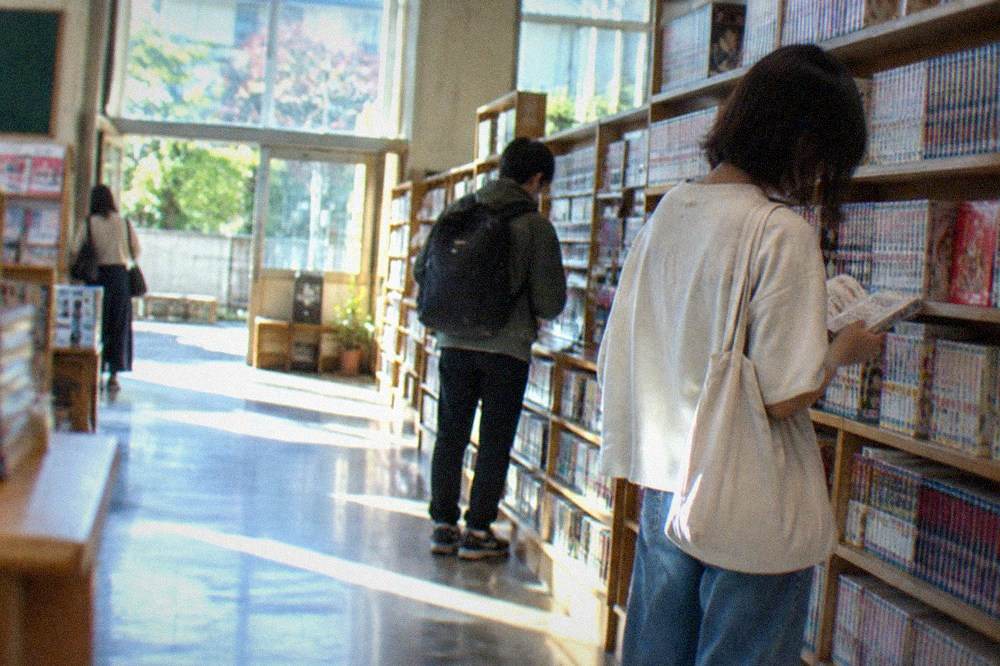
The Kyoto International Manga Museum is worth visiting if you have any interest in manga at all, and it is genuinely unique: a converted primary school holding hundreds of thousands of volumes, with shelves of reading copies you can pick up and read on the spot, on benches, stairs and the lawn outside. It is the best value-per-hour museum in Kyoto for teenagers and the best rainy-day pick in the city.
The museum is a partnership between Kyoto Seika University, which runs Japan's dedicated manga faculty, and the city, and the concept is simple: a library you can wander. The "Wall of Manga", a continuous run of shelving through the building, holds tens of thousands of volumes, with foreign-language sections so non-Japanese readers are not left out. There are also rotating exhibitions on manga history, drawing and artists, and periodic events with working artists.
| Museum | Best for | Admission status on this page |
|---|---|---|
| Kyoto Railway Museum | Families, trains, simulators | Verified: 1,500 / 1,300 / 200 yen |
| Kyoto National Museum | Buddhist art, national treasures | Check the museum's own site |
| International Manga Museum | Teens, readers, rainy days | Check the museum's own site |
| Kyocera Museum of Art | Architecture, modern art, Okazaki | Standard exhibitions free entry |
| Nidec Kyoto Tower | Views, quick visit | Verified: 900 / 700 / 600 / 200 yen |
| Toei Kyoto Studio Park | Film sets, costume experiences | No readable price published |
The museum's admission figures were not verifiable on its own pages during our research, so we print none. What is stable knowledge is the shape of a good visit: two to three hours is enough for most people, longer if you actually read. The building is a former primary school in Nakagyo, a few minutes from Karasuma Line's Karasuma-Oike subway station, so it pairs well with downtown Kawaramachi or with a Kyoto cafes stop, since the surrounding blocks hold some of the city's best kissaten.
For families weighing it against the Railway Museum, the split is roughly this: children under about 8 get more from the trains, children over about 10 who read manga get more from here, and a family with one of each can split up for an afternoon and reunite for dinner.
Is The Kyocera Museum Of Art Worth The Trip?
The Kyocera Museum of Art is worth the trip primarily for its architecture and its free standard exhibitions, housed in a striking contemporary building in Kyoto's Okazaki museum district beside the canal, Heian Shrine and the zoo. It is the best modern gallery space in the city, and it costs nothing to enter for its regular programme, which makes it the lowest-risk museum pick in Kyoto.
The building is the reason most people go. It is a serious piece of contemporary architecture, with a glass-fronted design that reads as a horizontal lantern along the Niomon-dori approach to Heian Shrine, and the interior galleries are calm, well-lit and rarely crowded compared to the temple circuit. The collection and exhibition programme leans modern and contemporary, mixing Japanese and international artists, with some exhibitions carrying their own separate admission.
The location is the other argument. Okazaki is Kyoto's museum quarter: the National Museum of Modern Art, the city zoo, Heian Shrine with its giant torii, the canal and the start of the Philosopher's Path are all within a short walk. The Okazaki area guide maps the whole district, and a half-day there delivers more variety per kilometre than almost anywhere else in the city. On a clear day, walk it. On a wet one, the Kyocera Museum and the modern art museum next door will absorb the rain.
Because standard entry is free, the only planning question is whether a special exhibition is running during your dates, and that changes the value calculation. Check the venue's own exhibition page before going, since special shows carry their own pricing that our research did not verify.
What Other Kyoto Museums And Indoor Attractions Are Worth It?
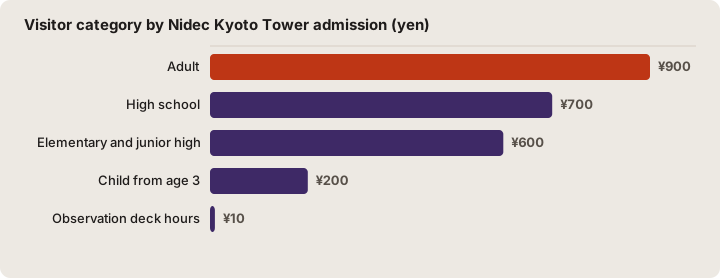
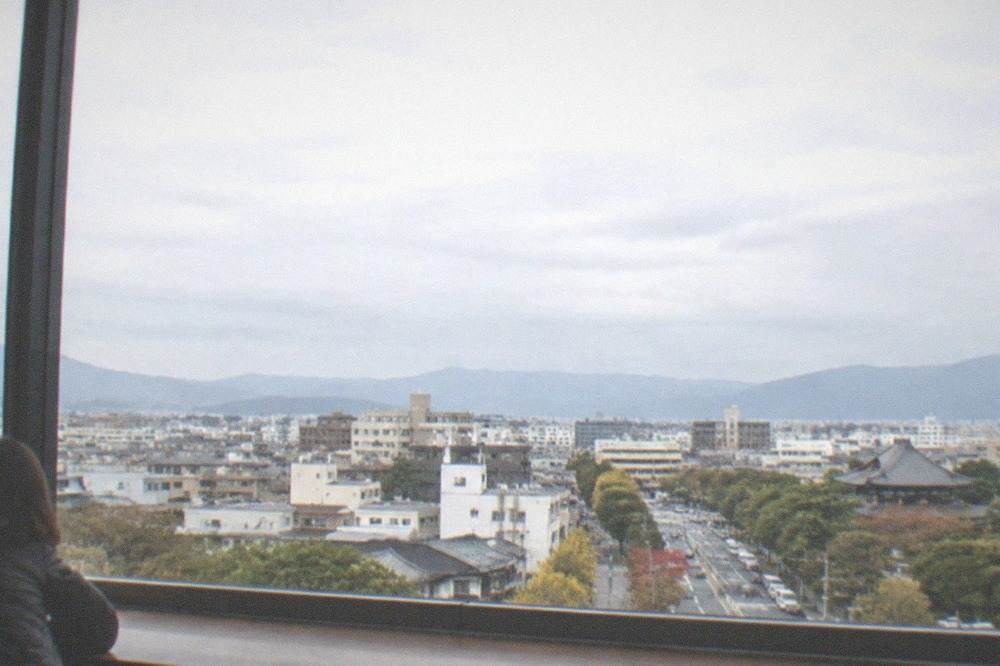
Beyond the big four, the strongest indoor options are Nidec Kyoto Tower at 900 yen adult for the observation deck, the Toei Kyoto Studio Park for film-set experiences, though it publishes no readable price so check before you go, and the Kyoto Railway Museum already covered above. The Nidec Kyoto Tower observation deck is open 10:00 to 21:00 with last admission at 20:30, which makes it the best evening indoor stop in the city.
Nidec Kyoto Tower, and the sponsor name is part of the official title, is the most underrated quick visit in Kyoto. It stands directly across from Kyoto Station, the deck stays open until 21:00, and the verified fee table is gentler than most temple admissions.
| Visitor category | Nidec Kyoto Tower admission |
|---|---|
| Adult | 900 yen |
| High school | 700 yen |
| Elementary and junior high | 600 yen |
| Child from age 3 | 200 yen |
| Under 3 | Free |
| Observation deck hours | 10:00-21:00, last admission 20:30 |
Toei Kyoto Studio Park is a working film set for period dramas with costume experiences and ninja shows, and it is a strong family day out. But its official ticket pages do not publish a readable price, so this guide prints none: check the park's own ticket page before budgeting. The Toei Kyoto Studio Park attraction page covers what the park actually contains.
Two more indoor-adjacent options deserve a line. The Kyoto Imperial Palace is free and states on the Imperial Household Agency's own site that it is "open to all visitors, no advance application necessary", though hours were not verifiable, so check before going. And Sanjusangen-do, while a temple rather than a museum, functions as one: 1,001 statues in a single hall, verified by the temple itself, at 600 yen general admission. It is the single most museum-like hour in Kyoto.
How Do You Fit Kyoto's Museums Into A Trip?
The efficient pattern is one museum per day, slotted into the hours temples do not want: the Railway Museum near Kyoto Station on an arrival or departure day, the National Museum paired with Sanjusangen-do in the east, the Manga Museum on a downtown shopping day, and the Kyocera Museum of Art folded into an Okazaki and Philosopher's Path morning. Museums also carry your rain plan: Kyoto's wettest month is July at 223.6 mm, not June, per the JMA 1991-2020 normals.
The geography does most of the work. The Railway Museum is a ten-minute walk from Kyoto Station, so it belongs on the day you arrive or the day you leave, when you are already near your luggage line. The National Museum and Sanjusangen-do sit together in Higashiyama's south, reachable on the Keihan Line from downtown. The Manga Museum sits in the middle of downtown, between Karasuma-Oike and the Kawaramachi shopping streets. Okazaki, holding the Kyocera Museum of Art, is the eastern edge of downtown and feeds directly into the Philosopher's Path walk north.
| Day type | Museum slot | Pairs with |
|---|---|---|
| Arrival or departure day | Railway Museum | Kyoto Station, Nidec Kyoto Tower at dusk |
| East-side temple day | Kyoto National Museum | Sanjusangen-do, Kiyomizu-dera |
| Downtown shopping day | International Manga Museum | Kawaramachi, Nishiki Market, cafes |
| Fine-weather morning | Kyocera Museum of Art | Okazaki, Heian Shrine, Philosopher's Path |
| Rain day, any location | Manga Museum or Railway Museum | Indoor lunch, covered arcades |
Families should read the Kyoto with kids itinerary for the fuller version of this pattern, including how the Railway Museum and the studio park split across two days. If you are weighing the whole trip, the is Kyoto worth visiting answer runs through what the city does that nowhere else in Japan does, and museums are a real part of that case: the Manga Museum and the Railway Museum are both genuinely hard to replicate elsewhere.
One timing note that is easy to miss. The Railway Museum closes on Wednesdays, several temples close or shorten hours in late December, and the city's own crowd data shows weekends and midday are the worst combination. The Kyoto Tourism Comfort Forecast, run by the city's tourism association, publishes predicted crowd levels for spots and time slots, and it is worth a look the night before any museum day.
Are Kyoto Museums Better Than Kyoto Temples For A First Visit?
No, temples should still lead a first visit: Kyoto's UNESCO-listed temples and shrines are what the city is for, and no museum replaces Kinkaku-ji at 500 yen or Fushimi Inari, which is free. But museums earn a full day out of a four or five day trip, because they solve rain, heat and fatigue, and the Railway Museum and Manga Museum offer experiences the temples cannot. The honest split is roughly one museum day per three or four days in the city.
The case for temples is not sentimental, it is arithmetic. The verified temple fees are low: Kinkaku-ji at 500 yen, Ryoan-ji at 600, Sanjusangen-do at 600, and Fushimi Inari free with no closing time on its paths, per the shrine's own FAQ. The city's 2025 survey recorded 62.79 million visitors, and the overwhelming majority came for that circuit. A first-timer who skips it has missed Kyoto.
But the museum case is real too. The JMA record table shows three of Kyoto's six hottest days on record fell in the summers of 2024, 2025 and 2026, with 2026 hitting 39.7 C on 23 July, and August's mean daily maximum sits at 33.7 C. An air-conditioned hall at 14:00 in August is not weakness, it is scheduling. The same logic applies to the rainy season: July's 223.6 mm mean rainfall is the highest of any month.
There is also a price argument. Ginkaku-ji doubled its admission to 1,000 yen from 1 April 2026, verified on the temple's own notice, so the Silver Pavilion now costs less than the Railway Museum charges an adult but gives you a fraction of the time, and the museum's three to four hours beat the temple's one. For a budget-conscious family, that trade is worth making consciously. The Kyoto on a budget guide and the Kyoto temples guide cover both sides of that decision.
What Should You Know Before Buying Kyoto Museum Tickets?
Buy the Railway Museum ticket ahead if you are going on a weekend or a Japanese public holiday, check the Kyoto National Museum's special exhibition pricing on its own site before deciding, confirm the Manga Museum's current admission the same way, and remember the Railway Museum's Wednesday closure and 30 December to 1 January shutdown. The Toei Kyoto Studio Park publishes no readable price, so budget from its own ticket page only.
A few practicalities finish the picture. The Subway and Bus One-Day Pass, at 1,100 yen adult and 550 yen child, verified on the city's transport bureau pages, covers the subway rides that connect every museum in this guide, and the city bus flat fare is 230 yen if you ride a single route. The old bus-only one-day pass no longer exists; sales ended in September 2023 and the last day of use was 31 March 2024, so any guide recommending it is out of date.
For the Railway Museum specifically, an advance ticket saves the counter queue on busy days, and the entry ticket product sold through this site's operator listing is the simplest way to do that. For the National Museum, the decision that matters is permanent collection versus special exhibition, and only the museum's own site can tell you what is showing and at what price during your dates.
Finally, the accommodation tax changed on 1 March 2026, with the top tier rising from 1,000 to 10,000 yen per person per night on rooms of 100,000 yen and up, so check your hotel bill line items rather than assuming last year's rates. None of this affects museum admission directly, but it is the difference between a budget you planned and a budget you kept.
Common Questions About Kyoto Museums
Which Kyoto Museums Are Worth It: National Museum, Kyocera Art, Manga Museum, Railway Museum?
The Railway Museum is the best family pick at 1,500 yen for adults and 200 yen from age 3, the National Museum is the pick for Buddhist art, the Manga Museum is the best rainy-day and teen pick, and the Kyocera Museum of Art is the best free-entry option in the Okazaki district.
Is the Kyoto Railway Museum good for children?
Yes, it is the strongest children's museum in the city. Admission is 200 yen from age 3, the collection includes full-size shinkansen and steam locomotives, and the museum is open 10:00 to 17:00, closed Wednesdays and 30 December to 1 January.
How long do you need at the Kyoto International Manga Museum?
Two to three hours covers the shelves, the reading areas and the main exhibitions for most visitors. Readers who settle in with volumes on the lawn or the stair landings routinely stay longer.
Is the Kyoto National Museum or Sanjusangen-do better?
Do both if time allows. Sanjusangen-do charges 600 yen general admission and holds 1,001 Kannon statues confirmed by the temple itself, and it sits directly opposite the museum, so the pairing is a natural half-day.
Are Kyoto museums open on rainy days?
Yes, and they are the standard rain plan. July is Kyoto's wettest month at 223.6 mm in the JMA 1991-2020 normals, and the Manga Museum and Railway Museum in particular are built for hours indoors.
Which Kyoto museums are free?
The Kyocera Museum of Art's standard exhibitions are free to enter, and the Kyoto Imperial Palace is free and open to all visitors without advance application. The Railway Museum, National Museum and Manga Museum all charge admission.
The short version of this whole guide: put the Railway Museum on your station day, the National Museum beside Sanjusangen-do, the Manga Museum in your rain plan, and the Kyocera Museum of Art into a fine Okazaki morning. Do that, and the museums will not compete with the temples, they will rescue the hours the temples cannot fill. For the wider picture of what the city holds, start with the things to do in Kyoto round-up and the Kyoto Travel Guide homepage, and check each museum's own site for the admission figures this page could not verify.