What Is In Okazaki: Heian Shrine, Two Art Museums, The Zoo And Nanzen-ji?
Okazaki is Kyoto's compact cultural quarter, a walkable grid east of the Kamo River where a shrine built at two-thirds scale, two serious art museums, a 1903 zoo and the head of the Philosopher's Path all sit within about fifteen minutes' walk of each other.
Short answer
Okazaki holds Heian Shrine, the National Museum of Modern Art and the Kyoto City KYOCERA Museum of Art, Kyoto City Zoo, Nanzen-ji, the Lake Biwa Canal and the start of the Philosopher's Path, all reachable on foot from Higashiyama or Keage stations.
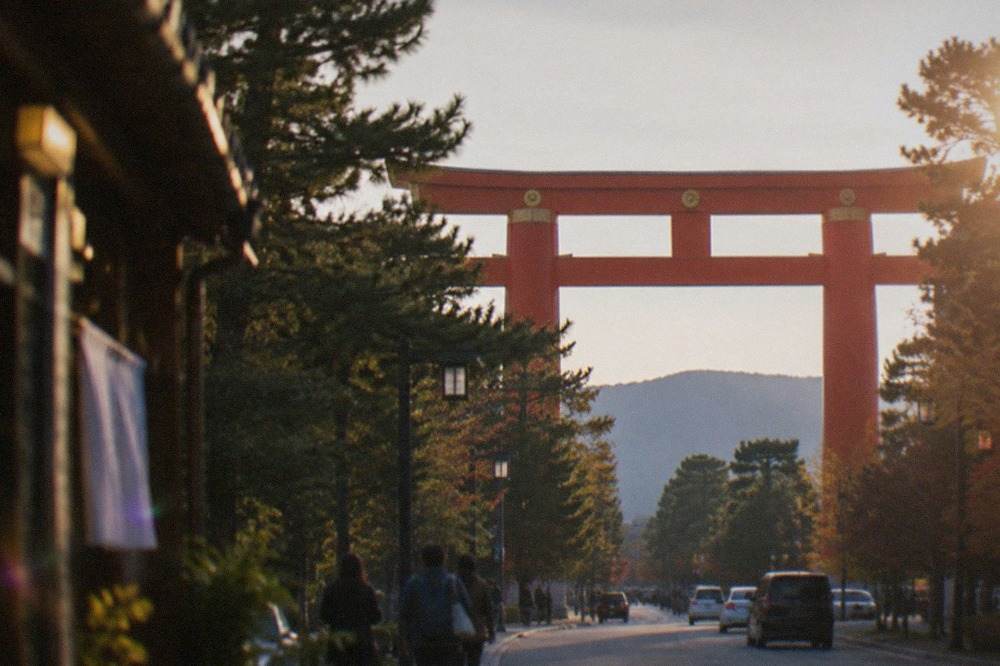
Okazaki is the stretch of Kyoto that most visitors cross without realising it has a name. It runs east of the Kamo River around Heian Shrine and the Lake Biwa Canal, anchored by the giant red torii on Niomon-dori, and it packs a shrine with one of the city's best gardens, two major art museums, a zoo that opened in 1903, and the great Zen complex of Nanzen-ji into a district you can cross on foot in about twenty minutes. The city's own tourism association treats it as a single sightseeing zone, and the EX100 tourist express bus was routed straight through it, from Kyoto Station past Gion to Heian Shrine and on to Ginkaku-ji, precisely because so many first-time visitors want exactly these stops.
This page lays out what is actually in Okazaki, what each piece costs, how the pieces fit together in a day, and where the district sits relative to the Higashiyama temple belt it borders. The fees and hours below come from the venues' own published pages, and where a venue does not publish a figure, this guide says so rather than guessing.
What Is the Okazaki Area of Kyoto Known For?
Okazaki is known as Kyoto's museum and shrine quarter: a canal-side park zone holding Heian Shrine, the National Museum of Modern Art, Kyoto, the Kyoto City KYOCERA Museum of Art, Kyoto City Zoo, the Lake Biwa Canal and its boat rides, and the western approach to Nanzen-ji. It was laid out as a cultural district around the Fourth National Industrial Exhibition of the Meiji era, and that plan still shapes it: green space, wide boulevards and institutions rather than shops and nightlife.
The district's origin explains its odd character for a Japanese city block. When Kyoto hosted the Fourth National Industrial Exhibition, the city needed a large site east of the Kamo River, and the exhibition's success led directly to two permanent additions: the canal-era industrial heritage along the Lake Biwa Canal, built in the late nineteenth century to bring water and freight from Lake Biwa, and Heian Shrine itself, built for the 1100th anniversary of the city's founding. The shrine reproduces at two-thirds scale the main hall of the original Kyoto Imperial Palace of Heian-kyo, so the district's centrepiece is a Meiji-era reconstruction of a Heian palace, dedicated to the emperors who ruled from it.
Everything else filled in around that core. Kyoto City Zoo opened in 1903, making it one of the oldest zoos still operating in Japan. The Kyoto City Museum of Art, now the Kyoto City KYOCERA Museum of Art after a naming sponsorship, occupies a landmark stone building in the same exhibition zone. The National Museum of Modern Art, Kyoto, known as MOMAK, took over a former auxiliary building of the same exhibition site and later moved to its current building beside the canal. The Kyoto Prefectural Library sits in the park between them. The result is a district where a family can split up for two hours, a shrine-goer, a gallery-goer and a seven-year-old, and reconvene for lunch.
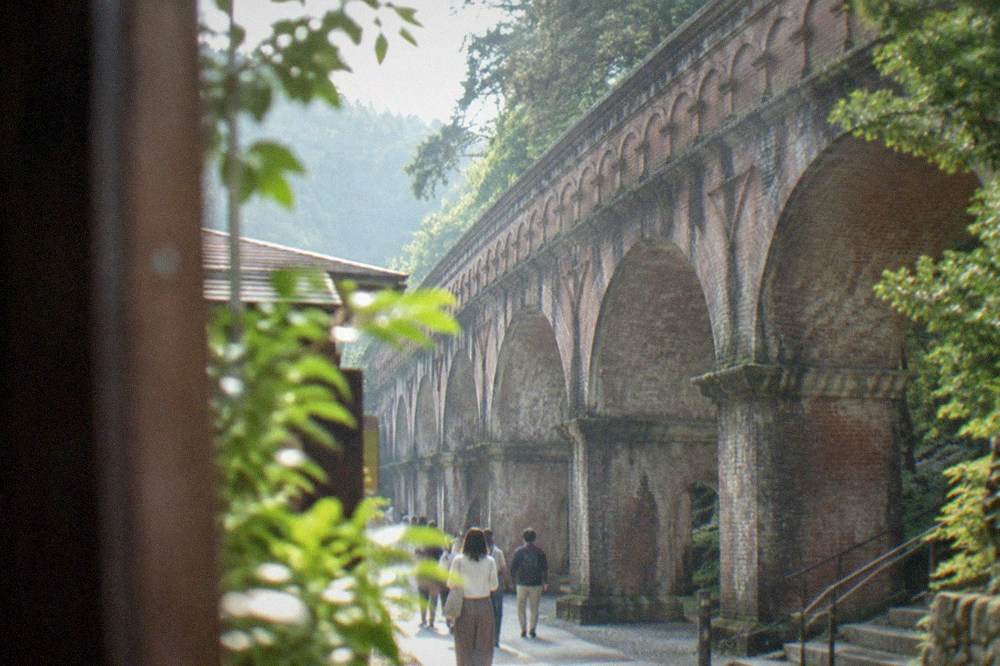
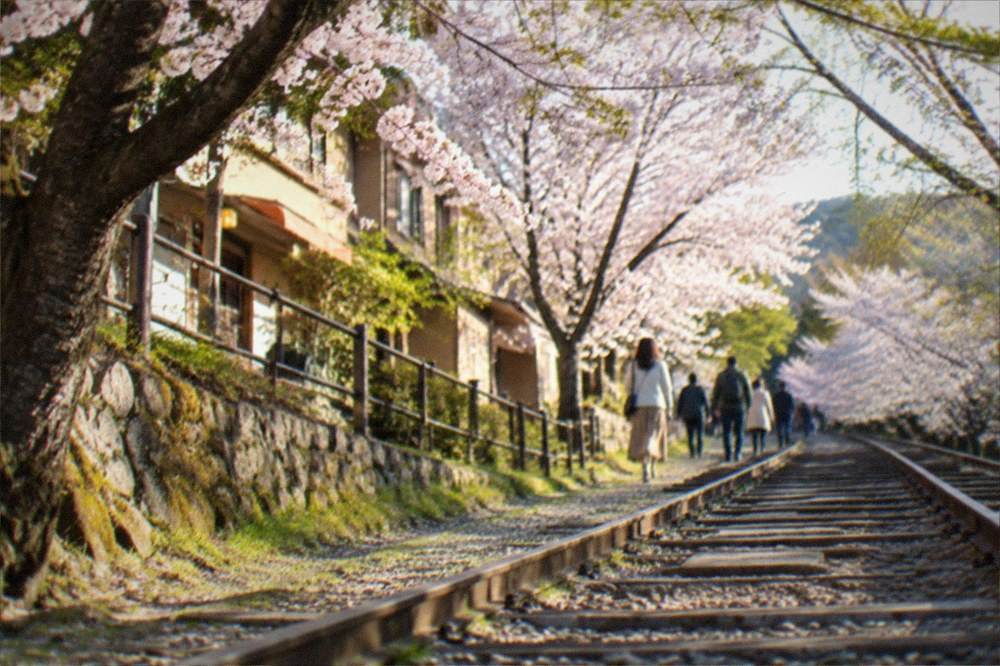
The Lake Biwa Canal is the piece most guides underuse. The red-brick aqueduct that carries canal water over the Keage Incline, next to Nanzen-ji, is one of the most photographed industrial structures in Japan, and the Keage Incline itself, a retired boat-railway ramp where canal boats were hauled between water levels, is now a free public footpath famous in cherry season. The cherry trees along the incline and the canal are why the cherry blossom itinerary for this site sends readers through Okazaki in early April.
How Much Time Do You Need for Okazaki Kyoto?
Half a day covers the core: Heian Shrine and its garden take about an hour, the museum pair needs ninety minutes each if you go inside, the zoo runs two to three hours for families, and Nanzen-ji plus the aqueduct walk adds another ninety minutes. A full day lets you add the Philosopher's Path north to Ginkaku-ji, a walk of roughly two kilometres each way with temples along it. Most first-time visitors do Okazaki as a morning and move on.
The honest planning answer depends on what you skip. The two museums are not a quick photo stop; MOMAK holds a rotating display from a collection of around 12,000 modern works, and the KYOCERA Museum's permanent collection and its special exhibitions are separately ticketed, so a serious art visitor could spend the entire day between them. The zoo is compact by international standards but its footprint plus a rest break eats a morning if children are involved. Nanzen-ji alone, with its Sanmon gate, Hojo garden and the aqueduct, justifies the time budget of a temple visit, and its verified hours are generous: 8:40 to 17:00 from March to November and 8:40 to 16:30 in winter, with no general visits from 28 to 31 December.
A workable sequence, and the one the district's geography pushes you toward: start at Nanzen-ji in the morning while the Zen garden is quiet, walk the aqueduct and Keage Incline, cross Okazaki Park to Heian Shrine, have lunch in the Okazaki or Higashiyama grid, then choose one museum or the zoo for the afternoon, and finish on the shrine's vermillion bridge in the garden. Reverse it if you want the museums' late hours, since the museums, not the temple, are the evening option.
If your energy runs past the district's edges, the full Kyoto itinerary slots Okazaki into day two or three of a first visit, after the Fushimi Inari shrine and the Gion side. For travellers with more days than sights, the hills east of the district climb toward the Kurama and Kibune trail country, covered in the Kurama and Kibune guide, though that is a separate railway trip rather than a walk.
What Does It Cost to Visit Nanzen-ji From Okazaki?
Nanzen-ji's grounds are free to walk, but its two main sights charge separately: the Hojo garden is 600 yen general, 500 high school, 400 elementary and junior high, and the Sanmon gate is 600 / 500 / 400 on its own ticket. The temple is open 8:40 to 17:00 from March to November and 8:40 to 16:30 from December to February, with reception ending twenty minutes before closing. There is no single combined ticket for the two.
Nanzen-ji is technically the head temple of the Rinzai Zen sect's Nanzen-ji branch, and its scale shows it: the Sanmon gate, the Hojo and its dry landscape garden, the Leaping Tiger Garden, and a set of sub-temples spread across the hillside. The fee structure matters because the headline "Nanzen-ji 600 yen" that circulates in older guides describes only one of the two tickets. A visitor who wants both the garden and the gate upper level pays for each. The sub-temples, including Nanzen-in with its pond garden, are ticketed separately again, at 500 / 450 / 350 for Nanzen-in.
| Nanzen-ji sight | General | High school | Elementary and junior high | Hours |
|---|---|---|---|---|
| Hojo garden | 600 yen | 500 yen | 400 yen | 8:40-17:00 (to 16:30 Dec-Feb) |
| Sanmon gate | 600 yen | 500 yen | 400 yen | Same as grounds |
| Nanzen-in sub-temple | 500 yen | 450 yen | 350 yen | Same as grounds |
| Grounds, aqueduct, approach | Free | Free | Free | No closing time for the paths |
The temple publishes group rates for parties of 30 or more, and holders of a disability handbook plus one companion enter free. What the temple does not publish on the pages this site verified is a closing time for the outer grounds, so treat the paths around the aqueduct as walkable in daylight rather than quoting an hour.
The aqueduct deserves its own sentence. The red-brick arches carrying the Lake Biwa Canal through the temple's hillside were built as working infrastructure in the Meiji era, and they still carry water. They are free to photograph, reachable in about five minutes' walk uphill from the Sanmon, and they connect directly to the Keage Incline. This is the point where a temple visit turns into an engineering one, and it is the single best free sight in the district. More of the city's free-versus-charged landscape is laid out in the guide to things to do in Kyoto.
Is Heian Shrine Worth Visiting in Okazaki Kyoto?
Heian Shrine is worth visiting for its garden rather than its buildings: the shrine is a two-thirds-scale reproduction of the Kyoto Imperial Palace's main hall, but its roughly 30,000 square metre strolling garden, designed with ponds, weeping cherries, irises and the vermillion Gionkaku bridge, is one of the largest shrine gardens in the city. The outer grounds and the giant torii approach are free to walk, and the shrine is the destination of the EX100 tourist express bus from Kyoto Station.
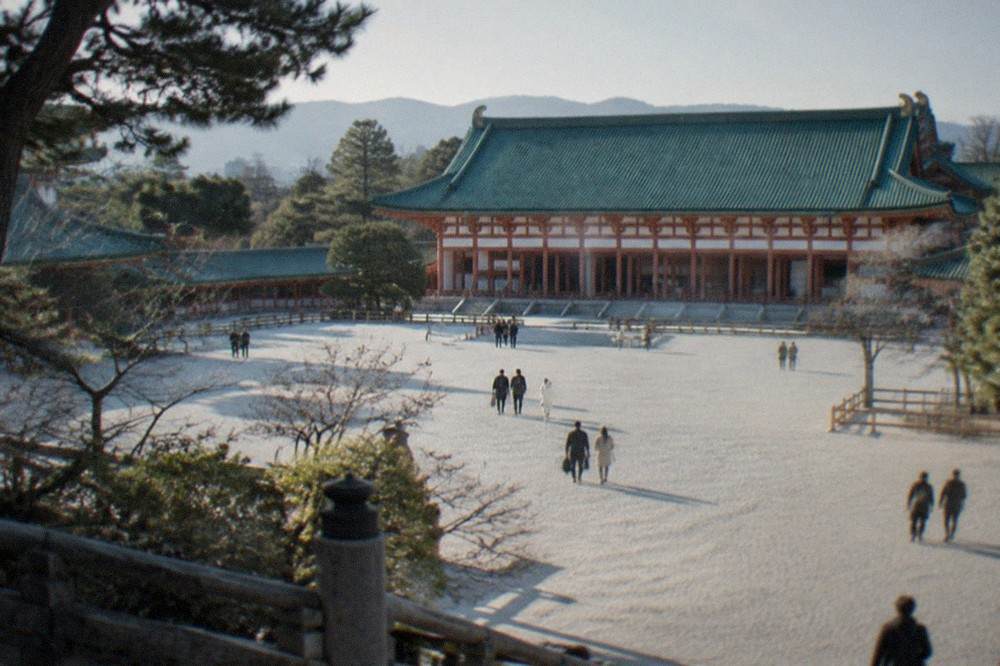
The shrine's history is short but specific. It was built for the 1100th anniversary of Heian-kyo's founding, dedicated to Emperor Kammu, who founded the city, and Emperor Komei, its last reigning resident emperor. Because it is a reproduction rather than a medieval survivor, its value is architectural and seasonal, not antiquarian. The forecourt's white gravel expanse and the green-and-white hall with cypress-bark roofing photograph well, but the garden behind it is the reason to pay the entry.
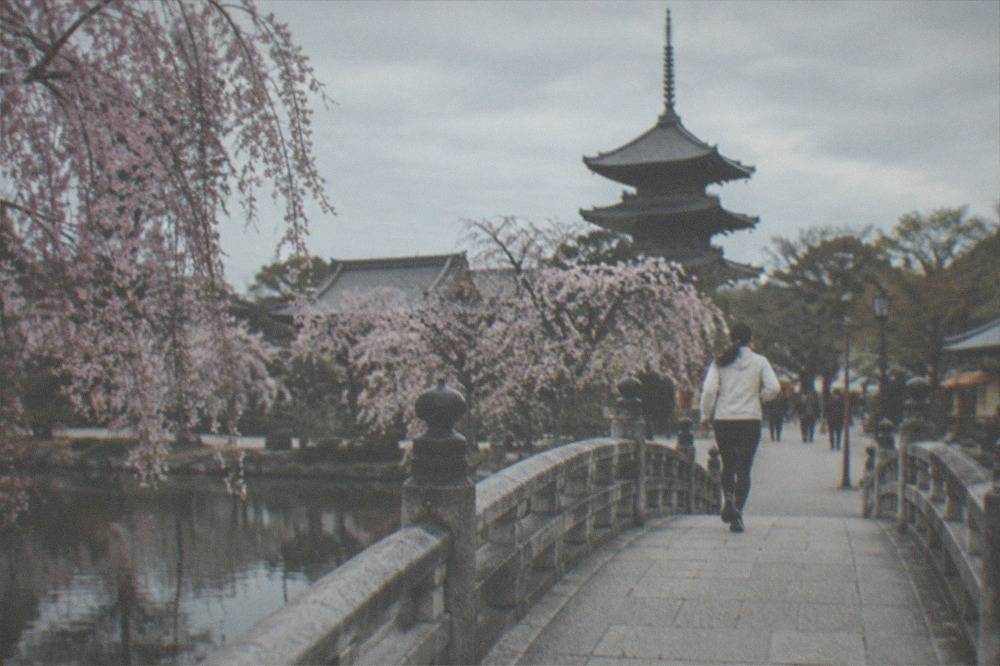
The garden's season matters more than most guidebook copy admits. Its weeping cherries bloom roughly a week after the somei-yoshino mainstream crop, which stretches the Okazaki cherry season into mid-April, and its irises and water lilies carry the pond interest into early summer. The JMA phenology record for Kyoto puts the 1991 to 2020 normal full bloom for standard cherries at 4 April, with 2026's full bloom on 30 March, so the weeping varieties in the shrine garden are the second act, not the first. The shrine's own published fee schedule was not among the pages this site verified, so check the current garden admission at the gate rather than trusting a figure copied from an older guide.
Heian Shrine also anchors the district's biggest single day. The Jidai Matsuri, the Festival of the Ages, departs from the Kyoto Imperial Palace and processes to Heian Shrine every 22 October, with a 9:00 departure for the main procession after the 8:00 Shinko-sai, and the shrine is the festival's terminus, as the Heian Jingu ritual page states. The parade's 2,000-plus costumed participants, dressed in gear from the Heian to Meiji eras, pass right through the Okazaki grid. Crowds are heavy and the streets around the shrine close to traffic, so if your visit falls on 22 October, treat the festival as the day's plan rather than an obstacle. The Jidai Matsuri guide covers the route and viewing spots in detail.
What Are the Two Art Museums in Okazaki Kyoto?
The two art museums in Okazaki are the National Museum of Modern Art, Kyoto, known as MOMAK, a national museum of Japanese and international modern art from the Meiji era onward, and the Kyoto City KYOCERA Museum of Art, the city's public museum, housed in a grand stone exhibition-era building and focused on Kyoto artists plus major special exhibitions. They face each other across Okazaki Park, roughly a five-minute walk apart, and are distinct collections rather than rivals.
MOMAK is the national institution. Its collection runs to roughly 12,000 works, with Western-style Japanese painting, Japanese-style nihonga, prints, photography and design, and it mounts large loan exhibitions alongside the collection display. The building, with its stone and glass entrance wing, sits at the northern end of the park, beside the canal. The KYOCERA Museum, renamed after its corporate sponsor in a naming-rights deal, occupies the former Kyoto Municipal Museum of Art, a landmark stone building that is itself one of the district's sights. Its collection centres on Kyoto-linked artists, and its special exhibition programme is among the most heavily visited in western Japan, which is why timed entry is common in peak exhibition seasons. The rest of the planning pages sit on Kyoto Travel Guide.
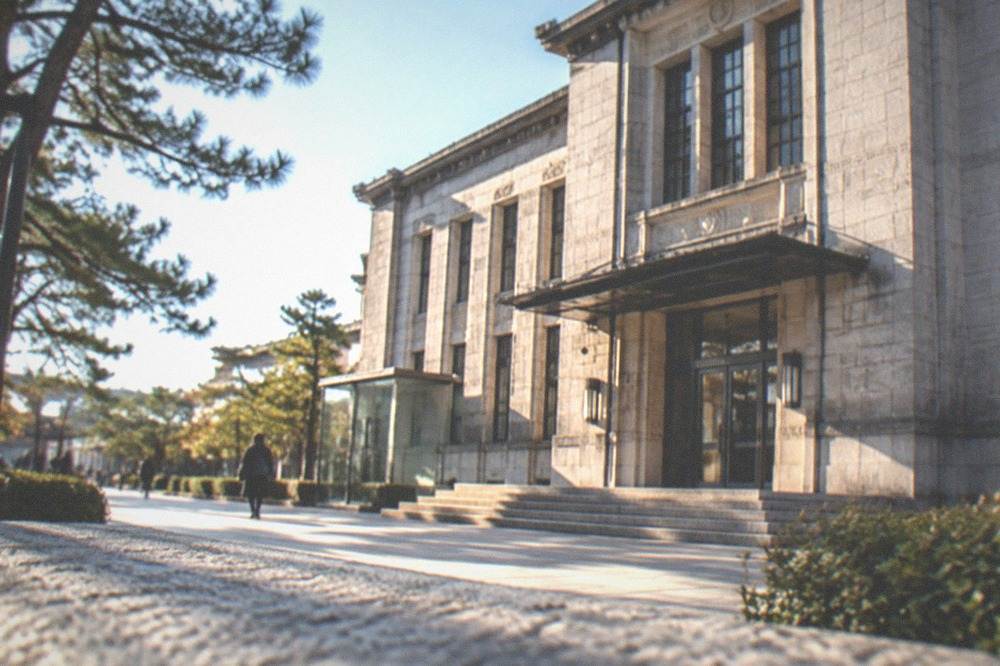
Neither museum's current admission is among the figures this site verified against the venues' own pages, and museum pricing moves with the exhibition, so treat any single number with suspicion and check the museum's own site for the show you actually want. What can be said plainly: the collection displays are cheaper than the special exhibitions, both museums close on a weekly rest day, generally Monday or around New Year, and both sit inside a ten-minute walk of Heian Shrine's torii. The Kyoto museums guide compares them against the city's other collections, including the Kyoto National Museum on the Sanjusangen-do side of town.
For visitors mixing museums with temples, the practical note is pacing. Both museums are dim, quiet and seated-experience venues, and the temple circuit is the opposite. Doing Nanzen-ji, then a museum, then the shrine garden in one day works because the three experiences use different muscles; doing two museums back to back before a temple tends not to.
Is Kyoto City Zoo Worth a Visit in Okazaki?
Kyoto City Zoo, opened in 1903, is a compact city zoo holding roughly 700 animals of about 130 species, including its famous western lowland gorilla troop, and it sits directly south of the two art museums, making it one of the few zoos in Japan inside a major sightseeing district. It is worth a visit mainly for families with children and for travellers with a spare ninety minutes, not as a destination in itself.
The zoo's age is both its limitation and its interest. It is one of the oldest zoos in Japan, and decades of redevelopment have replaced most of the original cages, with the gorilla house and the elephant enclosure rebuilt to modern standards. Its size, about 3.4 hectares, means a full circuit takes under two hours, which for a family with a primary-schooler is a feature: it is the rare zoo a child can finish. Its current admission prices are not among the figures this site verified on the zoo's own pages, so check at the gate.
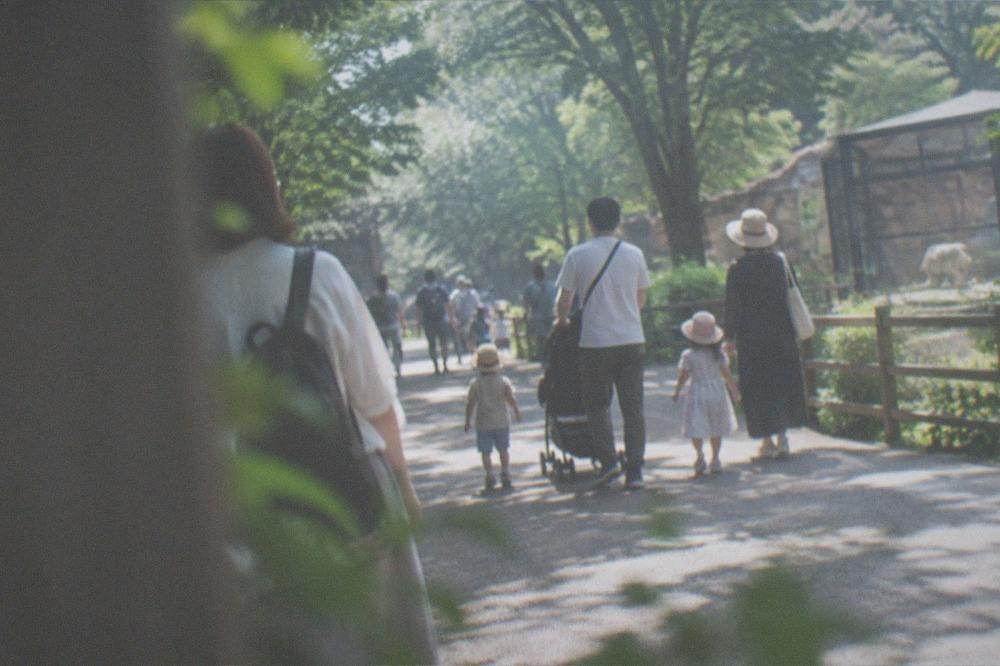
The zoo's practical value to most visitors is as a bargaining chip in group itineraries. It sits between the museums and the shrine, so a party that splits, art lovers to MOMAK, a parent and child to the zoo, can reconvene at Heian Shrine's grounds within minutes. It is also one of the district's few rainy-day options, being mostly walkable under umbrellas, and the Kyoto rainy day coverage on this site treats it as such. For accessibility, the district's flat grid and the zoo's paved paths make Okazaki one of the better wheelchair and stroller zones in a hilly city, a point the Kyoto accessibility guide expands on.
How Do You Get to Okazaki Kyoto From Kyoto Station?
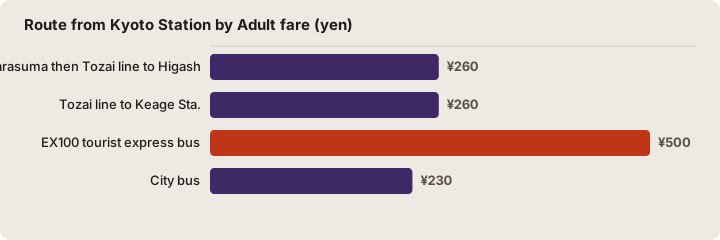
The fastest route from Kyoto Station is the Karasuma subway line to Karasuma Oike, then the Tozai line east to Higashiyama Station, about 20 minutes total for around 260 yen, putting you a five-minute walk from the shrine's torii. The EX100 tourist express bus runs directly from Kyoto Station past Gojo-zaka and Gion to the Okazaki and Heian Shrine stops and on to Ginkaku-ji, at 500 yen per adult ride. Keage Station on the Tozai line serves the Nanzen-ji end of the district.
The subway math is simple. Kyoto's subway charges 220 to 360 yen by zone, and the city bus charges a flat 230 yen per adult ride, so a party of three or four saves meaningfully on the subway for any trip longer than a short hop. The Subway and Bus One-Day Pass at 1,100 yen adult and 550 yen child covers both, plus the EX100, and pays off at about three combined rides. The old bus-only one-day pass no longer exists; sales ended in September 2023 and the last valid day of use was 31 March 2024, so any guide still quoting a 700 yen bus pass is out of date.
| Route from Kyoto Station | Time | Adult fare | Best for |
|---|---|---|---|
| Karasuma then Tozai line to Higashiyama Sta. | About 20 min | 260 yen | Shrine and museums first |
| Tozai line to Keage Sta. | About 20 min | 260 yen | Nanzen-ji and the incline first |
| EX100 tourist express bus | About 30 min | 500 yen | Direct to Kiyomizu, Gion, Okazaki, Ginkaku-ji |
| City bus | About 35 min | 230 yen flat | Stops along the way |
The EX100 deserves its own paragraph because it was built for exactly this itinerary. The city transport bureau's own page for the limited express buses gives the route as Kyoto Station to Gojo-zaka on the Kiyomizu side, then Gion, then Okazaki and Heian Shrine, then Ginkaku-ji, with the EX101 variant running direct to the Kiyomizu side every seven to eight minutes in the morning on operating days. The fare is 500 yen adult and 250 yen child in cash, with IC cards and the one-day passes accepted. It runs primarily on weekends and holidays and in peak periods, so check the operating calendar before relying on it. The Kyoto buses guide covers the regular routes through the district.
Walking in is also realistic. From Gion's Hanamikoji street, the shrine's torii is about a 25-minute walk north-east, and the route along Niomon-dori, a broad avenue with the torii dead ahead, is one of the city's most satisfying approach walks.
When Is the Best Time to Visit Okazaki Kyoto?
Cherry season is the district's peak, with the Keage Incline and the canal banks among the most famous free hanami spots in Kyoto, and the JMA normals put full bloom at 4 April; the shrine garden's weeping cherries then extend the season into mid-April. Autumn brings the momiji along the canal and Nanzen-ji's hillside, with the JMA normal for red leaves at 5 December but the district's visible peak in late November. Weekday mornings are the quietest window year-round.
The phenology record is the honest way to plan around the crowds. The JMA Kyoto observatory's 1991 to 2020 normals put cherry flowering at 26 March and full bloom at 4 April; 2026 came early, flowering on 23 March and reaching full bloom on 30 March, while 2025 was late, flowering on 27 March and blooming fully on 5 April. The record extremes run from 16 March to 9 April for flowering, so a visit in the first ten days of April has historically always caught some stage of the cherry crop. For maple, the JMA normal for the observatory's red-leaf date is 5 December, later than most guides claim, but that marker is a single specimen tree, not the canal-side peak, which visitors should expect around late November.
| Season | What Okazaki does | Trade-off |
|---|---|---|
| Late March to mid-April | Incline and canal cherries, weeping cherries in the shrine garden | The district's heaviest crowds |
| May | Fresh green on the incline, irises in the shrine garden, Aoi Matsuri procession on 15 May passes nearby | Moderate |
| July to August | Summer evening light-ups, canal boat rides, garden shade | Hot and humid, July is Kyoto's wettest month |
| Late November | Maple colour along the canal and at Nanzen-ji | Crowded again, but less than April |
| December to February | Quiet museums, occasional snow on the aqueduct | Short days, garden plants dormant |
The climate numbers back up the season advice. The JMA 1991 to 2020 normals for Kyoto put July as the wettest month at 223.6 mm, ahead of June at 199.7 mm, a reversal of the rainy-season assumption most visitors carry, and August as the hottest with a mean daily maximum of 33.7 C. July and August 2025 both ranked among the five hottest months ever measured at the Kyoto station, and three of the city's six hottest days on record fell in the summers of 2024, 2025 and 2026, so summer visits should plan the outdoor stretch, the incline and the aqueduct, for morning. The full month-by-month picture is in the Kyoto weather guide.
Crowd data, not folklore, is the other planning tool. Kyoto recorded 62.79 million visitors in 2025, a record, with 46.20 million of them day visitors, according to the city's own survey released in June 2026, and the Okazaki museums are among the destinations that feel it. The city's tourism association publishes a crowd comfort forecast, using smartphone location data, weather and machine learning to rate spots and time slots on a five-level scale, and it is the single most useful free tool for choosing your hour at Heian Shrine's approach. The Kyoto crowds guide explains how to read it.
Can You Walk From Okazaki to the Philosopher's Path?
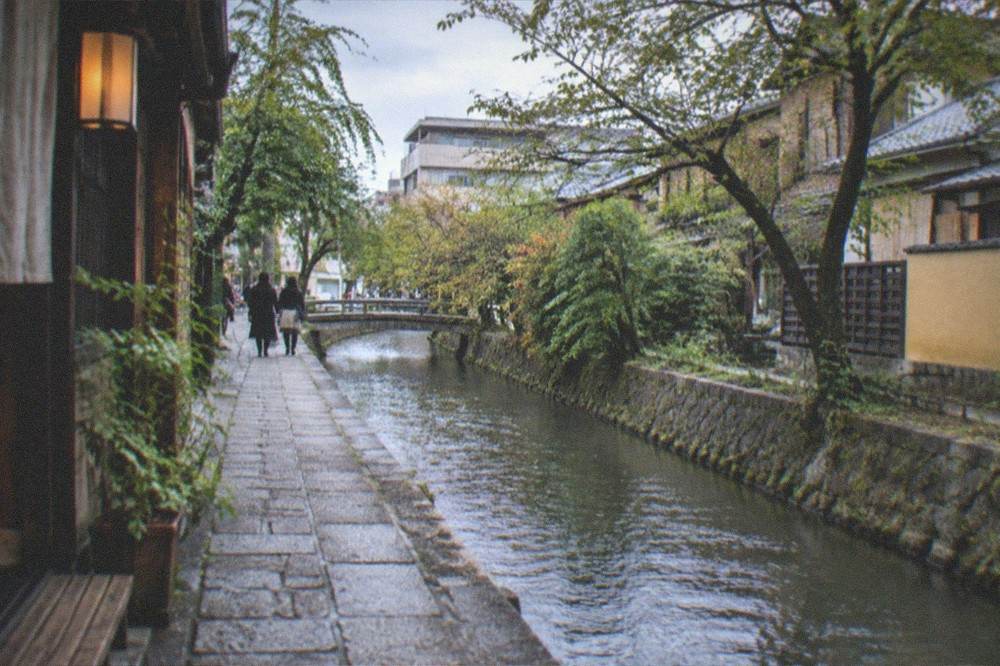
Yes, and it is the natural extension of any Okazaki day: from Nanzen-ji's northern edge the Philosopher's Path begins within about ten minutes' walk, following the Lake Biwa Canal's shallow channel about two kilometres north to Ginkaku-ji, the Silver Pavilion. The path is free, stone-paved and lined with cherries, and it passes small temples, including Honen-in's moss gate, the whole way, so allow ninety minutes at a temple-stopping pace.
The path's name comes from the philosopher Nishida Kitaro, said to have walked it daily for meditation, and its geography is canal engineering: it follows the same Lake Biwa Canal branch that feeds the aqueduct at Nanzen-ji, which is why the walk and the district form one continuous water story. Starting at Heian Shrine rather than Nanzen-ji adds about fifteen minutes through the back streets of Higashiyama's northern grid.
Two practical notes finish the picture. First, the path ends at Ginkaku-ji, whose admission rose from 500 to 1,000 yen for adults from 1 April 2026, the temple's first increase in 32 years, so budget accordingly if you plan to enter rather than view the approach. Second, the walk is almost entirely flat, which in this part of Kyoto is unusual and makes it one of the better accessible routes in the east of the city. The Philosopher's Path guide covers the temples along it one by one.
For visitors who want a guided version of the east-side walking experience rather than finding the way alone, the Gion Magical Night Walking Tour covers the geisha district's evening side with a guide, rated 4.9 from 4,616 reviews over about an hour and forty minutes, and pairs naturally with a day spent in the Okazaki museums. And for travellers whose legs want more than pavement after a district day, the hills north of the city hold the Kurama to Kibune trail, a full-day guided hike through the nature and legends of the Kurama mountains, from $210 per person with a 5 rating from 82 reviews, a genuine contrast to the flat canal grid of Okazaki.
Museum-goers with children, meanwhile, have a third option inside the district itself: the Samurai Ninja Museum's basic skip-the-lines ticket, from $23 per person and rated 4.6 from 729 reviews, sits within easy reach of the zoo-museum grid and gives a rainy-day hour of swordsmanship and shinobi history that no gallery can match.
And when the museums close and the shrine's grounds empty out, the district's evening belongs to Gion, twenty-five minutes' walk west, where the Magical Night tour's lantern-lit lanes and geisha culture storytelling run from $22 per person.
The Kurama and Kibune hike itself, the full-day guided trail through the northern mountains, remains the strongest day out for travellers who want Kyoto's forest side after its museum side, and it is the tour this page is paired with throughout.
Common Questions About Okazaki Kyoto
What Is In Okazaki: Heian Shrine, Two Art Museums, The Zoo And Nanzen-ji?
Exactly that list, plus the Lake Biwa Canal, the Keage Incline and the start of the Philosopher's Path. Heian Shrine anchors the district's south, the National Museum of Modern Art and the Kyoto City KYOCERA Museum of Art face each other across Okazaki Park, Kyoto City Zoo sits beside them, and Nanzen-ji with its aqueduct anchors the north-west, all within about a twenty-minute walking grid.
Is Heian Shrine free to enter?
The outer grounds, the forecourt and the approach under the giant torii are free to walk at any time. The strolling garden behind the main hall charges admission, but the shrine's current garden fee is not among the figures this site verified on the shrine's own pages, so check the posted rate at the garden gate rather than trusting an older guide.
Which Nanzen-ji tickets do you actually need?
The grounds, approach and aqueduct are free. The Hojo garden is 600 yen general and the Sanmon gate is 600 yen general, ticketed separately, with high school at 500 and elementary and junior high at 400 for each. Most visitors choose the garden; the gate's upper platform is the add-on if you want the view.
How do you get to Okazaki from Kyoto Station?
Take the Karasuma subway line to Karasuma Oike and transfer to the Tozai line east to Higashiyama Station, about 20 minutes and 260 yen, for the shrine and museums, or to Keage Station for Nanzen-ji. The EX100 tourist express bus runs directly from Kyoto Station to the Okazaki and Heian Shrine stops at 500 yen per adult ride, mainly on weekends and holidays.
When is the best month for Okazaki?
Early April for the Keage Incline cherries and the shrine garden's weeping cherries, with the JMA normal for full bloom at 4 April, or late November for the maple colour along the canal and at Nanzen-ji. Weekday mornings are the quietest window in any season, and the city's crowd comfort forecast rates the district's spots by time slot.
Can you do Okazaki and the Philosopher's Path in one day?
Yes. Start at Nanzen-ji and the aqueduct in the morning, cross to Heian Shrine and lunch, spend the afternoon at one museum or the zoo, then walk the Philosopher's Path north to Ginkaku-ji before its 17:00 close in season. It is a full but flat day, roughly five to six hours of walking plus stops.
Okazaki rewards the visitor who treats it as one connected district rather than a scatter of stops, and its flat, canal-threaded grid makes that easy in a city that is otherwise all hills. Walk it end to end once, museum or zoo in the middle, and the Meiji exhibition plan that shaped it more than a century ago still delivers exactly what it was built to deliver.