Is Kyoto Worth Visiting?
Is Kyoto worth visiting? An honest, data-backed answer covering crowds, costs, the 2026 fee and tax changes, and who should skip it.
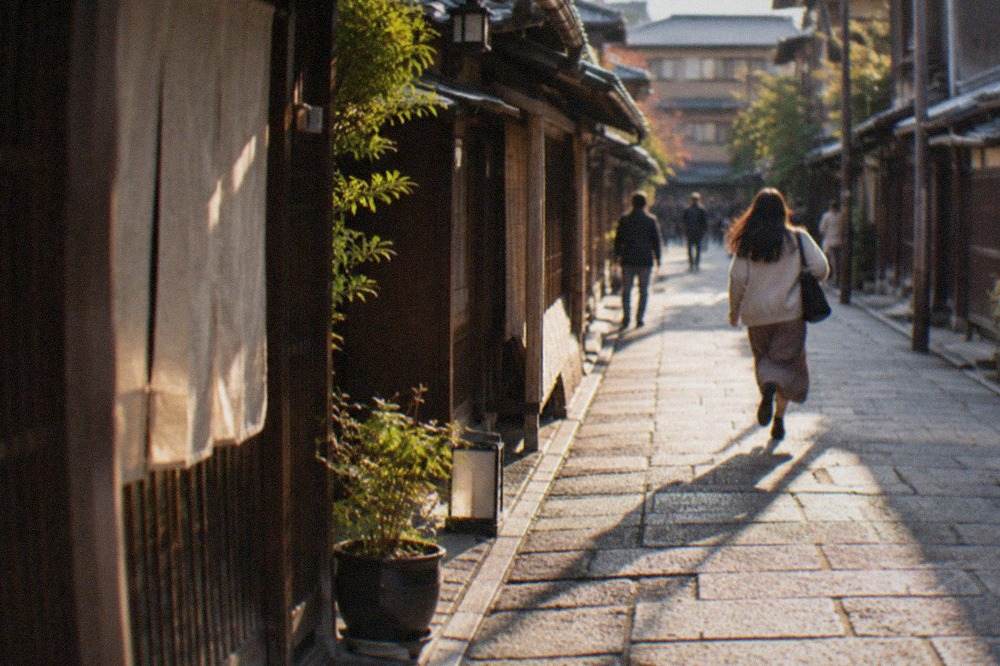
Kyoto drew a record 62.79 million visitors in 2025, according to the city's own tourism survey released in June 2026, and over 90% of both Japanese and foreign respondents told the survey they were satisfied with their trip. Those two numbers together are the strongest evidence that yes, Kyoto is worth visiting. The counterweight is in the same dataset: about 50% of Japanese visitors named something that disappointed them, and crowding is the reason the city now runs dispersal campaigns, express tourist buses and a live crowd-comfort forecast.
This page gives you the honest verdict, with the numbers behind it, so you can decide whether Kyoto fits your trip rather than whether it fits everyone else's.
Is Kyoto Worth Visiting?
Yes, for most travellers Kyoto is worth visiting, and the evidence is unusually strong: the city's 2025 survey counted a record 62.79 million visitors, over 90% satisfaction among both Japanese and foreign guests, and 2.0474 trillion yen in tourism spending. It is worth it most for people who like temples, food, gardens and walkable historic districts, and least for people chasing nightlife or empty landscapes.
The satisfaction figure deserves a closer look, because satisfaction surveys usually flatter their subject. Here the city asked a follow-up: what disappointed you? About 20% of foreign visitors named something, roughly 50% of Japanese visitors did, and the repeat rates split the same way, about 60% of Japanese visitors return against about 20% of foreigners. Read that carefully and it says something useful: Kyoto rewards the second visit. Domestic travellers, who know the city and can time their trips around the crowds, love it enough to come back in numbers. First-time foreign visitors enjoy it but often leave feeling they saw the same six sights as everyone else.
The fix is not to skip Kyoto. It is to travel it differently, and the rest of this page is about how.
The city's own answer to crowding is the Kyoto Tourism Comfort Forecast, a five-level crowd prediction that uses smartphone location data, weather and machine learning to forecast how pleasant each spot will be at each time slot. It is public, it is on the Kyoto Tourism Navi site, and almost no overseas visitor uses it. That is the single biggest free upgrade available to a Kyoto trip.
What Makes Kyoto Worth The Trip?
The concentration is the argument: 17 UNESCO World Heritage sites in and around one mid-sized city, 1,001 Kannon statues in a single hall at Sanjusangen-do, about 10,000 torii gates across Fushimi Inari's mountain, and a food culture running from 500 yen temple-town lunches to kaiseki courses above 30,000 yen. Few cities pack that much into a walkable grid.
Start with the temples, because they are the reason most people come and the reason most of them come back. Kinkaku-ji, the Golden Pavilion, charges 500 yen and opens 9:00 to 17:00 year-round. Its sibling Ginkaku-ji doubled its admission to 1,000 yen in April 2026, its first rise in 32 years, and for a first visit Kinkaku-ji is the better use of the fee. Kiyomizu-dera opens at 6:00, which is not a detail but a strategy: the wooden stage above the city is calm at dawn and packed by mid-morning.
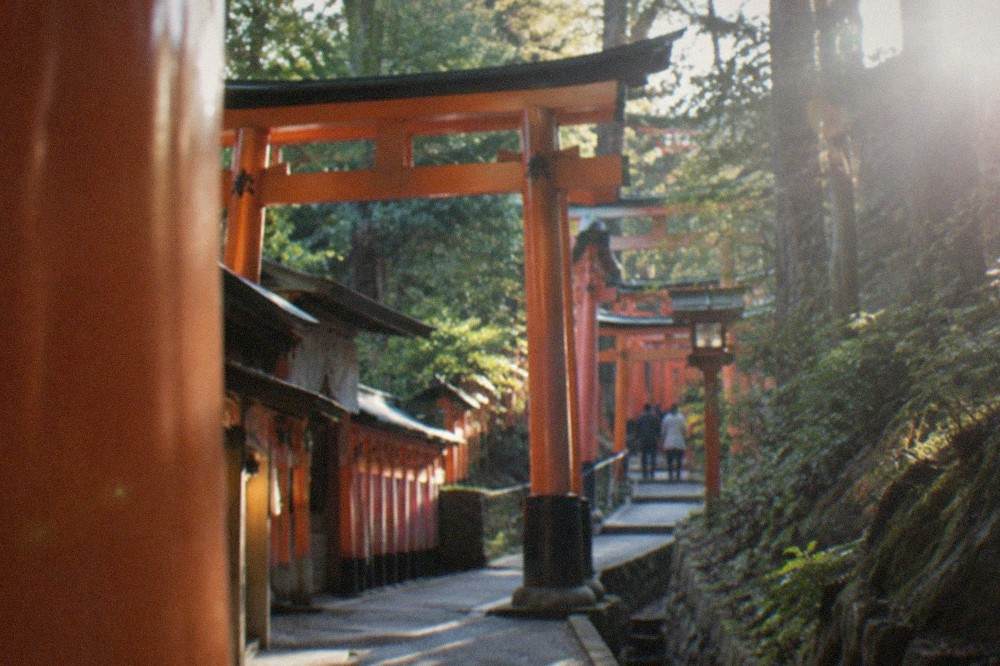
Then there is the depth most visitors miss. Sanjusangen-do, formally Rengeo-in, holds 1,001 Kannon statues in one hall, a figure the temple itself states, and the hall is longer than a football pitch. Fushimi Inari Taisha is free, its paths have no closing time, and the shrine dates its founding to 711, when, in the shrine's own account, Irogu no Hatanokimi enshrined the deity on Inariyama on an imperial order from Empress Genmei. The shrine also says there are said to be about 30,000 Inari shrines across Japan, of which it is the head shrine.
| Site | Admission (2026) | Hours | Why it is worth it |
|---|---|---|---|
| Fushimi Inari Taisha | Free | Paths have no closing time | 10,000 torii, dawn walks possible |
| Kinkaku-ji | 500 yen | 9:00-17:00 | The iconic golden pavilion |
| Kiyomizu-dera | 500 yen | Opens 6:00 | Wooden stage, dawn strategy |
| Sanjusangen-do | 600 yen | 8:30-17:00 (Apr-Nov) | 1,001 Kannon statues |
| Nijo-jo Castle | 800 yen, 1,300 with palace | Admission 8:45-16:00 | Where the shogunate ended in 1867 |
| Ginkaku-ji | 1,000 yen from Apr 2026 | 8:30-17:00 (Mar-Nov) | Moss path, Higashiyama walks |
The food is the second pillar. If you want the full argument, our what is Kyoto's signature dish page covers it in detail, but the short version: Nishiki Market, where the official rule is to eat at the stall rather than while walking, the ramen culture, and the kaiseki tradition. At Hyotei, one of the most famous kaiseki houses by Nanzen-ji, the main building's kaiseki starts at 31,625 yen at lunch, while the same kitchen's annex serves morning rice porridge at 5,445 yen. Those are Hyotei's own published prices, and they illustrate the range: Kyoto dining can be a 500 yen bowl or a 30,000 yen course, and both are done seriously.
What Are The Downsides Of Visiting Kyoto?
The honest downsides are crowds, summer heat and rising costs. Kyoto's wettest month is July, not June, with 223.6 mm of rain against June's 199.7 mm in the JMA 1991-2020 normals, August's mean daily high is 33.7 C, and the accommodation tax rose sharply on 1 March 2026, with the top tier jumping from 1,000 to 10,000 yen per person per night on rooms of 100,000 yen and up.
Crowds first, because they are the number one complaint and the number one fixable problem. The 62.79 million visitors in 2025 include 46.20 million day visitors, and day visitors concentrate into the same corridors: Kiyomizu-zaka, the Gion streets, the Arashiyama bamboo grove, Fushimi Inari's lower gates. The city has responded with express tourist buses (the EX100 runs Kyoto Station to Gion, Heian Shrine and Ginkaku-ji for 500 yen a ride), hands-free luggage delivery, and morning and evening dispersal campaigns. You can use all of this yourself: arrive at 6:00 at Kiyomizu-dera, check the Comfort Forecast before choosing your afternoon, and take the city's advice about spreading out.
The heat is the downside nobody plans for. Three of Kyoto's six hottest days on record, 39.7 C, 39.5 C and 39.4 C, fell in July 2026, July 2025 and July 2024 respectively, and July and August 2025 both rank among the five hottest months ever measured at the Kyoto station. The basin geography traps the heat. If you travel in high summer, plan temple visits for opening time, keep the afternoon for museums, and treat the record table as a forecast, not a curiosity. The JMA forecast for Kyoto is the source to watch in the days before a summer trip.
The costs changed recently, and most guides still print the old numbers. The accommodation tax is now five tiers, effective for stays from 1 March 2026: 200 yen on rooms under 6,000 yen, 400 yen up to 20,000, then 1,000, 4,000 and 10,000 yen as the room rate climbs. A 20,000 yen room that used to carry 500 yen per person per night now carries 1,000. Temple fees moved too: Ginkaku-ji doubled, and Tofuku-ji revises its fees on 1 November 2026, with a new 1,000 yen combined ticket. Budget from 2026 numbers, not from a guide written two years ago.
| Month | Mean temp | Mean daily high | Rain | Verdict |
|---|---|---|---|---|
| January | 4.8 C | 9.1 C | 53.3 mm | Cold, quiet, cheap |
| April | 14.4 C | 20.1 C | 117.0 mm | Cherry bloom, peak crowds |
| July | 27.3 C | 32.0 C | 223.6 mm | Wettest month, very hot |
| August | 28.5 C | 33.7 C | 153.8 mm | Hottest month |
| October | 18.4 C | 23.4 C | 143.2 mm | Best balance of weather and calm |
| December | 7.2 C | 11.6 C | 57.3 mm | Quiet, maples to early December |
For the crowd question in depth, the is Gion in Kyoto worth visiting page covers the district's photography rules and private-alley bans, which matter if Gion is on your list.
Who Should Skip Kyoto?
Skip Kyoto if you want nightlife, beach weather in comfort, or wilderness solitude, and skip it in high summer if you are heat-sensitive, because August's mean daily high of 33.7 C and the record table make July and August genuinely hard. Also consider skipping it if your trip is under two days, because the city's depth needs three or four mornings, and two rushed days deliver the crowded version and none of the reward.
The nightlife point is real. Kyoto after 22:00 is a small city, and anyone comparing it with Tokyo or Osaka on that axis will be disappointed. If that is your priority, read our is it better to stay in Kyoto or Osaka comparison, because Osaka wins the night and Kyoto wins the morning, and the train between them takes under 30 minutes.
The solitude point has a workaround rather than a contradiction. The crowds live in about six places. An hour north of the city, the Kurama and Kibune valleys hold cedar forests, a shrine associated with thunder gods, and riverside dining in summer, and the guided hike between the two villages is one of the best escapes available. The Kyoto Hidden Mountains of Kurama & Kibune guided hike runs about 4 hours, is rated 4.9 from 63 reviews, and starts from $80 per person. You can read more on the Kurama and Kibune guide.
The length question matters more than people expect. Our how many days in Kyoto is enough page works through the maths, but the shape of the answer is simple: two days buys you the famous six sights at everyone else's pace, four days buys you the same six sights at dawn plus the northern mountains, Uji, and a leisurely meal culture. Kyoto rewards slow travel more than almost any city in Japan, because its best hours are 6:00 to 9:00 and its best districts are the ones without a bus stop.
When Is Kyoto Worth Visiting Most?
Late October to early December and late March to early April are the strongest windows: October's mean of 18.4 C and 23.4 C daily highs make it the best weather-and-crowd balance, and the JMA normals put cherry full bloom at 4 April and maple red leaves at 5 December, later than most guides claim. November's autumn colour, not the mid-November peak the guidebooks repeat, is the real sweet spot, and January and February are the quiet, cheap months.
The phenology data is worth trusting over guidebook folklore. The JMA Kyoto observatory's 1991-2020 normals put cherry flowering at 26 March and full bloom at 4 April; in 2026 flowering came on 23 March and full bloom on 30 March, slightly early. For maples, the official red-leaf marker is 5 December, with 2025's observed date on 10 December, and the earliest and latest on record span 10 November to 20 December. That means the "mid-November peak" repeated everywhere is roughly a fortnight early for the official marker, though the observatory tree is not the Arashiyama peak, so treat it as the reference date rather than a guarantee.
Festivals can outweigh weather if you plan around them. Gion Matsuri runs the whole of July, with the Yamaboko Junko parades on the 17th and 24th, and it is one of the great spectacles in Japan. Aoi Matsuri falls on 15 May, Jidai Matsuri on 22 October, and Gozan no Okuribi lights five mountains on 16 August. If any of those dates can anchor your trip, they should: they are the experiences that make people fall for Kyoto, and they are free to watch.
The budget answer is winter. January is both the coldest month, mean 4.8 C, and the driest, 53.3 mm, and hotel rates drop hard after New Year. You trade greenery for empty temple grounds, and for many travellers that trade is excellent.
So, Is Kyoto Worth Visiting For You?
Go if temples, food, gardens or history draw you at all, and the record visitor numbers and over 90% satisfaction say you will not regret it. Go in October, November or March rather than July and August if you can. Give it three or four days, not one. Use the city's own crowd forecast, start your days at 6:00, and leave the famous six sights for their opening hours. Skip it only if nightlife, beaches or solitude are the whole point of your trip.
That is the whole verdict, compressed. The one-sentence version: Kyoto is worth visiting for almost everyone, but it is worth visiting properly, at dawn and in the shoulder seasons, or you will see the crowded version and wonder what the fuss was about.
For planning the rest of a first trip, start with our things to see across Kyoto roundup, and the what is Kyoto known for page covers the city's identity in more depth. More from this site, Kyoto Travel Guide, on fees, transport and seasons as they stand in 2026.
Common Questions About Visiting Kyoto
Is Kyoto Worth Visiting?
Yes. The city's own 2025 survey recorded a record 62.79 million visitors, over 90% satisfaction among both Japanese and foreign travellers, and 2.0474 trillion yen in tourism spending. The caveats are crowds at the famous sights, hot and wet summers, and fees and taxes that changed in 2026, all of which are manageable with timing.
Is Kyoto Overrated?
It can feel that way if you visit the six famous sights at midday in peak season. The same survey shows about 50% of Japanese visitors named a disappointment, mostly crowding, while repeat rates stay high. Kyoto rewards early starts, shoulder seasons and second-tier districts, and feels overrated only when travelled badly.
How Many Days Does Kyoto Need?
Three to four days is the honest minimum for the famous sights plus one escape, such as Kurama and Kibune, Arashiyama at dawn, or Uji. Two days covers the highlights at crowd pace. One day delivers the compressed version and usually the disappointing one.
Is Kyoto Too Crowded To Enjoy?
The crowds concentrate in about six places, and 46.20 million of 2025's visitors were day trippers. The city publishes a five-level crowd comfort forecast using smartphone location data, opens temples such as Kiyomizu-dera at 6:00, and runs express tourist buses to spread load. Used together, those tools beat most of the crowding.
Is Kyoto Expensive In 2026?
Moderately, and rising. The accommodation tax changed on 1 March 2026 to five tiers, with a 20,000 to 50,000 yen room now carrying 1,000 yen per person per night. Ginkaku-ji doubled its admission to 1,000 yen in April 2026 and Tofuku-ji revises fees on 1 November 2026. Counterweights: Fushimi Inari is free, city buses are a flat 230 yen, and the Subway and Bus One-Day Pass is 1,100 yen.
Kyoto Or Osaka: Which Is Better For Visitors?
Kyoto for temples, gardens, food tradition and mornings; Osaka for nightlife, energy and street food. The two are under 30 minutes apart by train, so the practical answer is often both, with Kyoto as the base and Osaka for the evenings.