Kyoto With Kids
Kyoto works for families better than its reputation suggests, provided you build the days around the sights children genuinely like: a mountain of monkeys, a hall of real steam locomotives, and a film-set park where samurai roam.
Short answer
The three sights Kyoto children consistently enjoy are Iwatayama Monkey Park (800 yen for 16 and over, 400 for ages 4 to 15), the Kyoto Railway Museum (1,500 yen for adults, 200 yen from age 3, closed Wednesdays) and Toei Kyoto Studio Park, which publishes no readable price on its official pages, so check before you go. Add the Sagano Romantic Train at 880 yen adult and 440 child, and the free bamboo grove path in Arashiyama.
Kyoto has a reputation as a city of quiet temples and whispered etiquette, which makes parents nervous. It should not. The city's own 2025 tourism survey counted 62.79 million visitors, and among them were 670,000 school-trip students by the city's own count, which means Kyoto is built, logistically, for children moving in groups. The question is not whether Kyoto suits kids. It is which parts of it suit them, and in what order.
This itinerary is built around the sights children actually enjoy rather than the ones guidebooks insist they should. Every fee, hour and closing day below comes from the venue's own site, read and verified, so you can plan a day without discovering at the gate that the price changed or the doors shut at four. For the wider picture of the city, start with our complete Kyoto attractions guide, and for the practical basics see Kyoto Travel Guide.
Which Kyoto Sights Do Children Actually Enjoy: Monkey Park, Railway Museum, Toei Studio Park?
The three that reliably work are Iwatayama Monkey Park, the Kyoto Railway Museum and Toei Kyoto Studio Park. The monkey park charges 800 yen for visitors 16 and over and 400 for ages 4 to 15, and it closes early when the weather turns. The Railway Museum is 1,500 yen for adults, 200 yen from age 3, and it is closed on Wednesdays. Toei Kyoto Studio Park publishes no readable price on its own ticket pages, so check the current entry cost before you set out.
Each of these three rewards a different kind of child. The monkey park is a short uphill hike to an open hilltop where free-roaming Japanese macaques ignore the rules of every other Kyoto attraction. The Railway Museum holds real steam locomotives, a driving simulator and one of the largest railway collections in Japan. Toei Studio Park is a working film set turned theme park, with ninja shows, costume rentals and samurai street performances.
The pattern that matters: all three are in the west or centre of the city, and none of them is a temple. Children under ten will remember the monkeys, not the rock garden. Save Ryoan-ji for a trip when they are older, and read our Kyoto museums guide for rainy-day backups.
How Much Does A Kyoto Family Day Cost?
A day built on the monkey park, the Railway Museum and the Sagano Romantic Train costs 800 plus 1,500 plus 880 yen per adult in admissions, and 400 plus 200 plus 440 yen for a child aged 4 to 12, before lunch and transit. Toei Kyoto Studio Park publishes no readable price, so add its entry fee after checking the park's own pages. The city bus flat fare is 230 yen per adult ride and 120 per child.
Those are the verified numbers, and they add up fast, which is the honest point. Kyoto is not an expensive city for families by Japanese standards, but three paid attractions plus transit plus food will run past 5,000 yen per person on a full day. The counterweights are the free sights: Fushimi Inari Taisha charges no admission at all and its paths have no closing time, the Arashiyama bamboo path is a free public walk, and the Kyoto Imperial Palace is open to all visitors with no advance application.
| Sight | Adult | Child | Notes |
|---|---|---|---|
| Iwatayama Monkey Park | 800 yen | 400 yen (4-15) | Cash only; 9:00-16:00 |
| Kyoto Railway Museum | 1,500 yen (18+) | 200 yen (from age 3) | Closed Wednesdays |
| Toei Kyoto Studio Park | No readable price published | No readable price published | Check the park's own ticket page |
| Sagano Romantic Train | 880 yen one way | 440 yen (6-12) | Roughly March to December |
| Nidec Kyoto Tower | 900 yen | 200 yen (from age 3) | 10:00-21:00 |
| Fushimi Inari Taisha | Free | Free | Paths have no closing time |
| Arashiyama bamboo path | Free | Free | Public walk, open access |
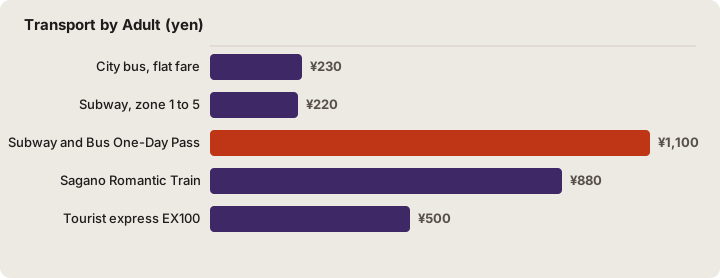
For budget planning across a whole trip, the Subway and Bus One-Day Pass at 1,100 yen per adult and 550 per child usually beats single fares once you make three or more rides, and the free sights above do most of the heavy lifting on a tight budget.
What Is The Best Order For A First Family Day In Kyoto?
Start at the Kyoto Railway Museum when it opens at 10:00, because last entry is 16:30 and the driving simulators queue longest before noon, then take the JR Sagano Line to Arashiyama for the afternoon, finishing on the Sagano Romantic Train, which runs roughly hourly between about 9:02 and 16:02 in the down direction. Do not attempt the monkey park and the studio park on the same day; each one is a half-day on its own with children.
The logic is geography and closing times. The Railway Museum sits just west of Kyoto Station, and Arashiyama is a short JR ride further out on the same line, so the pair chains naturally without a bus transfer. The monkey park is also in Arashiyama, but it is a steep uphill walk from the river, and the park itself closes at 16:00 with the summit until 16:30, so it belongs at the start of a day, not the end.
A realistic first day, then: the museum from opening, lunch near Kyoto Station or on the way west, the bamboo grove and Togetsukyo bridge in the early afternoon, and the Sagano train as the finale. The train's standard one-way fare is 880 yen for adults, defined as 12 and over, and 440 for children aged 6 to 12, with toddlers free when accompanied. Its season runs roughly March to December, and the operator's own timetable page is the place to confirm the running days for your dates, because we do not print a closed-day pattern we have not read.
If your children are older and can handle a longer morning, the stronger alternative is to swap the museum for the monkey park first thing, while the macaques are active and the path is cooler in summer. Kyoto's climate matters here more than most guides admit: the JMA 1991-2020 normals put July's mean daily maximum at 32.0 C and August's at 33.7 C, and July, not June, is the city's wettest month at 223.6 mm. A hillside climb with small children belongs before 10:00 in those months.
Is Iwatayama Monkey Park Worth It With Children?
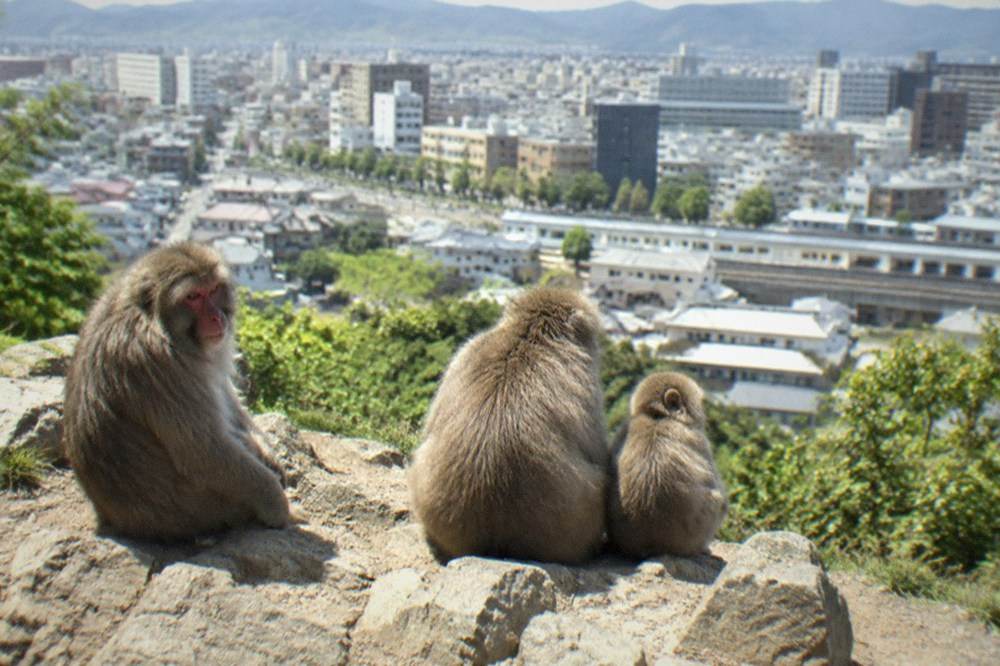
Yes, for children who can manage a steep uphill walk of about twenty minutes, because the reward is an open hilltop where Japanese macaques roam freely and the admission is 800 yen for visitors 16 and over and 400 for ages 4 to 15, cash only. The park is open 9:00 to 16:00 with the summit area until 16:30, and it closes early if the weather turns bad or the monkeys head back up the hill.
The walk is the gatekeeper. It is a genuine mountain path, paved but steep in sections, with some stair-free stretches of dirt, so it defeats strollers entirely; carriers work, walking legs work better. At the top, the monkeys are the attraction and the rules are simple: the park's own guidance is that you do not stare, do not touch and do not feed them outside the designated hut, where small food pellets are sold inside so the feeding happens through a wire screen with the animals on the far side.
Two practical warnings from the park's own notices. First, the cash-only rule is enforced, and the nearest ATM is back down by the river. Second, the early-closing clause is real: if the monkeys decide to retreat up the hillside, the staff close, and there is no refund structure we can verify. Go early, bring water, and treat the summit view over Kyoto as a bonus. Our full Iwatayama Monkey Park guide covers access and timing in depth.
Pairing the park with the rest of Arashiyama is the obvious move, and our Arashiyama bamboo grove guide maps the free path, Togetsukyo bridge and the lunch options along the river. The bamboo path itself costs nothing and has no gate, which makes it the best free filler in western Kyoto for families with energy left over.
Is The Kyoto Railway Museum Good For Kids?
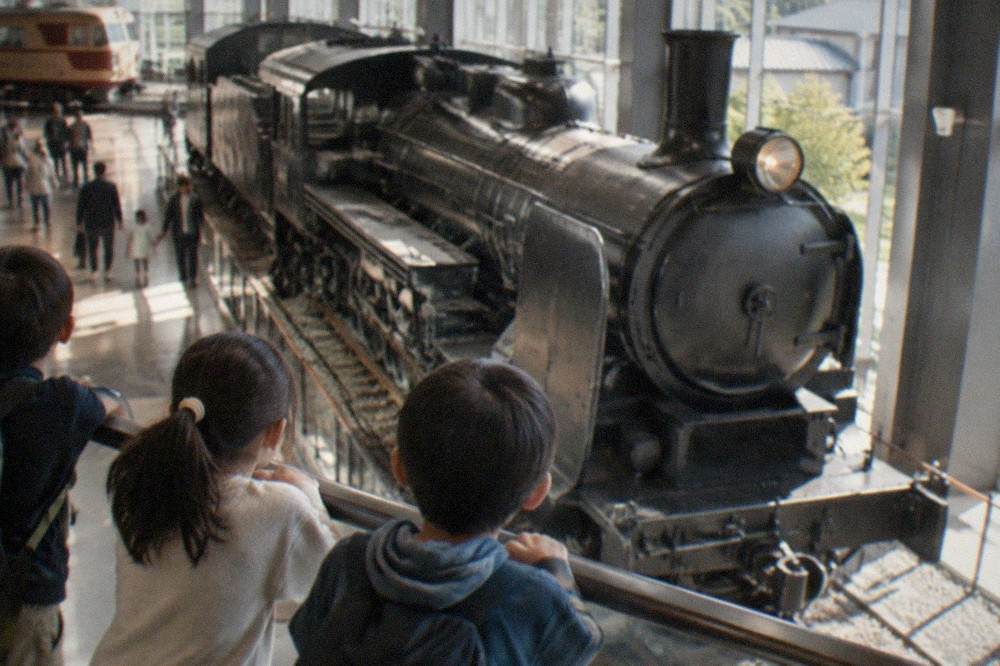
The Kyoto Railway Museum is arguably the most reliable child-pleaser in Kyoto: 1,500 yen for visitors 18 and over, 1,300 for university and high school students, and 200 yen from age 3, open 10:00 to 17:00 with last entry at 16:30, and closed on Wednesdays plus 30 December to 1 January. It holds one of the largest railway collections in Japan, including working steam locomotive rides and driving simulators.
The museum's strength for families is that almost everything is touchable or rideable. The steam locomotive ride and the train-driving simulator are the two headline activities, and both draw queues, which is the real argument for arriving at 10:00 sharp. The collection runs from vintage steam engines upward through shinkansen, and the promenade deck overlooks the adjacent JR line, so real trains pass below while the historic ones stand still above.
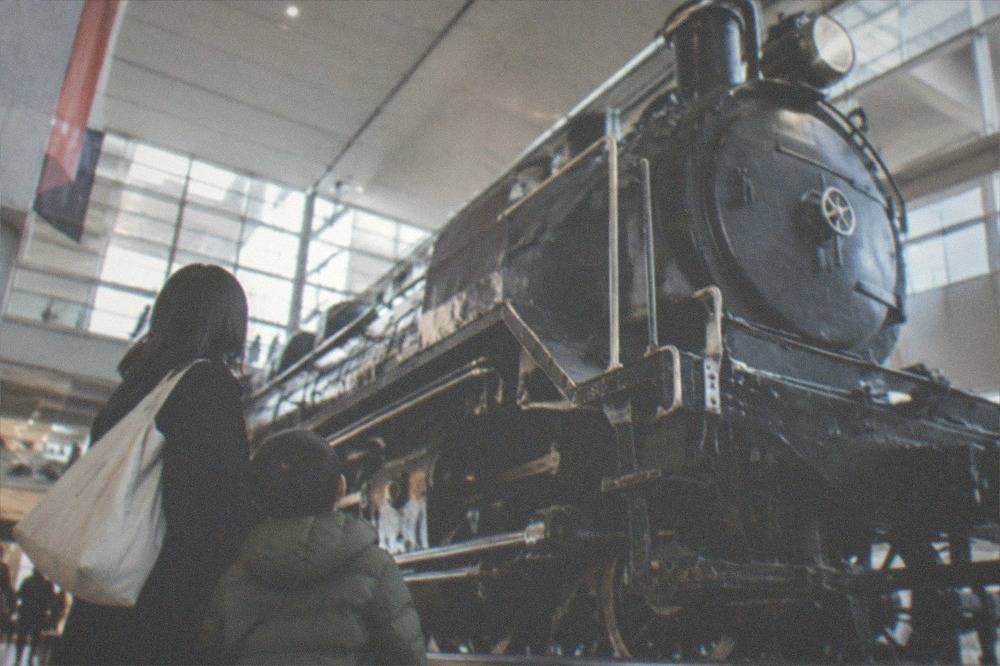
The Wednesday closure is the trap. Families routinely lose a day to it, and there is no alternative railway attraction in the city. The backup for a Wednesday is the Kyoto International Manga Museum, which holds its collection in a former school building with lawns for running, or Nidec Kyoto Tower opposite Kyoto Station, 900 yen for adults, 200 yen from age 3, open 10:00 to 21:00 with last admission 20:30, which is the one sight that works after a 17:00 museum close.
A guided morning can also carry part of this load. The Kyoto Early Morning Tour with an English-speaking guide runs 5 to 6 hours from about 82 US dollars per person and is rated 4.9 from 1,998 reviews; it covers the major eastern sights before the midday crowds build, which suits children better than an early-afternoon start at Kiyomizu-dera ever will.
What About Toei Kyoto Studio Park?
Toei Kyoto Studio Park is a working film set turned theme park in Uzumasa, west of the city centre, with ninja shows, samurai street performances and Edo-period streetscapes your children can walk through in costume. The park publishes no readable price on its own English or Japanese ticket pages, so we print no fee here; check the park's own ticket page or book through a reseller that states the current entry cost. Its sister site, the nearby Kyoto Railway Museum, makes a natural pairing on non-Wednesdays.
The honest framing: this is the most theme-park-like thing in Kyoto, and if your children are under ten and tired of temples, it is the strongest single afternoon you can buy. The ninja shows run to a daily schedule, the Edo streets are genuinely used for samurai film and television production, and costume rental turns the visit into a dress-up event. What we cannot do is quote the admission, because the official pages render their prices through a client-side script that our research could not read, and this site does not print a number it has not verified.
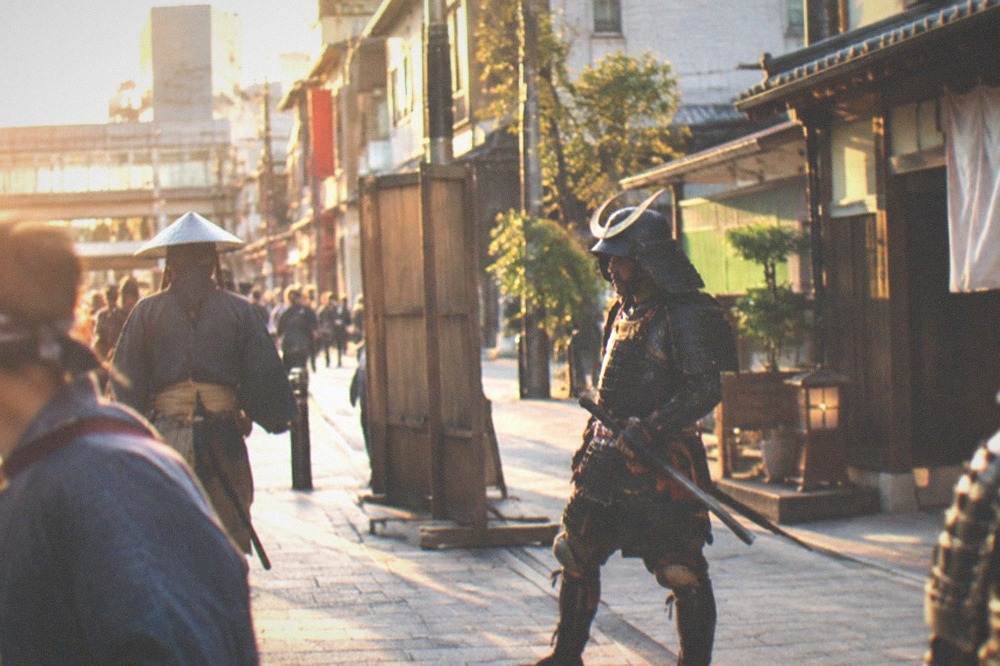
The practical notes that do hold: the park is a short walk from Uzumasa Station on the Keifuku Randen tram line, which is itself a minor attraction for children who like trains, and the park's shows and attractions are largely in Japanese, though the visual content carries non-speakers. Our Toei Kyoto Studio Park guide covers what to expect in full.
An entry ticket can be reserved in advance through the operator's live listing, which spares you the ticket-window queue on a busy weekend and usually allows free cancellation.
Which Temples Do Children Actually Tolerate?
The temples that work with children are the ones with animals, water or a climb: Fushimi Inari Taisha is free with no closing time on its paths and about 10,000 torii gates to run through, Kiyomizu-dera is 500 yen for adults with a famous wooden stage and a drinkable waterfall, and Sanjusangen-do at 600 yen general holds 1,001 Kannon statues the temple itself calls a forest of statues, which leaves most children genuinely impressed.
The trick is choosing temples with a physical hook. Fushimi Inari's torii tunnels are a game: the full circuit of Inariyama takes in about 10,000 torii of all sizes across the mountain, the shrine's own FAQ states, and the shrine dates its founding to 711, when the deity was enshrined by imperial order. Children do not need any of that history; they need the orange tunnels and the fox statues, and both are free.
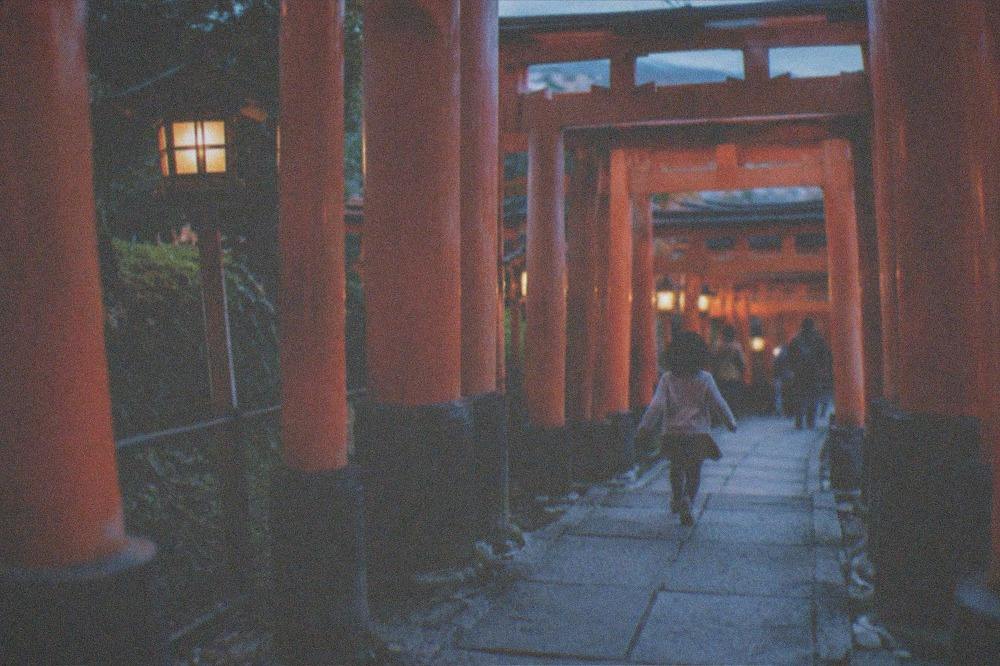
| Temple or shrine | Adult fee | The hook for children |
|---|---|---|
| Fushimi Inari Taisha | Free | Torii tunnels, fox statues, a mountain to climb |
| Kiyomizu-dera | 500 yen | Wooden stage, Otowa waterfall, steep lanes |
| Sanjusangen-do | 600 yen | 1,001 statues in one hall |
| Kodai-ji | 800 yen | Night illuminations to 22:00 |
| Tenryu-ji (garden) | 500 yen | Pond garden, bamboo exit onto the free grove |
Timing matters more than selection. Kiyomizu-dera opens at 6:00, the temple's own FAQ states, and its 2026 schedule runs to 18:00 in the regular season with night viewing until 21:30 in late March and late November. A 7:00 arrival with children is not heroic; it is the difference between walking the lanes freely and queueing down Ninenzaka. Our Kiyomizu-dera guide and Fushimi Inari guide cover both in depth, and our first-time visitors itinerary sequences them for adults.
How Do You Get Around Kyoto With Children?
The city bus charges a flat 230 yen per adult ride and 120 per child aged 6 to 11, the subway runs 220 to 360 yen by zone, and the Subway and Bus One-Day Pass costs 1,100 yen per adult and 550 per child, which pays for itself on a three-ride day. The old bus-only one-day pass no longer exists; it stopped being usable on 31 March 2024, and the combined pass is the product that replaced it.
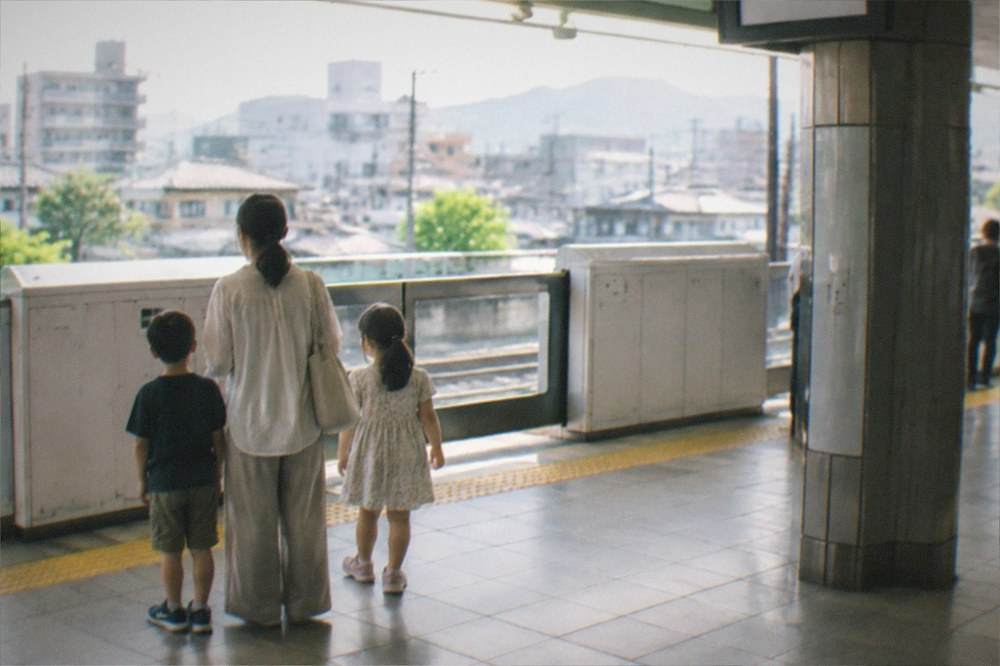
With children, the subway beats the bus whenever the route allows. Buses in peak season are standing-room crushes, drivers may refuse bulky luggage, and a stroller on a crowded bus is a problem nobody needs. The Karasuma and Tozai subway lines are stroller-friendly, punctual and air-conditioned, and the Tozai line reaches Nijo-jo Castle, the Railway Museum district and Higashiyama.
| Transport | Adult | Child (6-11) | Family verdict |
|---|---|---|---|
| City bus, flat fare | 230 yen | 120 yen | Avoid at peak with strollers |
| Subway, zone 1 to 5 | 220-360 yen | 110-180 yen | Best with children |
| Subway and Bus One-Day Pass | 1,100 yen | 550 yen | Pays off at 3+ rides |
| Sagano Romantic Train | 880 yen | 440 yen | Book ahead in foliage season |
| Tourist express EX100 | 500 yen | 250 yen | Kyoto Station to Gion, Kiyomizu |
The tourist express buses EX100 and EX101, run by the city, connect Kyoto Station to Gojo-zaka for Kiyomizu, Gion and Ginkaku-ji with fewer stops, at 500 yen per adult and 250 per child, and the Subway and Bus One-Day Pass covers them.
What Is The Best Two Or Three Day Plan?
A two-day plan puts the Railway Museum and Arashiyama, including the monkey park and the Sagano train, on day one, and Fushimi Inari, Kiyomizu-dera and Gion on day two, starting both days before 9:00. A three-day plan adds Toei Studio Park and Nijo-jo Castle on day three, noting that the castle stops admitting at 16:00 and closes 29 to 31 December, and that Ninomaru Palace is closed every Tuesday in January, July, August and December.
The sequencing principle is closing times, not preference. Nijo-jo Castle's admission window ends at 16:00, Ginkaku-ji closes at 16:30 in winter, and Sanjusangen-do stops at 16:00 from 16 November, so any plan that has a family arriving at a gate at 16:30 in January is simply wrong. Mornings are for the paid sights with hard closes, afternoons for the free ones with none: Fushimi Inari's paths and the Arashiyama bamboo grove never close.
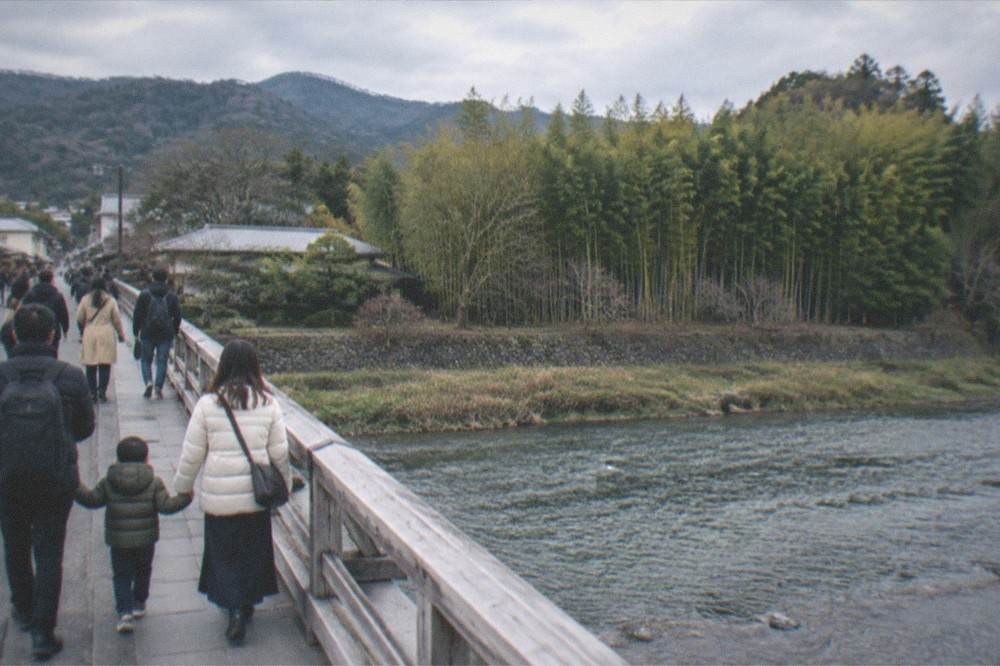
| Day | Morning | Afternoon | Hard closes to respect |
|---|---|---|---|
| Day 1 | Railway Museum from 10:00 | Bamboo grove, Togetsukyo, Sagano train | Museum last entry 16:30 |
| Day 2 | Fushimi Inari from 8:00 | Kiyomizu-dera, Ninenzaka, Gion | Kiyomizu 18:00 regular season |
| Day 3 | Toei Studio Park | Nijo-jo Castle | Castle admission ends 16:00 |
For longer stays, our three days in Kyoto itinerary scales the same logic, and the cherry blossom itinerary and autumn leaves itinerary add the seasonal versions. In the JMA record, Kyoto's cherry full bloom normal is 4 April and the maple red-leaf marker is 5 December, later than most guides claim, so a November foliage trip with children is better timed to the Arashiyama valley than to the observatory's specimen tree.
Common Questions About Kyoto With Kids
Which Kyoto sights do children actually enjoy: Monkey Park, Railway Museum, Toei Studio Park?
Iwatayama Monkey Park, the Kyoto Railway Museum and Toei Kyoto Studio Park are the three that consistently work. The monkey park is 800 yen for 16 and over and 400 for ages 4 to 15; the Railway Museum is 1,500 yen for adults and 200 yen from age 3, closed Wednesdays; Toei Studio Park publishes no readable price, so check its own ticket page before you go.
Is Kyoto good for families with young children?
Yes, with planning. The subway is stroller-friendly, the headline child attractions are concentrated in the west and centre, and the free sights, Fushimi Inari and the bamboo grove, have no closing times. Avoid peak-season buses and start days before 9:00 in summer.
Can children ride the Sagano Romantic Train?
Yes. The standard one-way fare is 880 yen for adults 12 and over and 440 yen for children aged 6 to 12, with toddlers free when accompanied. The train runs roughly March to December; confirm running days on the operator's timetable page.
What if it rains on our Kyoto family day?
The Kyoto Railway Museum is the strongest indoor option, but it closes on Wednesdays. Alternatives include the Kyoto International Manga Museum, Nidec Kyoto Tower, open 10:00 to 21:00, and the covered Nishiki Market arcade, where the official rule is to eat at the stall rather than while walking.
Are the imperial villas suitable for kids?
Partly. Katsura Imperial Villa is 1,000 yen for visitors 18 and over, free for ages 12 to 17, guided only, about 60 minutes, with advance application or same-day numbered tickets. Shugakuin Imperial Villa and the Sento Imperial Palace are free but admit visitors 18 and over only, so under-18s, including infants, cannot enter.
How much should we budget per day for a family in Kyoto?
Admissions for the big three child-friendly sights plus the Sagano train come to 800 plus 1,500 plus 880 yen per adult, and 400 plus 200 plus 440 yen per child aged 4 to 12, before food and transit. The Subway and Bus One-Day Pass at 1,100 yen per adult and 550 per child covers transit on a busy day.
Kyoto with children is not a compromise trip. Build the days around monkeys, trains and film sets, use the free shrines and paths as fillers, respect the closing windows the venues themselves publish, and the city that exhausts adult temple-baggers will carry a family comfortably through three or four full days.