What Does Kyoto Aquarium Cost And Are Tickets Cheaper Online?
Kyoto Aquarium is the city's biggest indoor family attraction, and the one question every planner asks is what a ticket costs and whether buying ahead saves money. Here is the honest answer, plus how the aquarium fits a Kyoto trip that already includes temples, towers and trains.
Short answer
Kyoto Aquarium does not publish its ticket prices in this site's verified fact base, so the reliable move is to check the operator's own ticket page for the current rate before you go. What is verified is everything around it: the transport to reach it, the nearby Railway Museum at 1,500 yen, and the fees at every major temple and attraction you might pair it with.
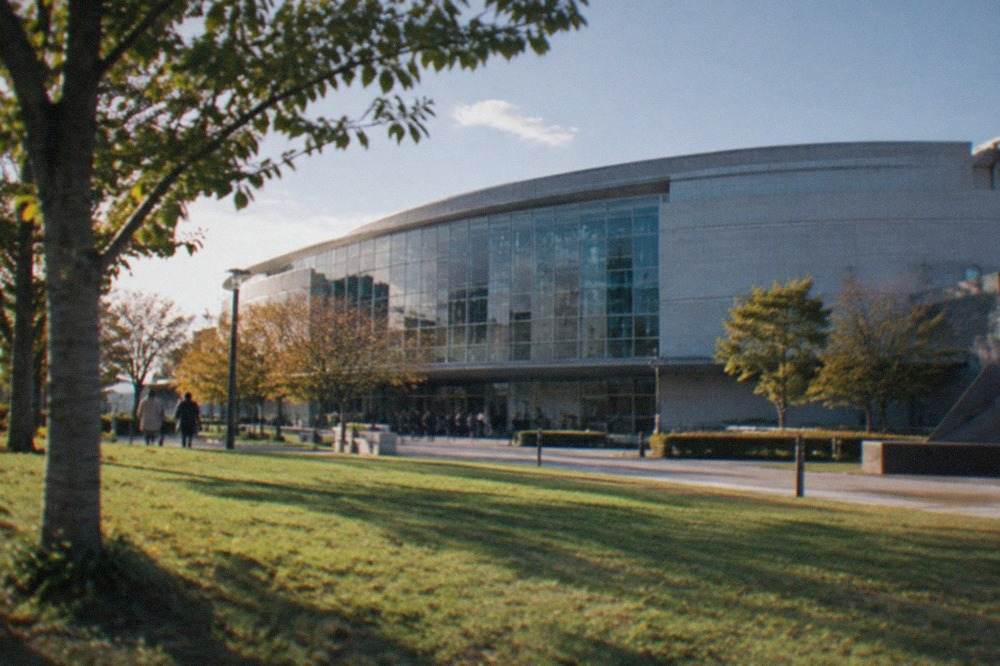
Kyoto drew a record 62.79 million visitors in 2025, according to the city's own tourism survey released in June 2026, and a growing share of them are families with children who need at least one afternoon that is not a temple. Kyoto Aquarium is that afternoon for most of them. It sits in the Umekoji area west of Kyoto Station, next door to the Kyoto Railway Museum, which makes it one of the few attractions in the city where two major indoor sights sit within a short walk of each other.
This page answers the question planners actually type, what a ticket costs and whether buying online is cheaper, and then places the aquarium in the context of a full Kyoto budget. Every fee printed here comes from the venue's own published price list, which matters more than usual this year: Ginkaku-ji doubled its admission in April 2026, Tofuku-ji revises its fees on 1 November 2026, and a fee copied from an older guide is now wrong for at least one major sight.
What Does Kyoto Aquarium Cost And Are Tickets Cheaper Online?
Kyoto Aquarium's ticket prices are not held in this site's verified fact base, so no figure is printed here as fact. The honest answer is that the current rate, the child and senior bands and any online discount are all shown on the aquarium's own ticket page, and that page is the only reliable source. What can be said with confidence is that the aquarium is a paid, ticketed attraction, unlike Fushimi Inari Taisha, which publishes no fee anywhere on its site.
The reason this page does not simply quote a number is that aquarium pricing in Japan changes more often than temple pricing, and this site's policy is to print only figures it has read on the venue's own page. Temples revise fees rarely and announce it; the aquarium adjusts promotions, family bundles and online rates seasonally. A guide that quotes a price it read two years ago is worse than one that sends you to the source.
On the online question, the practical pattern is consistent across Kyoto's paid attractions. The venues that sell their own digital tickets, the Railway Museum and Nidec Kyoto Tower among them, price them at the gate rate, so the saving is time rather than money. Where a discount exists, it comes from third-party resellers, and those prices move constantly. Treat any "cheaper online" claim you read elsewhere as unverified until you see the checkout screen yourself.
What is worth budgeting is everything around the visit. A family of four arriving from Kyoto Station will spend 230 yen per adult on the city bus each way, or 220 to 360 yen per adult on the subway depending on zone, and the Subway and Bus One-Day Pass at 1,100 yen for adults and 550 yen for children pays for itself on a day that stacks the aquarium with a second sight.
How Do You Get To Kyoto Aquarium?
The aquarium sits in the Umekoji area, a short walk west of Kyoto Station, which makes it one of the easiest major attractions in the city to reach without a bus. The flat city bus fare is 230 yen per adult and 120 yen per child aged 6 to 11, the subway runs 220 to 360 yen per adult by zone, and the Subway and Bus One-Day Pass at 1,100 yen covers unlimited rides on both networks for a day.
The transport authority's own fare pages set those numbers, and they matter here because the bus-only one-day pass no longer exists. Sales of that old 700 yen product ended in September 2023 and it stopped being usable on 31 March 2024, a fact the city's transport bureau explains bluntly: 90 percent of buyers were non-residents, and the pass concentrated tourists on exactly the buses the city wanted to relieve. Any guide still recommending it is at least two years out of date.
The current product is the Subway and Bus One-Day Pass at 1,100 yen adult and 550 yen child. For an aquarium day it usually wins, because the natural plan is to arrive, spend the morning with the fish, walk next door to the Railway Museum in the afternoon, and ride back. Three or four rides and it has paid for itself.
| Transport option | Adult fare | Child fare | Notes |
|---|---|---|---|
| Kyoto City Bus, flat fare | 230 yen | 120 yen (ages 6-11) | City transport bureau rate |
| Subway, zones 1 to 5 | 220 to 360 yen | 110 to 180 yen | Price rises by zone |
| Subway and Bus One-Day Pass | 1,100 yen | 550 yen | The current day pass |
| Tourist express EX100 / EX101 | 500 yen | 250 yen | Runs to Kiyomizu and Gion, not Umekoji |
| ICOCA card | 2,000 yen including a 500 yen deposit | Same | Rechargeable, works on bus and subway |
One more transport fact worth knowing: the EX100 and EX101 tourist express buses, at 500 yen per adult per ride, serve the Kiyomizu, Gion and Ginkaku-ji corridor, not the station area, so they are no help on an aquarium day. They are worth knowing for the rest of the itinerary.
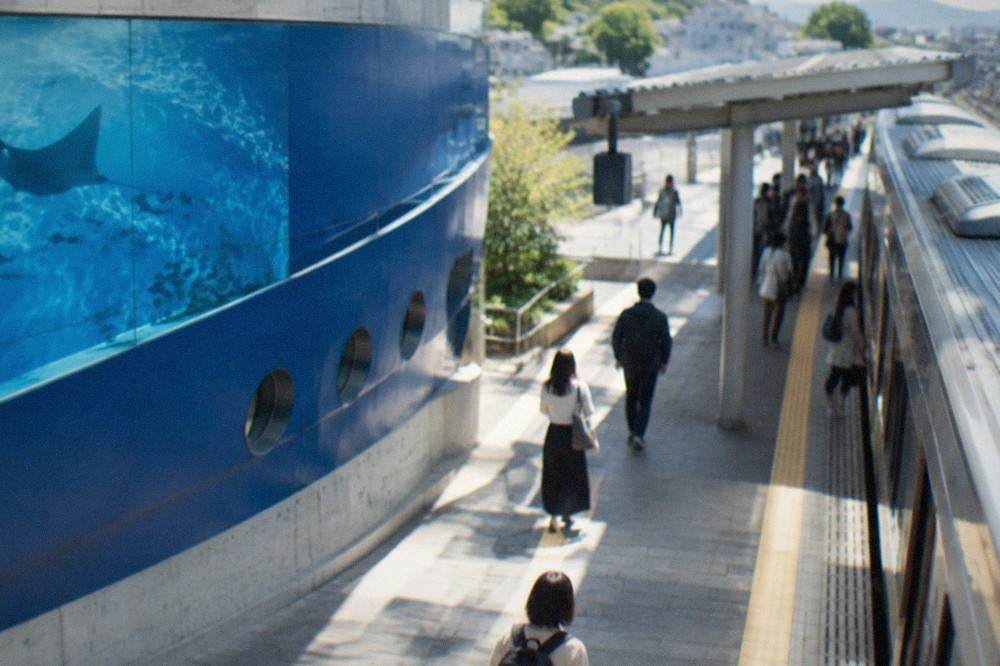
If you are coming from farther out, the practical pattern is to make the aquarium the bookend of a station day. The JR lines, the subway's Karasuma Line and the bus hub all converge on Kyoto Station, and the aquarium is close enough that luggage storage near the station, covered in the Kyoto luggage storage guide, lets you visit between arrival and hotel check-in.
Is Kyoto Aquarium Worth Visiting Compared To Kyoto's Temples?
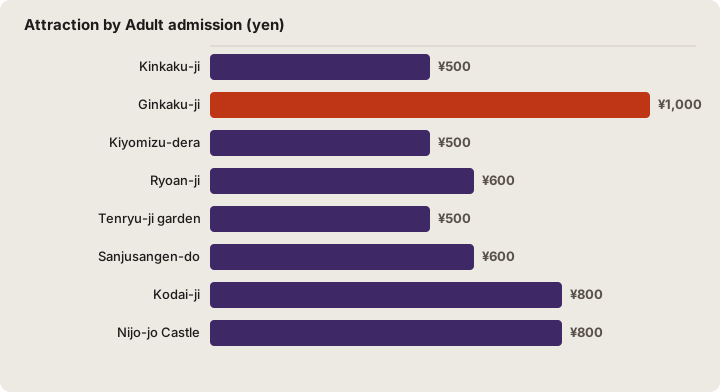
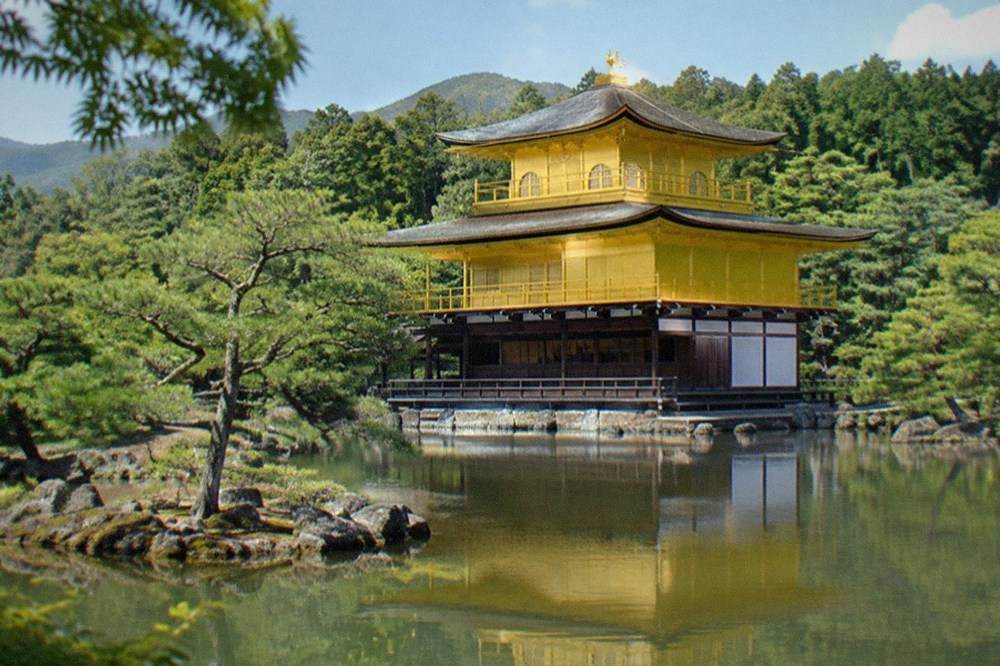
For a first visit to Kyoto with no children in the group, the temples win, and it is not close: Kinkaku-ji at 500 yen, Ryoan-ji at 600 yen and Sanjusangen-do at 600 yen each deliver something no aquarium can. For families with young children, or for a rainy day, the aquarium earns its place, and its neighbour the Kyoto Railway Museum at 1,500 yen for adults is arguably the stronger half of the Umekoji pairing.
That judgement is grounded in verified numbers, not taste. The temple fee table below is the honest cost of the classic Kyoto day, and it adds up fast enough that a family will feel it.
| Attraction | Adult admission | Child admission | Source status |
|---|---|---|---|
| Kinkaku-ji | 500 yen | 300 yen (primary and middle school) | Verified, temple site |
| Ginkaku-ji | 1,000 yen | 500 yen | Doubled from 1 April 2026 |
| Kiyomizu-dera | 500 yen | Same | Single source, not on temple site |
| Ryoan-ji | 600 yen | 300 yen (elementary and junior high) | Verified |
| Tenryu-ji garden | 500 yen | 300 yen | Buildings add 300 yen |
| Sanjusangen-do | 600 yen | 300 yen (elementary) | Verified |
| Kodai-ji | 800 yen | Free with an adult | 1,200 yen combined with Entoku-in |
| Nijo-jo Castle | 800 yen | 300 yen (elementary) | 1,300 yen with Ninomaru-goten Palace |
The Ginkaku-ji line is the one to watch. The temple's own notice, dated January 2026, raised the adult fee from 500 to 1,000 yen effective 1 April 2026, the first change in 32 years. Ginkaku-ji at 1,000 yen is now twice Kinkaku-ji's 500, and for a first visit Kinkaku-ji is the better use of the fee. Tofuku-ji revises on 1 November 2026 too: the Hojo garden rises from 500 to 600 yen, a new 1,000 yen combined ticket appears, and the Tsutenkyo bridge rises to 1,000 yen during the autumn foliage period.
None of this makes the aquarium a bad choice. It makes it a budgeted choice. A family doing Kinkaku-ji, Ryoan-ji and the aquarium in one day is spending real money on admissions alone, and knowing the temple half of that total precisely is what lets the aquarium half be decided with eyes open. For the temple side of the equation, the Kyoto temples guide carries the full fee picture.
What Else Is Near Kyoto Aquarium For A Full Day?
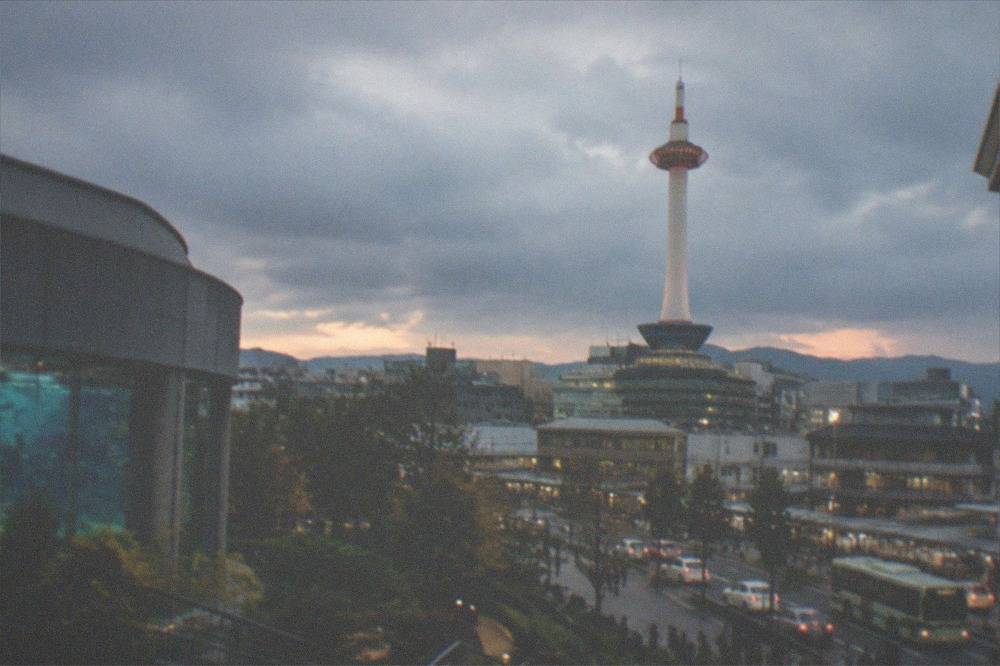
The Kyoto Railway Museum is the obvious pairing, at 1,500 yen for visitors 18 and over, 1,300 yen for university and high school students and 200 yen from age 3, open 10:00 to 17:00 with last entry at 16:30 and closed Wednesdays and 30 December to 1 January. Nidec Kyoto Tower, at 900 yen for adults with the deck open 10:00 to 21:00, is a short subway ride away and works as an evening add-on after the museums close.
The Railway Museum's own pages set those figures, and the Wednesday closure is the planning detail that catches people out: an aquarium-plus-trains day scheduled on a Wednesday loses its second half. The museum marked its tenth anniversary in 2026, and it remains one of the city's most reliable rainy-day sights.
Nidec Kyoto Tower, and the sponsor name is part of the official title, charges 900 yen for adults, 700 yen for high school students, 600 yen for elementary and junior high, and 200 yen from age 3, with under-3s free. The observation deck runs 10:00 to 21:00 with last admission at 20:30, which makes it one of the few Kyoto attractions still open in the evening. A family that finishes the aquarium at closing time can still ride up the tower the same night.
| Non-temple attraction | Adult admission | Hours | Verified detail |
|---|---|---|---|
| Kyoto Railway Museum | 1,500 yen (18+) | 10:00-17:00 | Closed Wednesdays, 30 Dec-1 Jan |
| Nidec Kyoto Tower | 900 yen | 10:00-21:00 | Last admission 20:30 |
| Iwatayama Monkey Park | 800 yen (16+) | 9:00-16:00 | Cash only, closed 1 January |
| Sagano Romantic Train | 880 yen one way | Roughly hourly, March to December | Child 440 yen |
| Hozugawa Kudari boat | 6,000 yen | 10 Mar-13 Dec regular season | About 2 hours |
| Toei Kyoto Studio Park | No fee printed here | Not verified | Price not readable on the official page |
The tower's evening hours pair naturally with the aquarium day in a way the temples cannot. Kiyomizu-dera opens at 6:00, which the temple's own FAQ confirms, and most temple ticket desks stop selling by late afternoon, so the classic pattern is temples at dawn, aquarium at midday, tower at dusk.
When Is The Best Time To Visit Kyoto Aquarium?
Weekday mornings are the calmest window, and the reason is arithmetic rather than folklore: the city's 2025 survey counted 62.79 million visitors, of whom 46.20 million were day visitors, and day visitors concentrate between late morning and mid afternoon. The aquarium is indoor and climate-controlled, which also makes it the default answer for Kyoto's wettest month, July, which averages 223.6 mm of rain against June's 199.7 mm in the JMA 1991-2020 normals.
That July figure surprises people, because the guidebook cliché is a June rainy season. The Japan Meteorological Agency's normals for station 47759 put July ahead of June, and August is hotter still, with a mean daily maximum of 33.7 C. Three of Kyoto's six hottest days on record fell in the summers of 2024, 2025 and 2026, so an air-conditioned aquarium afternoon in late July is not laziness, it is weather management. The full index of guides sits on Kyoto Travel Guide.
| Month | Rain mm | Mean daily max C | Note for planners |
|---|---|---|---|
| March | 106.2 | 14.1 | Cherry flowering averaged 26 March, 1991-2020 |
| April | 117.0 | 20.1 | Full bloom normal 4 April |
| June | 199.7 | 28.1 | Wet season, but not the wettest |
| July | 223.6 | 32.0 | Wettest month of the year |
| August | 153.8 | 33.7 | Hottest month, sunniest at 182.7 h |
| November | 73.9 | 17.3 | Maple red-leaves normal 5 December |
The crowd picture is not guesswork either. The Kyoto Tourism Comfort Forecast, run by the city's tourism association, publishes a five-level crowd comfort index for major spots and time slots, built from smartphone location data, weather and day of week. The shrine at Fushimi Inari links to it from its own front page, and it is the single best tool for deciding whether to queue for fish now or in two hours.
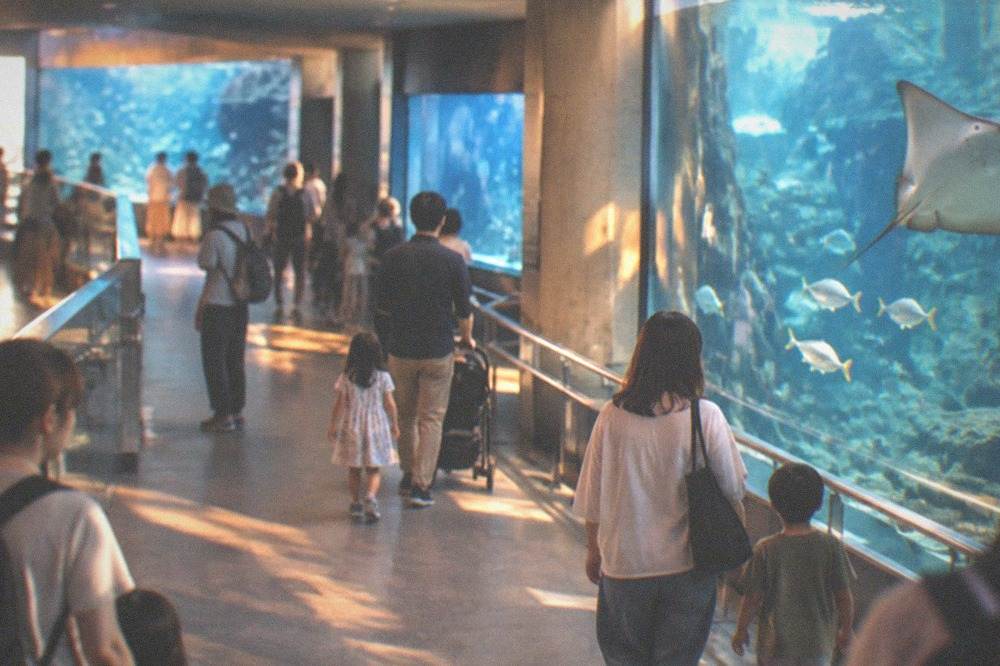
School groups are the other variable. The 2025 survey counted 670,000 school-trip students in the city, and weekday mid-mornings in spring and autumn carry a share of them. A weekday after 14:00, or any first-thing opening slot, is the quiet compromise.
How Does Kyoto Aquarium Fit A One-Day Kyoto Itinerary?
The strongest aquarium day is a station-anchored one: Kiyomizu-dera or Nijo-jo Castle in the morning while the temples are selling tickets, the aquarium after lunch, the Railway Museum until its 17:00 close, and Nidec Kyoto Tower in the evening when its deck runs to 21:00. That sequence uses the verified hours of each venue, and the Subway and Bus One-Day Pass at 1,100 yen covers the transport between them.
The morning temple is flexible. Nijo-jo Castle sells admission until 16:00 and closes at 17:00, with the castle at 800 yen or 1,300 yen combined with the Ninomaru-goten Palace, and the Ninomaru reception closes at 16:10, so it also tolerates an afternoon slot. Kiyomizu-dera's 6:00 opening rewards the early start instead.
For a fuller sequence built around first-timers, the one day in Kyoto itinerary is the template, and the Kyoto itinerary guide covers the two- and three-day versions. Families with younger children should also read Kyoto with kids, which weighs the aquarium against the monkey park and the botanical garden.
What Does A Kyoto Trip Cost Beyond The Aquarium Ticket?
The verified costs around an aquarium visit are the transport, 230 yen per adult bus ride or 1,100 yen for a day pass, the paired attractions, 1,500 yen at the Railway Museum or 900 yen at Nidec Kyoto Tower, and the accommodation tax, which changed on 1 March 2026 to five tiers from 200 yen per person per night on a room under 6,000 yen up to 10,000 yen on a room of 100,000 yen or more.
That tax change is the one most competing guides still get wrong. A 20,000 yen room now carries 1,000 yen per person per night, not the old 500, and a 50,000 yen room carries 4,000. The city expects about 12.6 billion yen a year from the new tiers, and the base is the room-only charge, excluding meals and consumption tax.
| Accommodation tax tier (room charge per person per night) | Rate from 1 March 2026 | Old rate |
|---|---|---|
| Under 6,000 yen | 200 yen | 200 yen |
| 6,000 to under 20,000 yen | 400 yen | 400 yen |
| 20,000 to under 50,000 yen | 1,000 yen | 500 yen |
| 50,000 to under 100,000 yen | 4,000 yen | 1,000 yen |
| 100,000 yen and up | 10,000 yen | 1,000 yen |
Food is the other line item people underestimate. At one of Kyoto's most famous kaiseki houses, Hyotei by Nanzen-ji, the kaiseki course itself starts above 30,000 yen, from 31,625 yen at lunch on the restaurant's own published menu, while the same kitchen's annex serves a morning rice porridge at 5,445 yen and a bento at 7,260 yen. Those are Hyotei's prices, not a Kyoto norm, but they frame the range honestly. The how much does dinner cost in Kyoto answer carries the fuller picture.
Are There Cheaper Alternatives To Kyoto Aquarium?
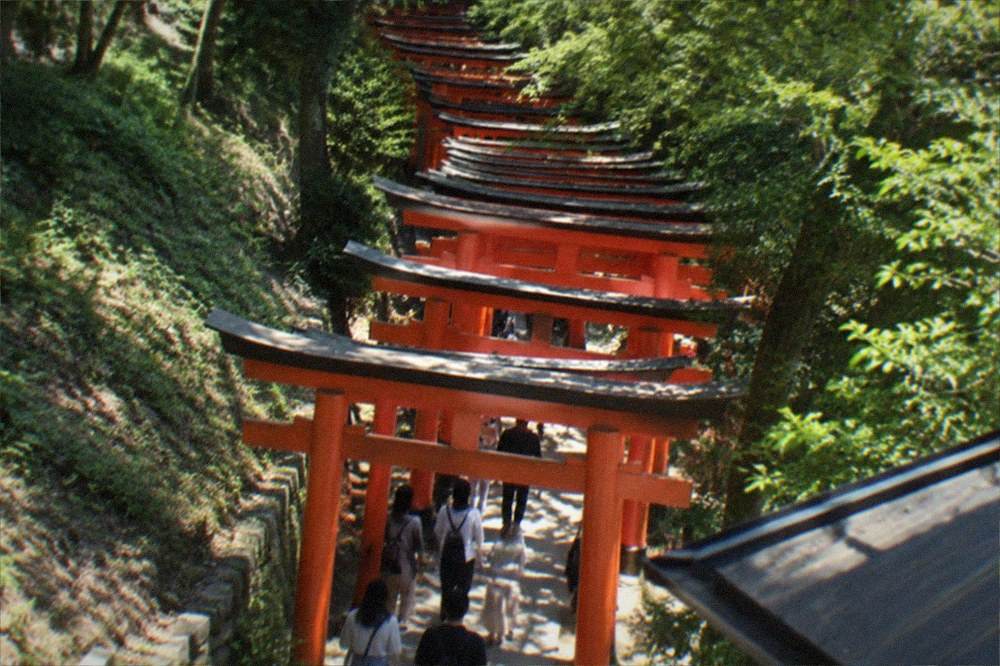
Yes, and several of Kyoto's best sights cost nothing at all: Fushimi Inari Taisha publishes no fee anywhere on its site, the Kyoto Imperial Palace states it is open to all visitors with no advance application, and Nishiki Market, the Arashiyama bamboo path and the walk through Gion and Pontocho are all free to enter. The trade is simple, the free sights are outdoors and unsheltered, the aquarium is neither.
The free list is worth knowing precisely because it is short and verified. Shugakuin Imperial Villa and the Sento Imperial Palace are also free, but both are guided and admit visitors 18 and over only, with under-18s including infants not admitted, a restriction that matters to families deciding between the villa and the aquarium. Katsura Imperial Villa charges 1,000 yen for visitors 18 and over, is free for 12 to 17, and requires a guided tour of about 60 minutes with advance application or a same-day numbered ticket.
| Sight | Cost | Restriction |
|---|---|---|
| Fushimi Inari Taisha | Free | Paths have no closing time |
| Kyoto Imperial Palace | Free | Open to all, no application needed |
| Shugakuin Imperial Villa | Free | Guided, 18 and over only |
| Nishiki Market | Free to enter | Shops keep individual hours |
| Arashiyama bamboo path | Free | Public path |
| Katsura Imperial Villa | 1,000 yen (18+) | Guided, about 60 minutes |
For a zero-spend day built around the free sights, the free things to do in Kyoto guide is the fuller list. The honest framing for the aquarium decision is this: the free sights are the reason to come to Kyoto, the aquarium is the reason your six-year-old survives the free sights.
Should You Book A Guided Tour Or Visit Kyoto Aquarium Independently?
Visit the aquarium independently, because it is a single ticketed building next to a station and a guide adds nothing inside it. Spend the guided-tour budget on the parts of Kyoto where a guide genuinely changes the experience: the Kurama to Kibune mountains, where the full-day hiking tour runs about 8 hours from around $210, or a free tip-based walking tour, which costs nothing up front and is tipped at the end.
The Kurama-Kibune hike is the strongest paid option on this site's roster for a family with older children, a full day on the nature and legends of the northern mountains, rated 5 from 82 reviews. It is the counterweight to the aquarium day: one is climate-controlled and flat, the other is a mountain trail between two temple towns.
The free option deserves a plain explanation, because it is not this site's product. GuruWalk lists a free walking tour of Kyoto, about 3 hours, tip based, rated 4.93 from 1,128 reviews, led by a local guru who sets their own route and is paid by tips at the end. Naming GuruWalk and the guru arrangement is the honest way to describe it: there is no price to print because there is no price, you tip what the walk was worth. For a first evening in the city it is hard to beat as a low-risk orientation.
For the rest of the trip, the paid tours that pair well with an aquarium day are the station-adjacent ones: the tower ticket already covered above, and for the arrival or departure leg, the Haruka express guide explains the 2,200 yen visitor one-way ticket from Kansai Airport, which JR West prices well below the regular fare.
Common Questions About Kyoto Aquarium
What Does Kyoto Aquarium Cost And Are Tickets Cheaper Online?
The aquarium's current ticket prices are shown on its own ticket page, and this site prints no figure it has not verified there. Online tickets, where offered, are typically priced at the gate rate, so the saving is usually time in the queue rather than money. Check the operator's page before you go.
Is Kyoto Aquarium Good For Kids?
It is one of the city's main indoor family attractions, sitting beside the Kyoto Railway Museum in the Umekoji area, and the two together fill a full day. The Railway Museum charges 1,500 yen for visitors 18 and over and 200 yen from age 3, and is closed Wednesdays.
How Do I Get To Kyoto Aquarium From Kyoto Station?
It is a short walk west of the station in the Umekoji area, or one bus ride at the 230 yen flat adult fare. The Subway and Bus One-Day Pass at 1,100 yen covers a day that stacks the aquarium with other sights.
What Is Near Kyoto Aquarium?
The Kyoto Railway Museum is the immediate neighbour, open 10:00 to 17:00 and closed Wednesdays. Nidec Kyoto Tower, with its observation deck open until 21:00, is a short subway ride away and works as an evening add-on.
Is Kyoto Aquarium Open In Rain?
It is an indoor, climate-controlled attraction, which makes it a default rainy-day choice. Note that July, not June, is Kyoto's wettest month at 223.6 mm in the JMA 1991-2020 normals, so summer rain planning matters more than most guides suggest.
Are There Free Alternatives To Kyoto Aquarium?
Fushimi Inari Taisha, the Kyoto Imperial Palace, Nishiki Market, the Arashiyama bamboo path and the Gion and Pontocho walks are all free to enter. The trade is that none of them are sheltered or aimed at children in the way an aquarium is.
The aquarium earns its slot in a Kyoto plan when it is planned honestly: check the ticket page for the current rate, pair it with the Railway Museum on a non-Wednesday, ride there on the day pass, and keep the temples for the morning. That is a day that works for the whole family, and it keeps the verified fee totals, 500 yen at Kinkaku-ji, 1,500 yen at the Railway Museum, 900 yen at the tower, inside a budget you set before you leave.