Where Do Locals Eat In Kyoto?
Where Kyoto residents actually eat: the neighbourhoods, the markets and the price reality, with verified figures on Nishiki Market hours and what a local-price meal costs.
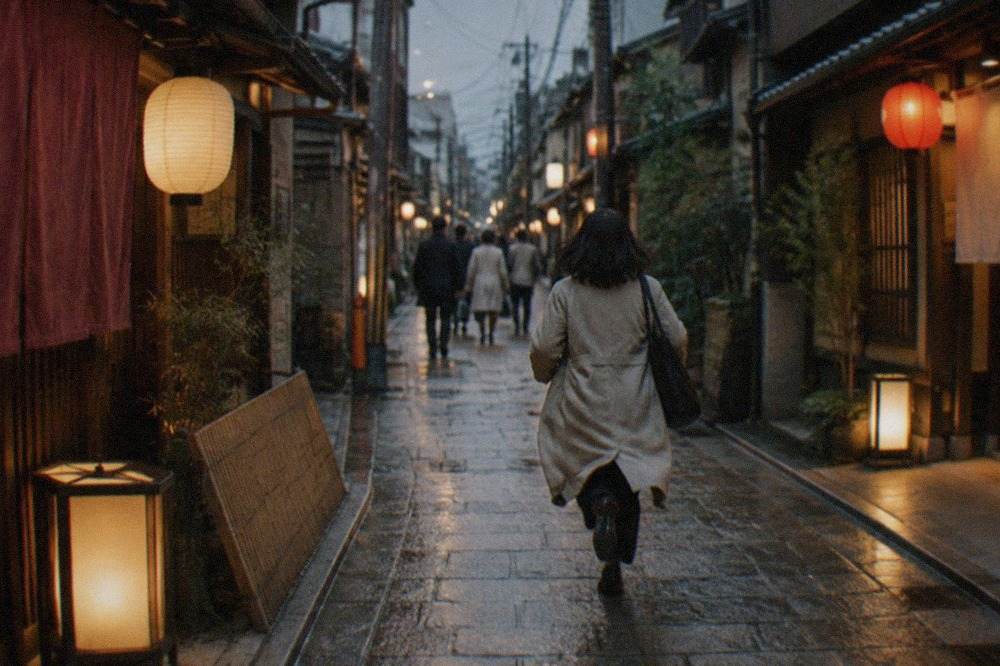
Where Do Locals Eat In Kyoto?
Kyoto recorded 62.79 million visitors in 2025, the city's own tourism survey reports, and 46.20 million of them were day visitors who did not stay the night. That second number explains almost everything about where tourists eat: day visitors cluster around the famous streets near Kyoto Station, Gion and Arashiyama because they are working against a return train. Residents, who eat in the city every day of the year, spread out instead, and the geography of local eating looks quite different from the geography of visitor eating. This page maps the difference using the figures this site has verified from the city, the market association and the restaurants' own pages.
Where Do Locals Eat In Kyoto?
Locals in Kyoto eat in the residential and student neighbourhoods rather than the sightseeing core: the Kawaramachi and Karasuma side streets downtown, the Oike and Marutamachi corridors, the student belt around Demachiyanagi and the Kyoto University area, and the local shotengai shopping arcades that thread through nearly every district. The pattern is simple. Where rents are lower and the audience lives nearby, restaurants serve repeat customers, which in Kyoto means honest prices, small menus and no English signboard. The famous streets are not avoided out of snobbery, they are simply priced and queued for a once-a-year visitor, not a Tuesday dinner.
The distinction matters most at dinner. The city's 2025 survey counted 16.59 million overnight guests, and the areas around the station and Gion absorb a large share of their meals. A resident heading out for noodles walks the other way.
For a fuller map of the city's food culture, see the Kyoto food guide, and for the snacking side of the city, the Kyoto street food guide covers the stalls rather than the sit-down rooms.
Which Kyoto Neighbourhoods Do Residents Actually Eat In?
The reliable local-eating neighbourhoods are downtown Kawaramachi's back lanes west of Teramachi, the Karasuma and Oike side streets, Demachiyanagi and the Kyoto University belt in the north, the Nishijin weaving district in the west, and the shotengai arcades of each residential ward. Each has a different character and a different price band, and none of them depends on a temple or a view to fill its seats. The table below is the honest summary of what each area offers and who eats there.
| Area | Character | Who eats there | Typical setting |
|---|---|---|---|
| Kawaramachi back lanes | Standing bars, small izakaya | Office workers, evening crowds | Lantern-lit alleys off the main street |
| Karasuma and Oike side streets | Lunch-focused shokudo and noodle rooms | Weekday workers | Basement and first-floor counters |
| Demachiyanagi and university belt | Cheap, generous student portions | Students, young families | Casual rooms near the river junction |
| Nishijin | Old-school tofu and obanzai kitchens | Long-term residents | Low-frontage local shops |
| Ward shotengai arcades | Bakeries, croquettes, butchers | Everyone in the district | Covered shopping streets |
The back lanes of downtown deserve the emphasis. Visitors walk the main Kawaramachi shopping spine and conclude the area is tourist-priced, but one street in either direction the character changes: smaller rooms, hand-written menus, and queues that move in Japanese. The Kawaramachi and downtown guide maps those lanes street by street.
Demachiyanagi, where the Kamo River's two branches meet in the north, is the other end of the spectrum. It feeds two universities, so the portions are large and the prices are set for people who eat out because cooking costs more. A first-time visitor with a spare evening and a willingness to order by pointing will eat better here than on any famous street.
Is Nishiki Market For Tourists Or Locals?
Nishiki Market is genuinely both, and the honest answer is that residents use it as a working food street while visitors treat it as an attraction: the roughly 130 shops keep their own hours, generally from about 9 or 10:00 to 17 or 18:00, and the market association prints no unified opening time because none exists. The market association's own site confirms that each shop decides its own days and hours, which is why a guide that prints a single opening time for Nishiki is printing something the market itself does not publish.
The local use is real but specific. Residents shop the northern side streets' greengrocers and fishmongers, and they buy particular things: a block of tofu, pickles for dinner, dashi stock ingredients. The skewers and snack stalls facing the central lane serve the walking crowd. One rule bridges both groups: eating while walking is discouraged, and stalls ask you to eat at the stall. The market's own guidance is to consume food where you buy it, which keeps the narrow lane walkable for the shoppers who live nearby.
A guided market walk is one of the few tours that serves the local-eating question directly, because a guide who knows the stalls can separate the working shops from the visitor-facing ones in a single morning. The Nishiki Market guide covers the street's history and layout for anyone exploring it alone.
What Does A Local-Price Meal Cost In Kyoto?
The honest verified answer comes from exactly one restaurant that prints its own prices: Hyotei, by Nanzen-ji, publishes kaiseki from 31,625 yen at lunch and from 37,950 yen at dinner in its main building, while the same house's annex serves asa-gayu rice porridge at 5,445 yen and a Shokado bento at 7,260 yen, tax and service included. Those are Hyotei's own published prices for its own rooms, and they illustrate the real structure of Kyoto dining better than any average: the same kitchen, the same address, and a roughly sixfold difference depending on which door you book.
| Item at Hyotei | Price, tax and service included | Where it is served |
|---|---|---|
| Kaiseki course, lunch | from 31,625 yen | Main building, 12:00 to 15:00 |
| Kaiseki course, dinner | from 37,950 yen | Main building, 17:00 to 21:30 |
| Asa-gayu morning porridge | 5,445 yen | Annex, 16 March to 30 November |
| Shokado bento | 7,260 yen | Annex, 12:00 to 14:00 |
Two cautions travel with that table. First, these are one restaurant's prices on its own page, not a city average, and this site does not print a "typical" kaiseki price because no other house publishes one we have read. Second, the annex figures are the local-shaped end of the deal: a famous kitchen's simpler room, at a price a resident could justify for a weekend breakfast. Bookings at Hyotei are taken from two people.
For the wider question of dinner budgets, the how much does dinner cost in Kyoto page breaks the topic down further, and the best restaurant in Kyoto answer covers the top end.
Where Do Kyoto Locals Eat Breakfast And Late At Night?
Locals eat breakfast at kissaten coffee rooms and the morning-service cafes of the downtown side streets, where a thick slice of toast and a boiled egg arrives with the coffee order, and they eat late in the Kawaramachi standing bars and the ramen rooms that keep post-midnight hours around the entertainment district. The morning-service custom, where the small breakfast plate comes effectively with the drink, is a Kyoto institution that visitors walking to Kiyomizu-dera at 6:00 never see, because it runs from roughly 7:00 to 10:00 in rooms with no English menu.
The late end is even more local. After the last tourists board their trains, the lanes west of Kawaramachi fill with a different crowd, and the izakaya and bar crawl culture that runs until the small hours is priced for people who live here. A guided crawl is a low-friction way into rooms that otherwise take nerve to enter alone, and it is one of the few night formats where a visitor eats exactly what the residents at the next stool are eating.
Do Locals Avoid The Famous Food Streets Entirely?
No, and the fair statement is that residents avoid them at peak hours rather than in principle: a local will walk through Nishiki at 10:00 on a Tuesday to buy pickles, will eat noodles near Gion on a quiet Monday, and will simply never queue at 12:30 on a Saturday in any month, because the city's 46.20 million day visitors in 2025 did that queuing for them. The timing instinct is the whole skill. The famous streets are food streets first, and their best shops survive on a mix of local and visitor trade, but the mix depends on the hour.
The practical translation for a visitor is threefold. Eat the famous streets early or late, not at the midday peak. Walk one street off the spine wherever possible, because the rent gradient does the filtering for you. And treat any room with a queue of locals as a stronger signal than any review score, since residents re-queue at the places that earn it. The most famous food street in Kyoto answer covers the headline street in detail, and the wider Kyoto Travel Guide homepage maps the rest of the city's eating.
Common Questions About Where Locals Eat In Kyoto
Where do locals eat in Kyoto?
Residents eat in the back lanes of downtown Kawaramachi, the Karasuma and Oike side streets, the student belt around Demachiyanagi, Nishijin's old kitchens and the ward shotengai arcades, rather than the sightseeing core. The pattern is driven by price and repeat custom, not snobbery.
Is Nishiki Market worth it if you are not a tourist?
Yes, in part. Each shop keeps its own hours, roughly 9 or 10:00 to 17 or 18:00, and the working food shops on the side of the market serve residents buying tofu, pickles and stock ingredients. Eat at the stall rather than while walking, as the market asks.
How expensive is it to eat like a local in Kyoto?
Far less than the famous rooms. At Hyotei, the one house whose prices this site has verified from its own page, the annex serves asa-gayu at 5,445 yen and a Shokado bento at 7,260 yen, while the main building's kaiseki opens above 30,000 yen. Those are Hyotei's own prices, not a city average.
Do Kyoto locals eat breakfast out?
Many do, at kissaten coffee rooms running morning service from roughly 7:00 to 10:00, where toast and an egg come with the coffee. It is a weekday institution concentrated in the downtown side streets.
Where do locals eat late at night in Kyoto?
In the standing bars and izakaya of the lanes west of Kawaramachi, and in the ramen rooms that keep post-midnight hours around the entertainment district. The late crowd is overwhelmingly resident rather than visitor.
Should tourists avoid the famous food streets?
No, just retime them. A local uses the same streets at 10:00 on a weekday or late in the evening, and avoids the midday peak that the city's 46.20 million day visitors in 2025 created. Timing, not avoidance, is the local instinct.
The short version of everything above: eat one street off the famous spines, follow queues of residents rather than queues of cameras, use the market in the morning and the back lanes at night, and remember that the same famous kitchen often keeps a cheaper door around the side. That is the whole of the local method, and it costs nothing but a willingness to walk one extra block.