Day Trip From Kyoto To Kobe
Kobe sits close enough to Kyoto that a day trip needs almost no planning, and the city repays the effort with harbour views, beef restaurants and a mountain cable car that climbs straight out of the downtown grid.
Short answer
The fastest direct trains between Kyoto and Kobe take roughly half an hour, with slower JR, Hankyu and Hanshin services running frequently all day, so Kobe works as a relaxed day trip that leaves Kyoto after breakfast and returns after dinner.
Kobe is the day trip that Kyoto visitors most often forget, and the one that takes the least effort. The two cities sit on the same coastal plain, linked by three separate railway companies running parallel lines, and the fastest direct services cover the distance in roughly half an hour. That puts Kobe closer, in travel time, than several places inside Kyoto Prefecture that people plan whole itineraries around.
What you get on the other end is a city that looks and feels nothing like Kyoto. Kobe is a port, built around a deep natural harbour and backed by the Rokko range, and its history as a treaty port shows in the Kitano district's former foreign residences, the old shipping offices near the water and a Chinatown that has traded on this spot since the nineteenth century. The Great Hanshin earthquake remade whole neighbourhoods, and the rebuilt waterfront is now the city's public living room. If your Kyoto days are filling up with temples, Kobe is the change of texture that keeps a long trip interesting, and it pairs naturally with the wider set of options in our day trips from Kyoto guide.
How Long Is The Train From Kyoto To Kobe On JR Or Hankyu?
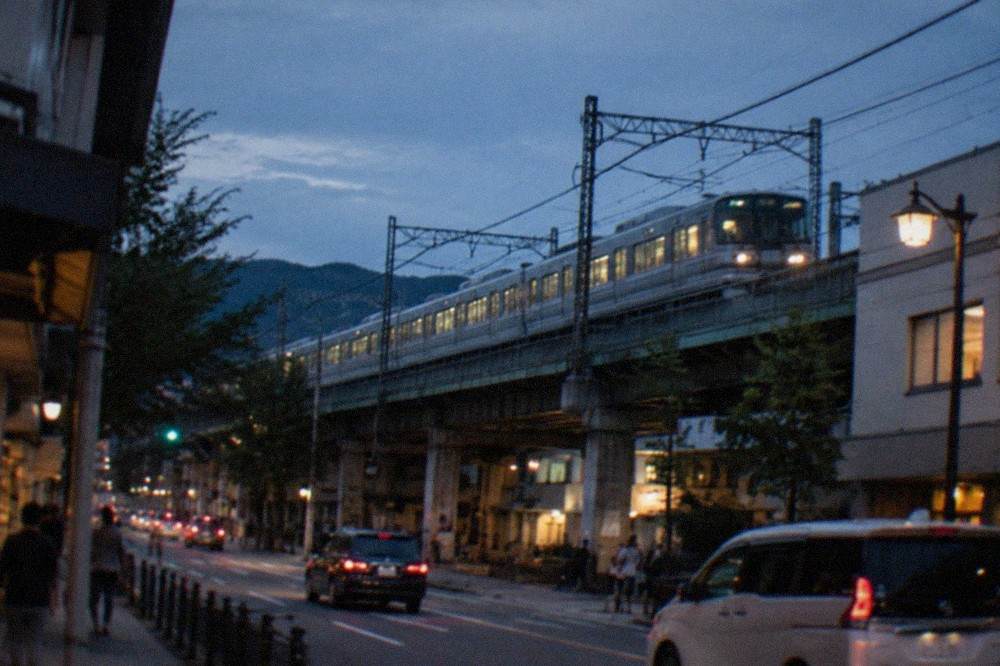
The fastest direct trains between Kyoto Station and Kobe's Sannomiya hub take roughly half an hour on the JR Kobe Line, while Hankyu trains between Kawaramachi or Karasuma in central Kyoto and Kobe Sannomiya take closer to 45 minutes to an hour depending on the service. Both companies run frequent departures through the day, and no reservation is needed on the trains a day tripper will actually use. Sannomiya, not Kobe Station, is the stop that puts you in the middle of the action.
The practical difference between the two companies is where they start. JR leaves from Kyoto Station, which is what you want if you are staying near the station or arriving off the HARUKA from Kansai Airport. Hankyu's Kyoto termini, Kawaramachi and Karasuma, sit in the downtown shopping and dining core, so if your hotel is in the city centre you can board without backtracking to the station. Hanshin trains also run to Kobe from Osaka's side, but from Kyoto itself the choice is JR or Hankyu.
Fares on both lines are modest, and the exact figure depends on the service and station pair, so check the operator's timetable and fare table when you buy. An IC card handles the whole question neatly: an ICOCA card costs 2,000 yen including a 500 yen deposit and works on every train between Kyoto and Kobe, JR, Hankyu and Hanshin alike, plus Kyoto's own buses and subways when you get back.
One planning note worth more than any fare table: the JR West Kansai Area Pass costs 2,800 yen for one day and covers this corridor. Whether it pays depends on what else you do that day, but for a round trip plus local movement in Kobe it is worth comparing against ordinary tickets before you buy anything.
What Makes Kobe Worth The Train Ride From Kyoto?
Kobe offers a compact set of experiences that Kyoto cannot supply: a working harbour with a waterfront promenade, a former foreign-resident quarter on the hill, one of Japan's largest Chinatowns, a cable car that lifts you onto the Rokko mountains in minutes, and the beef the city gave its name to. All of it sits within a walk or a short local train ride of Sannomiya station, which makes it one of the easiest big-city day trips to run without a car or a guide.
Start with the geography. Kobe's downtown is squeezed between the harbour and the mountains, so everything of interest to a visitor stacks into a strip a few kilometres long. You can walk from Chinatown to the Kitano heritage houses in about twenty minutes, with the cable car station for Nunobiki Herb Gardens on the way up the hill. That density is the reason a day is genuinely enough.
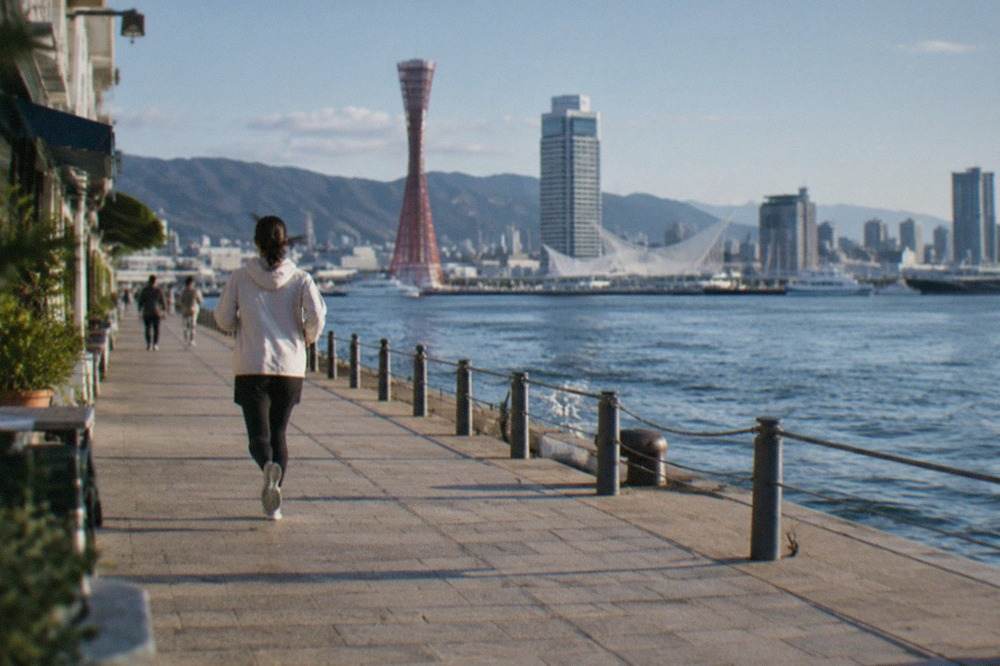
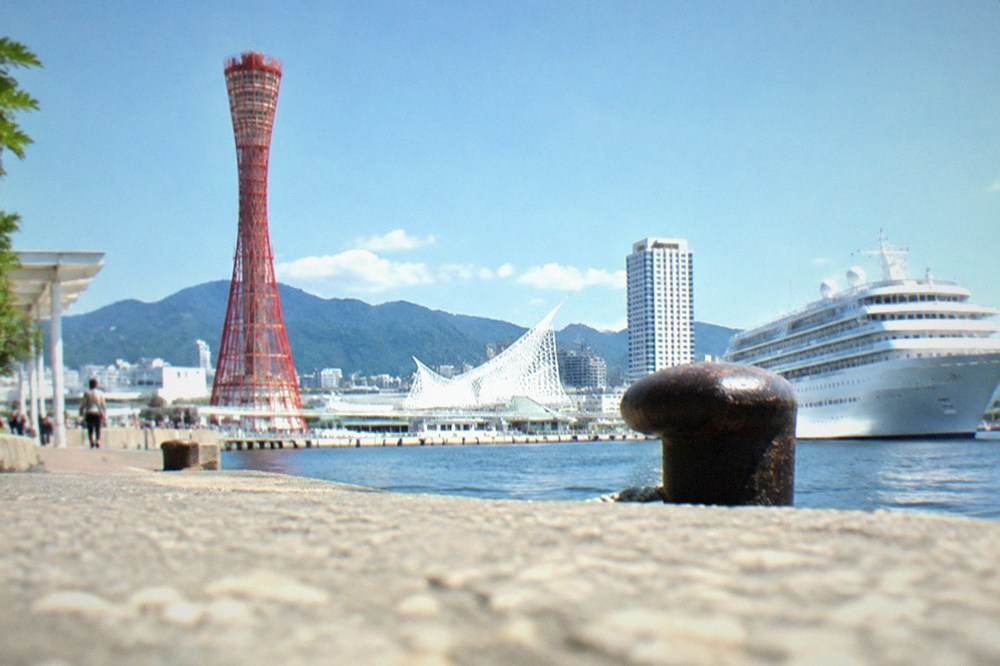
The harbour is the anchor. Meriken Park, on the water, holds the port tower, the maritime museum and the earthquake memorial that preserves a stretch of quay broken by the Great Hanshin earthquake exactly as the force of it left it. It is one of the few places in Japan where that earthquake is presented as a physical thing you stand next to, and it gives the glossy waterfront a seriousness that stops the area being just a photo stop.
Then there is the beef. Kobe beef is a brand with strict rules around breed, rearing and origin, and the restaurants that serve it range from high-end teppanyaki counters to more casual lunch sets. Prices are what you would expect for the name: the top counters in the city are a splurge by any standard, while lunch sets bring the cost down considerably. Book ahead for the famous houses, and be sceptical of any place near the station offering it cheaply.
For travellers weighing Kobe against the other classic destinations, here is how the main Kyoto day trips compare on verified travel facts:
| Day trip | Rail link from Kyoto | Verified fare | Typical journey |
|---|---|---|---|
| Nara | JR Miyakoji Rapid | 720 yen one-way | about 45 minutes |
| Nara | Kintetsu express | 760 yen one-way | about 35 minutes by limited express (plus 520 yen surcharge) |
| Uji | JR Nara Line | 240 yen one-way | short hop |
| Kobe | JR and Hankyu | check the operator's fare table | roughly 30 minutes on the fastest services |
The Nara and Uji figures come from the operators' published fares; the Kobe corridor's own fare depends on your exact station pair and service, so treat the timetable as the source of truth there.
How Do You Plan The Perfect One-Day Kobe Itinerary?
A workable day runs like this: take a morning train to Sannomiya, walk north to the Kitano district while the light is still good on the old houses, come back down for a Chinatown or beef lunch, spend the early afternoon on the harbour at Meriken Park, ride the Nunobiki cable car in the late afternoon when the mountains glow, and take an evening train back to Kyoto. That sequence keeps walking downhill where it counts and puts the best views at the best hour.
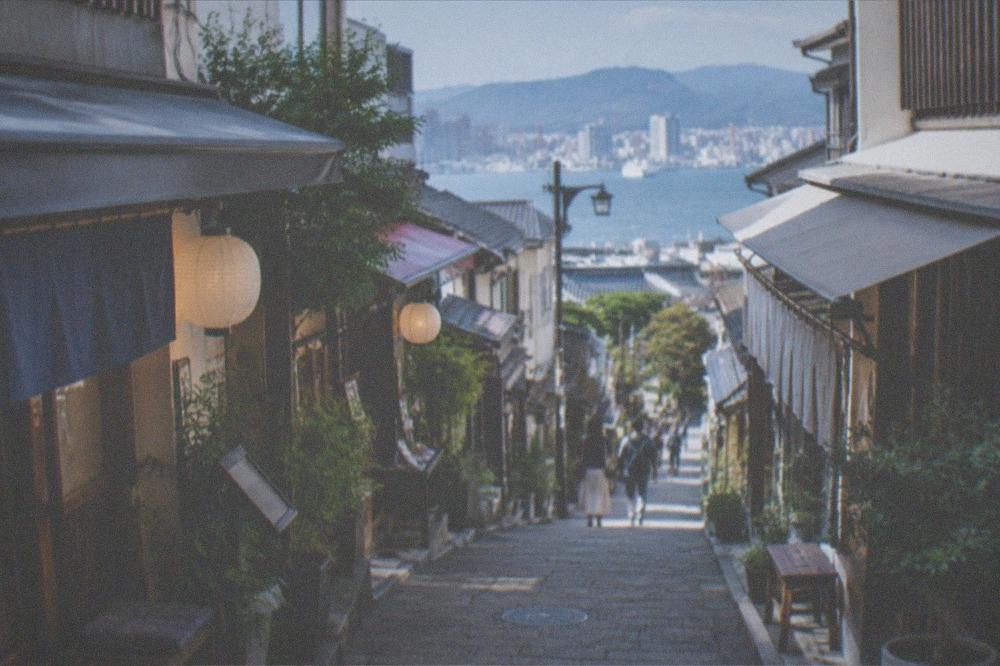
Kitano first, because the district sits on the hillside and the old foreign residences, several of them open as museums, are the city's most distinctive sight. The houses date from the decades after Kobe opened as a treaty port, and they are a rare thing in Japan: a streetscape of Western architecture from the Meiji era, maintained as individual house museums with modest entry fees set by each house. Give the quarter ninety minutes.
Lunch decides itself by budget. Chinatown, called Nankinmachi, is three short streets of restaurants and food stalls, and it is the fastest good meal between Kitano and the harbour. The beef counters are a step up in price and usually want a reservation. Either way, eat near Sannomiya before heading to the water, because the harbour itself is more about walking than eating.
The afternoon belongs to the waterfront. Meriken Park and the promenade east toward the Kobe Port Tower take an unhurried hour, longer if you go into the maritime museum. The earthquake memorial is at the park's edge and needs ten quiet minutes. From the harbour, the Nunobiki Herb Gardens cable car station is a short walk back toward Sannomiya, and the ride lifts you out of the city into gardens and mountain views in about ten minutes.
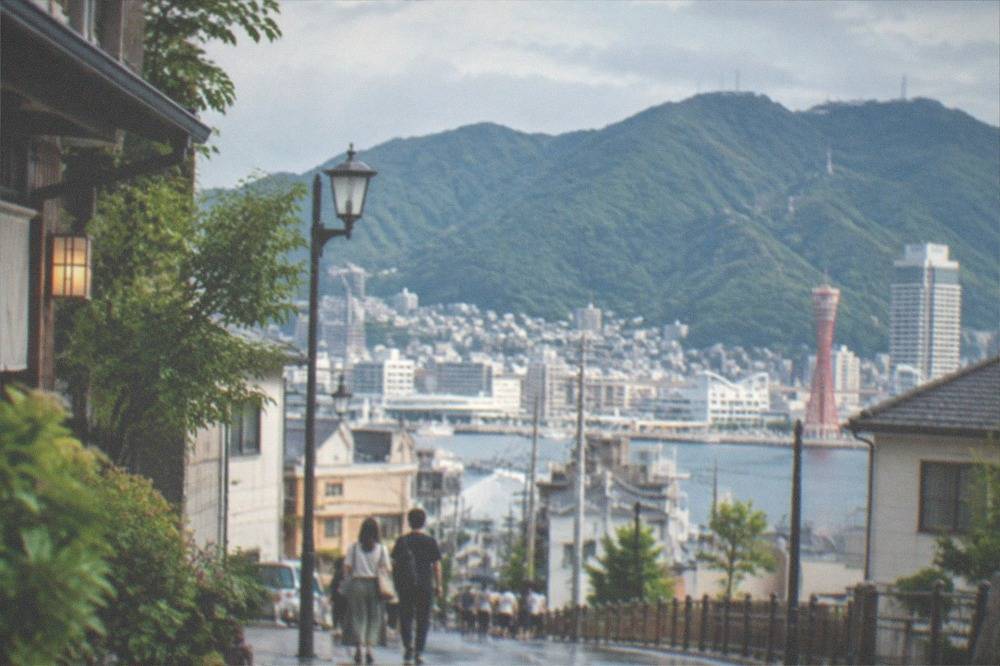
The last cable cars down run in the early evening, so check the return time before you commit to the summit. Back at the bottom, Sannomiya's covered shopping arcades are a good place to spend the remaining daylight, and the station area is dense with restaurants if you decide to eat in Kobe before returning. Trains back to Kyoto run late and frequently; there is no need to sprint for a specific departure.
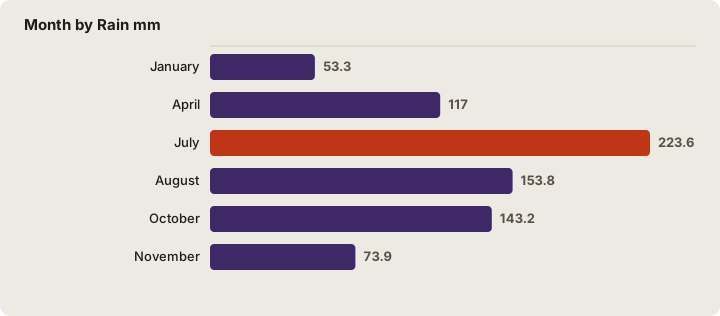
A note on seasons, because the mountain setting matters. Kobe's climate is milder than Kyoto's in winter and marginally cooler in summer, but the cable car and harbour are year-round operations. Kyoto's own weather is worth knowing for the train-boarding end of the day, and the Japan Meteorological Agency's 1991-2020 normals for the Kyoto station tell a story most guides get wrong:
| Month | Rain mm | Mean C | Mean daily max C | Sunshine h |
|---|---|---|---|---|
| January | 53.3 | 4.8 | 9.1 | 123.5 |
| April | 117.0 | 14.4 | 20.1 | 177.3 |
| July | 223.6 | 27.3 | 32.0 | 142.7 |
| August | 153.8 | 28.5 | 33.7 | 182.7 |
| October | 143.2 | 18.4 | 23.4 | 156.0 |
| November | 73.9 | 12.5 | 17.3 | 140.7 |
July, not June, is Kyoto's wettest month at 223.6 mm, and August is both the hottest and the sunniest. A Kobe day trip in those months is a reasonable swap, since the harbour breeze is real. In winter Kyoto's mean drops to 4.8 C with a mean daily minimum of 1.5 C, and the station's record low is -11.9 C, so pack for genuine cold if your trip falls in January.
Should You Visit Kobe Or Nara On Your Kyoto Day Trip?
Nara is the stronger choice for a first visit to Japan, because its Great Buddha hall, park deer and temple complex are sights of national importance that cannot be seen anywhere else, while Kobe is a city experience: food, harbour, architecture and views. If this is your only day trip out of Kyoto, go to Nara. If you have two days free, or you have already seen Kyoto's temples and want a contrast, Kobe earns its train fare easily.
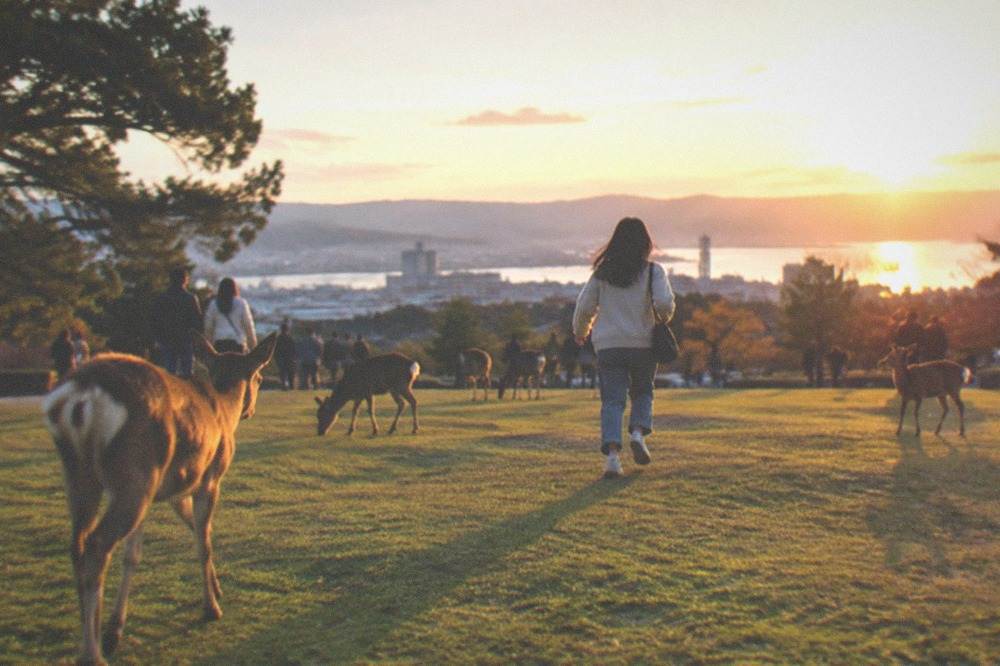
The honest comparison is about what a day can hold. Nara's core, the Todai-ji Daibutsuden and the deer park, is compact and walkable, and the temple's own fee notice sets the Great Buddha hall at 800 yen for adults, open daily from 7:30 in the April to October season. The 2026 deer census counted 1,687 animals in Nara Park, up 222 on the previous year, and the deer are the reason most visitors remember the day. Our Nara day trip guide covers the full plan.
Kobe has nothing that ranks at that level of national significance, and pretending otherwise would be dishonest. What it has is atmosphere and ease: a harbour city that feels lived-in, food that justifies the journey on its own, and a mountain cable car that turns a city day into something with a panorama at the end. For a second or third day trip, that variety is exactly the point.
There is also a hybrid option that works better than it sounds. Osaka sits between Kyoto and Kobe on the same coastal corridor, and some travellers pair a morning in Kobe with an evening in Osaka, or the reverse. That is a full day and a tiring one, and our Kyoto versus Osaka comparison and Osaka day trip guide cover both cities properly if you want to build that version.
If you would rather not run the trains yourself, the guided option has real advantages: a booked seat, an English-speaking guide and no navigation decisions before lunch. The early-morning Nara tour below departs from Kyoto or Osaka and is the strongest fit for a first-timer's day out of the city.
What Does A Kobe Day Trip Cost From Kyoto?
Budget roughly the round-trip train fare plus 1,000 to 3,000 yen per person for sights and a modest lunch, with the big variable being beef: a casual lunch set keeps the day cheap, while a dinner counter at a famous Kobe beef house can exceed the cost of everything else in the day combined. The cable car, the house museums and the harbour parks are all individually inexpensive, and the harbour-side sights include several that cost nothing at all.
Working from the verified Kyoto-side transport costs, here is how the pieces of a day stack up. The train is the fixed cost; everything after Sannomiya flexes with your choices:
| Item | Cost | Notes |
|---|---|---|
| Kyoto City Bus to the station | 230 yen adult, 120 yen child | flat fare, city-verified |
| Kyoto subway to the station | 220 to 360 yen | by zone, city-verified |
| Subway and Bus One-Day Pass | 1,100 yen adult, 550 yen child | only if you move around Kyoto that morning |
| Kyoto to Kobe round trip | check the operator's fare table | JR or Hankyu, no reservation needed |
| Nunobiki cable car and gardens | modest fee, set by the operator | check the operator's site for current pricing |
| Kitano house museums | small per-house fees | each house sets its own |
Two warnings about costs you may read elsewhere. First, the bus-only one-day pass that older guides still recommend no longer exists: sales ended at the end of September 2023 and the last day of use was 31 March 2024. The product that replaced it for visitors is the Subway and Bus One-Day Pass at 1,100 yen. Second, Kyoto's accommodation tax changed on 1 March 2026, with the top tier rising from 1,000 to 10,000 yen per person per night on rooms of 100,000 yen and up, so any budget worksheet built on the old tiers is wrong at the expensive end.
On the beef question, a comparison from Kyoto's own tables is useful for calibrating expectations. At Hyotei, one of Kyoto's most famous kaiseki houses by Nanzen-ji, the restaurant's own published prices start at 31,625 yen for lunch kaiseki and 37,950 at dinner, while the same house's annex serves a morning rice porridge at 5,445 yen and a bento from 7,260 yen. Those are Hyotei's prices, not a Kyoto or Kobe norm, but they show the honest shape of Japanese fine dining: the famous name costs multiples of the good-but-ordinary meal. Kobe beef counters follow the same logic, and a lunch set is the rational way to try the real thing without the dinner bill.
For travellers stretching a budget across several days, our day trips from Kyoto overview neighbours a fuller set of money-saving pieces, and the free sights in Kobe, the harbour promenade, Chinatown's streets and the Kitano hillside lanes, mean the day can be run almost entirely on the train fare plus food.
When Is The Best Time Of Day To Travel Between Kyoto And Kobe?
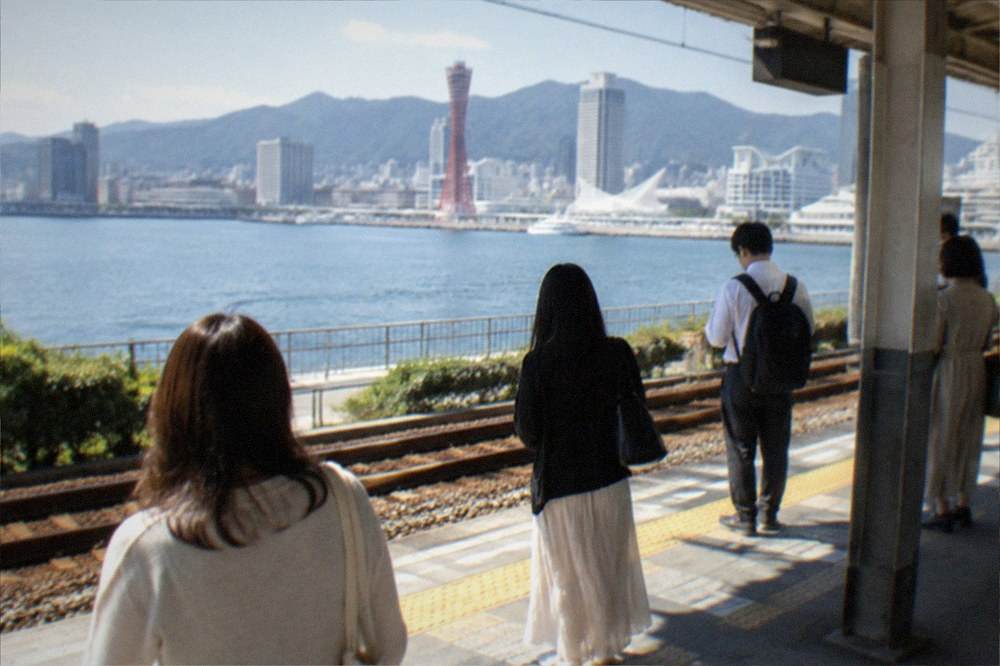
Mid-morning outbound and early-evening return are the comfortable choices: the peak-hour commuter trains between Kyoto, Osaka and Kobe are genuinely crowded, and a visitor with a day bag will feel it. Trains run from early morning until late evening at high frequency, so there is no scheduling pressure, only a preference for seats. The one time to avoid is the 8:00 region on a weekday, in either direction.
The corridor between Kyoto and Kobe is one of the busiest commuter strips in the country, and the trains fill with workers at both ends of the working day. Outside those windows, seats are usually available on the direct services, and the journey is short enough that standing is an inconvenience rather than a hardship. If you are starting from Kyoto Station, the JR side gives the fastest run; from downtown Kyoto, Hankyu from Kawaramachi trades a few extra minutes for a boarding point in the middle of the shopping district.
Luggage deserves a word. Kyoto's transport authorities actively discourage large bags on crowded city buses, and the same logic applies to the Kobe corridor at peak times. The city promotes hands-free sightseeing with station counters and delivery services, and for a day trip the answer is simpler: leave the bag where you are staying and travel light. If you are moving hotels that day, the private transfer option below handles the door-to-door version.
For the return, evening trains back to Kyoto are frequent well past dinner time, and Sannomiya's station complex is easy to navigate even with limited Japanese. The last direct services run late enough that a dinner in Kobe is realistic, though check the final departure for your exact line if you are staying far from Kyoto Station on the far side of the city.
How Does Kobe Compare With Kyoto's Other Easy Day Trips?
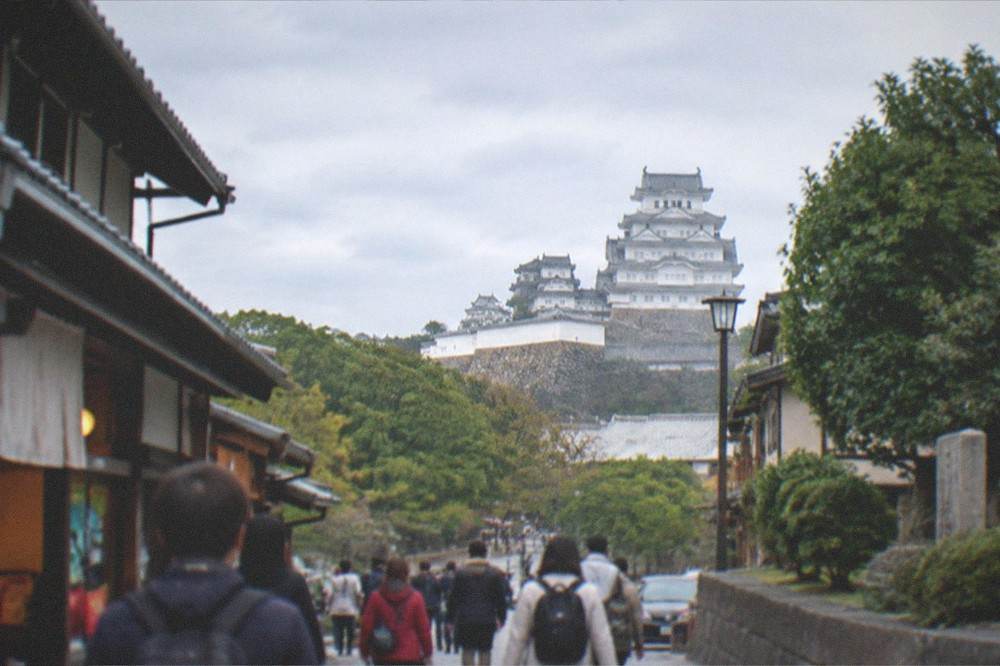
Kobe competes for the same day as Osaka, Nara, Himeji and Lake Biwa, and it wins on food and views, loses on headline sights. Osaka is the bigger, louder city with more nightlife; Nara has the temples and the deer; Himeji has Japan's finest castle; Kobe has the harbour, the mountains and the beef. Travellers who want a restful day with a view choose Kobe, and travellers chasing famous sights choose almost anywhere else.
Himeji deserves special mention because it is often combined with Kobe itself: the shinkansen stops at both, and Himeji Castle is about twenty minutes further down the line from Kobe on the slow services. Our Himeji Castle guide covers it, and a Kobe-plus-Himeji day is possible for fast movers, though it shortchanges both.
For the fuller map of options, the day trips from Kyoto overview ranks everything by travel time and effort, and the quieter choices, Kurama and Kibune to the north and Ohara beyond them, are the antidote if Kobe sounds too urban. The mountain villages at Miyama and the coast at Amanohashidate and Ine need more time but reward it.
If your trip is short and you want the highlights handled for you, the full-day bus tour below is the most efficient way to see Kyoto's own essentials, and it pairs well with a self-run Kobe day on either side of it.
That bus tour covers the Kyoto side of the equation, but the same logic applies to the coast: whether you ride the rails yourself or let a guide carry the day, the corridor between Kyoto and Kobe is short enough that the decision costs you almost nothing either way.
Common Questions About A Day Trip From Kyoto To Kobe
How Long Is The Train From Kyoto To Kobe On JR Or Hankyu?
Roughly half an hour on the fastest JR direct services between Kyoto Station and Kobe Sannomiya, and closer to 45 minutes to an hour on Hankyu from central Kyoto. Both companies run frequent trains all day with no reservation needed on ordinary services.
Which Kobe Station Should I Get Off At?
Sannomiya, on any line. It sits between the Kitano hillside, Chinatown and the harbour, and it is the hub for the local trains and the cable car connection. Kobe Station is further west and better only if your first stop is the harborland mall area.
Is One Day Enough For Kobe?
Yes. The harbour, Chinatown, the Kitano house museums and the Nunobiki cable car all sit within a compact strip between the mountains and the water, and a day with an early start covers them at a comfortable pace.
Is Kobe Beef Worth The Price?
As a lunch set, many travellers find it is; at the top dinner counters it is a splurge that competes with Kyoto's finest dining, where published kaiseki menus at famous houses start above 30,000 yen. Book ahead for the well-known restaurants and be wary of very cheap offers near the stations.
Can I Combine Kobe With Osaka Or Himeji In One Day?
You can, since all three sit on the same coastal corridor, but each deserves more than half a day. A Kobe-plus-Osaka evening is the easiest pairing; Himeji works best as its own trip or as a morning stop before an afternoon in Kobe.
Do I Need An IC Card For The Trip?
It is the simplest way to pay. An ICOCA costs 2,000 yen including a 500 yen deposit and works on JR, Hankyu and Hanshin trains between Kyoto and Kobe, plus Kyoto's city buses and subways at 230 yen flat fare and 220 to 360 yen by subway zone respectively.
Kobe will never out-temple Kyoto, and that is the entire point of going. Half an hour on a train, a harbour, a mountain and the best-known beef in Japan, and you are back in your Kyoto ryokan the same night, with the full run of options in our Kyoto Travel Guide still waiting the next morning.