Day Trip From Kyoto To Ohara
Ohara sits about an hour north of central Kyoto in the northern hills, a farming village of temple gardens and thatched buildings that most of the city's 62.79 million annual visitors never reach. The bus from Kyoto Station is the practical way in, and this page sets out what is verified about the route, the village, and the costs.
Short answer
Ohara is a mountain village in Kyoto's northern hills, reached by Kyoto Bus from Kyoto Station in roughly an hour. Its draw is Sanzen-in's moss gardens and the surrounding temple quarter, plus rural walking lanes. No admission fees, journey times or opening hours for Ohara's own sites are verified in this site's fact base, so this page gives the transport fares that are confirmed and tells you plainly what to check with each venue.
Ohara is a small village in the hills about an hour north of Kyoto Station, and it is one of the few places within day-trip range of the city where the landscape changes faster than the crowds thin. The Kyoto City Tourism Survey for 2025, released by the city in June 2026, counted a record 62.79 million visitors across the year, and the overwhelming majority of them stayed inside the corridor between Kyoto Station, Gion and Arashiyama. Ohara sits outside that corridor. You reach it by a single rural bus line that threads north out of the city through Takao and into farm country, and by the time it arrives the streets are lanes and the skyline is cedar forest.
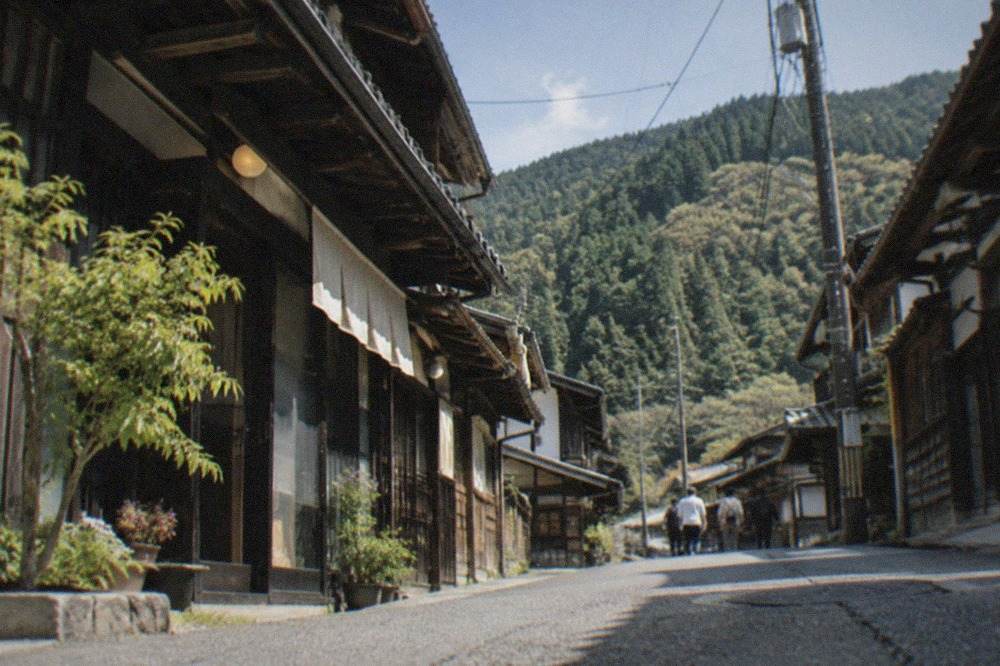
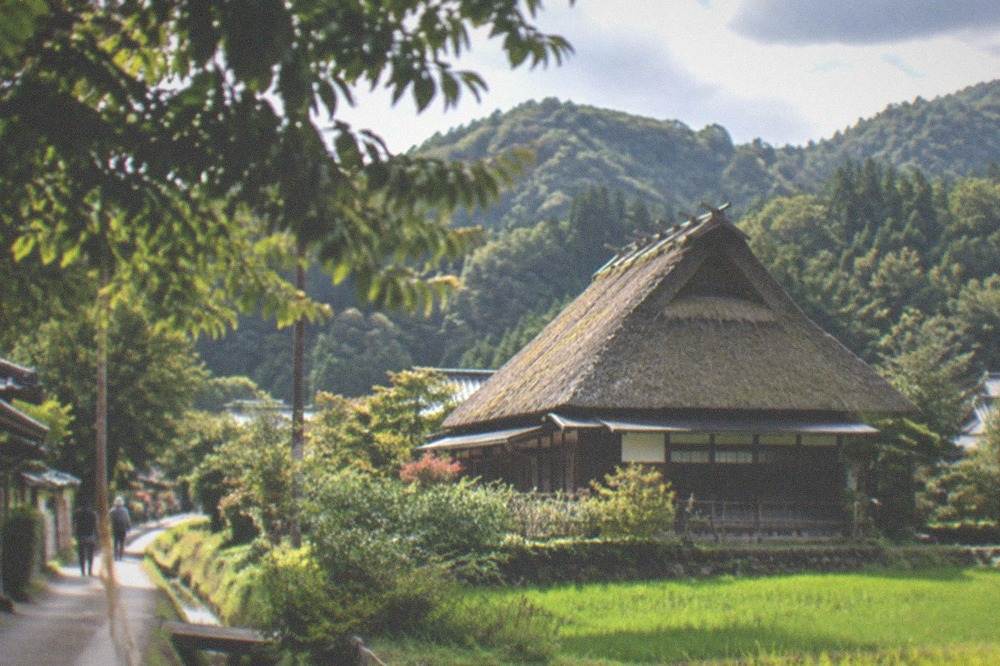
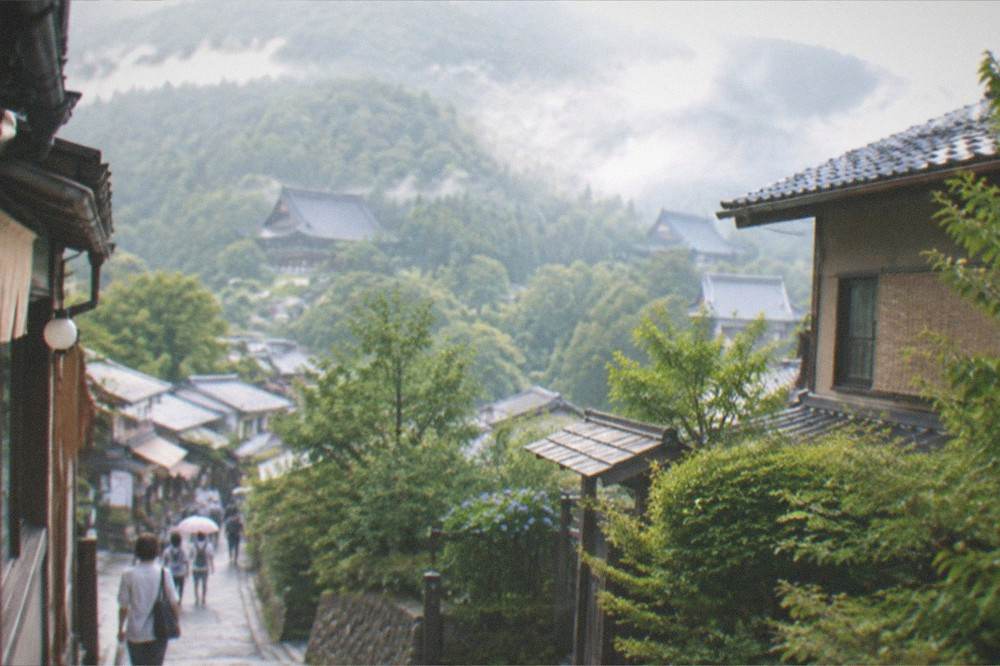
The village is known for its temple quarter, above all Sanzen-in, a Tendai temple whose gardens are the reason most visitors make the trip, and for a cluster of smaller temples and shrines scattered along the lanes behind it. The surrounding area is working farmland: shiso fields, thatched outbuildings, and steep wooded slopes. It is a half-day to full-day destination, best in the green of early summer or the leaf colour of late November, and quietest on weekdays outside Japanese holiday periods.
One honest note before anything else. The verified fact base behind this site covers Kyoto's transport fares, climate, major temple fees and city statistics in detail, but it does not carry admission fees, opening hours or journey times for Ohara's own temples and sights. Rather than repeat the plausible-sounding numbers that circulate on older guide pages, this page gives you the fares and facts that are confirmed, describes what Ohara actually is, and flags every figure you should confirm with the venue or operator before you travel. For the wider picture of the region's headline sights, start with things to do in Kyoto.
How Do You Get To Ohara From Kyoto Station By Bus?
You take a Kyoto Bus route from Kyoto Station bound for Ohara, a ride of roughly an hour through the northern hills, and the fare is not carried in this site's verified fact base, so confirm the current price with the operator. The bus is the practical option: Ohara has no rail station, and the same company also boards at Demachiyanagi and Sanjo Keihan in the city centre, which can be faster depending on where you start your day.
The route matters as much as the timetable. The bus leaves the northern side of the city and climbs through the Takao valley, the same corridor covered in the Takao day trip guide, before reaching Ohara at the head of its own valley. If your accommodation is in the city centre rather than near Kyoto Station, boarding at Demachiyanagi or Sanjo Keihan usually saves time over doubling back to the station first. Kyoto Bus is a separate company from Kyoto City Bus, so the flat 230 yen city fare and the city's day passes do not apply to the Ohara route; treat it as a regional fare and check the operator's own page for the current price and timetable.
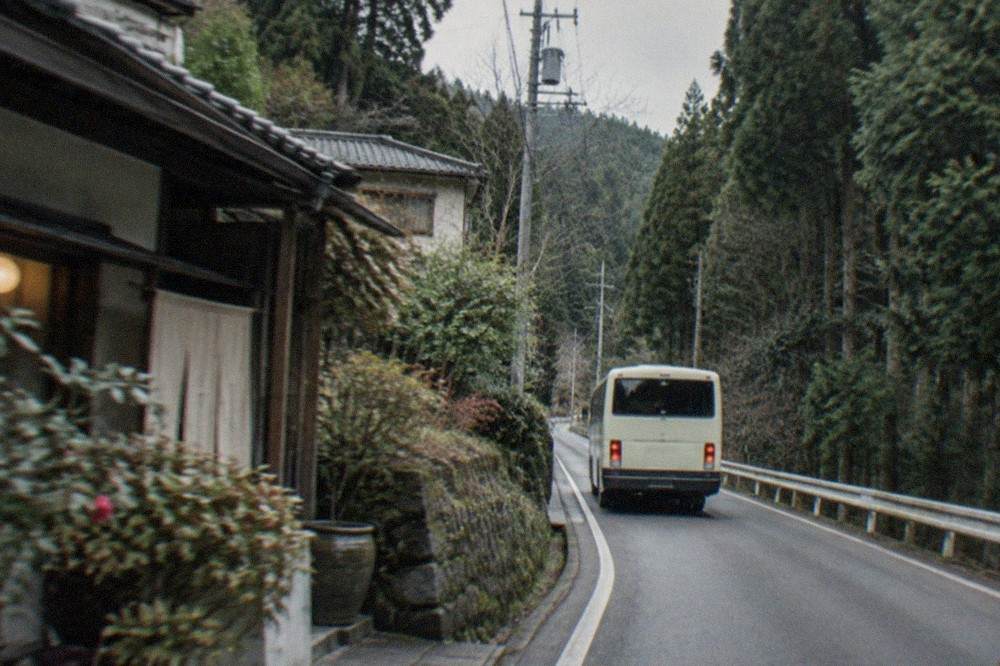
Two planning points are worth fixing in advance. First, the bus is the only public transport into the village, so the return timetable sets the shape of your day: check the last departure back toward the city before you commit to a late afternoon in the gardens. Second, the ride is genuinely rural for its final stretch, single-track in places, so leave more time than a map distance suggests. For help choosing where in the city to base yourself for day trips like this one, see where to stay in Kyoto.
What Is There To See In Ohara?
Ohara's main draw is Sanzen-in, a Tendai Buddhist temple with celebrated moss gardens set in temple grounds above the village, surrounded by a walkable cluster of smaller temples, shrines and farm lanes that fill out a half to full day. The village is also associated with the Heian-period aristocrat Lady Kenreimon'in, whose story is tied to the local Jakko-in temple, and with the thatched buildings and rural landscape of the northern hills.
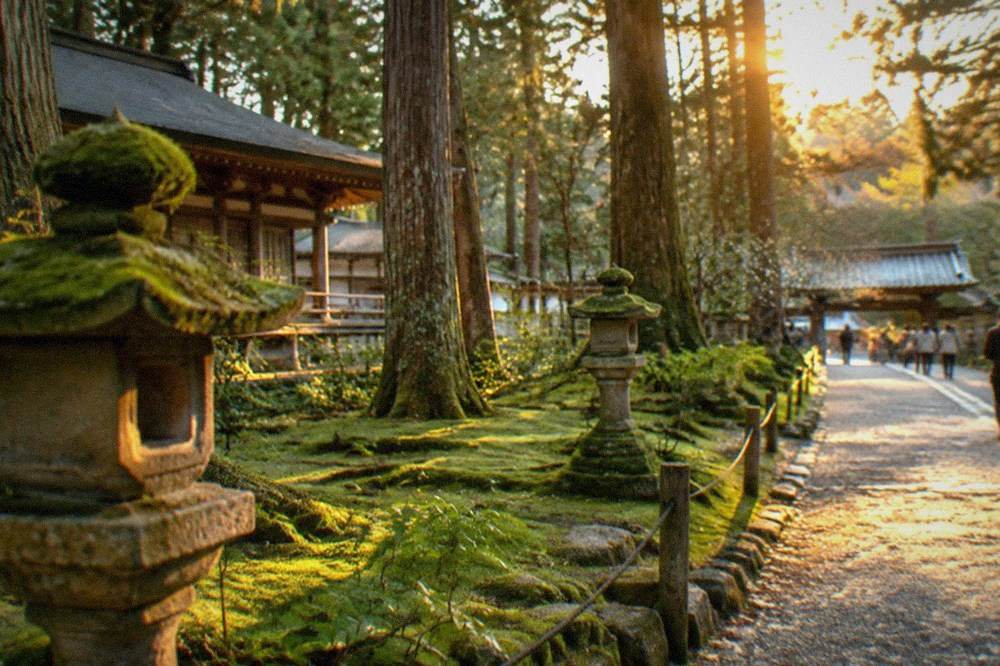
Sanzen-in is the anchor. Its gardens are built around old cedar trees and expanses of moss, with structures that open views across the valley, and it is one of the few major Kyoto-area temple experiences that comes with mountain air and relative quiet rather than queue barriers. The temple belongs to the Tendai school, the same tradition as Enryaku-ji on Mount Hiei to the west, and the whole Ohara quarter has a monastic history that goes with it: the lanes above the village hold several smaller temples that were historically tied to Sanzen-in and to the Tendai network.
The specific admission fees and opening hours for Sanzen-in and the other Ohara sites are not held in this site's verified fact base, and this page will not print numbers it cannot source. What is fair to say is that Sanzen-in charges admission like Kyoto's other major temples, that the smaller sites charge small fees or nothing, and that the current figures belong on each temple's own page. For comparison, the verified fees at Kyoto's headline temples run from 500 yen at Kinkaku-ji and Kiyomizu-dera to 1,000 yen at Ginkaku-ji after its April 2026 revision, so a similar order of magnitude is a reasonable expectation for Sanzen-in, checked rather than assumed.
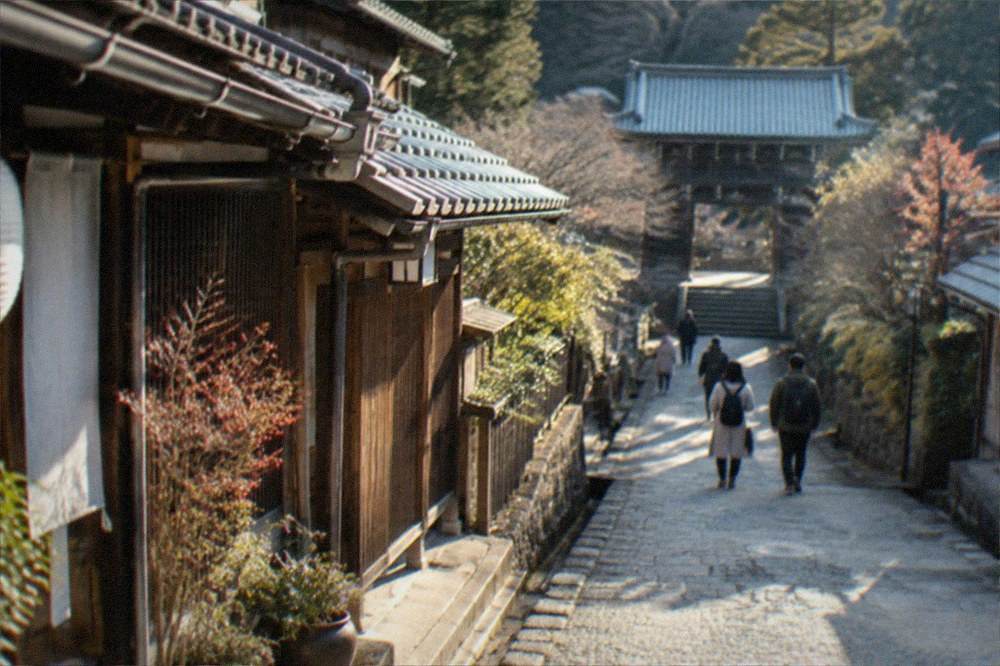
Beyond the temples, the village itself is the sight. The lanes between the bus stop and Sanzen-in hold pickled-shiso shops, small teahouses serving local specialities, and farm buildings with thatched roofs, and the walking between them is unhurried. Ohara is known in the Kansai region for its shiso, the red perilla leaf pickled in the village's distinctive style, and jars of it are the standard souvenir. Hikers can extend the day onto the trails that run west from the village toward the Kurama and Kibune area, covered in the Kurama-Kibune guide, though that adds serious climbing and should not be improvised late in the day.
How Much Does A Day Trip To Ohara Cost?
The only costs this site can verify for an Ohara day trip are the Kyoto transport fares on the city side: 230 yen per city bus ride, 220 to 360 yen per subway ride by zone, and 1,100 yen for the Subway and Bus One-Day Pass, which covers city transport but not the Kyoto Bus ride to Ohara itself. Add Sanzen-in's admission, which is not in the verified fact base, plus food, and a realistic budget is a few thousand yen per person before lunch.
The honest cost breakdown has to be built from what is confirmed. The city-side fares are solid: Kyoto City Bus charges a flat 230 yen for adults and 120 yen for children aged 6 to 11, the subway runs 220 to 360 yen for adults by zone, and the Subway and Bus One-Day Pass costs 1,100 yen for adults and 550 for children. If your route to the Ohara bus involves city transport, the pass may pay for itself, and the full mechanics are in the bus and subway pass guide. One warning that matters: the old bus-only one-day pass no longer exists. Sales ended in September 2023 and the last day of use was 31 March 2024, so any page still recommending it is out of date.
| Cost item | Adult price | Child price | Verified? |
|---|---|---|---|
| Kyoto City Bus, flat fare | 230 yen | 120 yen (ages 6-11) | Yes, city transport bureau |
| Kyoto Subway, by zone 1 to 5 | 220 to 360 yen | 110 to 180 yen | Yes, city transport bureau |
| Subway and Bus One-Day Pass | 1,100 yen | 550 yen | Yes, city transport bureau |
| Subway One-Day Pass | 800 yen | 400 yen | Yes, city transport bureau |
| Kyoto Bus ride to Ohara | not in verified fact base | not in verified fact base | Confirm with operator |
| Sanzen-in admission | not in verified fact base | not in verified fact base | Confirm with temple |
For context on what the verified temple fees look like elsewhere in the city, this table shows the confirmed 2026 figures at Kyoto's major temples, which is the fairest benchmark for what Sanzen-in is likely to charge, without claiming a number for it.
| Temple | Adult admission | Status in 2026 |
|---|---|---|
| Kinkaku-ji | 500 yen | Confirmed, unchanged |
| Ginkaku-ji | 1,000 yen | Confirmed, doubled from 500 in April 2026 |
| Kiyomizu-dera | 500 yen | Single source, consistent |
| Ryoan-ji | 600 yen | Confirmed |
| Tenryu-ji garden | 500 yen | Confirmed |
If reading fare tables and temple timetables is exactly the part of trip planning you would rather hand to someone else, a guided day tour is the alternative. The Perfect 1-Day Bus Tour covers Kyoto's headline sights with transport and a guide included, and it pairs well with a self-planned Ohara day on a longer stay.
When Is The Best Time Of Year To Visit Ohara?
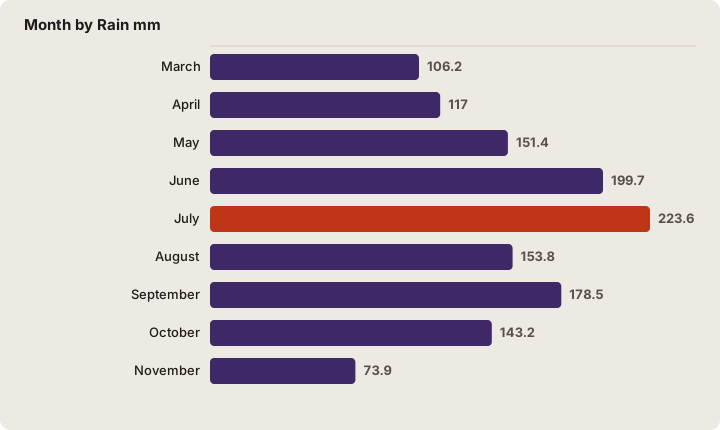
Late November is the strongest single window for Ohara, when the maple colour reaches the northern hills, followed by the green of June and early July, when the moss gardens Sanzen-in is known for are at their most vivid, though July is also Kyoto's wettest month at 223.6 mm of rain on the 1991 to 2020 normals. Spring works from late March, and winter offers quiet and bare gardens in exchange for cold, with January means of 4.8 C.
The climate data for Kyoto, from the Japan Meteorological Agency's 1991 to 2020 normals for station 47759, gives the honest backdrop. The leaf colour is the headline: the JMA's Kyoto observatory records the maple red-leaf marker at a normal date of 5 December, with 2025 observed on 10 December, and while the official marker is the observatory's own specimen tree rather than the Ohara valley, the signal is clear that Kyoto's autumn colour runs deep into November and beyond, later than most guide pages claim. Ohara's gardens are a leaf destination in late November, and the village's altitude means colour tends to arrive there slightly ahead of the city. More of these guides are collected on Kyoto Travel Guide.
| Month | Rain mm | Mean C | Mean daily max C | Sunshine h |
|---|---|---|---|---|
| March | 106.2 | 8.8 | 14.1 | 155.4 |
| April | 117.0 | 14.4 | 20.1 | 177.3 |
| May | 151.4 | 19.5 | 25.1 | 182.4 |
| June | 199.7 | 23.3 | 28.1 | 133.1 |
| July | 223.6 | 27.3 | 32.0 | 142.7 |
| August | 153.8 | 28.5 | 33.7 | 182.7 |
| September | 178.5 | 24.4 | 29.2 | 142.7 |
| October | 143.2 | 18.4 | 23.4 | 156.0 |
| November | 73.9 | 12.5 | 17.3 | 140.7 |
Two readings of that table matter for Ohara. July, not June, is Kyoto's wettest month, 223.6 mm against June's 199.7 mm, which runs against the common assumption that the rainy season peak is in June. And November is one of the driest months of the year at 73.9 mm, cool at a mean of 12.5 C, which is precisely why it is the classic season for the northern-hill temples: reliable weather, late colour, and low sun through the cedars. The trade-off is crowds, since everyone else has read the same forecast. If your dates are flexible, the best time to visit Kyoto guide carries the full month-by-month picture, including the cherry-blossom normals.
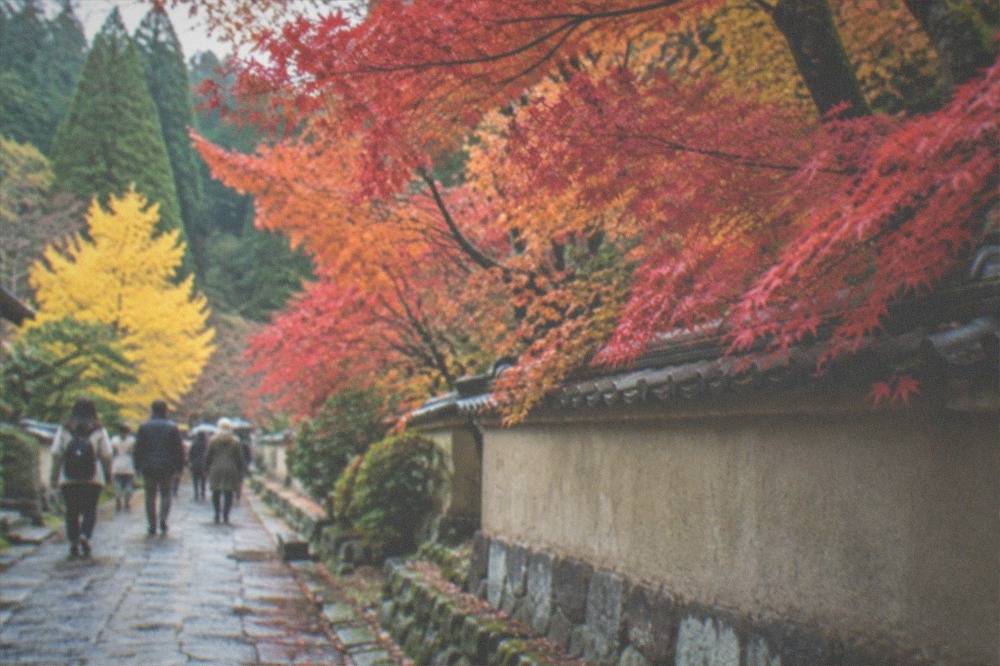
Winter deserves a word in Ohara's favour rather than against it. The village is genuinely cold, colder than the city in the basin, but the gardens hold their structure in bare season, the bus is uncrowded, and the light on the Hiei range is at its clearest. The JMA record table shows Kyoto's coldest extremes are historical rather than current, with the record low of -11.9 C dating to 1891, so a winter visit is brisk rather than extreme. Pack layers and check the weather forecast on the morning, since valley roads can be affected by snow even when the city is dry.
How Does Ohara Compare With Other Kyoto Day Trips?
Ohara is the quiet, temple-and-farmland option among Kyoto's northern day trips, reached only by bus, while the other verified day trips split into rail-served towns like Nara and Uji, the hiking country of Kurama and Kibune, and the lake and coast trips to Lake Biwa and Amanohashidate. If your priority is gardens and rural calm without a long rail journey, Ohara wins; if you want a bigger town with a major sight, Nara is the stronger call.
The comparison is easiest to see in the verified transport facts. Nara is about 45 minutes from Kyoto Station on the JR Miyakoji Rapid at about 720 yen one way, or 760 yen on the Kintetsu express, and it delivers a city-scale destination with a deer park and a great temple. Uji is 240 yen away on the JR Nara Line and pairs Byodo-in with tea culture, covered in the Uji guide. Ohara has neither the rail link nor the scale of either, and that is exactly the point: you go for the valley, the moss and the quiet, not for a checklist.
| Day trip | Transport | Verified fare | Character |
|---|---|---|---|
| Ohara | Kyoto Bus only | Confirm with operator | Village, temple gardens, farmland |
| Nara | JR or Kintetsu | about 720 yen JR, 760 yen Kintetsu | City-scale, deer park, great temple |
| Uji | JR Nara Line | 240 yen | Tea town, Byodo-in |
| Kurama-Kibune | Eizan rail, fare not verified | Confirm with operator | Mountain hiking, village temples |
| Lake Biwa | Rail, fare not verified | Confirm with operator | Japan's largest lake, cycling |
| Miyama | Bus or car, fare not verified | Confirm with operator | Thatched-village countryside |
The full set of options, including the coastal and hot-spring trips further afield, is laid out in day trips from Kyoto. Within the northern cluster, the practical pairing question is Ohara versus Kurama-Kibune, since both sit in the same hills and both reward a full day. Kurama is a hiking destination with a mountain temple at the top of a climb, while Ohara is flat walking between gardens and lanes, so the choice is really about how much uphill you want. Families and anyone carrying camera gear over good shoes should lean Ohara; strong walkers lean Kurama.
Can You Combine Ohara With Other Places In One Day?
Yes, but only within the northern hills: Ohara pairs naturally with Takao, which sits on the same bus corridor, and with a partial Kurama-Kibune visit if you are a confident walker with an early start, since trails connect the areas. Combining Ohara with Nara, Uji or Osaka in a single day is not realistic, as each demands a half-day minimum and they sit on different lines out of the city.
The geography decides this. Ohara, Takao and the Kurama valley are all in the mountains north of the city, and the bus and rail lines that serve them interlock, so a morning in Ohara followed by an afternoon at Takao's temples, or the reverse, is a genuine one-day plan rather than a rushed one. The Takao guide covers what that side of the corridor holds. What does not work is stacking Ohara onto a southern or eastern destination: Nara needs four to five hours on its own, and the transport time between the northern hills and the southern rail lines eats the day.
One structural tip for the combined day: keep Ohara in the morning. The gardens photograph better before the midday sun flattens the moss, the village lanes are quieter before the late-morning buses arrive, and an early start protects your return connection, since the Ohara bus is infrequent enough that a missed departure can cost an hour. If you are staying near Kyoto Station, the Kyoto Station area guide covers the morning logistics of food and supplies before you board.
What Should You Eat And Buy In Ohara?
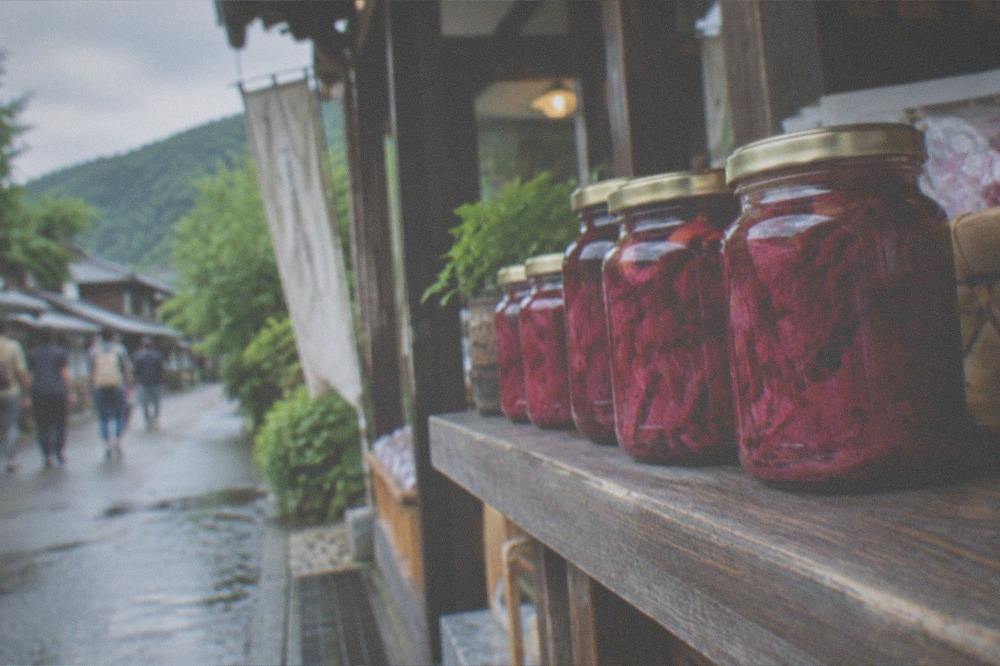
Ohara's food identity is built on its pickled red shiso, the village's signature crop, sold in jars from the shops along the lanes to Sanzen-in, alongside small teahouses serving local soba, tofu dishes and mountain-vegetable fare in the Kyoto countryside style. The souvenir take-home is shiso and related pickles, and the village is also known for its spring water and farm produce.
The shiso is the honest headline. Ohara grows the red perilla leaf and pickles it with ume plum salt, producing the bright pink pickle that accompanies rice across the Kansai region, and the village's shops sell it direct in every size of jar. Prices for specific shops are not carried in this site's verified fact base, so treat the shelves as browse-and-compare rather than budget-by-numbers. The teahouses along the approach serve simple set meals, soba and tofu dishes in the rural Kyoto style; if that style appeals, the wider tradition is covered in the Kyoto food guide.
Two practical notes. Eat in the village rather than carrying a picnic from the city, because Ohara's eating options are modest in number and close early with the bus timetable, and the last thing you want is a long wait for a bus on an empty stomach. And if you are buying shiso or other pickles as gifts, buy them on the way in rather than the way out, since shops near the bus stop can sell out on busy autumn weekends. For the city-side version of the same shopping instinct, the covered Nishiki Market carries Kyoto pickles of every kind, with the market's own rule that you eat at the stall rather than while walking.
Is Ohara Worth It If You Have Limited Time In Kyoto?
For a first visit of three days or fewer, Ohara is a cut too far: the headline sights in the city itself, from Fushimi Inari to Kiyomizu-dera, justify every hour, and Ohara's bus-only access costs half a day of flexibility. From four days onward, or on a repeat visit, Ohara becomes one of the best uses of a day in the region, offering the rural Kyoto that the city basin no longer shows at any price.
The honest arithmetic is about time cost versus what you already have. Kyoto's 2025 survey recorded 62.79 million visitors, and the concentration in the central corridor is exactly why places like Ohara still feel like a discovery. A first-timer with two or three days should spend all of them in the city, and the one day in Kyoto and three days in Kyoto itineraries are built for exactly that. From the fourth day, the marginal value of another central temple drops and the marginal value of a mountain valley rises, and that is the moment Ohara earns its bus fare.
The weather case is the same. Ohara's gardens are at their best in the June green and the November colour, and both of those windows coincide with the city's own best seasons, so you are not trading a good day in Kyoto for a bad one. What you are trading is convenience, and on a wet day Ohara is a poor choice, since the walks between the temples are open-air and the bus corridor is exposed. The Kyoto rainy day guide has the alternatives.
What Should You Check Before You Go?
Confirm three things before setting out: the current Ohara bus fare and timetable on the operator's own page, since neither is held in this site's verified fact base; Sanzen-in's admission fee and any seasonal garden openings, on the temple's own page; and the weather, because valley roads and open-air gardens make Ohara a poor wet-day destination. With those three checked, the day itself needs no further booking.
This is the part of the page where honesty beats fluency. The verified fact base behind this site, compiled from official sources in September 2026, holds Kyoto's city transport fares, its climate normals and its major temple fees, and it deliberately does not hold Ohara-specific figures, because the operators' own pages were not read for them. A guide that prints a confident bus fare or temple admission for Ohara from memory is guessing, and guesses on this route age badly: Kyoto's own temple fees moved twice in 2026, with Ginkaku-ji doubling to 1,000 yen in April and Tofuku-ji revising from November, which shows how quickly a copied number goes wrong.
The checklist is short. The bus: operator's page, current fare and last return departure. The temple: its own page, admission and hours, plus any autumn or spring garden openings that change the timing. The weather: JMA or your preferred forecast on the morning. Everything else, the lanes, the shiso shops and the valley itself, is free and needs no reservation, which is a large part of Ohara's appeal in a city where the headline experiences increasingly need booking ahead.
For travellers who want the day handled rather than planned, the strongest match for an Ohara-style outing is the Perfect 1-Day Bus Tour, which covers Kyoto's headline sights with a guide and transport included at 8 to 9 hours, rated 4.9 from more than 17,000 traveller reviews. It runs a different route through the city rather than into the northern hills, so treat it as the complement to a self-planned Ohara day rather than a substitute.
If your appetite runs to water rather than gardens, the Hozugawa River half-day white-water rafting adventure puts you on the same northern river corridor from a different angle, rated 4.9 from 355 reviews over three and a half hours. It pairs with an Arashiyama morning more naturally than with Ohara, but it is the region's most direct way to see the Hozu gorge.
For a day that goes much further afield, the Osaka, Kyoto and Hiroshima Miyajima bus tour runs a full eight hours with a shinkansen ticket in the mix, rated 4.7 from 1,239 reviews. It is the option when a second or third day trip is on the table and the wartime history of Hiroshima ranks above another temple valley.
Common Questions About An Ohara Day Trip From Kyoto
How Do You Get To Ohara From Kyoto Station By Bus?
Take a Kyoto Bus route bound for Ohara from Kyoto Station, a ride of roughly an hour through the northern hills. The bus is the only public transport into the village, and Kyoto Bus is a separate company from Kyoto City Bus, so the city's flat 230 yen fare and day passes do not apply. The current fare is not held in this site's verified fact base, so confirm it with the operator, and check the last return departure before you travel.
How Long Does A Day Trip To Ohara Take?
Plan on a half to full day. The bus ride is roughly an hour each way from Kyoto Station, and the village itself, Sanzen-in's gardens and the surrounding lanes fill three to four hours at an unhurried pace. Combined with Takao on the same corridor, the day stretches comfortably to a full one.
What Is Ohara Famous For?
Sanzen-in's moss gardens, the village's pickled red shiso, and a rural temple quarter in the northern hills. The village is also tied to the Heian-period story of Lady Kenreimon'in at Jakko-in. The specific admission fees and hours for Ohara's sites are not in this site's verified fact base, so check each temple's own page.
When Is The Best Season For Ohara?
Late November for the maple colour, and June to early July for the moss at its greenest. The JMA normals put November at 73.9 mm of rain, one of Kyoto's driest months, while July is the wettest at 223.6 mm, so autumn is the more reliable window. The official maple marker in Kyoto falls at a normal date of 5 December, later than most guides claim.
Can You Use A Kyoto Day Pass To Get To Ohara?
Not for the Ohara leg. The Subway and Bus One-Day Pass at 1,100 yen covers Kyoto City Bus and the subway, but Ohara is served by Kyoto Bus, a separate company, so the ride needs its own fare. The pass can still pay for itself on the city-side legs of your journey to the bus stop.
Is Ohara Or Kurama-Kibune Better?
Ohara for flat garden walking and rural calm, Kurama-Kibune for a real mountain hike. Both sit in the same northern hills and both need a full day. Families and anyone after gardens rather than climbing should choose Ohara; strong walkers will get more from Kurama.
Ohara rewards exactly the kind of traveller who is willing to trade a checklist for a valley: one bus, one temple quarter, one jar of shiso, and a side of Kyoto that the city's record crowds have barely touched. Check the bus timetable and the temple's own fee page the night before, watch the sky in the morning, and let the last bus home set your pace rather than the clock.