Day Trip From Kyoto To Osaka
Osaka is the easiest big-city escape from Kyoto: close, cheap to reach by local rail, and a complete change of pace. This guide covers the train choice, the real costs, and what is worth your limited hours there.
Short answer
The JR special rapid service is the practical pick for a day trip from Kyoto to Osaka: it runs frequently, costs a fraction of the Shinkansen, and drops you at Osaka Station in roughly half an hour. The Shinkansen is faster but arrives at Shin-Osaka, one stop north of where you actually want to be.
Osaka sits at the end of the shortest intercity rail corridor in Japan, and Kyoto's own 2025 tourism survey, released by the city in June 2026, recorded 62.79 million visitors across the year, a figure that keeps pressure on Kyoto's temples and buses at exactly the hours a day trip makes most sense to escape. The two cities could not feel more different. Kyoto is low, wooden and quiet by 21:00; Osaka is loud, vertical and still serving dinner at midnight. A day trip between them is the single easiest move a Kyoto itinerary allows, and it needs almost no planning beyond one train decision.
This guide from Kyoto Travel Guide covers that decision first, then the money, the neighbourhoods worth your hours, and the honest question of whether Osaka should be your day trip at all, since Nara and Kobe sit on the same rail map. Everything priced here comes from operator and city sources read in 2026, and where a figure is not verifiable, this page says so rather than guessing.
Which Train Gets You From Kyoto To Osaka Fastest And Cheapest?
The cheapest sensible option is the JR special rapid service from Kyoto Station to Osaka Station, which runs on the ordinary fare with no express supplement, while the fastest is the Shinkansen to Shin-Osaka. The catch is that the Shinkansen saves you only a few minutes of door-to-door time, because it arrives one station north of central Osaka, so you pay a large fare premium and then pay again for the connection. For almost every day trip, the special rapid is the right answer.
The special rapid is the workhorse of the corridor. It departs from Kyoto Station's JR platforms, makes a handful of stops, and terminates inside Osaka Station itself, in the Umeda district, which is where most of what a day visitor wants is reachable by subway. You pay the ordinary commuter fare, the same one locals pay with an IC card, and there is no seat reservation to think about. Trains run through the day at high frequency; the operator's timetable gives the current pattern, and it is dense enough that missing one costs you minutes, not an hour.
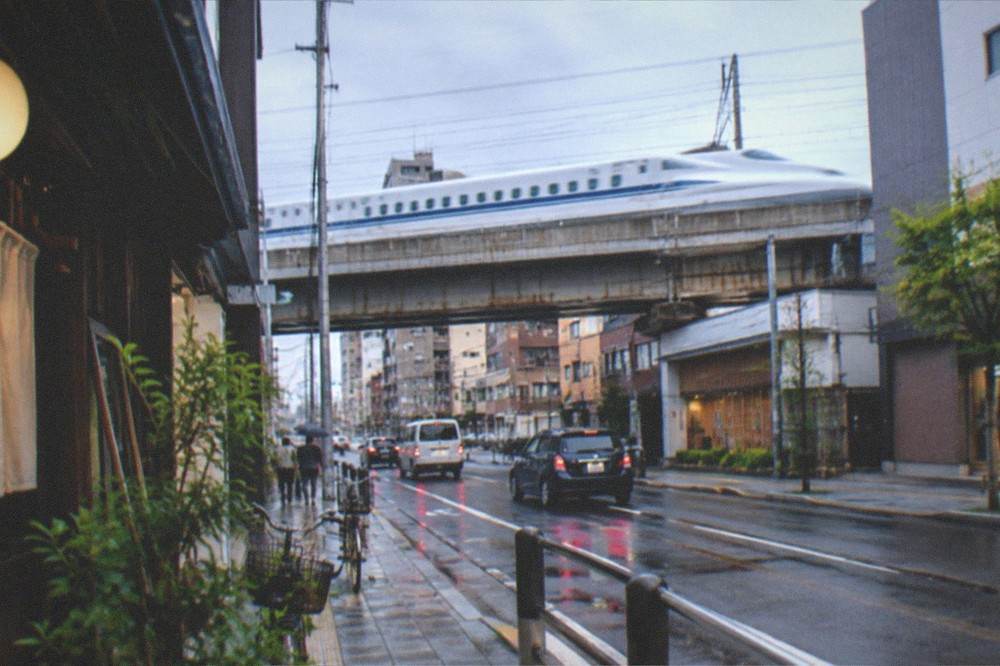
The Shinkansen is the speed play. A Nozomi or Hikari covers the distance in well under twenty minutes, but Shin-Osaka is not Osaka's centre: you transfer to the Midosuji subway line for the ride down to Umeda or Namba, which eats most of what the bullet train saved. The fare gap is the real deterrent. The special rapid costs a few hundred yen, while the Shinkansen charges the base fare plus a substantial limited express supplement on top. On a round trip, that difference funds most of your food budget for the day.
There is a third option worth knowing about: the private railways. Hankyu runs from Kyoto's Karasuma or Kawaramachi area, closer to downtown Kyoto hotels than the station, into Osaka's Umeda on its own tracks, and Keihan runs along the river from Gion-Shijo, Sanjo and other central stops down to Yodoyabashi, which is a short walk from Osaka's Nakanoshima district. Both charge ordinary private-railway fares, no supplement, and both drop you somewhere more useful than Shin-Osaka if your day is anchored in Gion rather than around Kyoto Station. The Keihan option in particular suits a morning that starts on Kyoto's east side.
| Route | Operator | Where it lands you | Supplement | Best for |
|---|---|---|---|---|
| Special rapid | JR West | Osaka Station, Umeda | None, ordinary fare | Most day trips |
| Shinkansen | JR West | Shin-Osaka, one stop north | Large express charge on top of base fare | Arriving from far away, not this corridor |
| Hankyu line | Hankyu | Umeda, from central Kyoto | None | Staying near Kawaramachi |
| Keihan line | Keihan | Yodoyabashi, near Nakanoshima | None | Starting the day in Gion |
One planning note on the way back: the last trains of the night are later than almost any dinner you will finish, but they thin out after midnight, and the Shinkansen stops running well before the local lines do. If your Osaka evening runs long, plan the return on the ordinary rapid, not the bullet train. The operator's timetable gives the final departures, and checking it before your second drink is cheaper than a taxi across two prefectures.
Is A Day Trip From Kyoto To Osaka Worth It?
Yes, if what you want from Kyoto's opposite number is food, street energy and a skyline, and no, if you are chasing temples, gardens or anything quiet. Osaka's strengths are street food, comedy, shopping and nightlife, none of which need more than a loose plan, and its castle and aquarium fill the sightseeing slot if you insist on one. A day trip works precisely because Osaka rewards appetite more than itinerary.
The honest framing is that Osaka is not Kyoto's rival but its release valve. After three days of temple admission fees, shoe removal and hushed gravel, a city that puts a giant mechanical crab over a restaurant sign and calls a shopping street "America" is a palate cleanser. The city's food reputation is the main draw, and it is earned: the Dotonbori and Namba area concentrates it, and the evening is when it peaks, which suits a day-trip timetable that puts the return train after dinner.
The counterargument is time. Kyoto rewards slow mornings at sites that open early and empty out, and every hour on a train to Osaka is an hour not spent at Fushimi Inari before the crowds, or in the Arashiyama bamboo grove before the tour buses. If your Kyoto list still has more than two major unchecked items, the stronger move is usually to finish them and save Osaka for a trip with a different mood. The Kyoto versus Osaka comparison guide breaks this trade-off down in full, including where to base yourself if you would rather split nights between the two.
Weather should shape the decision too, more than most guides admit. The JMA 1991-2020 normals for Kyoto's station show July as the wettest month at 223.6 mm, ahead of June at 199.7 mm, and August as the hottest, with a mean daily maximum of 33.7 C. An Osaka day in that window is largely an indoor-and-underground affair, spent in subway stations, shopping arcades and restaurants. Spring and autumn, by contrast, are comfortable enough that the walk between Osaka Castle park and the river becomes the best part of the day. The full rundown of Kyoto's seasons applies to Osaka almost unchanged, since the two cities share the same basin climate.
If you would rather have a guide make the calls, two of the options above suit this corridor directly. The Hiroshima and Miyajima bus tour runs the long-haul version of a Kansai day out, with the Shinkansen ticket handled for you, and the early morning Kyoto tour is the opposite play: it clears Kyoto's headline sights before 11:00, freeing your afternoon for the train to Osaka. There is also a third, free option: Free Walking Tour Kyoto, a tip-based walk booked through GuruWalk and led by a local guru, which covers central Kyoto in about three hours and costs nothing up front, you tip the guru at the end.
What To Do In Osaka On A Day Trip
The core of a first Osaka day is the Dotonbori and Namba area for food and neon, Osaka Castle for the one big sight, and either the Umeda Sky Building or the Shinsekai district for the view-and-atmosphere slot. Everything on that list is reachable on the Midosuji subway line, which runs straight through the city from Umeda to Namba, so a single line, not a plan, is what holds the day together.
Start with geography. Osaka Station at Umeda is the north anchor, Namba is the south anchor, and the Midosuji line connects them in about ten minutes. Osaka Castle sits on its own loop line station between them, east of centre. That triangle is the day. Anything beyond it, the aquarium on the bay, Universal Studios Japan, the Expo park in the north, is a half-day commitment on its own and belongs on a different trip or a second day.
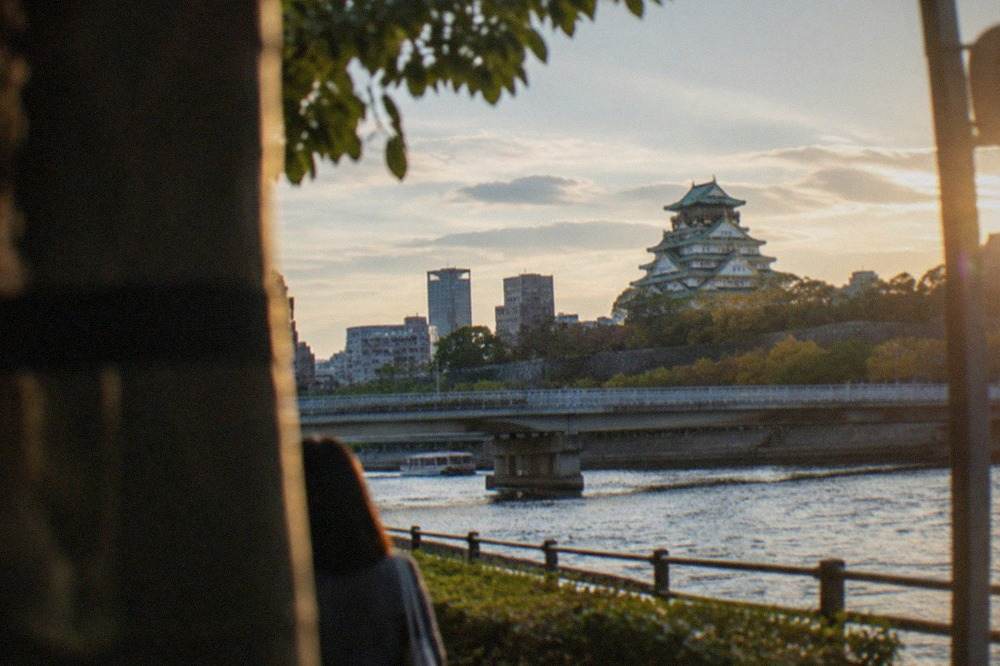
Osaka Castle is the sightseeing stop, and it earns it. The tower is a 1931 concrete reconstruction of Toyotomi Hideyoshi's fortress, set in a huge park that is free to walk, with the museum inside charging admission on its own. The park's stone walls and moats are the genuinely historic part, and they cost nothing. Budget an hour and a half, more in cherry season, when the park's trees draw some of the biggest hanami crowds in the region.
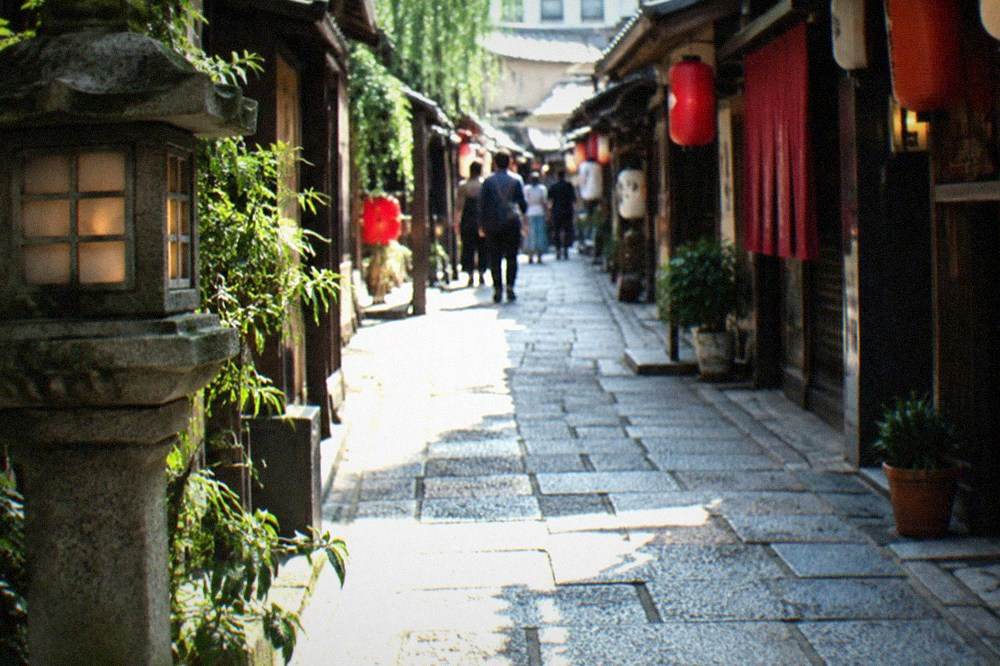
The food is the reason most people come, and Dotonbori is its stage. The canal-side strip of billboards, running restaurants and queues for takoyaki is touristy in the way Times Square is, and it is still where the energy is. The streets immediately north and west, Hozenji Yokocho with its lantern-lit stone-paved alley and moss-covered shrine, are the quieter, better-eating version two minutes away. Osaka's signature dishes are cheap by design: takoyaki, okonomiyaki and kushikatsu are working-class food, and a full street-food dinner costs a fraction of a Kyoto kaiseki lunch. For that comparison in the other direction, the Kyoto kaiseki guide explains what the formal end of the spectrum costs and why.
For the evening, the choice is between Umeda and Shinsekai. The Umeda Sky Building's open-air roof deck gives the panoramic version, an hour before sunset on a clear day is the timing. Shinsekai, under the Tsutenkaku tower, is the atmospheric version: a pre-war entertainment district that never got gentrified, cheap standing bars, kushikatsu restaurants and a level of scruffiness that is entirely the point. Both are on your way somewhere, which is what a day trip needs.
A note on the return timing. Dotonbori only fully switches on after dark, which argues for a late dinner and a train back after 21:00. The special rapid and the Keihan line both run well past then. The one thing to avoid is the dead zone between 17:00 and 19:00, when you have neither the lunch crowds nor the neon, and the rush-hour crush on the Midosuji line is at its worst.
How Much Does A Kyoto To Osaka Day Trip Cost?
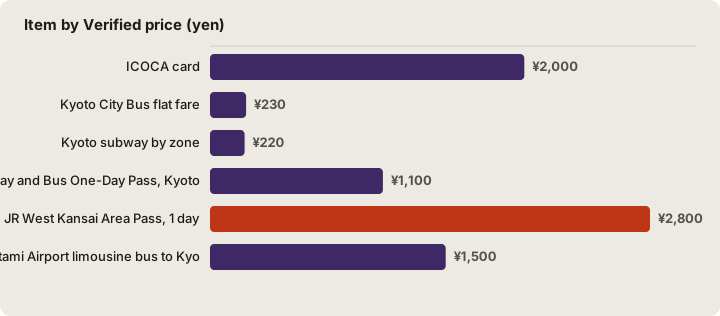
The transport spend is small: the special rapid fare each way is a few hundred yen, an ICOCA card costs 2,000 yen including a 500 yen refundable deposit, and the JR West Kansai Area Pass, at 2,800 yen for one day, is the only regional pass worth pricing against individual tickets. Food is the variable, from a 1,000 yen street-food lunch to a full kushikatsu dinner for two or three times that.
The card question comes first. An ICOCA costs 2,000 yen and includes a 500 yen deposit you get back when you return the card, so the usable balance is 1,500 yen. It works on the Kyoto subway, Kyoto City Bus, the Osaka subway and both cities' private railways, which makes it the single tool that covers the whole day, including the Kyoto-side legs. If you already hold any of the ten compatible Japanese IC cards, there is nothing to buy. The ICOCA guide covers the details.
| Item | Verified price | Notes |
|---|---|---|
| ICOCA card | 2,000 yen, including a 500 yen deposit | Works in Kyoto and Osaka |
| Kyoto City Bus flat fare | 230 yen adult, 120 yen child | For reaching Kyoto Station |
| Kyoto subway by zone | 220 to 360 yen adult | Five zones |
| Subway and Bus One-Day Pass, Kyoto | 1,100 yen adult, 550 yen child | Only if you move around Kyoto first |
| JR West Kansai Area Pass, 1 day | 2,800 yen | Regional pass, price verified on JR West |
| Itami Airport limousine bus to Kyoto | 1,500 yen adult, 750 yen child | If you are flying out of Itami instead |
The pass arithmetic is simple. The Kansai Area Pass at 2,800 yen for one day only pays off if you are riding JR repeatedly, and a single round trip to Osaka does not clear that bar on its own. Where it starts to work is a day that strings together Osaka plus somewhere else on JR, or a day built around the HARUKA airport run. The JR West page prices the pass and the HARUKA One-way Ticket for foreign visitors, which is 2,200 yen to Kyoto, and both are worth checking before you buy anything, because the HARUKA guide explains when the visitor ticket beats the regular fare.
The Kyoto-side costs deserve their own row, because the day does not start at Kyoto Station. If you are staying in Gion or Higashiyama, getting to the station is 220 to 360 yen by subway or 230 yen by city bus, and the bus-only one-day pass no longer exists: sales ended in September 2023 and the last day of use was 31 March 2024, so the product to compare against is the Subway and Bus One-Day Pass at 1,100 yen. That pass only makes sense if you are doing Kyoto sightseeing before the Osaka leg; for a straight there-and-back, single fares win.
One cost that does not apply: Kyoto's accommodation tax. It changed on 1 March 2026, with the top tier rising from 1,000 to 10,000 yen per person per night on rooms of 100,000 yen and up, but it is charged per night stayed, and a day trip by definition avoids it entirely. If Osaka tempts you into an overnight, the accommodation tax guide has the full tier table.
Where Does The Train Arrive In Osaka?
The special rapid arrives at Osaka Station in the Umeda district, the Shinkansen at Shin-Osaka one stop to the north, the Hankyu line at its own Umeda terminal, and the Keihan line at Yodoyabashi on the northern edge of the centre. Of these, Osaka Station and Yodoyabashi put you closest to where a day visitor actually goes, and Shin-Osaka is the only one that always needs a follow-on subway ride.
Umeda is the practical answer for most trips. Osaka Station sits atop a tangle of department stores, and the Midosuji subway line, the Hankyu and the Hanshin railways all converge there, so every onward option is one signposted transfer away. From Umeda it is roughly ten minutes on the Midosuji line to Namba, the Dotonbori side, and a similar ride on the loop line toward Osaka Castle. If your day is food-first, you can be walking down a Dotonbori side street within half an hour of boarding in Kyoto.
Yodoyabashi, the Keihan terminus, is the underrated arrival. It puts you at the head of Midosuji, Osaka's grandest avenue, a short walk from Nakanoshima park and its riverside museums, and one subway stop from Umeda. Coming from Gion-Shijo or Sanjo on Kyoto's east side, it is the arrival that involves the least total walking, and the Keihan fare is an ordinary private-railway fare with no supplement.
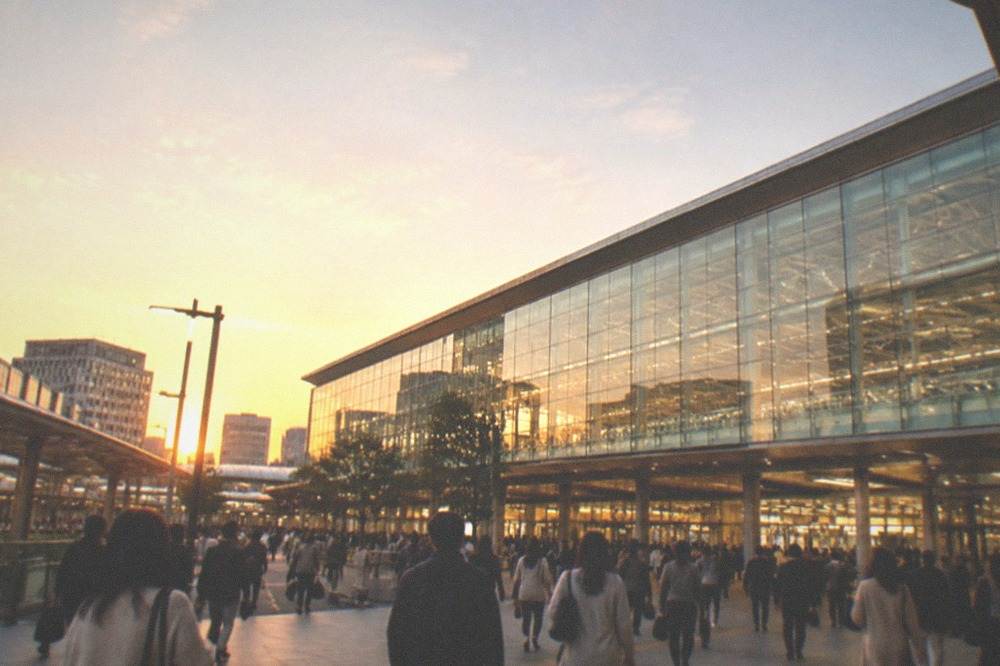
Shin-Osaka is the one to manage. It exists for the Shinkansen, and everything else about it is a means to an end: the Midosuji line runs from there through Umeda and on to Namba, so the transfer is easy, but it adds both fare and time to every trip. The only day-trip scenario where Shin-Osaka is your arrival is if you are connecting from a long-distance bullet train leg, and on a Kyoto to Osaka run that does not apply.
Luggage is the other arrival question, and the answer is to have none. Kyoto's city transport bureau actively promotes hands-free tourism, with station counters and delivery services, because large bags are refused on crowded buses and slow every subway gate. A day trip with a backpack is frictionless; a day trip with a suitcase is not. The luggage storage guide lists the counter locations if your hotel cannot hold bags.
Is Osaka Better Than Kyoto For Food And Nightlife?
For nightlife, yes, and it is not close: Osaka runs hours later, its street-food districts peak after dark, and the city's whole identity is built around eating and drinking out. For food overall, the two are different sports rather than rivals, with Kyoto holding the formal kaiseki end, where one famous house's own menu starts above 30,000 yen, and Osaka holding the cheap, loud, late end, where the same money buys a full street-food crawl for several people.
The honest way to price the Kyoto end of that comparison is with a real menu. Hyotei, by Nanzen-ji, prints its own prices: kaiseki from 31,625 yen at lunch and 37,950 at dinner in the main building, while the same kitchen's annex serves a morning rice porridge at 5,445 yen and a bento from 7,260 yen. Those are Hyotei's prices, not a Kyoto average, but they show the shape of the market: the formal end is a commitment, and the annex menu is the accessible door into the same house.
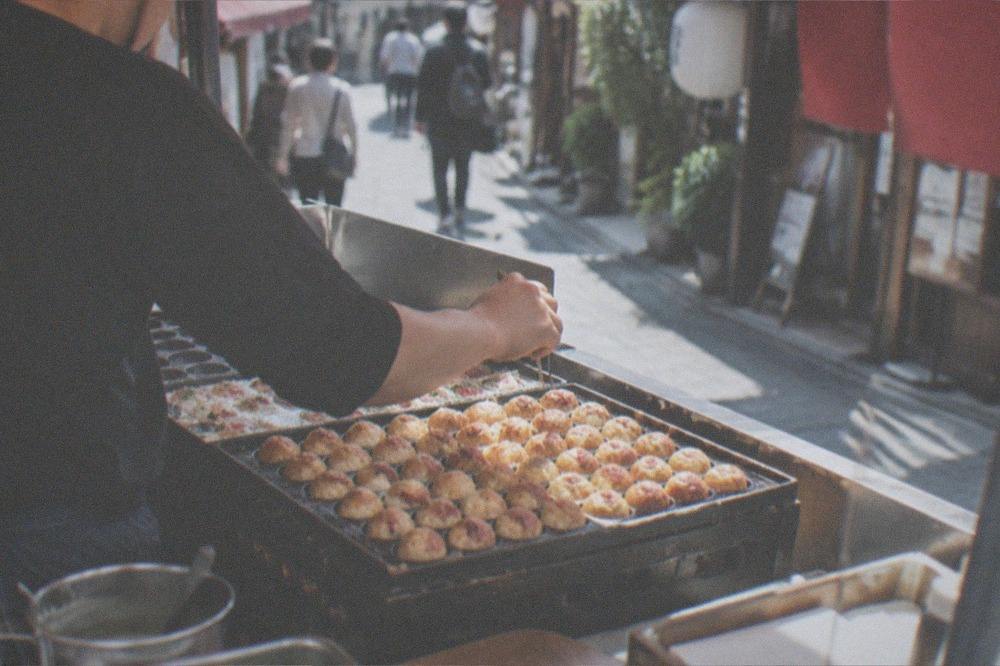
Osaka's end is the opposite. Takoyaki balls, okonomiyaki griddles and kushikatsu skewers were all born as cheap fast food, and they still are. A Dotonbori crawl where you eat standing at three different stalls costs less than one Kyoto temple lunch set. The city's self-description as the nation's kitchen is a marketing line, but the practical truth behind it is that eating well in Osaka requires almost no money and no booking, which is exactly what a day trip wants.
Nightlife is the sharper contrast. Kyoto quiets down early: Pontocho's bars close, the Gion alleys empty, and the last trains thin out. Osaka's Namba and Umeda districts are only warming up at the hour Kyoto goes to bed, and the izakaya culture runs until the trains stop. If your Kyoto trip is missing a big night out, importing one from Osaka is a legitimate strategy, and the return train timetable is the only constraint. The Kyoto nightlife guide covers what the home city does offer, including its own izakaya crawl scene, before you decide the import is necessary.
One caution that applies in both cities: the etiquette around geiko and maiko in Kyoto is strict, and the conduct guidelines published by the Kyoto City Tourism Association are explicit, do not touch, chase or photograph them without permission. Osaka has no equivalent flashpoint, but its nightlife districts are dense and loud, and the standard rules about not photographing strangers at close range in bars apply anywhere in Japan.
What About Day Trips Beyond Osaka?
If the question is which day trip to take from Kyoto, Nara and Kobe are the two competitors to Osaka, and both are on the same rail map: Nara is a 45-minute JR Miyakoji Rapid ride at 720 yen one-way or about 35 minutes on the Kintetsu limited express at 1,280 yen total, while Kobe is a similar short hop on the corridor toward Himeji. Osaka wins on food and energy, Nara wins on temples and the deer park, and Kobe wins on setting.
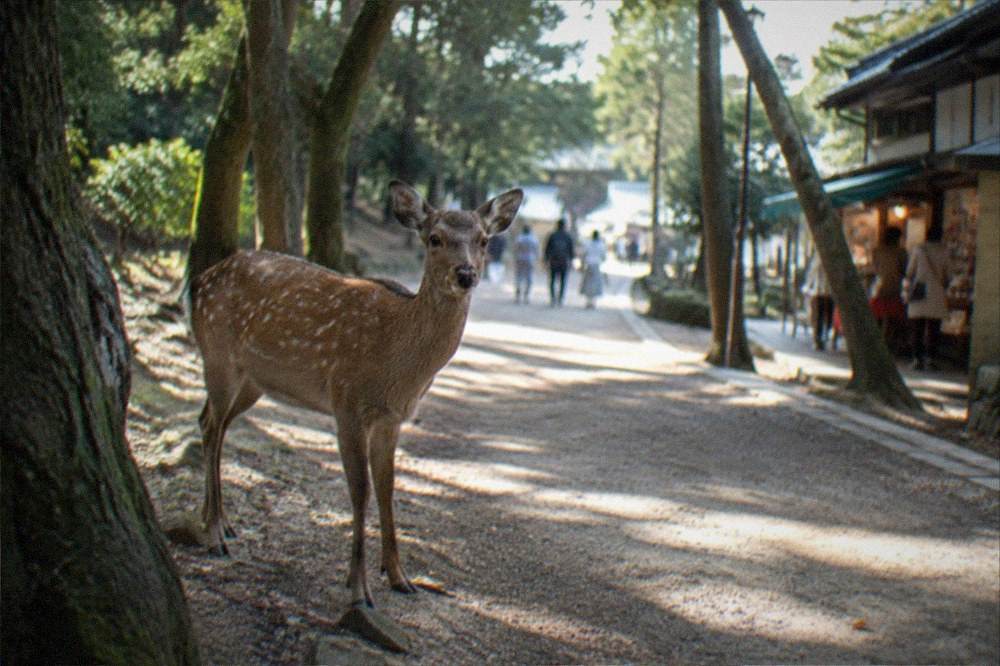
The Nara case is strong enough that it deserves the comparison in numbers. The JR Miyakoji Rapid covers Kyoto to Nara in about 45 minutes at 720 yen one-way, and the Kintetsu limited express does it in about 35 minutes for 1,280 yen including the 520 yen surcharge. The Nara Park deer herd was counted at 1,687 animals in July 2026, up 222 on the year before, and Todai-ji's Daibutsuden charges a verified 800 yen for adults. Nara is the trip for a second temple day when Kyoto's own have blurred together. The Nara day trip guide has the full breakdown, and the wider day-trips overview ranks all the options.
| Day trip | Travel time from Kyoto | Verified fare | Best for |
|---|---|---|---|
| Osaka | About 30 minutes by special rapid | Ordinary fare, no supplement | Food, nightlife, city energy |
| Nara | About 45 minutes by JR rapid | 720 yen one-way, JR | Temples, deer park, history |
| Kobe | Under an hour by rail | Ordinary fares | Harbour, beef, mountains |
| Uji | About 31 minutes by Keihan | 360 to 420 yen, varies | Tea, Byodo-in, a slow half-day |
| Hiroshima and Miyajima | Long day | Tour option includes Shinkansen ticket | The one big-ticket excursion |
Kobe is the sleeper option. It shares Osaka's Kansai energy with a completely different setting, the harbour, the Kitano district's western houses and the mountains rising immediately behind the city, and it is reached on the same corridor in under an hour. The Kobe day trip guide covers it. Uji, at about 31 minutes and 360 to 420 yen by Keihan depending on service, is the half-day option that pairs with an afternoon elsewhere; the Uji guide explains why the tea town earns more time than most itineraries give it.
The long-haul option is Hiroshima and Miyajima, which is a full-day commitment and the one trip where a booked tour genuinely earns its fee, because the logistics, the Shinkansen legs and the ferry, are what you are paying to skip. The Osaka, Kyoto, Hiroshima and Miyajima bus tour from this site's roster covers it in a booked day with the ticket handled. For everything else on this list, the train is simpler than any tour could be.
What Should You Not Do On A Kyoto To Osaka Day Trip?
The mistakes that cost real time are trying to see Universal Studios Japan on a day trip, planning more than one Osaka neighbourhood beyond the Umeda-Namba-castle triangle, buying a regional pass for a simple round trip, and returning on the last train without checking its time. Each one either eats the whole day or strands you at the end of it, and all four are avoidable with one decision made the night before.
Universal Studios Japan is the biggest trap. It is a full-day attraction in its own right, with ticket demand that rewards buying weeks ahead, and it sits on its own rail line well west of everything else in this guide. A day trip that includes it includes nothing else. If it is the reason you are going to Osaka, book a hotel and give it the full day it demands.
The pass trap is subtler. The Kansai Area Pass at 2,800 yen for one day is a real product at a verified price, but a single Kyoto-Osaka round trip on ordinary fares does not reach it, and stacking a day trip on top of a pass you bought for other reasons leads to contorted plans built around justifying the card. Buy the pass for the day it fits, not the day you hope it will fit. The Kansai rail pass guide runs the arithmetic across every option.
The last-train trap is the one that ends badly. Local lines run late but not all night, and the Shinkansen stops earlier still. The operator's timetable gives the final departures from Osaka and Shin-Osaka toward Kyoto, and reading it before dinner is the difference between a relaxed last drink and a sprint through Umeda. On the Kyoto side, the city bus flat fare is 230 yen and the subway runs to 220-360 yen by zone, so the late-night leg home from Kyoto Station is never the problem; the intercity leg is.
Common Questions About A Kyoto To Osaka Day Trip
Which Train Gets You From Kyoto To Osaka Fastest And Cheapest?
The JR special rapid is the cheapest sensible option, running on the ordinary fare with no supplement from Kyoto Station to Osaka Station. The Shinkansen is the fastest to Shin-Osaka, but the extra subway leg to central Osaka erases most of the time saved, and the express supplement is many times the rapid fare. For a day trip, the special rapid wins on value and on where it actually deposits you.
How Long Is The Train From Kyoto To Osaka?
The special rapid covers the corridor in roughly half an hour, and the Shinkansen does it in well under twenty minutes to Shin-Osaka. The private railways, Hankyu and Keihan, take a little longer than the rapid because they make more stops, but they start from central Kyoto locations rather than Kyoto Station. Check the operator's timetable for exact current running times.
Is Osaka Worth A Day Trip From Kyoto?
Yes, if you want street food, nightlife and big-city energy, which are precisely the things Kyoto does not offer. No, if your Kyoto list still has major temples on it, because every hour in Osaka is an hour not spent at Fushimi Inari before the crowds arrive. Osaka rewards appetite over itinerary, which makes it a good late-trip day rather than a first-day one.
Do You Need A Rail Pass For A Kyoto To Osaka Day Trip?
No. A single round trip on ordinary fares costs far less than the 2,800 yen one-day Kansai Area Pass, and an IC card such as ICOCA, which costs 2,000 yen including a 500 yen refundable deposit, covers the subway and bus legs in both cities. The pass only pays off on days with repeated or longer JR rides than a simple Osaka run.
What Is The Best Time Of Year For A Kyoto To Osaka Day Trip?
Spring and autumn, when walking between Osaka Castle, Dotonbori and the riverside is comfortable. The JMA 1991-2020 normals show July as Kyoto's wettest month at 223.6 mm and August as the hottest with a mean daily maximum of 33.7 C, and Osaka shares the same basin climate, so a midsummer day trip becomes an underground-and-indoor affair. Winter works fine, since most of Osaka's attractions are indoors or lit up after dark.
Can You Do Osaka And Nara In One Day From Kyoto?
It is possible on paper, because Nara is about 45 minutes from Kyoto by JR rapid at 720 yen one-way, and Osaka and Nara are directly linked by rail too, but it shortchanges both. Nara's park and Todai-ji need most of a day to feel like anything more than a checklist, and Osaka's food districts only come alive in the evening. Pick one, and save the other for a second trip.
The corridor between Kyoto and Osaka is the easiest decision a Kansai itinerary contains, and the only one that really matters is the train: the special rapid for almost everyone, the Shinkansen only if you are arriving from far beyond Kyoto, and the Keihan line if your day starts in Gion. Everything after Kyoto Station is appetite, timing and one subway line.