Izakaya In Kyoto
Izakaya are where Kyoto eats after dark, and the reservation barrier is the one thing that stops most visitors. Here is how the scene actually works, which areas welcome walk-ins, and what a night costs.
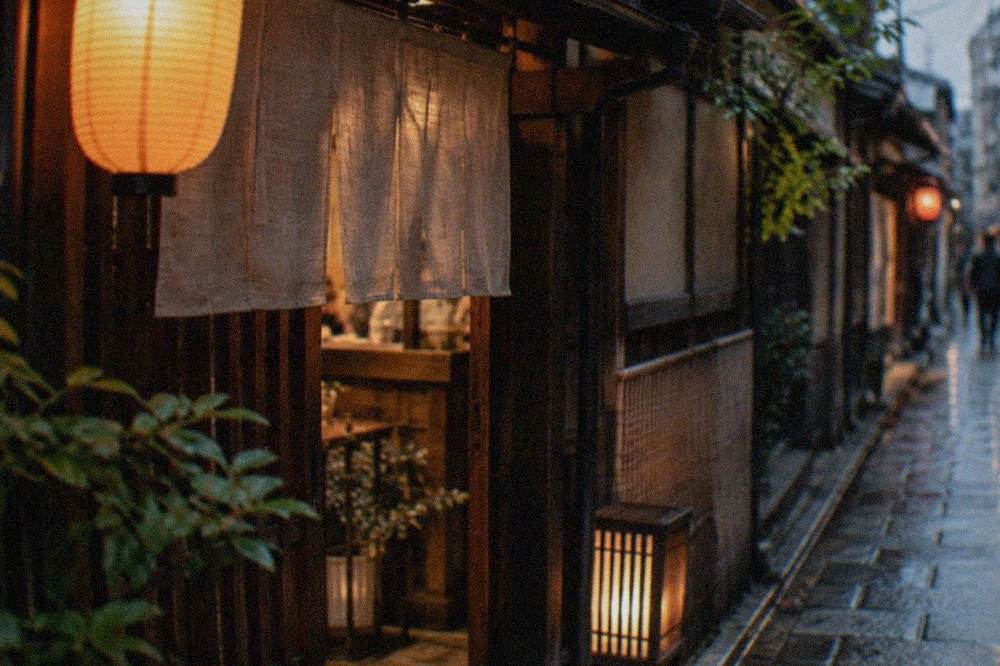
Short answer
Many Kyoto izakaya welcome walk-in foreigners, especially in Kawaramachi, Pontocho's side streets and around Kyoto Station, but the famous counters fill by 19:00. A guided izakaya crawl removes the language and reservation barrier entirely.
Kyoto recorded 62.79 million visitors in 2025, the city's own tourism survey confirms, and an ever larger share of them want to eat the way locals eat after dark: at an izakaya counter, with a drink, small plates arriving one after another. The problem is rarely the food. It is the door. Small counters seat a dozen people, many take reservations by phone in Japanese only, and the most photogenic alleys fill with queues by early evening. This guide is about getting past that door without a booking.
What Is An Izakaya In Kyoto And How Does One Work?
An izakaya is a Japanese drinking-and-eating tavern where you order drinks first and small dishes steadily through the evening, and in Kyoto they range from six-seat counter shops to multi-floor chains. There is no course, no fixed order and no minimum spend. You sit, you order a drink, and food follows at whatever pace you set, which is why the format suits both a quick beer and a three-hour night.
The word breaks down as "stay, sake": a place to linger with alcohol, not a restaurant with a set menu. The mechanics matter more than the definition. Many independent izakaya charge a small seat charge, called otoshi in the east and tsukidashi in the Kansai region, which arrives as a small dish you did not order. It is not a scam. It is the cover charge, printed somewhere on the menu, and it usually lands between a few hundred yen and about 700 yen per person at a traditional shop.
The evening has a rhythm. A drink order opens the tab, food arrives in waves, and the bill comes when you ask for it, not before. Parties in Kyoto often order one drink each and a stream of shared plates rather than individual meals. That is the expected pattern, and a counter seat makes it effortless, because the cook is a metre away and pointing at a neighbour's plate is a legitimate ordering method.
Which Kyoto Izakaya Welcome Foreigners Without A Reservation?
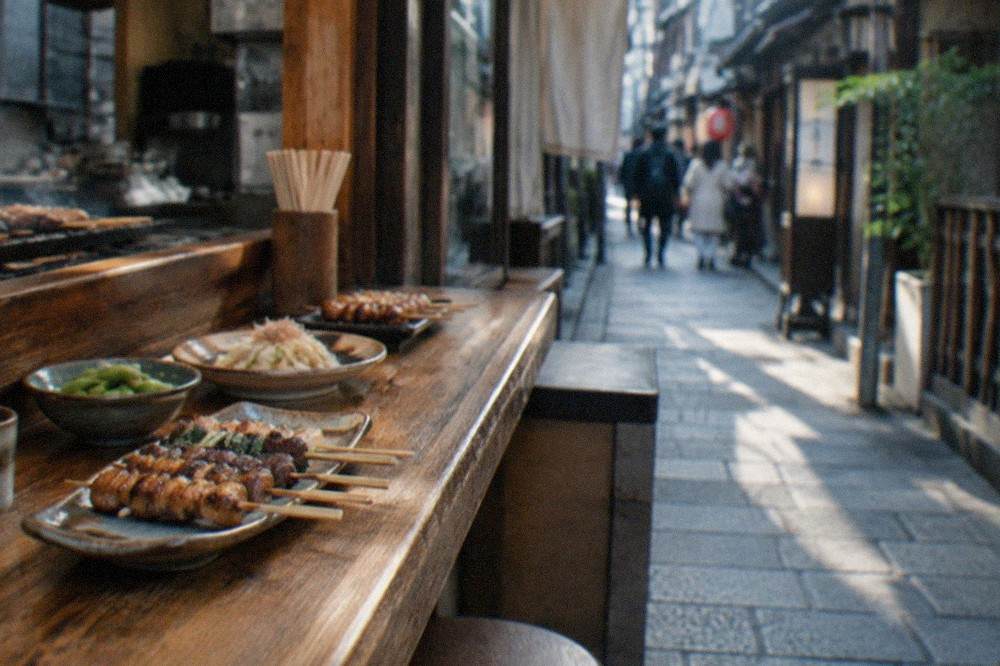
Walk-in-friendly izakaya in Kyoto cluster in the Kawaramachi and Kiyamachi nightlife strip, the lanes off Pontocho, the Shijo corridor and the blocks around Kyoto Station, and the honest rule is that any shop with a photo menu and a tablet or cash-register counter takes walk-ins. The places that do not are the tiny reservation-only counters, and those fill by 19:00 even for locals. Arrive at opening, around 17:00 to 18:00, and a seat is close to guaranteed.
This is the question foreign visitors actually ask, and the practical answer is a place-and-time answer rather than a name list. Areas first. Kawaramachi and the Kiyamachi canal strip carry the densest concentration of walk-in izakaya in the city, from chain yakitori shops with English menus to one-room counters run by a single owner. The lanes off Pontocho, which this site covers in its own guide, mix tourist-facing places with genuine neighbourhood counters. Kyoto Station's west side holds salaryman izakaya that live on after-work traffic and do not depend on bookings.
Time second. A Kyoto izakaya that opens at 17:00 is nearly empty at 17:15 and turning people away by 20:00. The city's 2025 tourism survey counted 46.20 million day visitors against 16.59 million overnight guests, which means the evening crowd peaks late and hard. Eating early is the single most reliable walk-in strategy in Kyoto, and it costs nothing.
The reservation barrier is real but smaller than the internet makes it. Phone-only booking in Japanese excludes most visitors, yes. But the shops that genuinely require a reservation are a minority: the eight-seat counter with one seating per night. Everything else is first come, first seated. A party of two walks in almost anywhere at 17:30. A party of six does not, anywhere, without a booking, and splitting the group is the standard local solution.
Where Are The Best Izakaya Areas In Kyoto?
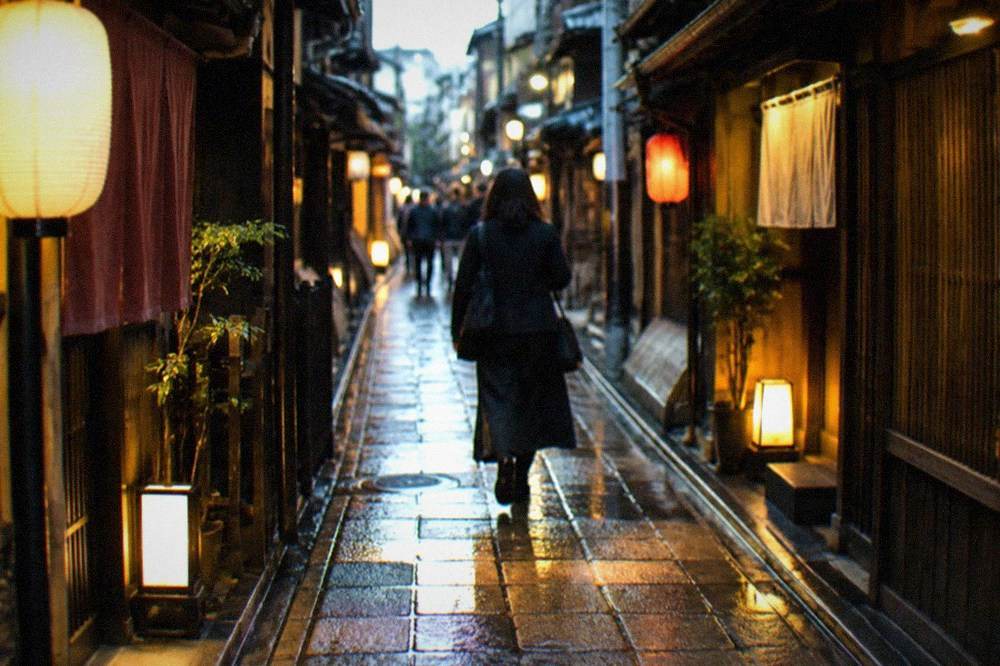
The four best izakaya areas in Kyoto are Kawaramachi and Kiyamachi for volume and walk-in access, Pontocho for atmosphere on the canal, the Kyoto Station west side for after-work authenticity, and the Fushimi sake district for drinking rather than dining. Each has a different character, and the choice is really between convenience, scenery and depth of the sake list.
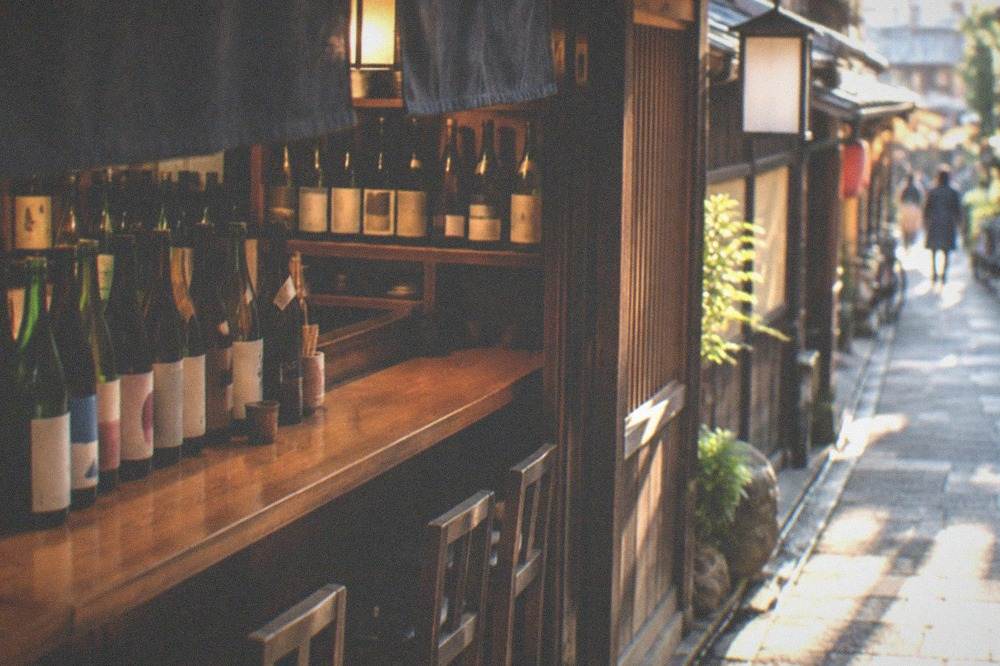
Kawaramachi is the default. The strip along Kiyamachi runs from Shijo south through neon, canals and basements, and it holds everything from 24-hour chains to counters that have served one recipe for decades. If the plan is "turn up at 18:00 and find a seat", this is the area that rewards it. The district also carries the city's densest late-night food backup, so a failed first choice is a two-minute walk from a second.
Pontocho is the scenic one, a single-lane alley between Shijo and Sanjo along the Kamo river. The Pontocho alley guide covers it in detail; for izakaya purposes the trade-off is simple: higher prices, more English, fewer walk-in seats at the small places, and a summer terrace season on the river that books out weeks ahead. The side lanes one block east, around Kiyamachi, hold the same style of shop with less competition for stools.
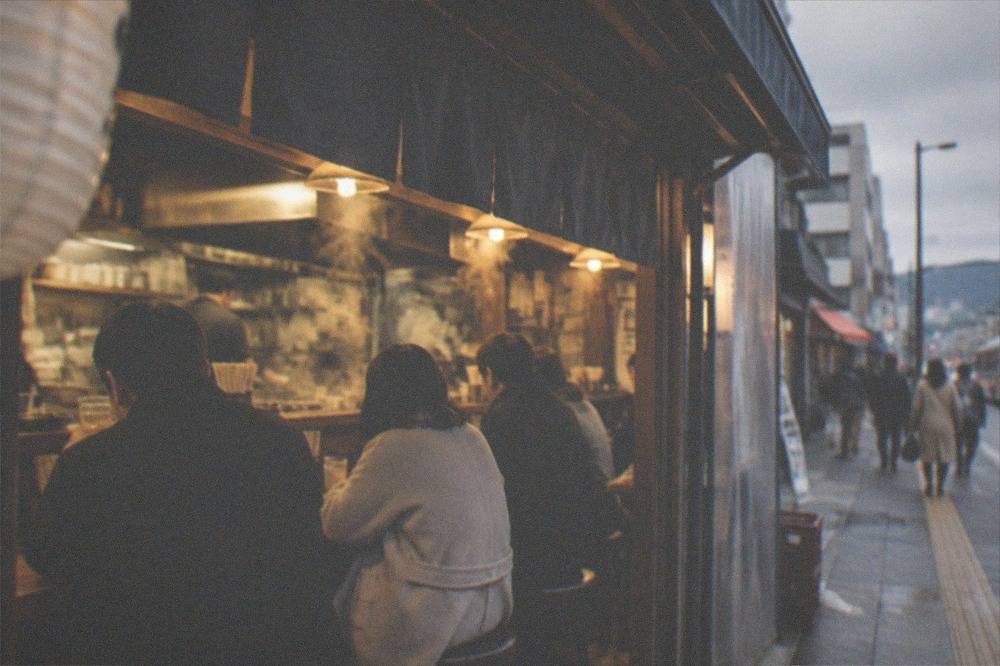
Kyoto Station's west side is where the after-work crowd drinks, and it is the most honest version of the format: smoky, loud, cash-friendly and priced for people who come four nights a week. Fushimi, covered in the Fushimi sake district guide, is the specialist trip. The district produces sake on an industrial scale and its breweries run tasting rooms; it is a daytime-and-early-evening destination, not a bar crawl, and pairing it with a visit to Fushimi Inari works well since both sit on the same rail corridor.
How Much Does A Night Out In A Kyoto Izakaya Cost?
A realistic budget for an izakaya evening in Kyoto is 3,000 to 6,000 yen per person for a chain or neighbourhood shop, with drinks around 500 to 700 yen each and small plates from a few hundred yen up, plus a seat charge of a few hundred yen at traditional counters. This site prints no city average, because no izakaya publishes its prices the way a temple publishes a fee. Plan on ranges, not totals.
The honest sourcing rule matters here. Kyoto's temples publish their fees and this site prints them exactly: Kinkaku-ji at 500 yen, Ginkaku-ji at 1,000 yen since its April 2026 doubling, Tofuku-ji revising on 1 November 2026. Restaurants do not work that way, and the only eating-house whose full price card this site has read from its own page is Hyotei, the famous kaiseki house by Nanzen-ji. Its own site prints kaiseki from 31,625 yen at lunch and from 37,950 yen at dinner in the main building, while the same house's annex serves asa-gayu rice porridge at 5,445 yen and a Shokado bento at 7,260 yen, tax and service included, with bookings from two people. That is the honest answer to the "does dinner in Kyoto cost 30,000 yen" question: at one of the most famous kaiseki houses, the course itself opens above 30,000 yen, while the same kitchen's annex sits under 8,000. An izakaya night is a different animal entirely, and it sits far below both.
| Spend level, per person | What it buys in Kyoto | Typical setting |
|---|---|---|
| Under 3,000 yen | One or two drinks and a couple of shared plates | Standing bars, chain yakitori shops |
| 3,000 to 6,000 yen | Two or three drinks, four to six small plates, seat charge | Neighbourhood izakaya, Kawaramachi counters |
| 6,000 to 10,000 yen | A long evening, premium sake, larger dishes | Pontocho and specialist counters |
| Above 30,000 yen | Full kaiseki at a top house, Hyotei's own menu opens here | Reservation-only, booked from two people |
Two costs sit outside the tab. Kyoto's accommodation tax changed on 1 March 2026, with the top tier rising from 1,000 to 10,000 yen per person per night on rooms of 100,000 yen and up, and the tiers below rising too, so the hotel bill carries more than the room rate. And the ride home matters: the city bus is a flat 230 yen, the subway runs 220 to 360 yen by zone, and the Subway and Bus One-Day Pass is 1,100 yen, per the city's own fare pages, useful on a day that ends in Kawaramachi.
What Should You Order At A Kyoto Izakaya?
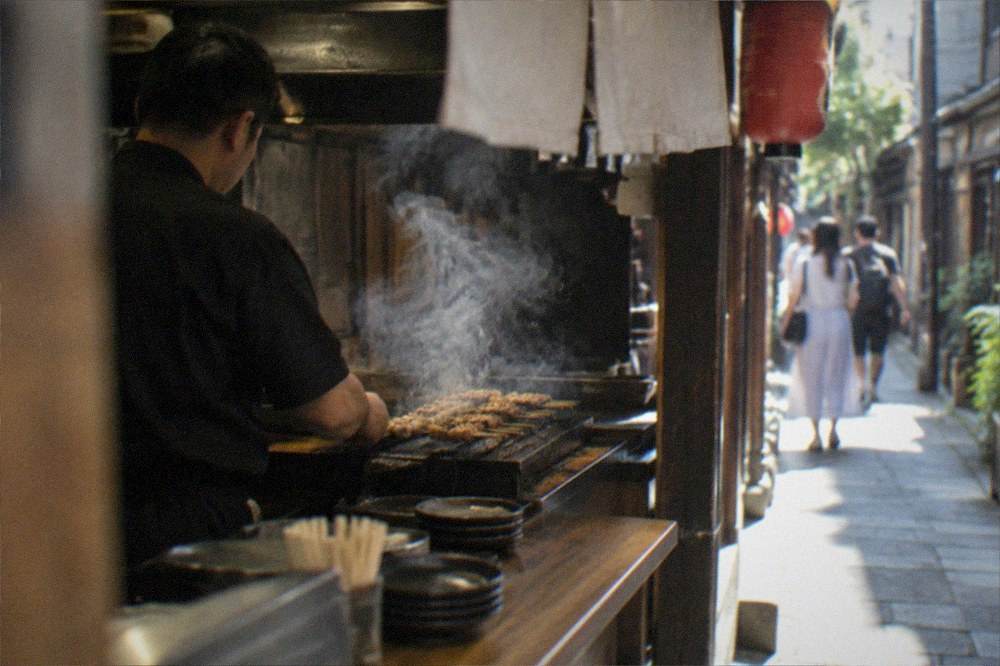
Order a drink first, then build the meal from small plates: sashimi or a seasonal appetiser, one grilled item such as yakitori or salt-grilled fish, one fried item like karaage, a tofu dish in Kyoto's case, and a carbohydrate finish of onigiri, ochazuke or fried rice. The first order should always be a drink, because the kitchen will not start the tab on food alone.
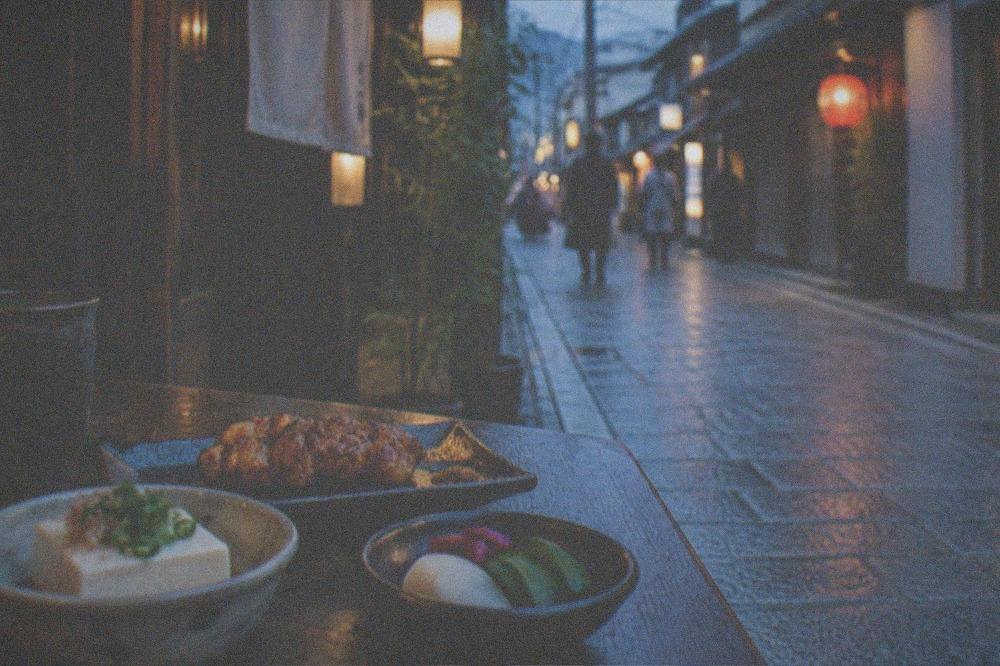
The Kyoto signature is tofu. The city's shojin-ryori temple tradition, which the tofu guide covers, means even ordinary izakaya here serve better tofu than the national norm: cold hiyayakko with ginger and scallion, or agedashi, the fried block in dashi. Obanzai, Kyoto's home-style side dishes, appear as a daily board in many local shops and make the best ordering shortcut in the city, because whatever is on it was bought that morning.
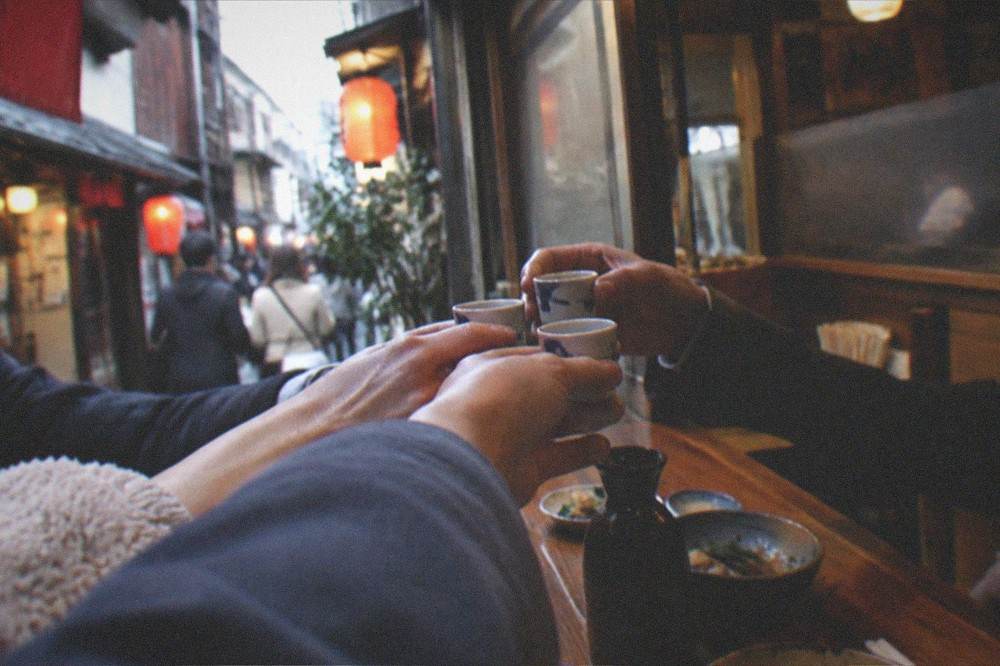
Beyond that, the national canon holds. Yakitori skewers, karaage fried chicken, edamame, pickles, and a grilled fish of the day. The drink order is worth a paragraph of its own. Kyoto's own sake comes from Fushimi, the soft-water brewing district to the south, and a Fushimi junmai is the regional order. Beer and highballs are the volume sellers. If the shop has a house sake by the glass, that is the one to point at.
| Course of the evening | What to order | Why it works |
|---|---|---|
| First order | Any drink, plus otoshi arrives | Opens the tab; the kitchen starts when the drink does |
| Opening plates | Edamame, pickles, cold tofu | Fast, cheap, buys time to read the menu |
| Middle | Yakitori, karaage, obanzai board | The heart of the meal, ordered in waves |
| Kyoto touches | Hiyayakko, agedashi, seasonal obanzai | The city's temple-kitchen inheritance |
| Finish | Onigiri, ochazuke or fried rice | The traditional close, and it slows the drinking |
Izakaya Etiquette In Kyoto: What To Know Before You Sit Down?
The rules that matter are the seat charge you did not order is legitimate, you pay at the end when you ask, pointing at another table's food is an accepted way to order, shoes come off at tatami tables, and loud phone calls and photographing other customers are the two behaviours that genuinely annoy staff. Kyoto adds one local sensitivity: the same discretion rules that protect Gion's private alleys apply to photographing people anywhere in the city's nightlife lanes.
The seat charge deserves a second mention because it generates more confusion than any other item. A small dish arrives unasked, and it appears on the bill. It is the cover charge. The Kyoto City Tourism Association's visitor guidelines, published on the city's tourism site, frame the broader contract plainly: respect private property, do not photograph where it is prohibited, and do not touch, chase or photograph geiko and maiko without permission. In the Gion lanes off Hanamikoji, signs posted by the local district council threaten a 10,000 yen penalty for unauthorised photography or entry on the private alleys, and that is council signage, not a city police fine, but the instruction is identical either way: keep the camera off people who have not agreed to it.
Practical mechanics: many small izakaya are cash-first, so carry yen. Tipping does not exist and attempting it creates confusion rather than goodwill. Slurping is fine; talking loudly on a phone is not. Blowing cigarette smoke at non-smokers is the one place Kyoto has tightened rules citywide, and many wards now restrict street smoking, so the izakaya's own smoking area is the only place for it.
Kyoto Izakaya Versus Tokyo Izakaya: Is There A Difference?
Yes, and the difference is scale and tone rather than format. Kyoto's izakaya scene is smaller and earlier-closing than Tokyo's, with more six-seat counters and fewer skyscraper chains, a stronger local-food identity built on tofu and obanzai, and a sake list that leans on Fushimi's soft-water breweries. Tokyo offers depth and late hours; Kyoto offers intimacy and a shorter walk home.
Tokyo's scene runs deeper into the night and up more floors. Kyoto's last trains and smaller streets pull the curtain earlier, which is one reason the 17:00-to-21:00 window matters more here. The local-food identity is the real distinction: a Kyoto counter is more likely to serve the city's own produce, its tofu traditions and its obanzai home cooking, while a Tokyo counter ranges across every regional cuisine in the country at once. And the sake answer differs by water: Fushimi's soft water produces rounder, gentler brews than the harder-water styles further east, and Kyoto izakaya pour their own district's product by default.
For a visitor comparing the two cities for a first trip, the Kyoto versus Tokyo guide works through the whole decision; on food alone, the honest summary is that Tokyo has more of everything and Kyoto has more of fewer things, done closer to you.
| Point of comparison | Kyoto izakaya scene | Tokyo izakaya scene |
|---|---|---|
| Typical size | Six to twenty seats, many single-owner counters | Everything from counters to multi-floor chains |
| Closing time | Earlier, last orders often by 22:00 to 23:00 | Later, whole districts run past midnight |
| Local identity | Tofu, obanzai, Fushimi sake | Every regional cuisine at once |
| Walk-in odds | Good before 19:00, poor after | Good, but queues in popular lanes |
| Best districts | Kawaramachi, Kiyamachi, Pontocho lanes, station west side | Dozens across the city |
Can A Guided Tour Replace The Reservation Problem In Kyoto?
Yes, and for a visitor with no Japanese and one free evening it is the most efficient answer. A guided izakaya crawl books the seats, walks the group between two or three bars, translates the menus and handles the ordering, which removes every barrier this guide has described. The trade-off is price and pace: you drink and eat what the guide picks, on the group's schedule, not yours.
The strongest option on this site's roster is the Kyoto: Kawaramachi Local Bar & Izakaya Crawl Tour, from $37 per person, rated 4.9 from 1,042 reviews, three hours in the district this guide has already named as the walk-in capital. It exists precisely for the problem in the title of this page. The full tour page carries the details, and Check availability for your dates.
If the interest is less drinking and more cooking, the Kyoto: Japanese Washoku Bento Small Group Cooking Class, from $61, rated 4.9 from 461 reviews over two and a half hours, teaches the home-cooking tradition that sits behind obanzai, and it pairs naturally with an izakaya evening later on.
And for visitors packing the whole city into one day before the evening, the Kyoto: Fushimi Inari, Kinkakuji, Bamboo Grove 1-Day Bus Tour, from $97, rated 4.8 from 5,317 reviews, clears the headline sights by late afternoon and drops you back with the night free.
Common Questions About Izakaya In Kyoto
Which Kyoto izakaya welcome foreigners without a reservation?
The walk-in-friendly shops cluster in Kawaramachi and Kiyamachi, the lanes off Pontocho and the west side of Kyoto Station. Any shop with a photo menu and a counter takes walk-ins; the reservation-only counters are a small minority and fill by 19:00. Arriving at opening, around 17:00 to 18:00, makes a seat close to certain.
Do I need to speak Japanese to eat at an izakaya in Kyoto?
No. Pointing at another table's food is an accepted ordering method, photo menus are common in the nightlife districts, and translation apps close most of the remaining gap. A guided crawl removes the language barrier entirely for one evening.
What is the small dish I did not order on my bill?
That is the seat charge, called tsukidashi in Kansai. It is the cover charge, usually a few hundred yen per person at traditional shops, and it is legitimate. It appears on the bill as a dish because it arrives as one.
How late do Kyoto izakaya stay open?
Later than the temples but earlier than Tokyo. Many neighbourhood counters take last orders between 22:00 and 23:00, and the chains along Kiyamachi run later. The city's own transport pages list the subway and bus fares home, 220 to 360 yen by zone and a flat 230 yen by bus, with the 1,100 yen one-day pass covering both.
Is Pontocho or Kawaramachi better for a first izakaya night?
Kawaramachi for a first night, because it has the walk-in volume and the backup options within two minutes' walk. Pontocho for a second night or a special occasion, because the canal-lane atmosphere is the most beautiful drinking street in the city but the small counters there book out first.
Can I visit a sake brewery instead of a bar?
Yes, and Fushimi is the district for it. The sake district sits on the same rail corridor as Fushimi Inari Taisha, so the two pair naturally in one day; the breweries run tasting rooms in the late afternoon before the izakaya evening begins.
The counter stool remains the best seat in Kyoto after dark, and the door is less closed than it looks. Go at opening, point at what looks good, and let the small plates decide the pace. For everything else in the city, from ramen to the wider restaurant scene, this Kyoto Travel Guide carries the verified numbers and the honest ones.