Kimono Rental In Kyoto
Kimono rental in Kyoto runs from about 17 to 21 US dollars for a standard day package, with hairstyling and premium plans priced above that, and the outfit pairs naturally with the free-to-walk streets of Gion, Ninenzaka and the Philosopher's Path.
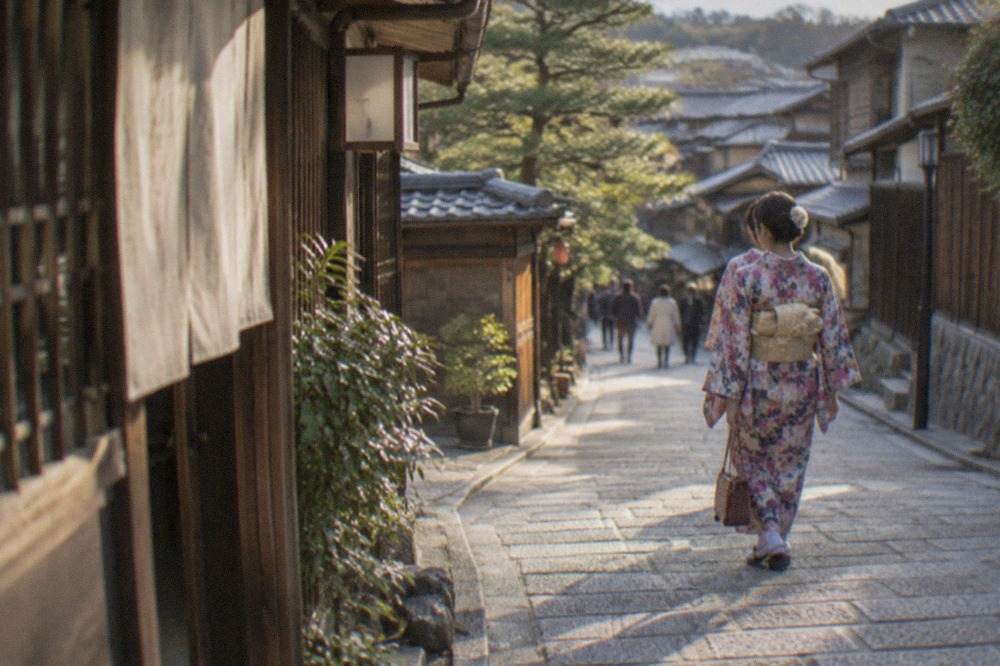
Short answer
A standard one-day kimono rental in Kyoto starts at about 17 US dollars from the booking listings this site tracks, with a hairstyling-included plan from about 21 dollars. The fee normally covers the kimono, obi, sandals and bag for the day, with returns due in the late afternoon or early evening.
Kimono Rental In Kyoto
Renting a kimono for a day is one of the few Kyoto experiences that costs less than a temple admission and changes the whole character of the visit. The standard plan from the listings this site tracks starts at about 17 US dollars per person, the version with hairstyling and accessories starts at about 21 dollars, and both hand you the full outfit, the obi, the sandals and a small bag for the day. What most first-time visitors underestimate is not the price but the logistics: the return deadline, the footwear on stone-paved slopes, and which streets actually reward the costume. This guide from the Kyoto Travel Guide desk lays out the verified numbers, the package differences, and a route that keeps you on flat, photogenic ground.
How Much Does Kimono Rental Cost In Kyoto For A Day?
A standard one-day kimono rental in Kyoto starts at about 17 US dollars per person, and the plan that adds hairstyling and accessories starts at about 21 dollars. Both cover the kimono, obi, sandals and a bag for the day. Premium fabrics and men's or children's plans sit above those entry prices, and most shops expect the outfit back in the late afternoon or early evening.
Those two figures come straight from the booking listings this site tracks, so treat them as starting prices rather than fixed rates: dates, fabric tiers and shop location all move the number. The standard plan, tracked at 4.7 across 3,813 traveller reviews, is the bare-bones day rental. The hairstyling plan, tracked at 4.8 across 1,344 reviews, adds the hair arrangement and the accessory set, which matters more than it sounds because the styling is what makes the photos work.
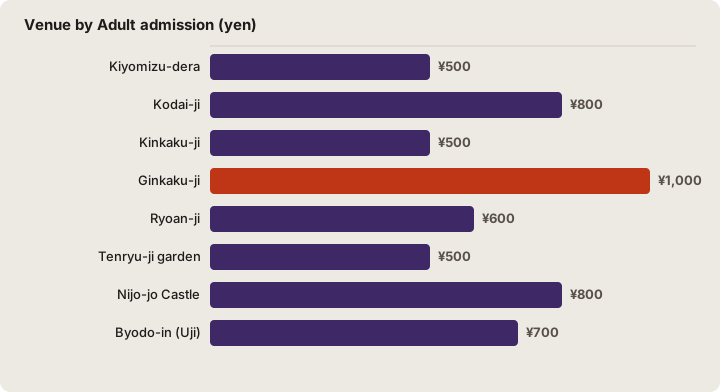
The honest way to budget is to plan on the entry price plus a margin. A day in a kimono rarely costs more than a mid-range dinner in Kyoto, and it costs less than several single temple admissions stacked together. If the day's plan includes Kodai-ji at 800 yen or the Kinkaku-ji fee at 500 yen, the outfit is still the cheaper half of the day.
The internal link for the full breakdown is the standard kimono rental listing, which carries the live price and the current review score.
What Is Included In A Kyoto Kimono Rental Package?
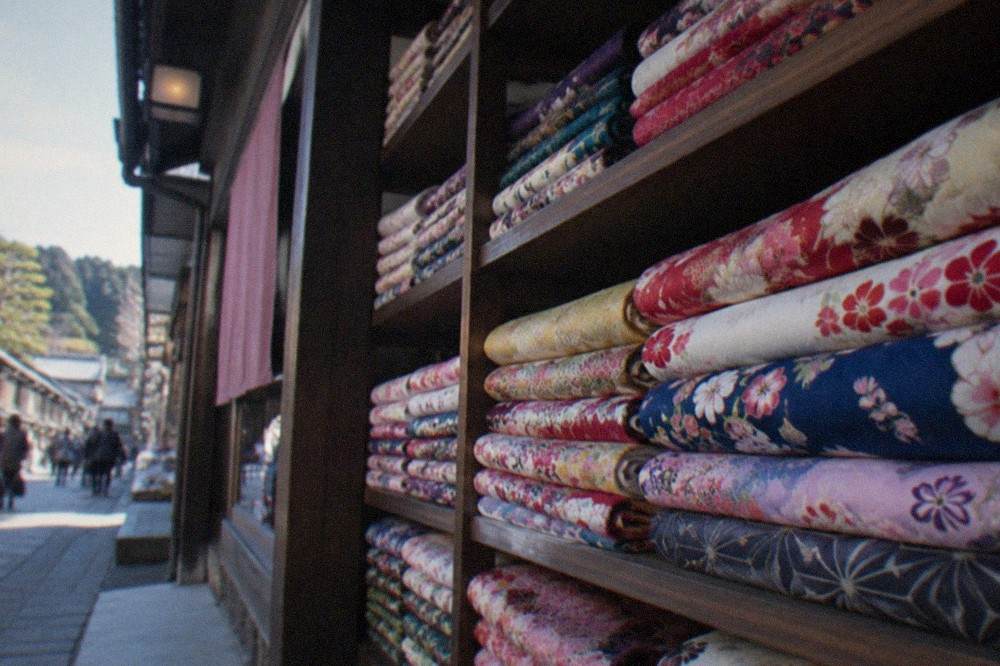
Every standard package includes the kimono itself, the underlayer, the obi belt, tabi socks, sandals and a small bag, returned by the shop's own deadline. The hairstyling plan adds a set hair arrangement and accessories such as hairpins and a collar. What is almost never included is a guide, a photographer, or entry fees to any temple or shrine you visit while dressed.
The differences between plans are smaller than the price spread suggests. The standard plan is the outfit and nothing else. The hairstyling plan, tracked at 4.8 from 1,344 reviews, is the one most visitors should take: the hair arrangement takes ten to fifteen minutes in the shop and holds all day, and it is the single add-on that most changes the photographs. Beyond that, shops offer premium fabric tiers, furisode with long swinging sleeves, and men's or children's sets, each priced above the base.
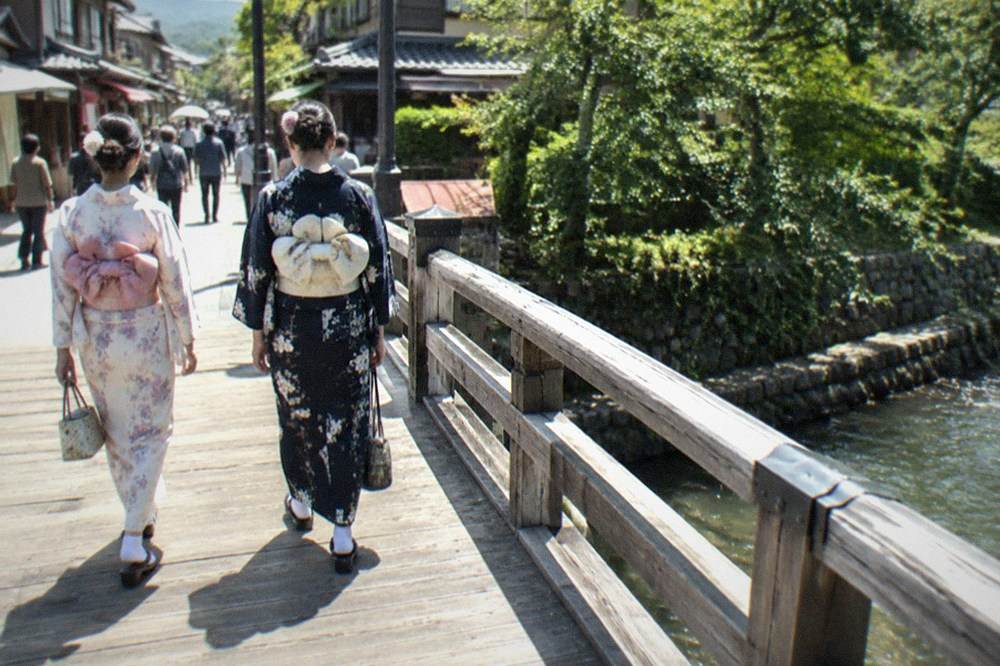
Two things the package never covers are worth flagging before you book. First, the return deadline: most shops want the outfit back between 17:00 and 18:00, with some offering a paid late-return option, so check the operator's own terms on the listing before planning an evening. Second, the outfit changes your walking pace. The sandals are flat, the sleeves get in the way of handrails, and the slopes of Ninenzaka are steeper in silk than in trainers.
| Plan | Starting price | Rating | Reviews | What it adds |
|---|---|---|---|---|
| Standard kimono rental | $17.35 | 4.7 | 3,813 | Kimono, obi, sandals, bag |
| Rental with hairstyling | $21 | 4.8 | 1,344 | Hair arrangement and accessories |
| Kimono tea ceremony, Orizuruya Gion | $49 | 4.9 | 1,871 | Rental plus a ceremony session |
| Private kimono ceremony near Imamiya Shrine | $79 | 5.0 | 440 | Private format, ceremony included |
If the goal is the outfit plus an actual cultural session rather than just photographs, the combined kimono-and-tea-ceremony listings are the better value, and the Kyoto tea ceremony guide breaks those down in detail.
Where Are The Best Places To Rent A Kimono In Kyoto?
The strongest rental bases are Higashiyama near Kiyomizu-dera, Gion around Hanamikoji, and the Kyoto Station area, because each one puts you within walking distance of the streets that reward the outfit. Higashiyama is the classic choice: the shop door opens straight onto Ninenzaka, Sannenzaka and the temple approach, so the costume and the scenery start immediately.
The practical rule is to rent where you intend to walk. A shop near Kyoto Station saves the subway ride in a thick obi, but the station district itself is modern and glassy, so you will ride somewhere anyway. A Higashiyama or Gion shop costs the same entry price and drops you into the photogenic streets within a minute. Arashiyama works too, pairing the outfit with the bamboo path, though the walk to Tenryu-ji and the grove is longer and flatter than the Higashiyama circuit.
The listings below are the three this site recommends for a kimono day, covering the rental itself, a full-day highlights tour for anyone who wants the costume and the sightseeing handled separately, and the Hozugawa river boat for pairing a kimono morning with an Arashiyama afternoon on a separate day.
For sizing, arrive with a plan rather than a hope. Shops hold a wide range of sizes, but the dressing takes twenty to thirty minutes, so a morning slot between 9:00 and 10:00 gives you the full day. Weekends in cherry season and peak autumn book out first, and the city's own 2025 survey recorded 62.79 million visitors, so the popular shops are not quietly sitting empty.
If you already know a kimono day fits your itinerary, the standard rental is the one to lock in first, since the morning dressing slots are what sell out. Free cancellation and a pay-later option are available on the listing, so booking ahead costs nothing if the plans shift.
Can You Walk Into Kyoto Temples And Shrines Wearing A Rented Kimono?
Yes, a rented kimono is welcome at every major Kyoto temple and shrine, and there is no dress surcharge or restriction anywhere in the verified fee tables. What you do pay are the standard admissions, which run from free at Fushimi Inari Taisha to 1,000 yen at Ginkaku-ji, and those fees are unchanged whether you arrive in silk or in jeans.
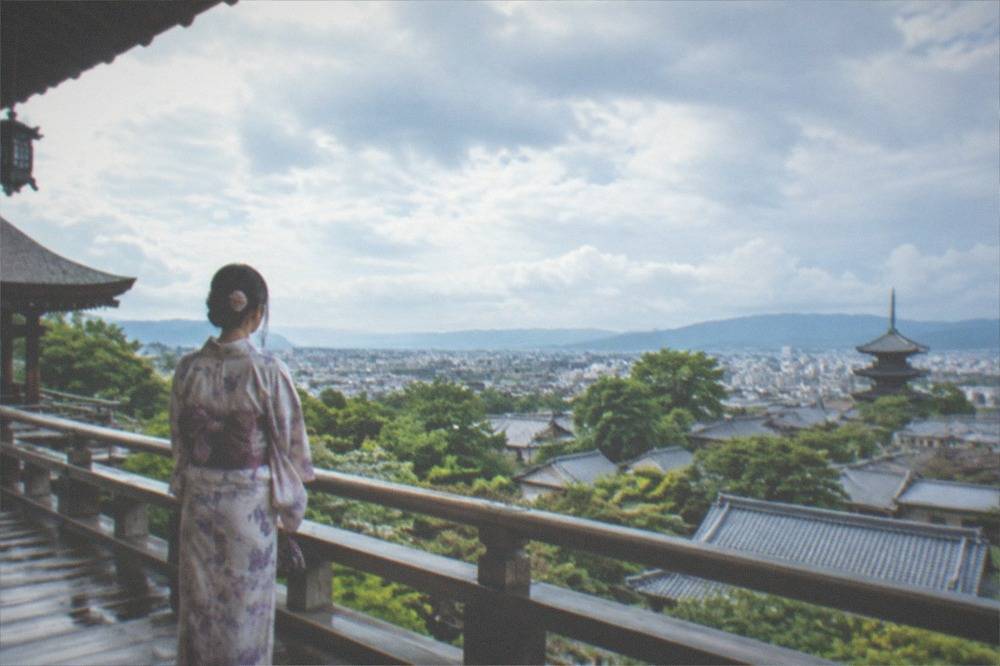
No venue on this site's verified list imposes any rule against rented kimono, and the outfit is common enough on the temple approaches that staff process it without comment. The real constraint is physical: the stone steps of Kiyomizu-dera and the slopes of Ninenzaka demand slow, short steps, which the sandals encourage anyway. The temple's own schedule sets opening at 6:00 daily with closing times that vary by season, so an early start in costume is entirely possible.
The fee table below is the verified current one, and two entries deserve attention. Ginkaku-ji doubled its adult admission from 500 to 1,000 yen effective 1 April 2026, so any guide still quoting 500 is out of date. Tofuku-ji revises its fees on 1 November 2026, with the Tsutenkyo bridge rising to 1,000 yen during the foliage period. Kiyomizu-dera's 500 yen figure is single source, meaning the temple does not print it on its own site, so treat it as the widely reported amount rather than an official posting.
| Venue | Adult admission | Notes |
|---|---|---|
| Fushimi Inari Taisha | Free | Shrine publishes no fee anywhere on its site |
| Kiyomizu-dera | 500 yen | Single source, not printed by the temple |
| Kodai-ji | 800 yen | 1,200 yen combined with Entoku-in |
| Kinkaku-ji | 500 yen | School-age visitors 300 yen |
| Ginkaku-ji | 1,000 yen | Doubled from 500 on 1 April 2026 |
| Ryoan-ji | 600 yen | High school 500, younger 300 |
| Tenryu-ji garden | 500 yen | Buildings plus 300, Hatto ceiling 500 separately |
| Nijo-jo Castle | 800 yen | 1,300 yen with Ninomaru-goten Palace |
| Byodo-in (Uji) | 700 yen | Phoenix Hall interior plus 300 |
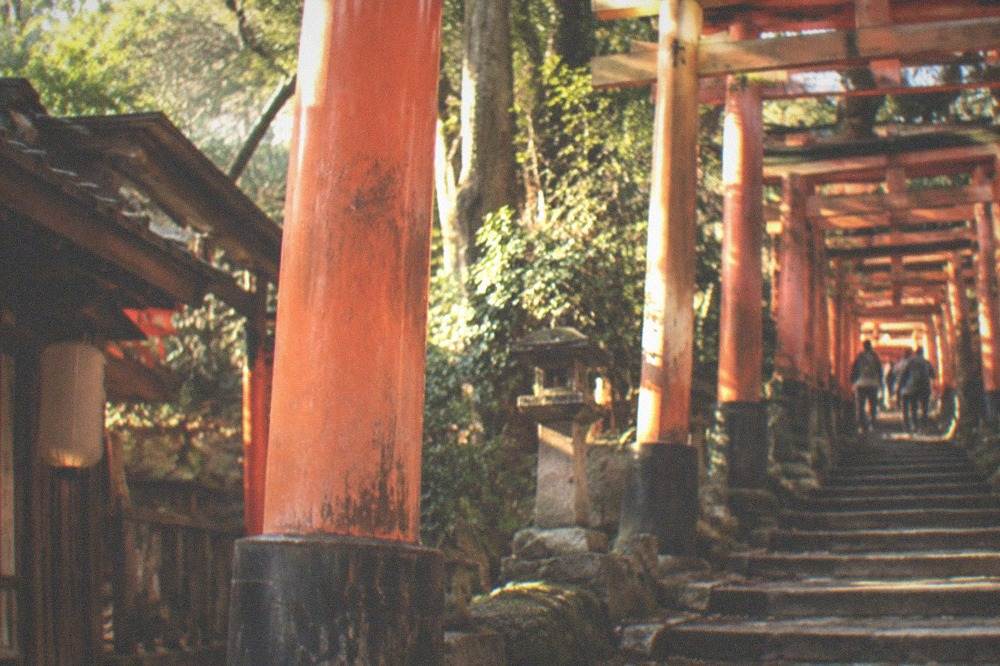
The free entries are worth building the day around. Fushimi Inari Taisha charges nothing, the paths have no closing time, and the Kyoto Imperial Palace states on the Imperial Household Agency's own page that it is open to all visitors with no advance application. A kimono day built on free streets and one paid temple keeps the total cost remarkably low, as the free things to do guide lays out.
How Long Does A Kyoto Kimono Day Take, And What Route Works Best?
A comfortable kimono day runs five to seven hours: thirty minutes to dress, four to five hours of walking, and thirty minutes to return the outfit before the shop's deadline. The strongest route is the Higashiyama circuit, Kodai-ji to Ninenzaka to Kiyomizu-dera, because it packs the highest concentration of photogenic streets into the shortest flat walk.
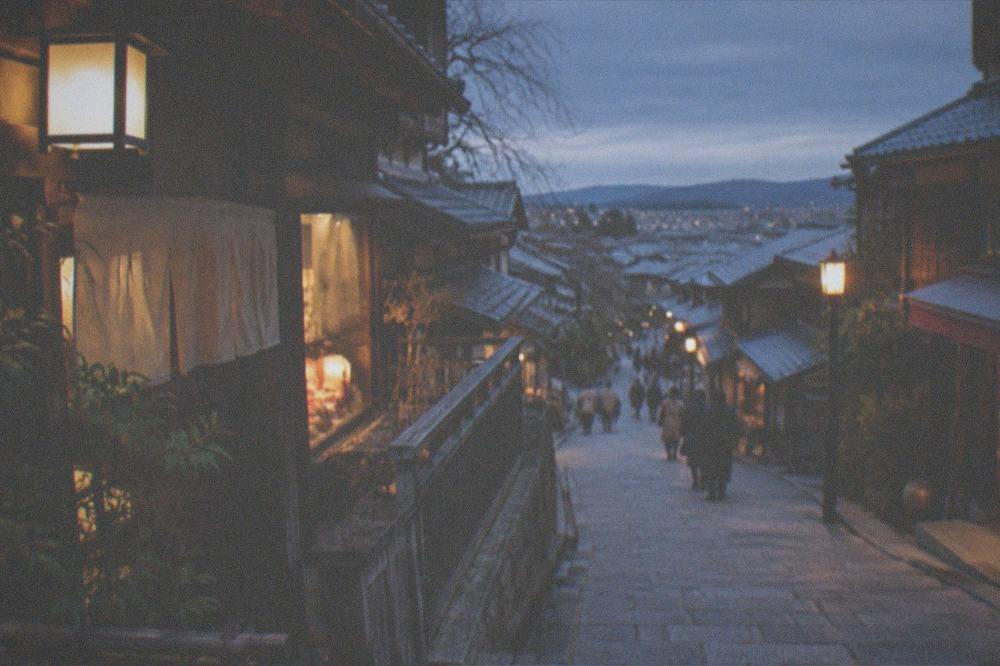
Start at the shop between 9:00 and 9:30. The Higashiyama circuit from a Kodai-ji-area shop covers the temple itself at 800 yen, the stone lanes of Ninenzaka and Sannenzaka, the Kiyomizu-dera approach, and the return through Maruyama Park, all inside about two kilometres of walking. Anyone with energy left can extend north along the Philosopher's Path, which is free to walk and pairs well with the canal-side scenery, before looping back to the shop.
The alternative pairing is a kimono morning plus a separate Arashiyama afternoon. The Hozugawa river boat, tracked at 4.7 from 1,131 reviews, runs about two hours on the water, and the operator's own schedule sets the regular timetable from 10 March to 13 December. Doing both in one day in costume is possible but rushed, so the stronger plan is the costume day in Higashiyama and the river day in ordinary clothes.
A tea ceremony fits neatly into the middle of a kimono day, because several ceremony venues sit inside the same Higashiyama blocks. The listing at Jotokuji Temple, tracked at 4.9 across 3,758 reviews and starting at 29 dollars, runs about seventy minutes, which slots between the morning streets and the afternoon return. The full option is on the tea ceremony at Jotokuji Temple page.
What Does A Kimono Day Add To Your Total Kyoto Trip Cost?
Counting the rental, one temple admission, lunch and local transport, a full kimono day adds roughly 25 to 35 US dollars per person to a Kyoto trip on top of the outfit's starting price, with the city bus at 230 yen per ride and the Subway and Bus One-Day Pass at 1,100 yen covering the transport. The outfit itself remains the smallest line in the day's budget.
Transport is the piece visitors forget. The city bus charges a flat 230 yen for adults and 120 yen for children, the subway runs 220 to 360 yen by zone, and the Subway and Bus One-Day Pass at 1,100 yen for adults and 550 yen for children pays for itself after four bus rides, as the bus and subway pass guide calculates. Note that the old bus-only one-day pass no longer exists: sales ended in September 2023 and it stopped being usable on 31 March 2024, so any guide still selling you that product is out of date.
| Item | Cost per person | Source status |
|---|---|---|
| Standard kimono rental | from $17.35 | Operator listing |
| Hairstyling plan | from $21 | Operator listing |
| City bus, single ride | 230 yen | City transport bureau |
| Subway, by zone | 220 to 360 yen | City transport bureau |
| Subway and Bus One-Day Pass | 1,100 yen | City transport bureau |
| Kinkaku-ji admission | 500 yen | Temple's own site |
| Ginkaku-ji admission | 1,000 yen | Temple's own notice, from 1 April 2026 |
| Kodai-ji admission | 800 yen | Temple's own site |
One cost that catches every visitor booking accommodation is the city's accommodation tax, which changed on 1 March 2026. A room priced between 20,000 and 50,000 yen now carries 1,000 yen per person per night, up from 500, and the top tier of a 100,000-yen room carries 10,000 yen, up from 1,000. It has nothing to do with the kimono, but it belongs in any honest day-by-day budget, and the Kyoto trip cost guide folds it into the full arithmetic.
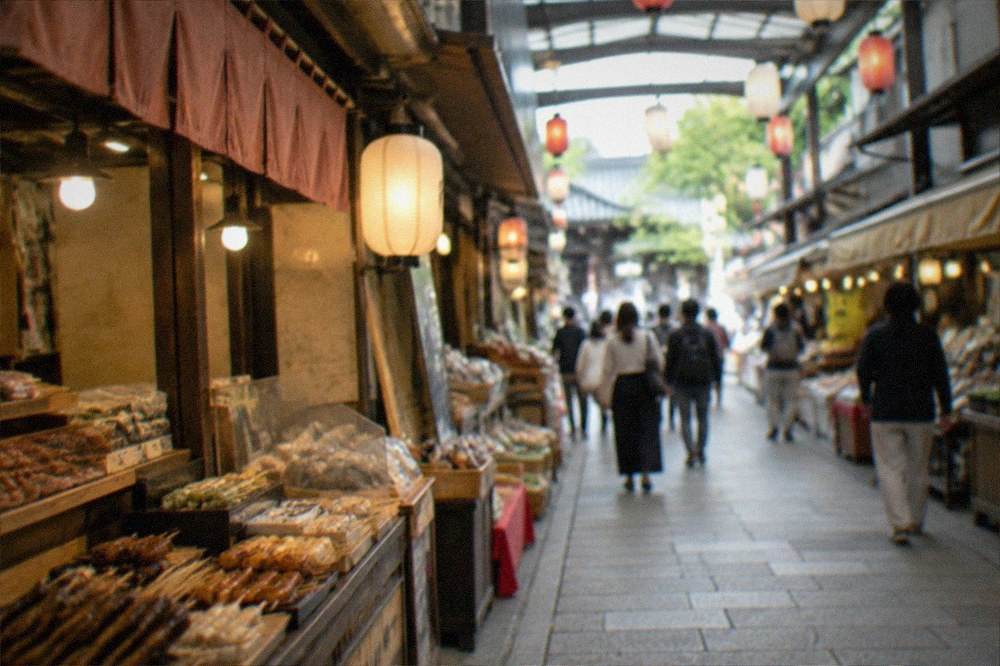
Lunch in costume deserves one practical note: Nishiki Market prohibits eating while walking, and the market's own guidance asks visitors to eat at the stall or in a designated area, which is genuinely awkward in long sleeves. The safer lunch on a kimono day is a seated restaurant on the Higashiyama lanes or a bench in Maruyama Park, and the Nishiki Market guide covers the rules in full.
When Is The Best Season To Wear A Kimono In Kyoto?
The two best windows are late March to mid-April for cherry blossom and mid-November to early December for autumn colour, both of which pair the costume with the city's strongest scenery. The JMA 1991-2020 normals put Kyoto's cherry full bloom at 4 April and the official maple red-leaf marker at 5 December, and both seasons fill the popular rental shops first.
Those phenology dates come from the Japan Meteorological Agency's own Kyoto observatory records, which this site treats as the reference over any blog's "peak week" claim. In 2026 the cherries reached full bloom on 30 March, ahead of the 4 April normal, and in 2025 on 5 April. The maple normal of 5 December is the observatory's own specimen tree, later than the tourist foliage peak in the hills, so plan photographs around late November and treat the JMA date as the official marker rather than the best week.
| Month | Mean temp | Mean daily max | Rain | Kimono-day verdict |
|---|---|---|---|---|
| March | 8.8 C | 14.1 C | 106.2 mm | Blossom season, cool and bright |
| April | 14.4 C | 20.1 C | 117.0 mm | Best overall month |
| May | 19.5 C | 25.1 C | 151.4 mm | Warm, green, fewer crowds |
| July | 27.3 C | 32.0 C | 223.6 mm | Wettest month, hot layers |
| August | 28.5 C | 33.7 C | 153.8 mm | Hottest month, hardest in silk |
| November | 12.5 C | 17.3 C | 73.9 mm | Foliage season, comfortable |
| December | 7.2 C | 11.6 C | 57.3 mm | Cold but dry and quiet |
Winter is the underrated option. December is drier than every month from March through November on the JMA normals, the crowds thin after the foliage, and the shops offer heavier lined kimono for the cold. The trade is early darkness, with sunset near 16:45 in December, so the photographic window is short. The Kyoto in winter guide makes the case in full.
Before the practical questions, here are the three listings this site recommends around a kimono day: the rental itself, the full-day highlights bus tour for a separate sightseeing day, and the Hozugawa river boat for the Arashiyama pairing.
Common Questions About Kimono Rental In Kyoto
How much does kimono rental cost in Kyoto for a day?
A standard one-day rental starts at about 17 US dollars per person, and the plan with hairstyling and accessories starts at about 21 dollars. Premium fabrics, men's sets and late returns cost more, and the return deadline is typically late afternoon or early evening.
Do I need to book a kimono rental in advance?
In cherry season, peak autumn and on weekends, yes. The city's 2025 survey recorded 62.79 million visitors and the popular shops fill their morning dressing slots first. Midweek in the quieter months, same-day walk-ins usually work.
Can I wear a rented kimono into temples and shrines?
Yes. No venue on this site's verified list restricts or surcharges rented kimono. You pay the standard admissions only, which run from free at Fushimi Inari Taisha to 1,000 yen at Ginkaku-ji from April 2026.
How long does dressing take?
Allow twenty to thirty minutes for a standard fitting and a little longer with hairstyling. Arriving between 9:00 and 10:00 gives the full day before the return deadline.
What happens if I return the kimono late?
Most shops charge a late fee or stop accepting returns after their stated closing time, and some offer a paid overnight option. The exact terms are on the operator's listing, so read them before planning an evening in costume.
Is a kimono day worth it in summer?
It is possible but hard. July is Kyoto's wettest month at 223.6 mm and August is its hottest at a 28.5 C mean on the JMA 1991-2020 normals, and three of the city's six hottest days on record fell in 2024, 2025 and 2026. Book the lightest fabric the shop offers and start at opening time.
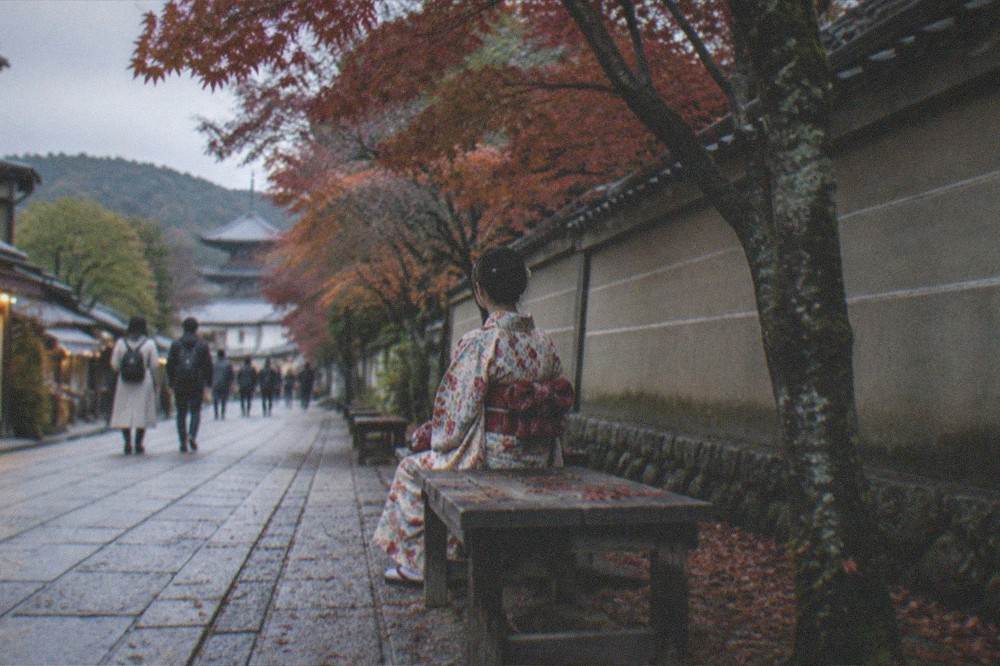
A kimono day in Kyoto is one of the rare travel purchases where the cheapest version is already the good version: the entry-level rental, one temple admission, a walk through Gion and Higashiyama, and a return before the deadline together cost less than a single kaiseki lunch at one of the city's famous houses. Pick the season from the JMA numbers rather than the brochure language, book the morning slot early in the peak weeks, and let the outfit set the pace for the day.