Eikan-do Temple: Kyoto's Autumn Night Illumination, Hours And Ticket Prices
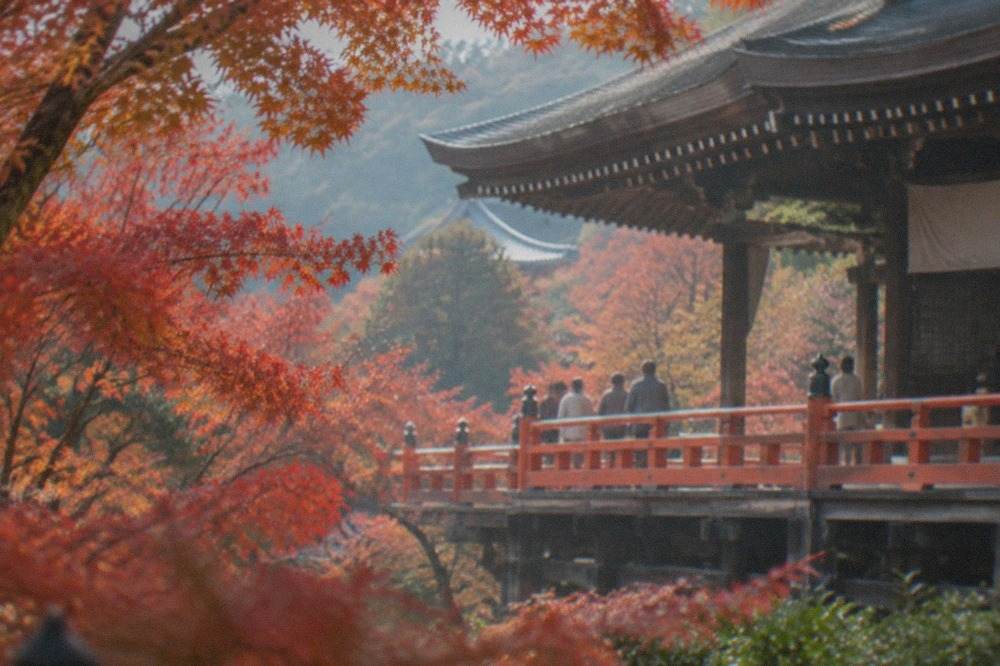
Eikan-do, formally Zenrin-ji, is the Nanzen-ji temple that gives Kyoto one of its most photographed autumn scenes: a two-storey pagoda and the Tahoto tower framed by hundreds of maples. Its night illumination is the busiest event on the eastern hills' autumn calendar, and the honest answer about dates and cost is that the temple sets both fresh each year.
Short answer
Eikan-do runs its autumn night illumination from late October into early December, with the temple announcing exact dates and the illumination admission each season on its own site. Kyoto's official maple marker, the JMA red-leaf date at the city observatory, has a normal of 5 December, so the colour runs far later than most guides claim.
Eikan-do, formally Zenrin-ji, sits at the foot of Kyoto's eastern hills between Nanzen-ji and the Philosopher's Path, and for roughly six weeks each autumn it becomes one of the most visited temple grounds in the city. The draw is scale: the temple's own materials describe some three thousand maples on the hillside behind the main hall, and the view from the Tahoto tower down over the rooftops and the Higashiyama ridge is the shot that appears on Kyoto tourism posters every November. The temple is also the anchor of the eastern hills' autumn night circuit, alongside Kodai-ji in Higashiyama and the seasonal night viewing at Kiyomizu-dera.
There is an honesty problem with most Eikan-do coverage, and this site will not repeat it. The temple sets its illumination dates, its hours and its illumination-period admission fresh each season, and those figures are published on the temple's own Japanese-language news page when the season is announced. A guide that prints "November 1 to December 4" or "600 yen" without saying which year it checked is copying a previous season's numbers, and the fee structure at Kyoto temples demonstrably moves: Ginkaku-ji doubled its admission to 1,000 yen from 1 April 2026, and Tofuku-ji revises its own fees on 1 November 2026 with a new 1,000 yen combined ticket. What follows is what is verified, what is not, and how to plan around both.
When Does Eikan-do Hold Its Autumn Night Illumination And What Does It Cost?
Eikan-do's autumn night illumination runs from late October into early December in a typical season, with the temple announcing the exact dates, the extended evening hours and the separate illumination admission on its own site each year. The daytime admission and the illumination-period admission are different tickets, and the illumination charge is higher. No figure on this page is printed as official, because the temple resets the numbers every season and this site's fact base has not read the current notice.
The pattern is stable even when the specifics are not. Kyoto's temple illuminations cluster in the same window every year because the leaves do: Kodai-ji, which does publish, runs its 2026 autumn night viewing from 23 October to 13 December 2026, with reception from 17:00 to 21:30 and the grounds lit until 22:00. Kiyomizu-dera's 2026 schedule, read from the temple's own access page, gives night viewing from 21 to 30 November with last entry at 21:00. Eikan-do's season sits inside that same corridor, historically opening in late October and closing in early December, and the temple's maple corridor, the Hojo garden and the approach to the Tahoto tower are the lit sections.
The practical consequences are worth more than a copied number. First, the illumination admission is a separate, higher ticket from the regular garden admission, so a visit that crosses the evening boundary means the illumination price applies. Second, the event draws dense crowds on November weekends and on any evening in the last week of November, which is when the JMA phenology record and the leaf forecasts tend to converge on peak colour in the eastern hills. Third, the temple closes its gate to new entry well before the lights go out, so arriving in the first hour of the illumination window is the difference between walking the maple corridor and shuffling through it.
For the current season's dates and price, the temple's own site is the only source worth trusting, and it publishes the notice ahead of the season opening. Treat any specific figure in a guide, including a widely repeated one, as last year's answer until the temple's own page confirms it.
Where Is Eikan-do And How Do You Get There From Kyoto Station?
Eikan-do sits in the Nanzen-ji area of Kyoto's eastern hills, about 25 minutes from Kyoto Station by subway plus a short walk: take the Karasuma Line to Karasuma Oike, transfer to the Tozai Line eastbound, and get off at Keage Station, from which the temple is roughly a 10 minute walk north. The alternative is bus routes along Higashioji-dori, which stop within a few minutes' walk of the Nanzen-ji gate.
The subway is the better choice in autumn for a reason the city's own transport bureau has made explicit. Kyoto's flat bus fare is 230 yen for adults and 120 yen for children aged 6 to 11, and the subway runs 220 to 360 yen by zone, but the arithmetic that matters is the pass: the Subway and Bus One-Day Pass costs 1,100 yen for adults and 550 yen for children, and it covers both networks. The old bus-only one-day pass no longer exists; sales ended in September 2023 and the last day of use was 31 March 2024, and the transport bureau's stated reason was that 90% of its buyers were non-residents who then concentrated on a handful of bus lines. In November, the Higashioji-dori buses serving Nanzen-ji are exactly those lines.
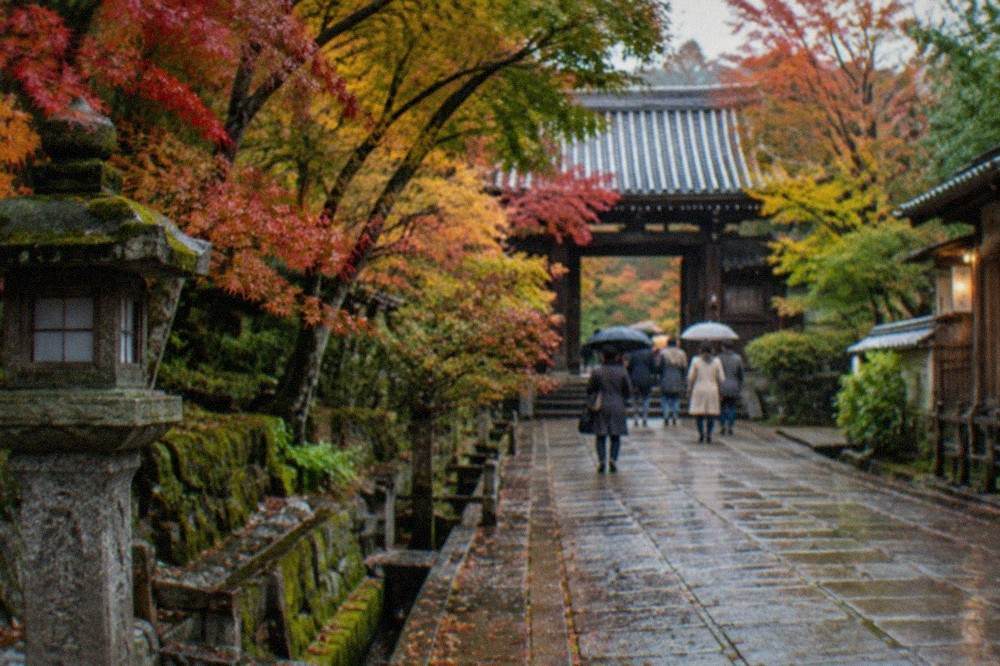
The walk from Keage is itself part of the visit. The station sits at the top of the old Lake Biwa Canal, beside the Nanzen-ji aqueduct, and the route north passes the Nanzen-ji grounds before reaching Eikan-do's gate. Nanzen-ji's own hours are verified: 8:40 to 17:00 from March to November, with reception closing 20 minutes before, and the Hojo garden at 600 yen general admission and the Sanmon gate at 600 yen, ticketed separately. Combining the two temples in one morning, before the illumination crowds build, is the standard local pattern.
If you are staying central, the itinerary logic is simple: Eikan-do, Nanzen-ji and the Philosopher's Path form a natural north-south line, with Ginkaku-ji at the far north end. Walking the whole line takes a relaxed half day. Note the fee change if your research is older than April 2026: Ginkaku-ji's admission doubled to 1,000 yen for adults and 500 yen for children from 1 April 2026, the temple's first revision in 32 years.
What Makes Eikan-do's Maple Corridor And Tahoto Tower Worth The Ticket?
The two features that separate Eikan-do from Kyoto's other autumn temples are the maple corridor, a raised walkway that carries visitors through the densest part of the hillside planting, and the Tahoto tower on the slope above, which gives the elevated view over the temple roofs toward the city. The temple's own materials count the maple planting in the thousands, and the corridor exists specifically to put visitors inside it rather than at its edge.
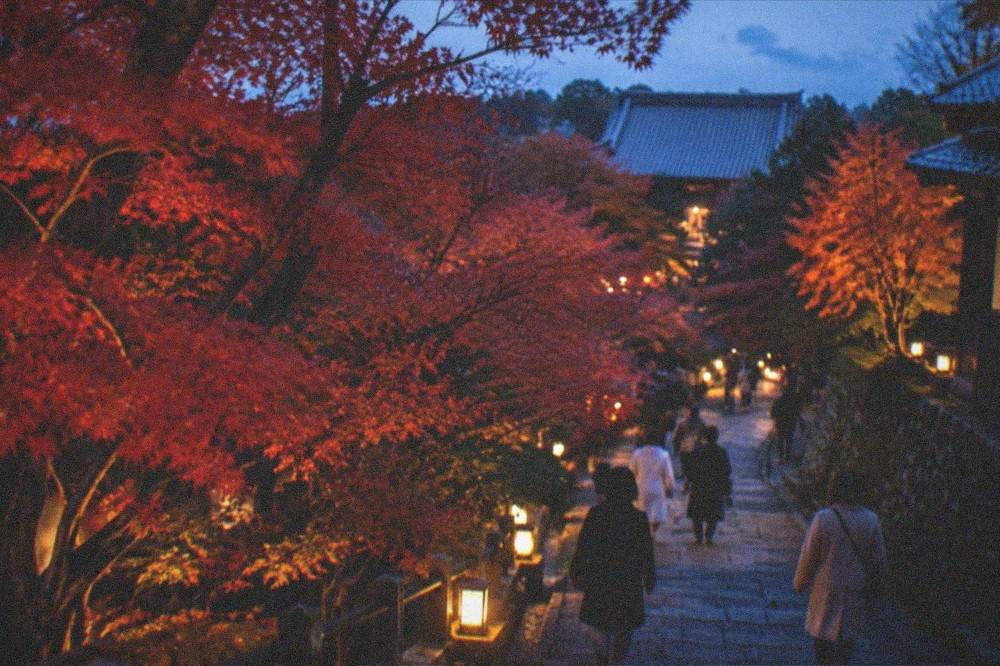
The corridor is the reason the illumination works. Lighting thousands of maples from within a walkway produces the layered red tunnel that photographs better than any floodlit building, and it is the section that queues form for. The Tahoto, a two-storey treasure tower, sits high enough on the hillside that the climb up to it opens a panorama over the main hall's roofs and the Higashiyama ridge line; in daylight this is the wide shot, and at night the tower itself is lit from below.
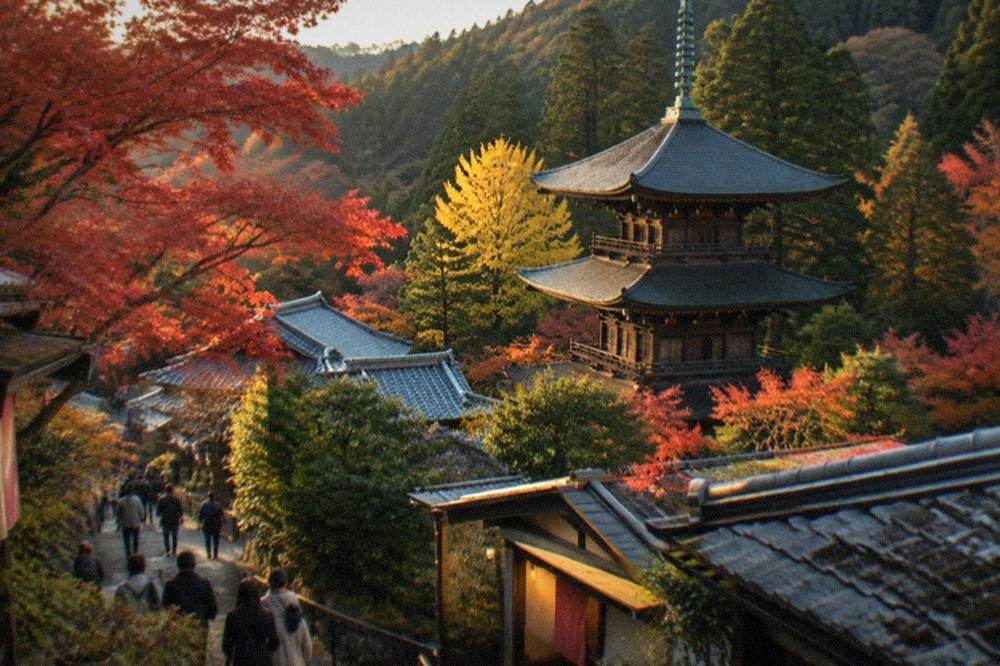
The temple's history explains why the planting is here at all. Eikan-do is the head temple of the Seizan branch of Pure Land Buddhism, founded in the Heian period, and its name comes from the monk Eikan, whose devotion to Amida Buddha is the source of the temple's most repeated story, the image of Amida turning its head to look back at him. The temple's formal name, Zenrin-ji, is the one that appears on older maps. None of this is decoration: the Pure Land tradition's emphasis on the Western Paradise and its imagery of trees and water is the framework the garden and the hillside planting were built inside.
For comparison, the verified autumn temple fees nearby: Kodai-ji charges 800 yen adult admission, or 1,200 yen combined with Entoku-in, and its night illumination runs 17:00 to 22:00 with reception to 21:30. Tofuku-ji, the other great maple temple on the east side, charges 600 yen for the Tsutenkyo bridge and Kaisando, rising to 1,000 yen during the autumn foliage period from 1 November 2026, with a new 1,000 yen combined ticket covering the Hojo garden as well. Eikan-do's illumination admission sits in the same general band, but as above, print nothing without the temple's current notice.
How Does Eikan-do Compare With Kyoto's Other Autumn Illumination Spots?
Eikan-do, Kodai-ji and Kiyomizu-dera run the three biggest night illuminations in central Kyoto, and they differ mainly in setting: Eikan-do is a hillside maple garden in the Nanzen-ji area, Kodai-ji is a compact Higashiyama temple with a garden and bamboo grove, and Kiyomizu-dera is a cliffside veranda with a city view. Kodai-ji's 2026 dates are 23 October to 13 December, Kiyomizu-dera's night viewing is 21 to 30 November, and Eikan-do's window sits between them.
The table below carries only what the venues themselves have published or what this site has verified. Eikan-do's row is deliberately thin on numbers for the reason stated throughout this page.
| Temple | 2026 illumination dates | Evening hours | Admission |
|---|---|---|---|
| Eikan-do (Zenrin-ji) | Late October to early December, announced each season by the temple | Announced with the dates | Separate illumination ticket, set each season |
| Kodai-ji | 23 October to 13 December 2026 | 17:00-22:00, reception to 21:30 | 800 yen day, or 1,200 yen combined with Entoku-in |
| Kiyomizu-dera | 21 to 30 November 2026 | To 21:30, last entry 21:00 | 500 yen (single source, not printed by the temple) |
| Tofuku-ji | No illumination; daytime foliage viewing | Daytime only | 1,000 yen foliage-period bridge ticket from 1 Nov 2026 |
The choice between them is mostly about geography and stamina. Kodai-ji sits inside the Higashiyama lane system below Kiyomizu-dera, so the two pair naturally in one evening walk, and the whole Ninenzaka and Sannenzaka slope is lit for the season. Eikan-do is a separate trip to the Nanzen-ji side, and it pairs better with a daytime Philosopher's Path walk than with the Higashiyama evening circuit. Doing all three illuminations in one night is possible and routinely attempted, and it is also the fastest way to see none of them properly.
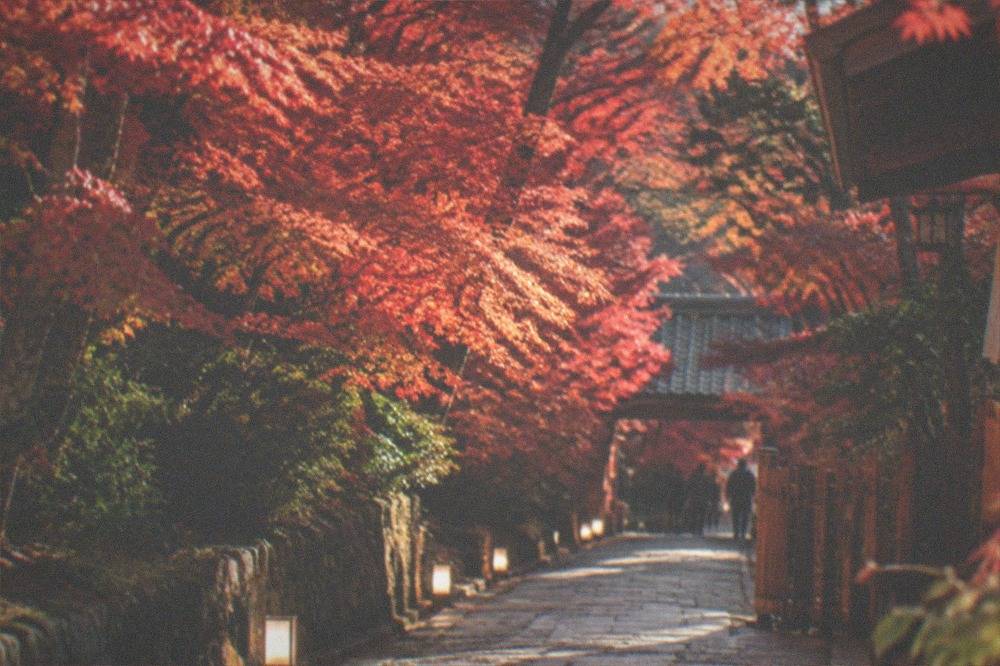
One more comparison that matters: the JMA phenology record gives Kyoto's maple red-leaf normal as 5 December at the city observatory, and the 2025 observed date was 10 December. That is the official marker for one specimen tree, not the Arashiyama or Eikan-do peak, but it corrects a real error in most guides, which put the "peak" in mid-November. The practical reading is that late November into the first days of December is the safest window, and early December visits are not a consolation prize.
What Are The Best Dates For Autumn Colour In Kyoto, According To The Official Record?
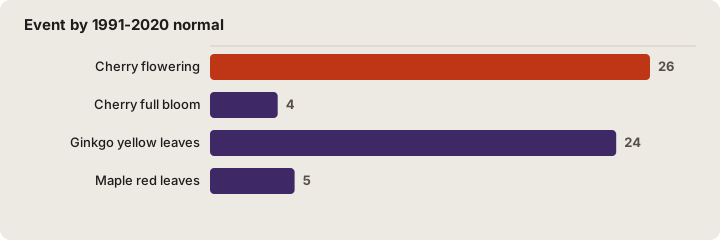
The Japan Meteorological Agency's Kyoto observatory gives the 1991 to 2020 normal for maple red leaves as 5 December, with the 2025 observed date at 10 December and the record range from 10 November to 20 December, so the statistically safest window for Eikan-do's maples is the last week of November through the first week of December. Cherry blossom, for spring planners, has a normal full-bloom date of 4 April.
The phenology table, read from the JMA's own Kyoto observatory series, is the only dated leaf record in the country that is both long-running and officially maintained, and it is the backbone of every commercial forecast.
| Event | 2026 observed | 1991-2020 normal | 2025 observed | Record range |
|---|---|---|---|---|
| Cherry flowering | 23 March | 26 March | 27 March | 16 Mar to 9 Apr |
| Cherry full bloom | 30 March | 4 April | 5 April | 24 Mar to 17 Apr |
| Ginkgo yellow leaves | Not yet | 24 November | 25 November | 7 Nov to 7 Dec |
| Maple red leaves | Not yet | 5 December | 10 December | 10 Nov to 20 Dec |
Two forecasts for the 2026 season have been published and are worth reading together: Weathernews puts the Arashiyama-area foliage peak around 24 November 2026, and the JMC tenki.jp forecast for Kyoto city lands on 11 December 2026. The spread between them, more than two weeks, is normal, because they measure different things in different places. The JMA observatory date is a single specimen tree in northern Kyoto; the forecasts model regional colour. For Eikan-do specifically, the hillside's planted maples tend to run with the regional forecasts rather than the observatory tree, which supports the late-November window.
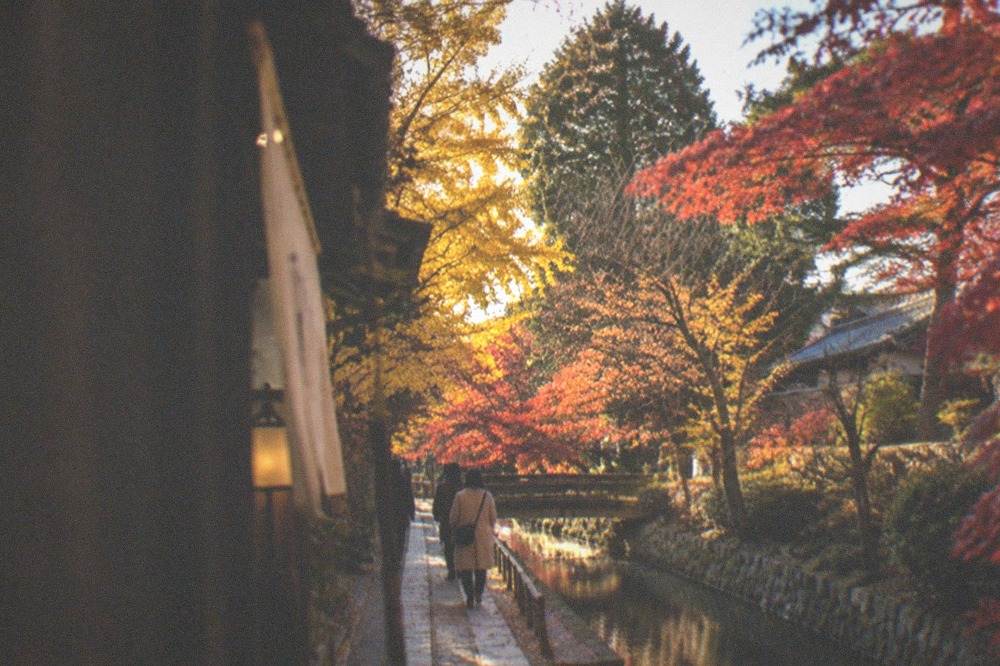
Weather planning for that window comes from the same official record. The JMA 1991 to 2020 normals for station 47759 give November a mean of 12.5 C, a mean daily maximum of 17.3 C and 73.9 mm of rain, against October's 143.2 mm. November is one of the drier months of Kyoto's autumn, which is why the illumination season is reliable, but evenings at the Tahoto tower get cold fast: the November mean daily minimum is 8.4 C, and the station's record low, set in January 1891, is -11.9 C, a reminder that Kyoto has a real winter rather than a mild one.
| Month | Rain mm | Mean C | Mean daily max C | Mean daily min C |
|---|---|---|---|---|
| October | 143.2 | 18.4 | 23.4 | 14.4 |
| November | 73.9 | 12.5 | 17.3 | 8.4 |
| December | 57.3 | 7.2 | 11.6 | 3.5 |
What Else Is Near Eikan-do For A Half Day In The Nanzen-ji Area?
A half day around Eikan-do takes in Nanzen-ji's aqueduct and Hojo garden, the Lake Biwa Canal path at Keage, and the southern end of the Philosopher's Path, all within a 20 minute walk of the temple gate, with the Kyoto Botanical Garden and the museums a subway ride away rather than walkable. The area rewards the morning: the canal and the temple grounds are quiet before 9:00 and dense by 11:00 in season.
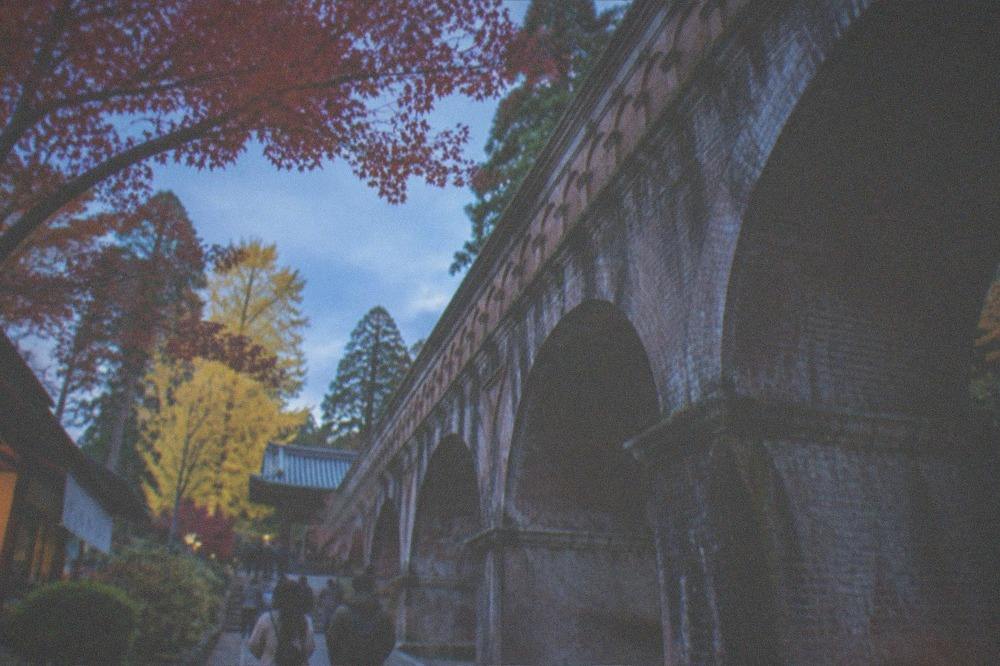
The standard route runs north from Keage Station: the brick aqueduct first, then the Nanzen-ji grounds, then Eikan-do, then the path north along the canal toward Ginkaku-ji. In November, the canal's own maples turn later than the temple's planted hillside, so the sequence works in reverse if you are chasing colour rather than avoiding crowds. The full walk to Ginkaku-ji is about 2 kilometres, and the Philosopher's Path section is free, like the bamboo path in Arashiyama and the walking streets of Gion and Pontocho.
If the evening is your illumination slot, the day can be built differently. The Kyoto Railway Museum is verified at 1,500 yen general admission, open 10:00 to 17:00 with last entry at 16:30 and closed Wednesdays, and it sits on the Umekoji side near the station, so it fills a morning before the subway east. The Kyoto International Manga Museum is on Karasuma-dori, directly on the Karasuma Line you would take toward Keage, which makes it the natural stop between the two. Nidec Kyoto Tower, by the station itself, runs its observation deck 10:00 to 21:00 with last admission at 20:30, at 900 yen for adults.
For a fuller route through the season, the site's Kyoto autumn leaves itinerary sequences the eastern hills, Arashiyama and the northern temples across several days, and the night guide covers the illumination circuit in order. The one thing not to attempt is a same-day pairing of Eikan-do's illumination with the Tofuku-ji foliage crowds: Tofuku-ji's bridge ticket rises to 1,000 yen during the foliage period precisely because its Tsutenkyo walkway is the most congested single maple structure in the city.
What Should You Know Before Visiting Eikan-do With Kids, Cameras Or Limited Mobility?
The hillside is the thing to plan around: Eikan-do's maple corridor and Tahoto tower involve sustained stairs and sloped paths, so the full circuit is not step-free, and the illumination version of the visit is done in queues on the same terrain after dark. Children pay reduced admission at Kyoto temples as a rule, photographers should expect no tripods during illumination, and the temple asks for the standard conduct of a working Buddhist site.
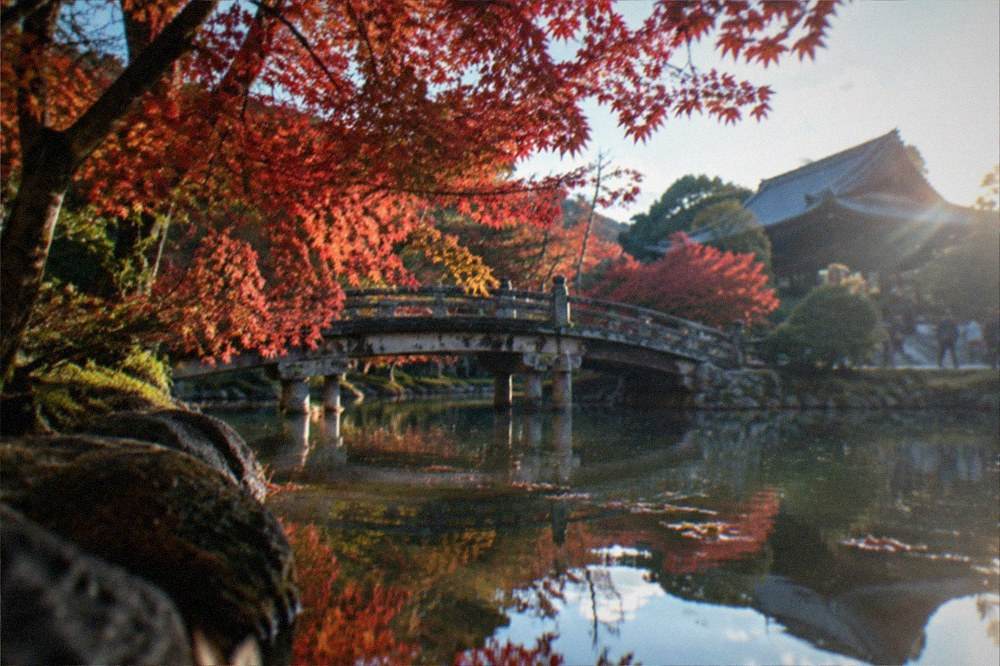
The stairs are the honest caveat. The climb from the main hall to the Tahoto is a real ascent on stone and timber steps, and in illumination conditions the queue moves slowly with limited passing room. Visitors who cannot manage sustained stairs can still see the Hojo garden, the lake with its stone bridge, and the corridor's lower section, which is where the densest colour sits anyway. Kyoto's temple accessibility varies site by site, and the city's own tourism association publishes accessibility notes for major venues; for a fuller treatment, this site's accessibility guide covers the eastern hills in detail.
Photography rules at Eikan-do follow the general Kyoto temple pattern: daytime handheld photography of the grounds is normally accepted, interior halls and the temple's treasures are normally off limits, and during illumination the crowd density makes tripods and long setups impractical regardless of the rules. A separate and more serious rule applies a short walk south: in Gion, the city's tourism association publishes conduct guidelines asking visitors not to touch, chase or photograph geiko and maiko without permission and not to enter private property, and signs posted by the Gion South Side district council on the private alleys off Hanamikoji threaten a 10,000 yen penalty for unauthorised entry or photography. Those alleys are a different neighbourhood, but the principle is the same one Eikan-do operates on: these are working places first.
For families, the fee structure at comparable temples gives a planning range. At verified venues, child admission typically runs from half to two-thirds of the adult fee: Kinkaku-ji is 500 yen general and 300 yen for primary and middle school students, Sanjusangen-do is 600 / 400 / 300, and Kodai-ji admits elementary age and under free with an adult. Eikan-do's own child rate follows the same pattern but, like its adult rate, is set seasonally and should be read from the temple's notice. The Iwatayama Monkey Park, for a child-friendly contrast, is verified at 800 yen for 16 and over and 400 yen for ages 4 to 15, cash only.
Common Questions About Eikan-do Temple
When Does Eikan-do Hold Its Autumn Night Illumination And What Does It Cost?
From late October into early December in a typical season, with the temple announcing exact dates, hours and the separate illumination admission each year on its own site. Kodai-ji's published 2026 window, 23 October to 13 December, and Kiyomizu-dera's 21 to 30 November night viewing, bracket the same corridor. No figure should be trusted from a guide that does not name the season it was checked.
How Do I Get To Eikan-do From Kyoto Station?
Take the Karasuma Line to Karasuma Oike, transfer to the Tozai Line eastbound, and get off at Keage Station, then walk about 10 minutes north past the Nanzen-ji aqueduct. The subway is preferable to the Higashioji-dori buses in November, when the bus-only one-day pass no longer exists and the Subway and Bus One-Day Pass at 1,100 yen covers both networks.
Is Eikan-do Or Tofuku-ji Better For Autumn Leaves In Kyoto?
They are different products. Eikan-do offers a hillside garden, a lit maple corridor at night and the Tahoto tower view; Tofuku-ji offers the Tsutenkyo bridge walk through a maple valley, daytime only, with the foliage-period ticket at 1,000 yen from 1 November 2026. Eikan-do is the better single visit if you want the evening illumination; Tofuku-ji is the more dramatic daytime structure, and it is the more crowded one.
When Is Peak Autumn Colour At Eikan-do?
The JMA normal for Kyoto's maple red leaves is 5 December, with 2025 observed at 10 December, while commercial forecasts for 2026 put the regional peak between 24 November and 11 December. The safest window for Eikan-do's planted hillside is the last week of November through the first week of December, and early December visits are not late.
Can You Visit Eikan-do And Nanzen-ji On The Same Day?
Yes, and it is the standard pattern: the two temples are a few minutes' walk apart, with Nanzen-ji open 8:40 to 17:00 in season, its Hojo garden at 600 yen and the Sanmon gate at 600 yen ticketed separately. Do Nanzen-ji in the morning, Eikan-do in the afternoon, and stay for the illumination if the season is running.
Is Eikan-do Accessible For Wheelchairs And Strollers?
Partly. The Hojo garden, the pond and the lower corridor are reachable on largely level paths, but the maple corridor and the climb to the Tahoto tower involve sustained stairs that are not step-free. In illumination conditions the same terrain is walked after dark in queues, which adds to the difficulty.
Eikan-do rewards two things that cost nothing extra: timing and patience. Go on a weekday in the last week of November, arrive before the illumination window opens or in its first hour, check the temple's own notice for the season's dates and admission before setting out, and pair it with Nanzen-ji and the canal path rather than racing across town for a second illumination. The maples have been turning on this hillside for centuries, and the official record says they will still be red in early December, whatever the mid-November guides claim. For everything else in the city, start with Kyoto Travel Guide's full coverage of the temples, the seasons and the day trips around them.