Nishijin Weaving District: What Nishijin-ori Silk Is And Where To See A Loom In Kyoto
Nishijin-ori is the silk weaving tradition of Kyoto's old Nishijin district, a fabric of narrow looms, pre-dyed threads and patterns built thread by thread rather than printed. Here is what it is, where the looms still run, and how to plan a visit.
Short answer
Nishijin-ori is Kyoto's historic silk textile, woven on looms in the Nishijin district northwest of the Imperial Palace. You can see working looms at weaving workshops and handcraft experiences across the district, reached by city bus or subway from Kyoto Station.
Kyoto drew a record 62.79 million visitors in 2025, the city's own tourism survey reports, released 12 June 2026, and almost all of them spent their days in the same handful of eastern and western postcard spots. The Nishijin district, the grid of quiet streets northwest of the Imperial Palace where Kyoto's silk weaving tradition has lived for centuries, stays off most itineraries. That is its appeal. This is a district of machiya workshops, temple neighbours like Ryoan-ji and Daitoku-ji within easy reach, and a textile craft, Nishijin-ori, whose looms still clatter behind sliding doors.
This page answers the practical questions. What Nishijin-ori actually is, where you can watch a loom working, how to reach the district by bus or subway, what a visit costs, and how the weather shapes the best months to walk it. Where a figure matters, it comes from the official source: the city's transport bureau, the Japan Meteorological Agency, the temples' own fee notices. Where something cannot be verified, this guide says so rather than guessing.
What Is Nishijin-ori Silk Weaving And Where Can You See A Loom?
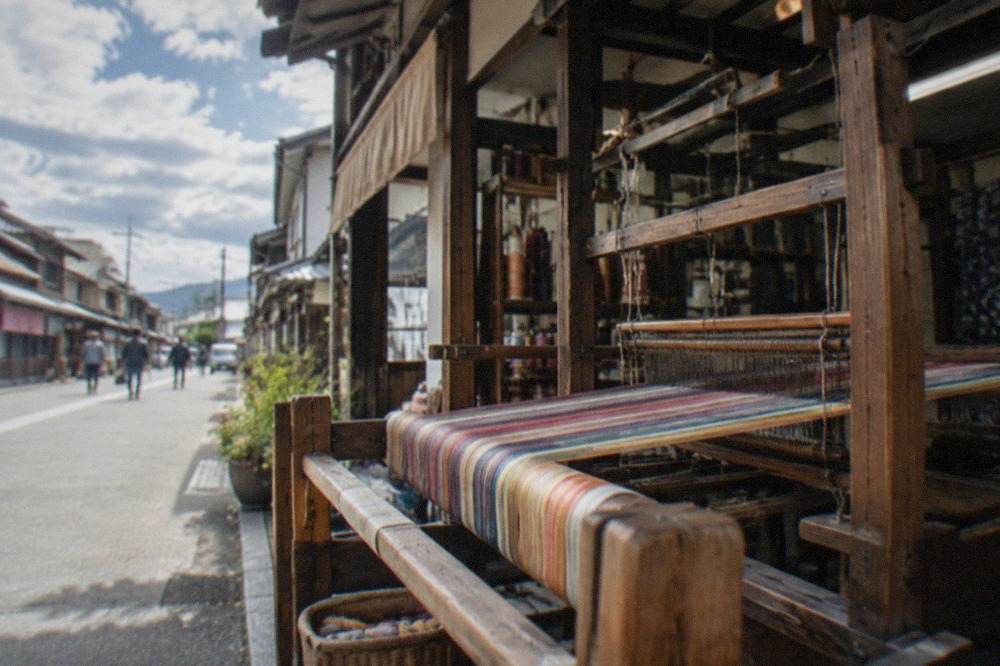
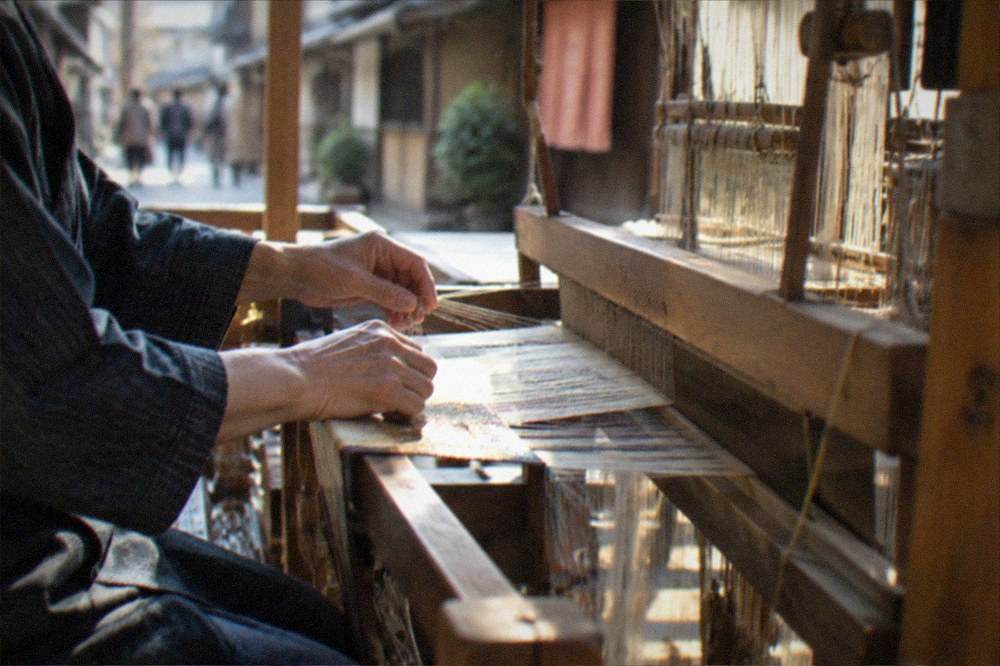
Nishijin-ori is the silk weaving tradition of Kyoto's Nishijin district, defined by its technique rather than a single pattern: threads are dyed before weaving, and the design is built into the cloth on the loom itself, thread by thread, rather than printed onto finished fabric. You can see working looms at weaving workshops and handcraft studios across the district, several of which run demonstrations and hands-on experiences for visitors.
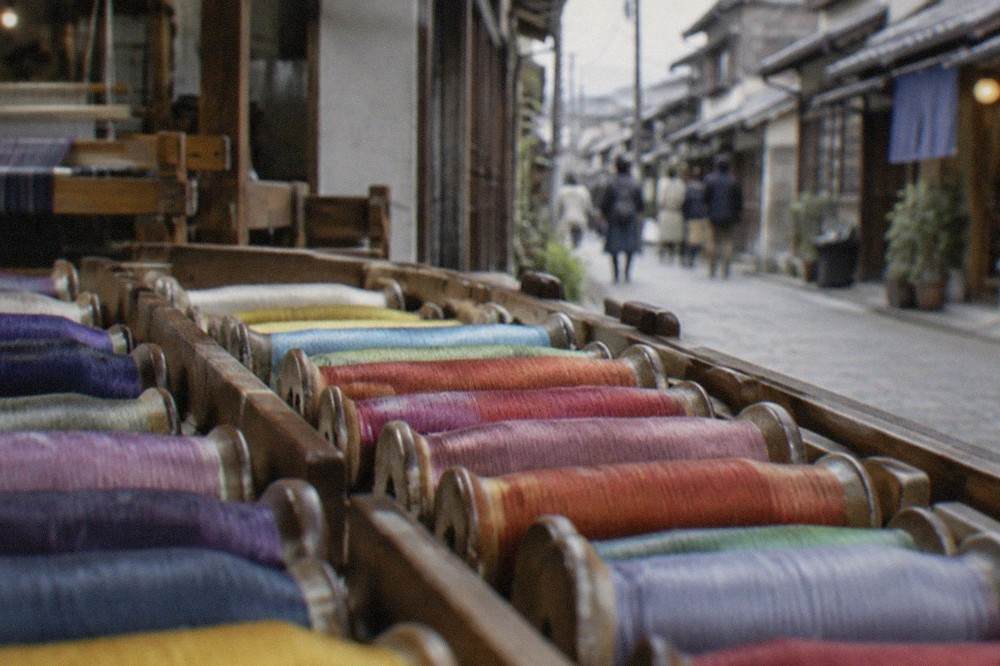
The distinction sounds technical and it is the whole point. In most textile production, cloth is woven plain and then printed. In Nishijin-ori, the pattern exists only in the arrangement of the threads. The weaver sets up hundreds of pre-dyed silk threads so that a design emerges as the cloth forms, which is why a single obi belt can take an experienced craftsman weeks of setup before the first centimetre of fabric exists. The tradition is associated with the narrow-treadle handloom, and many workshops in the district still keep one running alongside modern machines.
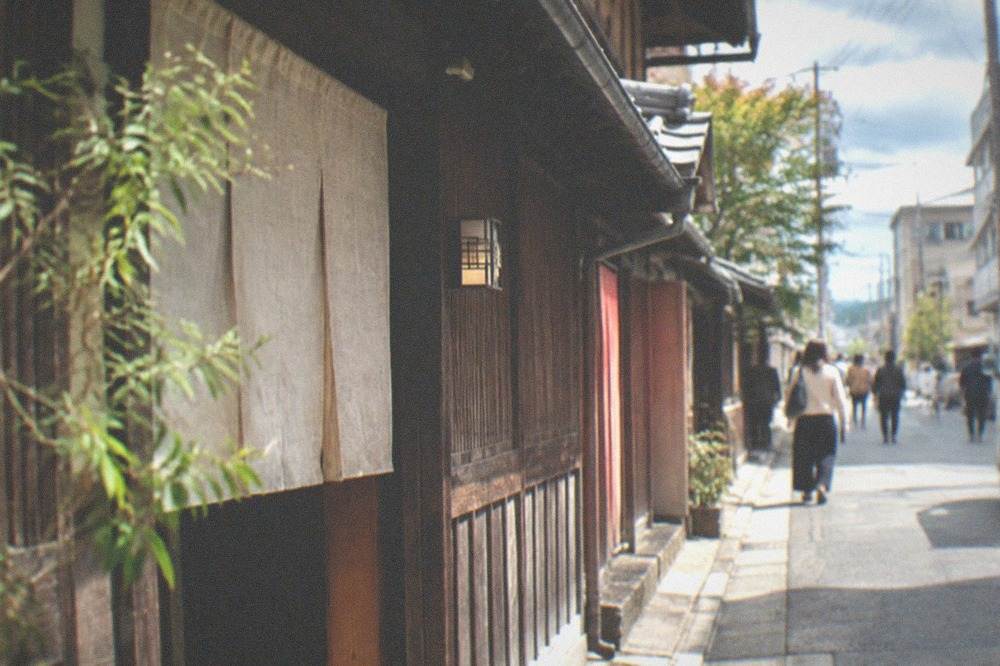
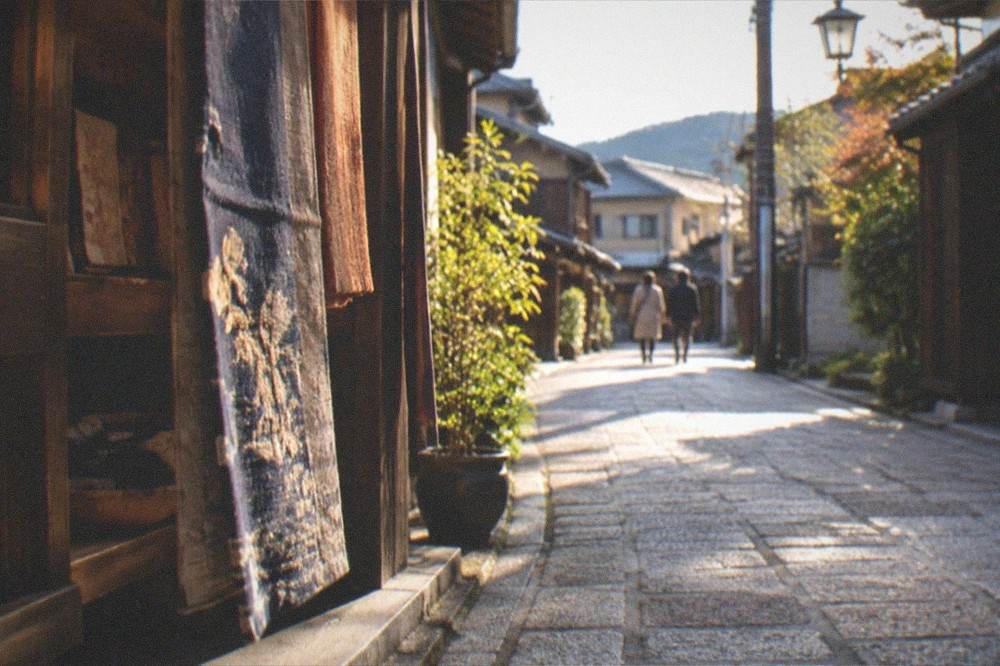
The district itself is the workshop. Nishijin is not a museum with a gate and a ticket booth; it is a residential quarter where weaving houses sit next to ordinary homes, and where the sound of a loom is a background noise rather than a performance. That shapes how you visit. There is no single entrance, no queue, and no closing time for the streets themselves. What you do instead is target the places that open their doors: handcraft studios, weaving demonstrations, and small workshops that take visitors.
For travellers who want more than to watch, the district's craft extends naturally into Kyoto's wider world of hands-on making. A Gion chopsticks making class with engraving covers the same ground, a one-hour small-group workshop where you shape and finish your own pair, and it is one of the most reviewed craft experiences in the city, rated 4.9 from 4,252 reviews and priced from $6. It sits at the gentle end of Kyoto's workshop scene, which also includes tea ceremony classes and guided walks through the craft and temple quarters.
Where Is The Nishijin District In Kyoto?
Nishijin lies northwest of the Kyoto Imperial Palace, roughly between the palace grounds and the temples of the city's northwest such as Ryoan-ji and Daitoku-ji, in a grid of small streets that spreads across the area around Horikawa and Imadegawa. It is walkable, residential, and quiet by Kyoto standards, a contrast with the eastern temple corridors around Higashiyama and Kiyomizu-dera.
The geography matters because Nishijin is one of the few central Kyoto districts where the crowds thin out. The city's 2025 tourism survey recorded 62.79 million visitors across the year, with 46.20 million of them day visitors, and those day trips concentrate heavily on the famous eastern and Arashiyama sights. The Nishijin grid, ten minutes by bus from the palace, absorbs very little of that flow. Walkers will find themselves sharing the pavements with residents and school groups rather than tour parties.
The district also makes a good anchor for a northwest Kyoto day. Ryoan-ji, with its famous rock garden, charges adult admission of 600 yen per its own site, high school 500 yen, elementary and junior high 300 yen, open 8:00 to 17:00 from March to November and 8:30 to 16:30 in winter. Kinkaku-ji, the Golden Pavilion, is a short bus hop further west at 500 yen general admission, a fee the temple set on 1 April 2023 and has not changed since. Pair a morning of temples with an afternoon in Nishijin and you have a day that covers two faces of old Kyoto without crossing the city twice.
If you are building a full itinerary rather than a single day, the things to do in Kyoto overview sorts the whole city by interest, and the Kyoto temples guide covers the religious side of the northwest in depth.
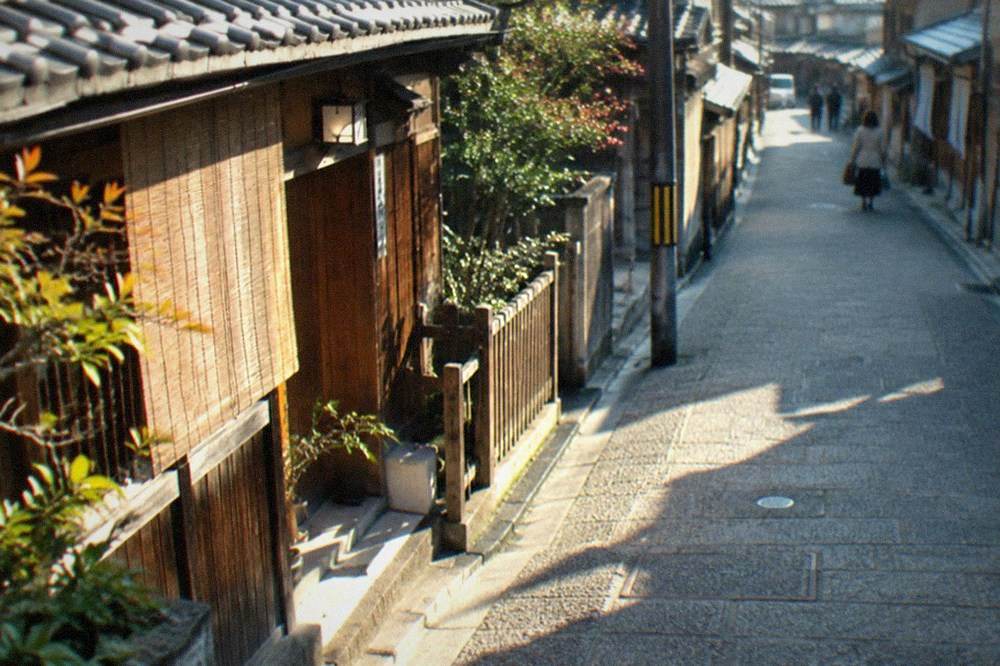
The neighbourhood comparisons are worth making honestly. Gion, to the southeast, is Kyoto's most famous district and its most crowded, with conduct rules now posted by the tourism association: no touching, chasing or photographing geiko and maiko without permission, and no entering private property. Higashiyama runs with the same pressure. Nishijin asks nothing of the sort, because it has never been on the tour-bus circuit. The trade-off is straightforward: fewer sights per square kilometre, and much more of the everyday city.
What Can You Do In Nishijin Kyoto Beyond The Looms?
Beyond weaving, Nishijin offers temple neighbours, small museums, craft shopping and food, all within a walkable grid: Ryoan-ji and Daitoku-ji to the west, the Kyoto Imperial Palace to the southeast, and a scatter of small cafes, bakeries and textile shops between them. The district rewards slow walking more than checklist sightseeing, and a half day is enough to cover its core.
The craft experiences are the practical heart of a visit. Kyoto's workshop scene has grown into one of the city's most reliable visitor categories, and the roster around Nishijin and the wider city includes some heavily reviewed options. The chopsticks making class already mentioned is the cheapest entry point. A tea ceremony class experience in Kyoto, held at Jotokuji Temple, runs about an hour and ten minutes and is rated 4.9 from 3,758 reviews, from $29. For something more physical, the Fushimi Inari hidden hiking tour takes the district's craft-and-walk idea to the mountain, three hours rated 5 from 1,931 reviews, from $73.
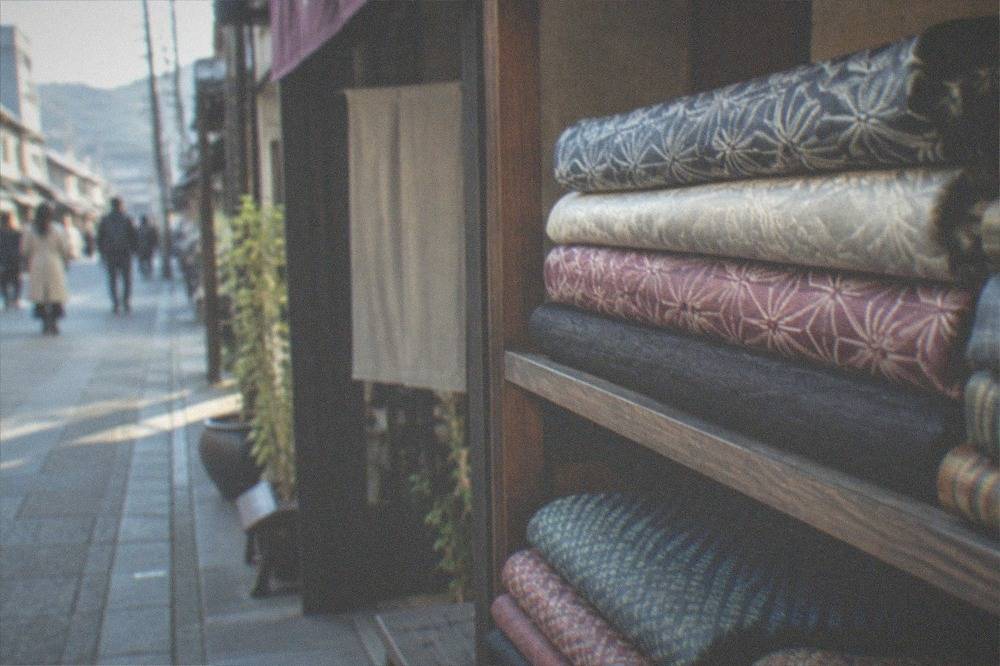
Shopping is the second reason to come. Nishijin textiles, from full obi to small furoshiki cloths, coasters and accessories, make souvenirs with a genuine provenance, and the district's shops sell directly from the workshops that make them. The wider Kyoto souvenirs guide puts the district's output in context against the city's other craft traditions, from ceramics to tea.
Food in Nishijin is neighbourhood-scale rather than destination-scale. The district has no famous food street to itself, but it sits within easy reach of downtown Kawaramachi and the Nishiki Market corridor, and its own streets hold small bakeries, kissaten coffee shops and unpretentious lunch spots that survive on local trade rather than visitor volume. The Kyoto restaurants guide and the downtown Kawaramachi area guide cover the eating options on the district's southern edge.
For visitors pairing the district with a craft session, the honest advice is to book the workshop first and build the walk around it. The hands-on classes have fixed start times; the streets do not.
How Do You Get To Nishijin Kyoto?
The district is served by Kyoto City Bus on the Horikawa and Imadegawa corridors, with a flat fare of 230 yen per adult ride and 120 yen per child aged 6 to 11, per the city transport bureau's own fare pages. The subway's Karasuma Line reaches the district's eastern edge, with adult fares from 220 to 360 yen by zone, and the Subway and Bus One-Day Pass at 1,100 yen covers unlimited rides on both networks for a day.
The bus is the classic way in, and the numbers are worth knowing before you board. The city's flat fare structure means a ride from Kyoto Station to the Nishijin grid costs the same 230 yen as any other city bus trip. Children aged 6 to 11 pay 120 yen. The Subway and Bus One-Day Pass, at 1,100 yen for adults and 550 yen for children, pays for itself on a temple-plus-Nishijin day that uses four or more rides, and the city's own pass page confirms it is the current product. Note that the old bus-only one-day pass no longer exists: sales ended in September 2023 and the pass stopped being usable on 31 March 2024, a fact the transport bureau explains on its own notice page. Any guide still recommending it is years out of date.
| Transport option | Adult fare | Child fare | Notes |
|---|---|---|---|
| Kyoto City Bus, flat fare | 230 yen | 120 yen (6-11) | City transport bureau, confirmed primary |
| Subway, zones 1 to 5 | 220 to 360 yen | 110 to 180 yen | Karasuma Line serves the district edge |
| Subway and Bus One-Day Pass | 1,100 yen | 550 yen | Unlimited subway and bus for one day |
| Tourist express EX100 / EX101 | 500 yen | 250 yen | Limited-stop buses on key visitor corridors |
| ICOCA card | 2,000 yen incl. 500 yen deposit | same | Rechargeable IC card for all of the above |
The EX100 and EX101 tourist express buses deserve a mention even though they do not serve Nishijin directly, because they show how the city is managing its visitor flow. The EX100 runs Kyoto Station to Gojo-zaka, Gion, Okazaki and Ginkaku-ji; the EX101 runs direct to the Kiyomizu side, as often as every 7 to 8 minutes in the morning on operating days. Both charge 500 yen for adults and 250 yen for children, per the city's own limited-express page. They exist to pull visitors off the crowded ordinary buses, part of the same overtourism programme that added express services, park-and-ride and the hands-free luggage delivery network the city promotes.
From Kyoto Station, allow roughly 30 to 40 minutes to reach the heart of the district by bus, depending on traffic. From Kansai Airport, the JR West HARUKA visitor one-way ticket prices Kyoto at 2,200 yen for adults and 1,100 yen for children, per JR West's own product page, with a journey of about 80 minutes. The Kyoto Station area guide covers the arrival logistics in detail, and the Kyoto buses guide unpacks the whole network.
When Is The Best Time To Visit Nishijin Kyoto?
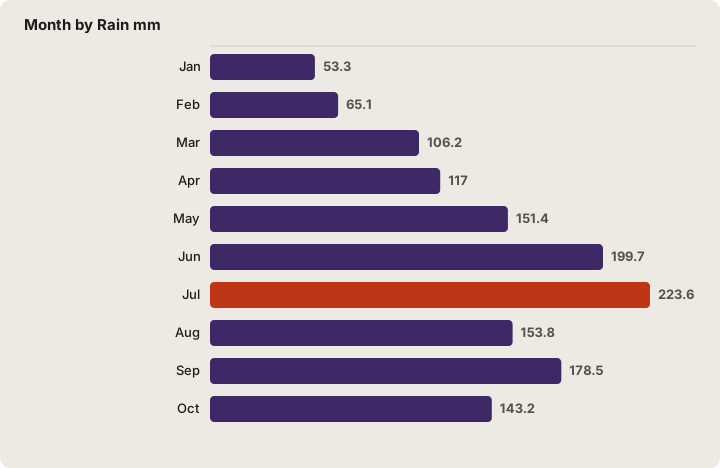
The most comfortable months to walk Nishijin are March to May and October to November, when mean daily highs run 14 to 25 C in spring and 17 to 23 C in autumn, per the JMA 1991-2020 normals for Kyoto station 47759. July and August are the hardest months, with means of 27.3 and 28.5 C and mean daily highs of 32.0 and 33.7 C, and July is also the wettest month at 223.6 mm, wetter than June's 199.7 mm.
The climate table is the planning tool most visitors skip, and the JMA normals overturn one piece of received wisdom: Kyoto's wettest month is July, not June. The rainy-season image belongs to June's 199.7 mm, but the official 1991-2020 normals put July ahead at 223.6 mm, and August is both the hottest month, at a mean of 28.5 C, and the sunniest, at 182.7 hours. January is the coldest and driest, a mean of 4.8 C with just 53.3 mm of rain.
| Month | Rain mm | Mean C | Mean daily max C | Sunshine h |
|---|---|---|---|---|
| Jan | 53.3 | 4.8 | 9.1 | 123.5 |
| Feb | 65.1 | 5.4 | 10.0 | 122.2 |
| Mar | 106.2 | 8.8 | 14.1 | 155.4 |
| Apr | 117.0 | 14.4 | 20.1 | 177.3 |
| May | 151.4 | 19.5 | 25.1 | 182.4 |
| Jun | 199.7 | 23.3 | 28.1 | 133.1 |
| Jul | 223.6 | 27.3 | 32.0 | 142.7 |
| Aug | 153.8 | 28.5 | 33.7 | 182.7 |
| Sep | 178.5 | 24.4 | 29.2 | 142.7 |
| Oct | 143.2 | 18.4 | 23.4 | 156.0 |
| Nov | 73.9 | 12.5 | 17.3 | 140.7 |
| Dec | 57.3 | 7.2 | 11.6 | 134.4 |
The JMA station records add a warning worth reading before a summer trip. Three of Kyoto's six hottest days on record fell in the summers of 2024, 2025 and 2026, and July and August 2025 both rank among the five hottest calendar months ever measured at the station, whose series runs from 1880. The record daily maximum stands at 39.8 C. Summer visitors should plan indoor stops, and Nishijin's workshops, with their looms and thread stores, are exactly that.
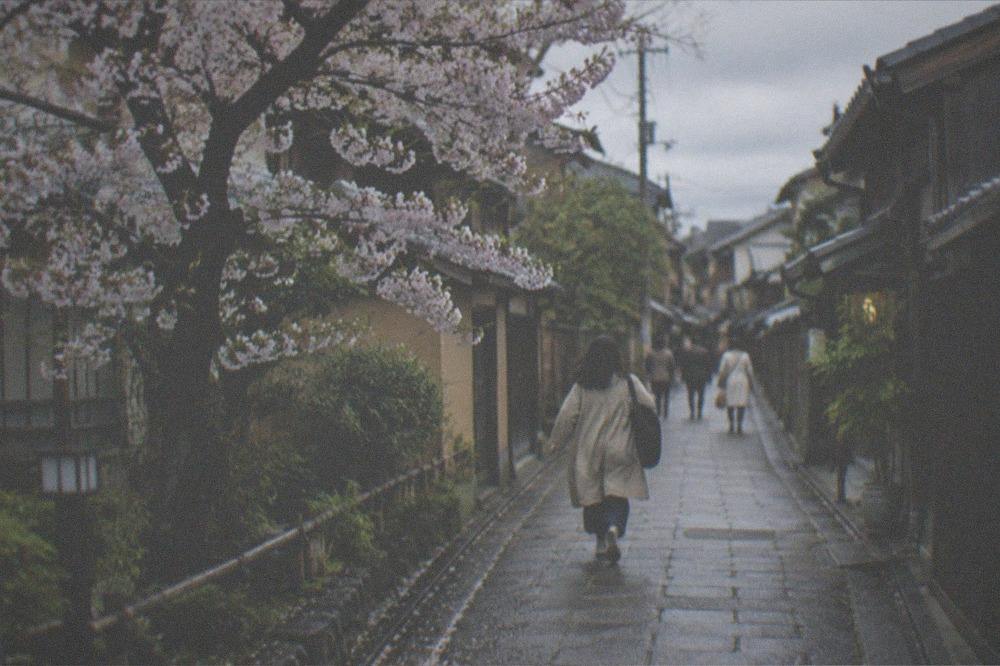
Spring and autumn each add a seasonal draw. The JMA's own phenology records for Kyoto give the 1991-2020 normal for cherry full bloom as 4 April; in 2026 the observatory logged flowering on 23 March and full bloom on 30 March, both ahead of normal. For autumn, the JMA normal for the maple's red leaves is 5 December, which the observatory's specimen tree reached on 10 December in 2025, a useful reminder that the official marker runs later than the mid-November peaks most guides promise. The Kyoto weather guide and the seasonal pages on cherry blossom and autumn leaves carry the full detail.
What Does A Visit To Nishijin Cost?
A walk through Nishijin's streets costs nothing, and the district has no gate or unified ticket. The spending sits in the experiences and the neighbours: a hands-on craft class starts from $6 for the chopsticks workshop, nearby Ryoan-ji charges 600 yen adult admission, Kinkaku-ji 500 yen, and the Subway and Bus One-Day Pass at 1,100 yen covers a day of getting between them. Budget a half day and a few thousand yen per person beyond any booked class.
The honest cost picture for a Nishijin day, using only figures the venues themselves publish:
| Item | Cost | Source |
|---|---|---|
| Walking the district | Free | No gate or ticket exists |
| Chopsticks making class | From $6 | Operator listing, rated 4.9 from 4,252 reviews |
| Tea ceremony class experience | From $8.05 | Operator listing, rated 4.3 from 592 reviews |
| Ryoan-ji adult admission | 600 yen | Temple's own site |
| Kinkaku-ji general admission | 500 yen | Temple's own site |
| Kyoto Imperial Palace | Free, open to all, no application | Imperial Household Agency |
| City bus per ride | 230 yen adult | City transport bureau |
| One-Day Pass, subway and bus | 1,100 yen adult | City transport bureau |
One cost that catches visitors out is the city's accommodation tax, which changed on 1 March 2026. The old top tier of 1,000 yen per person per night now applies only to rooms from 20,000 to under 50,000 yen; rooms from 50,000 to under 100,000 yen carry 4,000 yen, and rooms of 100,000 yen and up carry 10,000 yen, per the city's own ordinance page. The tax is charged on the room-only rate, excluding meals and consumption tax. Most guides still quote the old tiers, so check the current table when you book. The Kyoto accommodation tax guide on this site carries the full breakdown, and the best hotels guide covers where to sleep within reach of the district.
Is Nishijin Kyoto Worth Visiting Compared With Gion And Higashiyama?
Nishijin is worth visiting for travellers who want craft, quiet streets and a residential side of Kyoto, and it is the wrong choice for anyone whose priority is geisha districts, night views or dense sightseeing: Gion and Higashiyama hold the famous sights and the crowds that come with them, while Nishijin holds working looms, temple neighbours and streets you can walk at your own pace. The two experiences are not substitutes.
The city's own numbers frame the choice. Kyoto's 2025 survey counted 62.79 million visitors, 46.20 million of them day visitors, and recorded satisfaction above 90 percent among both Japanese and foreign visitors. Yet about half of Japanese visitors reported something disappointing about their trip, against about 20 percent of foreign visitors, and the repeat rate runs about 60 percent for Japanese visitors and 20 percent for foreign ones. Crowding is the most plausible reading of that gap: domestic repeat visitors know what the peak-season eastern districts feel like. A district like Nishijin, which the day-visitor flow largely bypasses, is one of the ways to see the city at a local pace.
The comparison table, kept honest:
| District | Character | Best for | Trade-off |
|---|---|---|---|
| Nishijin | Residential weaving quarter | Craft, quiet walks, looms | Fewer headline sights |
| Gion | Historic entertainment district | Geisha culture, evening atmosphere | Crowds, conduct rules on private alleys |
| Higashiyama | Temple and preserved-street corridor | Kiyomizu-dera, Ninenzaka, Sannenzaka | The city's heaviest visitor flow |
| Arashiyama | Western river district | Bamboo grove, monkey park, Sagano train | Peak-hour congestion at the grove |
Gion deserves its own caution. The tourism association posts four conduct guidelines: do not touch, chase or photograph geiko and maiko without permission, and do not enter or photograph private property where prohibited. On the private alleys off Hanamikoji, signs posted by the local district council threaten a 10,000 yen penalty for unauthorised photography or entry. Those are council signs, not a city-administered fine, and the distinction matters, but the rule is real. The Gion area guide covers the district properly.
If the quiet-craft appeal wins, the practical move is to combine Nishijin with the other low-density quarters: Okazaki's museum corridor to the east, covered in the Okazaki guide, or the Fushimi sake district in the far south, which the Fushimi guide walks through brewery by brewery. The Higashiyama guide is the honest counterweight if the famous sights call.
Common Questions About Nishijin Kyoto
What Is Nishijin-ori Silk Weaving And Where Can You See A Loom?
Nishijin-ori is Kyoto's silk weaving tradition, in which threads are dyed before weaving and the pattern is built into the cloth on the loom rather than printed afterwards. Working looms can be seen at weaving workshops and handcraft studios across the Nishijin district northwest of the Imperial Palace, several of which run demonstrations and hands-on sessions for visitors.
How Do I Get To Nishijin From Kyoto Station?
Take a Kyoto City Bus along the Horikawa or Imadegawa corridors; the flat fare is 230 yen per adult ride and 120 yen per child aged 6 to 11, per the city transport bureau. Allow roughly 30 to 40 minutes depending on traffic. The subway's Karasuma Line reaches the district's eastern edge, with fares from 220 to 360 yen by zone.
Is The Old Kyoto Bus One-Day Pass Still Valid?
No. Sales of the bus-only pass ended in September 2023 and it stopped being usable on 31 March 2024, per the transport bureau's own notice. The current product is the Subway and Bus One-Day Pass at 1,100 yen for adults and 550 yen for children, covering unlimited rides on both networks for one day.
What Is There To Do In Nishijin Besides Weaving?
The district sits within walking or short bus reach of Ryoan-ji, Kinkaku-ji, Daitoku-ji and the Kyoto Imperial Palace, and its own streets hold small cafes, bakeries and textile shops selling directly from workshops. It pairs naturally with a hands-on craft class, of which the chopsticks making workshop is the cheapest and most reviewed entry point.
When Should I Avoid Visiting Nishijin?
July and August are the hardest months: the JMA 1991-2020 normals give July a mean of 27.3 C and 223.6 mm of rain, the wettest month of the year, and August a mean of 28.5 C with mean daily highs of 33.7 C. Three of Kyoto's six hottest days on record fell in the summers of 2024, 2025 and 2026, so summer visits should lean on indoor stops such as the district's workshops.
Does The Kyoto Accommodation Tax Apply To A Nishijin Stay?
Yes, and the tiers changed on 1 March 2026. The tax is per person per night on the room-only charge: 200 yen under 6,000 yen, 400 yen from 6,000 to under 20,000 yen, 1,000 yen from 20,000 to under 50,000 yen, 4,000 yen from 50,000 to under 100,000 yen, and 10,000 yen at 100,000 yen and up, per the city's ordinance page.
Nishijin will never compete with Kyoto's postcard districts, and that is precisely the argument for going. The looms run, the temples charge their published fees, the bus costs 230 yen, and the streets belong to the people who live and work in them. Plan a half day, book a craft class to anchor it, and let the district's quiet grid do the rest. For everything the wider city holds, the Kyoto Travel Guide homepage is the place to start.