When Does The Weeping Cherry Tree In Kyoto's Maruyama Park Bloom And Light Up?
The Kyoto observatory's own records put full bloom at 4 April on average, and Maruyama Park's famous shidarezakura follows the city's trees, not a calendar promise. Here is what the data says, and how to plan around it.
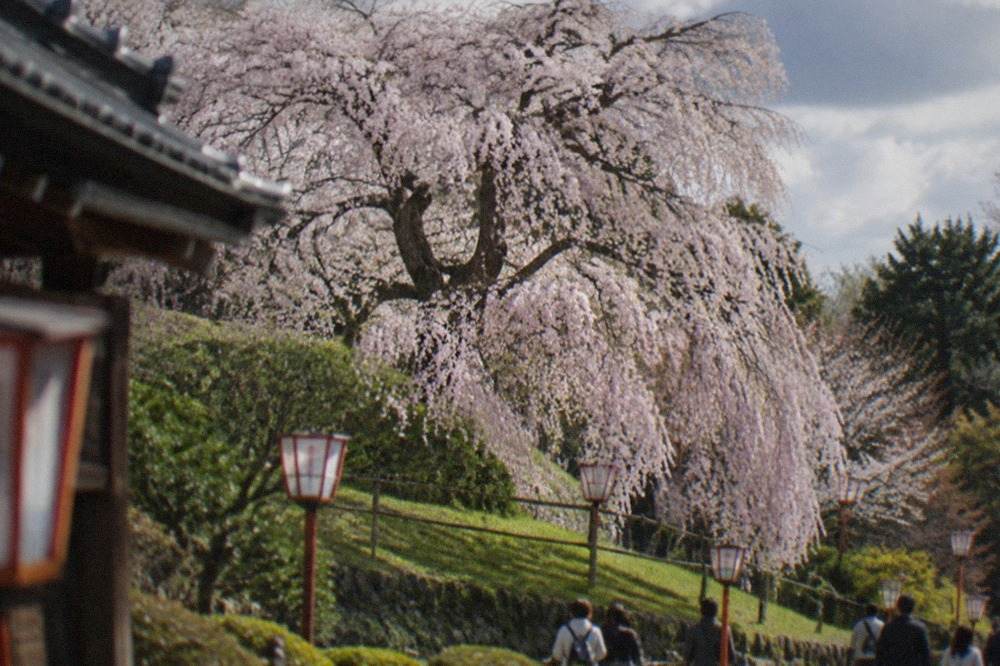
Short answer
Cherry flowering in Kyoto averages 26 March and full bloom 4 April (JMA 1991-2020 normals); 2026 hit full bloom on 30 March. The weeping cherry in Maruyama Park follows those citywide dates, and its light-up runs through the evening peak-bloom window.
Kyoto's cherry season is the single most concentrated tourism event on the city's calendar, and no tree draws more cameras in Higashiyama than the great weeping cherry at the top of Maruyama Park. The city counted a record 62.79 million visitors in 2025, its June 2026 survey release reports, and a large share of them arrive in the last week of March and the first week of April, exactly when that tree is doing its thing.
This page answers the bloom and light-up question with the only data that can answer it honestly: the Japan Meteorological Agency's Kyoto observatory records, which are the official marker for the city's blossom season. A normal is an average, not a promise, and the recorded range across more than a century is wide. Everything below, from crowd timing to nearby temple fees, is built on verified figures.
When Does The Weeping Cherry Tree In Maruyama Park Bloom And Light Up?
Kyoto's cherry trees reach full bloom on 4 April on average, with first flowering at 26 March, according to the JMA 1991-2020 normals for the Kyoto observatory. In 2026 the city flowered on 23 March and hit full bloom on 30 March; in 2025 it was 27 March and 5 April. The Maruyama Park weeping cherry tracks those citywide dates, and its evening light-up runs through the peak-bloom window, typically late March into early April.
Two things matter about those numbers. First, the JMA full-bloom normal of 4 April is a 30-year average for the observatory's specimen tree, not a forecast for the tree in Maruyama Park in any given year. The swing is real: the earliest full bloom on record is 24 March 2023 and the latest is 17 April 1965, a range of more than three weeks. Second, the weeping cherry (shidarezakura) at Maruyama Park tends to sit inside that window like every other ornamental cherry in the city, and the park's light-up is staged around it each spring by the park's operators and the surrounding Gion district.
The honest planning rule that follows from the data: aim for the days around the first week of April, watch the JMA's live phenology announcements for the current year, and hold your plans loosely. Anyone who promises you a specific week in advance is selling certainty that the meteorological record does not contain.
Where Is Maruyama Park And How Do You Get There?
Maruyama Park sits directly behind Yasaka Shrine in the Higashiyama district, about a 10-minute walk uphill from Gion-Shijo Station on the Keihan line or about 15 minutes from Kawaramachi on the Hankyu line. City buses stop at Gion, and the EX100 tourist express runs from Kyoto Station to the Gion side. The park itself is a free public space with no gate, no admission and no closing barrier.
The park is the open green space east of Hanamikoji-dori's southern end, spilling up the slope between Yasaka Shrine and the temple lanes that climb toward Kodai-ji and Ninenzaka. Because it is free and always open, there is no ticket to time and no last entry to beat; the only constraint is daylight and crowds.
Getting there is cheap by any measure. The city's flat bus fare is 230 yen for adults and 120 yen for children aged 6 to 11, the city's transport bureau confirms, and the subway runs 220 to 360 yen by zone. If you are riding more than a couple of times in a day, the Subway and Bus One-Day Pass at 1,100 yen (child 550 yen) is the current product; the old bus-only pass was withdrawn, with its last day of use 31 March 2024, so any guide still telling you to buy a 700 yen bus pass is out of date.
| Route To Maruyama Park | Fare | Notes |
|---|---|---|
| City bus, flat fare | 230 yen adult / 120 yen child | Cash or IC card |
| Subway, by zone | 220 to 360 yen adult | Karasuma or Tozai lines, then walk |
| EX100 tourist express | 500 yen adult / 250 yen child | Kyoto Station to Gion, fewer stops |
| Subway and Bus One-Day Pass | 1,100 yen adult / 550 yen child | Covers bus, subway and EX100 |
| Keihan line to Gion-Shijo | Varies by origin | Shortest walk from the east |
For a first visit, the strongest pattern is to fold the park into a Higashiyama walk rather than treat it as a destination. Our one day in Kyoto itinerary covers the sequence, and the things to do in Kyoto page gives the wider picture.
How Crowded Does Maruyama Park Get During Cherry Season?
Very. The park is Kyoto's most famous public hanami spot, entry is free, and the city recorded 62.79 million visitors in 2025, including 46.20 million day visitors, its June 2026 survey reports. On peak blossom evenings the lawn and the slope around the weeping cherry compress to shoulder-to-shoulder, and the city's own crowd measures exist precisely because of spots like this one.
The city operates a Kyoto Tourism Comfort Forecast, a five-level crowd index built from smartphone location data, weather and time of day, published through the Kyoto Tourism Navi site, and it covers the Higashiyama and Gion areas in time slots. Checking it on the morning of your visit is the closest thing to a live crowd report that exists.
The practical levers are time of day and day of week. Early morning, before 8:00, is a different park: the lanterns are still lit in the shoulder season of the day, the tree is nearly alone, and the photographers who care most are already there. Weekday mornings beat weekends decisively. The evening light-up hours are the most atmospheric and the most crowded, so pick your poison: atmosphere or space, rarely both.
A word on conduct. The park borders Gion, and the city's tourism association publishes four conduct guidelines for the district: do not touch, chase or photograph geiko and maiko without permission, and do not enter private property or photograph where prohibited. The private alleys off Hanamikoji carry council signage threatening a 10,000 yen penalty for unauthorized entry or photography, and that is district-council signage, not a city police fine, but the rule is real either way. Our page on why you can't take pictures of geisha in Kyoto covers the background.
What Does The Cherry Blossom Data Actually Say For Kyoto?
The JMA Kyoto observatory's 1991-2020 normals put cherry flowering at 26 March and full bloom at 4 April. Recent years: 2026 flowered 23 March, full bloom 30 March; 2025 flowered 27 March, full bloom 5 April. The all-time records run from 16 March 2021 (earliest flowering) to 9 April 1984 (latest), and full bloom from 24 March 2023 to 17 April 1965. No normal is a forecast for a specific tree or a specific year.
The table below is the full picture from the observatory's own records, including the other species that matter to a spring visit. Note the maple and ginkgo dates in particular: the JMA red-leaf normal is 5 December, far later than the mid-November peak most competing guides claim, because the observatory's date is its own specimen tree turning, not the Arashiyama display. It is the official marker, not the best week to visit.
| Event | 2026 | 2025 | Normal (1991-2020) | Record Earliest | Record Latest |
|---|---|---|---|---|---|
| Cherry flowering | 23 March | 27 March | 26 March | 16 Mar 2021 | 9 Apr 1984 |
| Cherry full bloom | 30 March | 5 April | 4 April | 24 Mar 2023 | 17 Apr 1965 |
| Plum flowering | 22 February | 11 March | 22 February | 27 Jan 1979 | 15 Mar 1963 |
| Ginkgo yellow leaves | not yet observed | 25 November | 24 November | 7 Nov 1976 | 7 Dec 1982 |
| Maple red leaves | not yet observed | 10 December | 5 December | 10 Nov 1976 | 20 Dec 2024 |
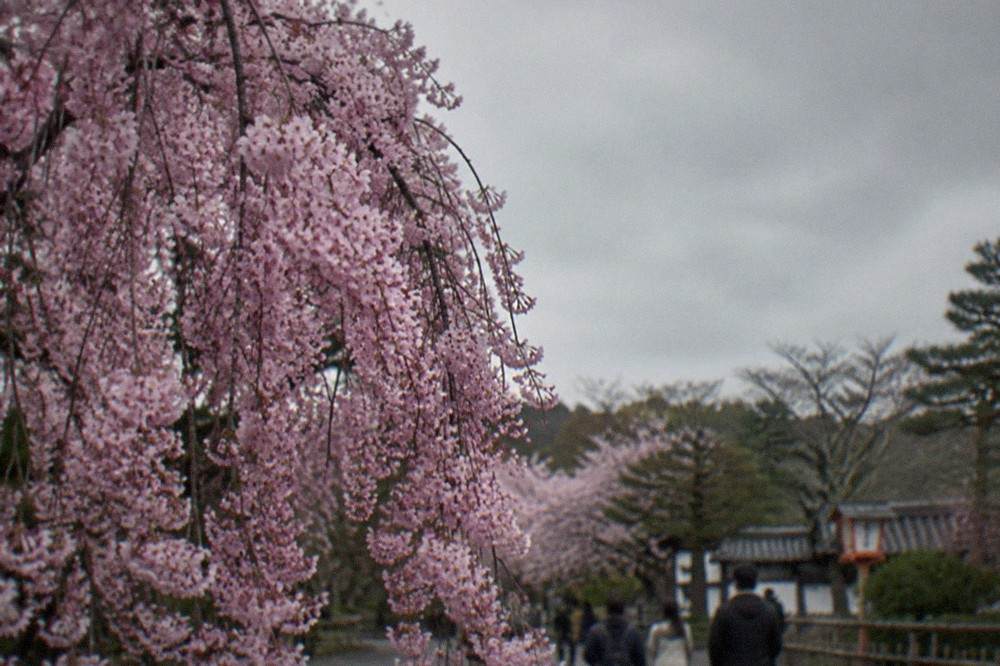
What the numbers mean for Maruyama Park specifically is a planning window, not a date. If you book a trip for the last days of March, you are betting on a year like 2026, which ran early. The first days of April bet on the normal. Mid-April visitors have historically still caught the tail in late years, though the tree's best display rarely survives past the first third of the month. The Kyoto cherry blossom guide unpacks the season across the whole city, including the later-blooming varieties that extend it.
What Is There To See Around Maruyama Park?
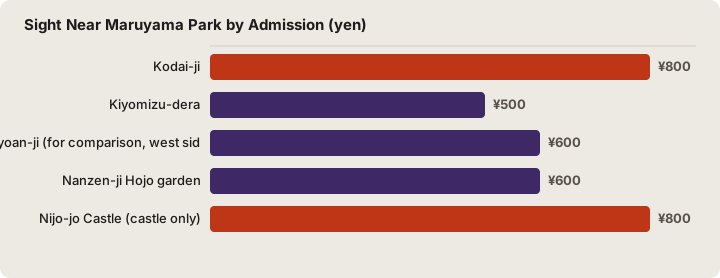
Maruyama Park is the hinge of a walkable cluster: Yasaka Shrine adjoins it directly, Kodai-ji is a few minutes uphill (adult 800 yen), Ninenzaka and Sannenzaka lanes climb toward Kiyomizu-dera (500 yen), and Chion-in and Ryozen Kannon sit within the same slope. Every one of these is reachable on foot in under 15 minutes from the weeping cherry.
This density is why the park works as a base rather than a stop. The classic route runs Yasaka Shrine through the park, up to Kodai-ji, down the preserved lanes to Kiyomizu-dera, and back along the Higashiyama streets. Kodai-ji also runs seasonal night illuminations, with its 2026 autumn viewing scheduled for 23 October to 13 December, hours 17:00 to 22:00, so the evening light-up habit in this district is not only a spring thing.
| Sight Near Maruyama Park | Admission | Walking Time |
|---|---|---|
| Yasaka Shrine | Free | Adjoins the park |
| Kodai-ji | Adult 800 yen | 5 minutes uphill |
| Kiyomizu-dera | 500 yen | 12 minutes via the lanes |
| Ryoan-ji (for comparison, west side) | Adult 600 yen | Not walkable, bus or taxi |
| Nanzen-ji Hojo garden | General 600 yen | 25 minutes or one bus |
| Nijo-jo Castle (castle only) | 800 yen | Bus or taxi across town |
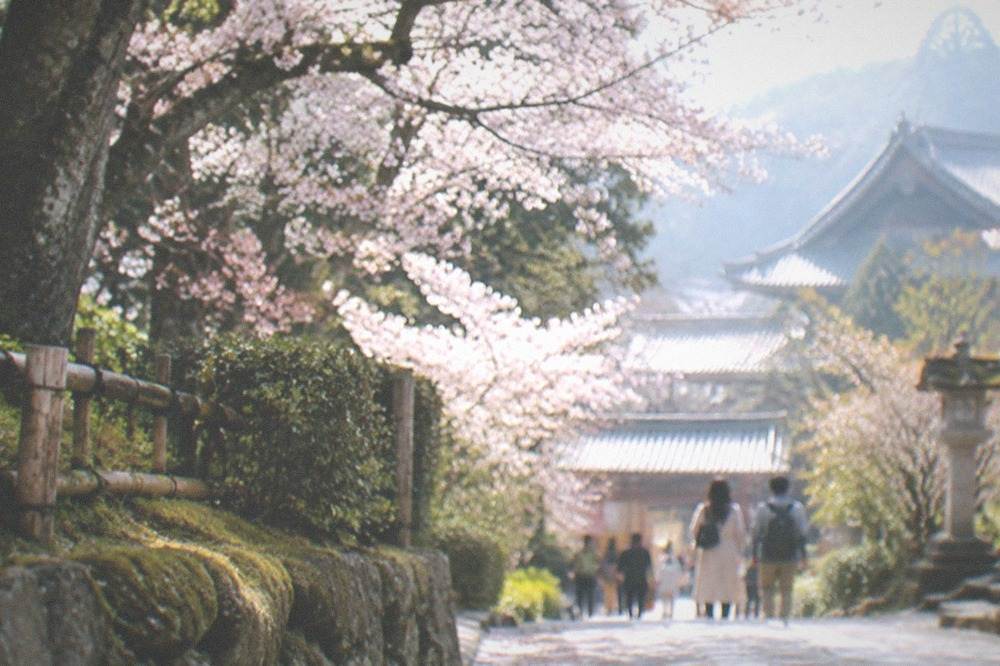
The lanes themselves, Ninenzaka and Sannenzaka, are free to wander and hold some of the best-preserved machiya streetscape in the city. Kiyomizu-dera opens at 6:00 daily, the temple's own FAQ states, which makes an early-morning park-then-temple sequence entirely possible before the crowds build. And if the blossom has finished or not yet started, the walk is still one of the best in Kyoto; the eastern hills carry enough temples and gardens to fill days at any season.
What Is The Best Time Of Day To Visit Maruyama Park?
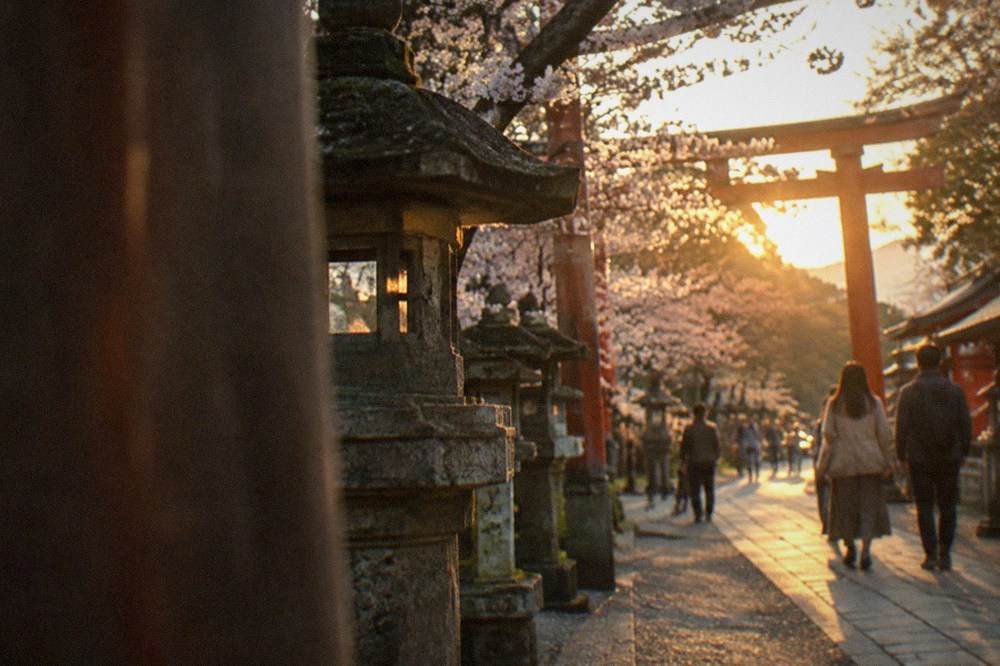
Early morning, roughly 6:00 to 8:00, gives the emptiest park and the softest light on the weeping cherry, and it aligns with Kiyomizu-dera's 6:00 opening next door. Evening, from dusk through the light-up hours, gives the lanterns and the atmosphere but the heaviest crowds. Midday is the weakest of the three: harsh light, peak foot traffic, and no illumination.
The morning case is stronger than most guides admit. The park is unstaffed and open, the weeping cherry photographs well against low eastern light, and the whole Higashiyama slope is quiet until the tour buses land mid-morning. The city's crowd-dispersal campaigns, promoted through its tourism association since 2025, explicitly push morning and off-peak visits for exactly this reason.
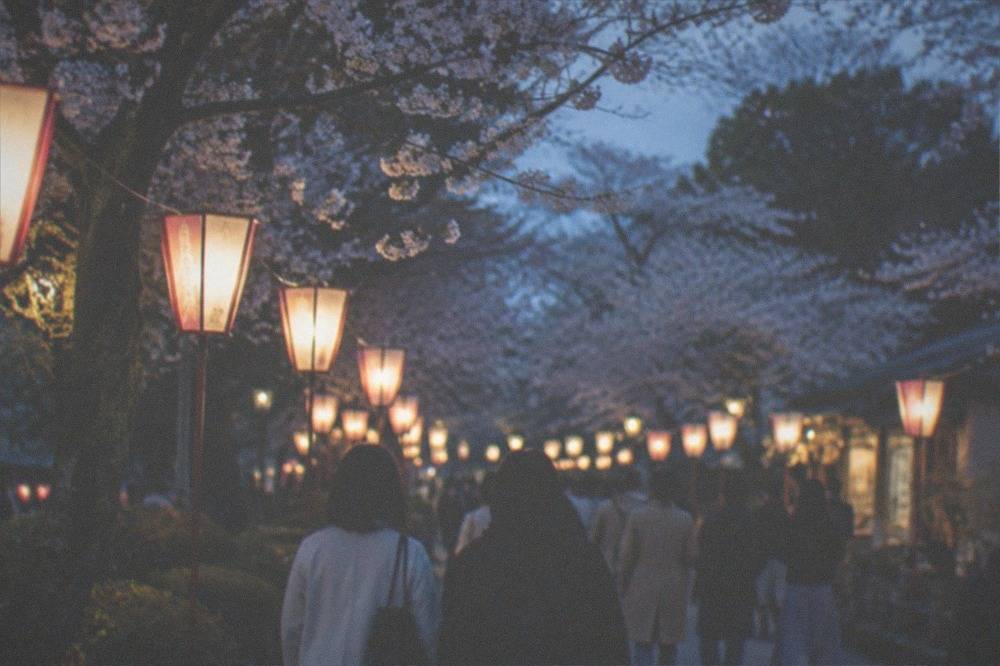
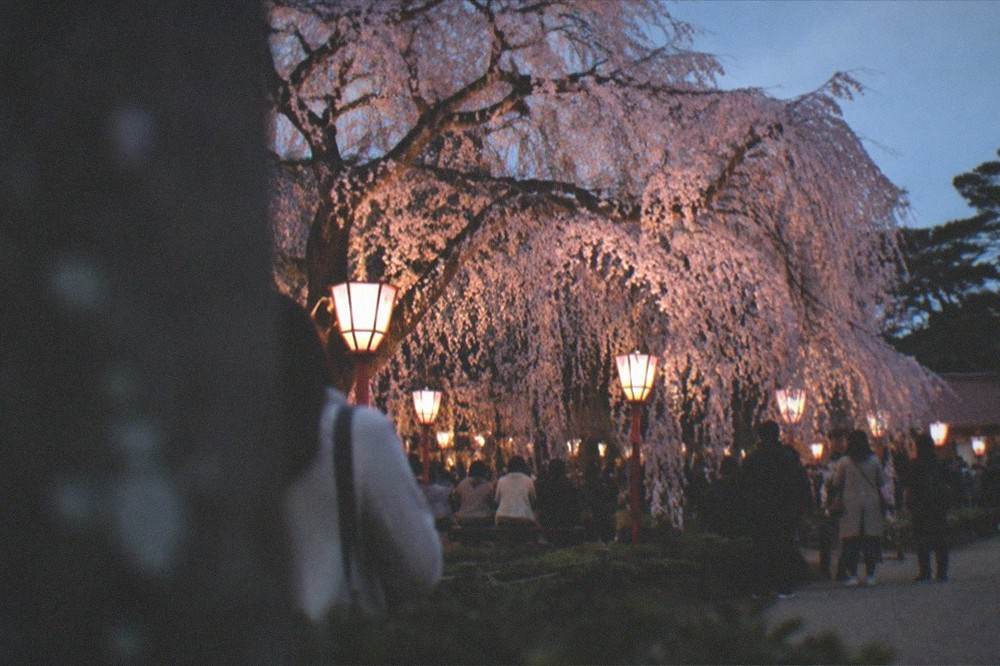
The evening case is the famous one. The light-up of the weeping cherry and the surrounding lanterns is the image most people carry of Maruyama Park, and it is worth seeing once even at full crush. Go on a weekday, arrive before dusk to claim a spot on the slope, and expect to move slowly. The surrounding Gion streets and Pontocho Alley are at their best in the same hours, so an evening here doubles as an evening in Kyoto's most atmospheric district.
Is Maruyama Park Good With Kids Or For A Picnic?
Yes on both counts. The park is free, lawned, sloped and open all day, with restrooms, tea houses and vending machines on site, and it functions as Kyoto's most central picnic ground during hanami season. Families should note the slope, the crowds at peak bloom, and the fact that the park sits in the middle of the Gion conduct-rules zone, where photography and behavior rules around geiko and maiko apply.
The lawn culture here is genuine hanami: groups claim ground, spread sheets, and stay for hours. On peak evenings this becomes a dense, festive, and entirely public party, with food stalls appearing around the edges of the park in the blossom weeks. Our Kyoto with kids page rates the district highly for the walkable scale and the shrine-and-park combination.
The one caution is seasonal crowding with small children. During the peak bloom evenings the slope around the tree compresses hard, and strollers become a burden. The mornings are the family window: space to run, the shrine next door, and the Ninenzaka lanes before they fill. For a contrast day, the Iwatayama Monkey Park across the river, 800 yen for ages 16 and up and 400 yen for ages 4 to 15, cash only, is the animal-side counterweight.
How Does Maruyama Park Fit Into A Cherry Blossom Itinerary?
The park is the natural evening anchor of a Higashiyama blossom day: Kiyomizu-dera and the preserved lanes in the morning, the Philosophers Path and its canal-side cherries at midday, Gion in the afternoon, and Maruyama Park's light-up from dusk. The whole chain is walkable in one line down the eastern hills, roughly 4 kilometres end to end.
The Kyoto cherry blossom itinerary lays out the full sequence with timing. The key structural fact is that the blossom corridor runs north to south along the eastern edge of the city: the Philosophers Path canal cherries in the north, Nanzen-ji's grounds mid-route, then the descent through Gion to Maruyama Park and Yasaka Shrine. Doing it in that order means the crowds thin as the day ends rather than thicken, because most visitors do the reverse.
Two timing notes from the verified record. The weeping cherry at Maruyama Park is a single tree, and single trees peak fast; the JMA full-bloom marker gives you the citywide window, but the park's own tree can be a few days either side of it depending on sun exposure on the slope. And if your dates miss the cherries entirely, the same walk in early November carries the autumn lantern season at Kodai-ji, and the studio park and Kyoto Tower give the district a rainy-day fallback.
What Should You Eat Near Maruyama Park?
The park sits between two of Kyoto's great eating zones: the Gion and Higashiyama temple lanes uphill, full of tea houses and soba shops, and the Kawaramachi dining belt 10 minutes west. In blossom season food stalls appear around the park itself. Nishiki Market is a 20-minute walk or short bus ride for daytime grazing, with the market's own rule that you eat at the stall, not while walking.
The immediate options divide cleanly by budget and hour. Around the park and the lanes, tea houses serve matcha sets and light meals, and the preserved slopes hold the densest cluster of tourist-friendly options. West toward Kawaramachi, the izakaya and bar crawl scene takes over after dark. Our Kyoto street food and izakaya guides cover both zones in detail.
For the high end, one honest data point exists from a restaurant's own page: Hyotei, by Nanzen-ji, prints its kaiseki from 31,625 yen at lunch and 37,950 at dinner, tax and service included, while the same house's annex serves porridge and bento from 5,445 to 7,260 yen. Those are Hyotei's prices, not a Kyoto norm, but they frame the range honestly: a famous kaiseki lunch costs more than most visitors' daily budget, and the annex of the very same kitchen costs a tenth of it. The Kyoto food guide has the middle of that range.
| Eating Zone Near The Park | Character | Rough Distance |
|---|---|---|
| Park stalls (blossom season) | Festival food, evenings | In the park |
| Ninenzaka and Sannenzaka | Tea houses, sweets, soba | 5 to 12 minutes uphill |
| Gion, Hanamikoji side | Tea houses, high-end dining | 5 minutes west |
| Kawaramachi and Pontocho | Izakaya, bars, late dining | 10 to 15 minutes west |
| Nishiki Market | Daytime grazing, eat at the stall | 20 minutes on foot |
What Else Should You Know Before You Go?
Three verified facts shape any spring visit. The accommodation tax changed on 1 March 2026, and a room from 20,000 to under 50,000 yen now carries 1,000 yen per person per night, with the top tier at 10,000 yen. July, not June, is Kyoto's wettest month at 223.6 mm in the JMA normals, though April's 117.0 mm still means rain planning. And the bus-only day pass no longer exists; the product is the Subway and Bus One-Day Pass at 1,100 yen.
The tax point matters more than it looks. Spring is Kyoto's priciest hotel window, and the top tiers of the revised schedule bite exactly when visitors are paying the most: a room at 100,000 yen or more per night now carries 10,000 yen per person per night in tax, where it carried 1,000 before March 2026. Most competing guides still quote the old tiers.
Weather planning for the blossom window is about rain, not heat. The JMA 1991-2020 normals show April at 14.4 C mean and 117.0 mm of rain across the month, against March's 106.2 mm, so a compact umbrella and a rainy-day fallback matter more than warm clothing. When rain does hit, the covered options nearby include Nishiki Market and the museum cluster.
How Does Maruyama Park Compare To Kyoto's Other Cherry Spots?
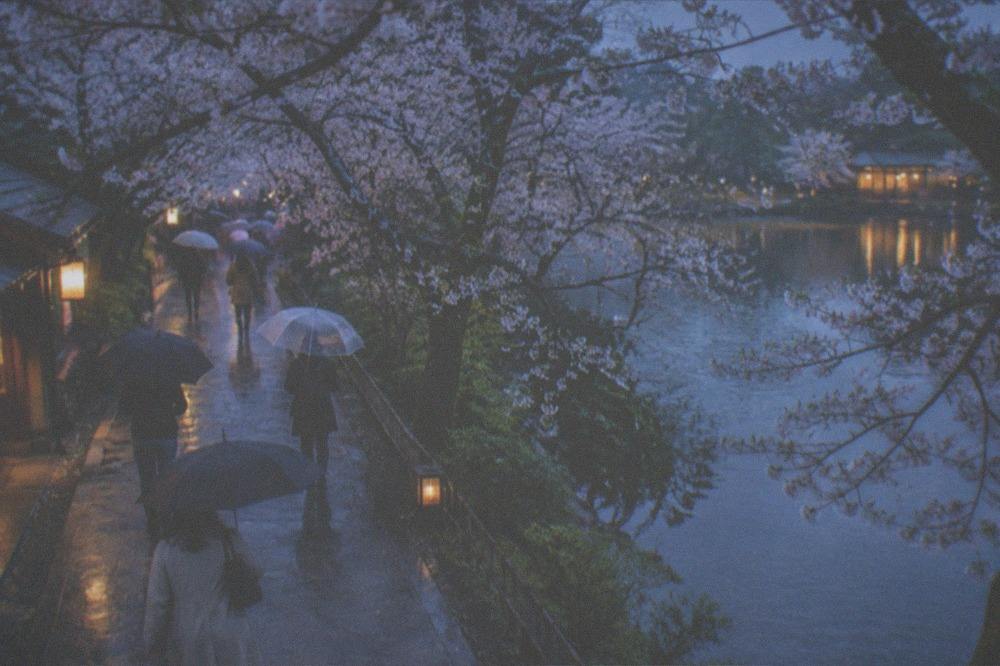
Maruyama Park's weeping cherry is the single most photographed tree in the city, but it is one tree. The Philosophers Path offers a kilometre of canal-side cherries, the Kyoto Imperial Palace holds broad lawns and early-blooming varieties, and Ninna-ji's late-blooming omuro cherries extend the season past the main peak. The park wins on drama and access; the others win on space and staying power.
The comparison that matters for planning is peak timing. The weeping cherry at Maruyama Park peaks with the citywide JMA window, around the first days of April on average. The omuro cherries at Ninna-ji run roughly a week later, which makes them the classic second act for visitors who arrive after the main display fades. The Kyoto Imperial Palace grounds, open to all with no advance application per the Imperial Household Agency, hold their own spread of varieties across a longer window.
| Cherry Spot | Character | Best For |
|---|---|---|
| Maruyama Park | One great weeping cherry, lanterns, crowds | The classic image, evening light-up |
| Philosophers Path | Canal-side cherries over a long stretch | Walking, photography, space |
| Kyoto Imperial Palace | Broad lawns, multiple varieties | Picnics, families, free entry |
| Ninna-ji | Late-blooming omuro cherries | Extending the season a week |
| Kamo River banks | Riverside rows, casual hanami | Evening strolls, no fees |
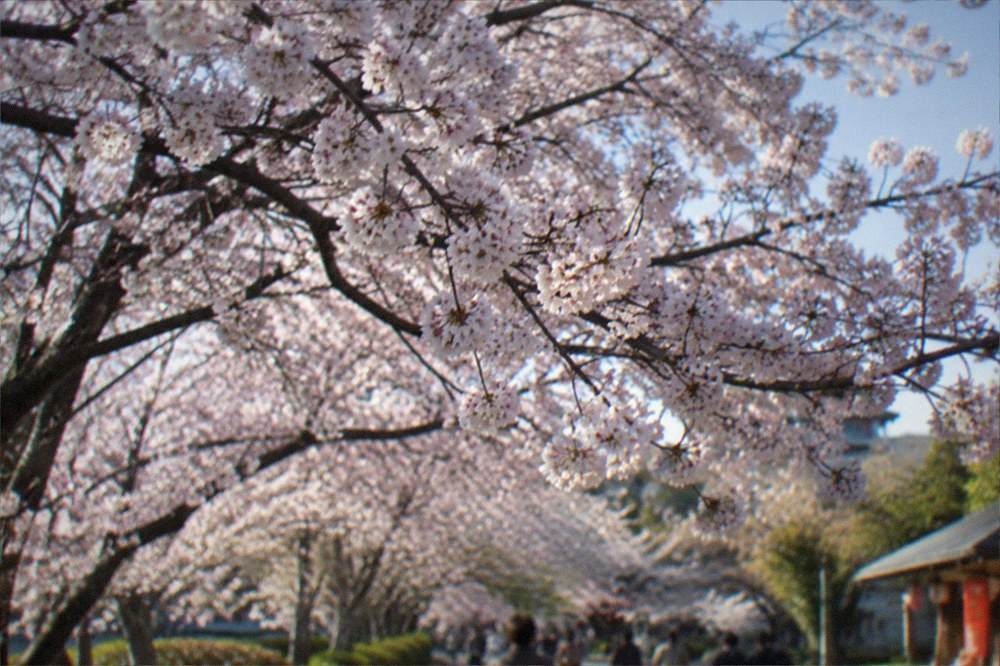
For visitors who want the tree without the crush, the honest answer is that there is no secret version of Maruyama Park in bloom. There is only the early morning, the weekday, and the years the bloom runs early or late against the crowd's expectations. The city's dispersal tools, including the comfort forecast, reward exactly that kind of flexible planning, and the wider context is on the Kyoto Travel Guide homepage.
Whichever way you build the day, the pattern that holds up is the same one the data supports: use the JMA normals as your planning frame, check the live announcements once your dates are fixed, and let the park's free, always-open character work in your favour at the quiet hours rather than fighting the peak.
Common Questions About Maruyama Park
When Does The Weeping Cherry Tree In Maruyama Park Bloom And Light Up?
Kyoto's cherry full-bloom normal is 4 April, with flowering at 26 March (JMA 1991-2020 normals). In 2026 full bloom came on 30 March, in 2025 on 5 April. The Maruyama Park tree follows those citywide dates, and its evening light-up runs through the peak window, typically the last days of March into the first week of April. No date is guaranteed in advance.
Is Maruyama Park Free To Enter?
Yes. The park is an open public space with no gate, no admission and no closing barrier. Yasaka Shrine beside it is also free. The paid sights in the immediate cluster are Kodai-ji at 800 yen for adults and Kiyomizu-dera at 500 yen.
How Do I Get To Maruyama Park?
The park sits behind Yasaka Shrine in Higashiyama, about 10 minutes on foot from Gion-Shijo Station on the Keihan line. City buses stop at Gion for a flat 230 yen adult fare, and the EX100 tourist express runs from Kyoto Station to the Gion side for 500 yen.
What Time Of Day Is Best For Photographing The Weeping Cherry?
Early morning, roughly 6:00 to 8:00, for space and soft light, or the evening light-up hours for the lantern-lit image. Midday combines harsh light with peak crowds and is the weakest choice. Weekday mornings are the quietest of all.
Can You Have A Picnic In Maruyama Park?
Yes, and hanami picnics on the lawn are the park's main spring activity. Groups claim ground, spread sheets and stay for hours, with food stalls around the edges during the blossom weeks. Expect dense crowds on peak bloom evenings.
What If I Miss The Cherry Blossom?
The park and the surrounding Higashiyama walk hold up in every season, and the recorded bloom range is wide, from 24 March to 17 April for full bloom across the observatory's history. Kodai-ji runs autumn night illuminations from 23 October to 13 December 2026, and the Ninenzaka and Sannenzaka lanes are worth the walk year-round.
If an early start appeals, a guided morning walk is the simplest way to be through the gates before the crowds build, and the options below cover both the Higashiyama side and the wider city.
The weeping cherry at Maruyama Park is a single tree on a slope, and the JMA record says its season averages a handful of days either side of 4 April. Plan around the normal, watch the observatory's live announcements for the year you are actually going, and give the park an early morning or a lantern-lit evening rather than a midday pass-through. That is the whole method, and it is the one the data supports.