What Is A Kyoto Machiya Townhouse And Why Are They Disappearing?
The Kyoto machiya is the narrow wooden townhouse that defined the city's merchant streets for centuries, and staying in one is the closest a visitor gets to living inside that history. The stock of surviving machiya keeps shrinking, which is exactly why the ones you can book matter.
Short answer
A machiya is a narrow-fronted, deep-plan wooden merchant house with a lattice facade, an entrance garden and a back garden. Kyoto's surviving stock has fallen sharply through demolition and redevelopment, so bookable machiya are now a limited, protected category of stay.
What Is A Kyoto Machiya Townhouse And Why Are They Disappearing?
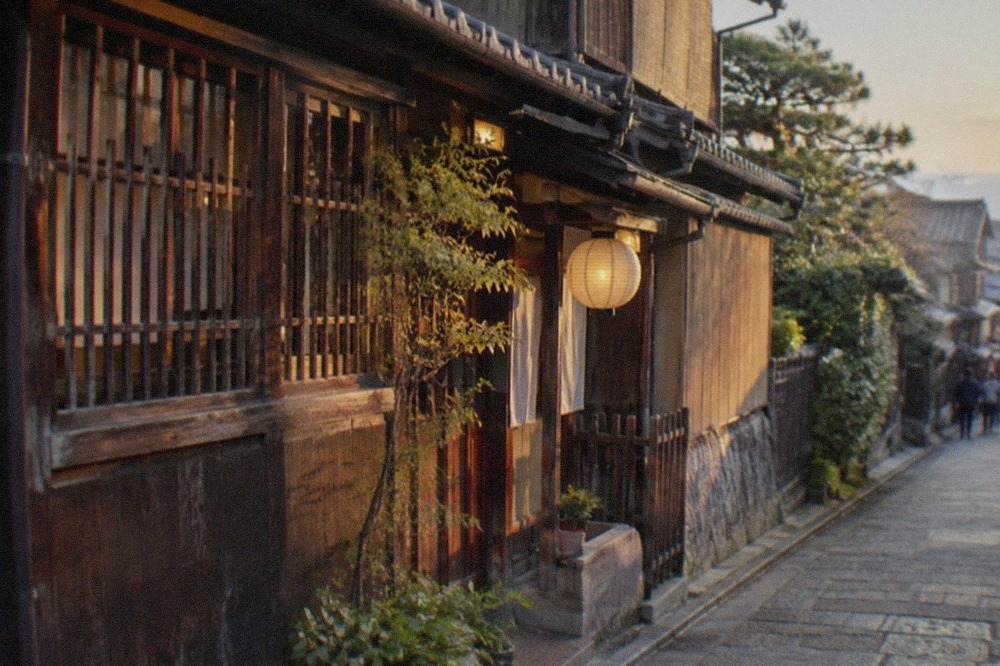
A machiya is a traditional wooden townhouse, narrow at the street and running deep back from it, built for Kyoto's merchant and artisan families with a shop space at the front, living quarters behind, and a small garden at the rear. The word itself means town house, and in Kyoto the local form is often called kyo-machiya, a distinct type with its lattice frontage, tiled roof and entrance courtyard. These houses were working buildings, not museums, and a small but real number of them are now let to visitors as self-catered stays. This guide from the Kyoto Travel Guide desk explains what a machiya actually is, why the surviving stock keeps falling, what a stay costs, and how the accommodation tax that changed on 1 March 2026 applies to the room you book.
What Is A Kyoto Machiya Townhouse?
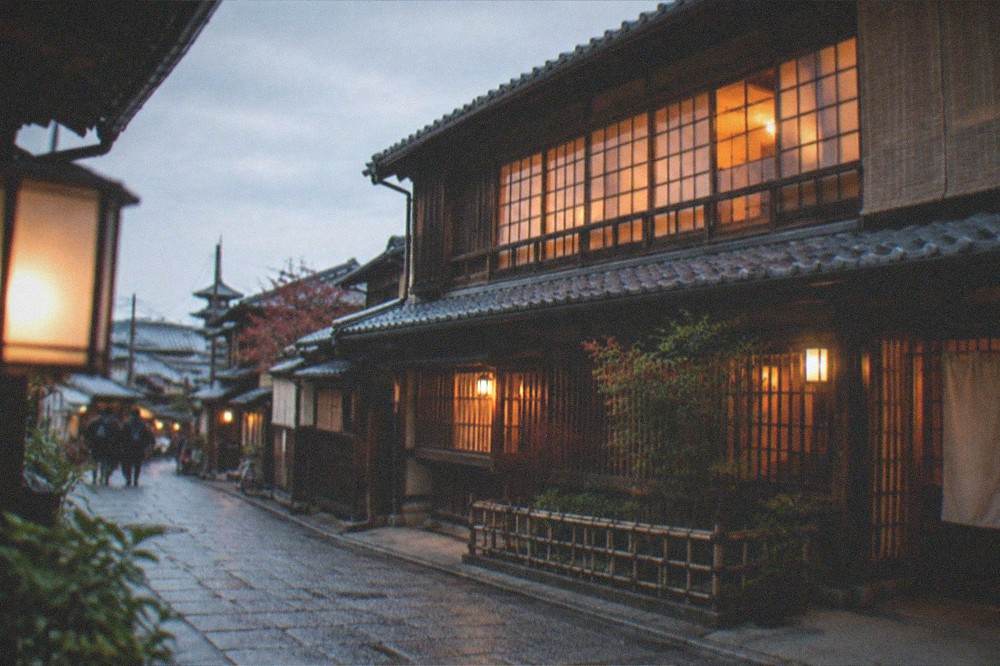
A machiya is a narrow-fronted, deep-plan wooden townhouse built for merchant and craft families, with the shop at the street, a passage garden just inside the door, private rooms behind, and a rear garden that light and air flow through. The Kyoto form, the kyo-machiya, carries the lattice facade, the unhurried entrance sequence and the tiled roof, and the type was built for working life rather than display. A stay in one means sleeping inside the building type that produced most of old Kyoto's streets.
The plan is the part worth understanding before you book, because it explains both the charm and the compromises. The street frontage is deliberately narrow, historically a function of taxation and plot division, so the house stretches back instead, often the length of a city bus. Just inside the front door sits the toriniwa, a service passage with an earthen floor that ran from the street to the kitchen at the back, used for deliveries and cooking smoke. Beyond it lie the raised tatami rooms, separated by sliding screens rather than fixed walls, so the house can be opened for a shop or closed for family life.
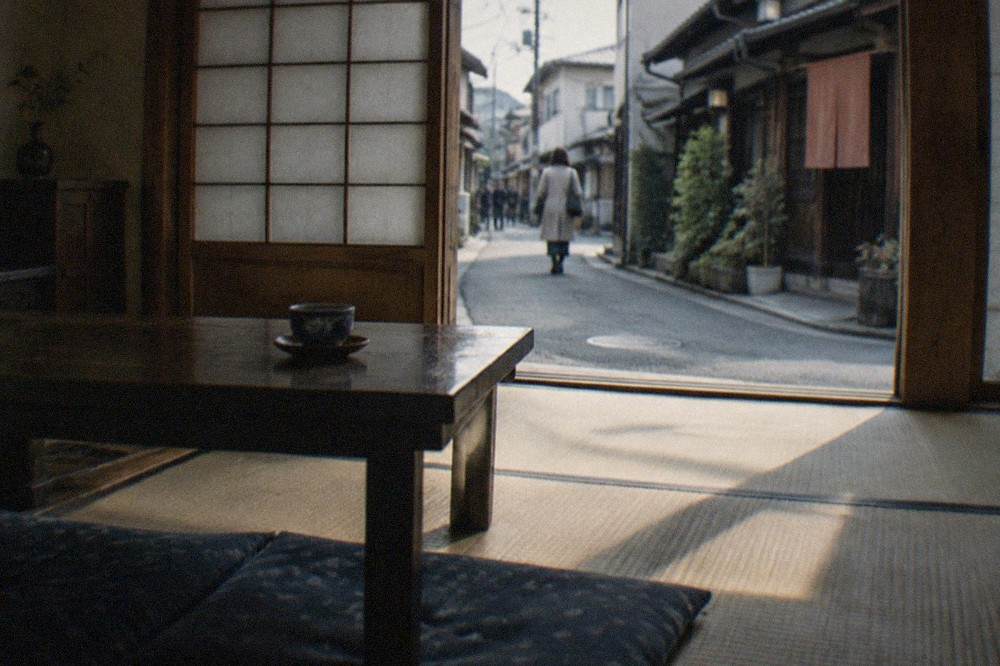
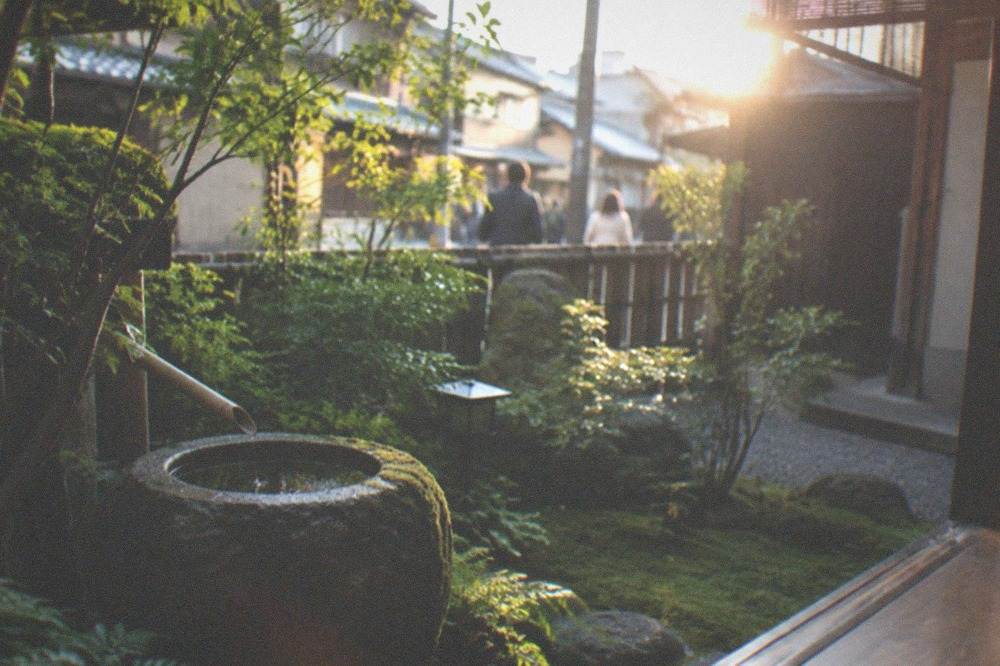
The two gardens are not decoration. The front tsuboniwa, a compact courtyard garden visible from the passage, ventilates the deep plan and gives the inner rooms daylight; the rear garden does the same for the back of the house and historically held the family well. Bathrooms in a working machiya were an addition, which is why many restored rental machiya have a modern bathroom unit fitted into the old service passage, a sensible marriage of old frame and new plumbing.
Sleeping arrangements follow the architecture. Futons are laid out on tatami each night and stored in the oshiire closet by day, so the same room serves as living space and bedroom. Sound travels through sliding screens, staircases are often steep and narrow, and the houses are heated room by room. None of this is a defect. It is the building doing what it was designed to do in a century before central heating, and it is the reason the stay feels different from a hotel night.
Why Are Kyoto Machiya Townhouses Disappearing?
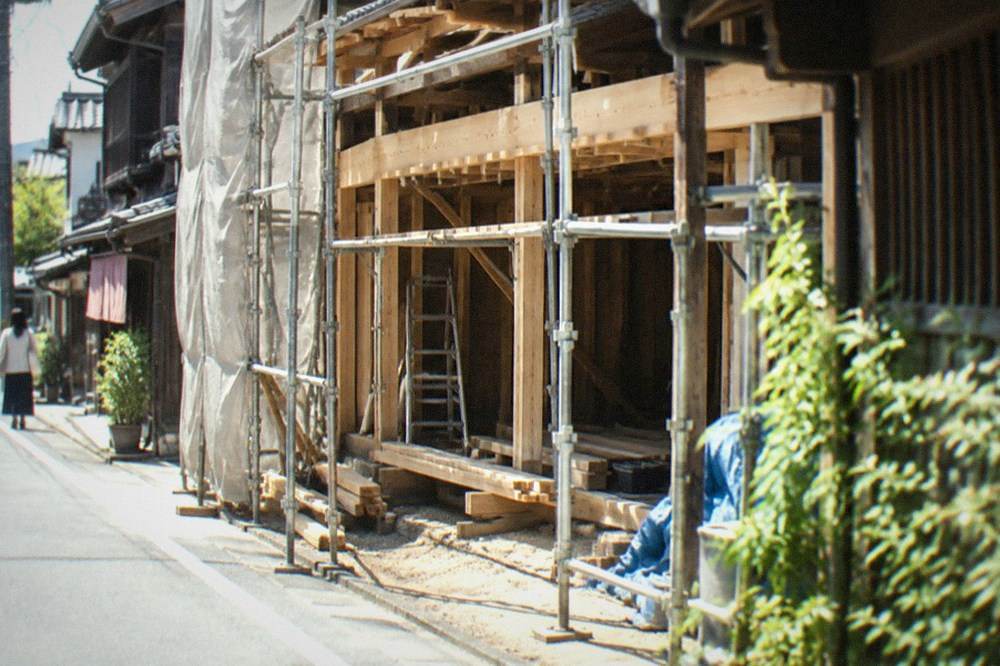
Machiya disappear through demolition and redevelopment, not through a single event. Owners faced rising maintenance costs, inheritance complications, earthquake and fire risk in heavy timber structures, and land values that favoured replacing an old house with a parking lot or an apartment block. The result has been a long, quiet attrition of the surviving stock, and the city's tourism economy is now one of the forces pulling in the other direction, converting houses into stays worth maintaining.
The mechanism is ordinary economics. A wooden house needs re-roofing, re-pointing and termite attention on a cycle a modern building does not, and a house inherited by several family members is hard to agree on and expensive to bring up to rental standard. For decades the cheapest option for an owner with no use for the house was clearance: the plot was worth more without the structure on it. Kyoto's centre is not a museum district under heritage law, so protection has always been partial and incentive-driven rather than blanket.
The counter-pressure is real and measurable in the city's own numbers. Kyoto's 2025 tourism survey, released by the city in June 2026, records 62.79 million visitors in the year, a record, with 16.59 million overnight stays and 2.0474 trillion yen in tourism spending. Demand at that scale gives old houses a commercial use that pays for their upkeep, and the conversion of machiya into guest accommodation, cafes and shops is now the single strongest argument many owners have for not demolishing. The same demand brings its own strain, which the city manages through dispersal campaigns and the measures described on our Kyoto crowds overview of how the districts absorb it.
What this means for a visitor is a simple, honest framing. Every machiya night you book is a small vote for the house surviving, and every booking also concentrates pressure on residential streets that were not built for hotel traffic. The responsible version of the stay is the one that follows the house rules, keeps noise down after dark, and sorts recycling properly, because the alternative to well-behaved guests is neighbours campaigning against the stays altogether. The Gion conduct guidelines published by the Kyoto City Tourism Association, which ask visitors not to photograph geiko and maiko without permission and not to enter private property, are part of the same settlement.
Where Can You Stay In A Machiya In Kyoto?
Bookable machiya cluster in the historic east and centre districts, above all Gion and the Higashiyama slopes, the Nishijin weaving quarter northwest of the Imperial Palace, and the lanes around downtown Kyoto and the Kamo river. Each area trades convenience against atmosphere differently, and the choice of district matters more than the choice of individual house, because the house type is consistent while the streets around it are not.
Gion and Higashiyama put you inside the postcard: stone lanes, temple approaches, and the highest room rates in the city. The trade is crowds, especially by day, and the strict conduct rules around the private alleys off Hanamikoji, where signs posted by the local district council threaten a 10,000 yen penalty for unauthorized photography or entry. Nishijin is quieter, a working residential quarter of weavers' houses with fewer sights but more everyday life, and the lanes near downtown put you within walking distance of the food streets and the subway at the cost of thinner atmosphere. Our where to stay in Kyoto guide walks through the districts in detail.
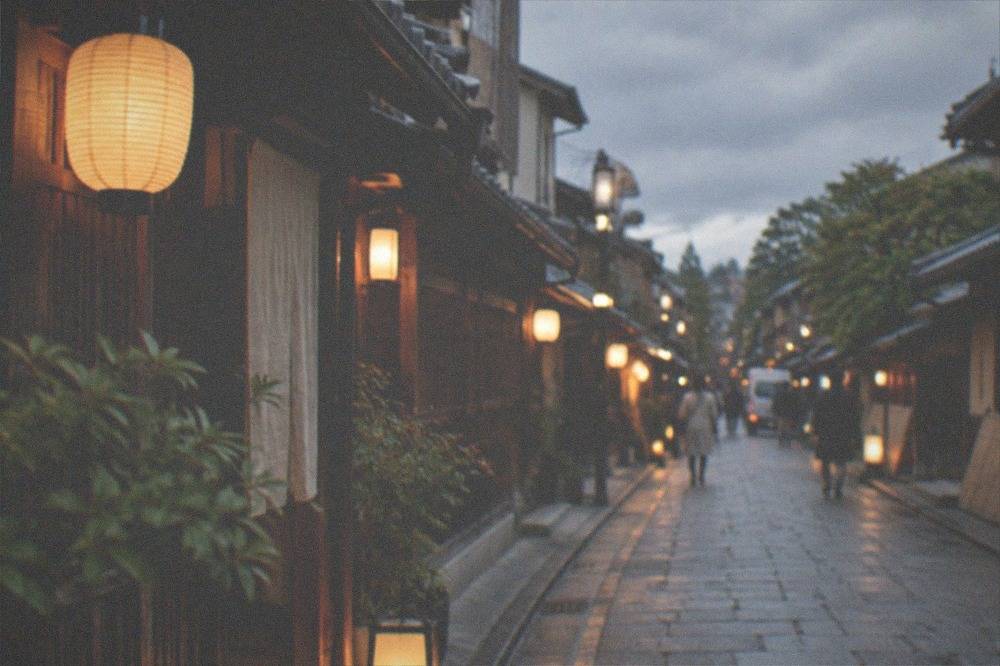
Because the houses are scattered through residential streets rather than gathered in one zone, a machiya stay rewards a first evening spent simply walking the block. A guided walk is the efficient way to read the architecture, and the Gion Hidden Gems and Geisha Culture tour, from $20 per person and rated 5 from 3,835 reviews, spends two hours in exactly the district where many of the best machiya stands, explaining the lattice, the tea houses and the etiquette in one pass. The Gion guide on this site covers the district's geography for planning.
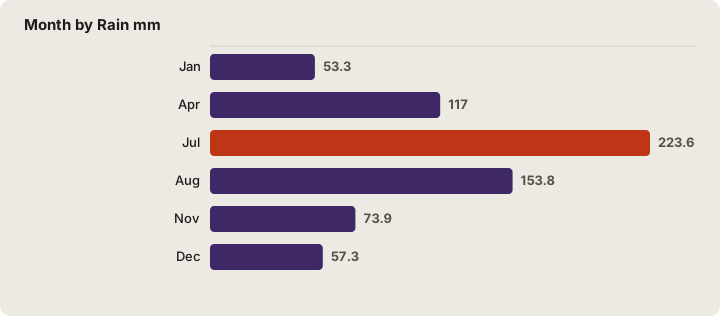
One practical note on seasons, because the houses are seasonal in a way hotels are not. Tatami rooms with kerosene or panel heaters are warm enough but drafty at the edges in winter, and Kyoto's January mean is 4.8 C with a mean nightly low of 1.5 C, per the JMA 1991-2020 normals. Summer is the harder season: July is the city's wettest month at 223.6 mm, and August is the hottest, with a mean daily maximum of 33.7 C. Old houses breathe, which is a virtue in the rains and a test in the heat.
| Month | Mean C | Mean daily max C | Rain mm | Note for a machiya stay |
|---|---|---|---|---|
| Jan | 4.8 | 9.1 | 53.3 | Cold nights, dry days, cheapest rates |
| Apr | 14.4 | 20.1 | 117.0 | Cherry season, peak pricing |
| Jul | 27.3 | 32.0 | 223.6 | Wettest month, humid |
| Aug | 28.5 | 33.7 | 153.8 | Hottest month, test for no air conditioning |
| Nov | 12.5 | 17.3 | 73.9 | Foliage season, comfortable days |
| Dec | 7.2 | 11.6 | 57.3 | Quiet, cold evenings |
How Much Does A Machiya Stay In Kyoto Cost?
There is no single machiya rate, because the category runs from a single tatami room in a shared house to a full two-storey townhouse sleeping six, and price follows size, district and season more than it follows the age of the beams. What can be stated firmly is the tax layer on top: every machiya booking in the city carries the Kyoto accommodation tax, which changed on 1 March 2026, and which most competing guides still quote at the old rates.
The room rate itself is set by each operator, so treat any figure here as a planning range rather than a promise. Broadly, a compact one-room machiya stay in a central district prices between a budget hotel and a mid-range hotel for the same dates, a whole-house rental for a family often works out cheaper per person than two hotel rooms, and Gion addresses carry the same premium over Nishijin that they do in the hotel market. High season, meaning cherry blossom week, the foliage weeks and New Year, can double the low-season rate.
The tax is the part worth knowing precisely, because it is charged per person per night on the room-only rate, excluding meals and consumption tax, and it is not flat. The city's own ordinance pages set five tiers, and the top three rose sharply on 1 March 2026. On a machiya in the 20,000 to under 50,000 yen band, the tax is 1,000 yen per guest per night, double what a 2025 guide would have told you. On a premium house at 100,000 yen or above, it is now 10,000 yen per person per night, where it was 1,000 before the change. The city expects about 12.6 billion yen a year from the revised tax.
| Room rate per night (room only) | Tax before 1 March 2026 | Tax from 1 March 2026 |
|---|---|---|
| Under 6,000 yen | 200 yen | 200 yen |
| 6,000 to under 20,000 yen | 400 yen | 400 yen |
| 20,000 to under 50,000 yen | 500 yen | 1,000 yen |
| 50,000 to under 100,000 yen | 1,000 yen | 4,000 yen |
| 100,000 yen and above | 1,000 yen | 10,000 yen |
Note the base carefully: the tier is set by the room-only charge, so a package that includes dinner is not automatically in the tier its headline price suggests. Our Kyoto accommodation tax companion coverage explains the base and the collection mechanics, and the same rules apply to a machiya let as to any hotel room in the city.
Kyoto Machiya Vs Ryokan Vs Hotel: Which Should You Book?
A machiya suits travellers who want space, a kitchen and the feel of living in a Kyoto street, and who accept self-catering, self check-in and futon beds. A ryokan suits visitors who want kaiseki dinner, a bath culture and staff, and a hotel suits anyone who values a front desk, luggage help and predictable climate control. The three are complements, not rivals, and many trips use one of each across different nights.
The honest trade is service against immersion. A machiya gives you a whole house, often a garden, and the experience of arriving on a residential lane with a keypad code rather than a lobby. It gives you nothing else: no dinner, no onsen bath unless the house has a tub, nobody to hold luggage before check-in. A ryokan, covered in our Kyoto ryokan guide, inverts this, wrapping the stay in service, seasonal cooking and a bath, at a price per person that a large family will feel. Hotels, compared in our best hotels in Kyoto roundup, win on logistics and lose on character.
| Machiya stay | Ryokan | Hotel | |
|---|---|---|---|
| Space | Whole house, often 2 storeys | Room, shared or private bath | Room |
| Meals | Self-catering or eat out | Kaiseki dinner and breakfast typical | Varies |
| Beds | Futon on tatami | Futon on tatami typical | Western bed |
| Staff on site | None | Yes | Yes |
| Best for | Families, longer stays, independence | Special-occasion nights | Short, logistics-heavy stays |
One under-discussed argument for the machiya on a longer stay is the kitchen. Kyoto's food culture rewards shopping rather than dining out every meal, and a machiya with a kitchen puts you a bicycle ride from the markets. The Nishiki Market Brunch Walking Tour, from $74 per person and rated 4.9 from 1,497 reviews, is a good first-morning orientation to the ingredients, with seven tastings plus brunch; our Kyoto food guide carries the restaurant side.
What Should You Check Before Booking A Kyoto Machiya?
Check four things before you pay: the stairs, the bath, the air conditioning, and the cancellation terms. Machiya staircases are frequently steep, the bathroom is often a compact modern unit fitted into the old service passage, air conditioning is common in restored houses but not universal, and because most bookings are self-catered self check-in, the cancellation window is the only protection you have if your plans move.
Ask about noise too, in both directions. A house on a lane with a temple bell, a school or a bar street will tell you about it at 6 a.m. or midnight, and sliding screens carry sound between rooms, which matters for families with young children or light sleepers. Conversely, you are the noise now: machiya sit in residential quarters, and the neighbours who tolerate the stays do so on the understanding that guests behave like residents after dark. The city's tourism association publishes conduct guidance for exactly this reason.
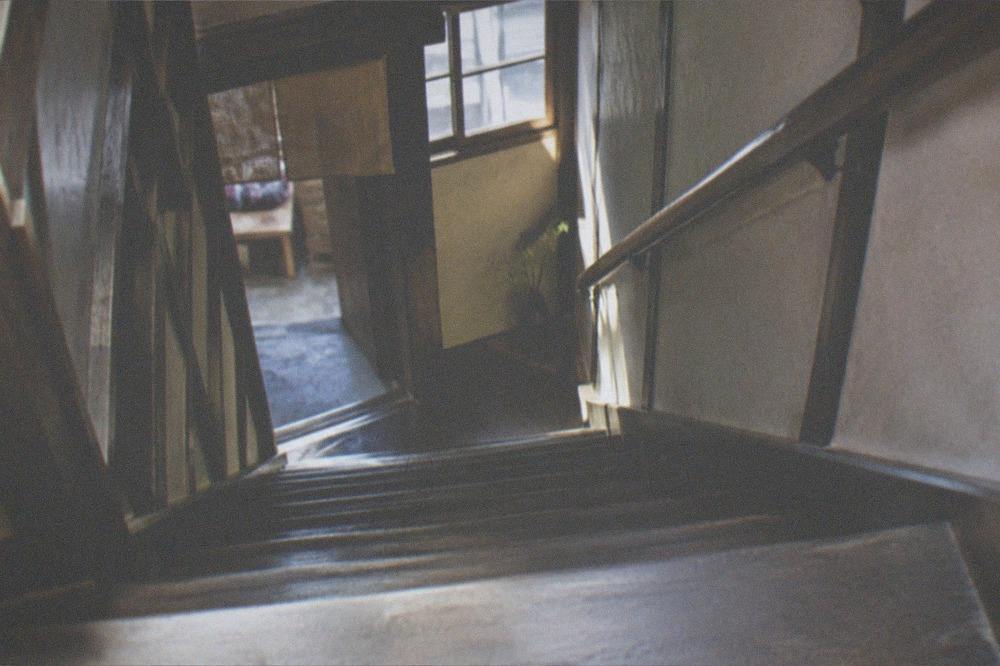
Fire safety deserves one honest paragraph. These are timber buildings, in many cases with a single staircase, and the fire-escape logic of a 19th-century merchant house is not the fire-escape logic of a hotel. Restored rental machiya in the licensed category meet current guesthouse standards, and choosing a properly licensed operator over an informal listing is the single decision that most improves your safety margin. If that sentence changes your mind about the stay, book a ryokan instead; the buildings will still be there to walk past.
On arrival, the practical sequence is short. Collect the key or code, find the breaker panel if the house is dark, run the bath to clear the pipes, and work out where the rubbish sorting goes, because Kyoto's recycling rules are strict and a mis-sorted bag is the most common guest complaint in the reviews. Luggage delivery from Kyoto Station, the hands-free service the city promotes to keep buses clear, is worth arranging if you arrive before check-in; see our Kyoto airport guide for the transfer side of a first day.
How Do You Fill The Days From A Machiya Base?
A machiya base rewards the slow, walkable Kyoto over the bus-tour Kyoto, because the houses sit in exactly the districts where the best walking is: temple approaches, river banks, market lanes and the small streets between sights. Mornings belong to the big names before the crowds, afternoons to the neighbourhood around your house, and a single well-chosen guided day covers the distant headline sights so the rest of the trip can stay local.
The rhythm that works, in the city's own dispersal advice, is early starts and off-peak districts. The city's 2025 survey counted 62.79 million visitors, and its published measures push visitors toward mornings, evenings and the lesser-known quarters; a machiya in Nishijin or north of downtown puts you on the right side of that push by default. For the headline circuit, the Fushimi Inari, Kinkakuji and Bamboo Grove one-day bus tour, from $97 per person and rated 4.8 from 5,317 reviews, covers the three sights hardest to link by foot in one day, leaving your remaining days free for the streets near your door.
From a central machiya, the walkable set is large: the Kamo river banks, the temple slopes of Higashiyama, the downtown food streets and the covered arcades. Our Kyoto temples and Kyoto shrines guides map the east-side circuits, and the Kyoto cherry blossom guide is the one to read if you are booking the spring window, when the JMA normals put flowering on 26 March and full bloom on 4 April.
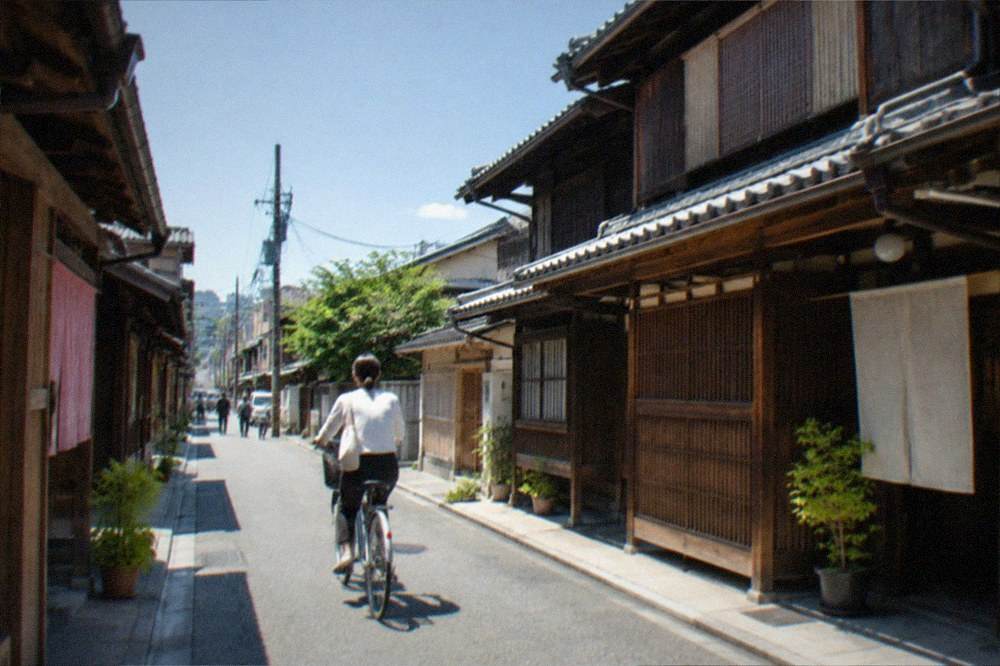
A bicycle extends the radius further than any bus pass, and the flat valley floor makes Kyoto one of Japan's easiest cycling cities; our Kyoto bike rental coverage has the practicalities. Even without wheels, a week in a machiya lets you revisit the same streets at different hours, which is the one thing a hotel-based itinerary never quite manages.
Common Questions About Kyoto Machiya Stays
What Is A Kyoto Machiya Townhouse And Why Are They Disappearing?
A machiya is a narrow-fronted, deep-plan wooden townhouse built for merchant families, with a shop front, tatami rooms and front and rear gardens. They are disappearing through demolition and redevelopment, driven by maintenance costs, inheritance complications and land values, while tourism conversion into guest stays is now the main counter-pressure keeping surviving houses standing.
Is A Machiya Stay Suitable For Children?
Partly. Children usually love the futons, the garden and the sense of a house rather than a room, but the staircases are often steep, the baths are compact, and sound travels through sliding screens. Families with children under about six should ask the operator specifically about stair gates and bath depth before booking.
Do Machiya Have Air Conditioning And Heating?
Restored rental machiya in the licensed category almost always have air conditioning and room heaters, but the houses are timber and drafty by design, so winter nights near the January mean low of 1.5 C feel cold at the edges. Ask the operator to confirm both cooling and heating before booking a summer or winter stay.
How Does The Kyoto Accommodation Tax Apply To A Machiya Booking?
It is charged per person per night on the room-only rate. From 1 March 2026 the tiers are 200 yen under 6,000 yen, 400 yen from 6,000 to under 20,000 yen, 1,000 yen from 20,000 to under 50,000 yen, 4,000 yen from 50,000 to under 100,000 yen, and 10,000 yen at 100,000 yen and above. A house in the 20,000 to under 50,000 yen band therefore carries 1,000 yen per guest per night.
Can You Cook In A Machiya?
Most whole-house machiya rentals include a kitchen, and self-catering is one of the format's real advantages on longer stays. Compact one-room machiya in shared buildings may not. Confirm the kitchen with the operator if cooking matters to your plans, and expect Japanese-standard equipment and a strict rubbish-sorting schedule.
Which Kyoto District Is Best For A First Machiya Stay?
Gion and Higashiyama for atmosphere and walkability at a price premium, downtown and the Kamo river lanes for food and transport convenience, and Nishijin for a quieter, more residential version at lower rates. The house type is consistent across all three, so choose by street life and budget rather than by the building.
A machiya night is a small act of preservation with a futon in it. Choose a licensed operator, read the stairs before you book, budget the correct post-March 2026 tax tier, and spend your evenings on the lane outside your door, because that lane, and not the tatami, is the part of old Kyoto the house was built to serve.